Decorate a Wall with a Window in the Middle
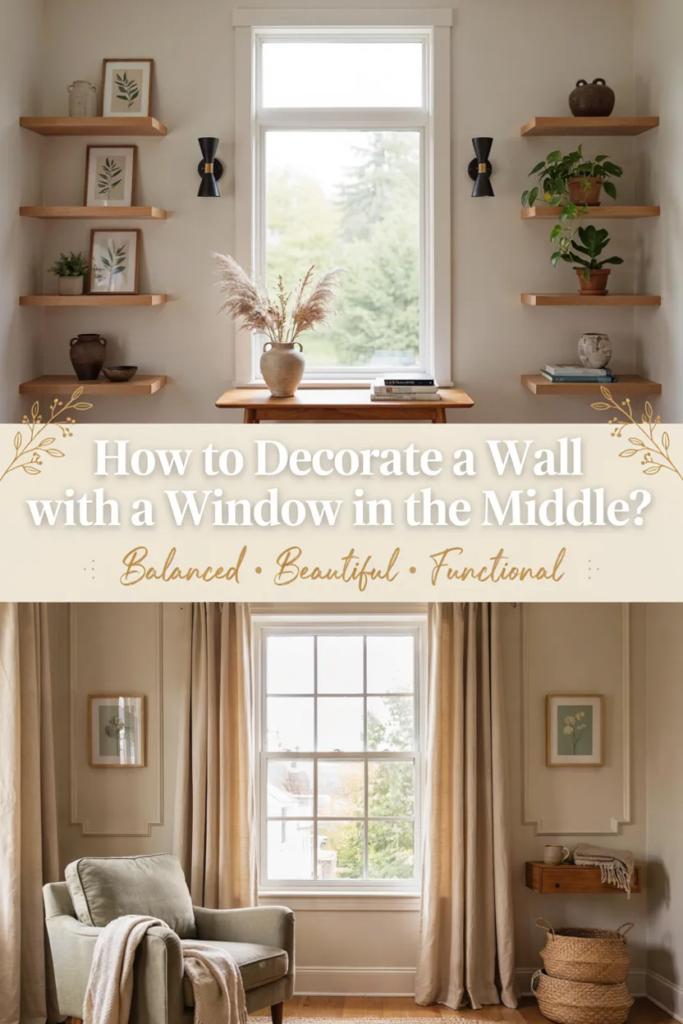
Decorating your home is one of the most rewarding parts of ownership. It’s how a space starts to feel personal and lived-in. Still, certain layouts can make decorating more challenging, and a window placed in the center of a wall is one of the most common issues homeowners run into. While it can interrupt your original design plans, it doesn’t have to limit your style.
The most important thing to keep in mind when decorating a wall with a centered window is balance. A window naturally draws the eye, so whatever surrounds it should support that focal point rather than overpower it. When done right, the window becomes an asset that adds light, depth, and structure to the room.
How To Decorate a Wall with a Window in the Center
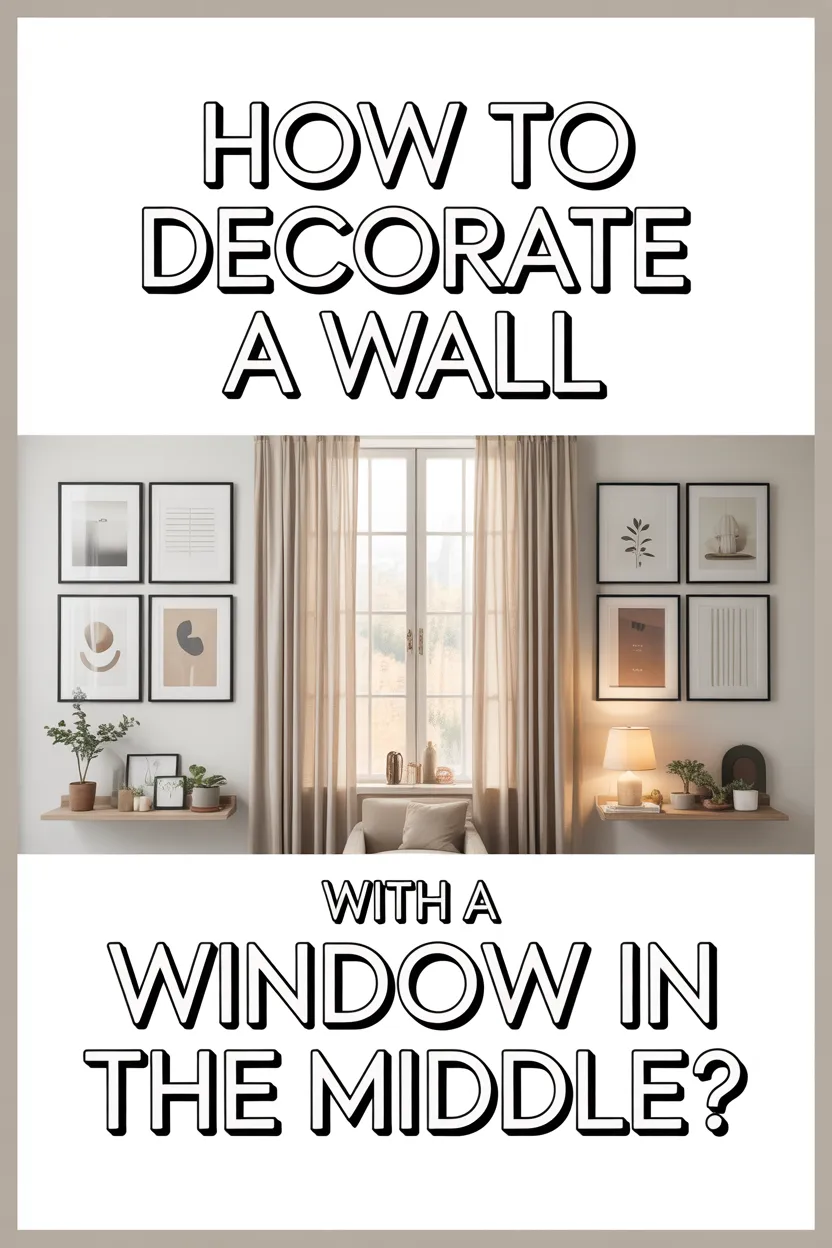
A window placed in the middle of a wall divides the available space into two smaller sections, which can make decorating feel restrictive. Instead of one large surface, you’re working with multiple areas that need to feel connected. If these areas aren’t treated thoughtfully, the room can feel uneven or visually cluttered.
Before adding anything, take a moment to assess what you already have. Balance doesn’t require identical decor on each side, but it does help when the items feel similar in visual weight. Think of the window as the center point of a scale. Each side should feel evenly supported, even if the decor itself is different.
It’s also important to remember that not every wall needs to be filled. Blank space can be intentional. Furniture placed in front of the wall, such as bookcases, chairs, or floor lamps, contributes just as much to the overall look as wall-mounted decor. These pieces help frame the window without overwhelming it.
If you want to add personality without adding objects, wallpaper is another effective option. It adds depth and character while keeping the wall layout clean and balanced.
Pictures
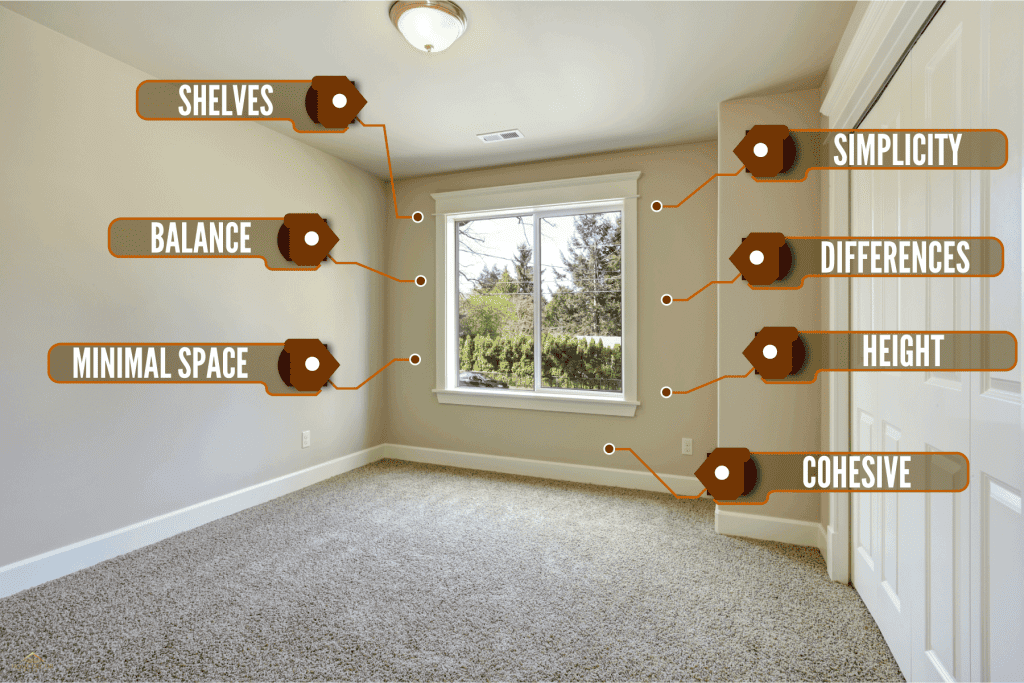
Looking at rooms with centered windows makes the concept of balance easier to understand. In well-designed spaces, the window feels intentional because the furniture and decor around it work together. The examples below show different ways to approach the same layout while maintaining harmony.
1. Shelves
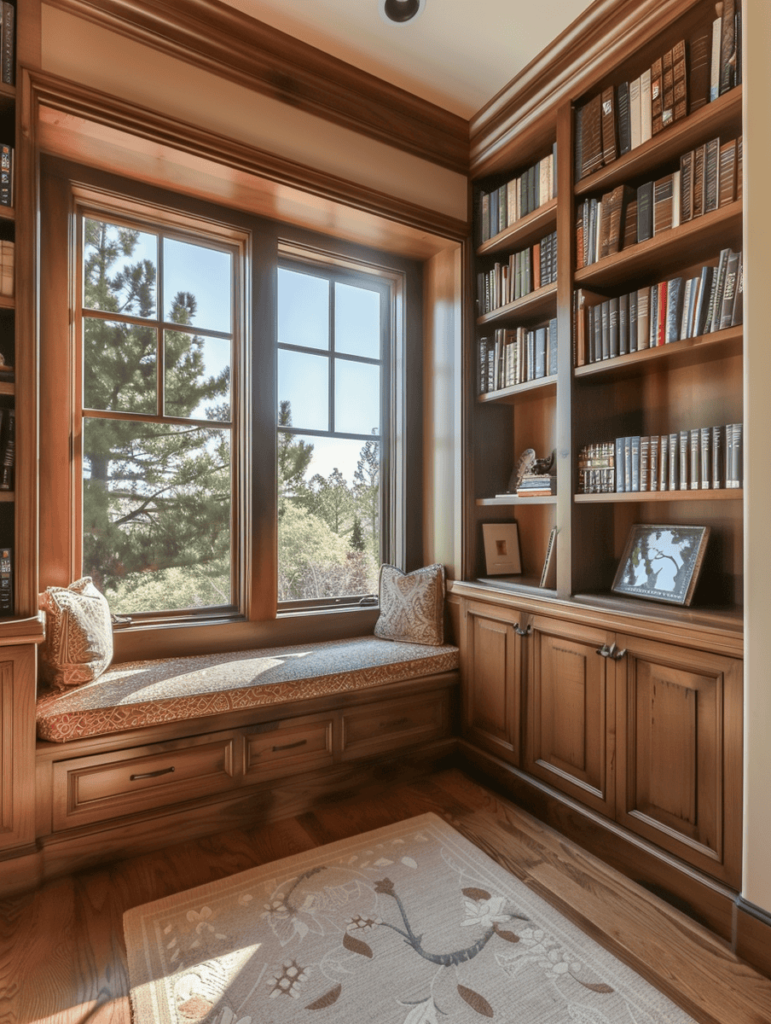
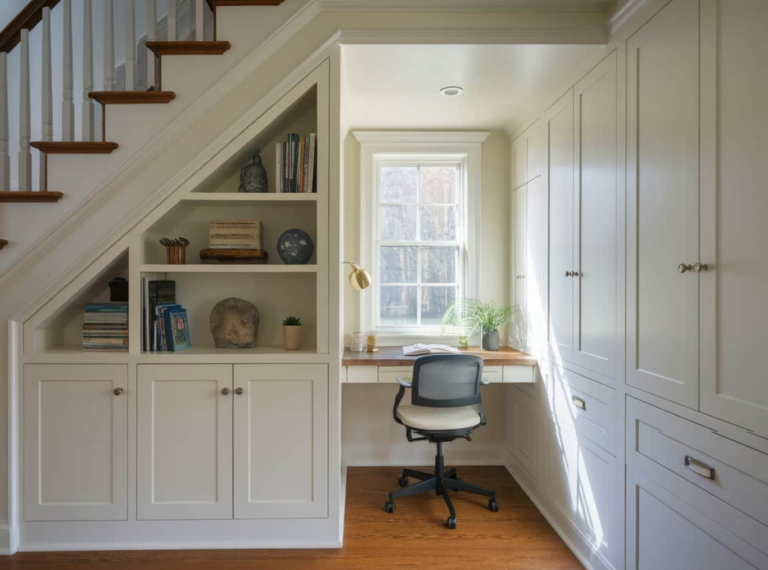
Shelves on either side of a centered window are one of the easiest ways to create balance. Whether they’re built-in or freestanding, shelves provide structure and symmetry while offering space for books and decorative accents. They naturally frame the window and make the wall feel complete without requiring large artwork or mirrors.
2. Balance
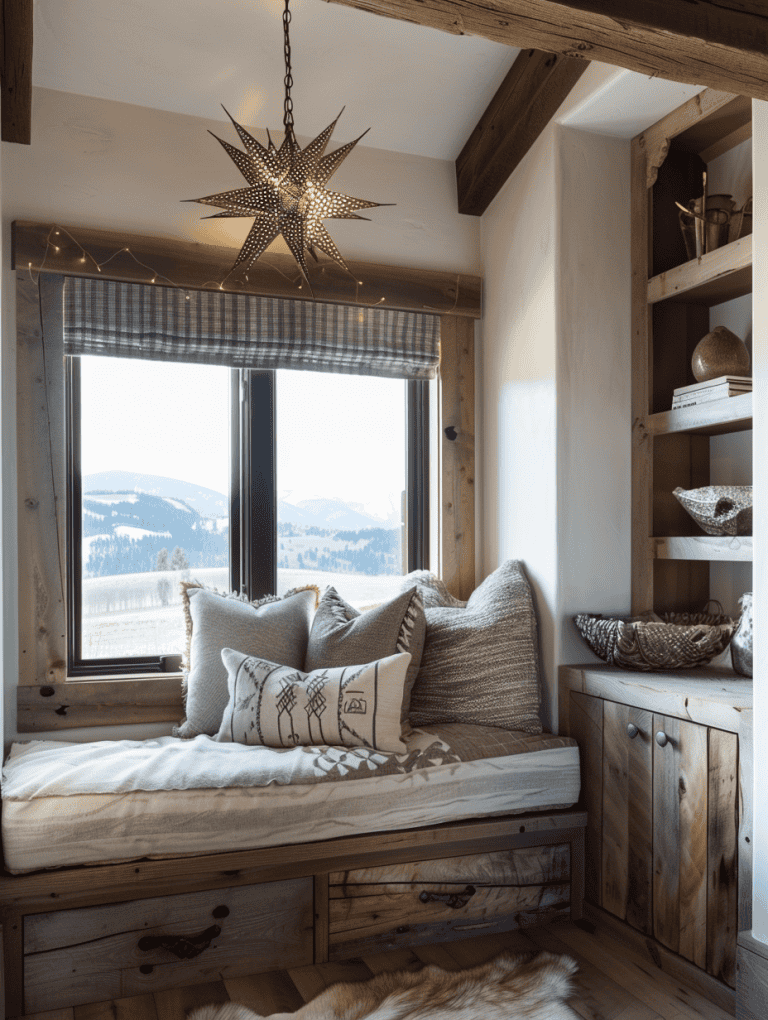
In some rooms, balance is achieved through furniture rather than wall decor. Seating placed directly beneath the window helps anchor the s
pace visually, allowing decor on either side to feel relaxed and intentional. When the furniture establishes balance, the wall decor doesn’t need to work as hard.
3. Minimal Space
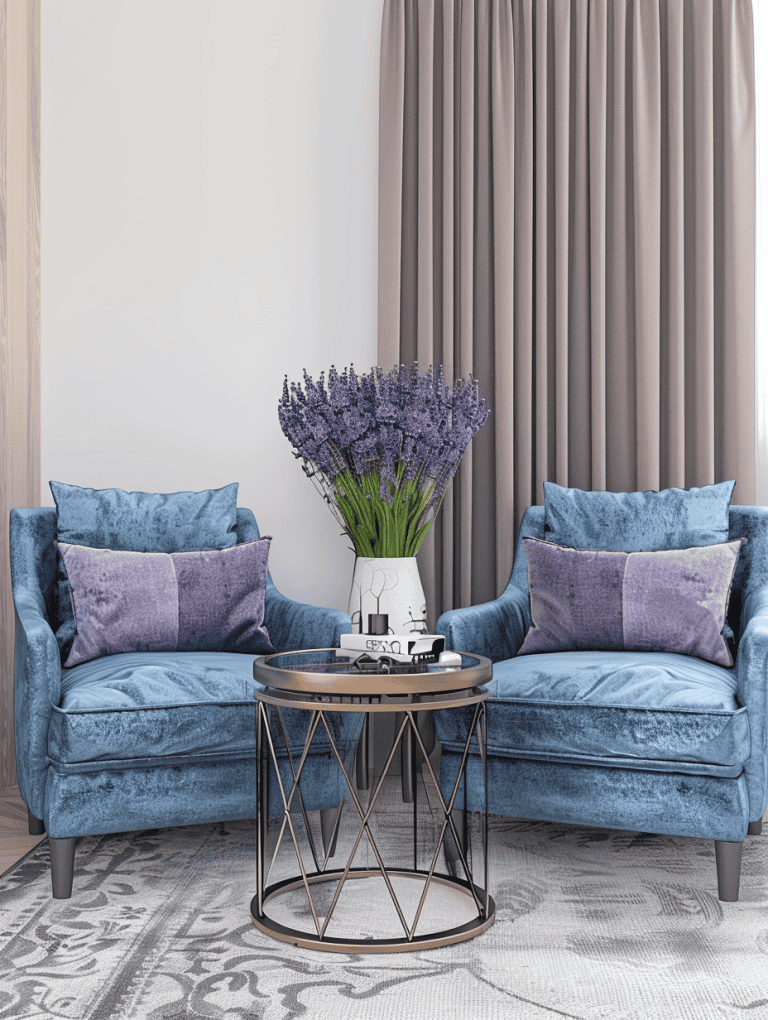
When the wall space beside a centered window is narrow, decorating can feel awkward. Leaving it empty may look unfinished, but overcrowding it can make the space feel cramped. In these situations, furniture works better than wall-mounted decor. Slim cabinets, chairs, or floor lamps help fill the space without making it feel busy.
4. Simplicity
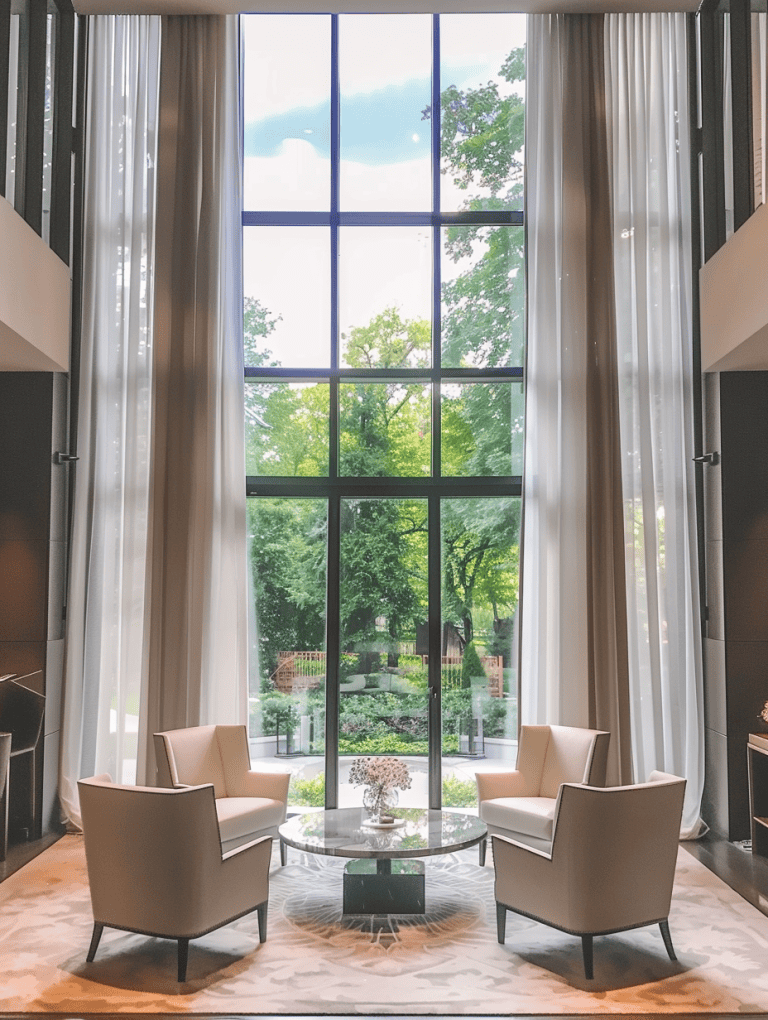
Sometimes the window itself takes up most of the wall, leaving little room for additional decor. In these cases, simplicity works best. Hanging curtain rods higher than the window frame draws the eye upward and makes the room feel taller. Floor-length curtains and symmetrical furniture placement help maintain balance without adding clutter.
5. Differences
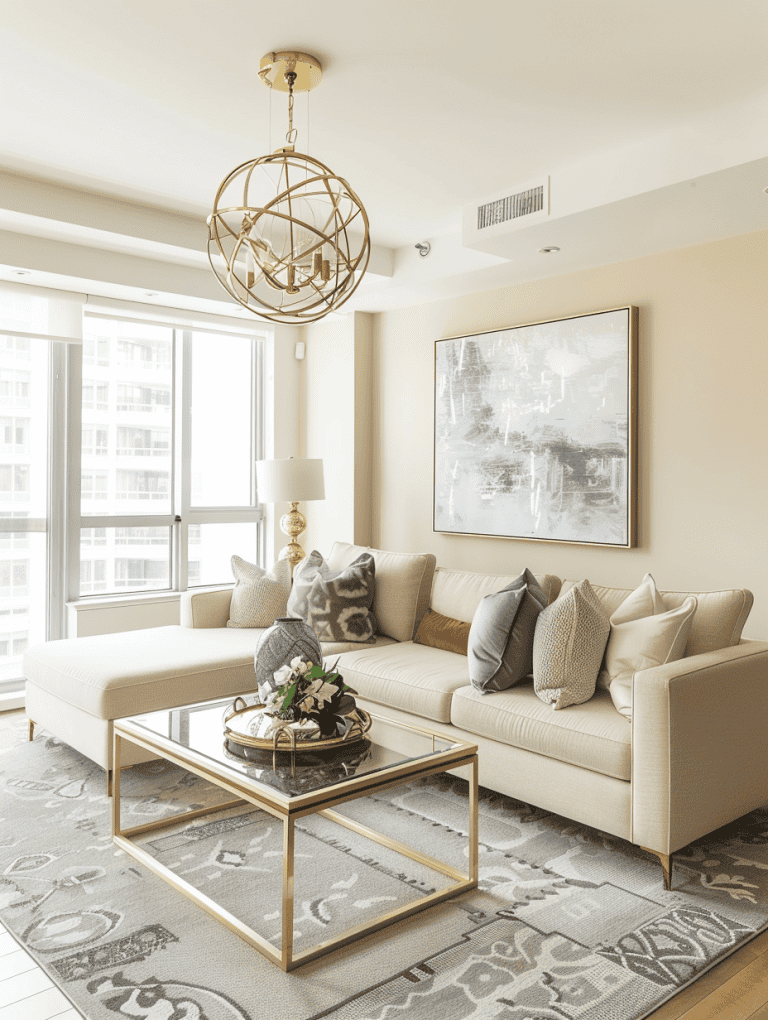
Balance doesn’t require matching items on both sides of the window. One side can feature a single large piece of art, while the other displays several smaller pieces. As long as the overall visual weight feels even, the room will feel cohesive. This approach adds character while still respecting the window as the central feature.
6. Height
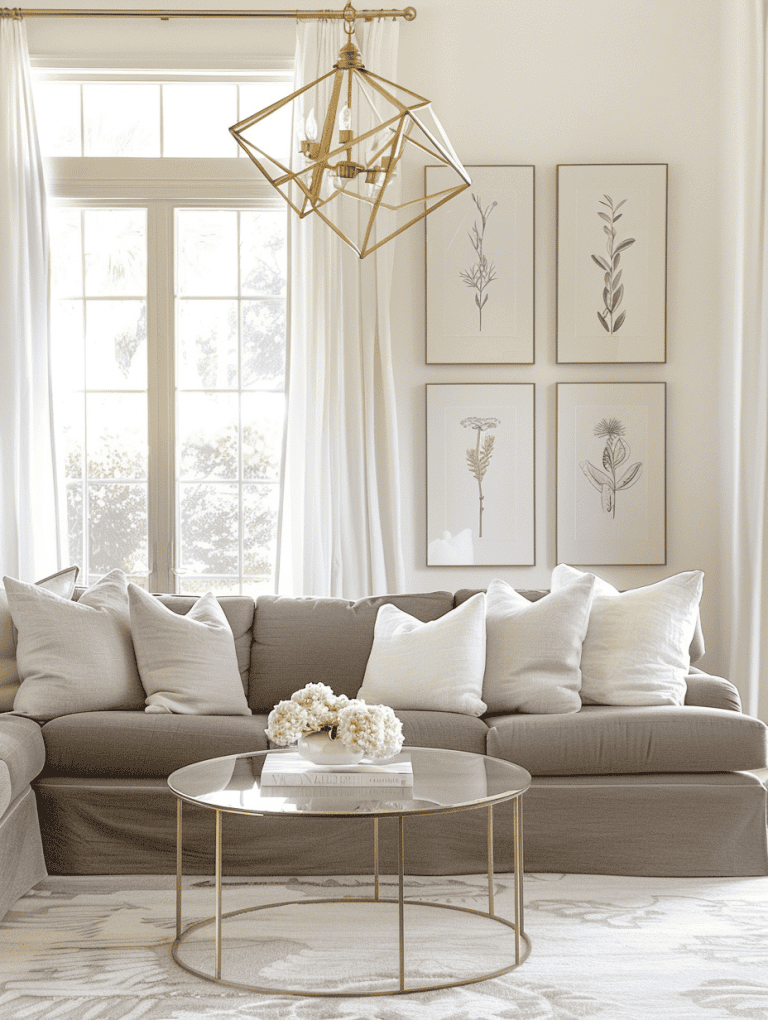
Placing furniture beneath a centered window can work, but it isn’t always the best option. Window treatments can dramatically change how a room feels. Hanging curtains higher than necessary and letting them extend to the floor creates the illusion of taller walls, making the space feel more open and refined.
7. Cohesive
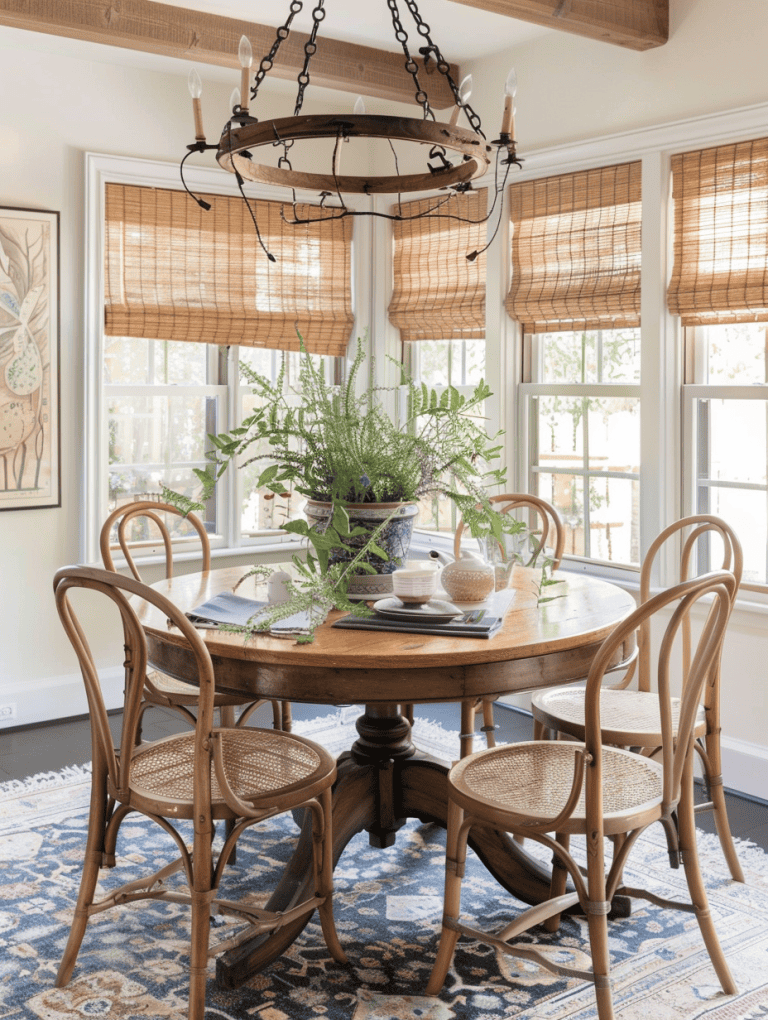
Using consistent materials and finishes throughout the room helps everything feel connected. When wood tones, metals, or colors repeat across blinds, furniture, and picture frames, the window blends seamlessly into the design. Instead of standing out as a challenge, it becomes part of a cohesive overall look.
How Do You Decorate a Wall Between Windows?
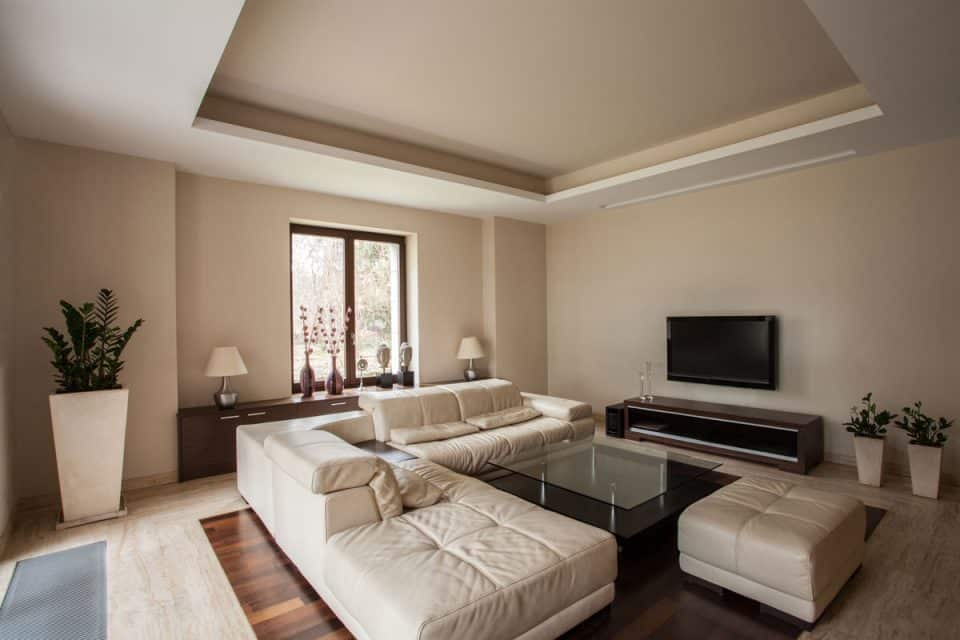
There are two main approaches to decorating the wall between windows. You can make it a focal point by adding artwork, a mirror, or statement decor that grounds the room. Another option is to install one continuous curtain rod that spans both windows and the space between them. This visually connects the windows and makes them feel larger.
How Do You Decorate a Window Behind a Bed?
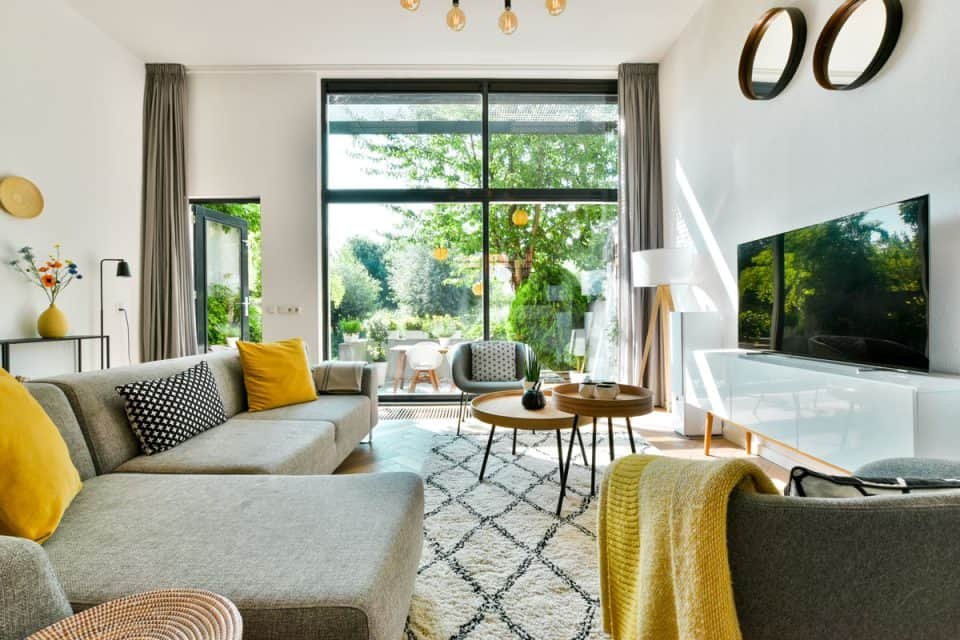
If the window is small and positioned above the headboard, it can be treated like a standard window. For larger windows, moving the bed slightly away from the wall allows space for proper curtains. When the bed and window are centered together, coordinated curtains, bedding, and headboard styles elevate the entire room.
How Do You Decorate a Room With a Large Window?
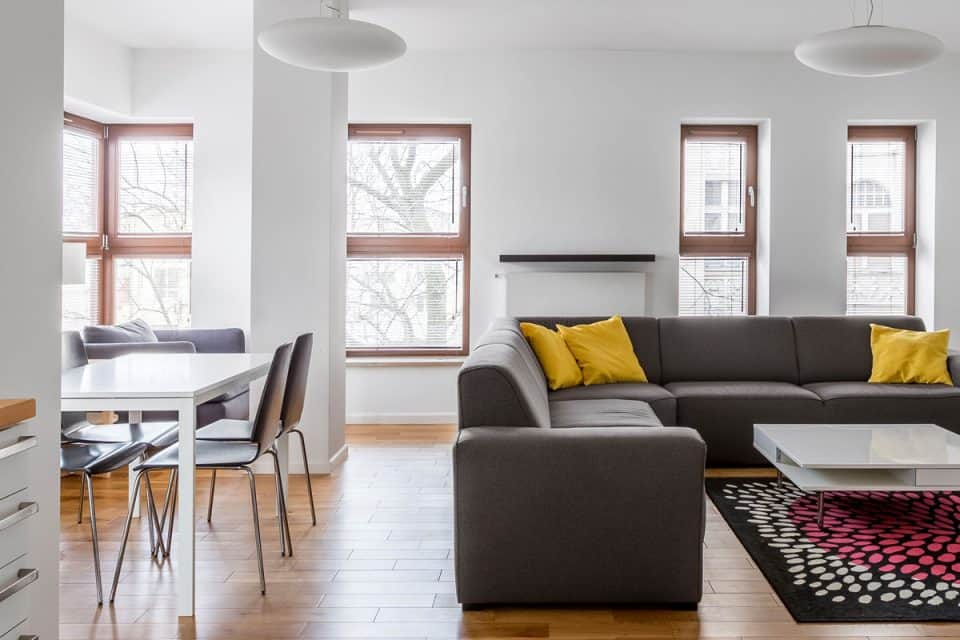
Start by deciding whether the window or the furniture should be the main focal point. If the window is the star, layered or colorful window treatments can draw attention to it. If not, neutral curtains that complement the rest of the decor help the window blend into the space.
Natural light can fade fabrics over time, so furniture placement matters. Mirrors placed opposite the window help reflect light, while lighter colors make the room feel brighter and more open.
How Do You Decorate a Room With Too Many Windows?
When wall space is limited, window treatments become the primary design element. Curtains, blinds, shades, shutters, and trim help frame the windows and add structure to the room.
Layering sheer curtains with heavier drapes adds depth and flexibility, while mounting curtain rods closer to the ceiling helps the room feel taller. With the right treatments, even a room filled with windows can feel polished and intentional.
Many of the ideas I share are inspired by real-life experimentation. I often test décor concepts in my own living spaces and explore practical ways they can be applied in everyday homes. I also gather insights from working with homeowners who want to improve the comfort, beauty, and functionality of their spaces.
I share practical ideas for improving living rooms, bedrooms, and overall home aesthetics using simple design principles.
I explore creative ways to upgrade outdoor spaces including patio décor, small backyard styling, and relaxing outdoor setups.
I provide ideas for kitchen organization, décor accents, and functional layouts that make kitchens more beautiful and practical.
The concepts shared here are based on ideas I have personally experimented with or studied through real home décor improvements.
Related Articles
DIY wall decor ideas for 2026
Stunning Wall decor trends 2026