Minimalist Living Room Design Ideas
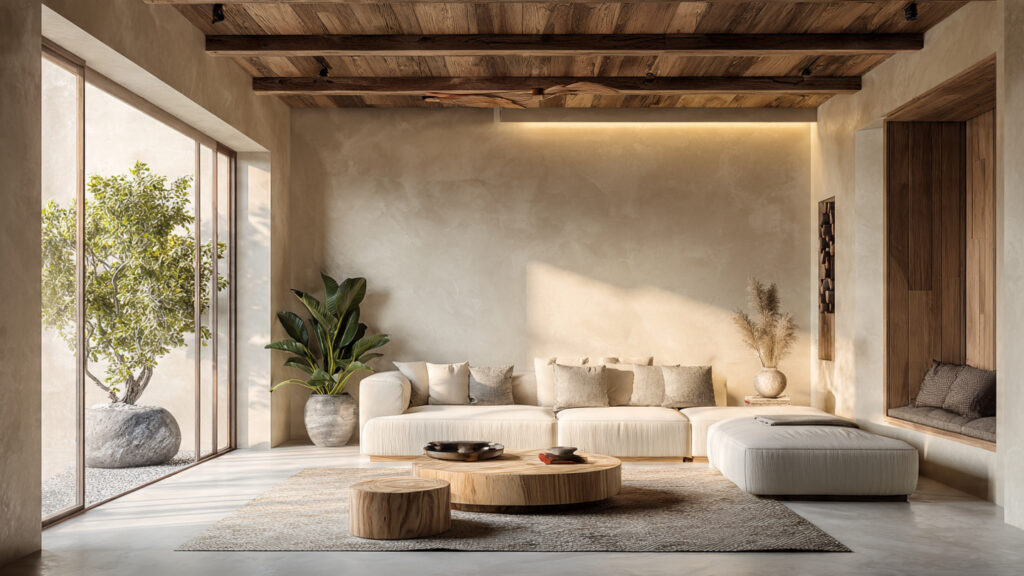
I used to think a calm living room meant getting rid of everything. But after trying different setups, I realized it’s more about choosing what actually deserves a place in your home. In this guide on Minimalist Living Room Design Ideas, I’m sharing what has truly worked for me—from simplifying colors to controlling clutter and improving layout.
A minimalist living room isn’t empty—it’s intentional. Studies show that cluttered spaces can increase stress levels and reduce focus, while clean, organized environments can improve mental clarity by up to 40%. That alone made me take this seriously.
In this article, I’ll walk you through practical ideas that helped me create a peaceful, functional space without sacrificing comfort or style. These are realistic changes you can start today.
Key Takeaways
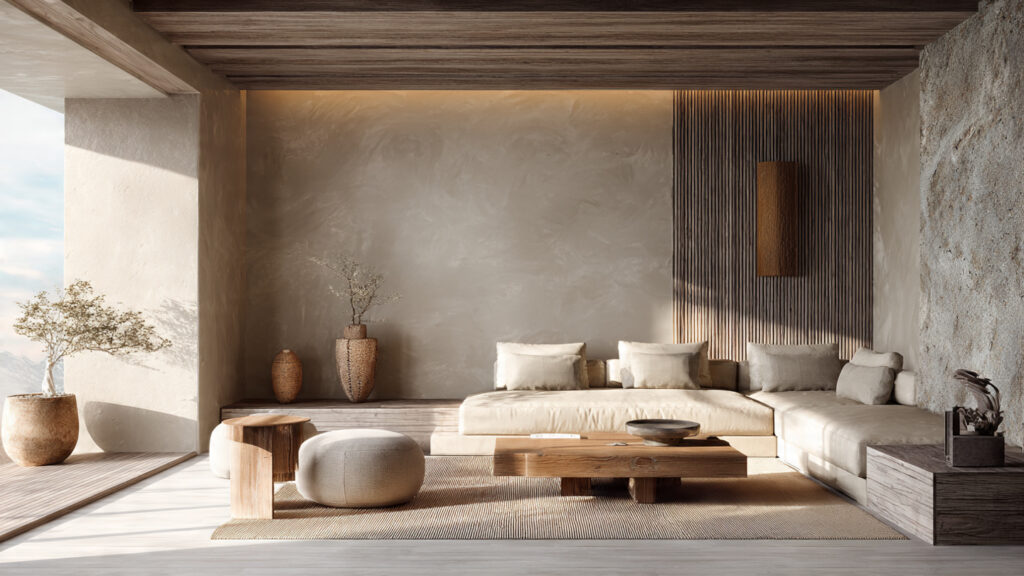
Minimalist living rooms focus on fewer but better items
Neutral color palettes create instant calm and balance
Hidden storage is essential to control visual clutter
Textures replace excessive décor for depth and warmth
Regular decluttering keeps the space peaceful long-term
1. The “Less Than Three” Color Palette
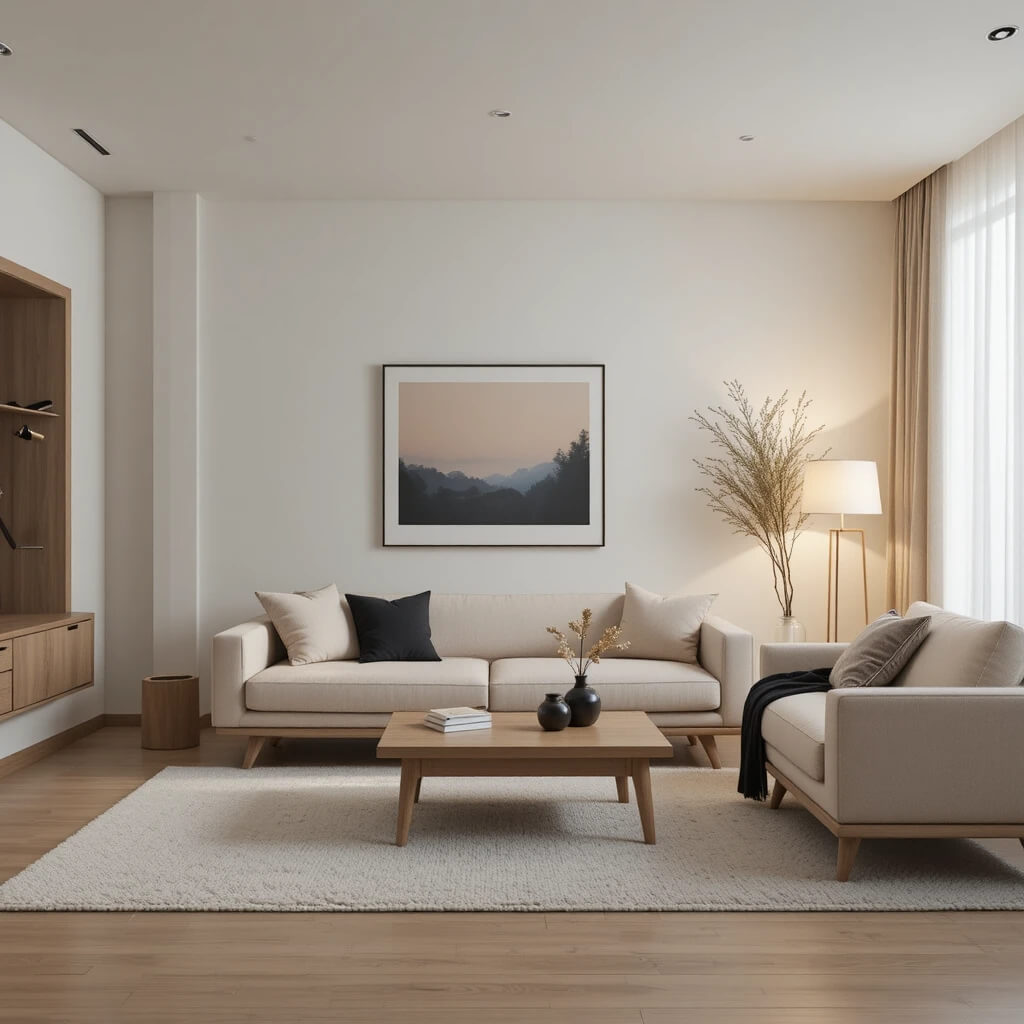
I found that limiting my living room to two or three colors instantly made everything feel more put together. I personally stick with warm white, beige, and a small touch of black for contrast.
This approach works because the brain processes fewer colors faster, which reduces visual stress. That’s why most modern Minimalist Living Room Design Ideas follow this rule.
Pro tip: Test your palette using fabric samples or cushions before committing to paint or furniture.
2. Embrace the Power of Negative Space
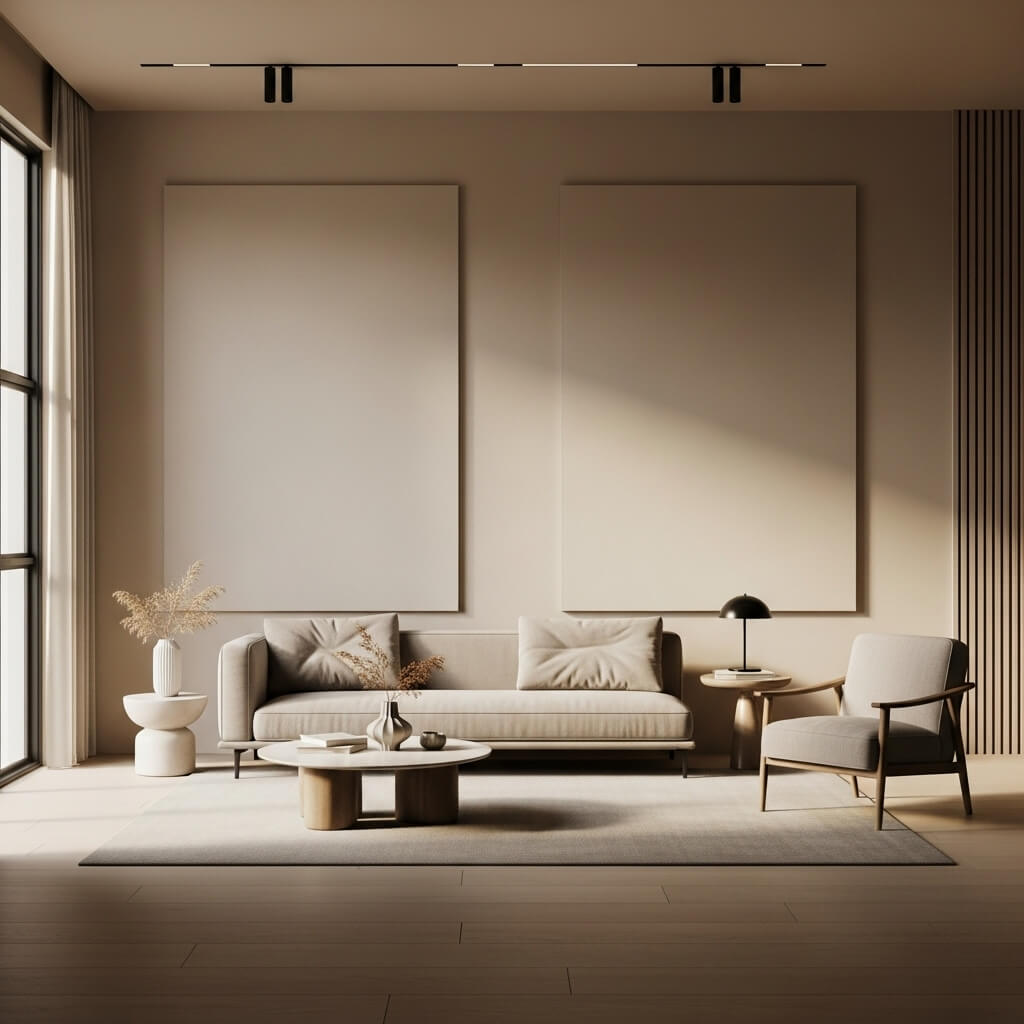
One mistake I made early was trying to fill every corner. Once I started leaving intentional empty space, the room felt bigger and calmer.
Negative space gives your eyes a break and highlights the pieces you truly love. Even interior designers use this technique to create balance.
Pro tip: Leave at least 10–15% of your room intentionally empty for a more breathable layout.
3. Choose One Statement Piece of Art
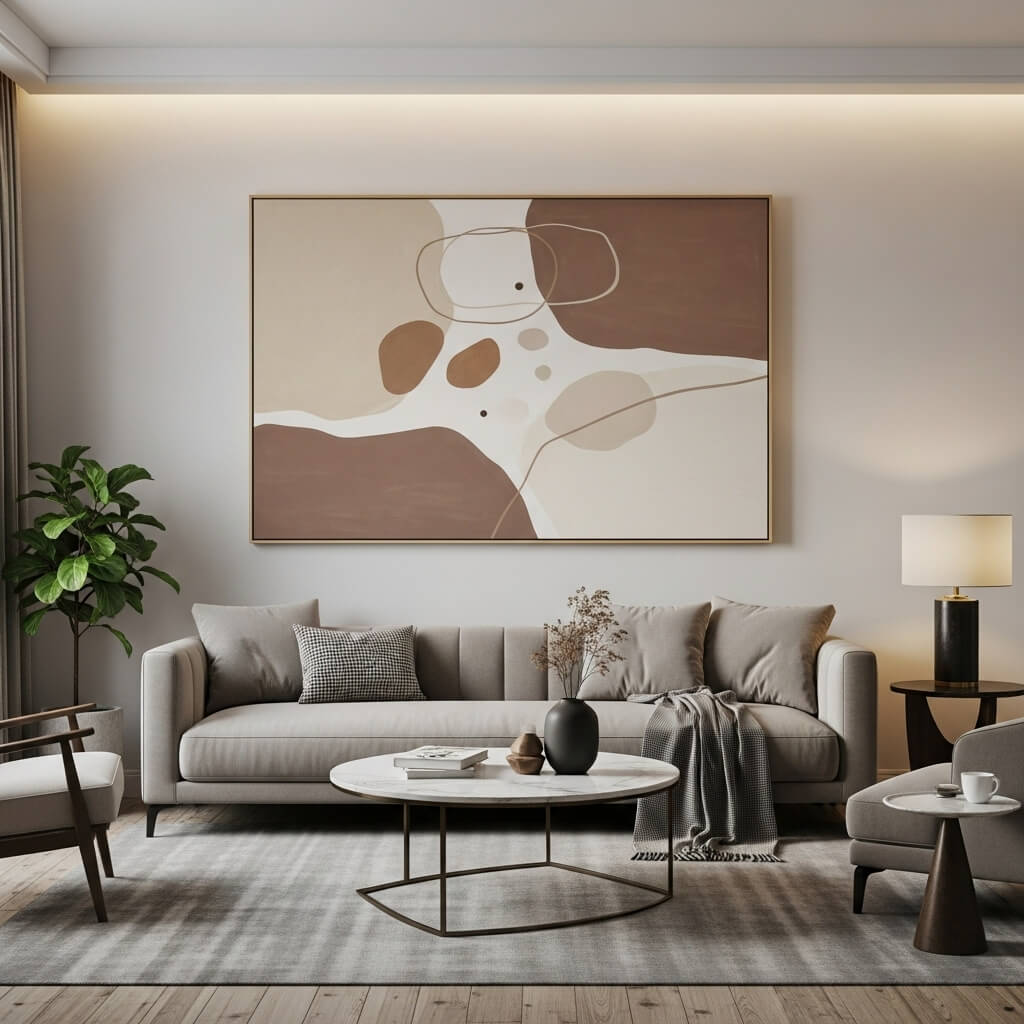
Instead of multiple frames, I switched to one large artwork—and it completely changed the vibe. It gave my room a clear focal point without feeling crowded.
A single statement piece draws attention and reduces visual noise, which is key in minimalist spaces.
Pro tip: Choose art that reflects your personality so the room still feels like “you.”
4. Invest in “Quiet” Furniture
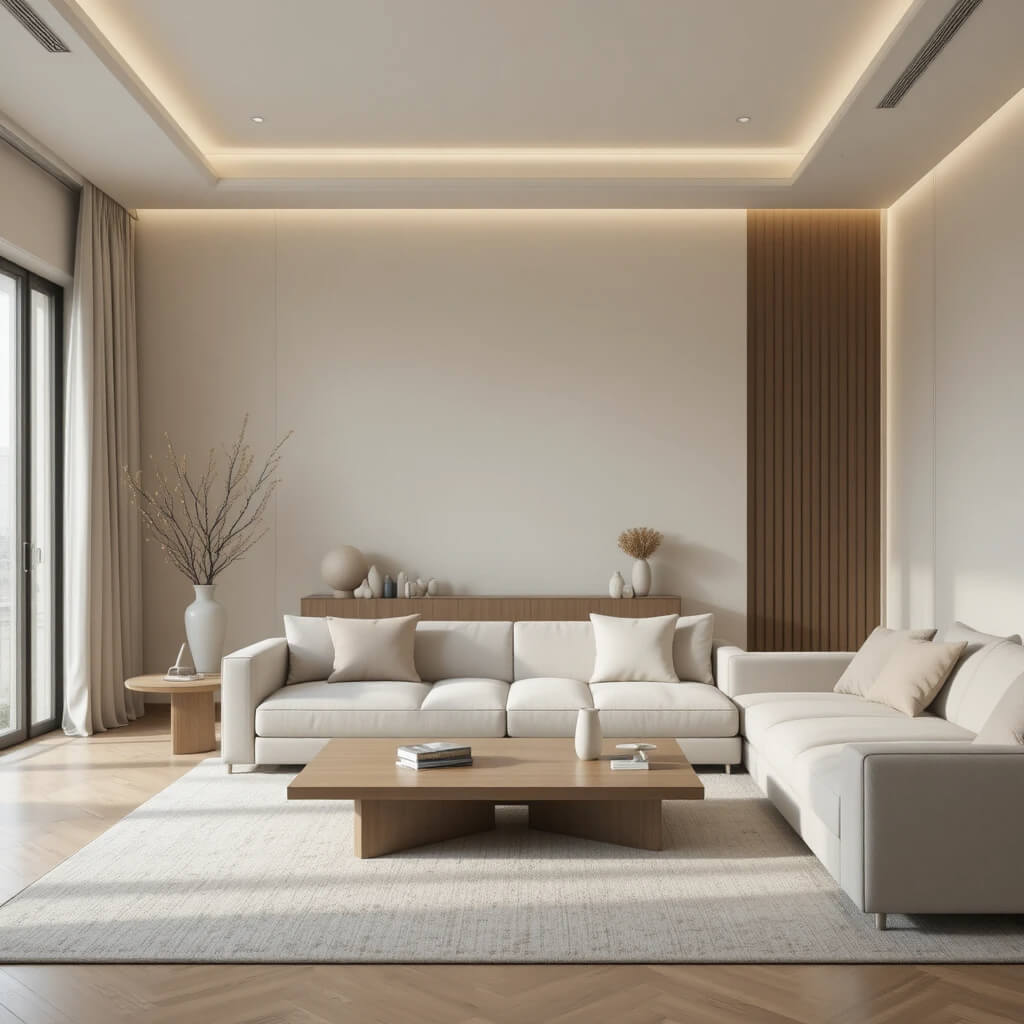
I started choosing furniture with clean lines and simple shapes, and it made a huge difference. No heavy carvings, no busy patterns—just smooth, subtle designs.
Minimalist furniture is not just about looks; it also makes spaces easier to maintain and clean.
Downside: Dust and marks are more visible, so regular cleaning is important.
5. Implement Hidden & Intelligent Storage
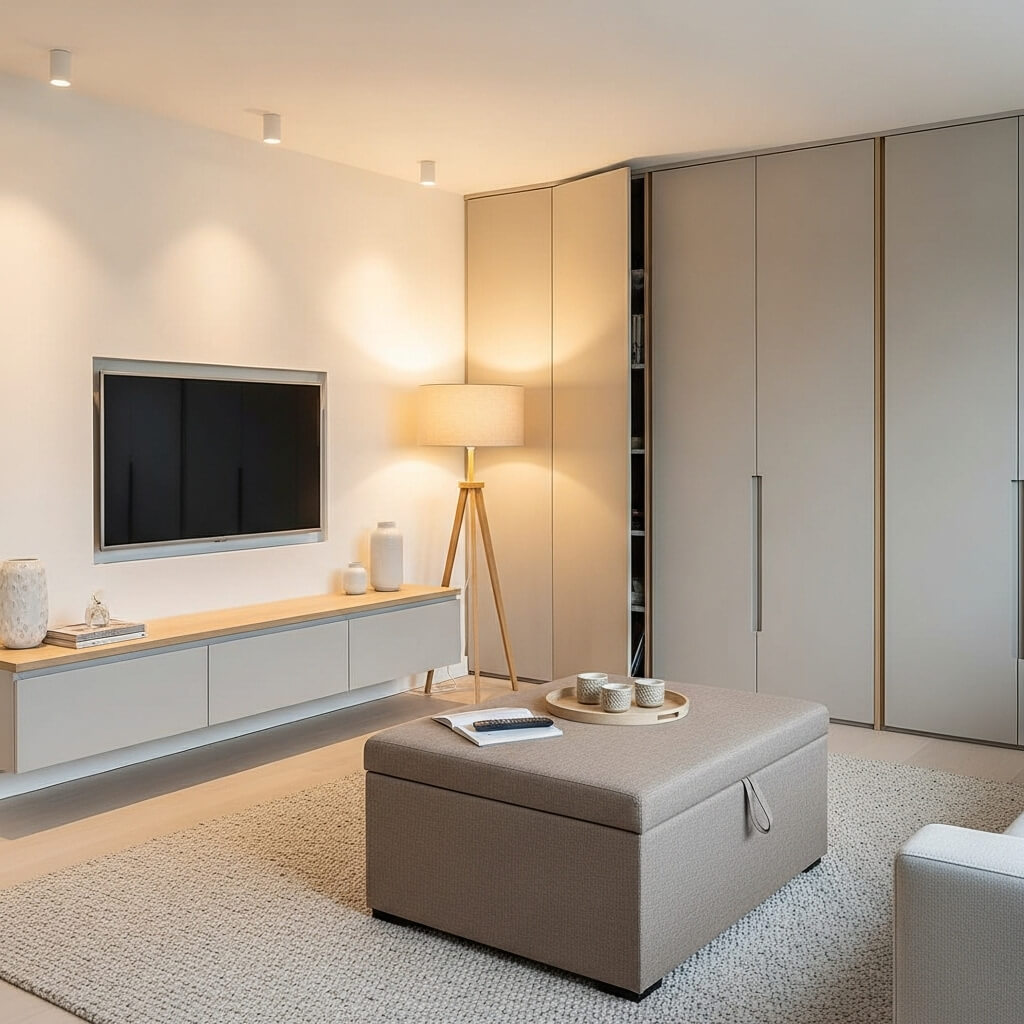
Clutter was my biggest issue until I added furniture with built-in storage. Now, everything has a place—and most of it stays out of sight.
Storage benches, closed cabinets, and sleek TV units are essentials in Minimalist Living Room Design Ideas.
Pro tip: Use storage ottomans—they save space and reduce visible mess instantly.
6. Let There Be (The Right) Light
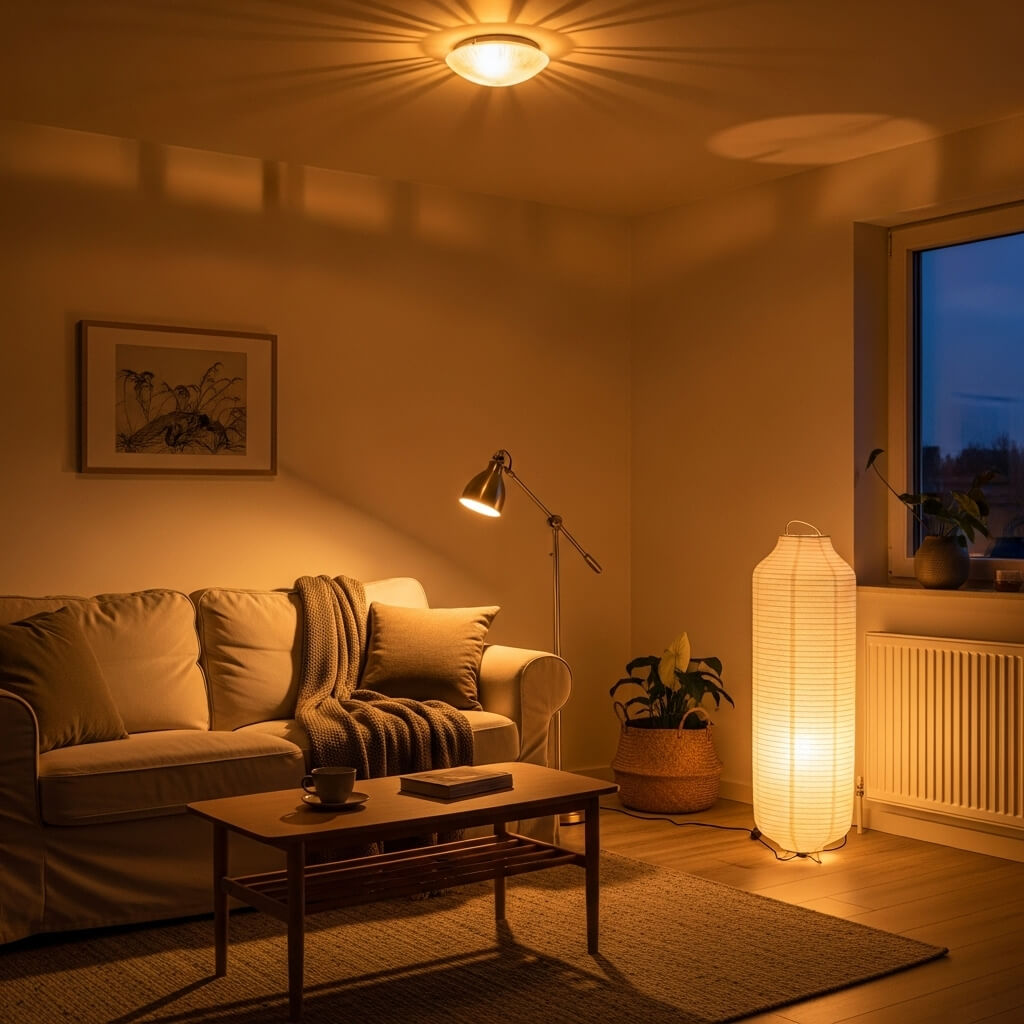
Lighting changed everything for me. I replaced harsh white lights with warm tones and added a floor lamp for a softer feel.
Layered lighting creates a cozy and relaxing environment, especially in the evening.
Pro tip: Aim for warm light (around 2700K–3000K) for a calm atmosphere.
7. Adopt a One-In, One-Out Rule
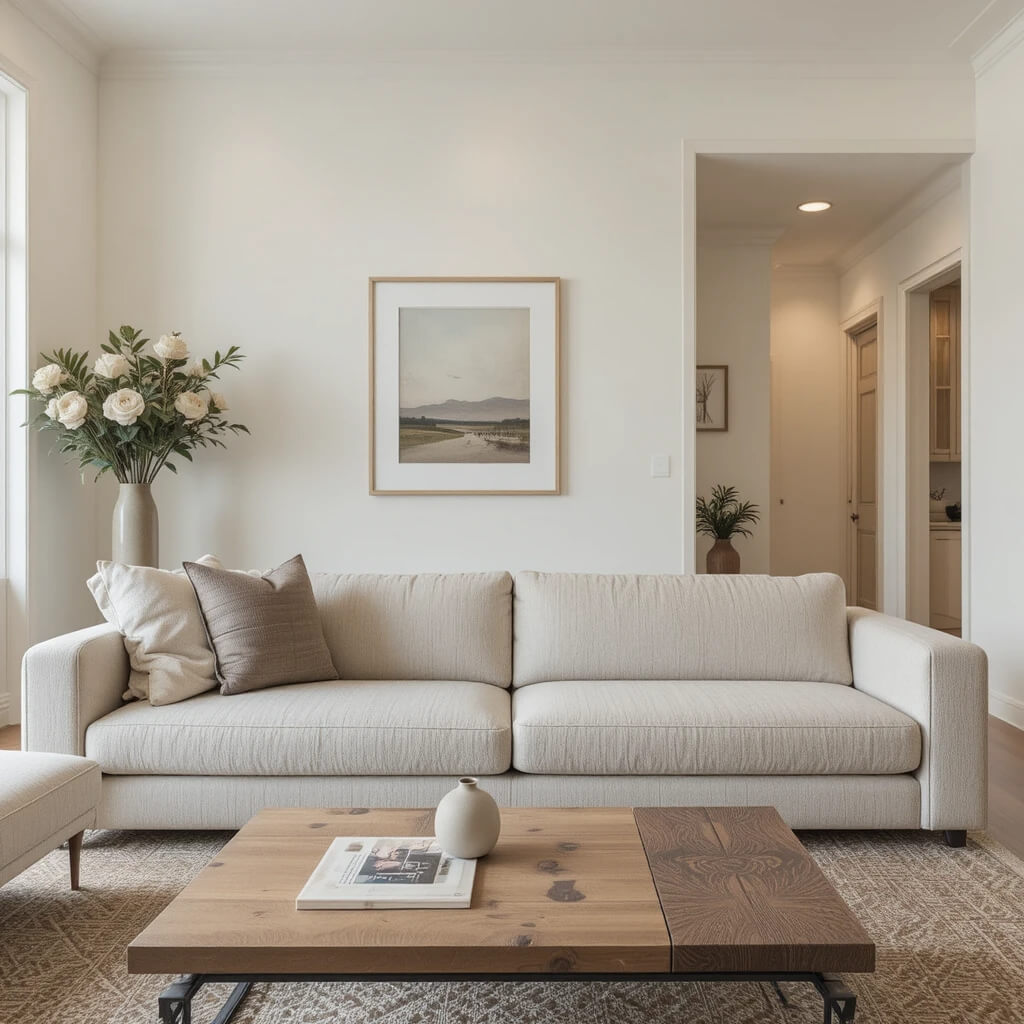
This rule helped me control clutter long-term. Every time I bring something new, I remove something old.
It keeps your space balanced and stops unnecessary accumulation.
Reality check: You don’t have to be perfect—just consistent.
8. Elevate Your Textures
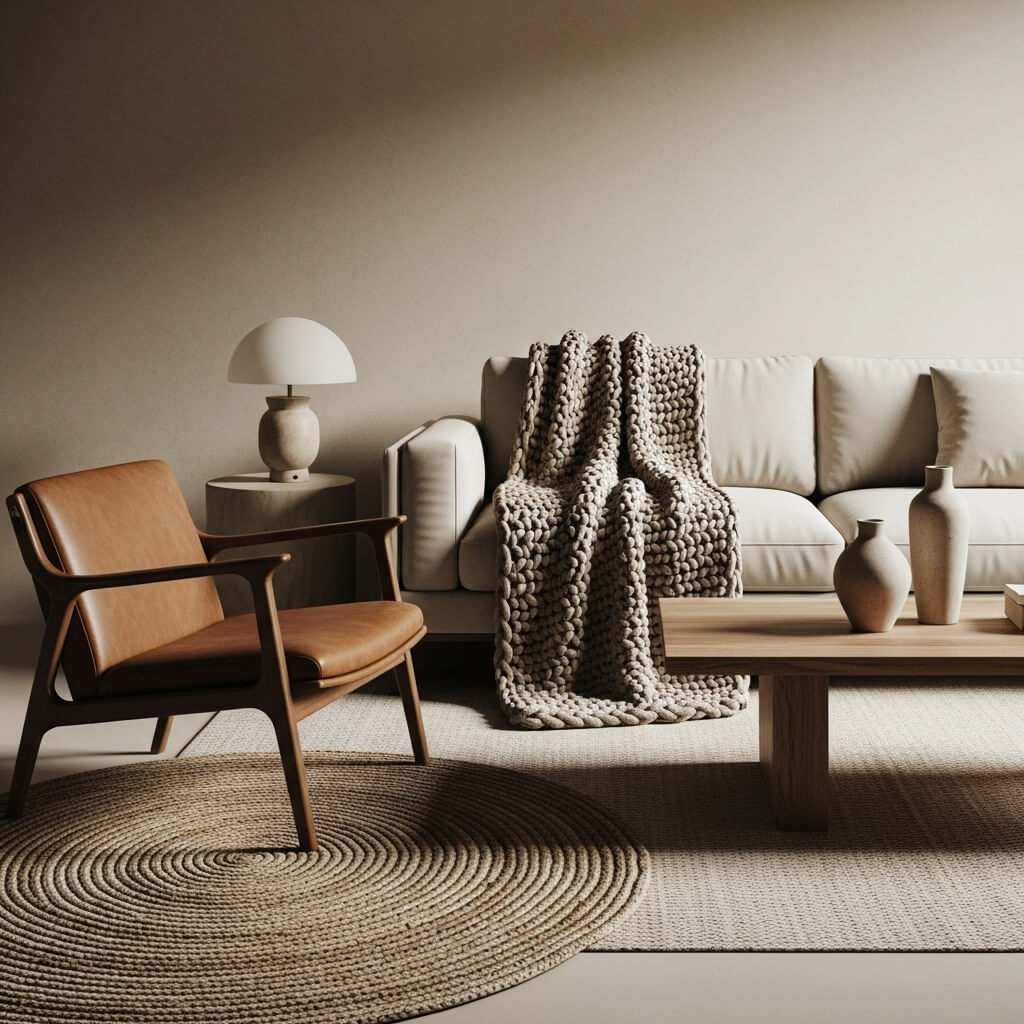
When you reduce colors, textures become more important. I added a soft rug, a knitted throw, and a wooden table to bring depth.
Mixing textures makes the room feel warm without adding extra items.
Pro tip: Combine at least three textures for a balanced look.
9. Go Monochrome in a Single Section
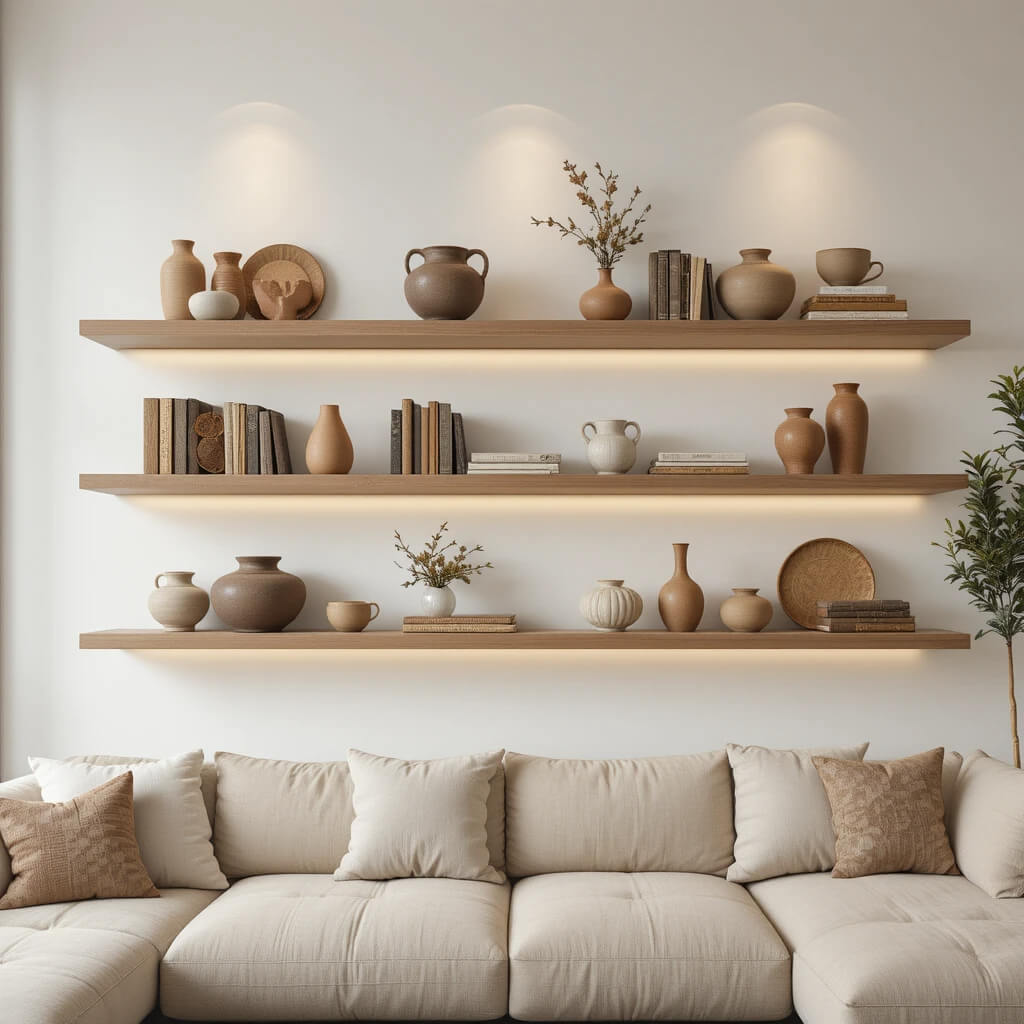
If doing the whole room feels overwhelming, start small. I styled one shelf using similar tones, and it looked surprisingly elegant.
This is a simple way to experiment with Minimalist Living Room Design Ideas without big changes.
10. Digitize Your Media (Yes, Really)
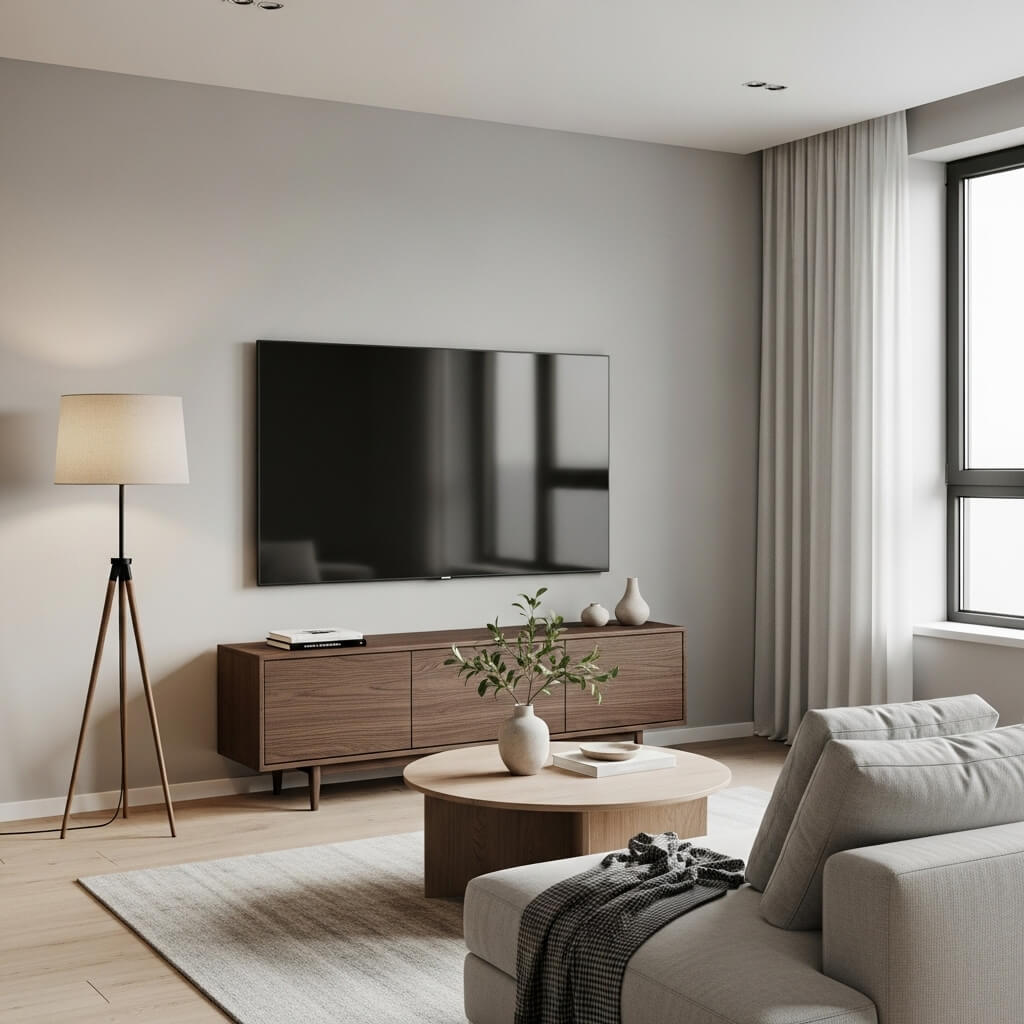
I removed DVDs and old cables from display, and the difference was huge. The space instantly looked cleaner.
Digital storage reduces physical clutter and frees up space.
Downside: It takes time to organize everything initially.
11. Choose Multi-Functional Furniture
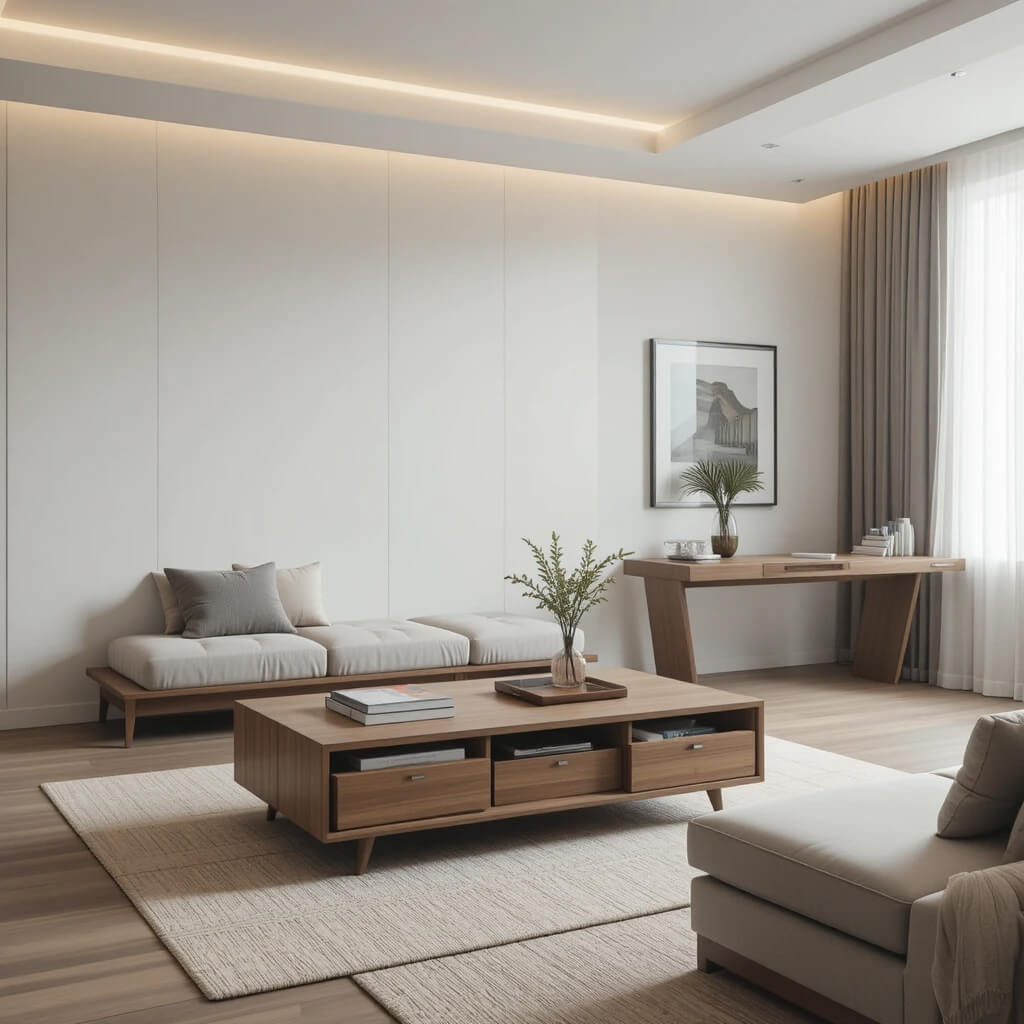
I started using furniture that serves more than one purpose, like a table with storage or a bench that doubles as seating.
This is especially useful if you have a small living room.
Pro tip: Look for furniture that solves at least two problems at once.
12. Edit Your Surfaces Ruthlessly
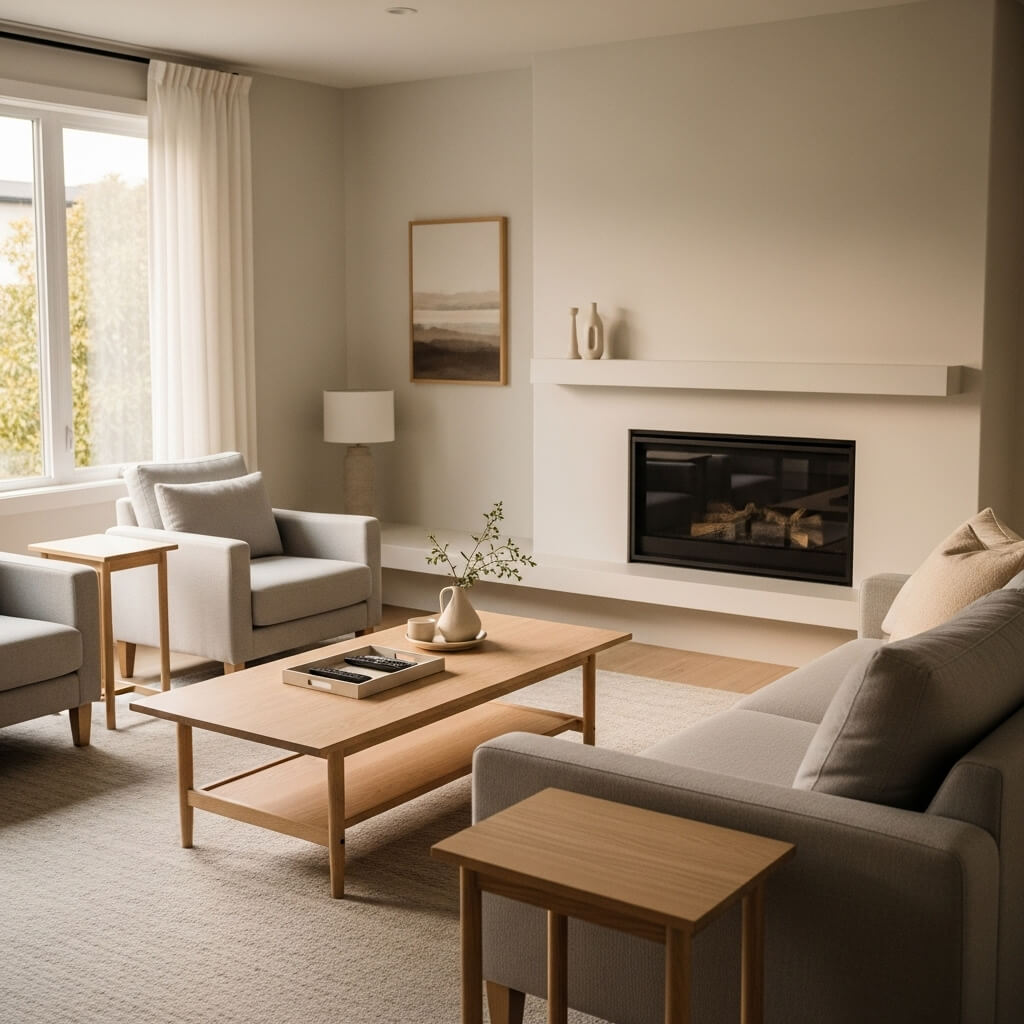
Clearing my tables and shelves made the biggest visual impact. I now keep only one or two items per surface.
This reduces distractions and makes cleaning faster.
Pro tip: Use trays to group small items neatly.
13. Incorporate Organic Shapes
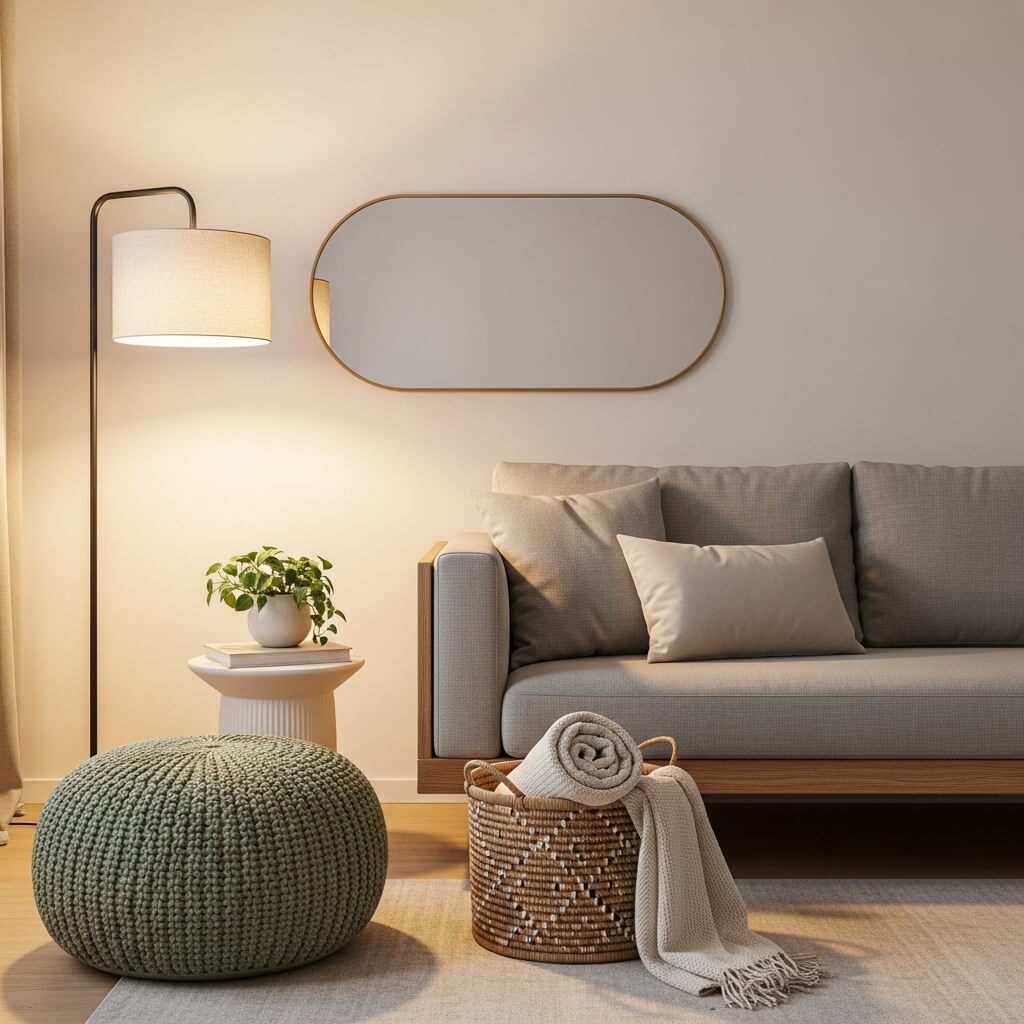
Too many straight lines can feel stiff. I added a round basket and curved décor pieces to soften the look.
Organic shapes bring balance and make the space feel more natural.
14. Master the Art of the Display Tray
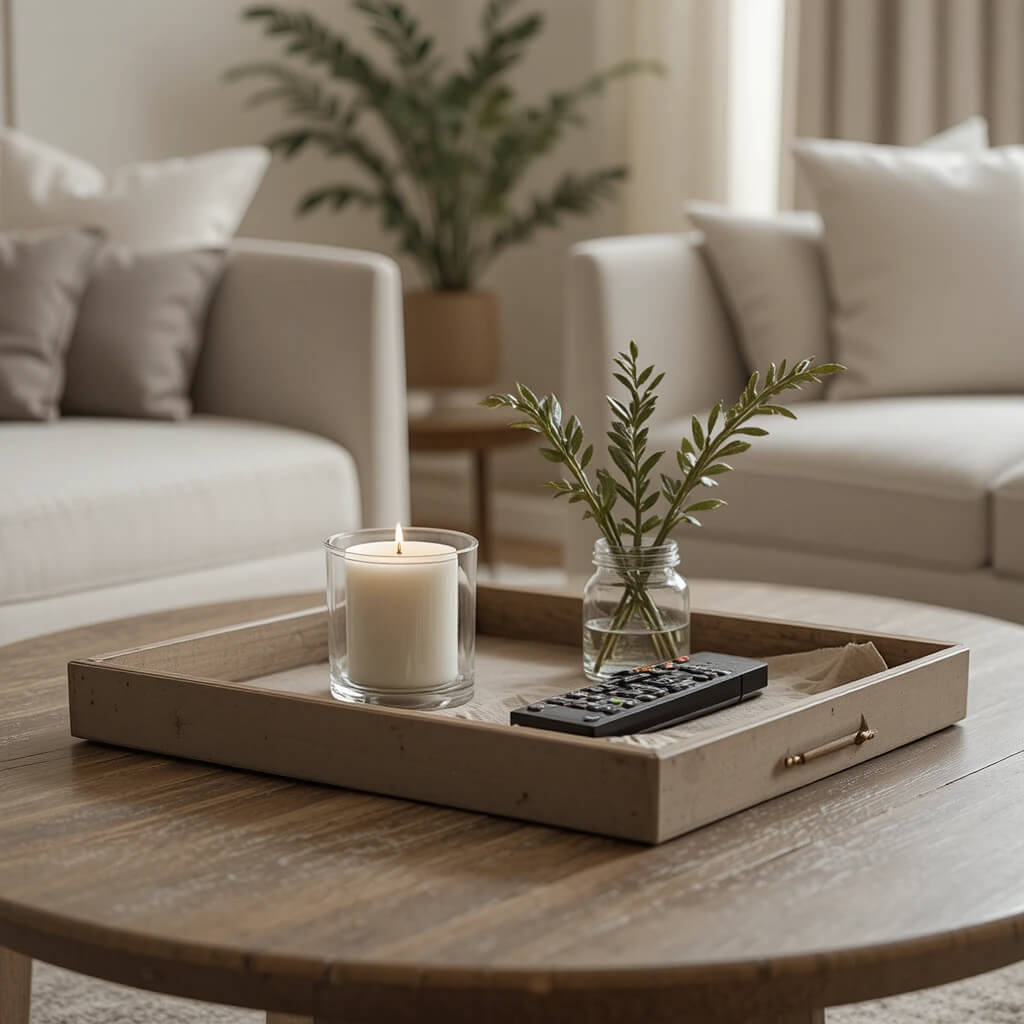
I use trays to organize small items like remotes and candles. It keeps things tidy without removing them completely.
Grouped items look intentional instead of messy.
Pro tip: Stick to one tray per surface to avoid clutter.
15. Let Nature Do the Decorating
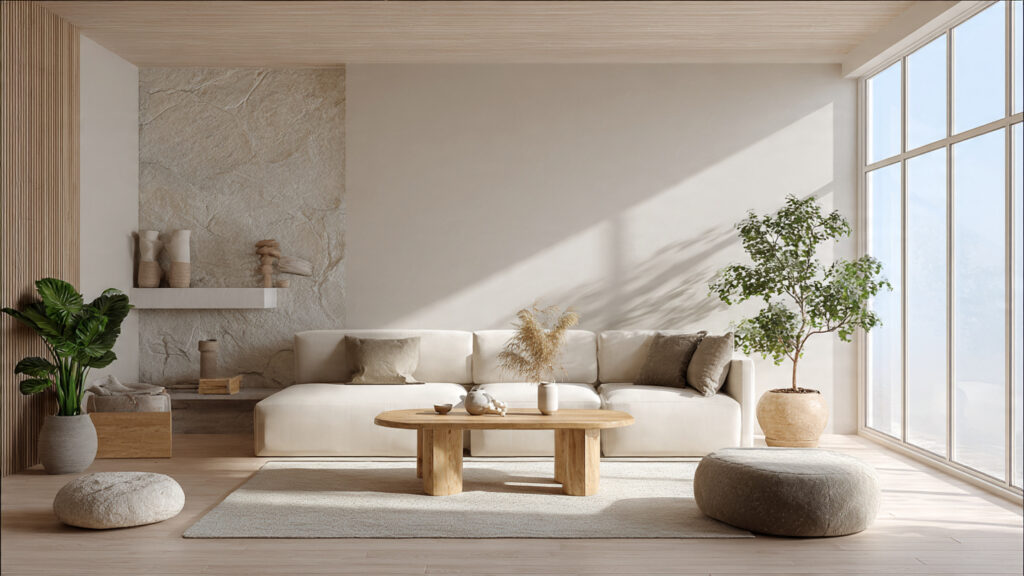
Adding a plant made my living room feel alive instantly. Even one plant can improve the overall atmosphere.
Studies show indoor plants can reduce stress and improve mood.
Pro tip: Choose low-maintenance plants like snake plants if you’re a beginner.
16. Regularly Conduct a “Clutter Audit”
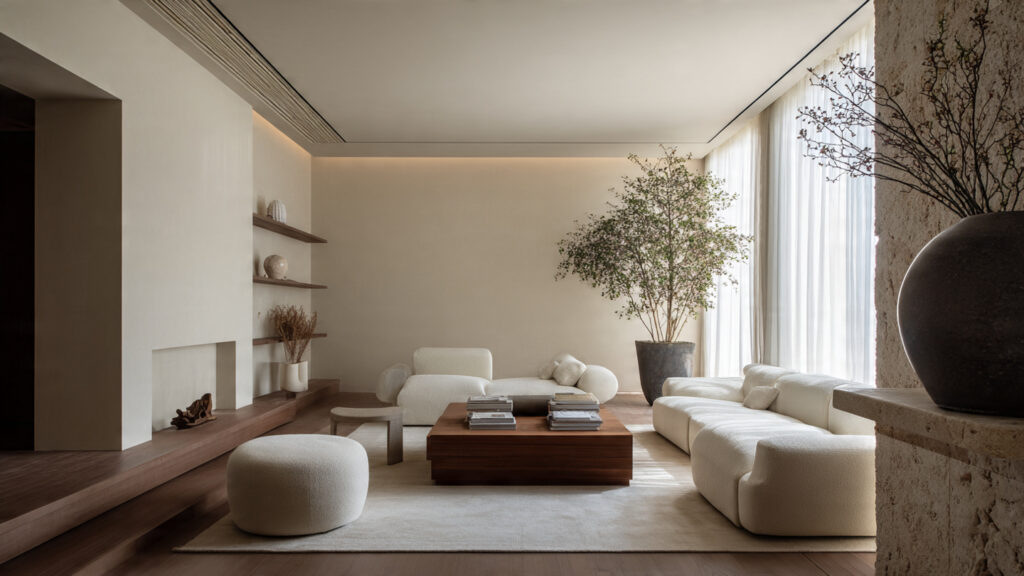
Every few months, I go through my living room and remove things I don’t use anymore. This keeps the space fresh and organized.
Minimalism is not a one-time task—it’s a habit.
Pro tip: Set a reminder every 3 months for a quick declutter session.
Your Peaceful Place is a Process
From my experience, creating a minimalist living room doesn’t happen overnight. It’s about making small, intentional changes over time.
Start with one idea—maybe clearing surfaces or simplifying your colors—and build from there. The results are not just visual; they affect how you feel every day.
Minimalist Living Room Design Ideas are not about less life—they’re about more clarity, more comfort, and more peace.
Many of the ideas I share are inspired by real-life experimentation. I often test décor concepts in my own living spaces and explore practical ways they can be applied in everyday homes. I also gather insights from working with homeowners who want to improve the comfort, beauty, and functionality of their spaces.
I share practical ideas for improving living rooms, bedrooms, and overall home aesthetics using simple design principles.
I explore creative ways to upgrade outdoor spaces including patio décor, small backyard styling, and relaxing outdoor setups.
I provide ideas for kitchen organization, décor accents, and functional layouts that make kitchens more beautiful and practical.
The concepts shared here are based on ideas I have personally experimented with or studied through real home décor improvements.