Effective Hacks For Blocking Heat From Windows
I’ve dealt with rooms heating up fast because of direct sunlight, and I learned that windows are usually the main reason. In this guide, I’m sharing Effective Hacks For Blocking Heat that actually work in real homes. These methods don’t require big renovations, but they can noticeably lower indoor temperatures and reduce AC usage.
Above the Fold Summary
From quick DIY fixes to long-term solutions, I’ll walk through what I’ve tried and what makes the biggest difference. When combined, these hacks can improve comfort, protect furniture, and even cut cooling costs by up to 20–30% depending on your setup.
Key Takeaways
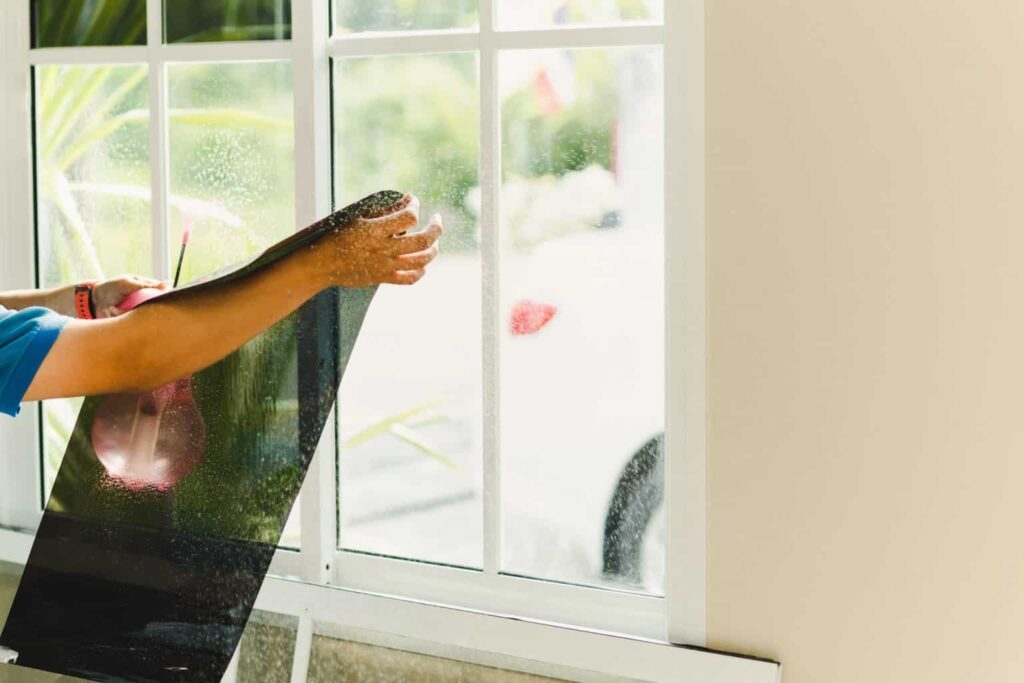
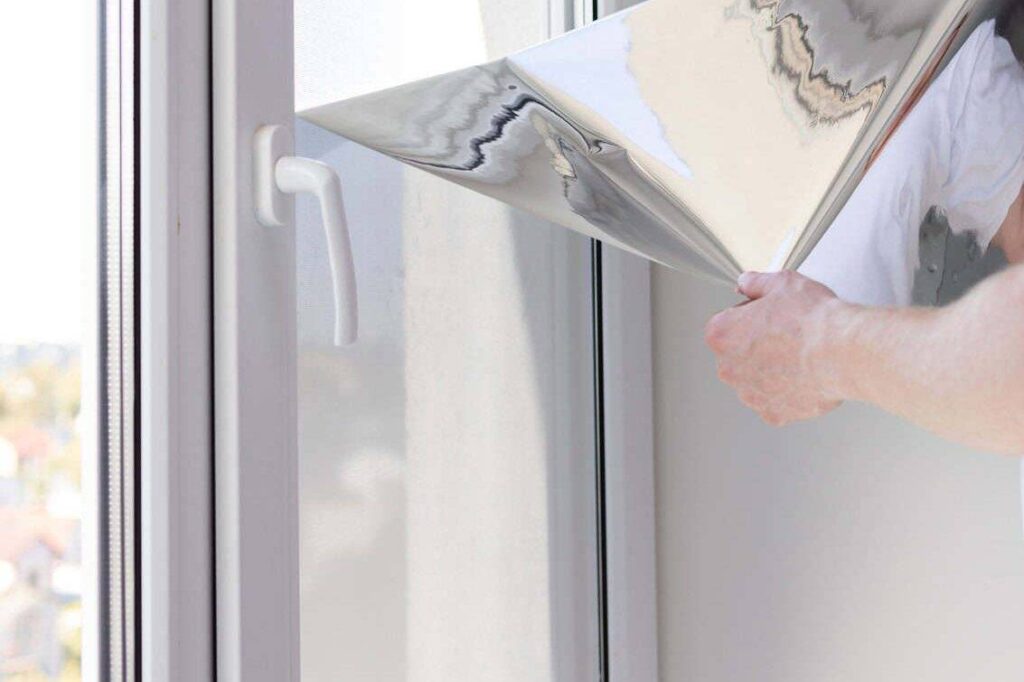
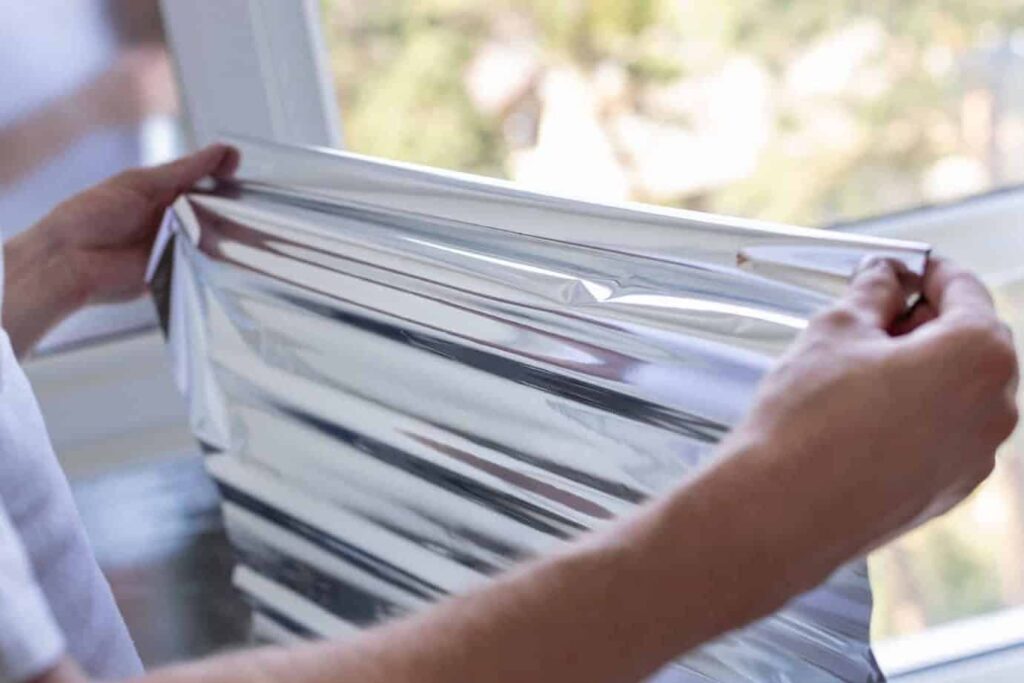
1. Install Heat-Reflective Window Film
I’ve used window film in rooms that get harsh sunlight, and the difference is immediate. These films reflect solar heat while still letting natural light in, which means I don’t have to sit in a dark room to stay cool.
Most quality films can block up to 80–85% of heat and almost all UV rays, which also protects furniture from fading. I found them especially useful on west-facing windows where afternoon heat gets intense.
Installation is simple if you take your time. I clean the glass, spray a solution, and apply the film carefully to avoid bubbles.
Pro Tip: I always prioritize windows that get direct sun for the longest time during the day for maximum impact.
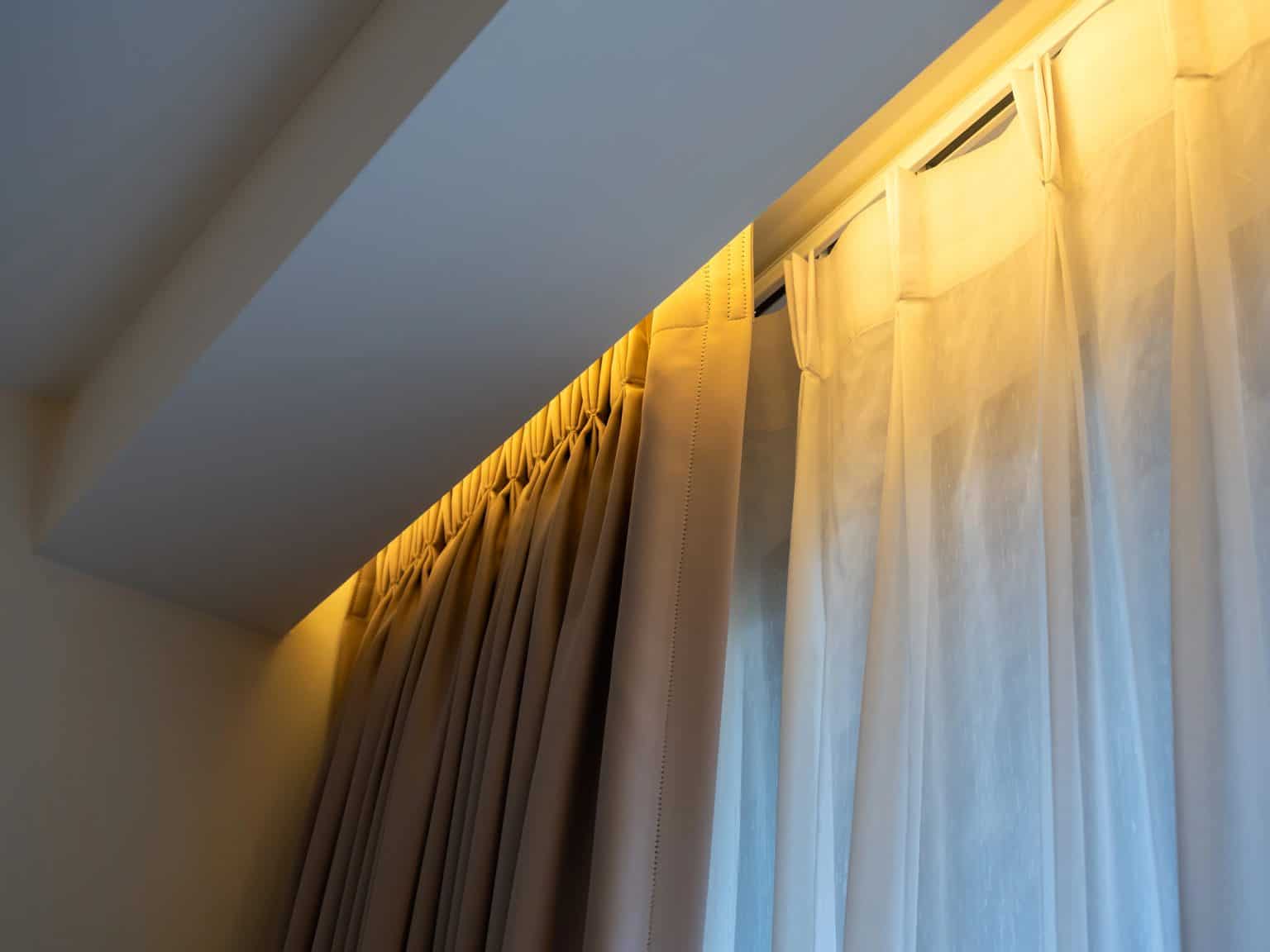
2. Hang Thermal Blackout Curtains
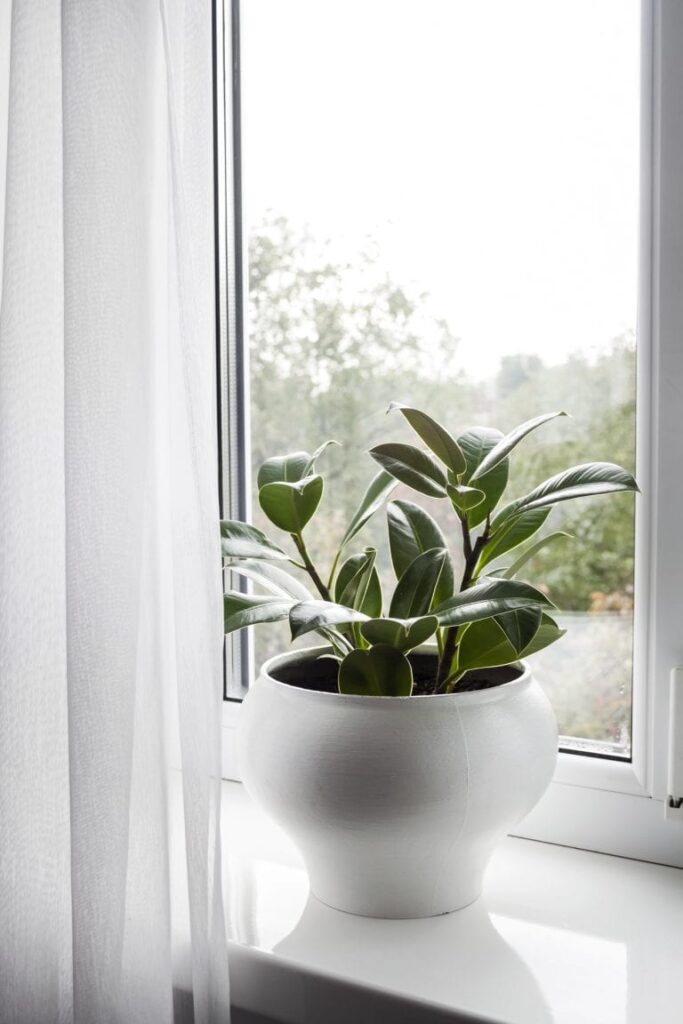
Thermal curtains are one of the easiest Effective Hacks For Blocking Heat that I recommend to anyone. They create a thick barrier that reduces heat entering the room.
In my experience, they can lower heat gain by around 25–30%, especially during peak afternoon hours. The key is choosing curtains with multiple layers and a proper lining.
I make sure they extend beyond the window frame to trap air, which adds extra insulation.
Pro Tip: Light-colored curtains with a reflective backing perform better than dark ones because they reflect heat instead of absorbing it.
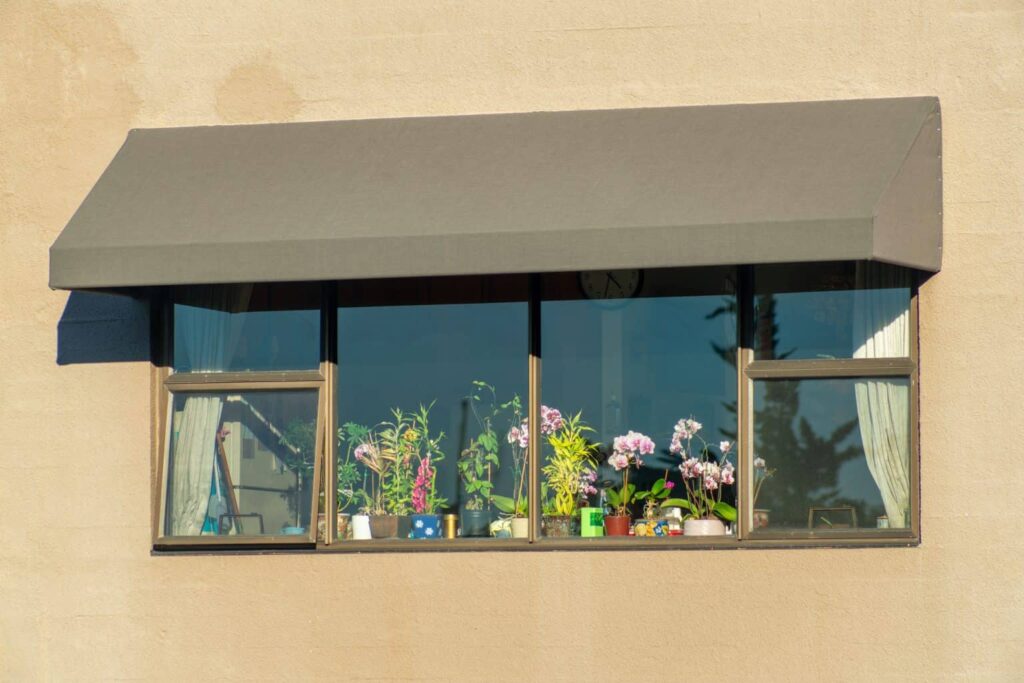
3. Mount Exterior Window Awnings
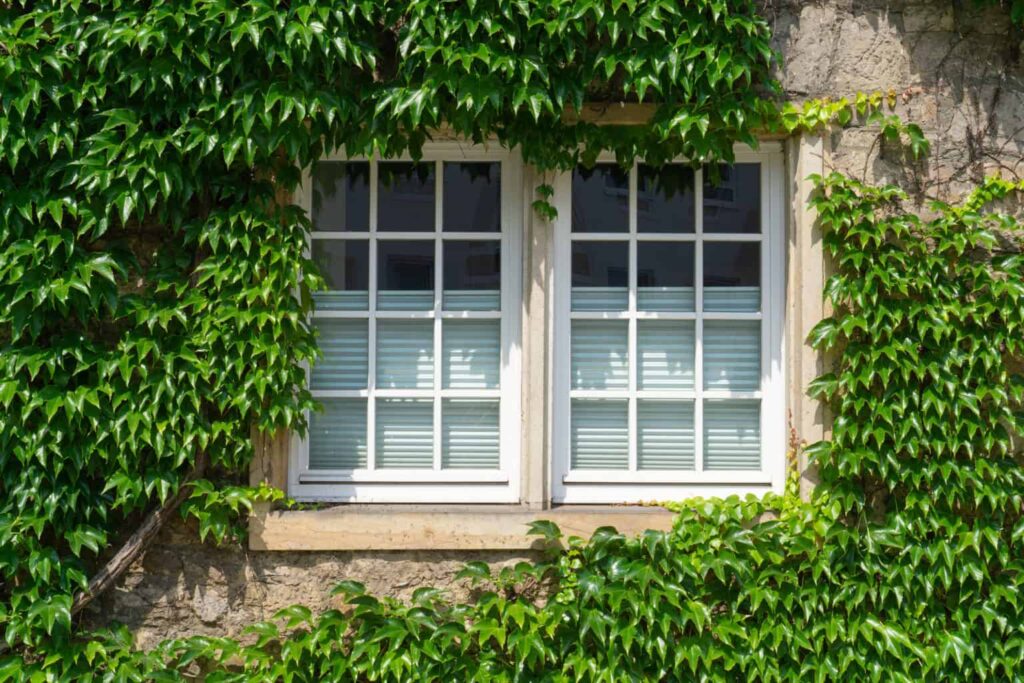
Awnings are one of the most powerful solutions I’ve seen because they stop heat before it even reaches the glass.
Studies show they can reduce heat by up to 65–75%, which is a huge difference. I like retractable options because they give flexibility depending on the season.
They work best on windows that receive direct sunlight for long hours.
Pro Tip: Make sure the awning extends far enough to fully shade the window during peak sun time.
4. Install Cellular or Honeycomb Shades
I personally like honeycomb shades because of their smart design. The air pockets inside them trap heat and act like insulation.
These shades can reduce heat gain by up to 50–60%, especially when fitted properly inside the window frame.
I often use top-down designs to balance light and heat control.
Pro Tip: Go for double or triple-cell shades if your room heats up quickly—they perform much better.
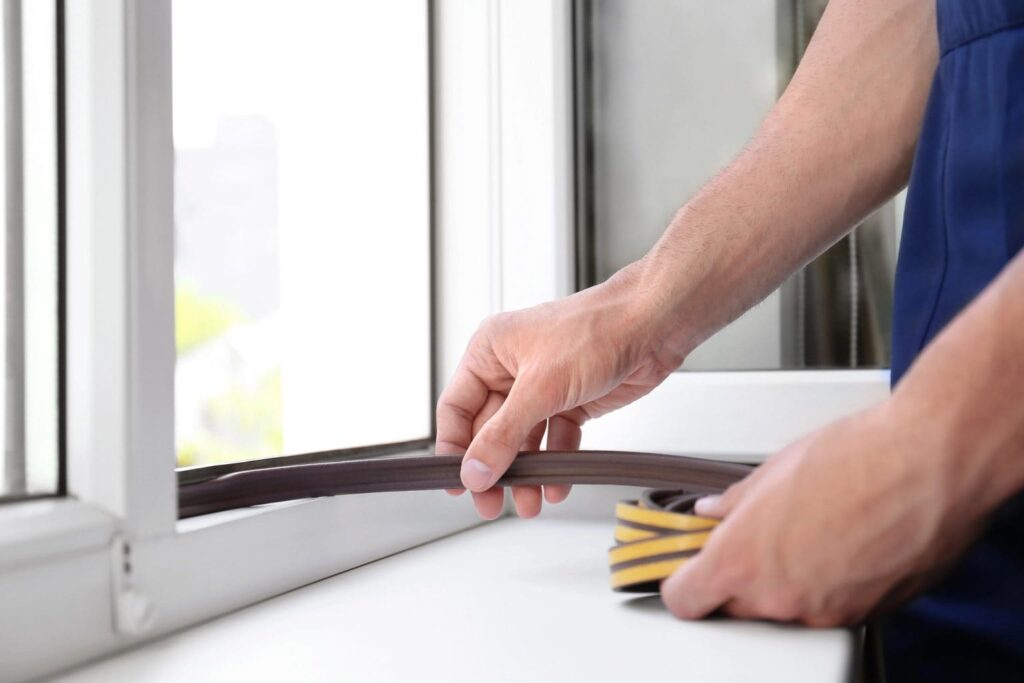
5. Apply Weatherstripping Around Window Frames
This is one of the most overlooked Effective Hacks For Blocking Heat. Even small gaps around windows let hot air in.
I’ve noticed sealing these gaps can improve cooling efficiency and reduce energy bills by up to 15–20%. It’s a small fix with a big impact.
I usually check for leaks using simple methods like feeling airflow near edges.
Pro Tip: Combine weatherstripping with caulking for a complete seal.
6. Place Heat-Absorbing Plants Near Windows
Adding plants near windows is something I tried mainly for decor, but it actually helps with cooling too.
Plants absorb heat and release moisture, which creates a cooler environment. Outdoor trees or vines can block up to 80–90% of direct sunlight in some cases.
Even indoor plants like palms or bamboo can make a noticeable difference.
Pro Tip: Place larger plants near windows that get the most sunlight for better results.
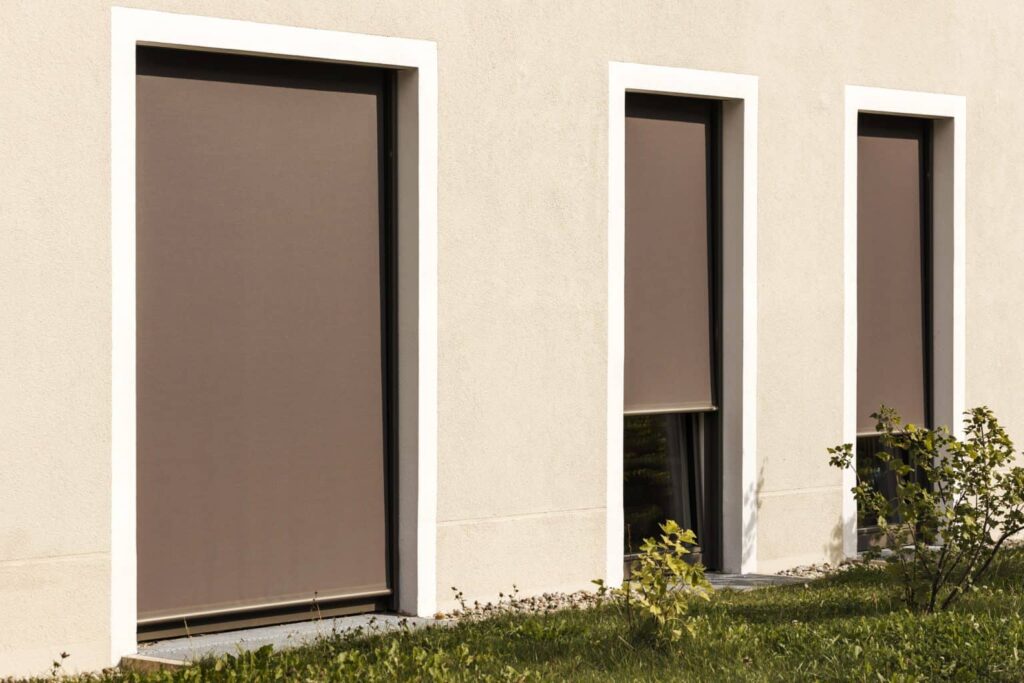
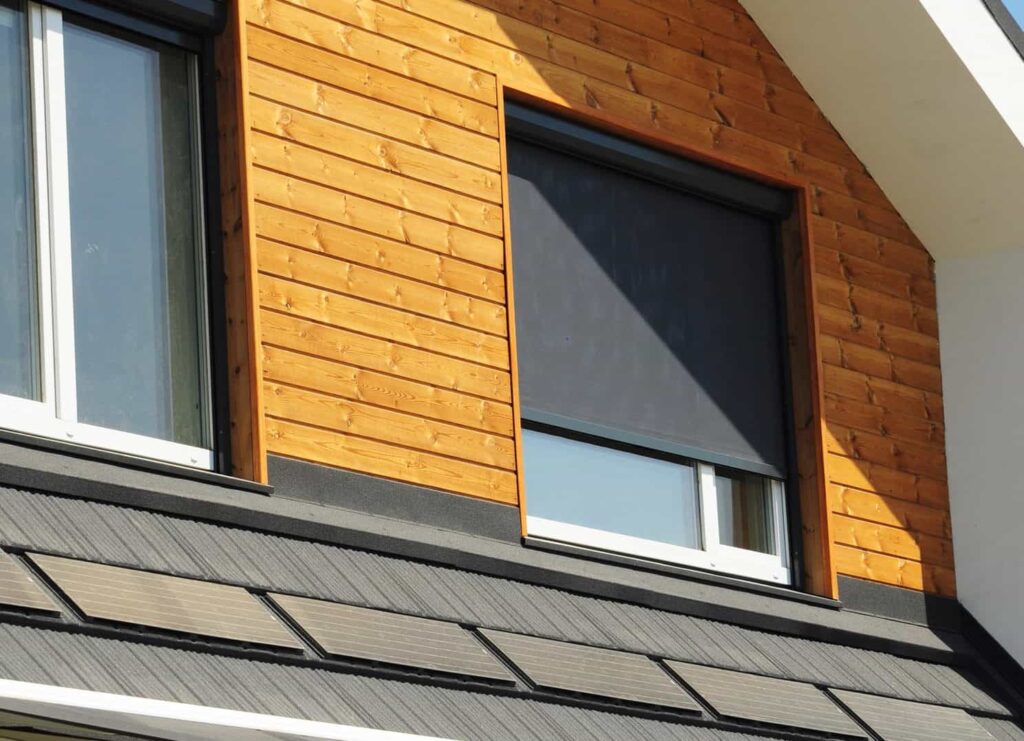
7. Install Exterior Solar Screens
Solar screens are a smart long-term investment. They block heat before it enters your home while still allowing visibility outside.
Depending on the material, they can reduce heat gain by 60–90%, which is very effective.
I prefer darker screens because they reduce glare and improve outward visibility.
Pro Tip: Install them on windows that face direct sun, especially west-facing ones.
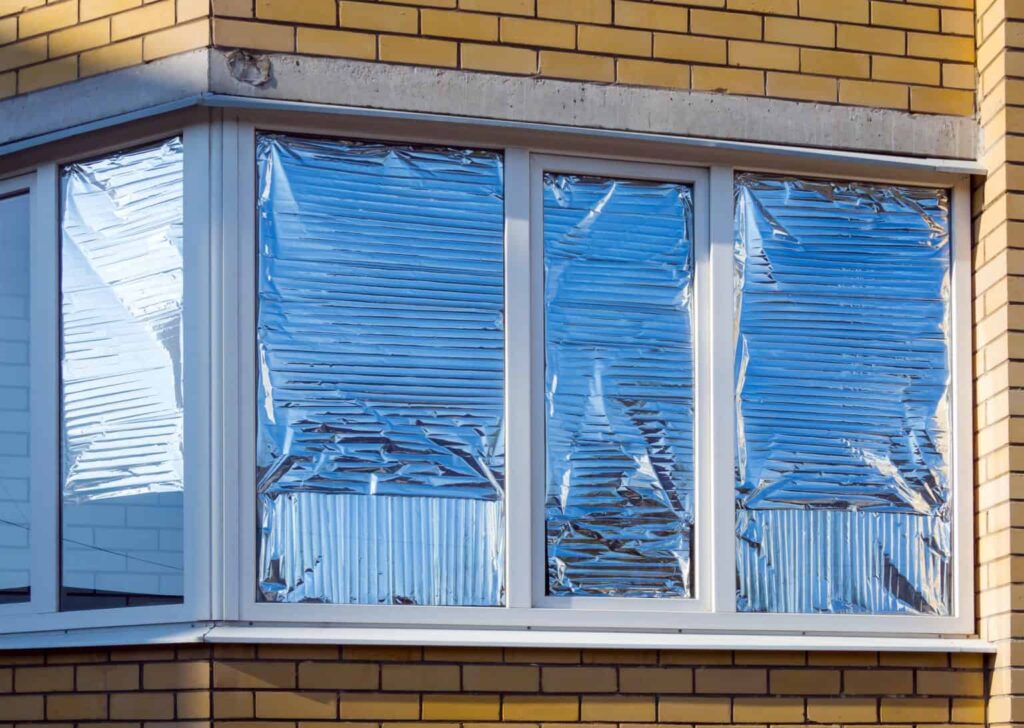
8. Create a Reflective Barrier with Aluminum Foil
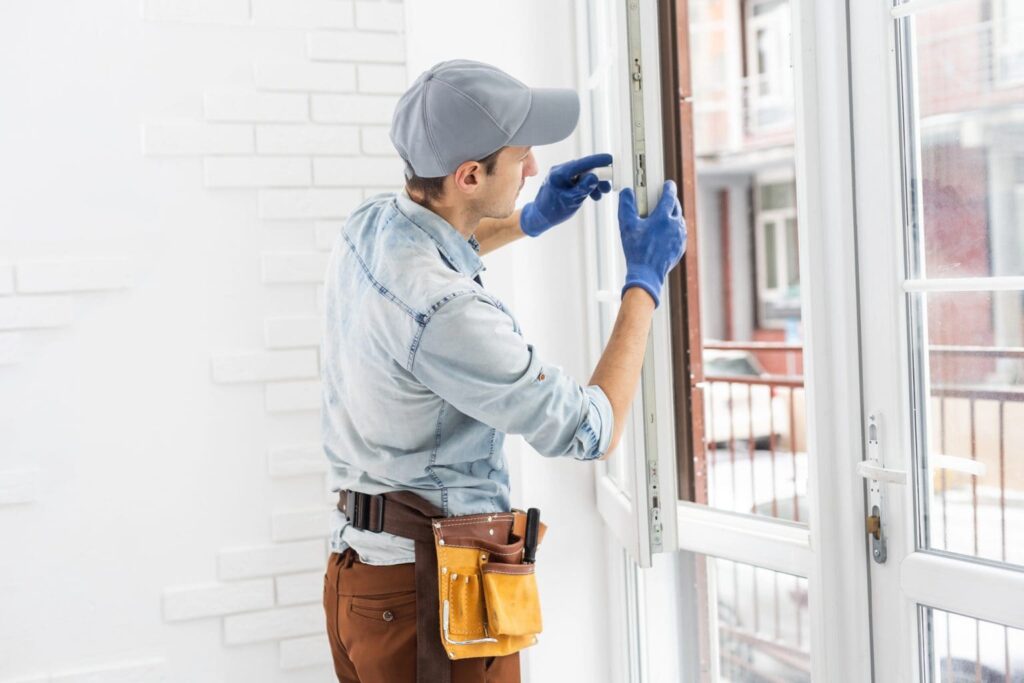
This is my go-to emergency fix during extreme heat. Aluminum foil reflects sunlight almost completely, making it one of the quickest solutions.
It’s not the most attractive option, but it works surprisingly well when temperatures spike.
I usually apply it temporarily during the hottest hours of the day.
Pro Tip: Use cardboard or foam boards with foil for easier removal and better appearance.
9. Add Window Insulation Panels
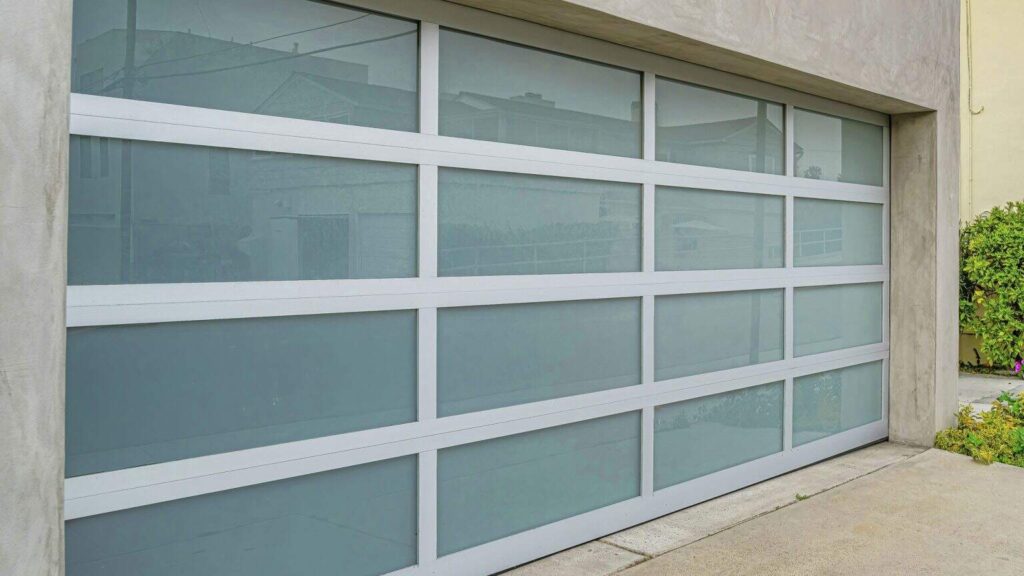
Insulation panels are a more permanent solution that I’ve seen work really well in both hot and cold seasons.
They create an extra air layer between the window and the room, which reduces heat transfer significantly—sometimes improving insulation by up to 100%.
I like using removable panels so I can adjust them based on the season.
Pro Tip: Make sure the panels fit tightly to avoid air gaps that reduce effectiveness.
Combine Strategies for Maximum Heat Protection
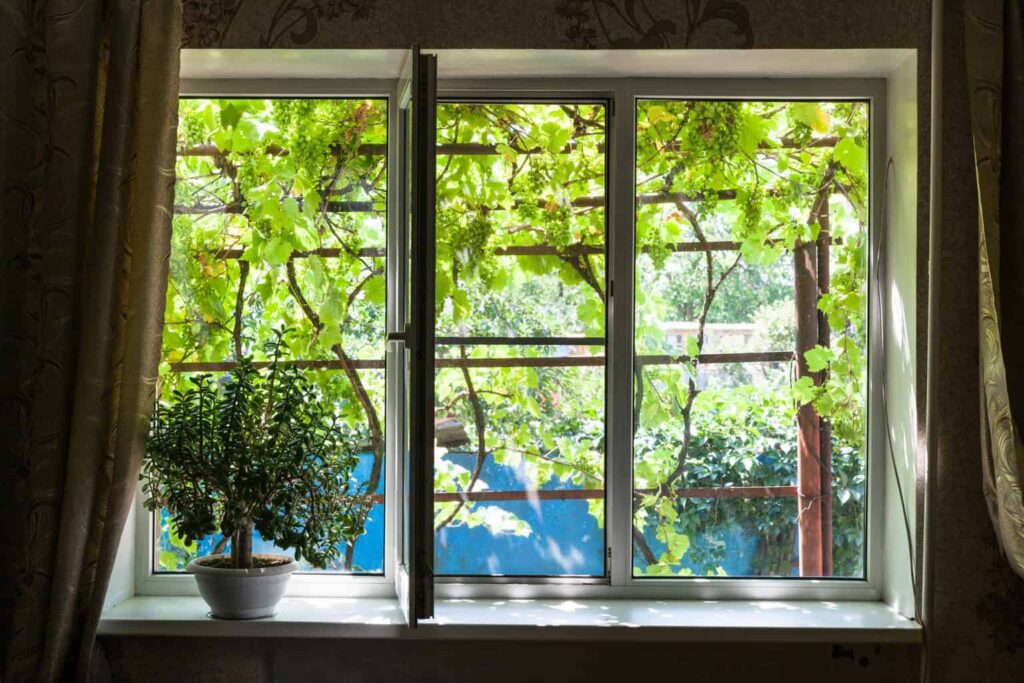
From my experience, relying on just one method isn’t enough if you want noticeable results. The best approach is combining multiple Effective Hacks For Blocking Heat.
For example, I use exterior shading like awnings or screens along with interior solutions like curtains or shades. This layered setup blocks heat at different stages.
Also, I always consider window direction. South-facing windows need different treatment compared to east or west-facing ones.
In the end, even small changes can make a big difference. With the right combination, I’ve been able to keep rooms cooler, reduce AC usage, and improve overall comfort without spending too much.
20 FAQs About Effective Hacks For Blocking Heat From Windows
1. What are the most Effective Hacks For Blocking Heat from windows?
The most effective options I use include window films, thermal curtains, solar screens, and exterior awnings. These block heat before or after it enters the room.
2. Do window films really reduce heat?
Yes, good quality films can block up to 80–85% of solar heat, which makes rooms noticeably cooler without blocking natural light.
3. Are thermal curtains worth it for summer heat?
Yes, I’ve found they reduce heat gain by around 25–30%, especially when fully covering the window frame.
4. Which is better: curtains or blinds for heat blocking?
In my experience, thermal curtains perform better than standard blinds because they trap air and create insulation layers.
5. How do exterior awnings help reduce heat?
Awnings block sunlight before it hits the glass, reducing heat gain by up to 65–75% depending on placement and size.
6. What windows should I prioritize for heat control?
I always focus on west-facing windows first because they receive the strongest afternoon sun.
7. Do plants really cool down a room?
Yes, plants release moisture through transpiration, which can slightly lower surrounding temperatures and improve comfort.
8. Are solar screens better than regular window screens?
Yes, solar screens can block up to 90% of UV rays and significantly reduce heat entry compared to normal screens.
9. Can weatherstripping reduce heat inside a room?
Yes, sealing gaps can reduce energy loss and improve cooling efficiency by up to 15–20%.
10. What is the cheapest way to block heat from windows?
Aluminum foil or reflective DIY boards are the cheapest temporary solutions and work surprisingly well during heat waves.
11. Do honeycomb shades actually insulate rooms?
Yes, their air pockets reduce heat transfer and can block up to 50–60% of solar heat when installed properly.
12. Should curtains be light or dark for heat control?
I prefer light-colored curtains because they reflect heat instead of absorbing it into the room.
13. Do window insulation panels work in hot climates?
Yes, they create an extra air barrier that improves insulation and reduces heat transfer in both directions.
14. How much energy can I save using heat-blocking methods?
Depending on combinations used, energy savings can reach around 10–30% on cooling costs.
15. Are exterior solutions better than interior ones?
Yes, exterior solutions like awnings or screens are more effective because they stop heat before it enters the glass.
16. Can I combine multiple heat-blocking methods?
Yes, combining methods like film + curtains or screens + shades gives the best overall results.
17. Do reflective window films damage glass?
No, quality films are safe and designed to last for years without damaging the glass when installed correctly.
18. How long does window film last?
Most good-quality films last between 5 to 15 years depending on exposure and product type.
19. Will blocking heat make my home darker?
Not necessarily. Many modern solutions block heat while still allowing natural light to pass through.
20. What is the best overall strategy for heat control?
I always use a layered approach: exterior shading, then interior insulation like curtains or shades for maximum cooling effect.
Many of the ideas I share are inspired by real-life experimentation. I often test décor concepts in my own living spaces and explore practical ways they can be applied in everyday homes. I also gather insights from working with homeowners who want to improve the comfort, beauty, and functionality of their spaces.
I share practical ideas for improving living rooms, bedrooms, and overall home aesthetics using simple design principles.
I explore creative ways to upgrade outdoor spaces including patio décor, small backyard styling, and relaxing outdoor setups.
I provide ideas for kitchen organization, décor accents, and functional layouts that make kitchens more beautiful and practical.
The concepts shared here are based on ideas I have personally experimented with or studied through real home décor improvements.