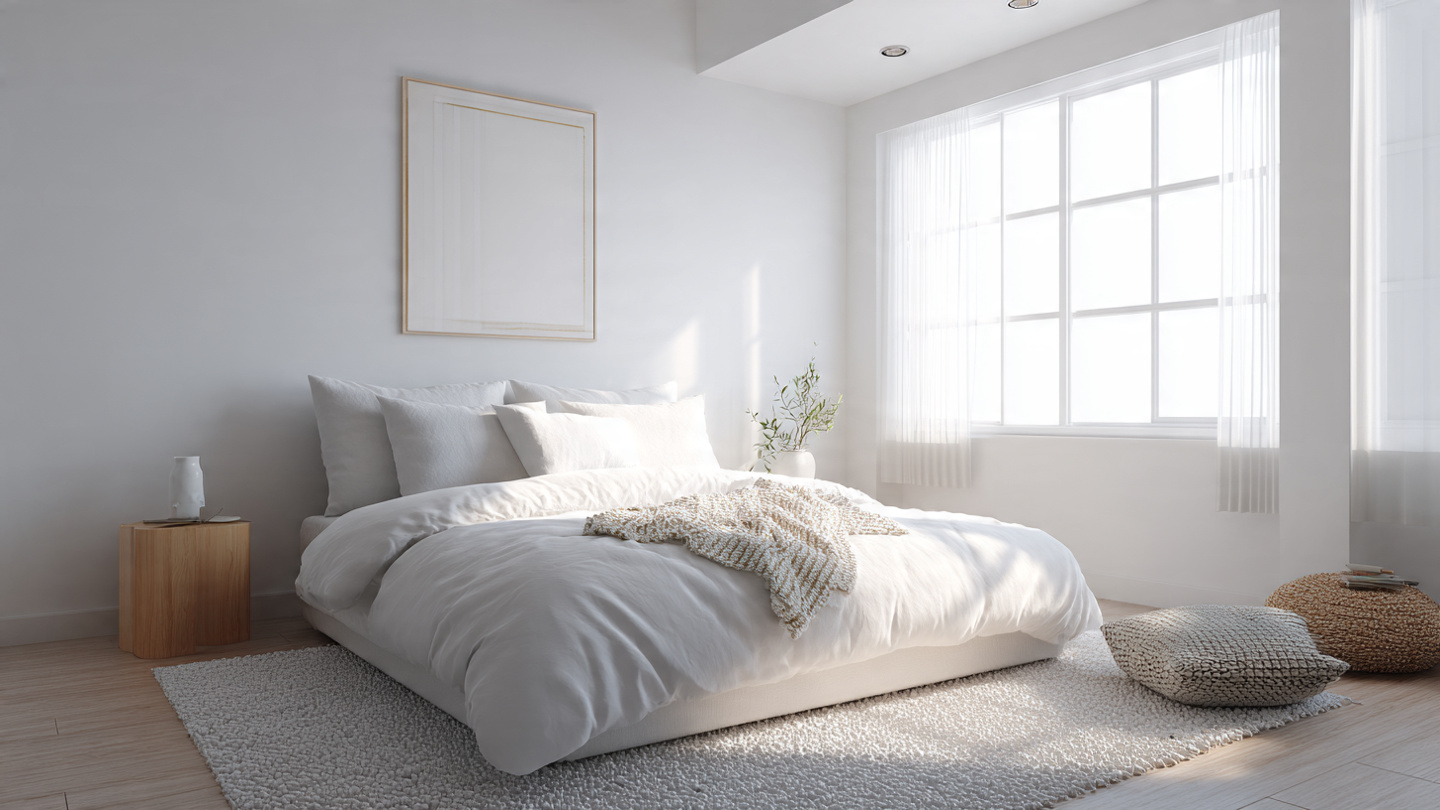
Window Ideas That Make Your House Feel Bigger
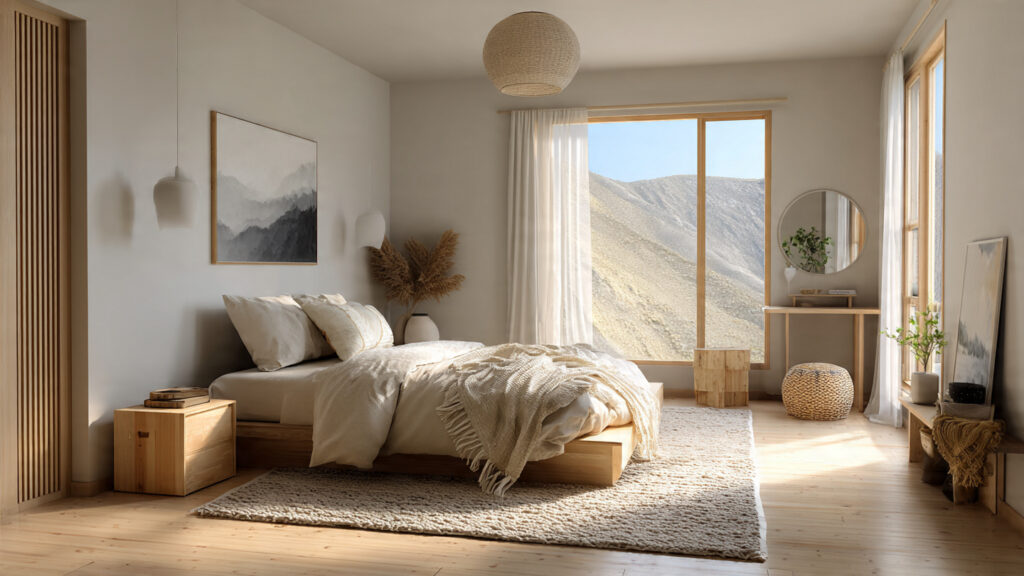
When I started simplifying my bedroom, I realized how much clutter was affecting my mood and sleep. A calm space isn’t just about looks—it directly impacts how well we rest. Studies show that people sleep better in clean, organized rooms, and I’ve personally experienced that shift.
Introduction
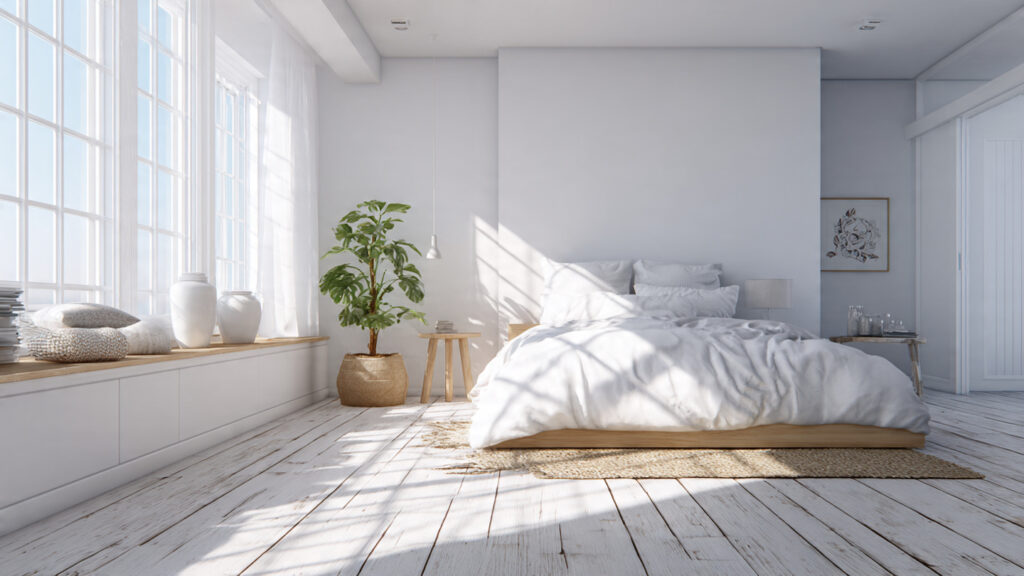
In this guide, I’m sharing Window Ideas That Make Your House feel lighter and more peaceful through minimalist bedroom design. From colors and furniture to lighting and storage, I’ve broken down practical ideas that actually work in real homes.
(Above the Fold Summary)
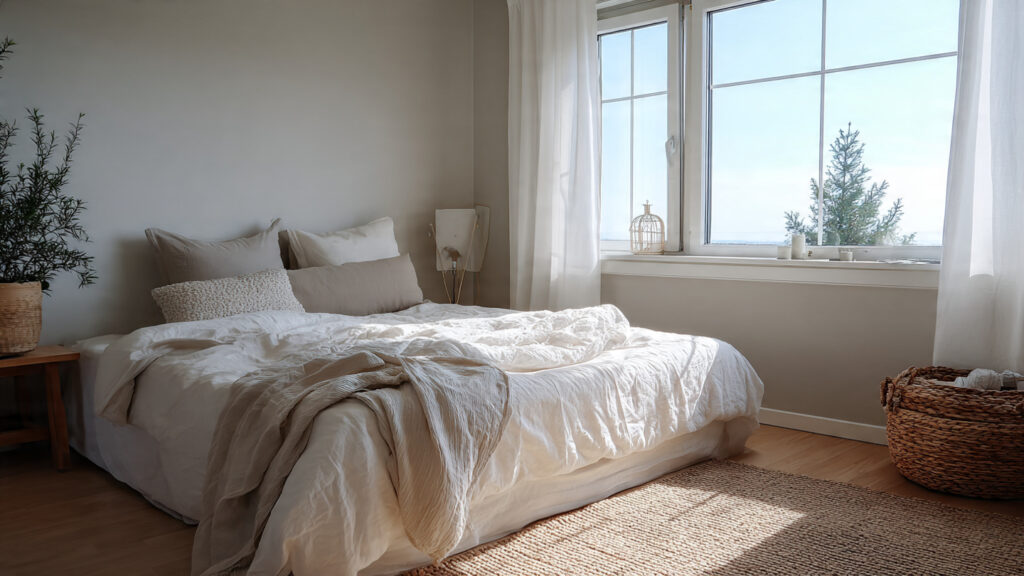
By the end, you’ll know how to create a bedroom that feels open, functional, and easy to maintain—without spending a fortune.
Key Takeaways
Minimalism improves sleep and reduces stress when done right
Neutral colors and natural light make rooms feel bigger
Smart storage is the secret to a clutter-free space
Fewer but better furniture pieces create a cleaner look
Small changes can completely transform your bedroom
1. Start with a Neutral Color Palette
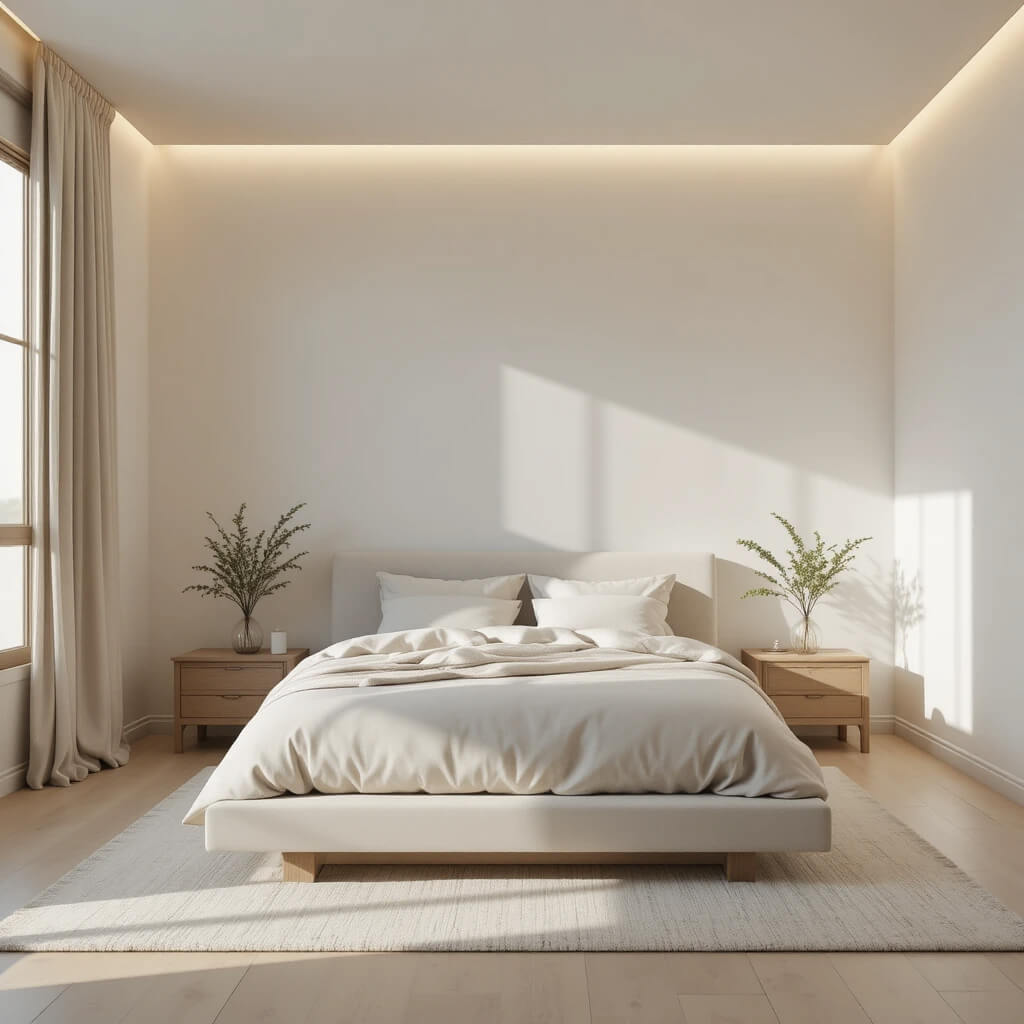
I always begin with colors because they set the entire mood. Neutral shades like white, beige, and soft gray instantly make a room feel calm and spacious. Research in interior design shows lighter tones reflect more light, which can make a room feel up to 30% bigger.
I prefer warm whites over harsh bright ones because they feel more relaxing. Adding slightly darker tones in furniture gives balance without making the space heavy.
Pro Tip: If your room feels dull, I add texture instead of color—it keeps things minimal but interesting.
2. Choose Quality Over Quantity in Furniture
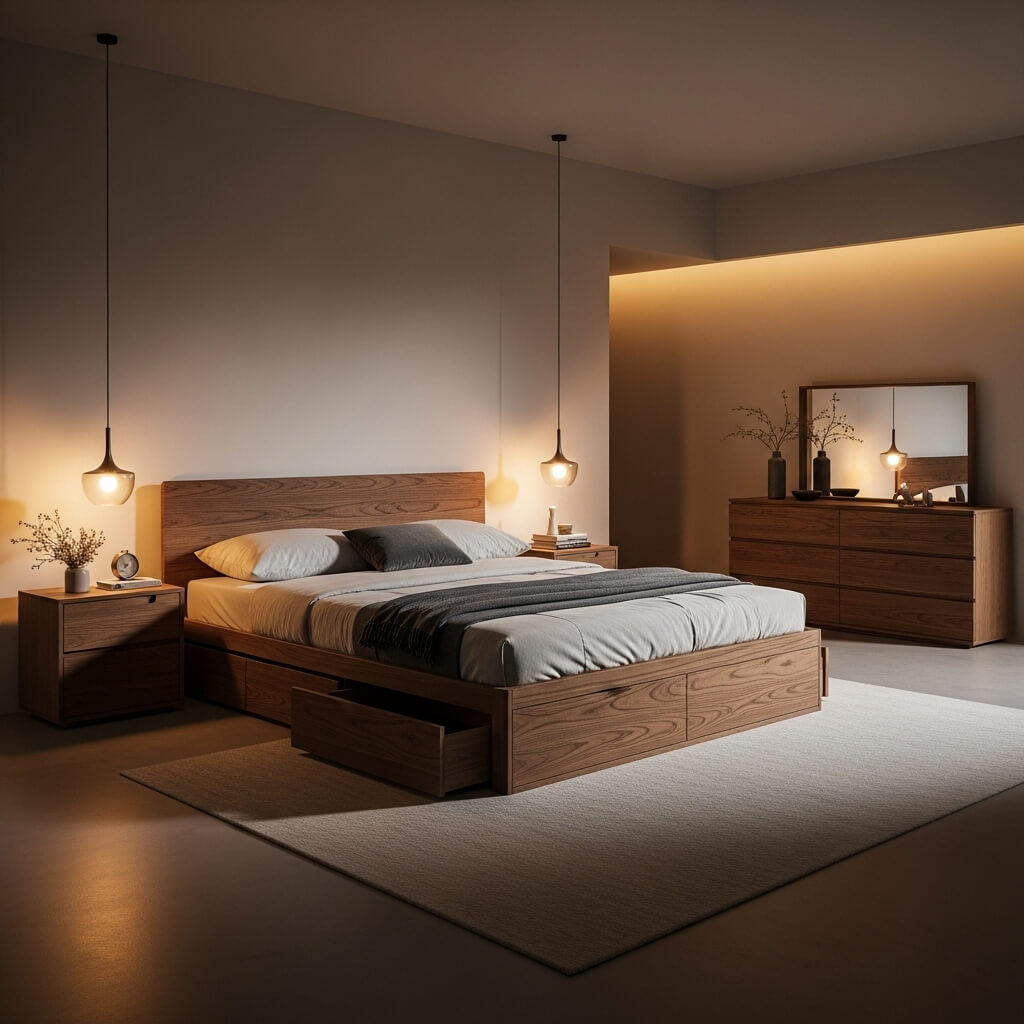
I used to fill my room with furniture I barely used. Now I focus on fewer pieces that actually serve a purpose. A good bed, a simple nightstand, and a clean-lined dresser are enough.
From my experience, multi-use furniture saves both space and money. Storage beds, for example, can reduce visible clutter by up to 40%.
Pro Tip: I invest in one high-quality bed frame—it becomes the visual anchor of the room.
3. Embrace the Power of Open Space
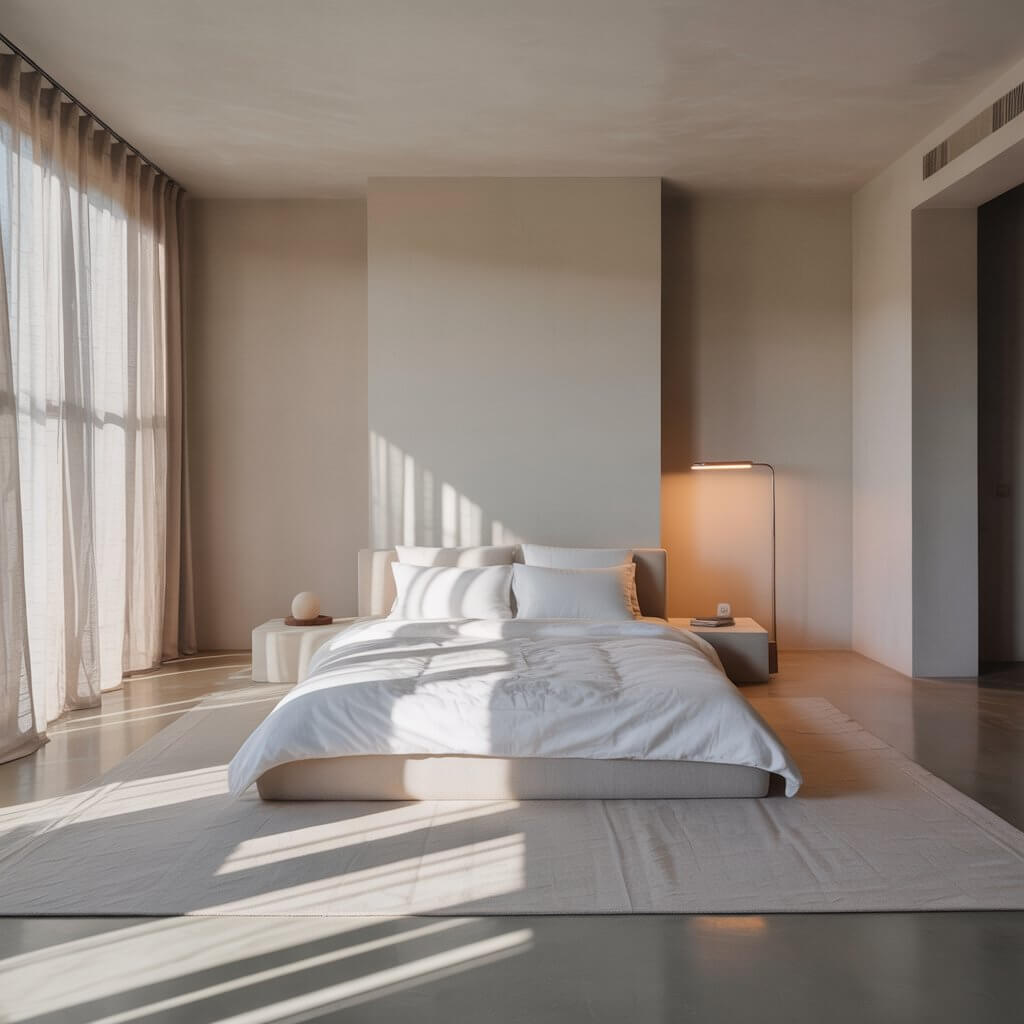
Leaving space empty felt strange at first, but now I see how important it is. Open space gives the room breathing room and reduces visual stress.
I keep at least one wall simple and avoid overfilling surfaces. This small change makes a big difference in how relaxed the room feels.
Pro Tip: If something doesn’t serve a purpose, I remove it—simple rule, big impact.
4. Go for Minimalist Bedding
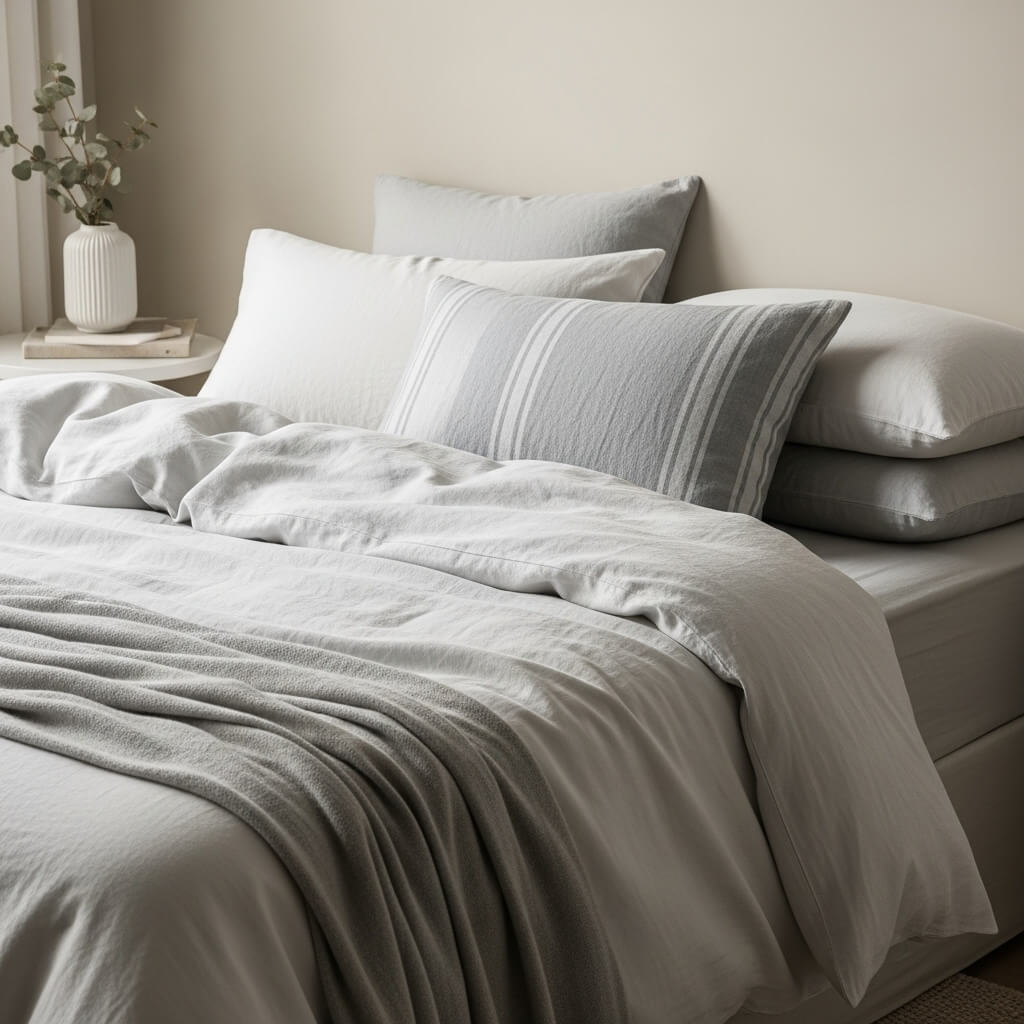
Your bed is the main focus, so I keep it simple. Clean sheets, soft textures, and muted colors instantly make the room feel organized.
I usually stick to one or two colors and avoid busy patterns. According to home styling trends, simple bedding improves perceived cleanliness and calmness.
Pro Tip: A neatly made bed can make your entire room look 50% more organized instantly.
5. Keep Nightstands Clutter-Free
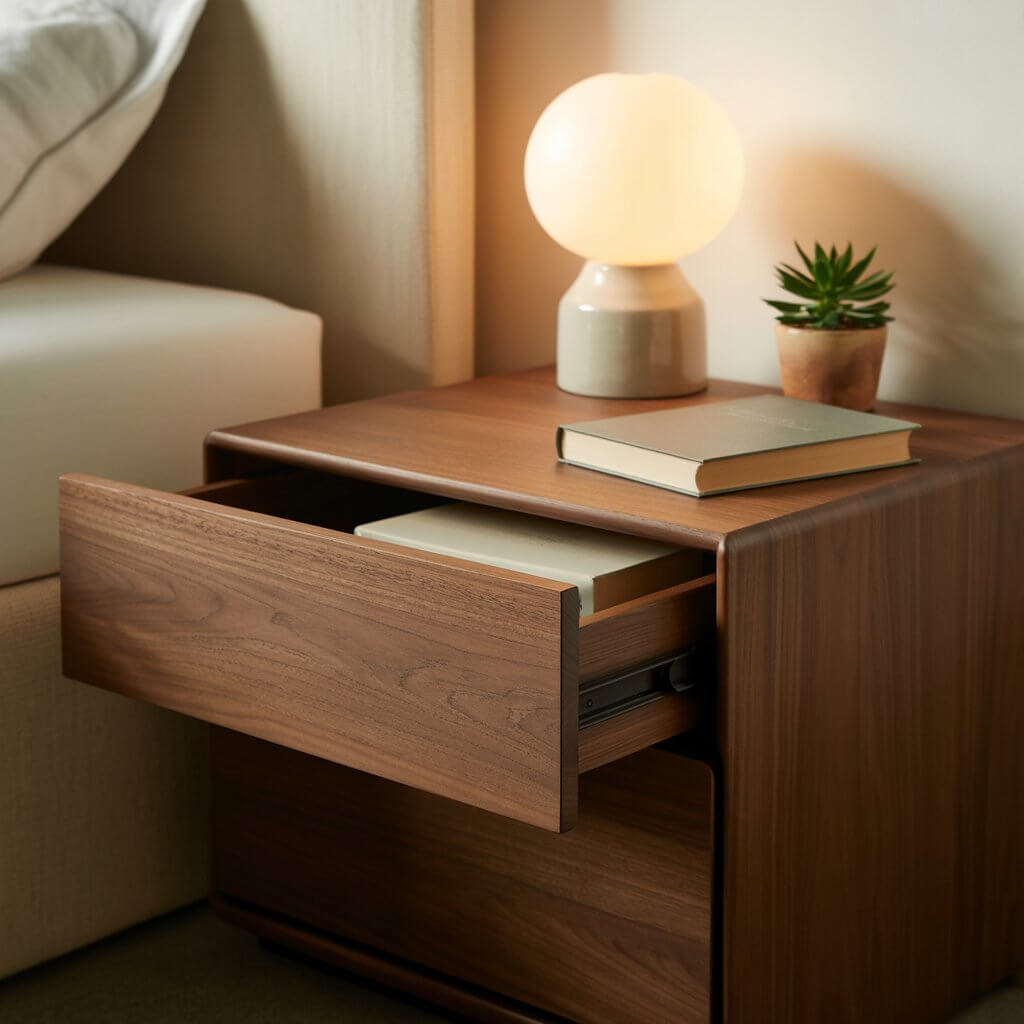
Nightstands can quickly become messy. I limit mine to essentials like a lamp, a book, and maybe a small plant.
Everything else goes into drawers. This keeps the surface clean and easy on the eyes.
Pro Tip: I do a quick 2-minute reset every night—it keeps clutter from building up.
6. Use Multi-Functional Furniture
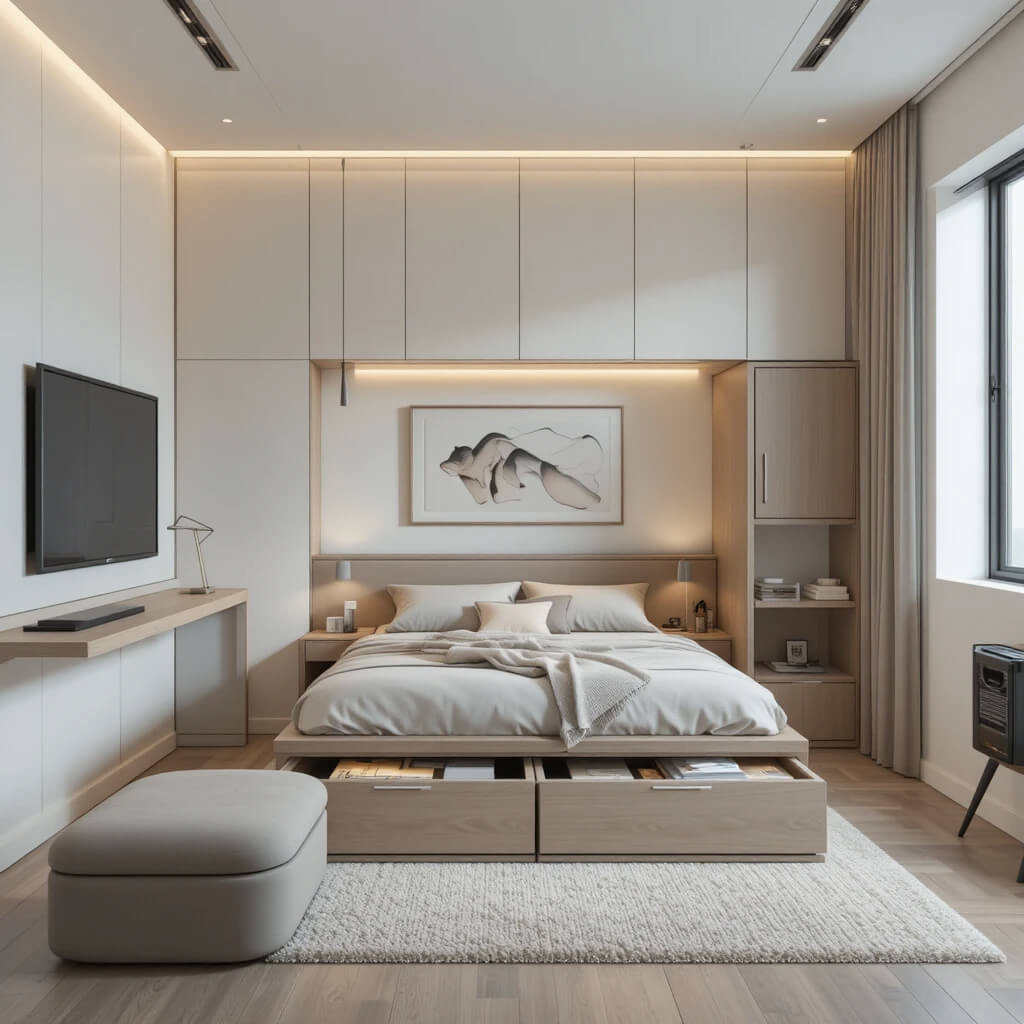
Furniture that does more than one job is a game changer. I prefer storage beds, foldable desks, or ottomans with hidden compartments.
These pieces reduce clutter without sacrificing function. In small bedrooms, this can free up a lot of space.
Pro Tip: Always ask: “Can this item serve two purposes?” If not, I rethink it.
7. Incorporate Natural Light
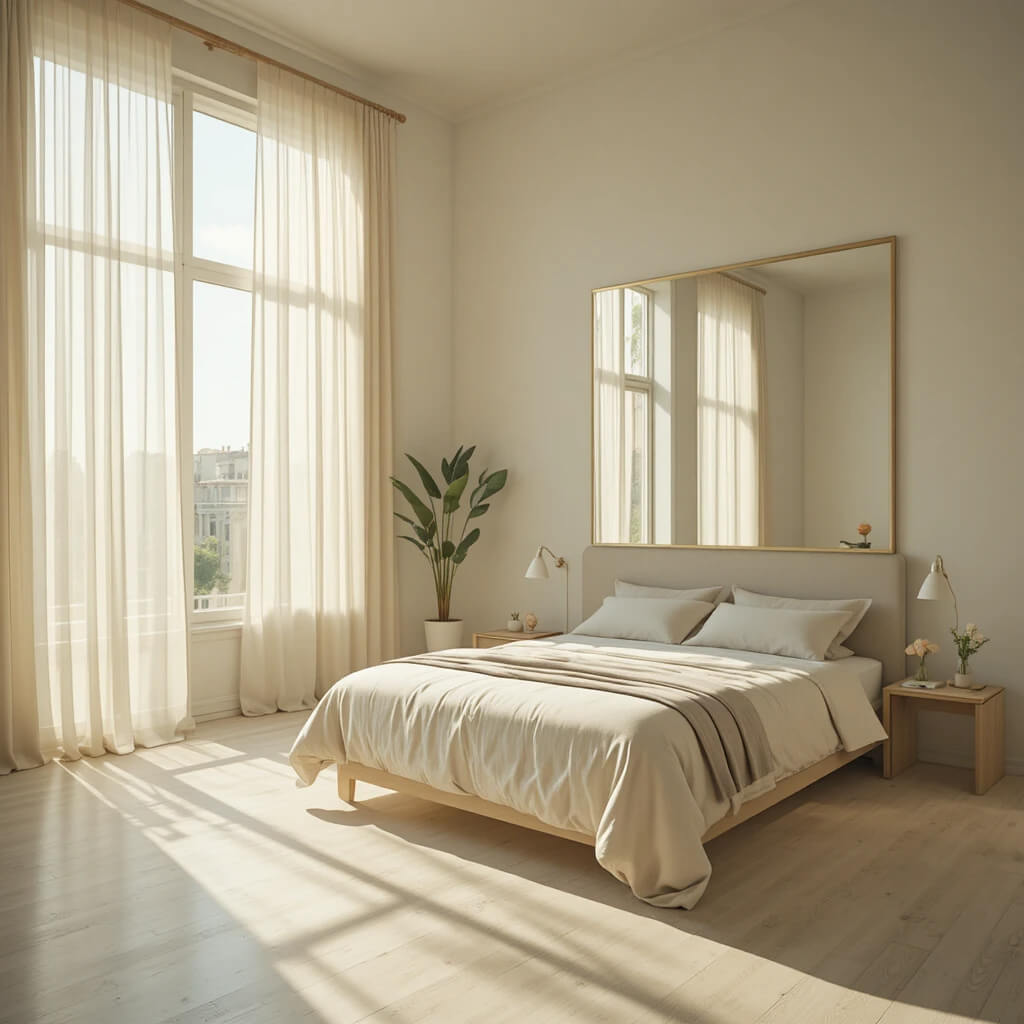
Natural light is one of the easiest ways to improve any room. I keep my windows open and avoid heavy curtains.
Light makes the space feel bigger and improves mood. Studies show natural light can boost productivity and sleep quality.
Pro Tip: Mirrors placed opposite windows can double the brightness in a room.
8. Add Subtle Textures
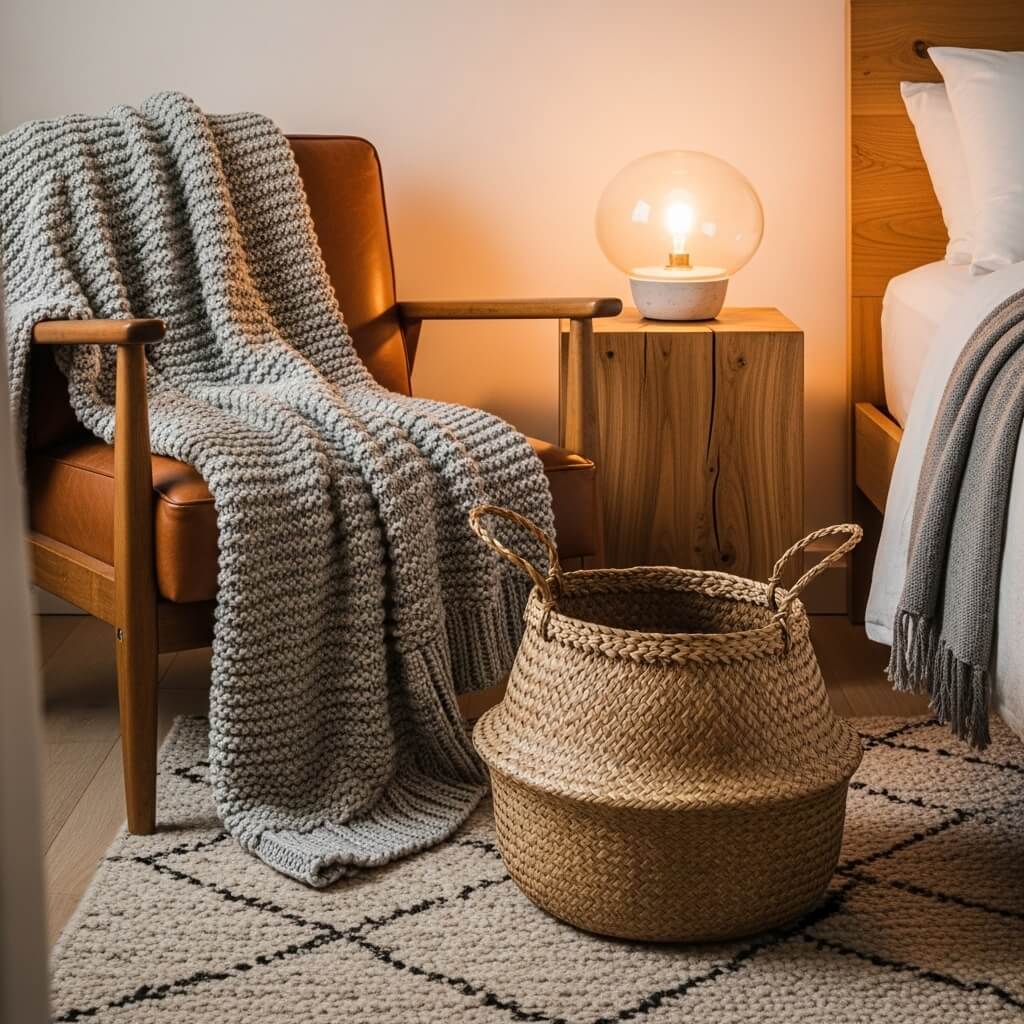
Minimal doesn’t mean boring. I use textures like linen, wood, and soft fabrics to add depth.
Layering textures keeps the room visually interesting without adding clutter.
Pro Tip: Mix 2–3 textures max to keep things balanced and clean.
9. Declutter Regularly
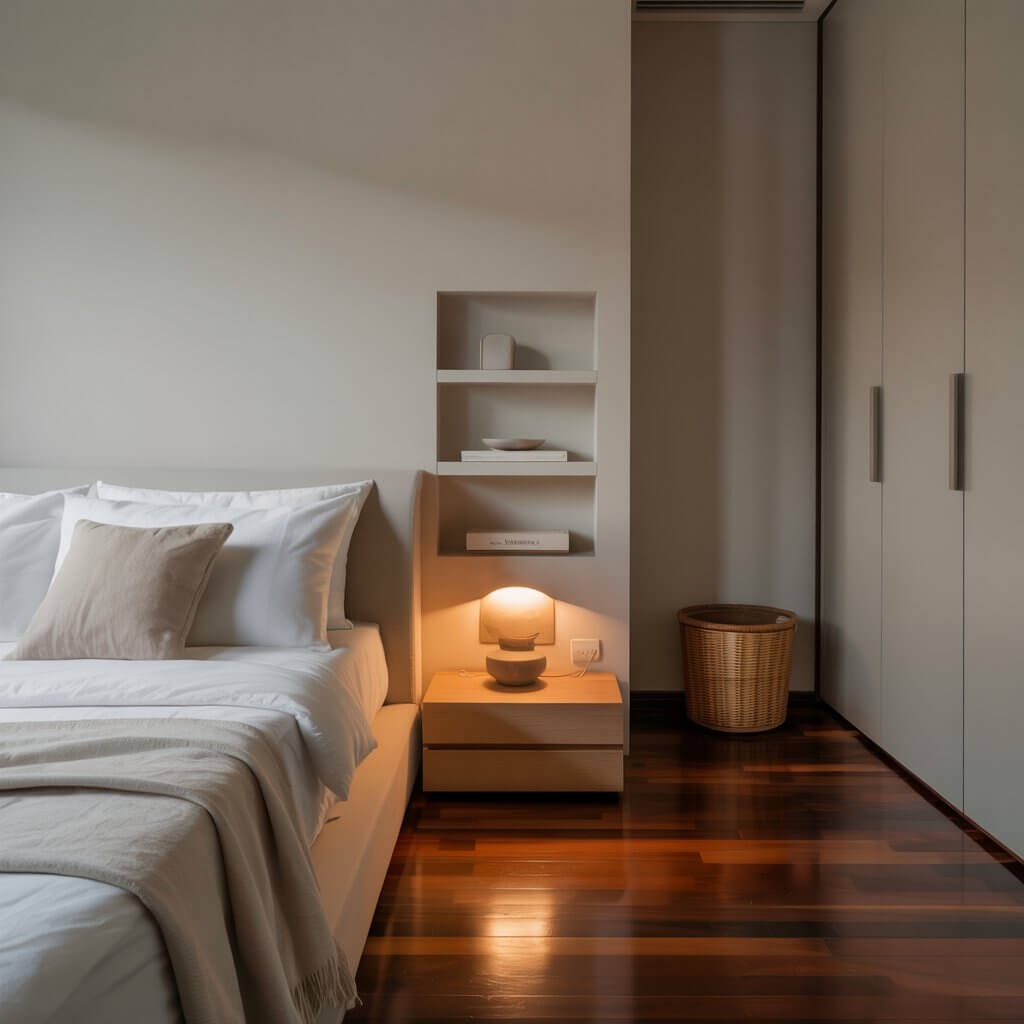
Minimalism only works if you maintain it. I declutter every few weeks to keep things under control.
The “one in, one out” rule helps me avoid accumulating unnecessary items.
Pro Tip: If I haven’t used something in 6 months, I remove it.
10. Use Statement Lighting
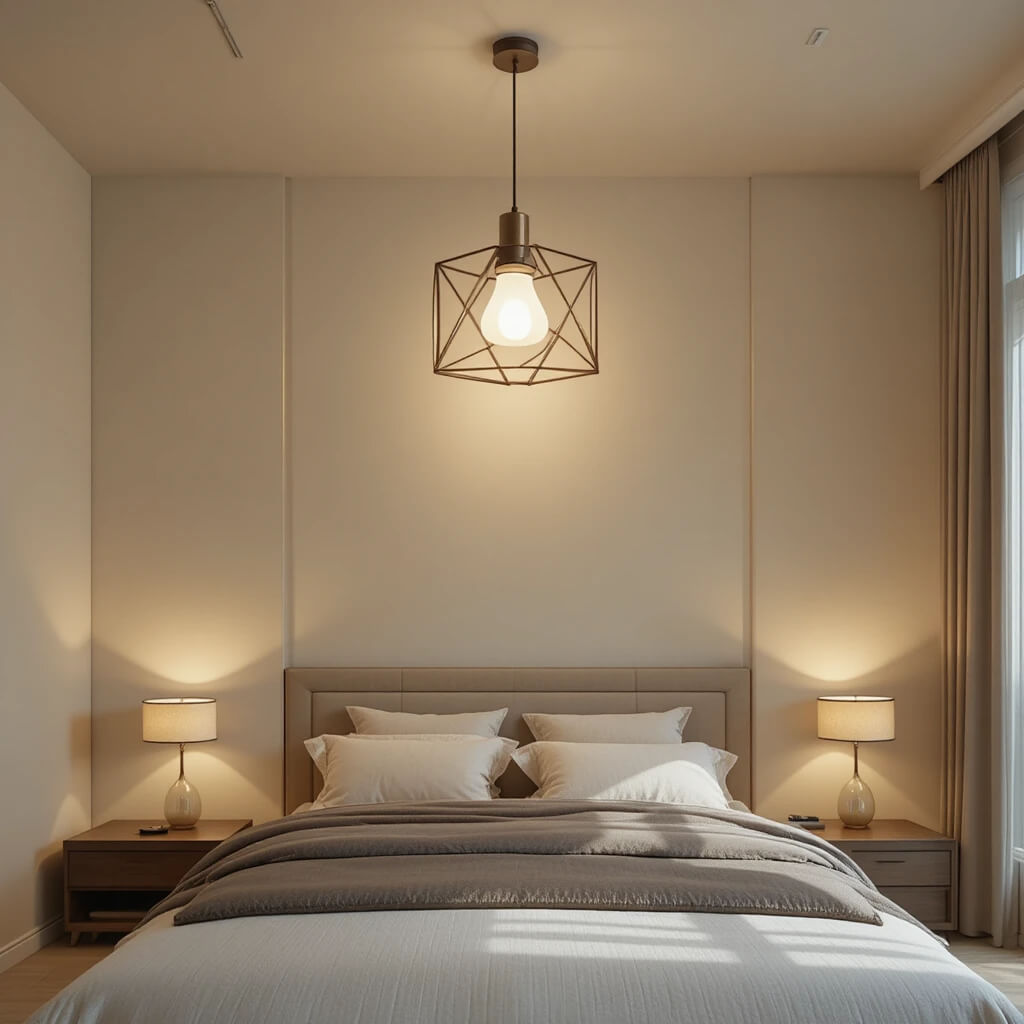
Lighting adds personality without clutter. I prefer simple pendant lights or warm bedside lamps.
Good lighting improves both mood and functionality.
Pro Tip: Warm light (around 2700K) creates a more relaxing environment than cool white light.
11. Embrace Monochrome Magic
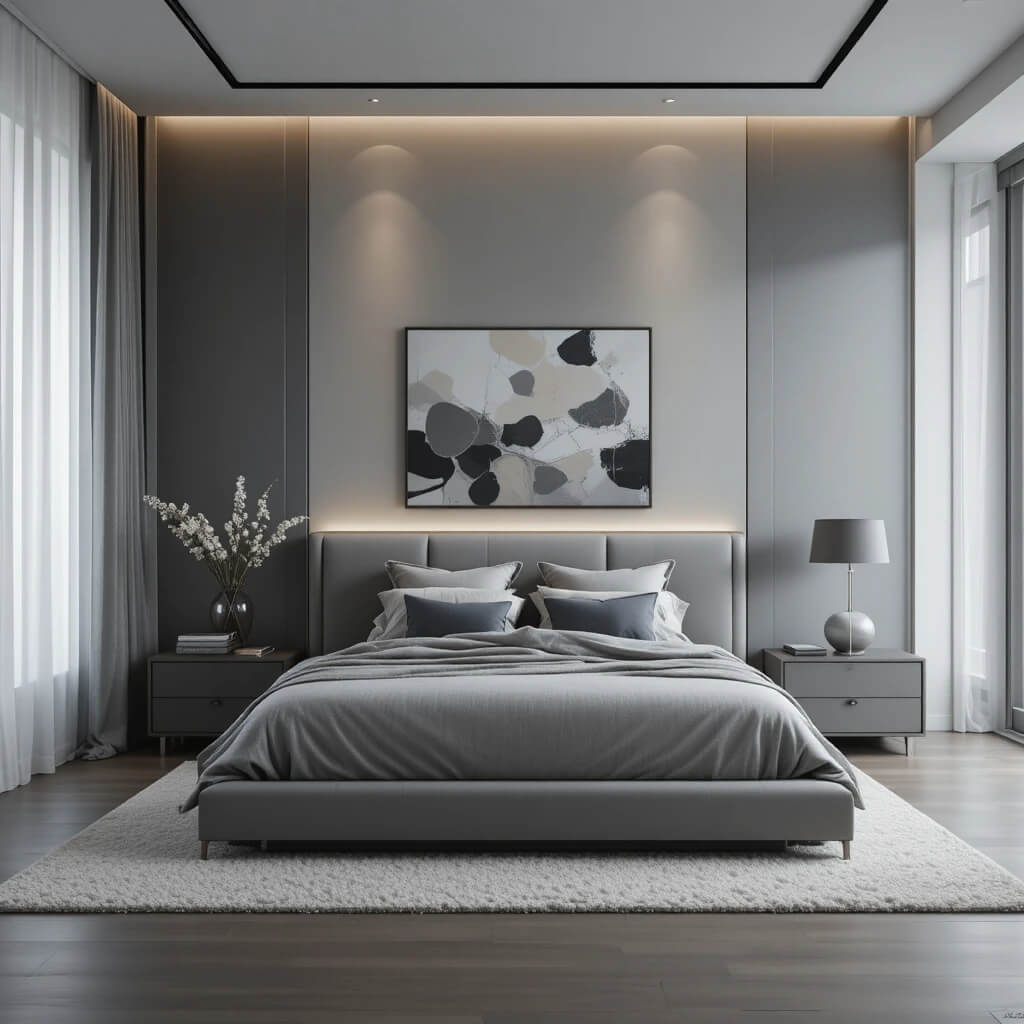
Using one color in different shades makes the room feel cohesive. I often use soft gray or beige tones throughout the space.
This approach reduces visual noise and makes styling easier.
Pro Tip: Stick to one main color and vary textures instead of adding more colors.
12. Incorporate Nature
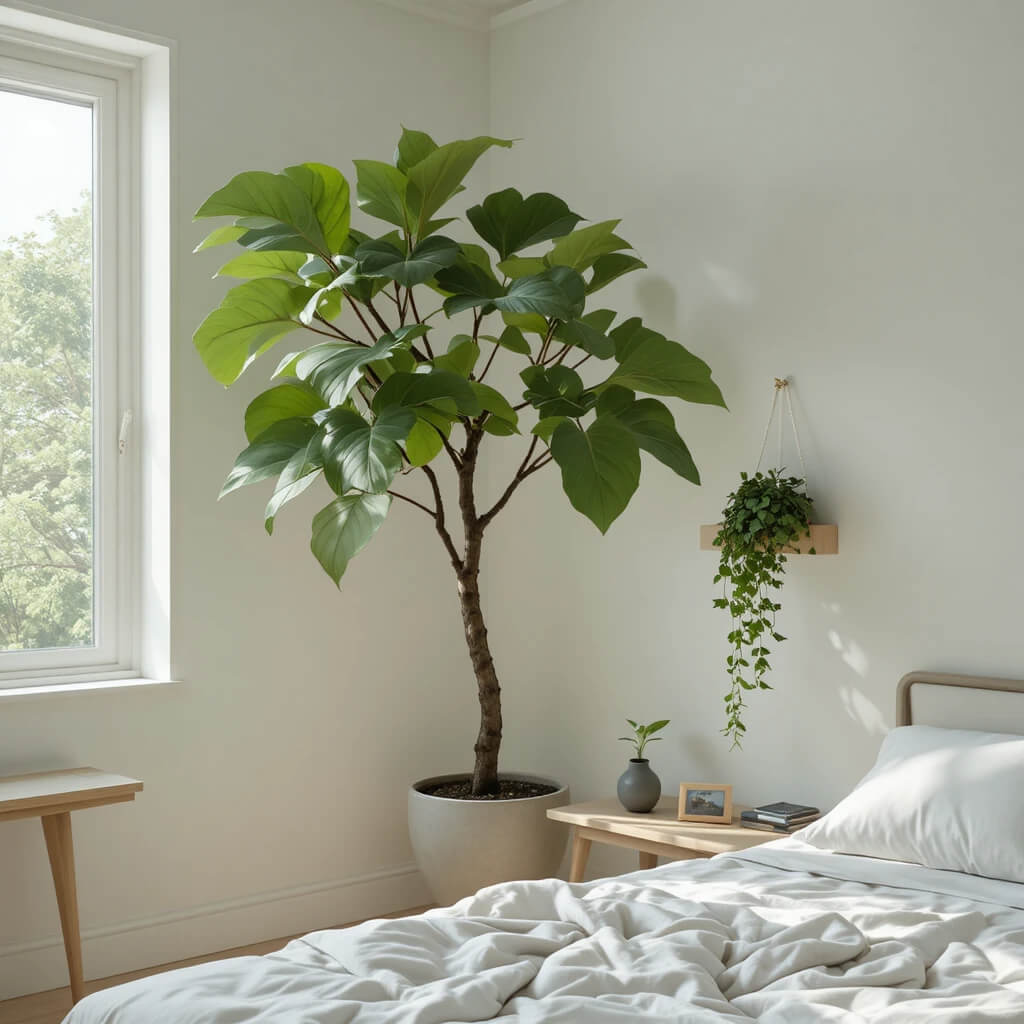
Plants bring life into the room. I keep low-maintenance ones like snake plants or pothos.
They also improve air quality and reduce stress levels.
Pro Tip: Even one plant can make your room feel more fresh and alive.
13. Minimalist Wall Décor
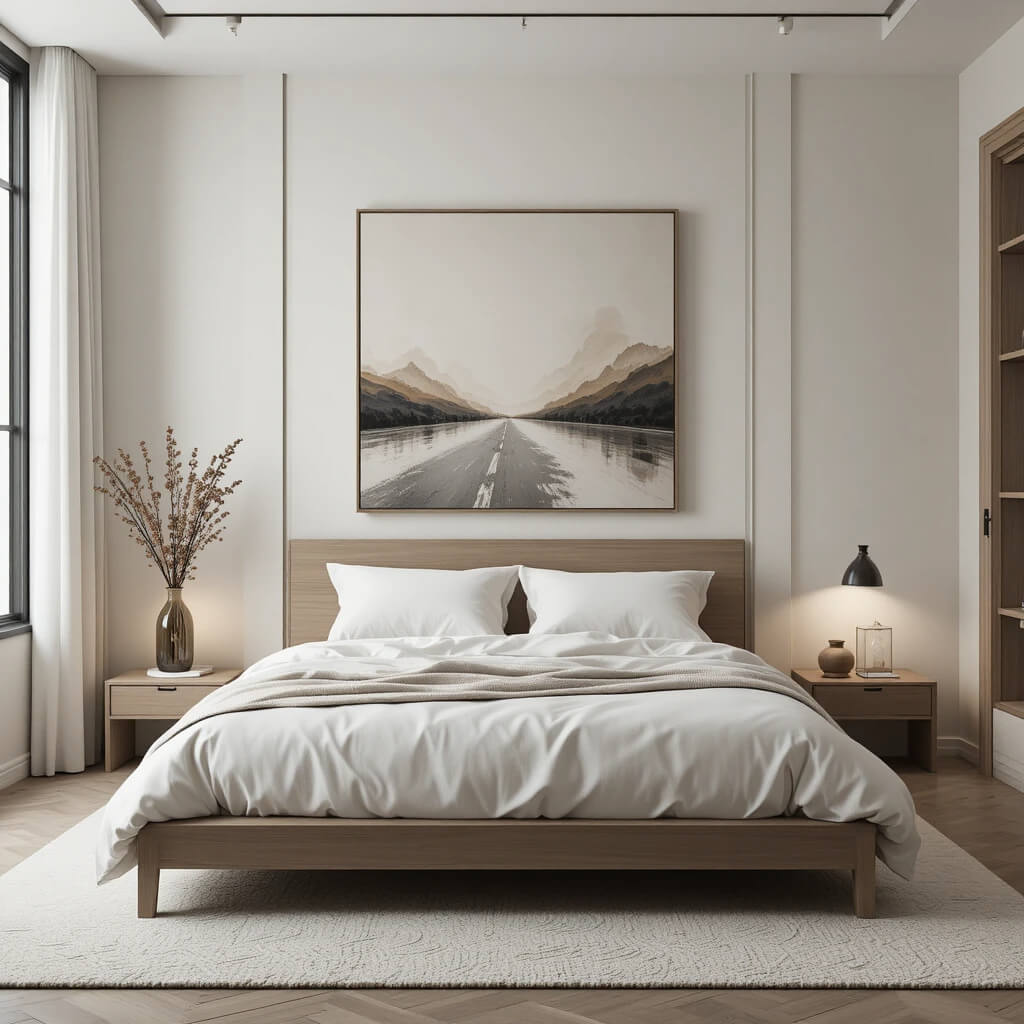
I avoid overcrowding walls. One large artwork or a simple mirror works best.
Too many frames can make the room feel busy.
Pro Tip: Leave some wall space empty—it enhances the minimalist feel.
14. Opt for Hidden Storage Solutions
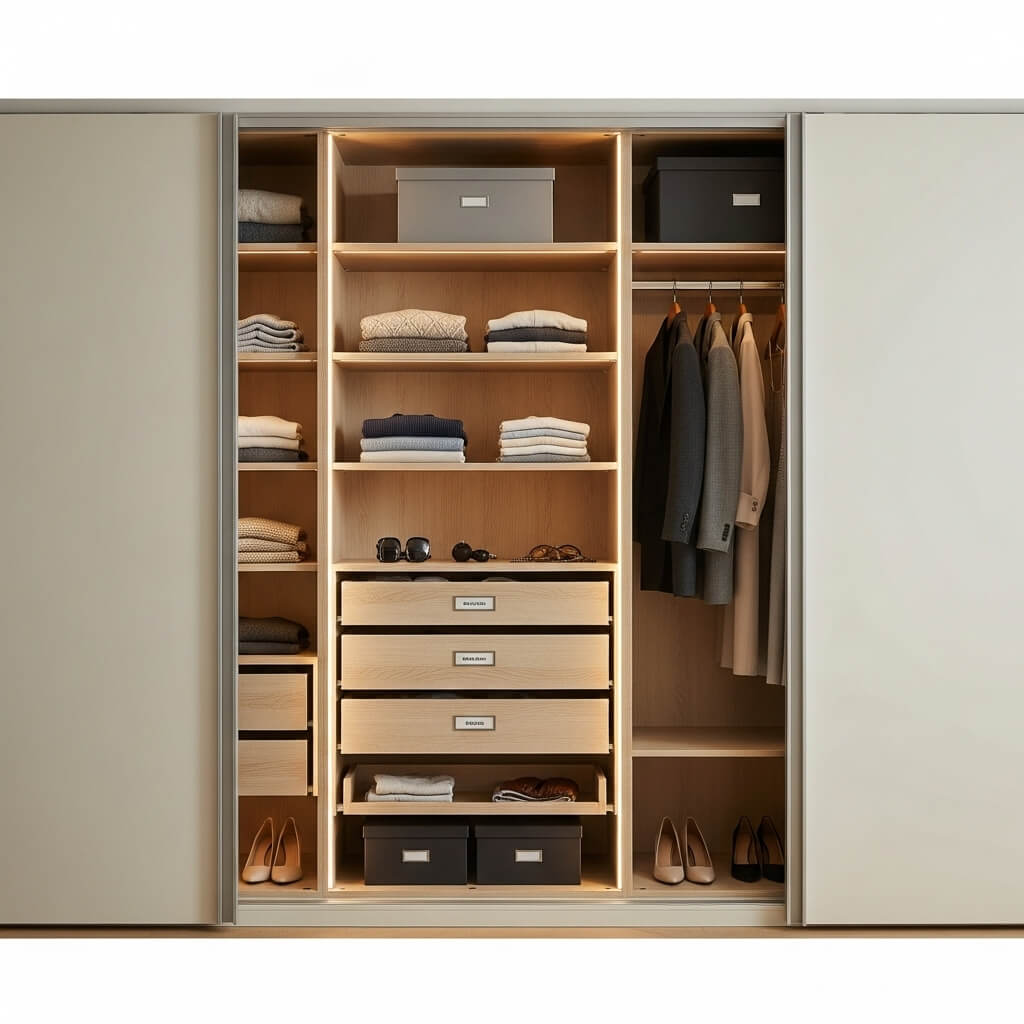
Hidden storage keeps everything out of sight. I use under-bed storage and built-in closets.
This helps maintain a clean and clutter-free look.
Pro Tip: Storage that you can’t see is the key to a minimalist room.
15. Keep Floors Simple
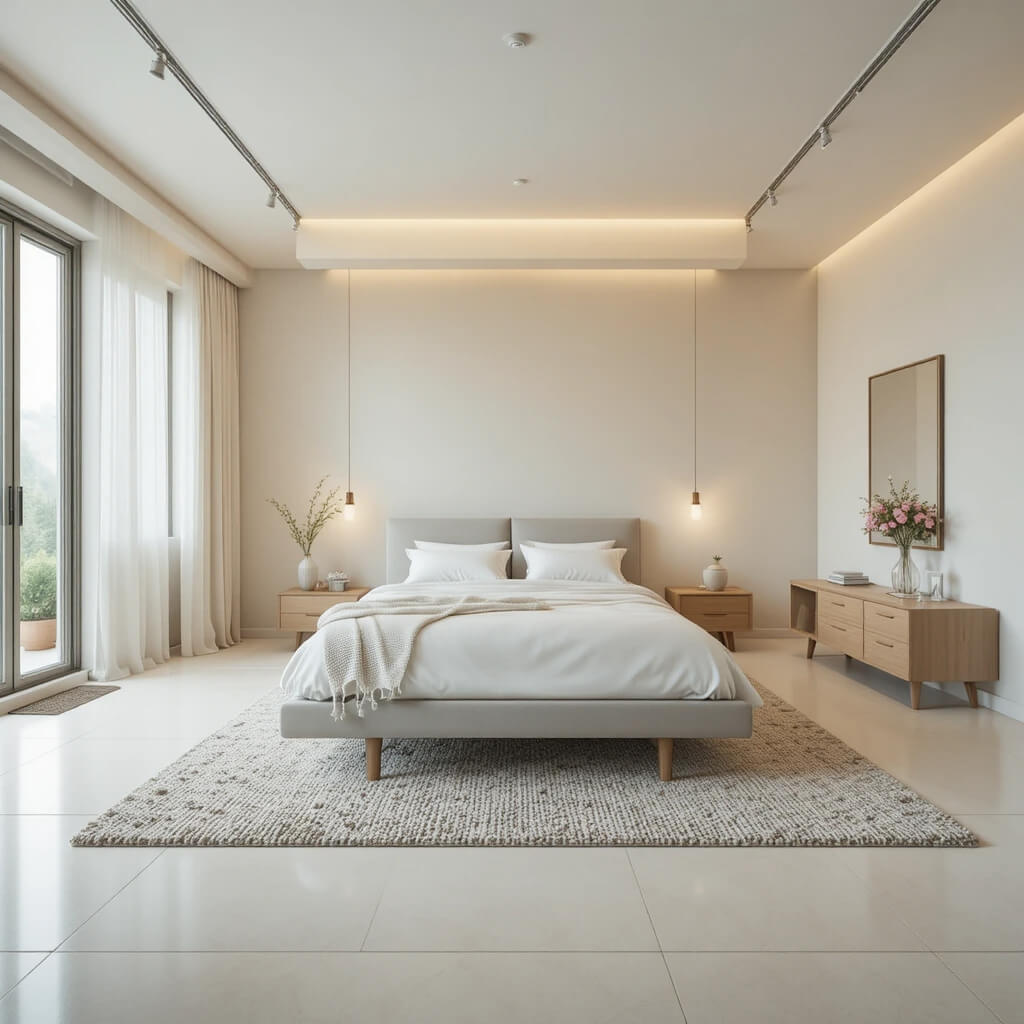
Clear floors make a room feel bigger. I limit rugs and avoid unnecessary furniture.
One soft rug near the bed is enough.
Pro Tip: The more visible floor space you have, the larger your room feels.
16. Limit Patterns and Prints
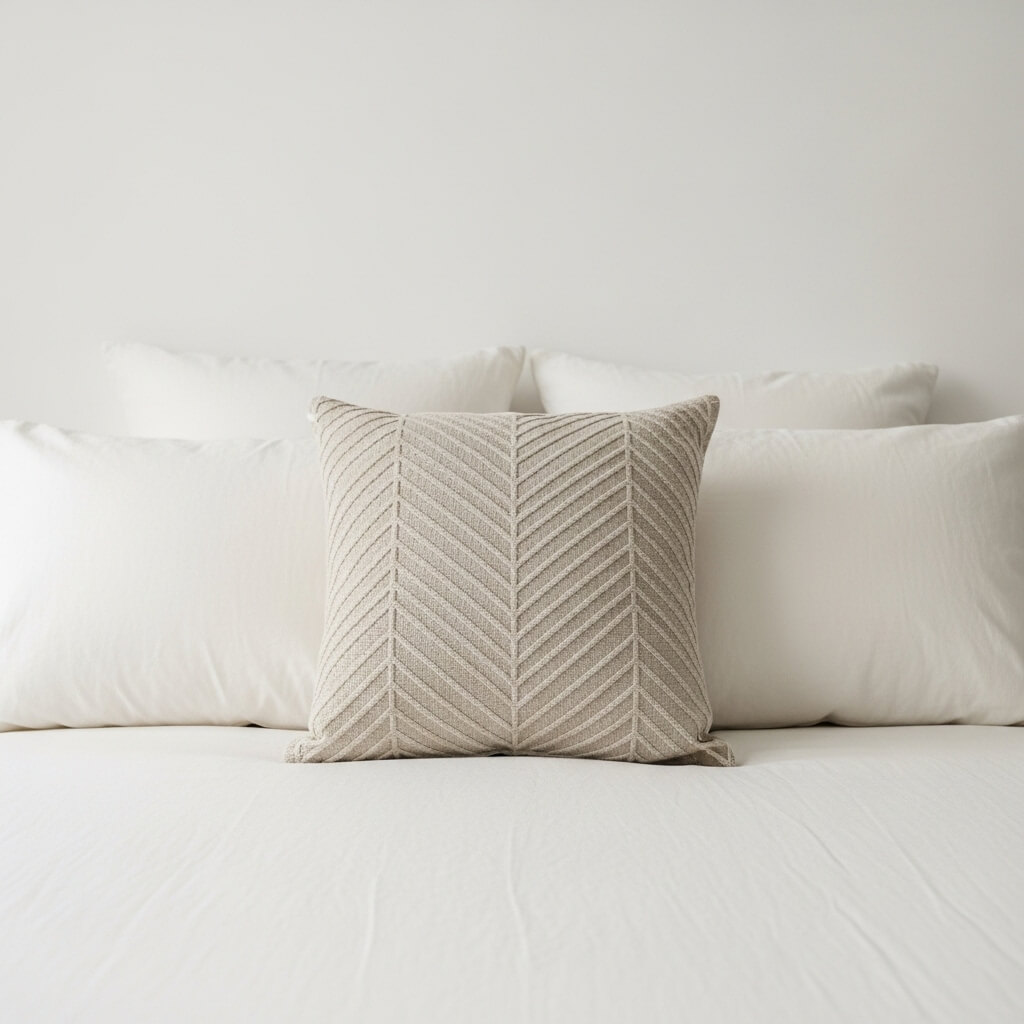
Too many patterns can overwhelm the space. I stick to subtle designs.
One patterned item is enough to add character.
Pro Tip: If you use patterns, keep the color palette consistent.
17. Choose Sleek, Low-Profile Furniture
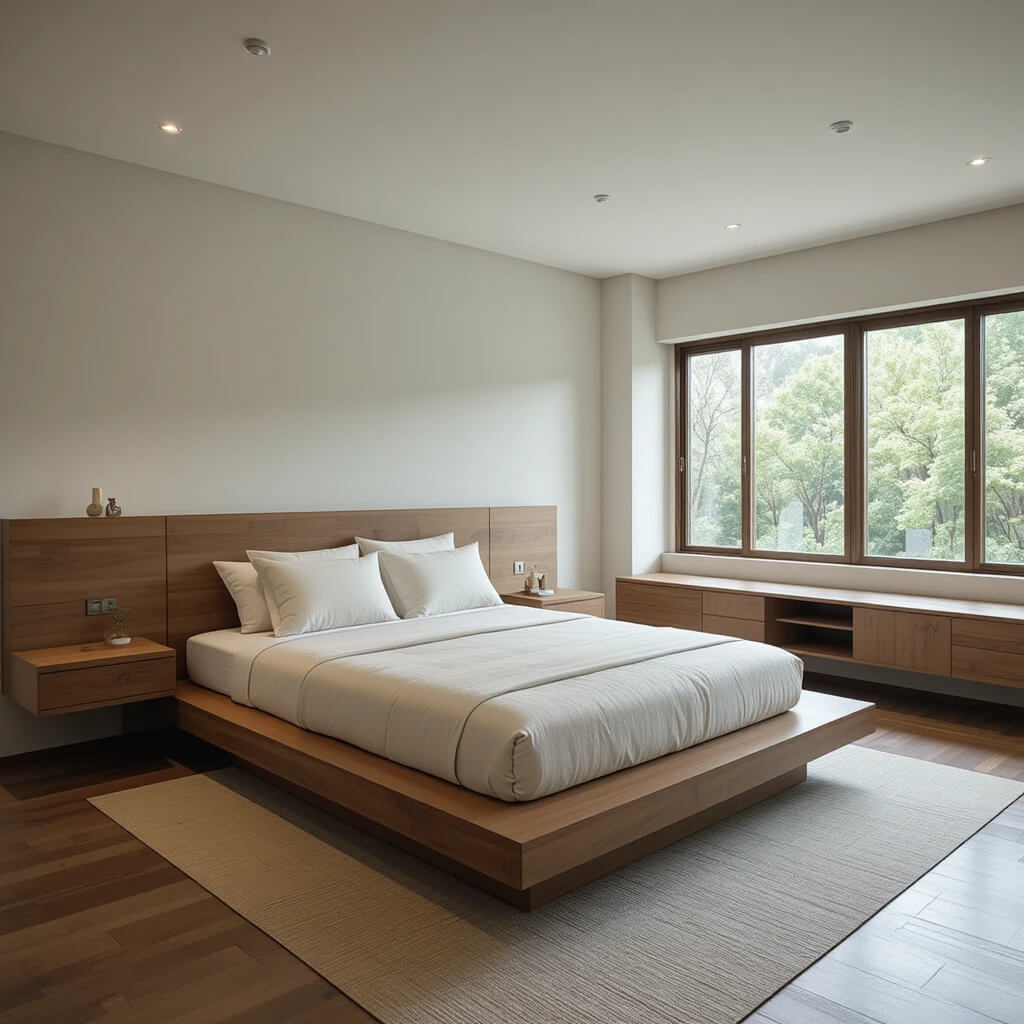
Low furniture makes ceilings look higher and rooms feel more open.
I prefer simple designs with clean lines.
Pro Tip: Furniture closer to the ground creates a more spacious look.
18. Personalize Sparingly
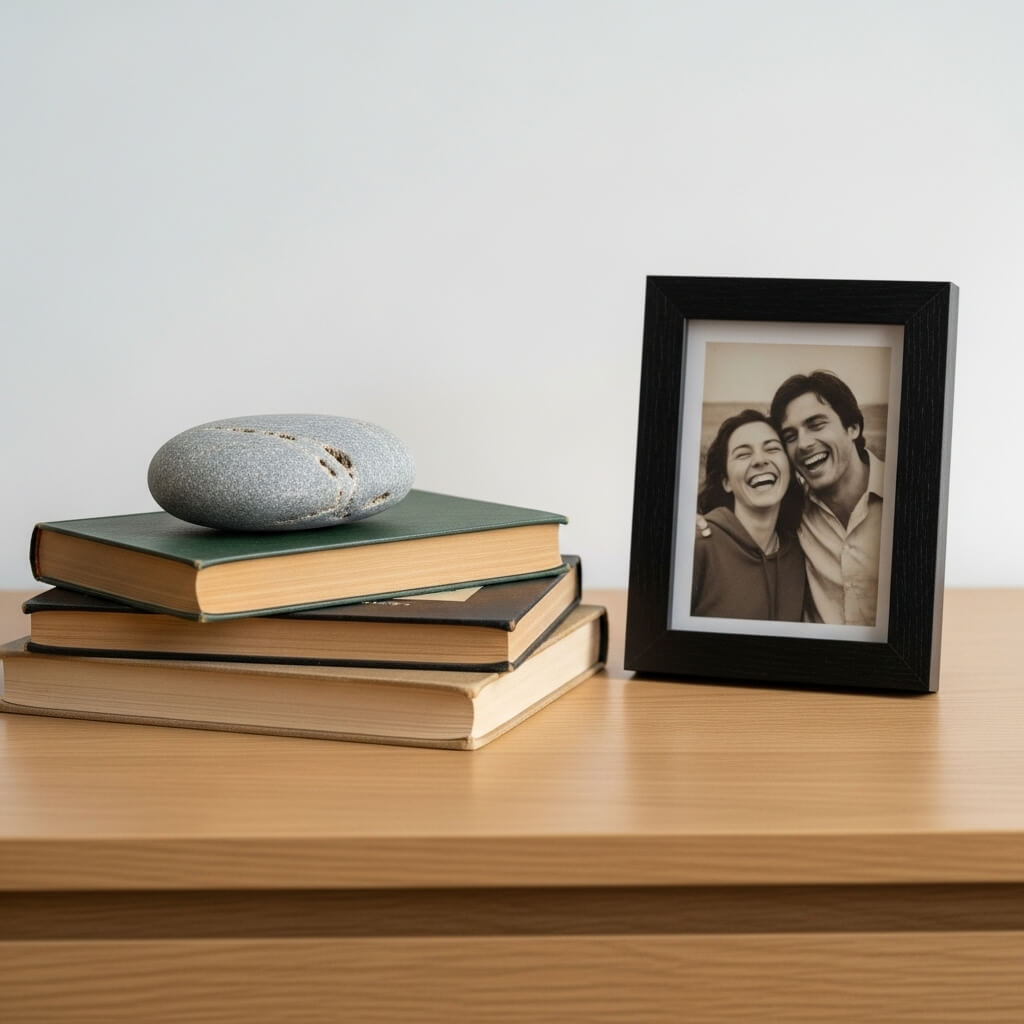
I still add personal items, but I keep it minimal. A photo or a meaningful object is enough.
Too many personal items can create clutter.
Pro Tip: Choose items that truly matter, not just decorative fillers.
19. Use Mirrors to Expand the Space
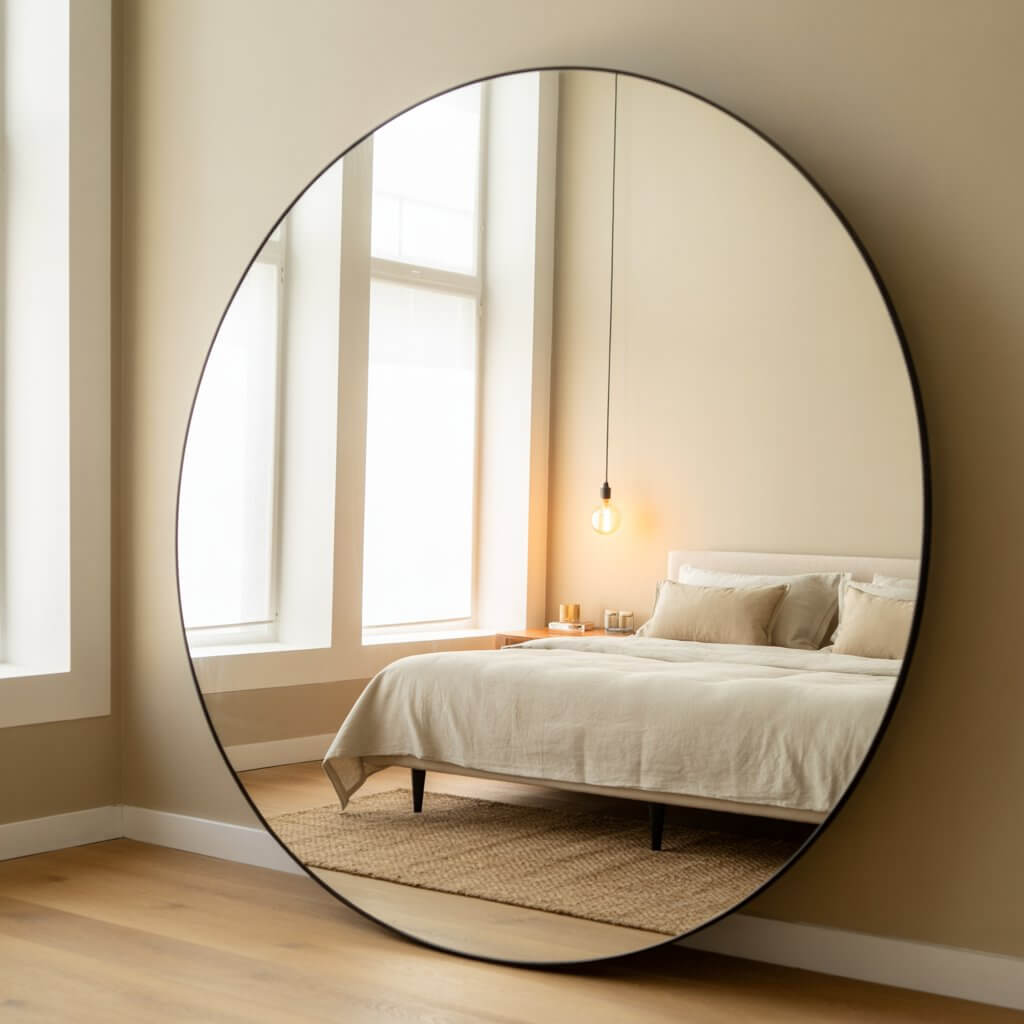
Mirrors reflect light and create the illusion of space. I use them strategically across from windows.
They make even small bedrooms feel larger.
Pro Tip: A large mirror can visually double your room size.
20. Keep It Fresh and Seasonal
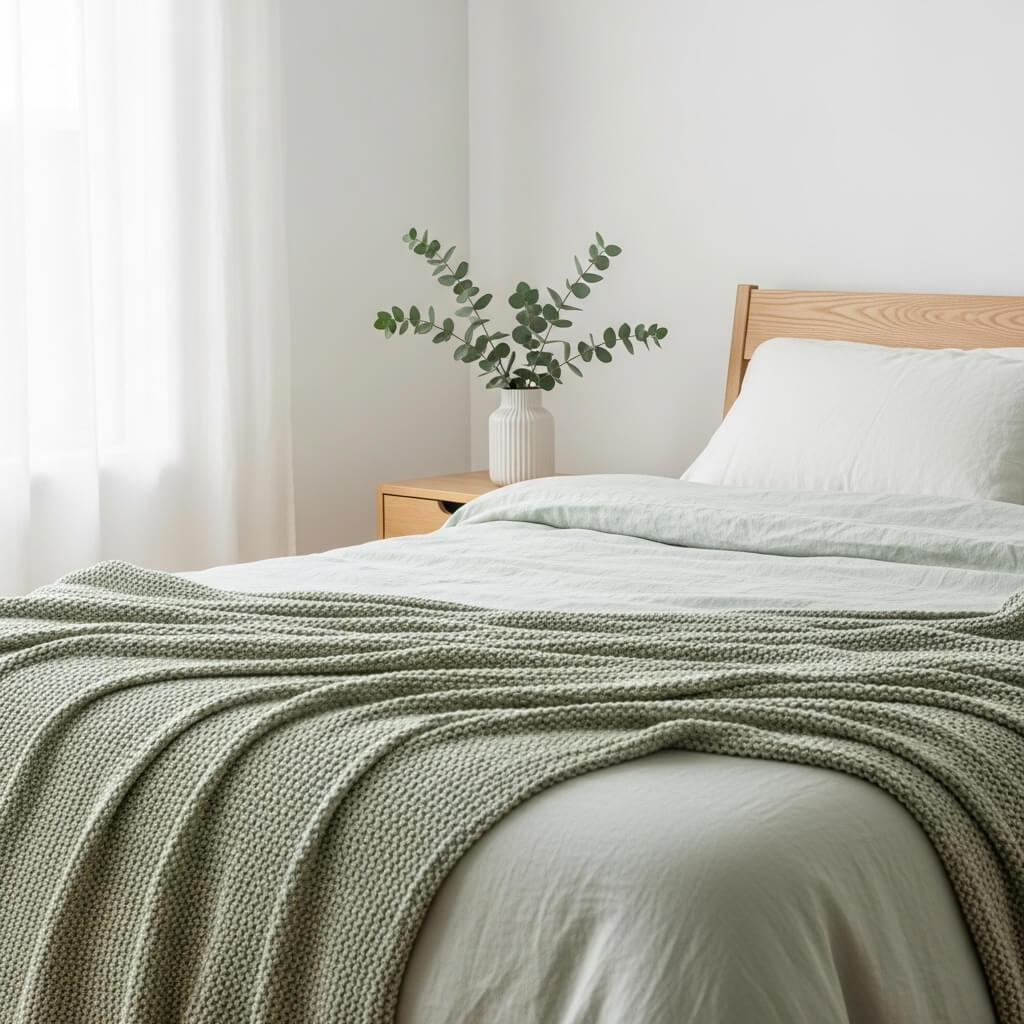
I like updating small elements with the seasons. It keeps the room feeling new without adding clutter.
Simple swaps like cushions or throws make a difference.
Pro Tip: Rotate instead of adding new items to avoid buildup.
Conclusion
After trying these ideas myself, I can confidently say that minimalism isn’t about having less—it’s about making smarter choices. A clean, simple bedroom has helped me sleep better, feel less stressed, and enjoy my space more.
If you want real results, start small. Clear one surface, change your bedding, or let in more light. These small steps lead to big changes over time.
And when you combine these ideas with Window Ideas That Make Your House, you create a space that feels open, bright, and truly relaxing.
FAQs About Minimalist Bedrooms
What defines a minimalist bedroom?
I see it as a space that focuses on simplicity, function, and intentional design. Everything has a purpose, and clutter is minimized.
Can a minimalist bedroom feel cozy?
Yes, I’ve found that textures, soft lighting, and natural elements make it feel warm without adding clutter.
How do I declutter my bedroom effectively?
I start small, follow the “one in, one out” rule, and keep only what I use regularly.
Are patterns allowed in a minimalist bedroom?
Yes, but I use them sparingly. One subtle pattern is enough to add interest.
How do I make a small bedroom feel minimalist and spacious?
I use light colors, mirrors, and minimal furniture while keeping surfaces clean and open.
Many of the ideas I share are inspired by real-life experimentation. I often test décor concepts in my own living spaces and explore practical ways they can be applied in everyday homes. I also gather insights from working with homeowners who want to improve the comfort, beauty, and functionality of their spaces.
I share practical ideas for improving living rooms, bedrooms, and overall home aesthetics using simple design principles.
I explore creative ways to upgrade outdoor spaces including patio décor, small backyard styling, and relaxing outdoor setups.
I provide ideas for kitchen organization, décor accents, and functional layouts that make kitchens more beautiful and practical.
The concepts shared here are based on ideas I have personally experimented with or studied through real home décor improvements.