20 Youth Group Games for 2026
Youth Group Games can completely change the mood of a gathering. I have personally seen quiet groups turn loud and energetic within minutes after the right game starts. The problem is that many games sound exciting online but become awkward once real teens start playing them.
That is why I put together this list of Youth Group Games that are simple, fun, practical, and actually work in real situations. Some games help break the ice fast, while others build teamwork, trust, and confidence naturally.
I also noticed that teens lose interest quickly when games have long rules or complicated setups. According to youth activity surveys, groups stay more engaged when activities start within the first 10 minutes of a session. That is why every game below is easy to explain and quick to start.
Whether you are planning a church gathering, school event, camp night, or weekend meetup, these Youth Group Games can help create better energy and stronger connections without making things stressful for leaders.
Key Takeaways
What is the Meaning of Youth Games?
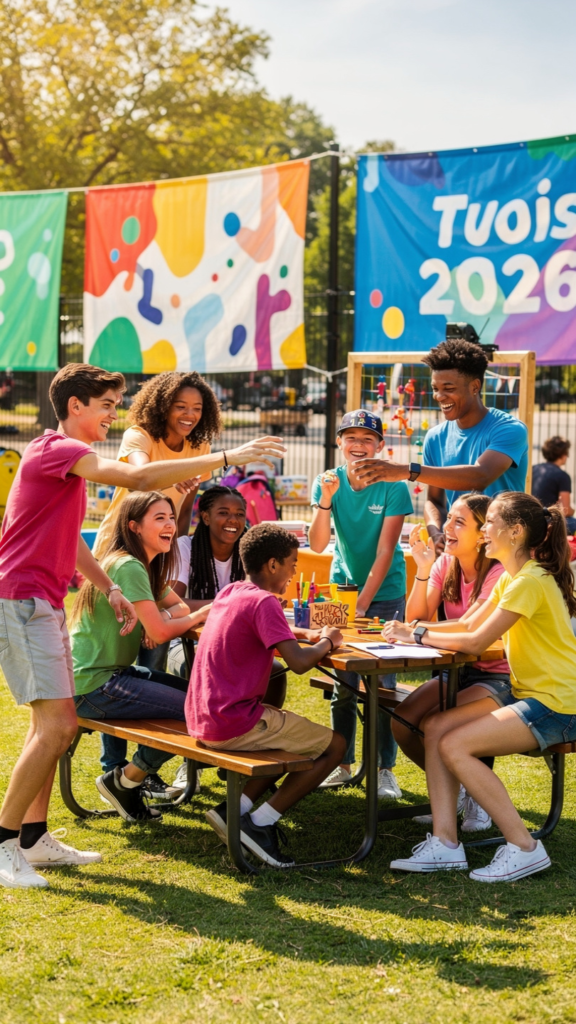
Youth games are activities designed to help young people connect, communicate, and enjoy time together in a relaxed way. I have found that the best games are not always the loudest or most competitive ones. The games that work best usually help people feel comfortable around each other.
Many youth leaders struggle with low participation during events. One or two teens dominate while others stay quiet in the corner. Good Youth Group Games fix that problem naturally by getting everyone involved without pressure.
Studies on youth engagement show that group activities improve communication skills, confidence, and teamwork. That is one reason schools, camps, and youth centers continue using team games during events and workshops.
The real goal is not just entertainment. It is helping people laugh together, build trust, and create shared memories they actually remember later.
Indoor Board Game Challenge
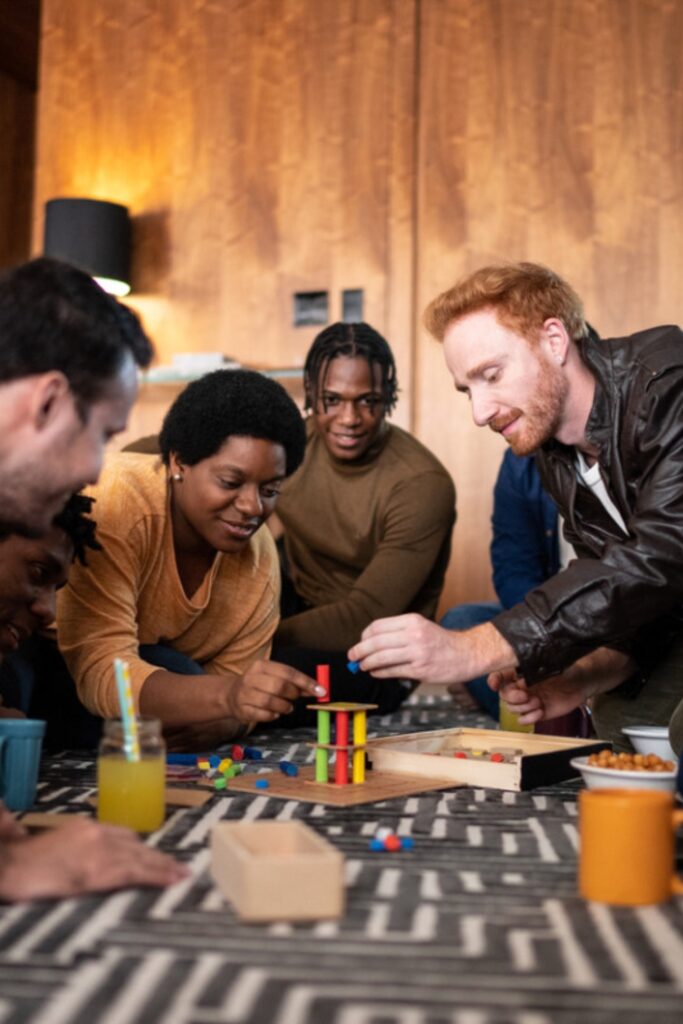
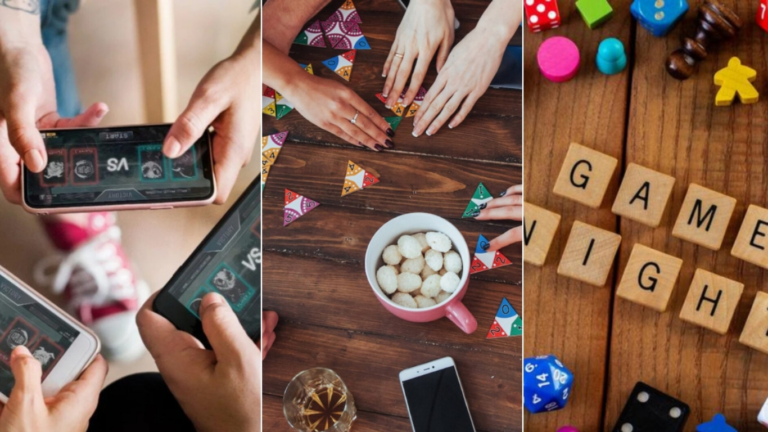
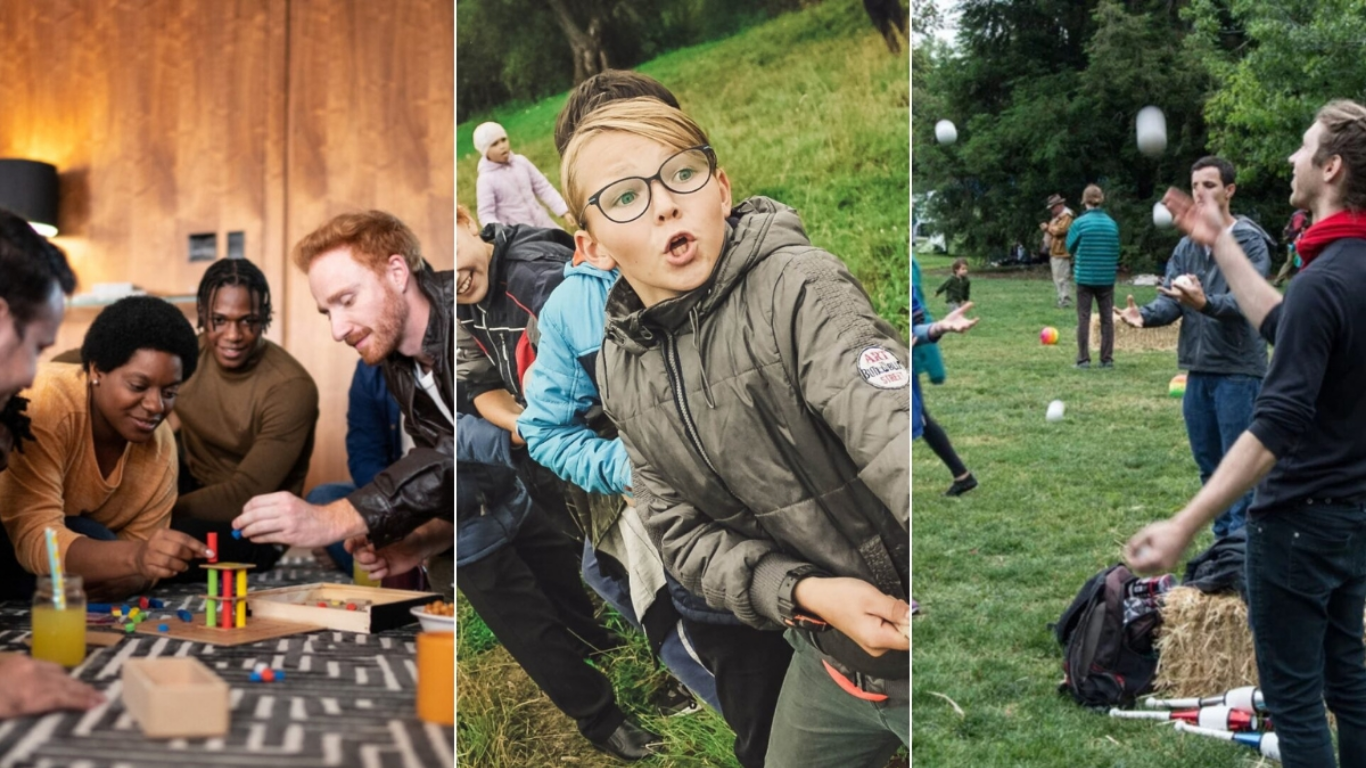
This is one of the easiest Youth Group Games to set up when you need something quick indoors. I usually use fast-paced board games because teens lose interest if turns take too long.
Split everyone into small teams and rotate games every few minutes. Stackable games, trivia games, or reaction games work especially well because they keep the energy moving.
One thing I learned is that lighting changes the atmosphere more than people expect. Soft lights or warm lamps make indoor spaces feel less awkward and more relaxed.
Pro Tip
Keep backup mini games ready at each table. If one game slows down, teens can instantly switch without losing momentum.
Outdoor Tug-of-War Challenge
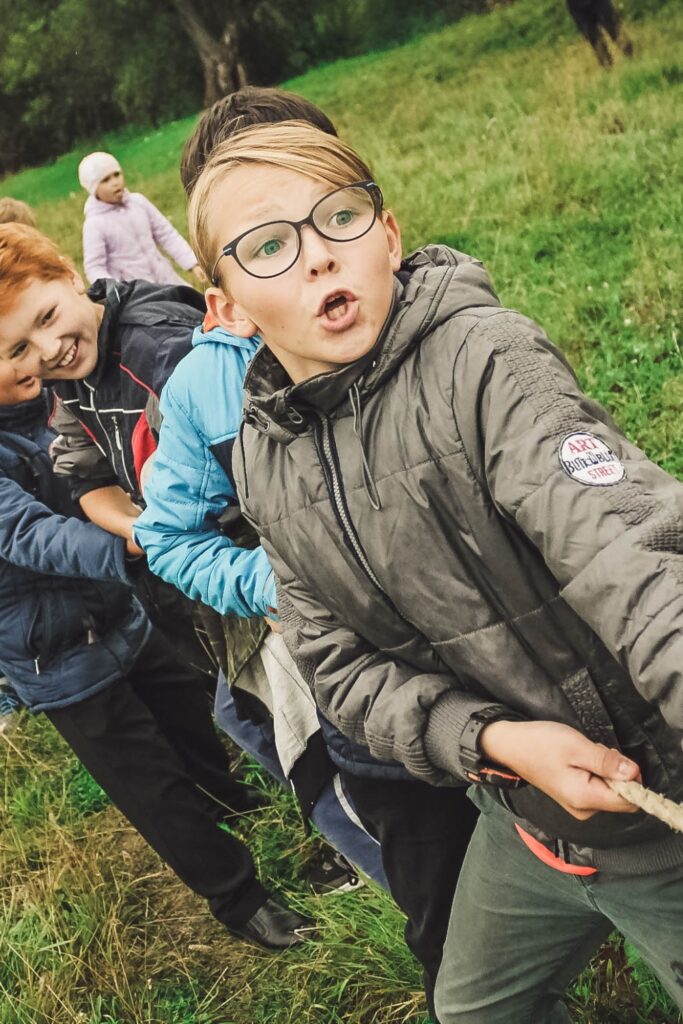
This classic game still works surprisingly well in 2026 because it creates instant excitement. I like using soft grass fields because they are safer and give players better grip during pulls.
The biggest mistake leaders make is uneven teams. Try balancing stronger and smaller players so the game stays competitive instead of one-sided.
Outdoor games like tug-of-war also increase participation because teens naturally enjoy movement-based challenges more than sitting activities. Physical games often create louder reactions and better teamwork.
Pro Tip
Use gloves if possible. They reduce rope burns and help players stay comfortable during multiple rounds.
Indoor Dodgeball Rush
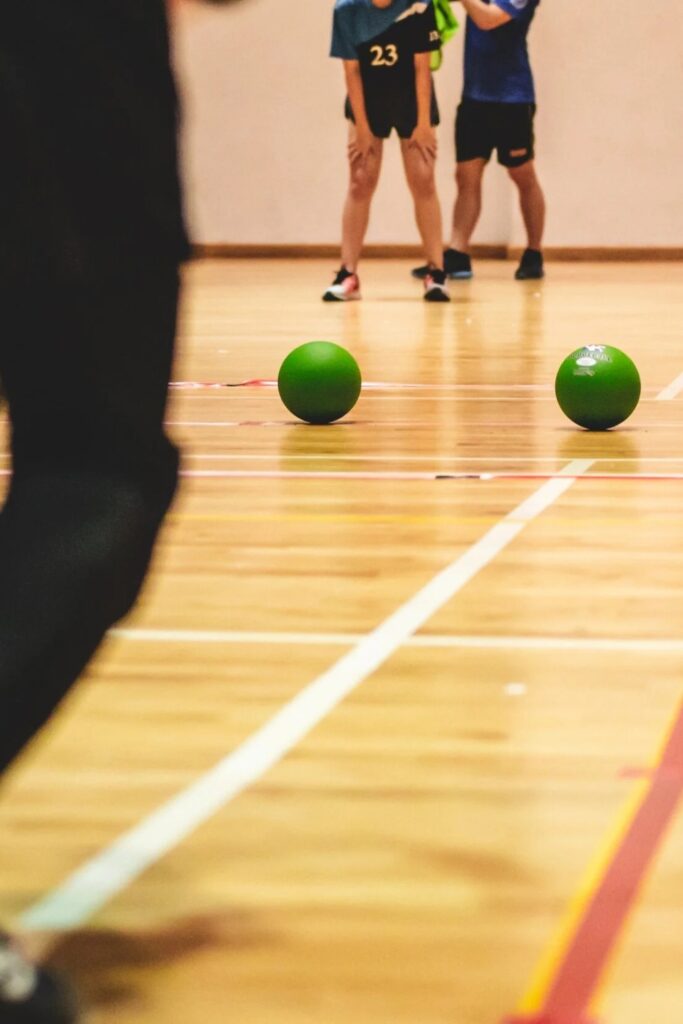
Whenever I need fast energy in the room, this is usually my go-to activity. Indoor dodgeball works best with soft foam balls because they keep the game fun without making anyone nervous about getting hit.
I have noticed that shorter rounds keep excitement higher. Instead of long elimination games, restart quickly so everyone keeps playing.
Gym spaces work best, but large halls can also work if chairs and obstacles are moved safely out of the way.
According to youth recreation programs, high-movement games can improve participation rates by nearly 40% during group events.
Pro Tip
Create small safe zones around the edges so younger or shy players feel less pressure during intense rounds.
Outdoor Juggling Circle
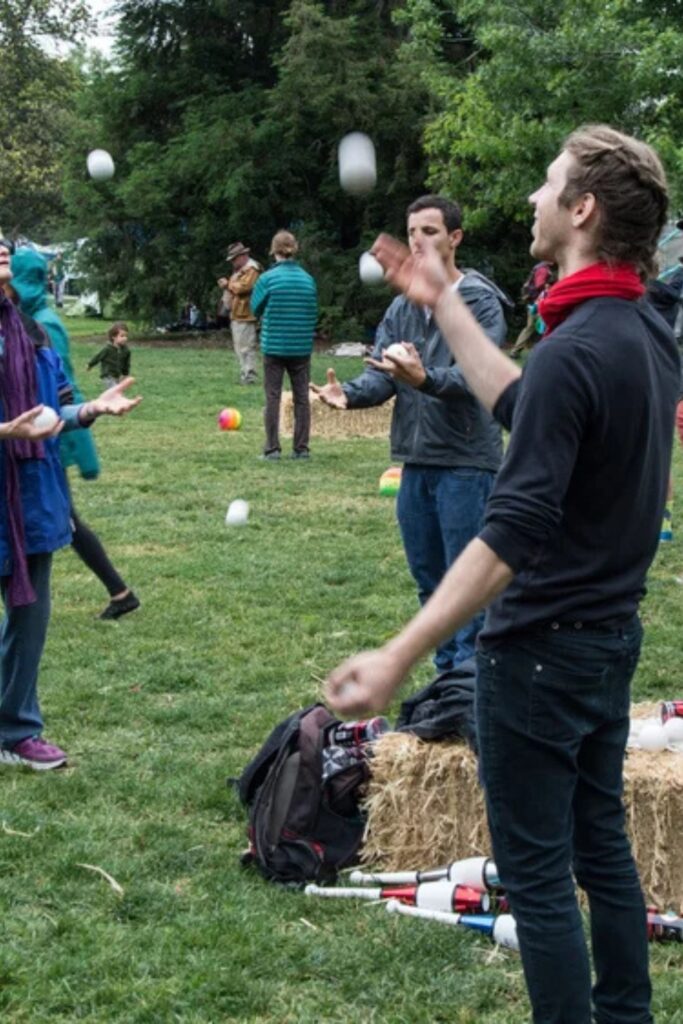
This game looks simple at first, but it becomes hilarious once more balls get added. I like using soft lightweight balls because they are easier to catch and safer for younger groups.
Start slowly with one ball and build rhythm before adding more. Most groups fail quickly once the third or fourth ball enters the circle, and that usually creates the biggest laughs.
This is also one of the better Youth Group Games for mixed ages because skill level matters less than teamwork and focus.
Pro Tip
Use colored balls instead of identical ones. Players react faster and track movement more easily.
Mud Run Challenge
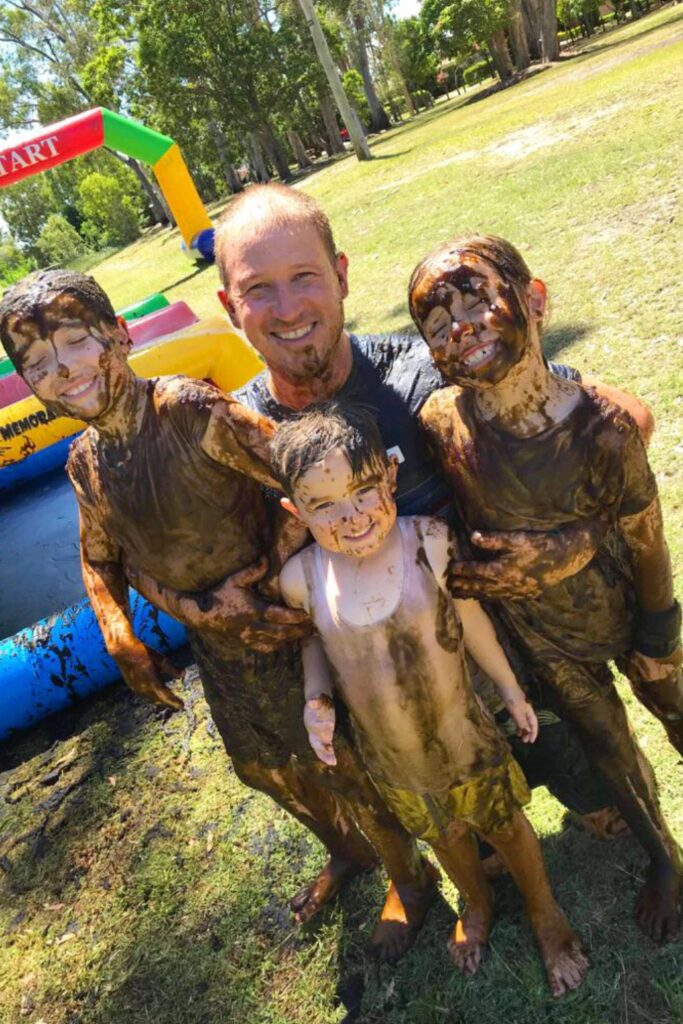
If your group enjoys messy outdoor fun, this game creates unforgettable memories. I have seen even shy teens completely open up during obstacle-style races.
You do not need expensive setups either. Simple cones, ropes, inflatable tunnels, and water stations can create a great course without huge costs.
Obstacle activities also encourage teamwork naturally because players start helping each other finish challenges.
Pro Tip
Keep towels, water bottles, and extra clothes nearby before the game starts. Cleanup always takes longer than expected.
Poisonous Stump Game
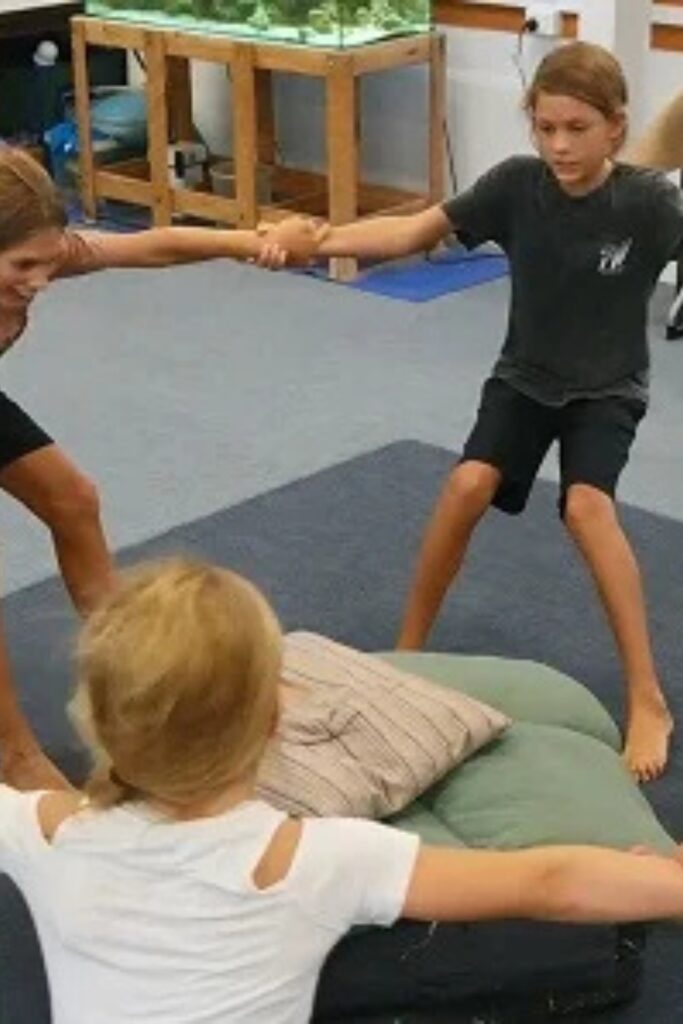
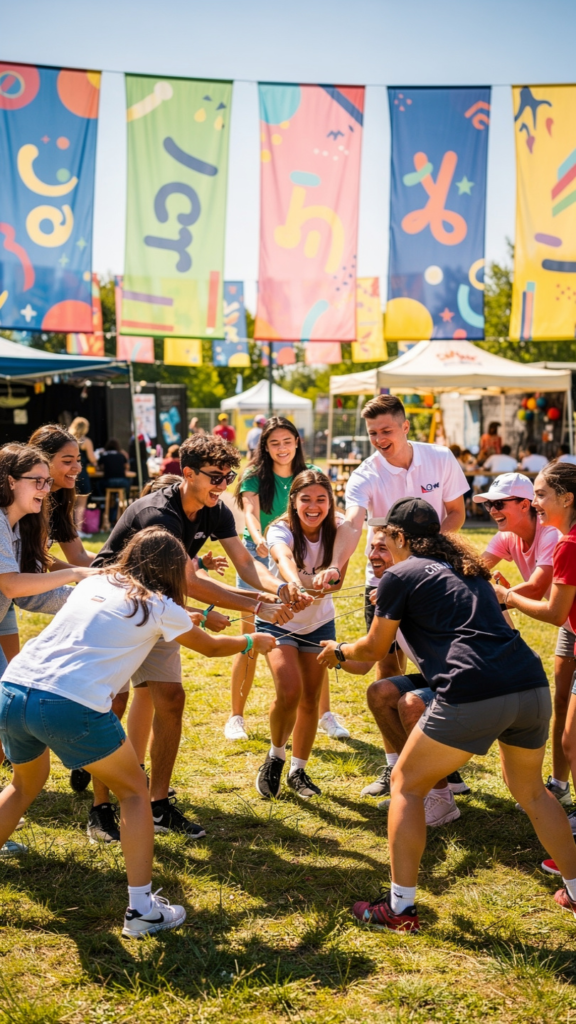
This game is excellent for teamwork and balance. Everyone forms a circle while trying to avoid touching the center area.
The challenge becomes harder as players lean backward while holding each other steady. I like this activity because it forces communication without making it feel formal or uncomfortable.
It works especially well for groups that do not know each other well yet.
Pro Tip
Use soft flooring or grass whenever possible to make the activity safer and more comfortable.
Gaga Ball Game
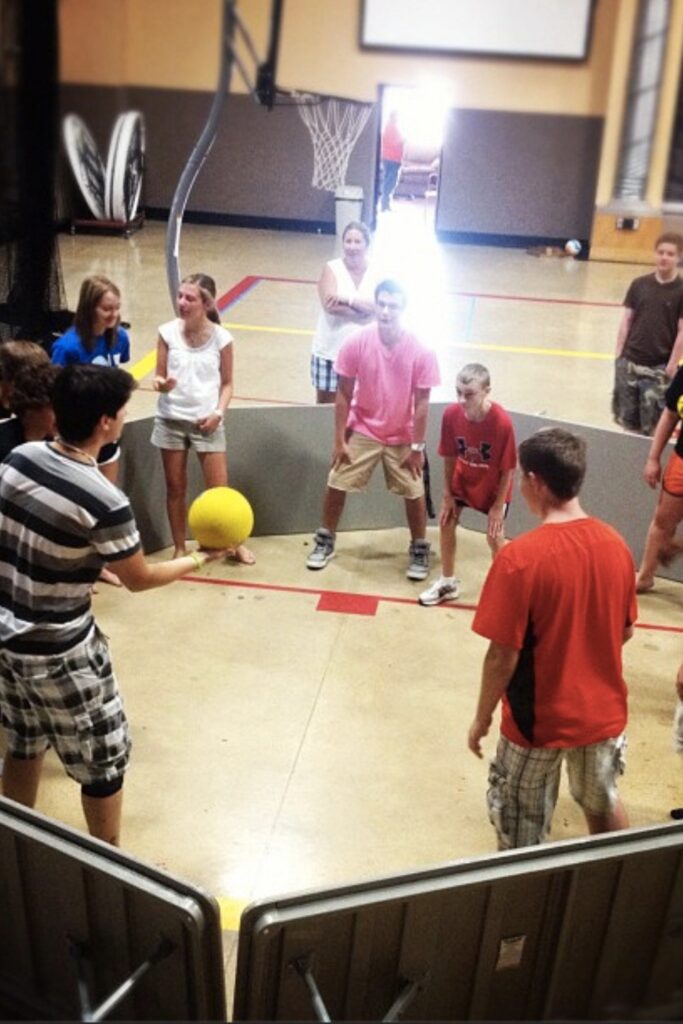
Gaga Ball remains one of the most popular Youth Group Games because almost everyone understands the rules within minutes.
Players try avoiding the ball while knocking others out with below-the-knee hits. The fast pace keeps people engaged constantly.
I have found that smaller playing areas make the game even more exciting because reactions happen faster and players stay alert.
Pro Tip
Rotate eliminated players back into the game quickly so nobody stays sitting out too long.
Chase Tag Game
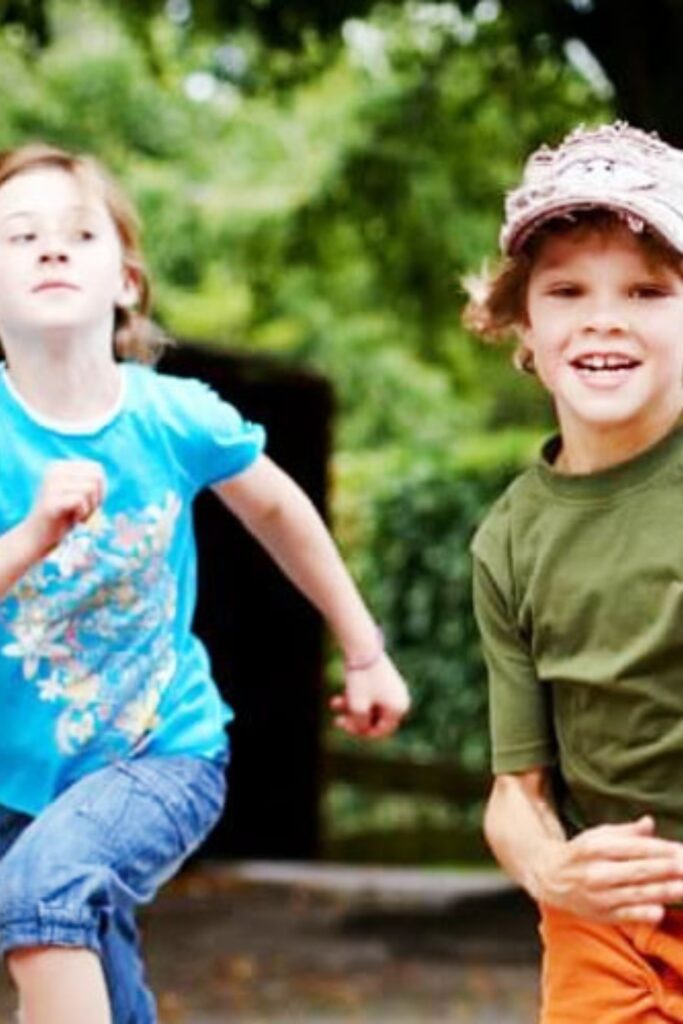
Simple tag games still work because they require almost no explanation. Teens can start moving immediately instead of standing around listening to instructions.
I usually add safe zones, obstacles, or team challenges to make the game feel fresh. Trees, benches, and cones work great for outdoor setups.
Games with running and chasing naturally create excitement because everyone stays active the entire time.
Pro Tip
Set clear boundaries before starting so players know exactly where the play area ends.
Team Strategy Grid Game

This game combines teamwork, movement, and problem-solving in a way that keeps groups fully involved.
Create a grid using tape, cones, or chalk, then give teams challenges at different points. Some stations can involve trivia while others require physical tasks.
I like this game because competitive strategy keeps both energetic and quieter teens interested.
Pro Tip
Mix physical tasks with thinking challenges so every type of player can contribute.
Hula Hoop Pass

This activity is simple, affordable, and surprisingly funny once the group starts moving faster.
Players stand in a circle holding hands while trying to pass a hula hoop around without letting go. It quickly turns chaotic in the best way possible.
I often use this game early during events because it breaks tension fast and gets everyone laughing together.
Pro Tip
Time each round and challenge groups to beat their previous record.
Blindfold Target Game
This game builds trust while keeping the mood light and funny. One player wears a blindfold while teammates guide them toward a target using only voice directions.
The funniest moments usually happen when instructions become confusing and players start spinning in circles.
Trust-building games like this often help shy teens participate more comfortably.
Pro Tip
Use soft foam objects instead of hard items for extra safety indoors.
Cereal Face Dunk Race
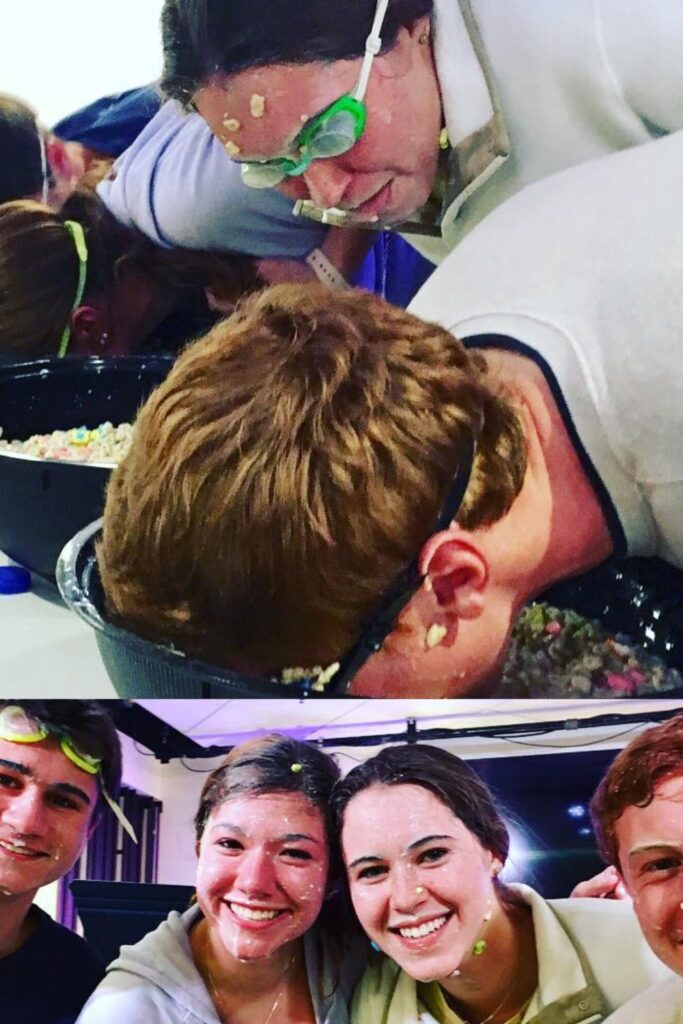
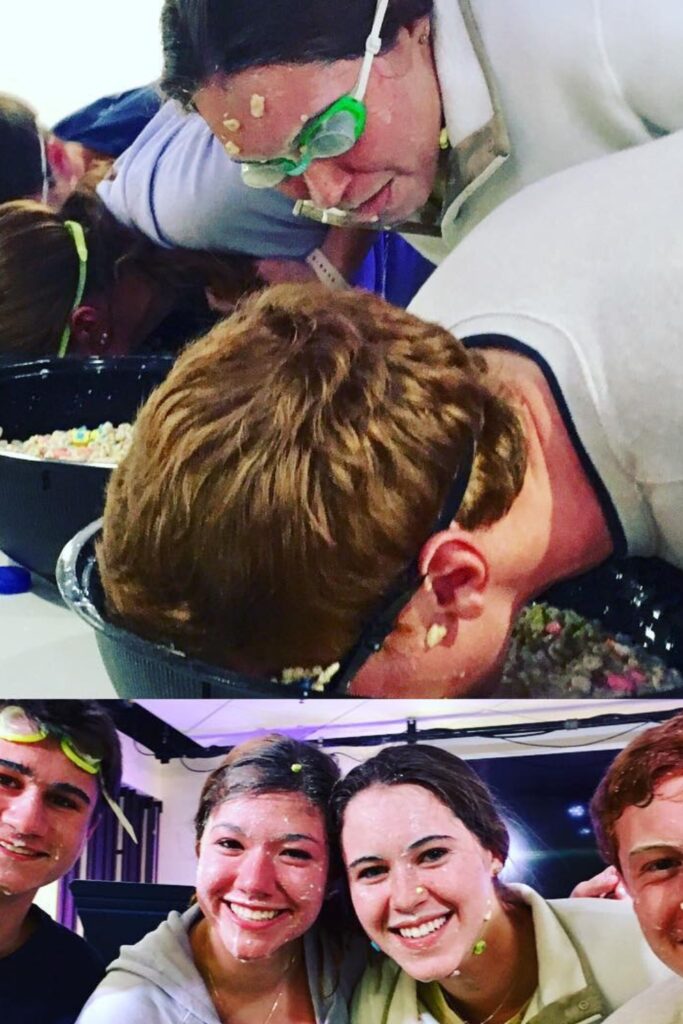
This messy challenge creates instant laughter every time. Players dunk their faces into cereal bowls searching for hidden objects without using hands.
I usually save this game for the middle of an event because it boosts energy again when groups start slowing down.
Messy games also tend to create stronger memories because everyone stays fully engaged.
Pro Tip
Use plastic table covers for easier cleanup after the game ends.
Cup Stacking Relay
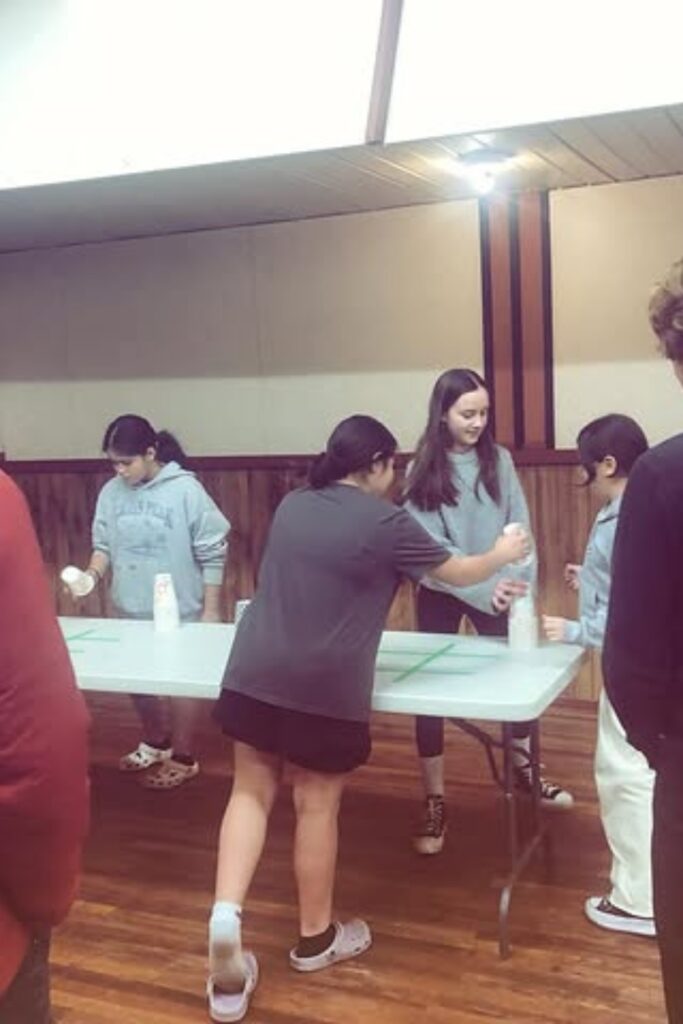
This is one of the easiest Youth Group Games for indoor spaces because setup takes only minutes.
Teams race to stack and unstack cups as quickly as possible. It sounds basic, but once competition starts, the room gets loud fast.
Short relay games work well because they maintain attention without exhausting players.
Pro Tip
Use larger cups for younger groups since they are easier to stack quickly.
Mystery Drink Challenge
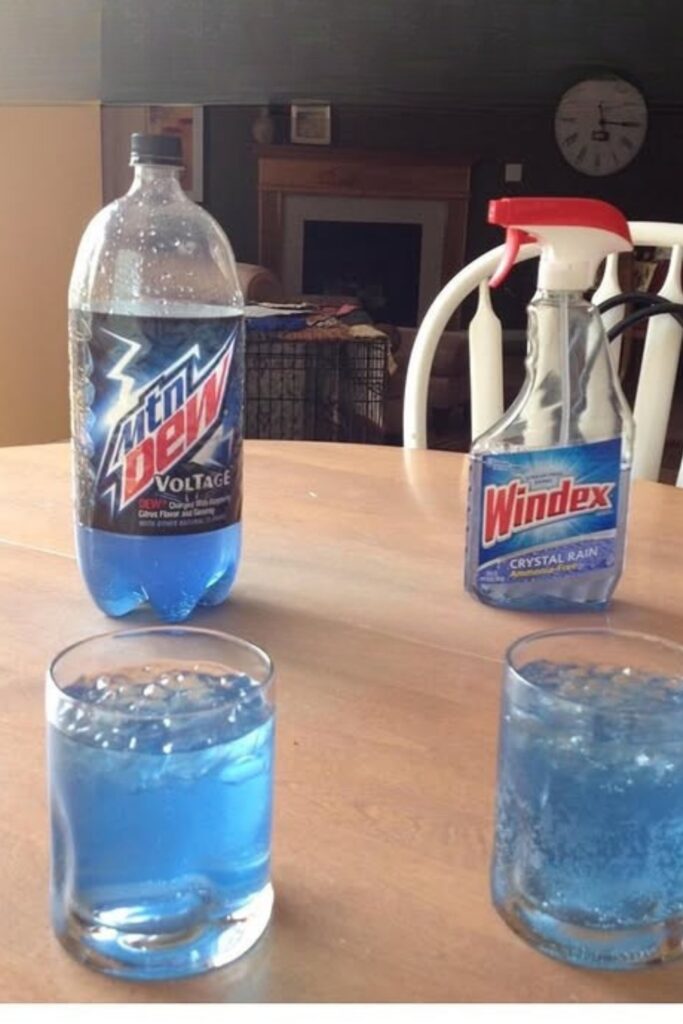
This game always gets strong reactions. Fill cups with different safe drinks and let players guess each flavor.
Some drinks should taste normal while others should feel unusual enough to create funny responses.
I recommend avoiding anything too extreme because the goal is laughter, not making players uncomfortable.
Pro Tip
Label allergy-safe ingredients clearly before the activity begins.
Night Circle Game
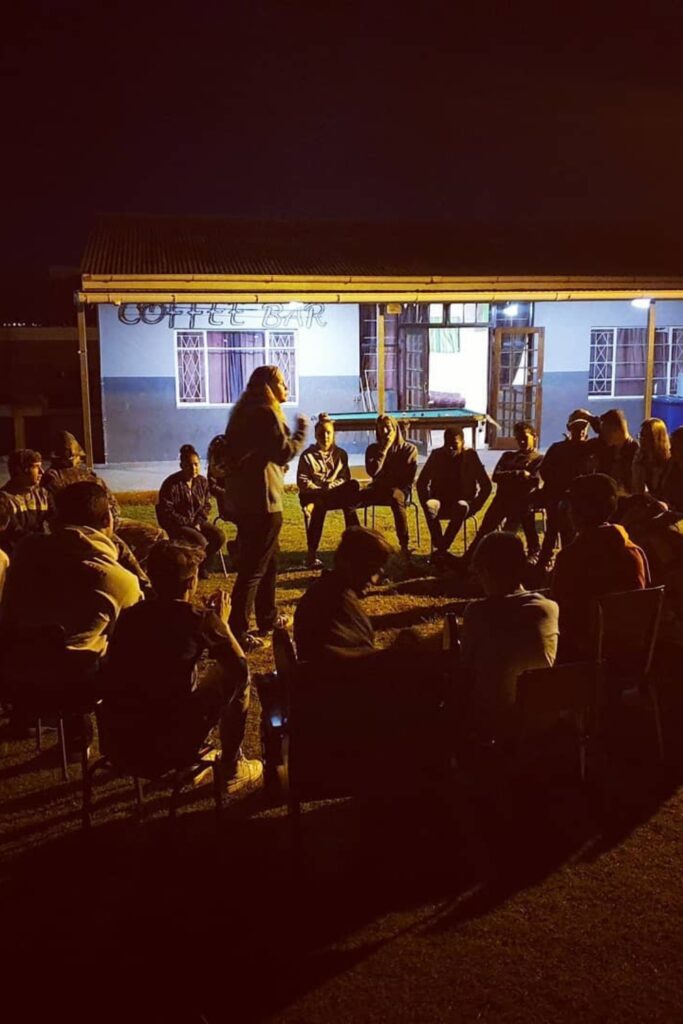
Not every youth activity needs loud energy. Sometimes slower moments help groups connect more deeply.
This game works best outdoors at night with string lights or lanterns around the circle. One person shares prompts, stories, or simple group challenges while everyone participates.
I have seen quiet teens open up more during relaxed nighttime activities than during competitive games.
Pro Tip
Keep phones away during the activity to help everyone stay focused on the conversation.
Indoor Ropes Course Adventure
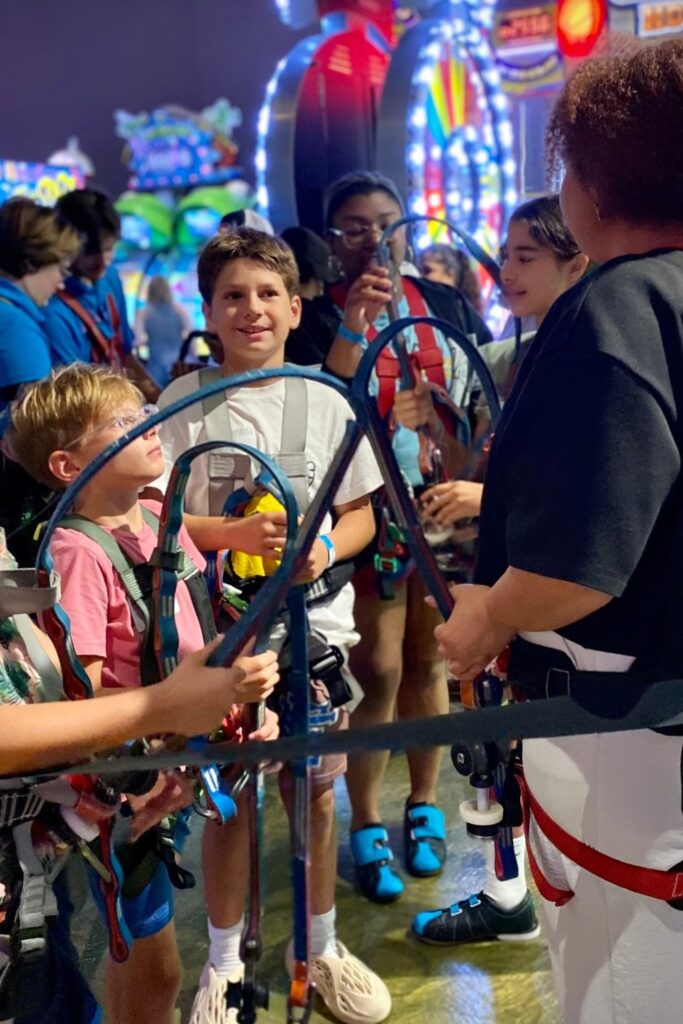
This activity brings excitement, movement, and teamwork together in one experience.
Indoor ropes courses help teens build confidence while encouraging support from teammates below. Many activity centers now include beginner-friendly setups for youth events.
Safety matters most here, so trained supervision is important during climbing challenges.
Pro Tip
Pair nervous participants with supportive teammates to build confidence faster.
Blindfold Puzzle Challenge
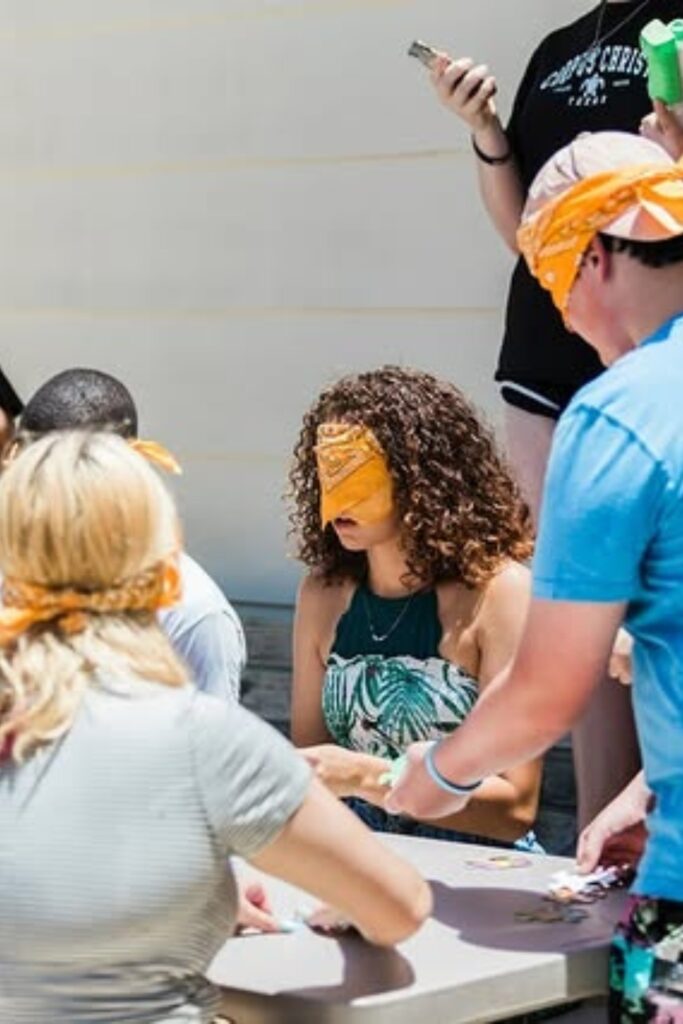
This game mixes communication, patience, and teamwork perfectly. Blindfolded players must complete puzzles using only verbal instructions from teammates.
I like using simple puzzles because overly difficult tasks slow the energy too much.
Games involving communication challenges often improve teamwork naturally because players must listen carefully to succeed.
Pro Tip
Use colored puzzle pieces for faster gameplay and easier supervision.
Head–Shoulders Grab Game
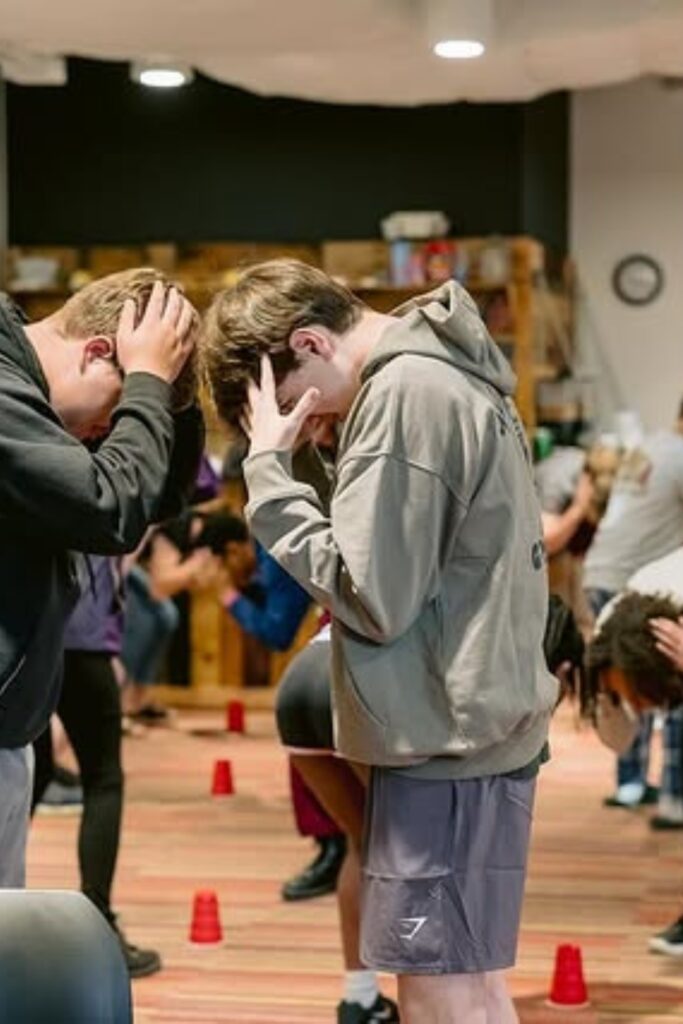
This reaction game creates loud laughs almost instantly. Players follow commands like “head” or “shoulders” while racing to grab an object when the correct word is called.
Fast reaction games are great for keeping teens fully focused and active.
I usually run several short rounds instead of one long game because quick resets maintain excitement better.
Pro Tip
Switch team partners between rounds so players interact with more people.
Outdoor Circle Discussion Game
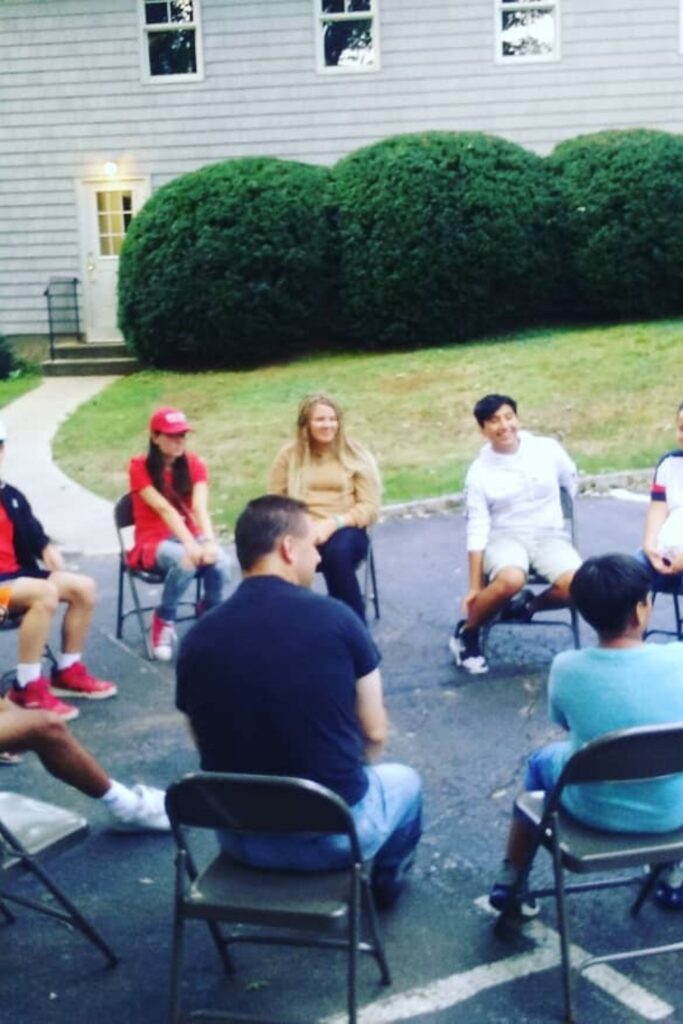
This game works well when you want meaningful conversation without making it feel forced.
Players sit in a circle while answering fun prompts, light questions, or group discussion topics. Outdoor evening settings create a calmer atmosphere that helps people relax naturally.
I often use this activity near the end of events because it slows things down in a positive way.
Pro Tip
Start with funny questions before moving into deeper discussions.
Marshmallow Stuffing Challenge
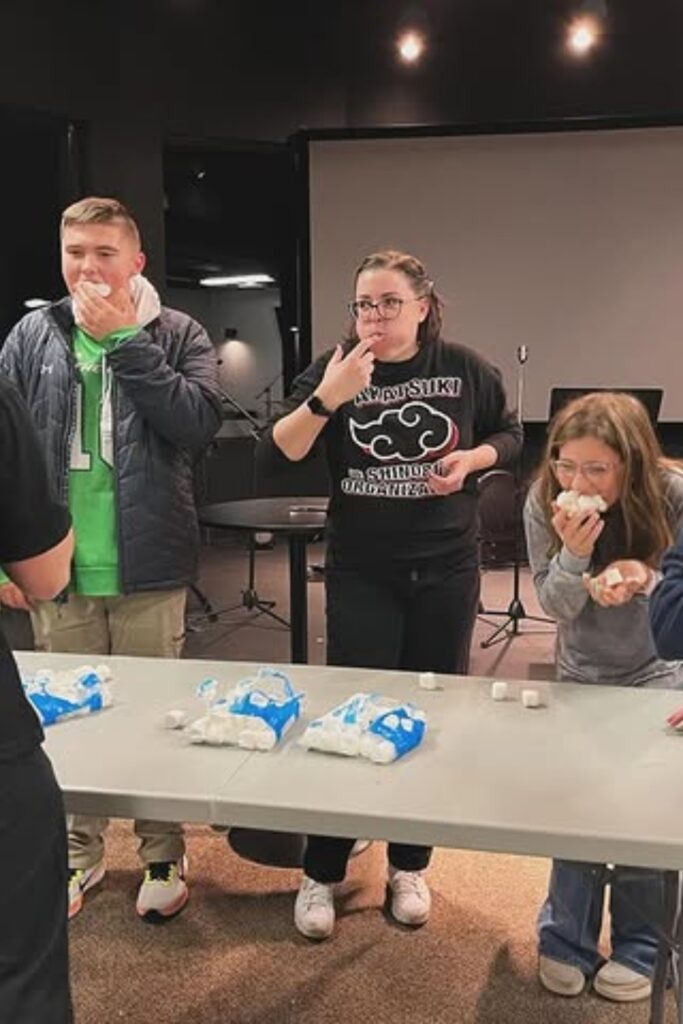
This is one of the funniest Youth Group Games for breaking the ice quickly. Players stuff marshmallows into their mouths while trying to say a phrase clearly.
The game is simple, cheap, and works with almost any group size.
Even teens who normally avoid activities usually laugh during this challenge because the rules are so silly.
Pro Tip
Keep water nearby because players usually need quick drink breaks after each round.
Many of the ideas I share are inspired by real-life experimentation. I often test décor concepts in my own living spaces and explore practical ways they can be applied in everyday homes. I also gather insights from working with homeowners who want to improve the comfort, beauty, and functionality of their spaces.
I share practical ideas for improving living rooms, bedrooms, and overall home aesthetics using simple design principles.
I explore creative ways to upgrade outdoor spaces including patio décor, small backyard styling, and relaxing outdoor setups.
I provide ideas for kitchen organization, décor accents, and functional layouts that make kitchens more beautiful and practical.
The concepts shared here are based on ideas I have personally experimented with or studied through real home décor improvements.