14 Inspiring Farmhouse Kitchen Design Ideas
A kitchen should feel warm and welcoming, not cold or overly polished. Many homeowners want a space that feels lived-in, comforting, and full of character. That desire is the main reason Farmhouse Kitchen Design continues to stay popular. It brings back the feeling of togetherness, where cooking, conversation, and everyday life naturally happen in one shared space.
The charm of farmhouse kitchens often comes from memories of older homes filled with worn textures, open layouts, and meaningful details. What we now call modern farmhouse blends those nostalgic elements with today’s functionality. The result is a kitchen that feels timeless yet practical, balancing rustic charm with modern convenience.
If you are planning to refresh your kitchen or redesign it completely, these carefully selected ideas will help you shape a space that feels cozy, functional, and visually appealing while staying true to Farmhouse Kitchen Design principles.
Setting the Structural Foundation
A successful farmhouse kitchen starts with structure, not décor. The architectural elements of the space create the foundation for the entire look, and getting these details right makes every other design choice feel intentional.
Embrace the Open Layout
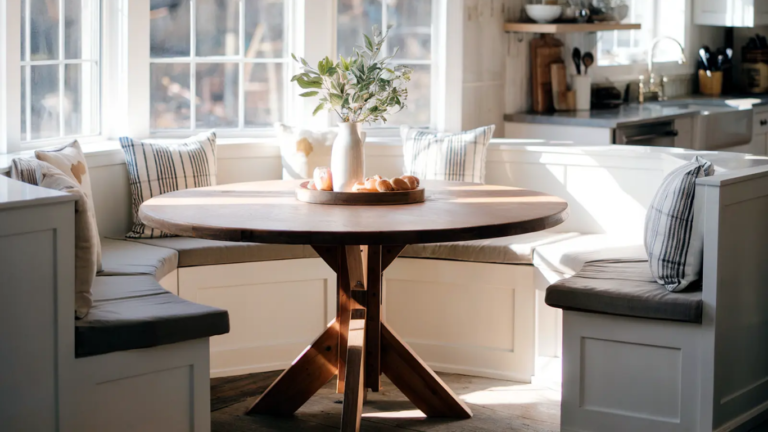
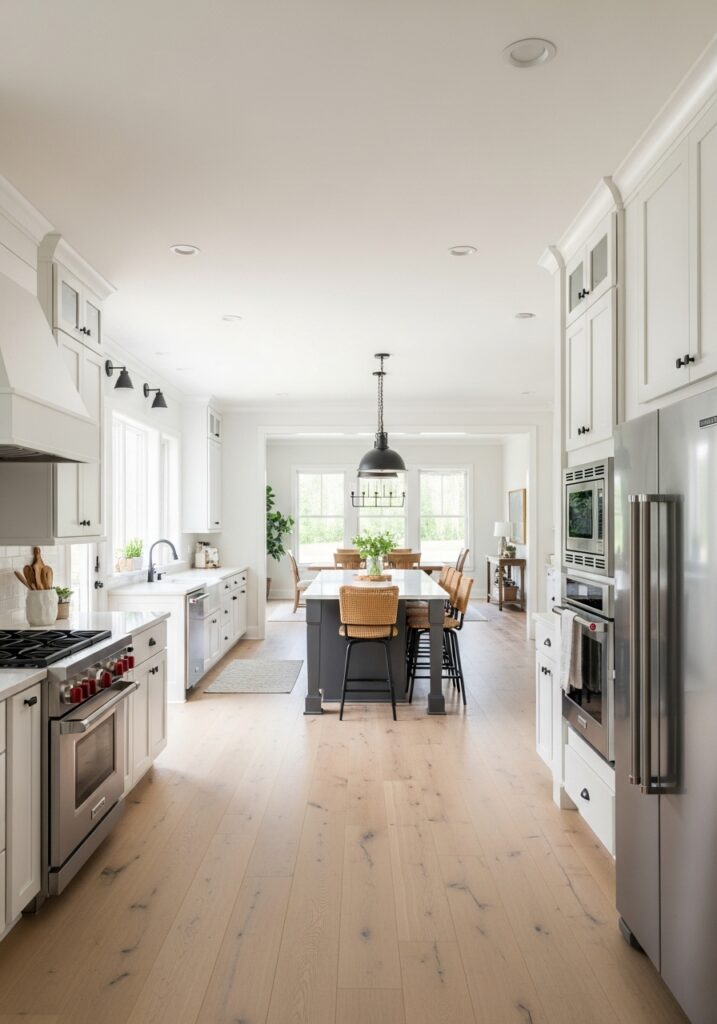
Modern farmhouse kitchens focus on openness and connection rather than closed-off rooms. An open layout allows better movement, encourages interaction, and makes the kitchen feel larger and brighter. Removing unnecessary walls creates a smooth flow between the kitchen and surrounding living spaces, making it easier to cook, host, and spend time together.
This layout also improves natural light and creates a welcoming environment where the kitchen truly becomes the heart of the home. Open designs are especially effective in Farmhouse Kitchen Design because they highlight warmth, simplicity, and everyday functionality.
Add Texture with Board and Batten
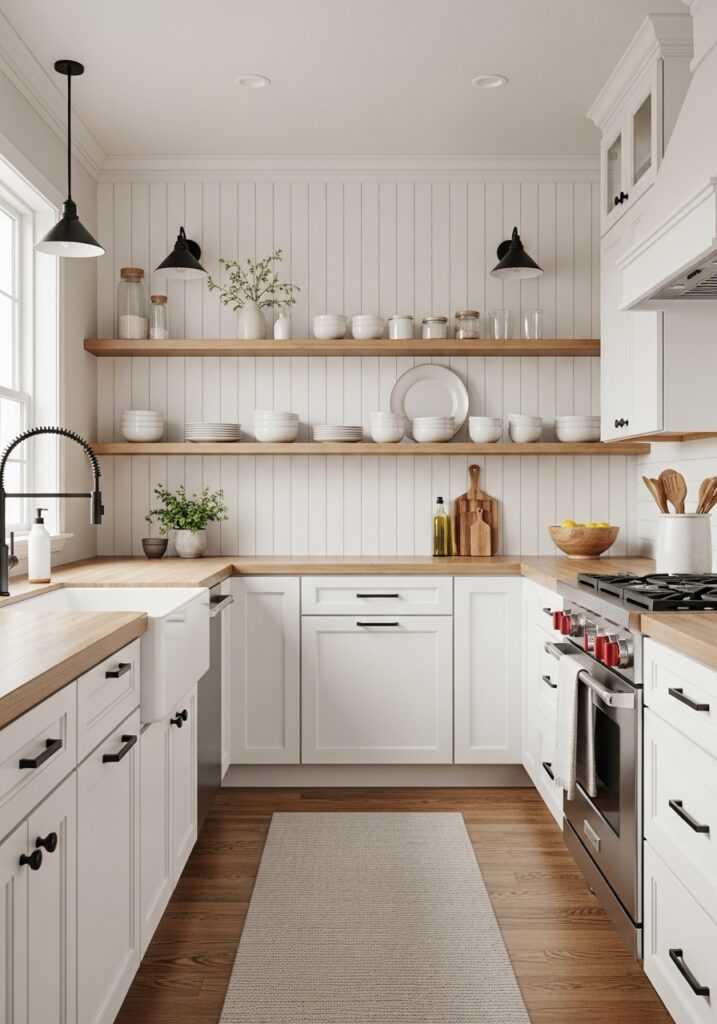
Flat walls can feel plain and lifeless in a farmhouse setting. Adding board and batten introduces texture and depth that instantly elevates the room. This wall treatment creates vertical lines that draw the eye upward, making ceilings appear taller while adding architectural interest.
Board and batten works well in both modern and traditional farmhouse kitchens. Painted in white, it feels clean and fresh. In darker shades, it adds drama without overwhelming the space. It is also a practical choice for homeowners who enjoy hands-on projects.
Exposed Wooden Beams
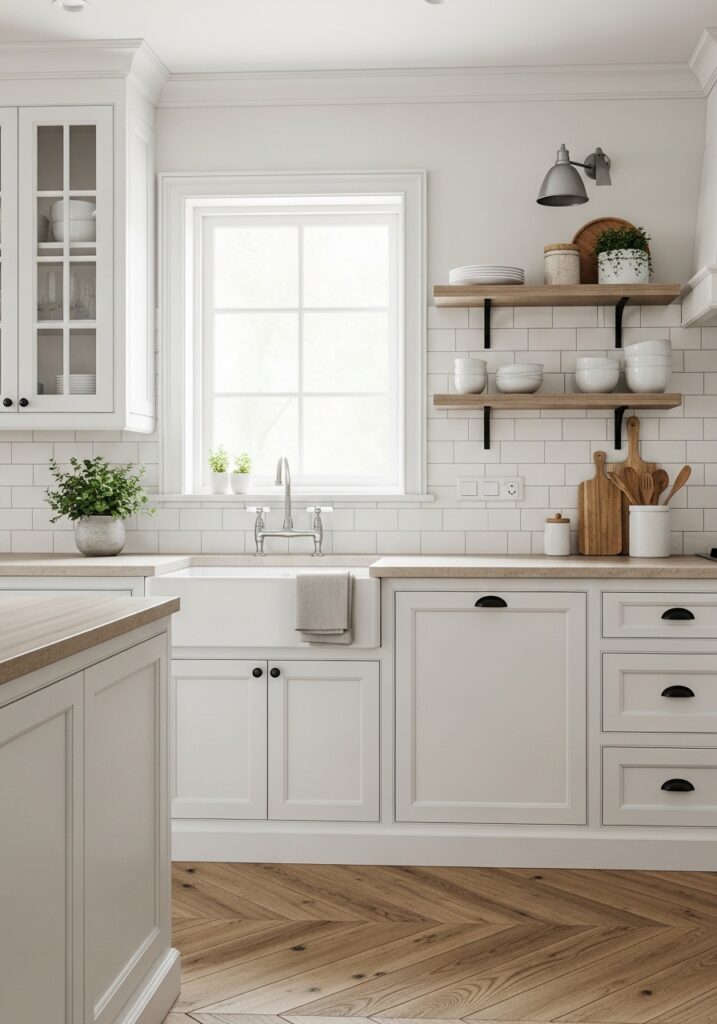
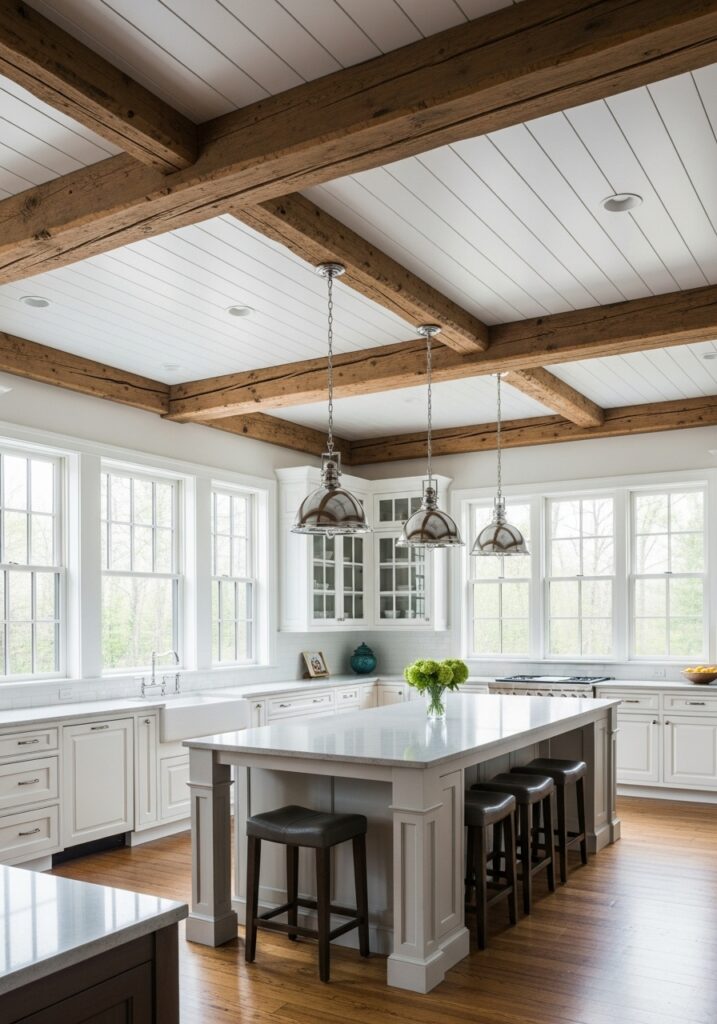
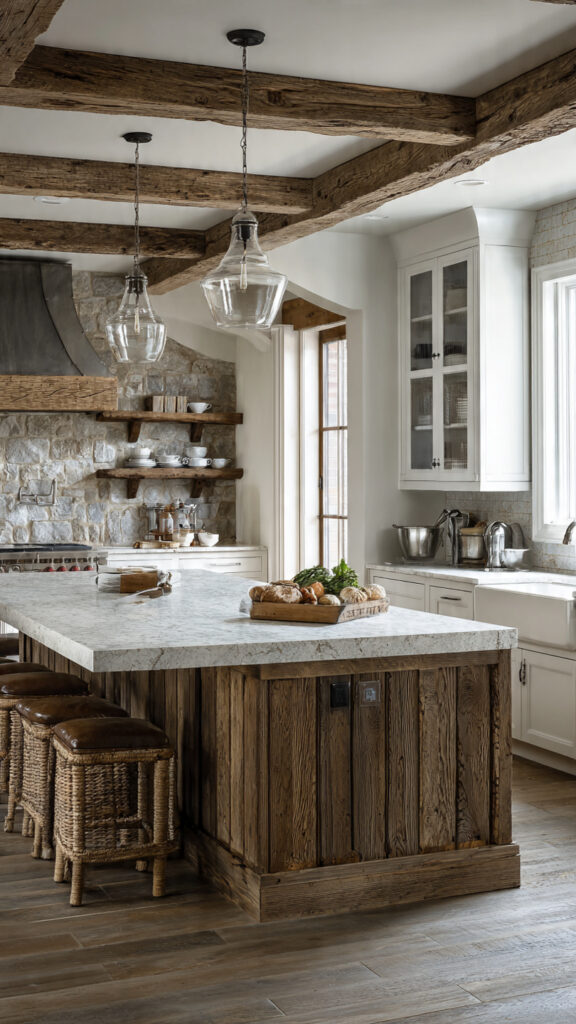
Wooden beams are a defining feature of classic farmhouse interiors. Exposed beams bring warmth, character, and a sense of history to the kitchen. Whether they are original structural beams or decorative additions, they help balance bright surfaces and modern finishes.
In Farmhouse Kitchen Design, wood elements soften sleek countertops and cabinetry. The contrast between aged wood and clean lines creates a layered look that feels both rustic and refined, making the kitchen visually inviting.
Cabinetry and Color Choices
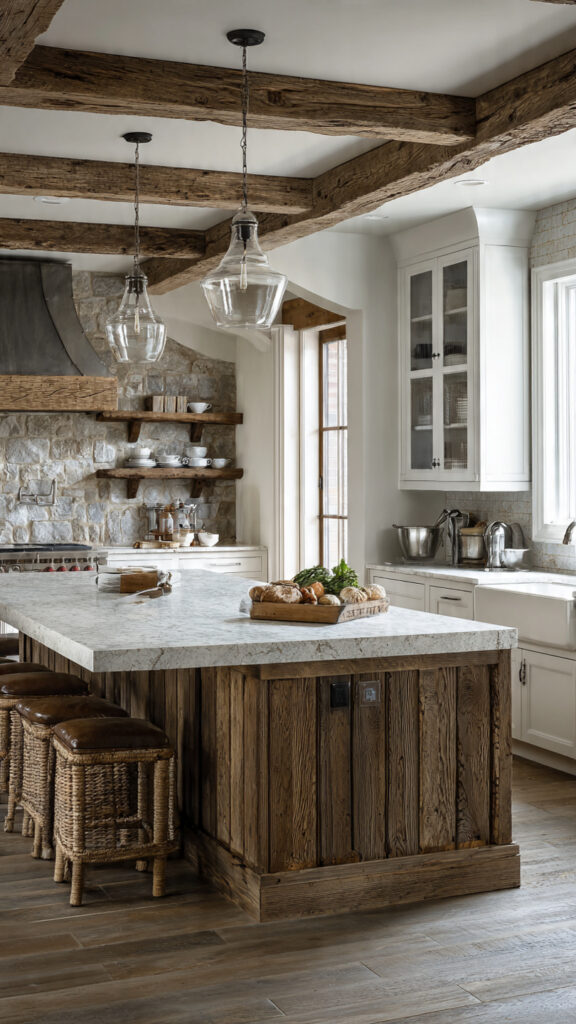
Cabinets dominate the visual space in a kitchen, so their style and color play a major role in defining the overall farmhouse aesthetic. Thoughtful cabinet choices ensure the design feels cohesive and timeless.
Classic Shaker Cabinets
Shaker cabinets are a cornerstone of farmhouse kitchens because of their simple design and versatility. Their recessed panels and clean lines work well with a wide range of hardware styles and finishes. They complement both traditional farmhouse elements and modern upgrades.
These cabinets are valued not only for their appearance but also for their long-term appeal. Their understated design keeps the kitchen from feeling dated and supports strong resale value, making them a smart choice for Farmhouse Kitchen Design.
The Black and White Contrast

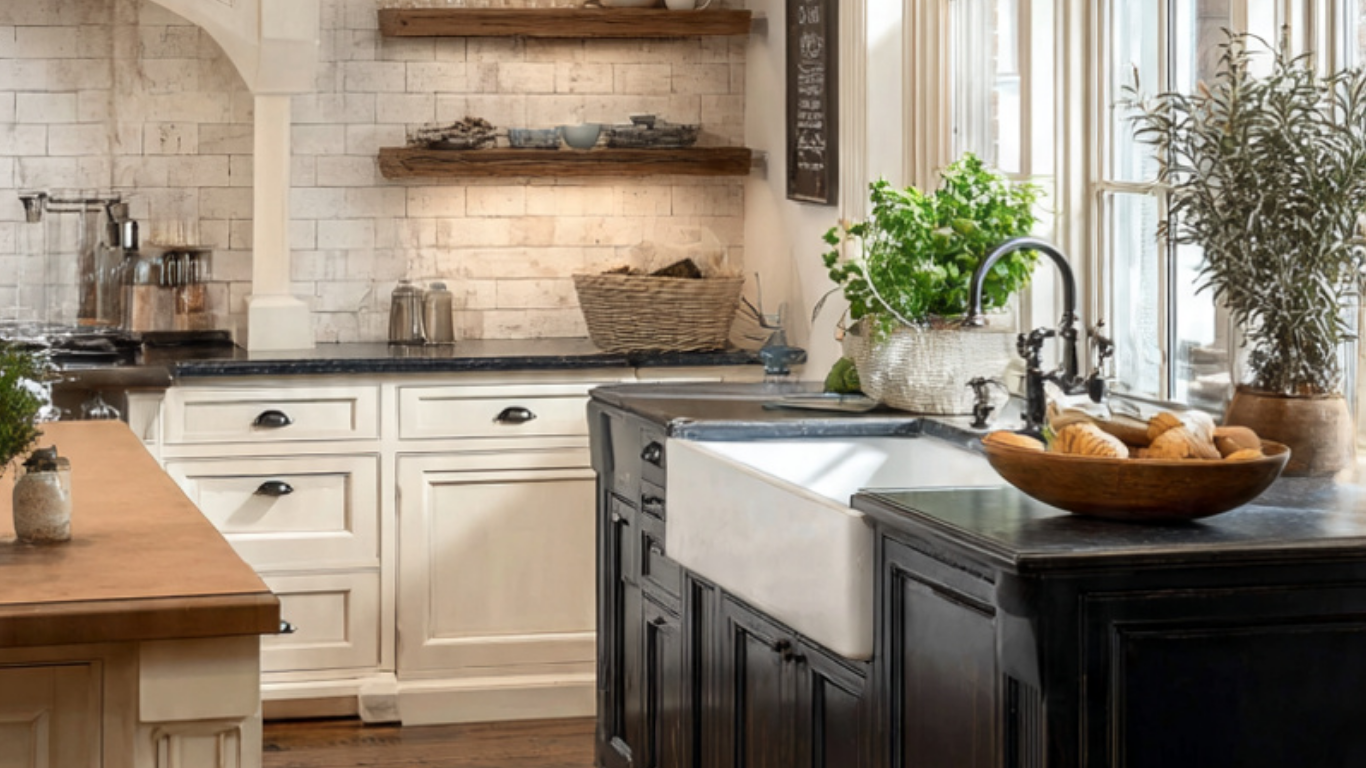
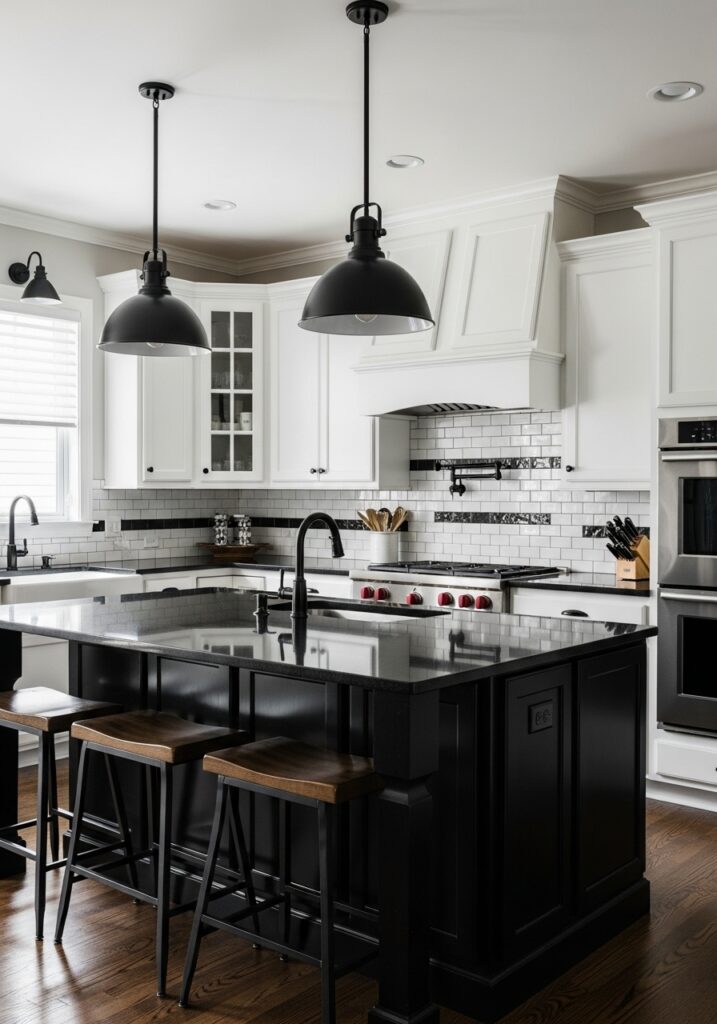
White kitchens are a farmhouse staple, but too much white can feel flat. Introducing black or darker tones adds contrast and depth. Dark lower cabinets or countertops help ground the space while keeping the overall look bright and balanced.
The pairing of white cabinetry with black countertops creates a refined yet welcoming feel. This contrast also improves practicality by hiding stains and wear better than all-white surfaces, making it ideal for busy kitchens.
Creative Corner Solutions
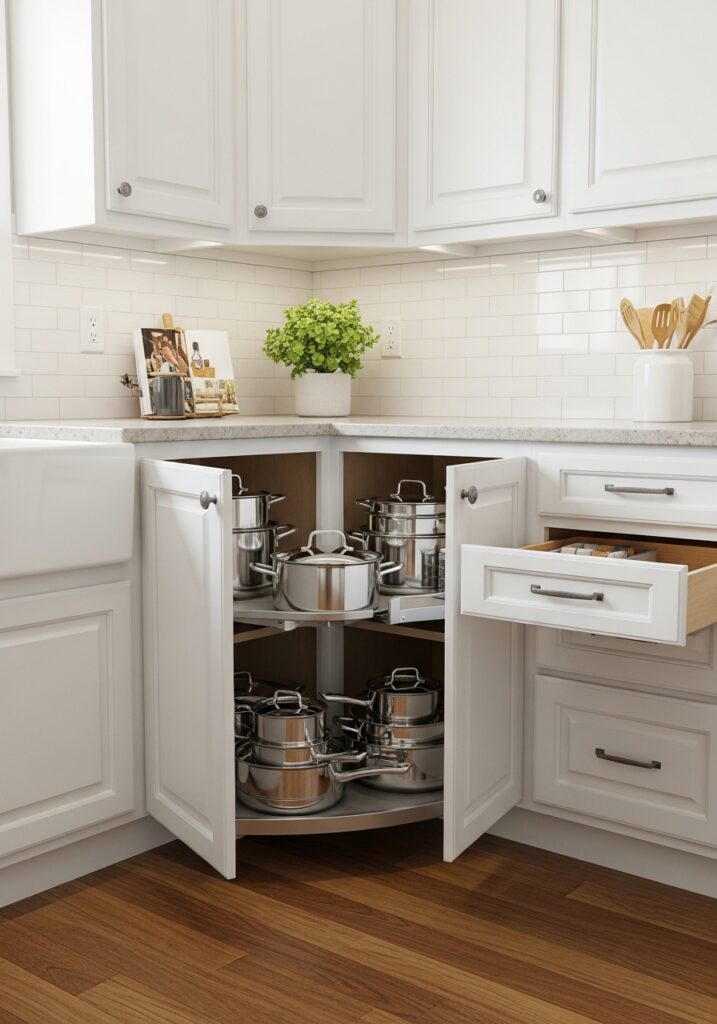
Farmhouse kitchens prioritize usability as much as style. Corners often become wasted space if not planned properly. Smart storage solutions like rotating shelves or pull-out systems turn awkward corners into highly functional areas.
Making use of every inch ensures the kitchen stays organized and efficient. In Farmhouse Kitchen Design, practical storage solutions support the idea of a hardworking kitchen that is both beautiful and purposeful.
The Heart of the Kitchen: Sinks and Islands
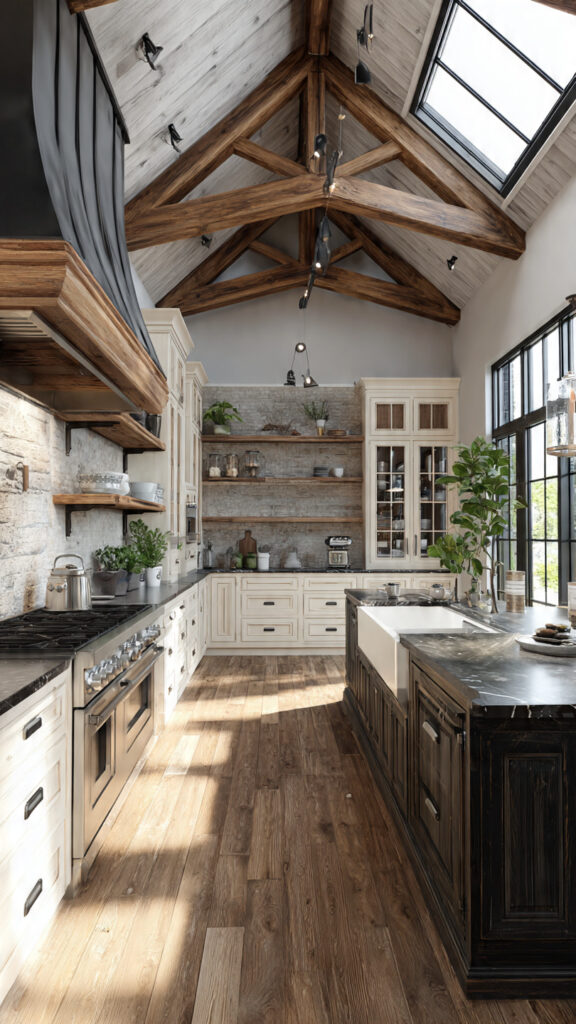
Sinks and islands are central to how a kitchen functions day to day. In farmhouse kitchens, these elements are designed to stand out while handling heavy use.
The Quintessential Apron Front Sink
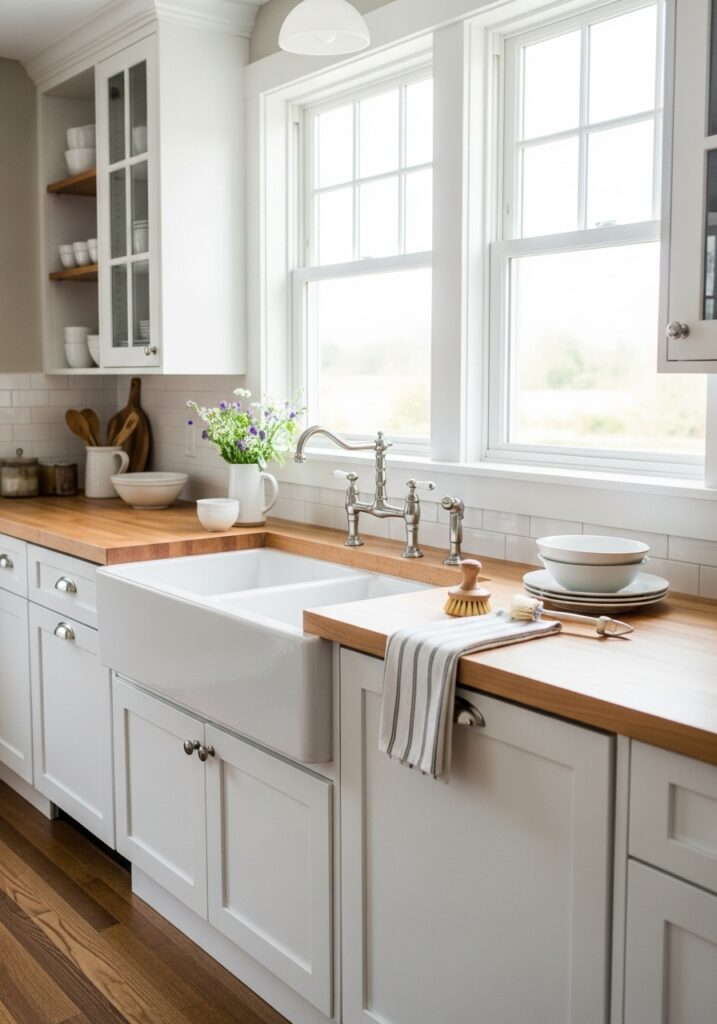
Apron front sinks are a signature feature of farmhouse kitchens. Their deep basins and exposed fronts make them both practical and visually striking. They easily handle large cookware while serving as a focal point in the design.
Available in materials like fireclay, copper, and stainless steel, these sinks adapt to different farmhouse styles. Each option adds its own character while supporting the durability expected in Farmhouse Kitchen Design.
The Statement Island
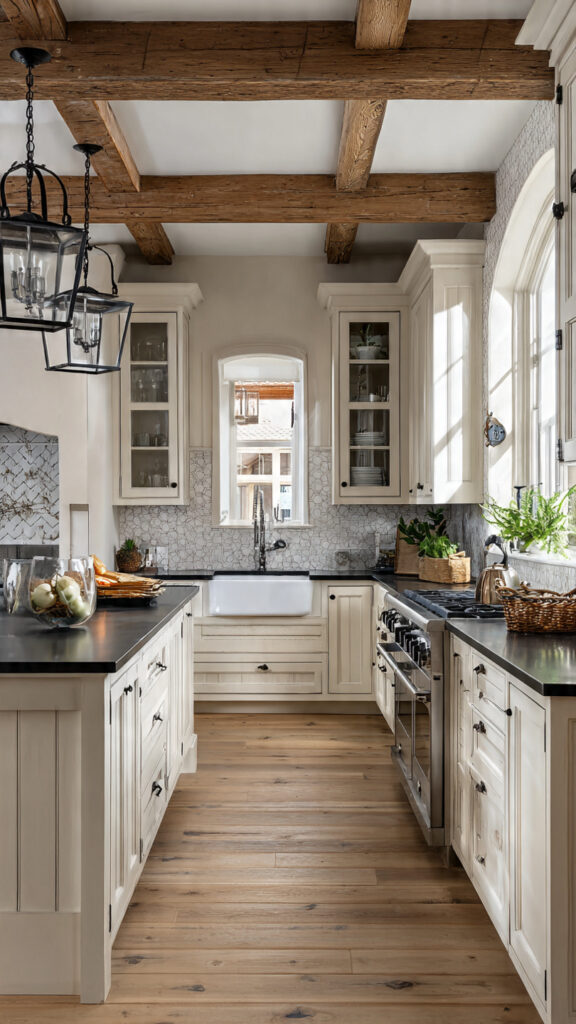
A farmhouse kitchen island often resembles a standalone piece of furniture rather than built-in cabinetry. Islands with legs, open shelving, or contrasting colors add personality and visual interest.
Beyond appearance, the island serves as a gathering spot for meals, homework, and conversation. Adding a butcher block top enhances warmth and reinforces the rustic feel while keeping the island functional.
Decor and Styling Details
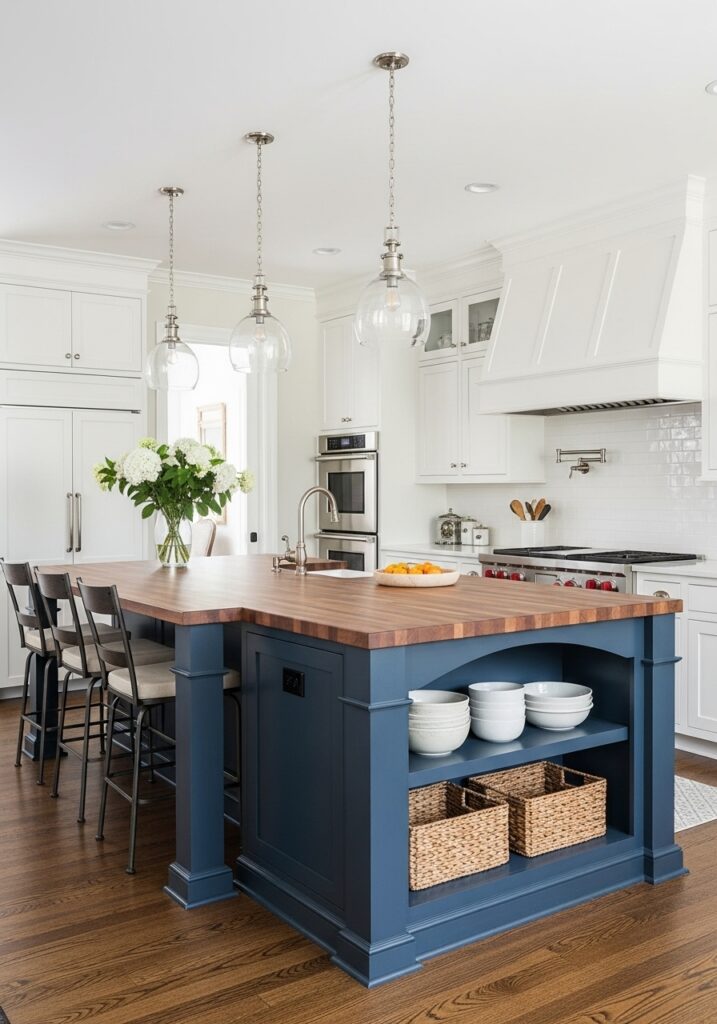
Decor brings personality into the kitchen and completes the farmhouse look. These finishing touches prevent the space from feeling unfinished or overly minimal.
Curated Wall Decor
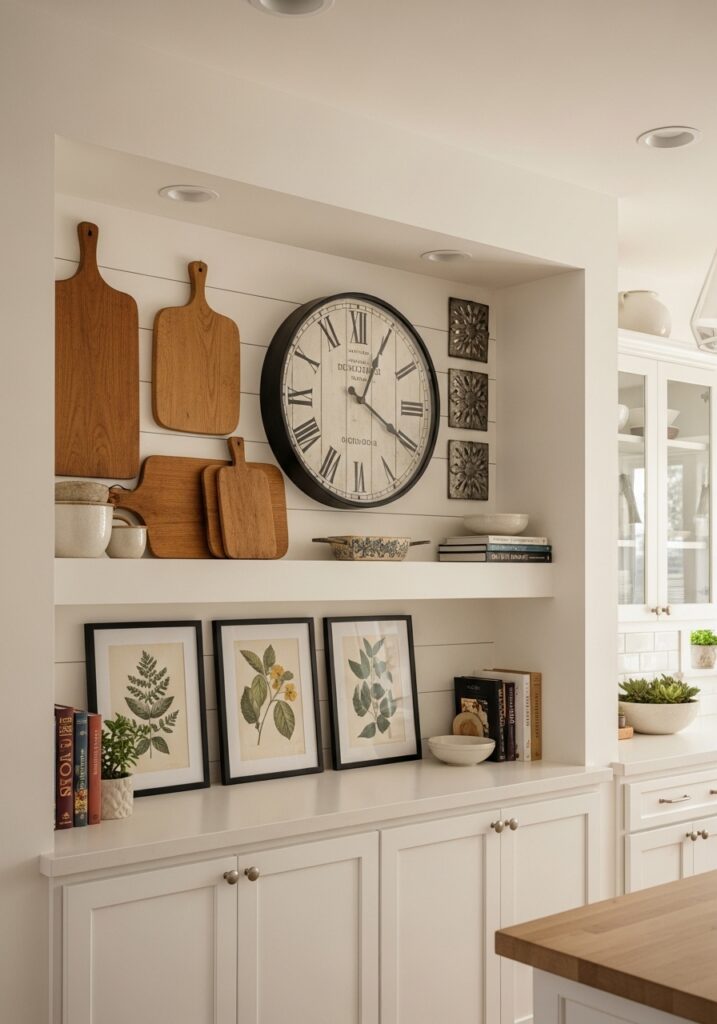
Wall décor adds character to farmhouse kitchens when chosen carefully. Vintage items, wooden accents, and simple artwork create interest without clutter. Leaving some breathing room ensures the décor enhances rather than overwhelms the space.
Thoughtfully placed pieces help balance cabinets and counters while reinforcing the cozy, lived-in feel central to Farmhouse Kitchen Design.
Styling with Vases and Greenery

Natural elements play a key role in farmhouse styling. Greenery, whether fresh or dried, adds softness and life to the kitchen. Ceramic pitchers, glass jars, and simple vases work well on islands and open shelves.
Arranging décor in small groups creates balance and visual flow. These subtle touches help the kitchen feel welcoming and connected to nature.
Seasonal Swaps

One advantage of a neutral farmhouse kitchen is its flexibility throughout the year. Small seasonal updates, such as towels, wreaths, or countertop accents, refresh the space without major changes.
These simple swaps keep the kitchen feeling current and festive while maintaining the timeless base of Farmhouse Kitchen Design.
Creating Cohesion

A farmhouse kitchen should feel connected to the rest of the home. Visual continuity helps the entire space feel intentional and harmonious.
Connect to the Living Room
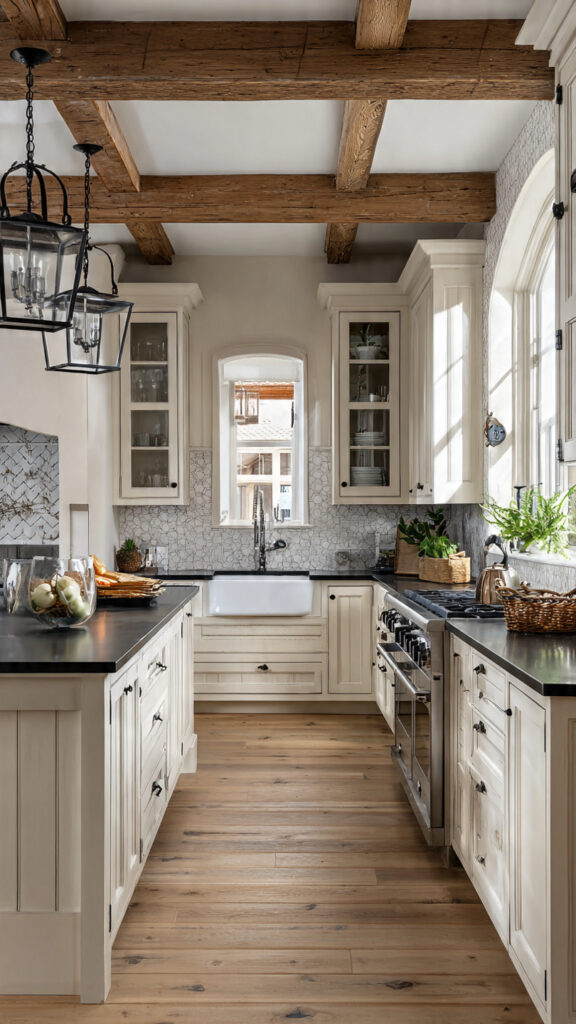
In open-concept homes, the kitchen and living room should share similar tones and materials. Repeating wood finishes, colors, and textures creates a smooth transition between spaces.
This connection strengthens the overall farmhouse aesthetic and ensures the kitchen feels like part of a cohesive home rather than a separate design statement.
Don’t Forget the Exterior
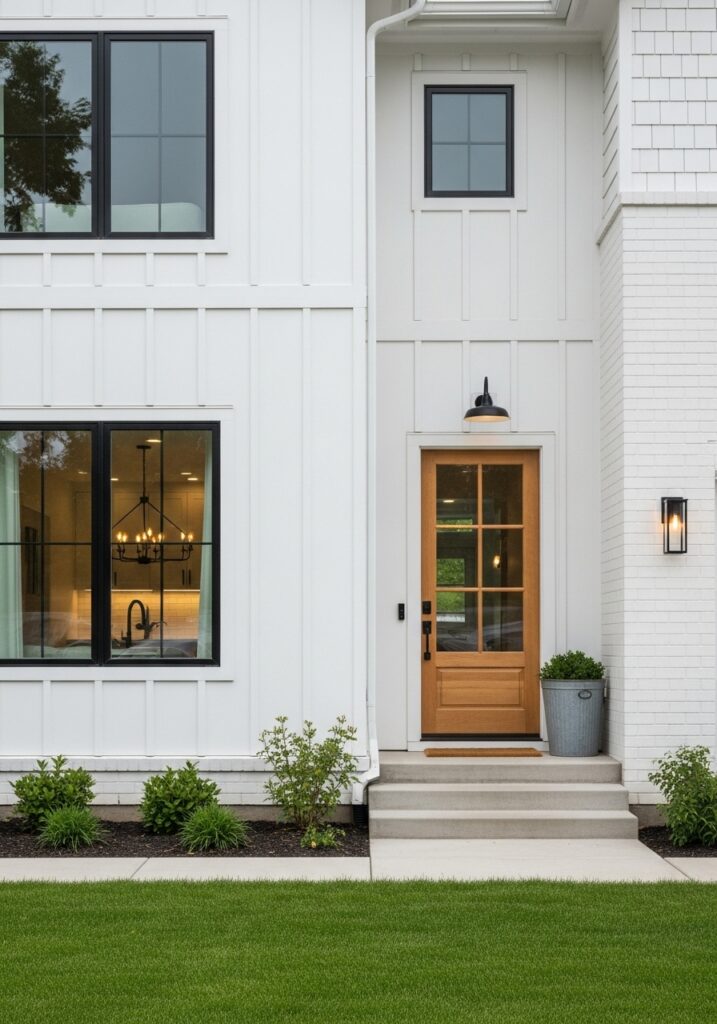
The exterior of a home sets expectations for the interior. When farmhouse elements appear outside, they reinforce the style inside the kitchen. Consistent colors, finishes, and materials help tie everything together.
Even small exterior details support the overall design story and enhance the impact of Farmhouse Kitchen Design.
Lighting as Jewelry
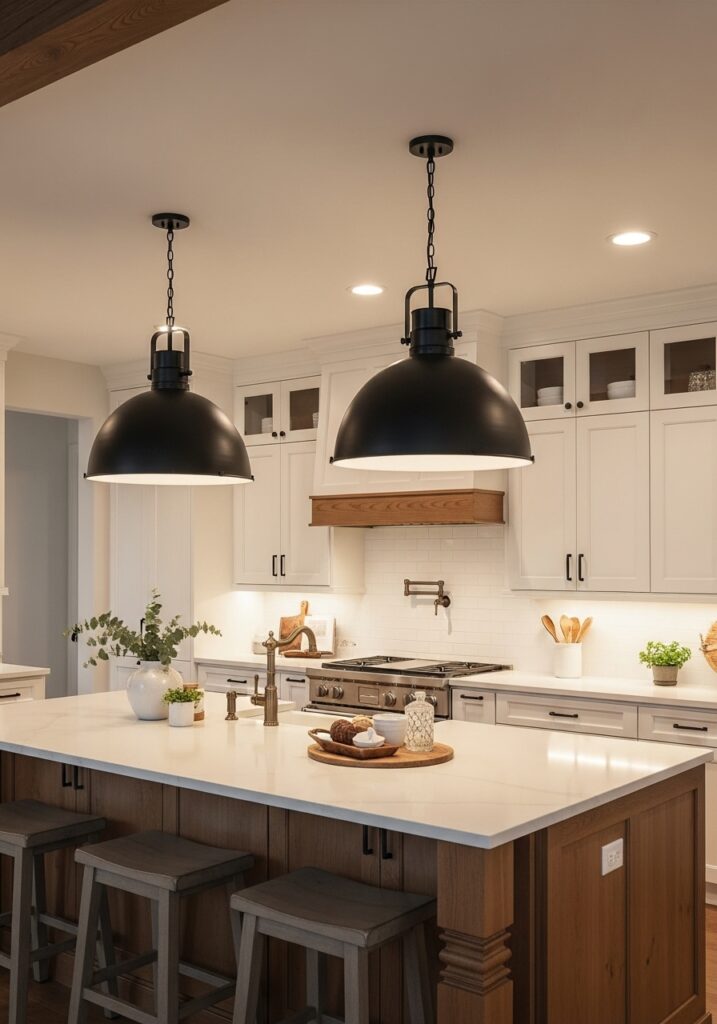
Lighting serves both functional and decorative purposes in farmhouse kitchens. Pendant lights above the island act as focal points, adding character and warmth.
Lantern-style fixtures, metal shades, or glass pendants with classic finishes complement the farmhouse aesthetic while providing essential task lighting.
Conclusion
Farmhouse Kitchen Design is about creating a space that feels welcoming, durable, and full of character. It goes beyond surface-level décor and focuses on thoughtful structure, balanced materials, and everyday functionality.
Whether you choose major updates like opening walls or smaller changes like updating lighting and finishes, each decision contributes to a kitchen that feels personal and timeless. By blending rustic elements with modern needs, you create a kitchen that supports daily life while staying warm and inviting.