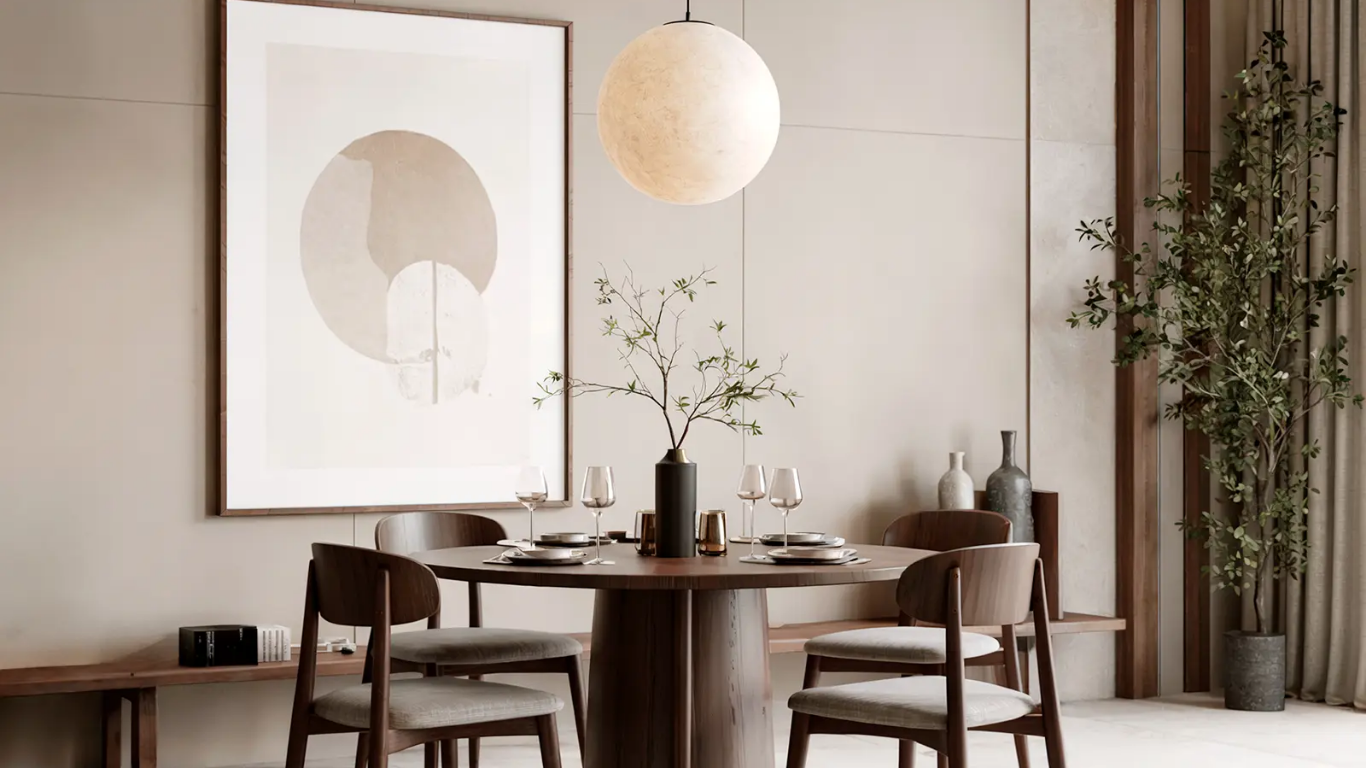
30+ Japandi Dining Room Ideas
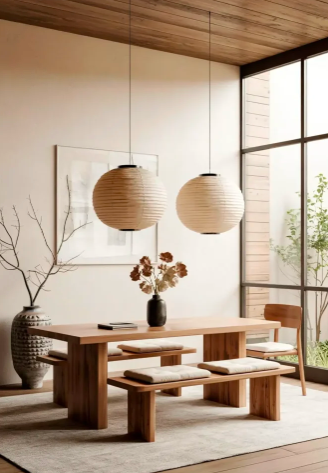
Japandi interiors have a special way of feeling peaceful while still looking stylish and full of character. This design approach blends the clean simplicity of Japanese minimalism with the cozy warmth of Scandinavian design. The result is a balanced atmosphere that feels calm, practical, and visually pleasing without looking overly decorated. That’s why many people love using Japandi Dining Room Ideas when creating a space that feels both modern and comfortable.
When helping a friend redesign her dining space, Japandi Dining Room Ideas immediately felt like the perfect direction. She wanted a room that looked simple but still felt warm and welcoming. By focusing on natural materials, neutral tones, and thoughtful styling choices, the room slowly started to feel more balanced and inviting. Interestingly, the change didn’t require a full renovation. Just replacing a few pieces of furniture and simplifying the decor helped create a completely new atmosphere.
If you enjoy interiors that feel warm, minimal, and relaxing, Japandi Dining Room Ideas can be a great choice. This style focuses on practicality, beauty, and comfort at the same time. It works well in both large and small dining spaces because the design is simple and adaptable.
In this guide, you’ll find more than 30 Japandi Dining Room Ideas that can help you design a dining space that feels calm, stylish, and welcoming. Each idea focuses on balance, thoughtful details, and simple styling so you can create a beautiful dining room without making the design complicated.
Setting the Tone: Mood, Materials & Color
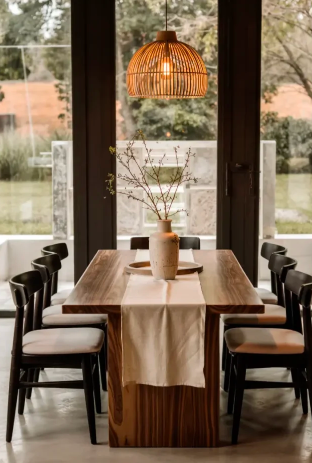
Before exploring specific Japandi Dining Room Ideas, it helps to understand the key elements that define this design style. Japandi interiors focus on balance, combining warmth with minimalism and simplicity with comfort.
A typical Japandi dining room blends warm and cool tones, natural materials, and soft textures. Clean lines and uncluttered layouts create a sense of calm, while cozy elements prevent the space from feeling cold or empty. The goal is always to design a dining room that feels peaceful yet inviting.
Natural materials play a major role in many Japandi Dining Room Ideas. Wood, stone, and linen are often used as the foundation of the design. These materials bring warmth and texture into the space while keeping the overall look simple and grounded.
The color palette is usually soft and neutral. Shades like creamy white, warm gray, and sandy beige are common choices. These colors help the room feel calm and airy while allowing natural textures to stand out.
To add depth and interest, darker accent tones can also be used. Subtle hints of charcoal, muted green, or dusty blue create contrast without overwhelming the room. When combined thoughtfully, these colors help build a harmonious and relaxing dining environment.
Understanding this balance of materials and colors makes it much easier to bring Japandi Dining Room Ideas into your own home.
Round Tables for a Softer Flow
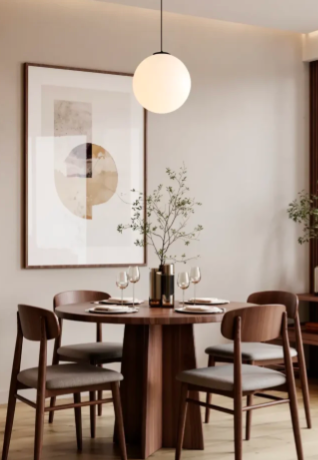
Round tables are a popular choice in many Japandi Dining Room Ideas because they help create a softer and more relaxed layout. Unlike rectangular tables with sharp edges, a round table naturally encourages conversation and connection among everyone sitting around it.
A round dining table made from light oak, walnut, or other natural wood blends beautifully into a Japandi space. The organic shape works well with the minimalist design style while still feeling warm and welcoming.
In addition to improving the visual flow of the room, round tables also help make dining areas feel more balanced. Their shape softens the look of the space and makes the room feel more open.
To enhance the effect, curved dining chairs work especially well with round tables. Chairs with rounded backs mirror the shape of the table and create a cohesive, harmonious look. This small design detail can help tie together the entire dining room while keeping the Japandi aesthetic simple and calm.
Swap Chairs for a Sleek Dining Bench
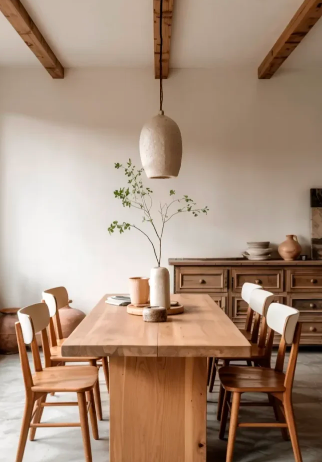
Another idea often used in Japandi Dining Room Ideas is replacing some dining chairs with a simple wooden bench. Benches create a relaxed and informal atmosphere while still fitting perfectly within the minimalist style of Japandi interiors.
A natural wood bench adds warmth and an organic touch to the dining area. Its simple design keeps the space uncluttered while still providing comfortable seating.
Benches are also very practical, especially in smaller dining rooms. Because they can slide under the table when not in use, they help save space and keep the room looking neat.
Another advantage is flexibility. When guests visit, a bench can easily accommodate more people than individual chairs. This makes the dining space feel welcoming and social while still maintaining the calm and balanced feel that Japandi Dining Room Ideas are known for.
Layer in Blue Accents
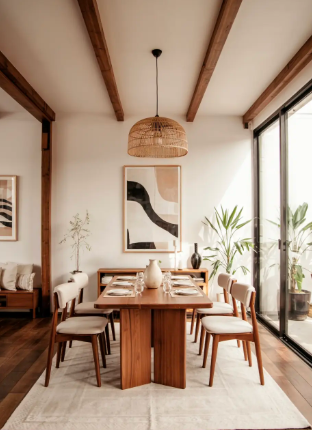
Although Japandi interiors often focus on neutral tones, small color accents can bring life into the room. Many Japandi Dining Room Ideas incorporate soft shades of blue to add subtle contrast while maintaining a calm atmosphere.
Muted blue tones such as slate blue, dusty navy, or soft gray-blue work especially well with the neutral palette commonly used in Japandi design. These shades add depth without overpowering the peaceful look of the space.
Blue can be introduced through simple decorative elements. Ceramic vases, table linens, artwork, or cushions are all easy ways to add gentle color while keeping the design balanced.
The key is to use these accents sparingly. Small touches of blue can refresh the space while allowing the natural materials and neutral tones to remain the main focus of the dining room.
Go Moody with a Dark Japandi Look
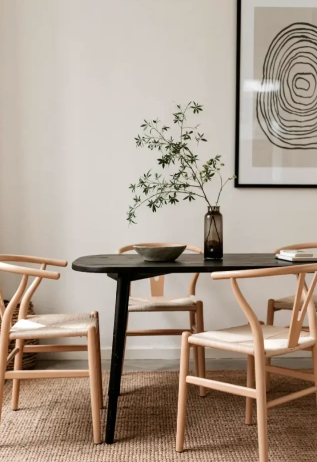
While many Japandi Dining Room Ideas use light colors, darker tones can also create a striking and elegant dining space. Deep charcoal, rich brown, or black wood finishes can add depth and sophistication to the room.
Using darker shades on walls or furniture creates a grounded and dramatic atmosphere. However, balance is still important. Soft neutral textiles such as beige seat cushions or cream-colored throws help soften the darker palette.
This contrast between dark and light elements creates a calm but visually interesting space. The result is a dining room that feels both cozy and refined.
Natural light also plays an important role in darker Japandi interiors. Large windows or skylights help keep the room from feeling too heavy while allowing the textures and materials to stand out beautifully.
Blend Japandi with Farmhouse Charm
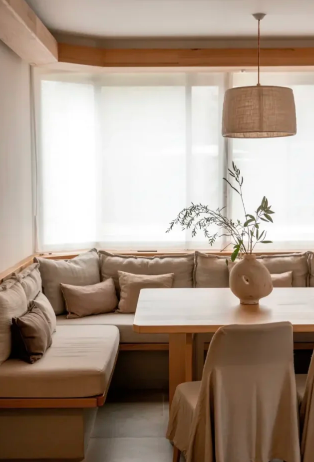
Some Japandi Dining Room Ideas combine the minimalist look of Japandi with rustic farmhouse touches. This mix creates a warm and character-filled dining space while still maintaining the clean simplicity of the Japandi style.
Natural or reclaimed wood furniture works particularly well in this combination. A wooden dining table with visible grain or texture can bring a sense of authenticity and warmth to the room.
These rustic pieces can then be paired with more streamlined Scandinavian-style chairs or simple decor. The contrast between rustic materials and minimal shapes adds depth while keeping the design balanced.
When done thoughtfully, blending farmhouse charm with Japandi design results in a dining room that feels both relaxed and sophisticated.
High Contrast, Low Clutter
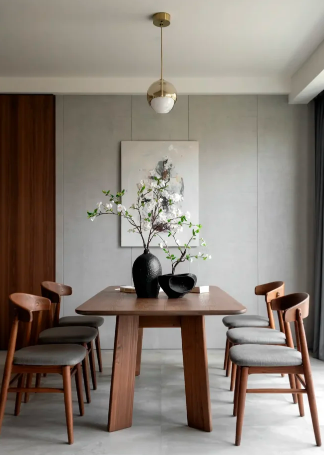
For those who appreciate a bold but minimalist look, high-contrast color palettes can work beautifully in Japandi Dining Room Ideas. Black and white combinations create a striking visual effect while still keeping the room clean and uncluttered.
White walls provide a bright and simple background, while black furniture or accents add definition and structure. This contrast highlights the shapes and lines of the furniture without needing excessive decoration.
The key to making this style work is simplicity. Minimal decor such as ceramic vases, woven placemats, or small sculptures can complete the look without overwhelming the room.
By focusing on clean lines and limited decoration, the dining area remains calm and organized while still feeling stylish and modern.
Cozy Up with Banquette Seating
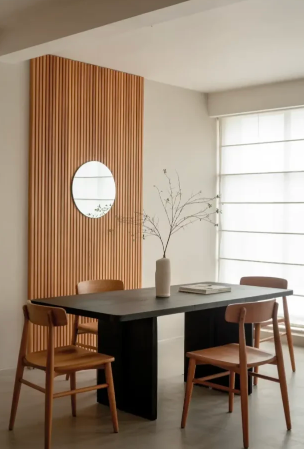
Banquette seating is another smart solution used in many Japandi Dining Room Ideas, especially in smaller spaces. This type of seating usually consists of a built-in bench placed along a wall or tucked into a corner.
One of the biggest advantages of banquette seating is that it helps save space. By using the wall area for seating, the dining room can feel more open and efficient.
Banquettes also create a cozy and relaxed atmosphere. Adding soft cushions in neutral tones keeps the seating comfortable while maintaining the calm Japandi aesthetic.
When combined with a simple wooden table and minimal decor, banquette seating can transform a small dining corner into a welcoming and stylish place for meals and conversations.
Add Interest with Architectural Wall Accents
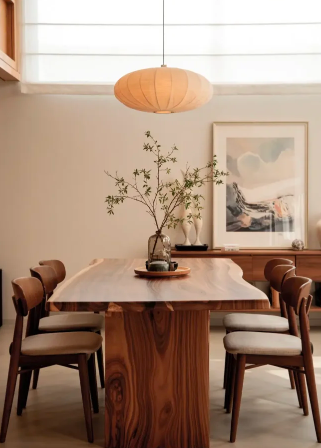
In many Japandi Dining Room Ideas, subtle architectural details help add character without making the room feel busy. These quiet design elements can create depth and visual interest while still keeping the space calm.
Wood slat panels, textured wall finishes, or fabric-inspired wall treatments are great examples. These features add dimension and warmth while maintaining the clean lines typical of Japandi interiors.
Architectural accents can also help frame the dining area and make it feel more intentional. When paired with light wood furniture and neutral tones, they enhance the overall harmony of the space.
The result is a dining room that feels thoughtfully designed while still maintaining the peaceful and uncluttered atmosphere that defines Japandi style.
Wabi-Sabi Influences That Add Soul
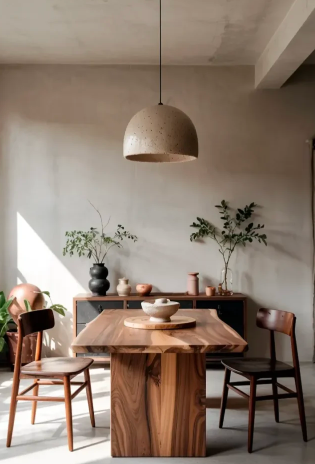
Wabi-Sabi philosophy plays an important role in many Japandi Dining Room Ideas. This Japanese concept celebrates the beauty of imperfection and the natural aging of materials.
Instead of focusing on flawless surfaces, Wabi-Sabi design embraces handmade objects, worn textures, and organic forms. In a dining room, this might include handcrafted ceramics, rustic wooden furniture, or decorative items with natural irregularities.
These elements bring warmth and authenticity to the space. They also create a deeper connection to nature and craftsmanship.
Asymmetrical vases, uneven pottery, and slightly aged materials can add personality without disrupting the minimalist feel of the room. These subtle imperfections help make the dining area feel unique and meaningful.
Styling an Open-Plan Kitchen-Diner
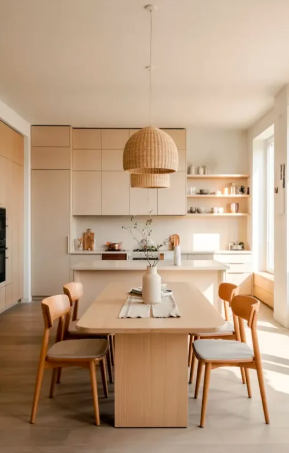
Open-plan homes often combine the kitchen and dining room into one shared area. Many Japandi Dining Room Ideas focus on creating a smooth flow between these spaces.
Using similar materials throughout both areas helps create visual harmony. Wood finishes, natural textures, and neutral colors can connect the kitchen and dining space in a seamless way.
Simple furniture and uncluttered surfaces also help maintain the calm atmosphere that Japandi interiors are known for. When the design remains consistent, the entire space feels more balanced and relaxing.
Large windows and natural light further enhance the connection between the kitchen and dining area, making the space feel bright and open.
Think Pink (But Keep It Calm)
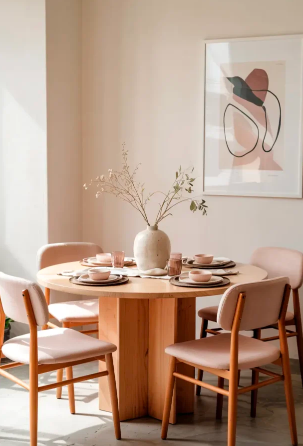
Soft pink tones can also work well within Japandi Dining Room Ideas when used carefully. Muted shades like blush or dusty rose bring warmth and softness to the space without disrupting the minimalist design.
These colors can be added through small decorative elements such as chair cushions, table linens, or subtle wall details. When combined with natural materials like wood or linen, pink tones create a gentle and calming atmosphere.
The key is moderation. Keeping the color palette simple ensures the room remains balanced and serene while still adding a touch of warmth and personality.
Add Drama with Marble
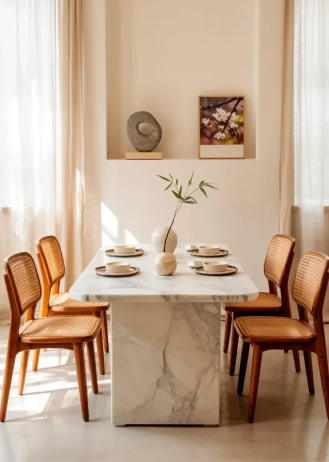
Marble surfaces can introduce a subtle sense of luxury to Japandi Dining Room Ideas. A marble dining table or tabletop creates visual interest while still maintaining a clean and elegant look.
The smooth surface of marble contrasts beautifully with natural wood furniture. This combination helps balance warmth and sophistication within the dining room.
Neutral tones throughout the rest of the space help keep the design grounded. When used thoughtfully, marble adds refinement without overpowering the minimalist feel of the Japandi style.
Keep It Fresh with Plants
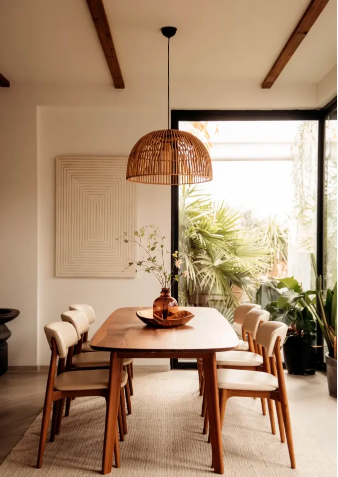
Plants are an easy way to enhance many Japandi Dining Room Ideas. Greenery introduces a natural element that makes the space feel fresh, calm, and connected to nature.
Low-maintenance plants such as rubber trees, pothos, or other leafy varieties work well in dining rooms. Their soft organic shapes help balance the clean lines of minimalist furniture.
Simple ceramic planters in neutral colors fit especially well with the Japandi aesthetic. These understated containers keep the focus on the natural beauty of the plants without adding visual clutter.
Adding greenery helps the dining room feel lively and welcoming while maintaining the peaceful atmosphere that defines Japandi interiors.
Final Thoughts
Designing a space using Japandi Dining Room Ideas is all about balance, simplicity, and thoughtful choices. Natural materials, soft neutral colors, and comfortable textures work together to create a dining area that feels calm and inviting.
Instead of filling the room with many decorative items, this style focuses on quality and intentional design. Each piece of furniture or decor should serve a purpose while contributing to the overall harmony of the space.
By keeping the layout uncluttered and focusing on natural beauty, it becomes easier to create a dining room that feels relaxing, practical, and stylish at the same time. Japandi design proves that simplicity and comfort can work together beautifully to create a truly welcoming home.