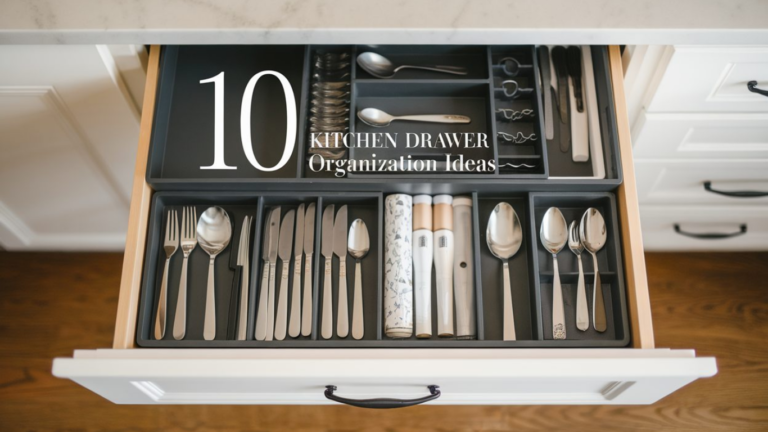

10 Practical Kitchen Cabinet Organization Ideas
I understand how messy kitchen cabinets can get when every lid and pan seems to fight for space. I experienced it myself while searching for a skillet and ended up pulling out several unrelated items at once. We all want kitchen cabinets that feel organized, functional, and honestly a bit satisfying to open, right? These strategies don’t require a complete remodel or any drastic lifestyle changes. I’ve applied many of them in my own kitchen, and they truly make a difference. Let’s focus on practical, everyday solutions that keep cabinets organized without depending on unrealistic Pinterest setups.
Start With a Full Cabinet Reset and Ruthless Decluttering

The first step in organizing kitchen cabinets is always removing everything completely, even when motivation is low. Seeing all items at once helps identify duplicates, broken pieces, and miscellaneous objects that take up valuable space. Once the cabinets are empty, you immediately gain a sense of control. Sort everything into four categories: keep, donate, trash, and relocate. Honesty is key because emotional attachment often fuels clutter, and your cabinets won’t forgive indecision. Items unused for over a year should go without guilt. This reset reveals how much space you actually have. Most people overestimate storage needs and underestimate the benefit of fewer possessions. Empty shelves create a feeling of possibility rather than stress. Clean the shelves while they’re empty, since crumbs and sticky spots often hide in corners. A fresh wipe makes the space feel renewed and sets a clean foundation. Organized cabinets feel intentional rather than temporary. Before putting items back, group them logically. Decide in advance where cookware, baking supplies, dishes, and snacks will live. This foresight saves time later and prevents random stacking.
Use Shelf Risers to Double Your Vertical Storage
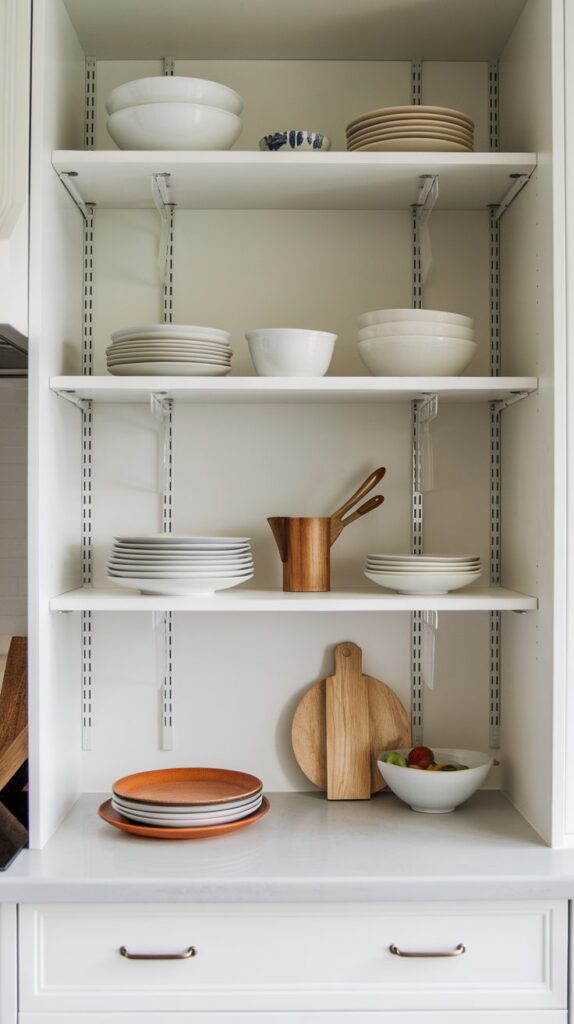
Shelf risers can transform cabinet functionality. They add extra layers without tools or permanent changes, unlocking previously unused vertical space. Risers work especially well for plates, bowls, and pantry containers. They prevent clutter from stacking and ensure visibility, letting you grab what you need without moving multiple items. Metal risers are sturdy and ideal for heavier dishes, while acrylic risers look sleek and suit lighter items such as cups or snacks. Combining both types depending on cabinet function works best. Measure shelf heights before purchasing risers to avoid buying pieces that don’t fit. Accurate measurements save time and frustration. Risers also support long-term organization. When every item has a designated level, the cabinets naturally resist disorder, and even busy days leave things in place.
Add Pull-Out Bins and Sliding Organizers for Deep Cabinets
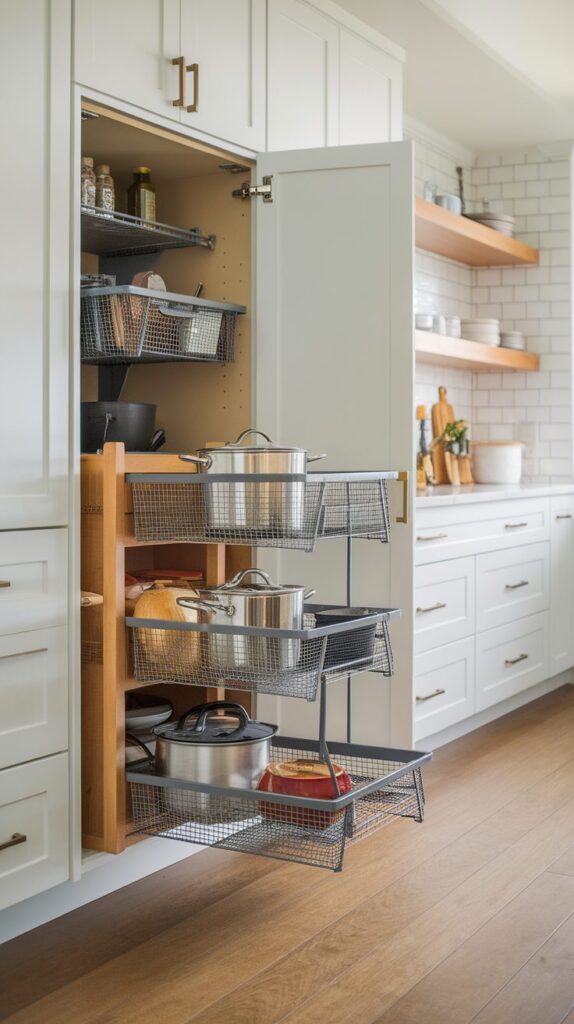
Deep cabinets appear spacious but often hide disorganization. Pull-out bins and sliding organizers turn these deep spaces into functional storage. These systems are excellent for pots, snacks, cleaning supplies, or small appliances. Pulling everything forward removes the need to reach or bend awkwardly, saving strain on your knees. Wire pull-out bins are sturdy and handle heavier items, while plastic versions are cost-effective for lighter objects. Choose based on the type of storage you need. Installation is straightforward, with many organizers using basic screws and clear guides. No advanced tools or expertise are required. Once pull-out storage is in place, everything is visible, reducing forgotten or expired items. Kitchen organization becomes supportive instead of frustrating.
Organize Cabinets by Zones Based on How You Cook
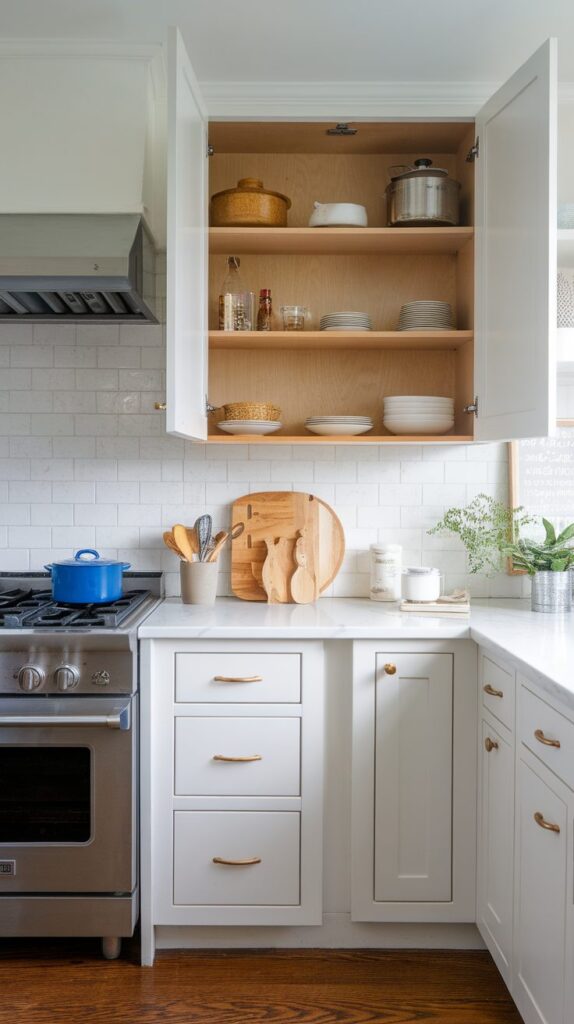
Creating zones in cabinets makes cooking smoother. Organize items by function rather than type, placing tools where they’re used most often. Keep cookware near the stove, prep items close to countertops, and storage containers near the fridge. This reduces unnecessary steps and mental effort. Your kitchen should facilitate cooking rather than complicate it. Everyday tools should be at eye level, with infrequently used items stored higher or lower to avoid daily inconvenience. Accessibility outweighs aesthetics in practicality. Group items used together in the same zone. For example, baking pans near mixing bowls and measuring tools. This approach saves time and minimizes unnecessary cabinet movement. Zones make sense to all household members, encouraging proper return of items and ensuring the system lasts. Organization works best when it feels intuitive.
Install Door-Mounted Racks for Extra Storage Space
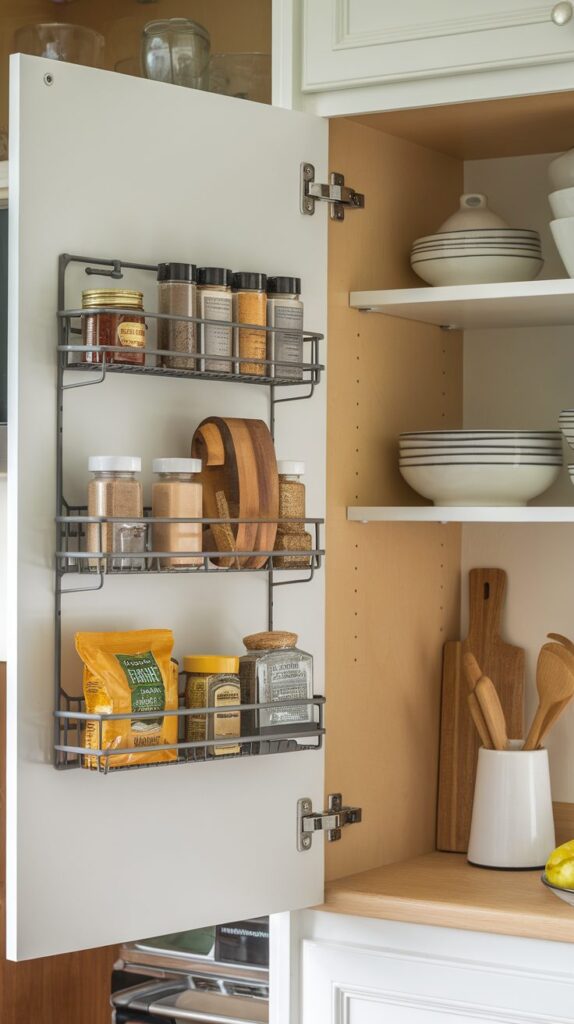
The inside of cabinet doors provides overlooked storage potential. Door-mounted racks are perfect for lids, wraps, spices, and small cleaning supplies, adding storage without crowding shelves. Select racks designed specifically for cabinet doors, as they fit shallow spaces and avoid interference with closing. Measure door depth to prevent accidental damage. Door racks are useful for items like plastic wrap, foil, or sandwich bags, freeing up drawers and making cooking more efficient. Everything stays visible and within reach. Lid organizers mounted on doors prevent unstable stacks, keeping lids upright and accessible. These solutions work best for lightweight items. Heavy objects strain hinges and reduce usability. Simple, functional storage is key.
Use Clear Containers to Control Pantry Cabinet Chaos
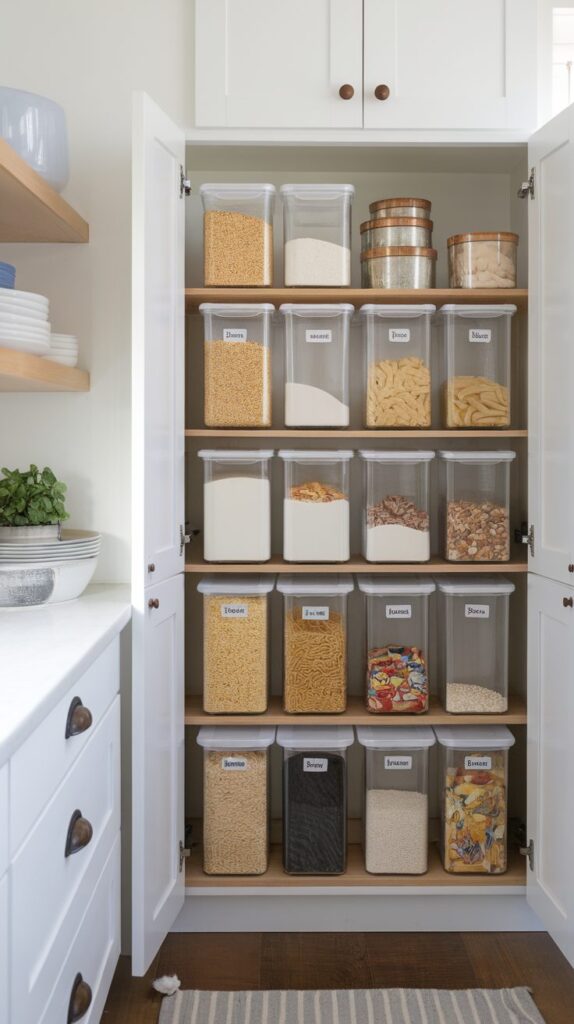
Clear containers instantly improve pantry organization. They allow you to see contents at a glance, reducing guesswork and food waste. Store dry goods like rice, pasta, flour, snacks, and cereal in uniform containers. Matching shapes maximize space and make cabinets look tidy effortlessly. Label containers clearly to prevent confusion and maintain consistency. Even simple handwritten labels help everyone follow the system. Airtight containers preserve food quality, keeping dry goods fresh and pest-free. Organization and food safety go hand in hand. Transparent storage also helps with smart shopping. When you see what you already have, duplicate purchases drop, helping your grocery budget without extra effort.
Separate Drawers and Cabinets With Adjustable Dividers
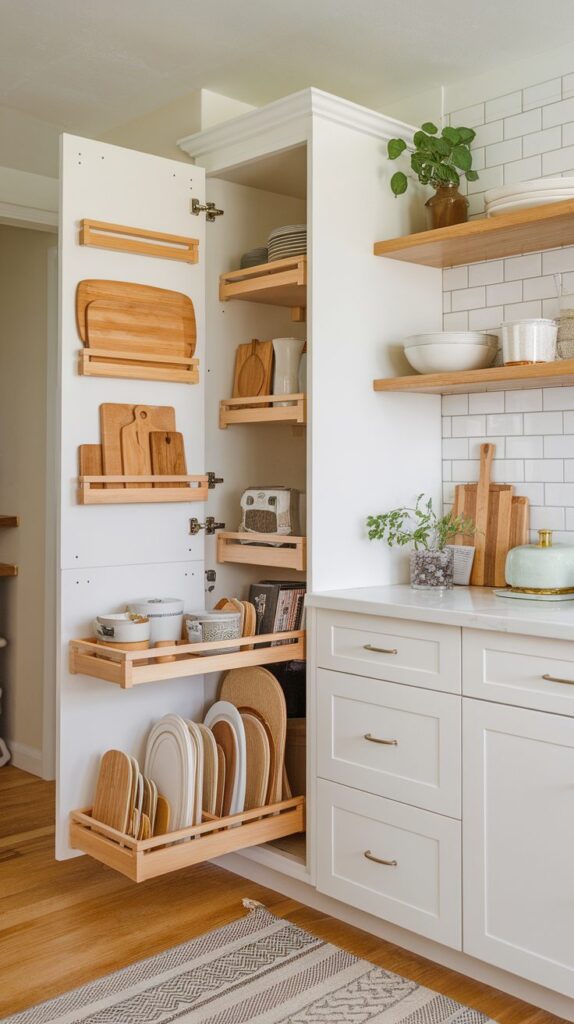
Dividers help organize wide or awkward cabinet spaces. Adjustable dividers prevent sliding, stacking, and clutter issues, keeping items in place. They are ideal for baking sheets, cutting boards, and trays. Vertical storage saves space and allows easy access without disturbing surrounding items. Adjustable designs are flexible, letting you modify layouts as needs change, which is useful long-term. Choose durable materials like metal or bamboo. Inexpensive plastic dividers may bend or fail under pressure. Quality dividers last for years. Clear boundaries simplify organization for families. Everyone knows where items belong, making it easier to maintain order in real life.
Store Pots and Pans Vertically Instead of Stacking

Stacking cookware wastes both space and patience. Vertical storage offers a calmer, more manageable solution. Use vertical racks for pots, pans, and lids, allowing easy sliding access without disturbing other items. Cooking becomes faster and smoother. Select racks suited for shelves or cabinet floors, with adjustable options for different sizes. Measuring beforehand ensures the best fit. Vertical storage prevents scratches and wear caused by stacked items. It also encourages mindful ownership, as visible storage discourages hoarding unused cookware.
Maximize Corner Cabinets With Smart Storage Solutions
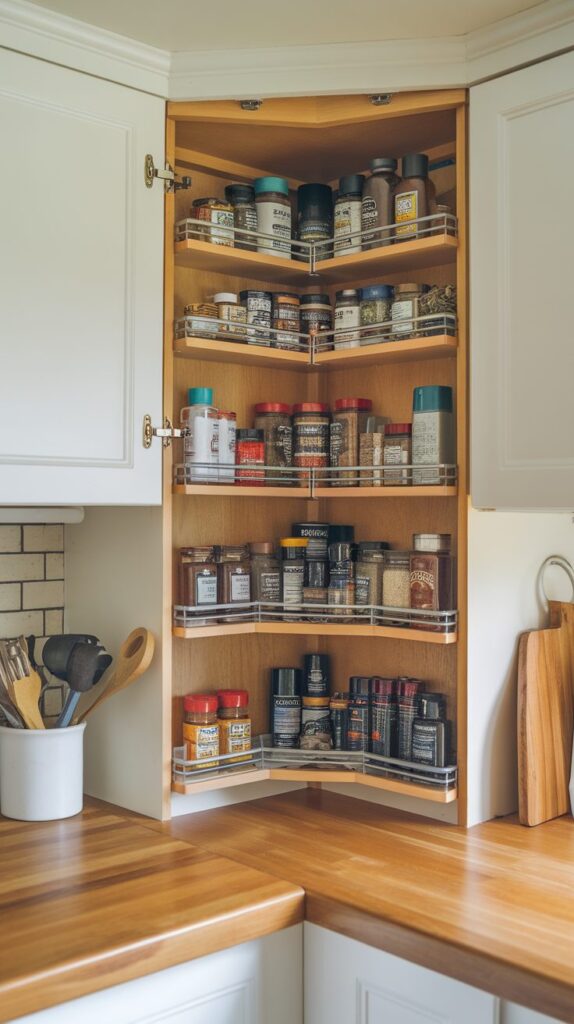
Corner cabinets can be challenging, often hiding items in dark, hard-to-reach spaces. Smart storage solutions make these areas fully functional. Lazy Susans work for spices, snacks, or small appliances. Rotating shelves bring everything forward with a simple spin, eliminating lost items. Pull-out corner systems provide even better access, sliding shelves completely out for easy reach. Select the solution that fits your cabinet size and budget. Lazy Susans are inexpensive and easy to install, while pull-out systems are pricier but feel more premium. Efficient corner storage increases overall kitchen functionality, turning previously wasted space into productive areas.
Maintain Order With Simple Weekly Cabinet Resets
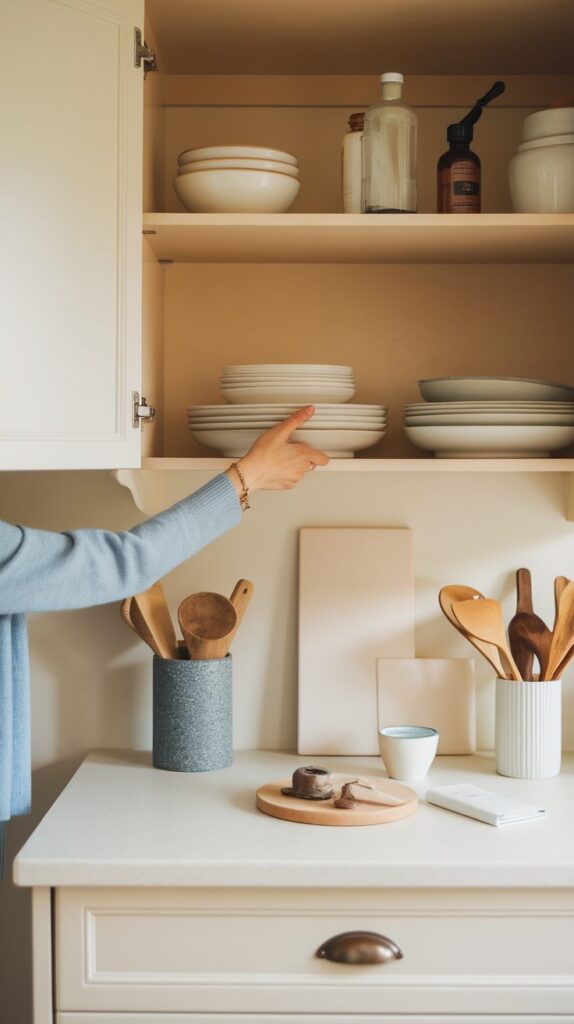
Even the best organization requires consistent maintenance. Spending five minutes weekly to reset cabinets prevents gradual clutter from forming. Straighten containers, return misplaced items, and wipe any visible mess. These short, manageable resets keep organization sustainable and reduce the need for major cleanups. Encourage everyone using the kitchen to participate. Shared responsibility helps maintain the system naturally. Treat resets as a routine habit, like brushing teeth. Regular small efforts preserve long-term order, making cabinet organization feel effortless.
Conclusion
Kitchen cabinet organization doesn’t demand perfection or expensive upgrades. Small, deliberate changes create noticeable improvements that last through busy weeks. Start with a single cabinet and build momentum gradually. Once order replaces chaos, maintaining organized cabinets becomes rewarding and almost addictive. Your future self will thank you for the effort.
FAQs
Q1: What are the best ways to organize kitchen cabinets?
The most effective methods include decluttering first, using shelf risers, pull-out bins, door-mounted racks, clear containers, adjustable dividers, and vertical storage for pots and pans. Grouping items by zones and maintaining weekly resets also helps keep cabinets functional and tidy.
Q2: How can I maximize space in deep or corner cabinets?
Deep cabinets benefit from pull-out organizers or sliding bins, making items visible and accessible. Corner cabinets work well with Lazy Susans or pull-out corner shelves to prevent lost items and make the most of hidden space.
Q3: Are shelf risers worth it for cabinet organization?
Yes. Shelf risers double vertical space, prevent stacking chaos, and keep everything visible. Metal risers suit heavy items, while acrylic risers are ideal for lighter objects like cups or pantry containers.
Q4: How do I maintain organized kitchen cabinets over time?
Small weekly resets are key. Straighten containers, return misplaced items, and wipe visible messes. Shared responsibility among household members ensures systems stay consistent and long-lasting.
Q5: What items are best stored vertically in cabinets?
Pots, pans, lids, cutting boards, trays, and baking sheets are ideal for vertical storage. Vertical organizers prevent scratches, make items easier to access, and help keep cabinets orderly without stacking chaos.
Q6: Should I label containers in my pantry cabinets?
Absolutely. Clear and consistent labels reduce confusion, help family members follow the system, and improve food management by preventing duplicate purchases and reducing waste.