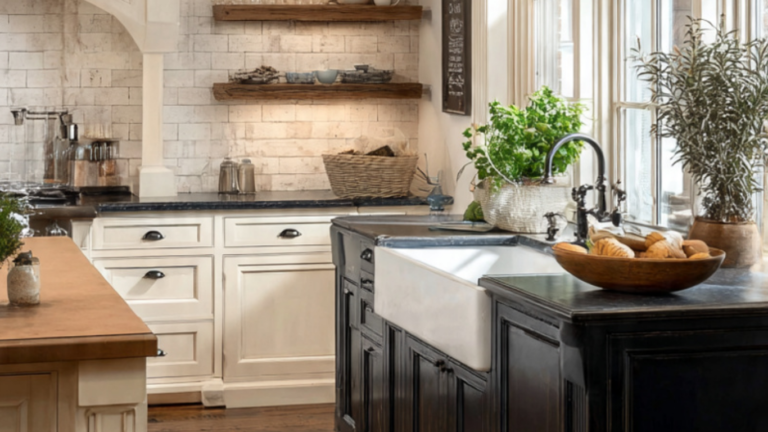

How to Design an Open Kitchen
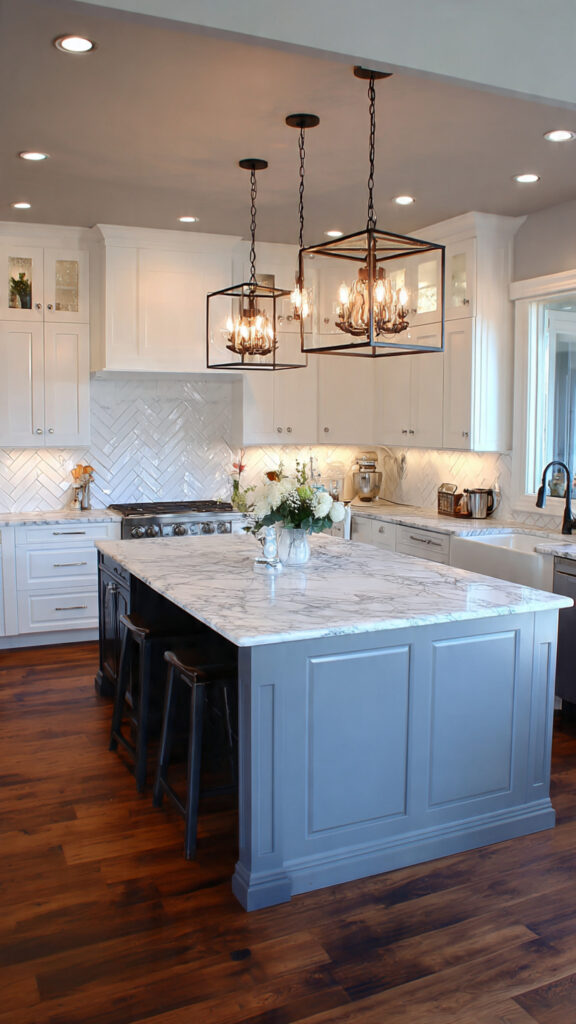
Designing an Open Kitchen is about opening up your home so cooking, dining, and living blend naturally. Instead of feeling boxed in, the kitchen becomes a welcoming place where people gather, talk, and move freely. When planned well, an Open Kitchen feels brighter, more social, and more practical for everyday life. The key is balancing beauty with function so the space looks calm, works smoothly, and fits how you actually live.
Why an Open Kitchen Works (And What You’re Probably Worried About)
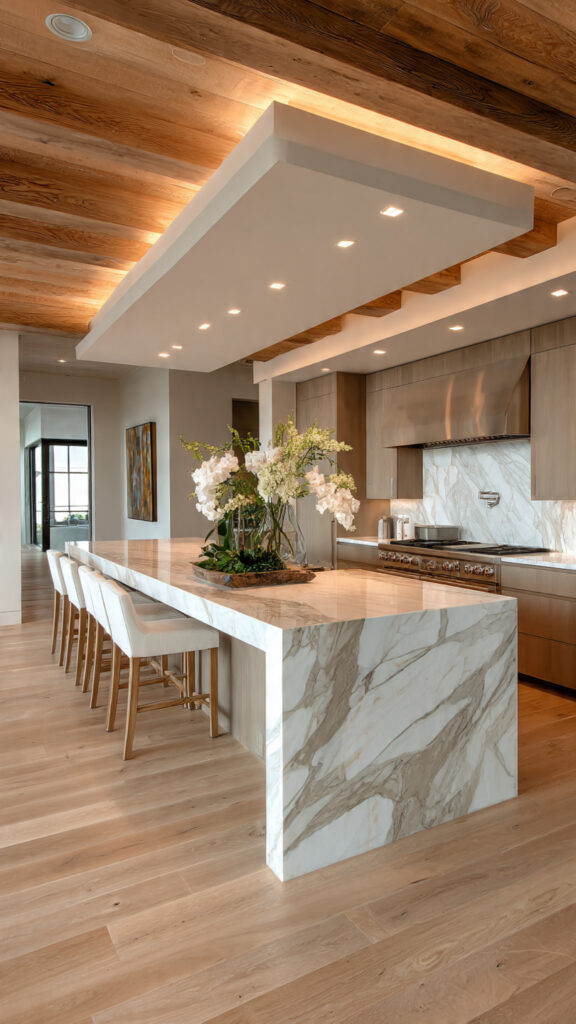
An Open Kitchen brings different areas of the home together, making daily routines feel easier and more connected. Natural light flows better, and conversations continue even while cooking. Common worries include mess visibility, cooking smells, and noise carrying into nearby rooms. These concerns can be handled with smart zoning, efficient storage, and proper ventilation. Even smaller homes can benefit from an Open Kitchen when the layout is planned carefully.
Start With a Game Plan
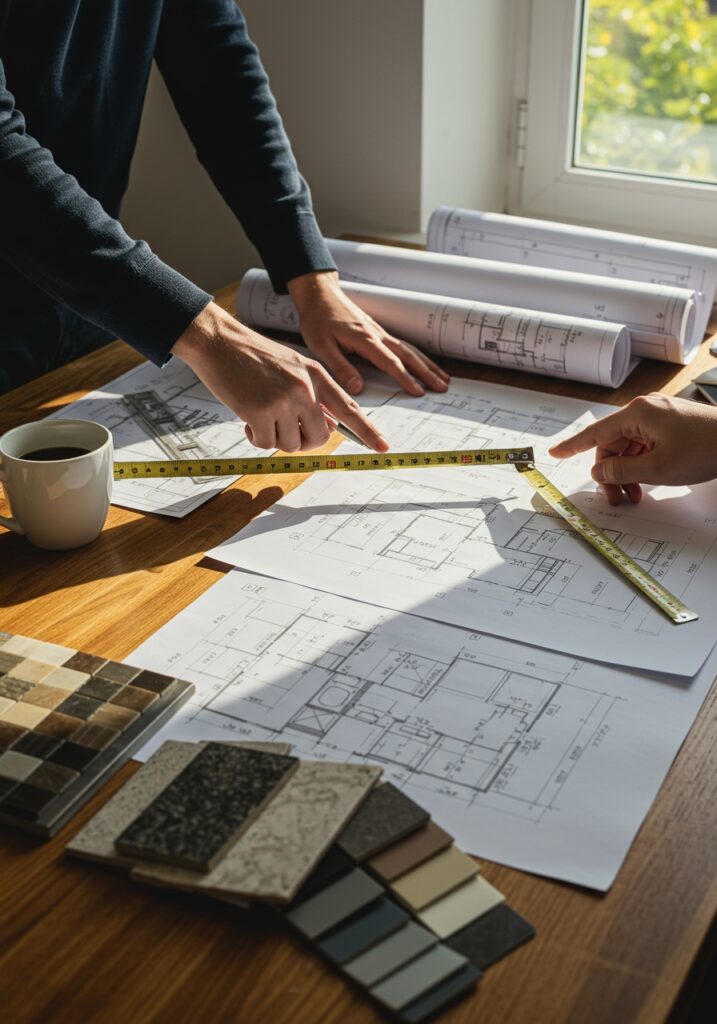
Before making changes, it’s important to think about how the kitchen is used day to day. A clear plan helps avoid layout mistakes and makes decisions easier later. Understanding your habits allows the Open Kitchen to support both quiet routines and social moments without feeling crowded or awkward.
Map Your Daily Flow
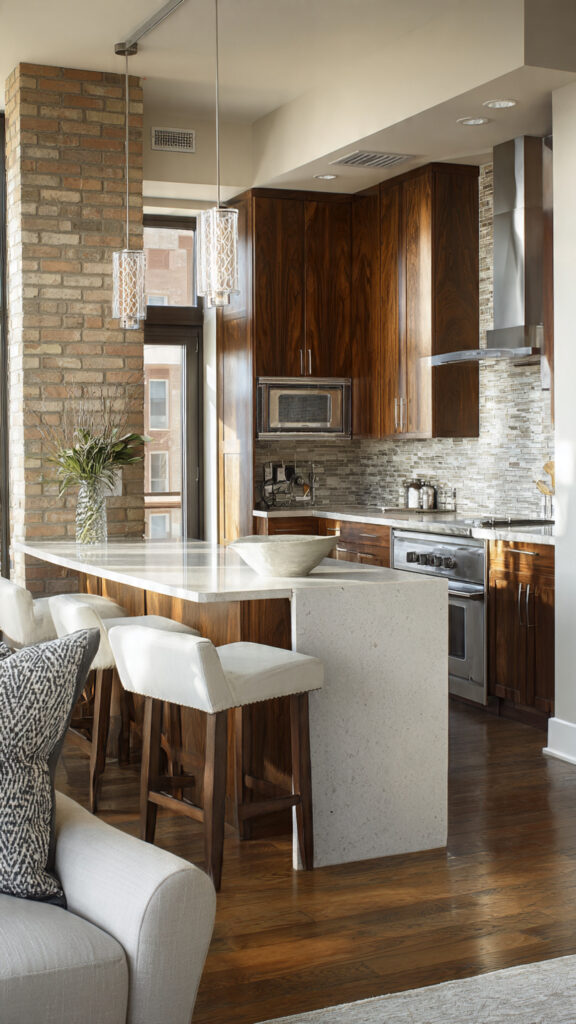
Daily habits shape the best layout for an Open Kitchen. Some people cook quickly during the week and host guests on weekends, while others spend hours baking or preparing meals. These patterns guide where appliances, counters, and seating should go so the kitchen works naturally instead of fighting your routine.
Measure, Then Measure Again
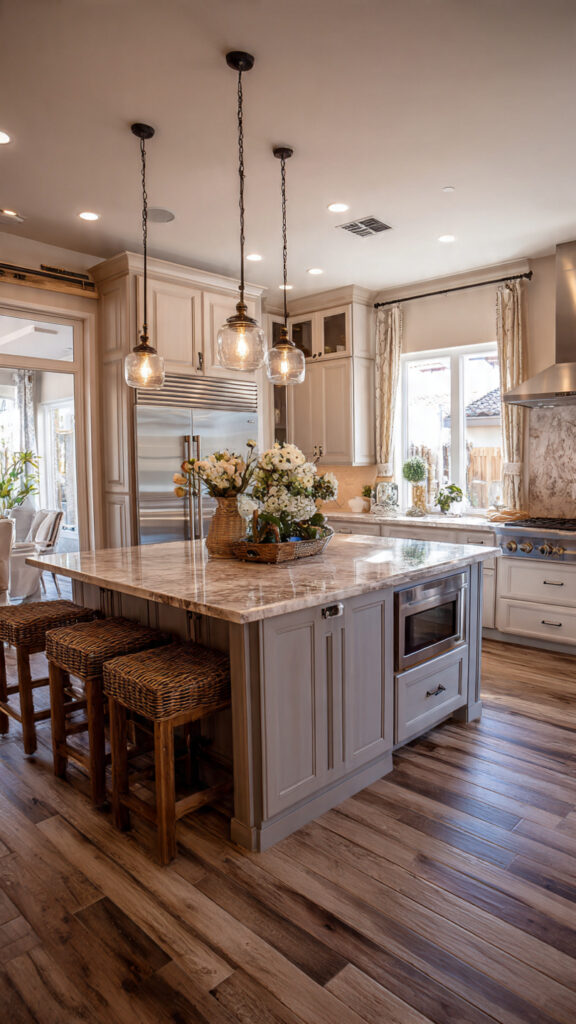
Accurate measurements are essential when planning an Open Kitchen. Knowing the exact size of the room, along with window and door placement, helps avoid spacing issues. Noting electrical points, plumbing lines, and fixed walls ensures that the final design is practical. Clearances around walkways, islands, and appliances keep movement comfortable and safe.
Choose the Right Open Layout
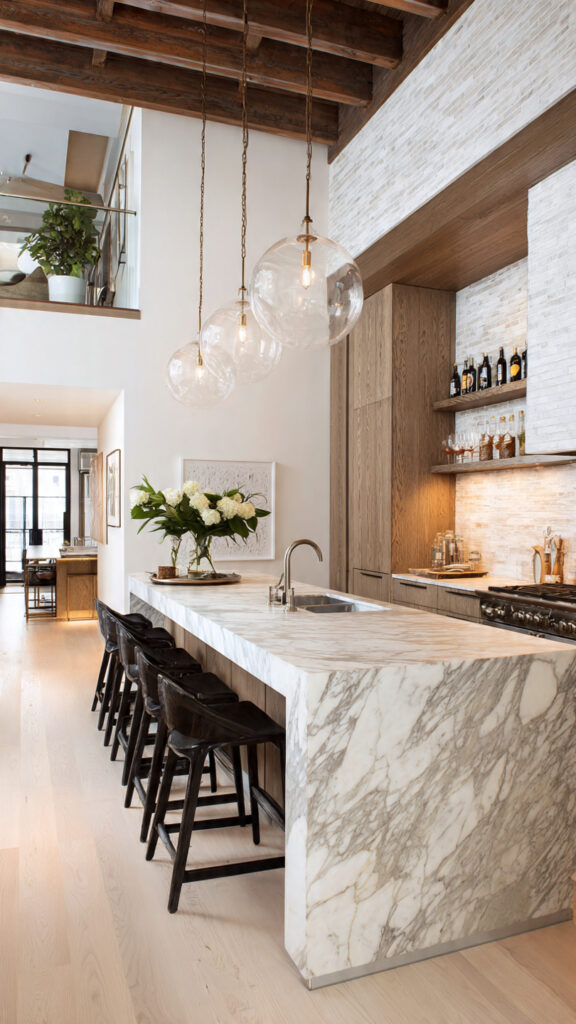
The layout determines how efficiently an Open Kitchen functions. A good layout supports movement, cooking tasks, and interaction with nearby living spaces. Choosing the right configuration helps the kitchen feel intentional rather than randomly opened up.
Work Triangle vs. Work Zones
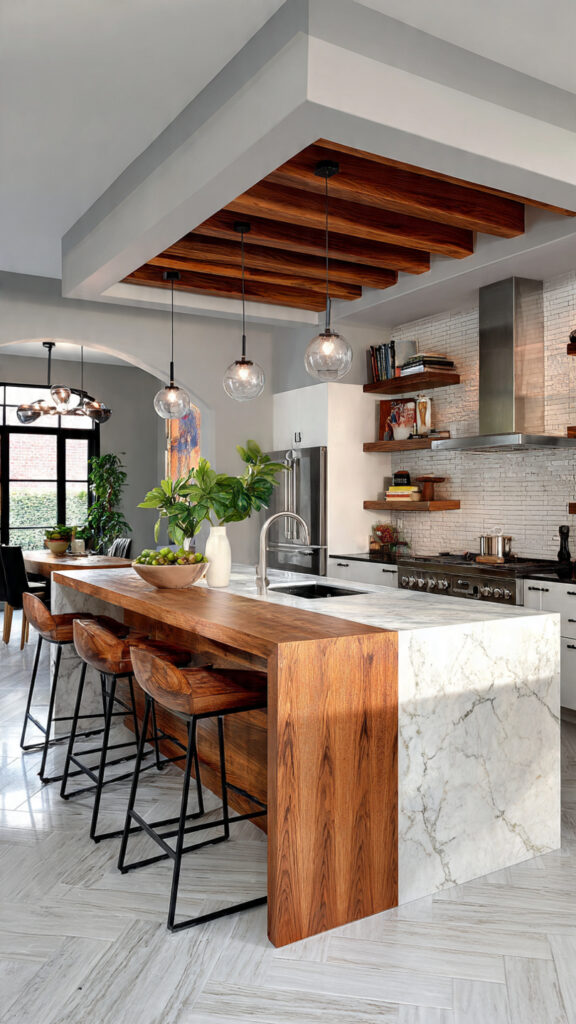
Traditional kitchens often rely on the work triangle, but an Open Kitchen usually benefits more from defined zones. Separating areas for prep, cooking, cleaning, and serving reduces congestion and improves workflow. This approach allows multiple people to use the kitchen at the same time without getting in each other’s way.
Layouts That Love Open Plans
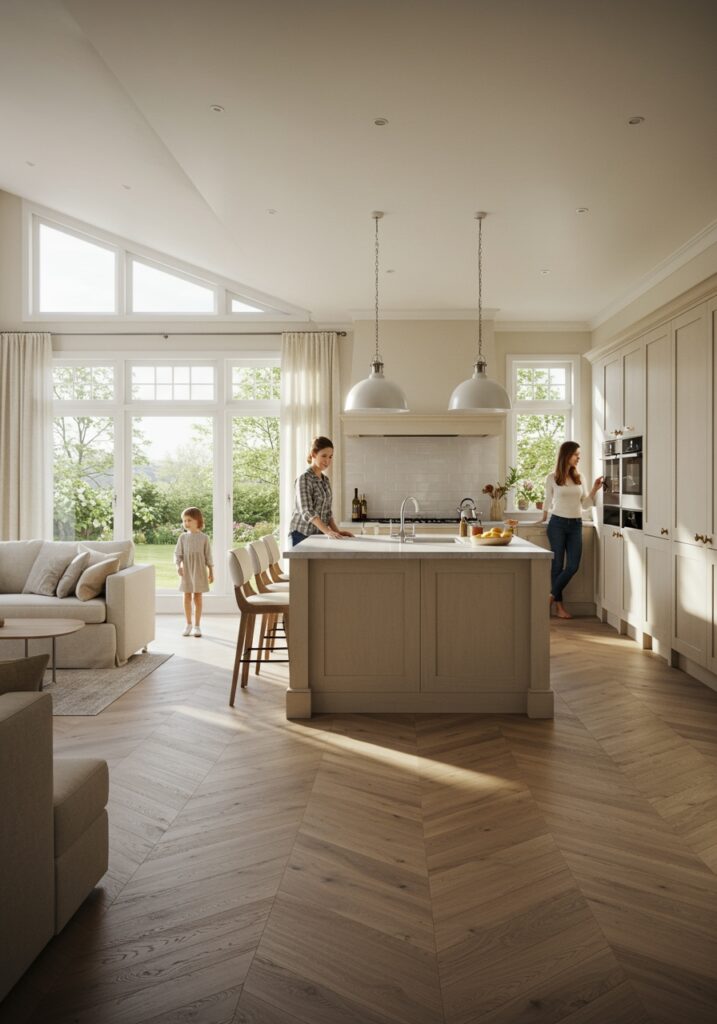
Certain layouts work especially well for an Open Kitchen. A single-wall setup with an island suits compact homes, while L-shaped or U-shaped designs provide more counter space and storage. Open galley kitchens and peninsulas create subtle separation while keeping the space visually connected to the rest of the home.
Zone Without Walls (Ninja-Level Space Planning)
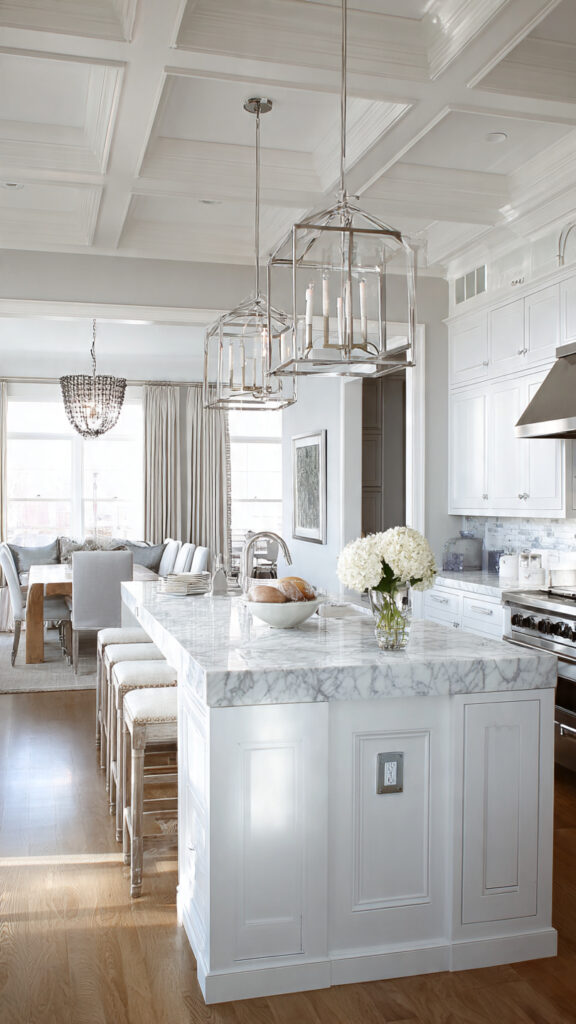
An Open Kitchen needs clear boundaries without physical walls. Visual zoning helps define areas while maintaining openness. This keeps the space organized and prevents it from feeling chaotic.
Define Areas with Surfaces
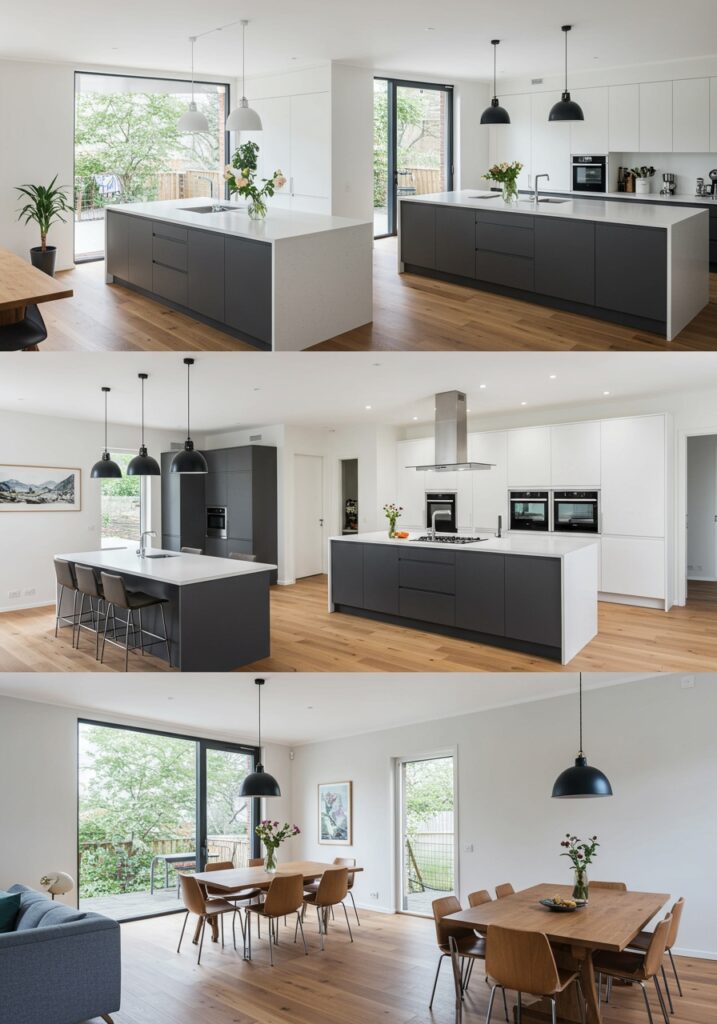
Flooring, ceiling details, and rugs can quietly separate kitchen and living zones. Using consistent materials connects the spaces, while small changes signal where cooking ends and relaxing begins. These subtle shifts guide movement and make the Open Kitchen feel thoughtfully designed.
Furniture as Gentle Dividers
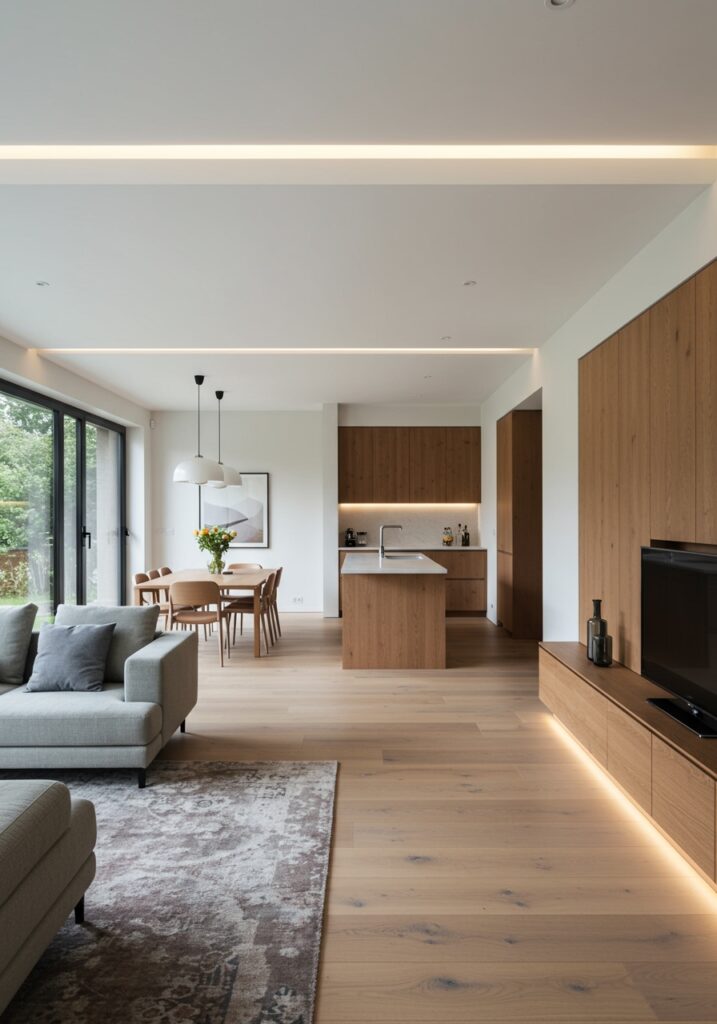
Furniture placement plays a big role in shaping an Open Kitchen. Sofas, consoles, and tables can face the kitchen to encourage interaction while still marking separate areas. This approach keeps sightlines open and conversation flowing without blocking light or space.
Storage That Stays Pretty in Plain Sight
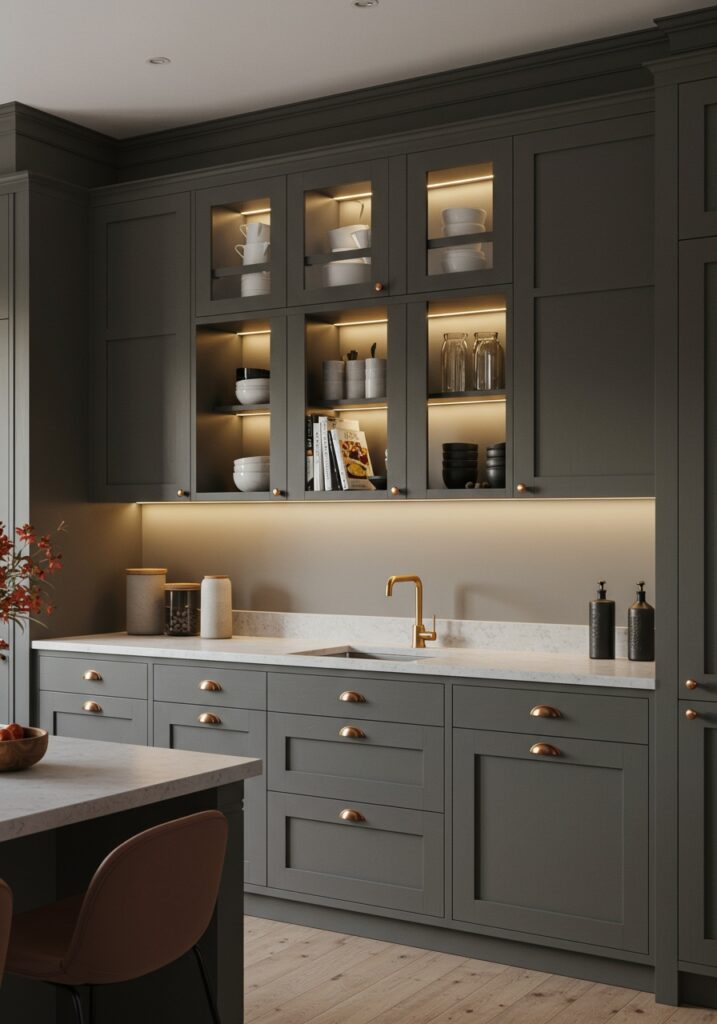
Because an Open Kitchen is always visible, storage needs to be both practical and visually calm. A mix of closed cabinets and limited open shelving helps control clutter while still allowing personality to show.
Top Storage Strategies
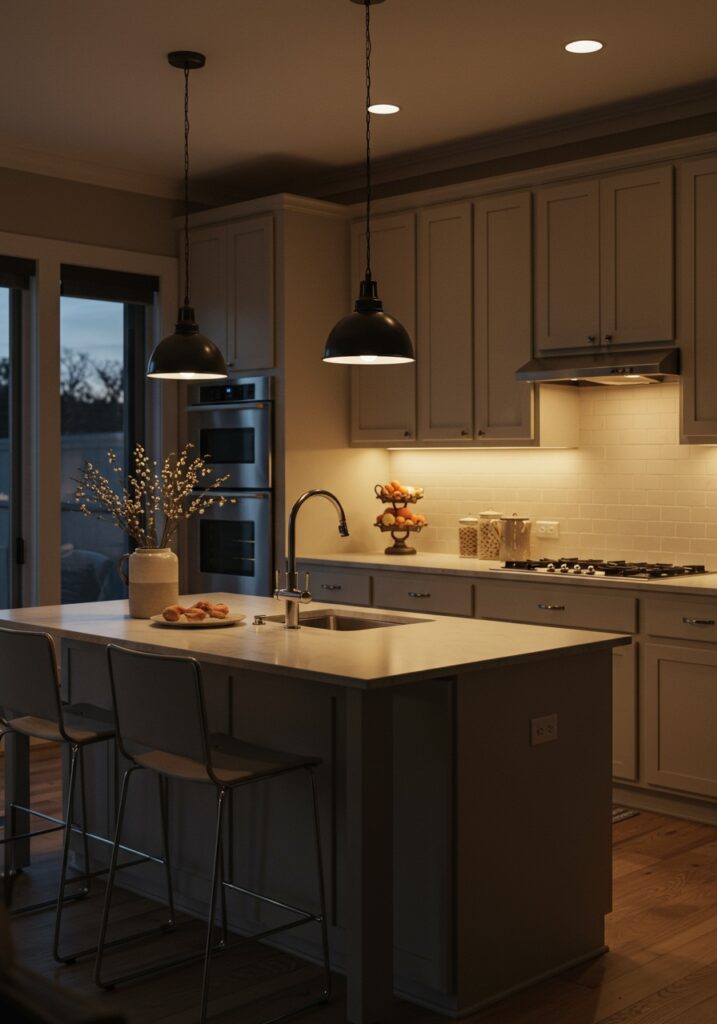
Tall cabinets maximize vertical space and hide bulky items. Dedicated pantry sections keep food storage organized, while corner solutions prevent wasted space. Drawers with dividers make everyday items easier to access and reduce visual mess in the Open Kitchen.
Materials & Color: Tie the Whole Space Together
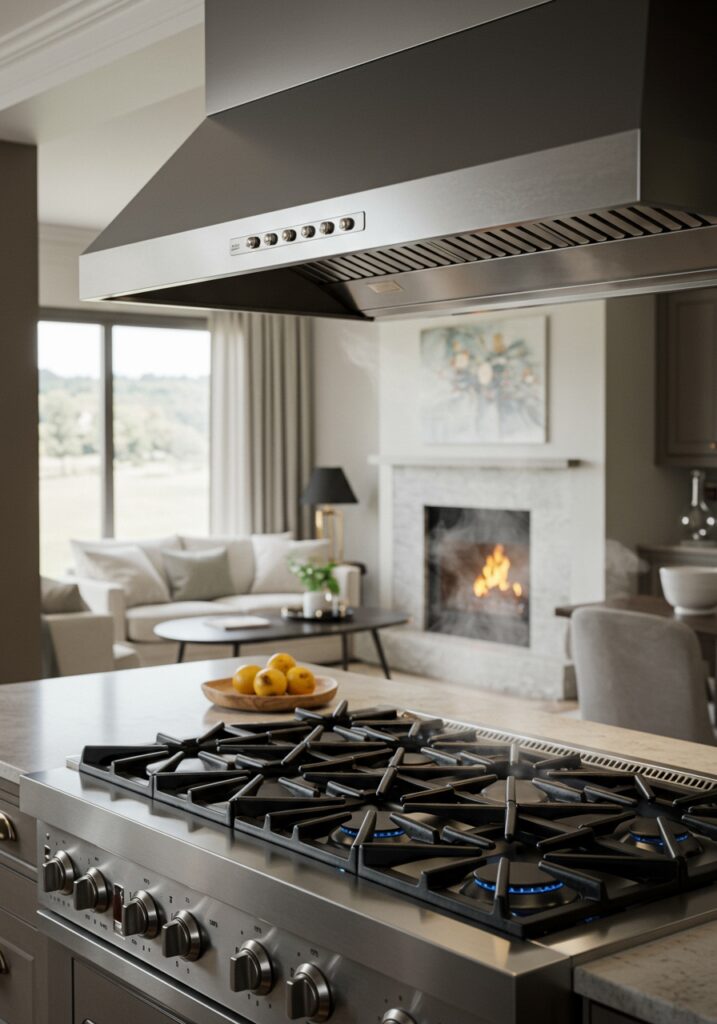
Materials and finishes in an Open Kitchen affect the mood of the entire open-plan area. Since the kitchen is always on display, every surface contributes to the overall style of the home.
Countertops & Cabinets
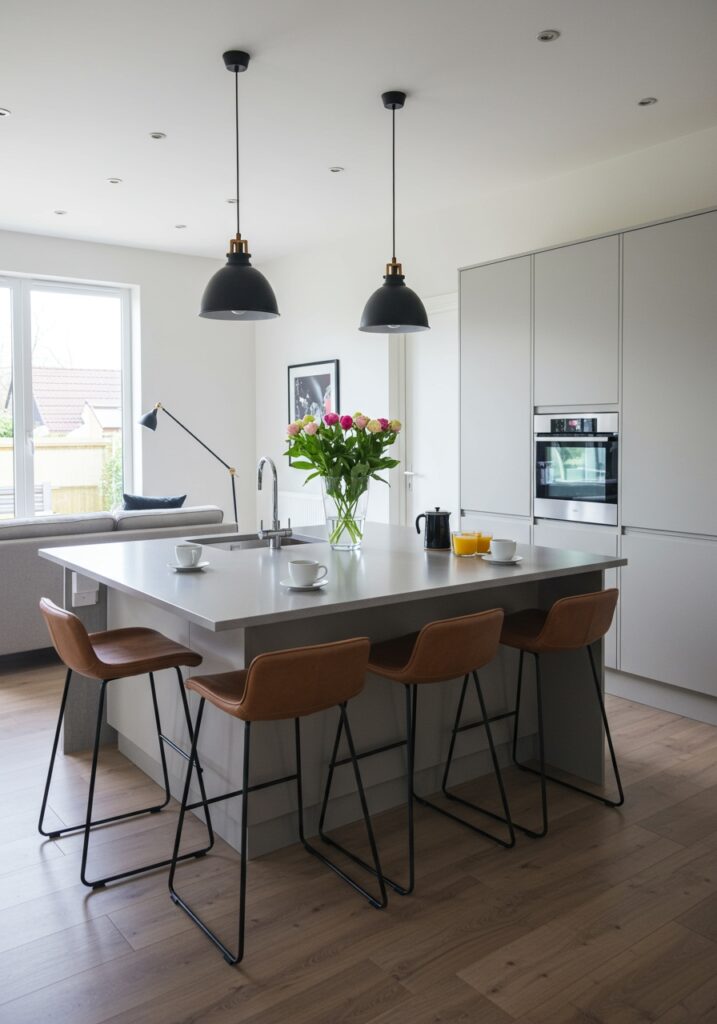
Durable countertops support daily use, while cabinet finishes set the tone for the space. Mixing textures, such as wood and matte finishes, adds depth without overwhelming the design. In an Open Kitchen, these choices should blend naturally with nearby living areas.
Backsplash & Wall Strategy
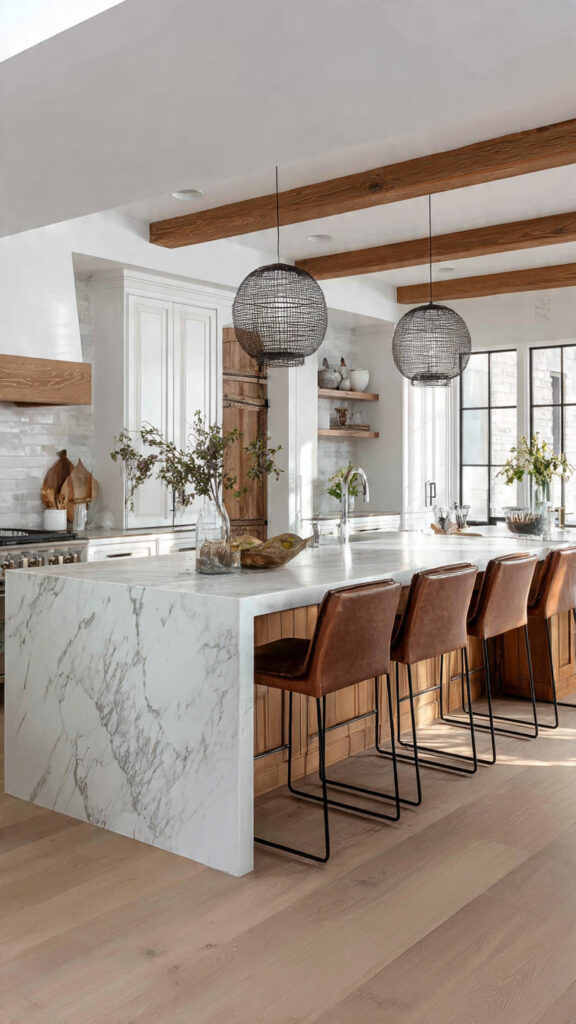
A simple backsplash keeps visual noise low and maintains clean sightlines. Extending finishes or keeping colors subtle helps the Open Kitchen feel cohesive. Decorative elements outside the cooking area can add interest without cluttering the space.
Palette Play
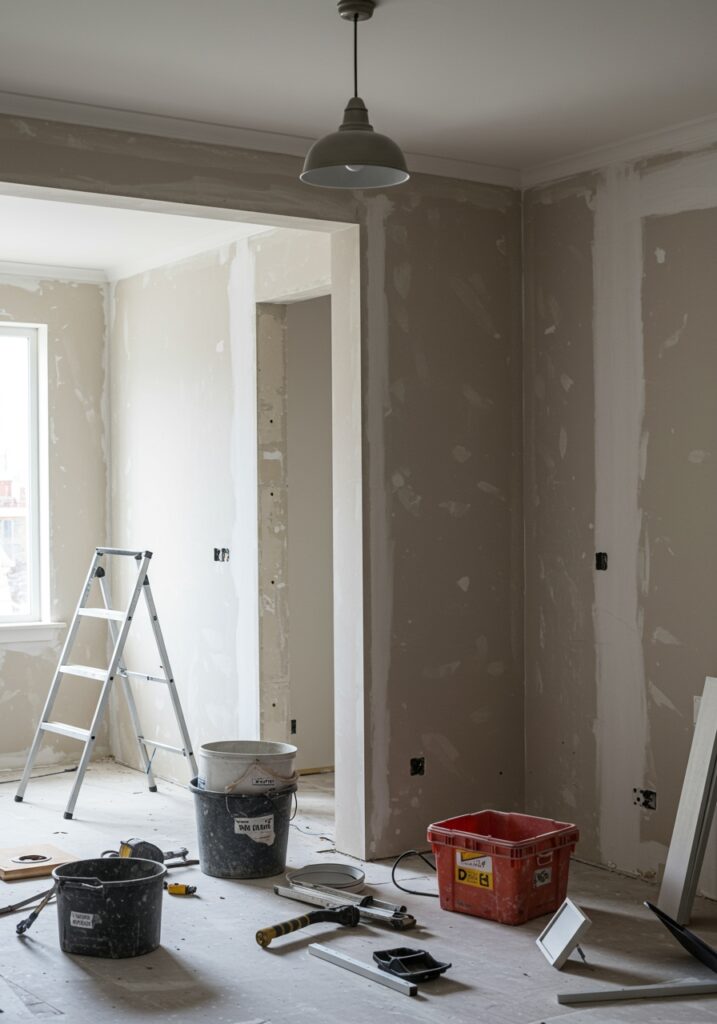
Using a consistent color palette across kitchen and living areas creates harmony. Limiting the scheme to a few well-chosen tones keeps the Open Kitchen feeling balanced and intentional rather than busy.
Light It Like a Pro (Without Turning It into a Stage)
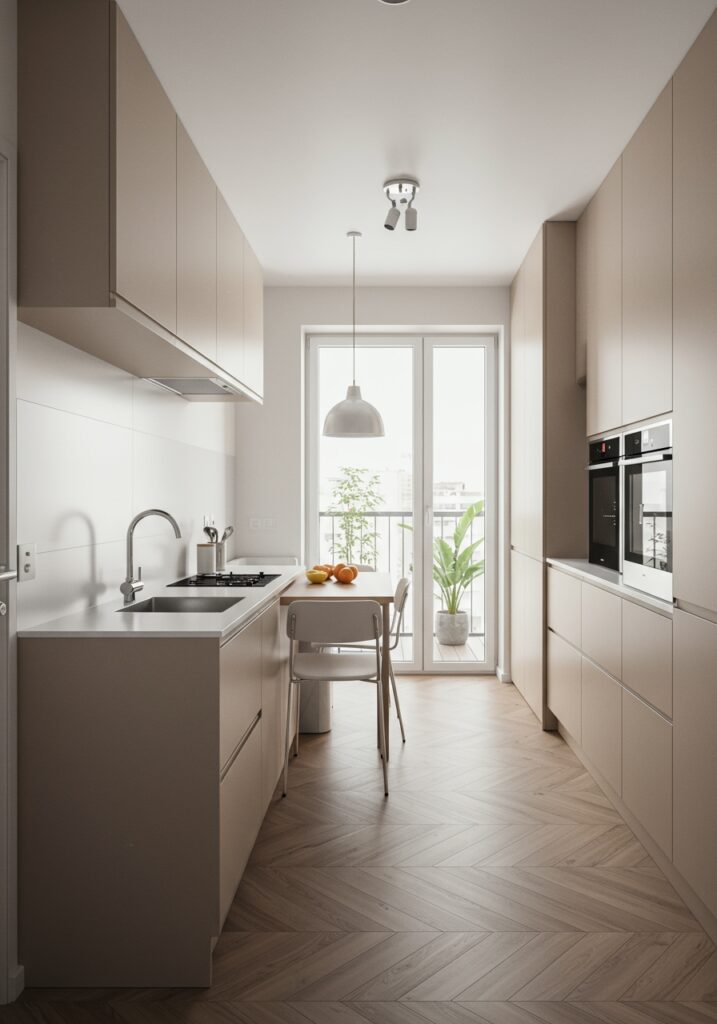
Lighting plays a major role in how an Open Kitchen feels at different times of day. Layered lighting ensures the space works for cooking, entertaining, and relaxing.
The Three Layers
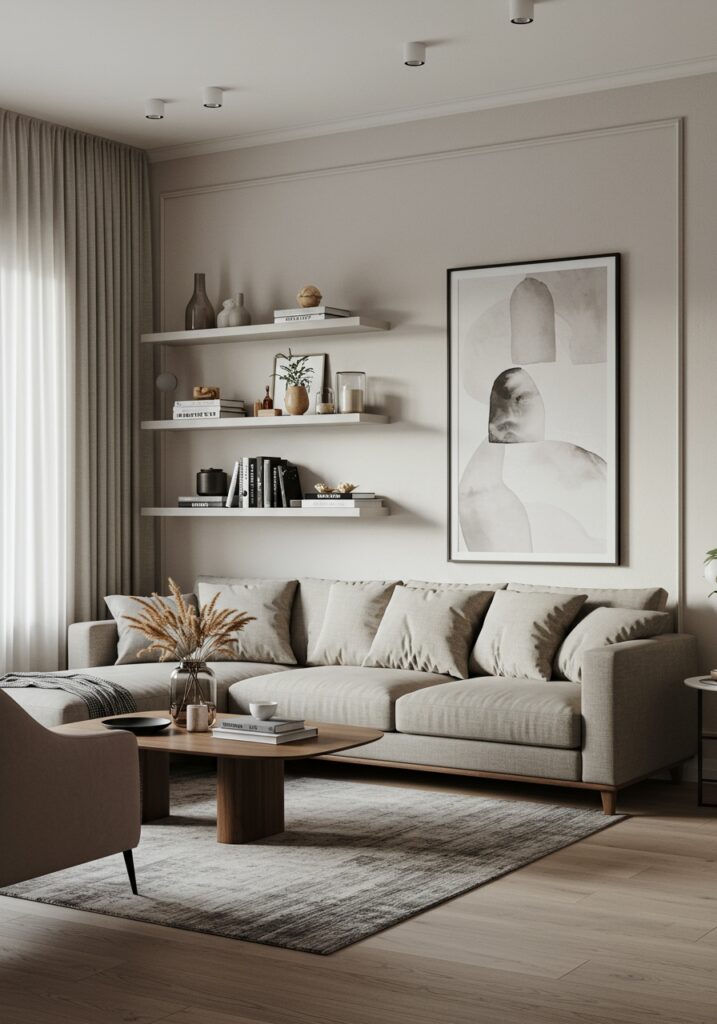
Ambient lighting provides overall brightness, task lighting supports food preparation, and accent lighting adds warmth and atmosphere. Dimmers allow easy transitions between functional and relaxed moods, making the Open Kitchen adaptable throughout the day.
Ventilation & Acoustics (A.K.A. The Open-Kitchen Peacekeepers)
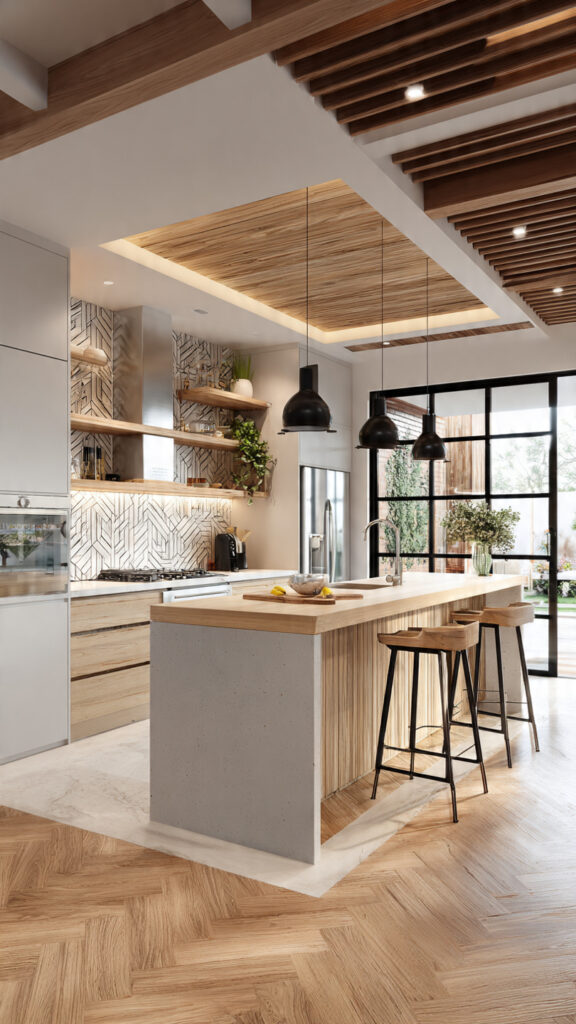
Proper ventilation and sound control are essential in an Open Kitchen. Without them, cooking smells and noise can quickly spread to the rest of the home.
Get the Right Hood
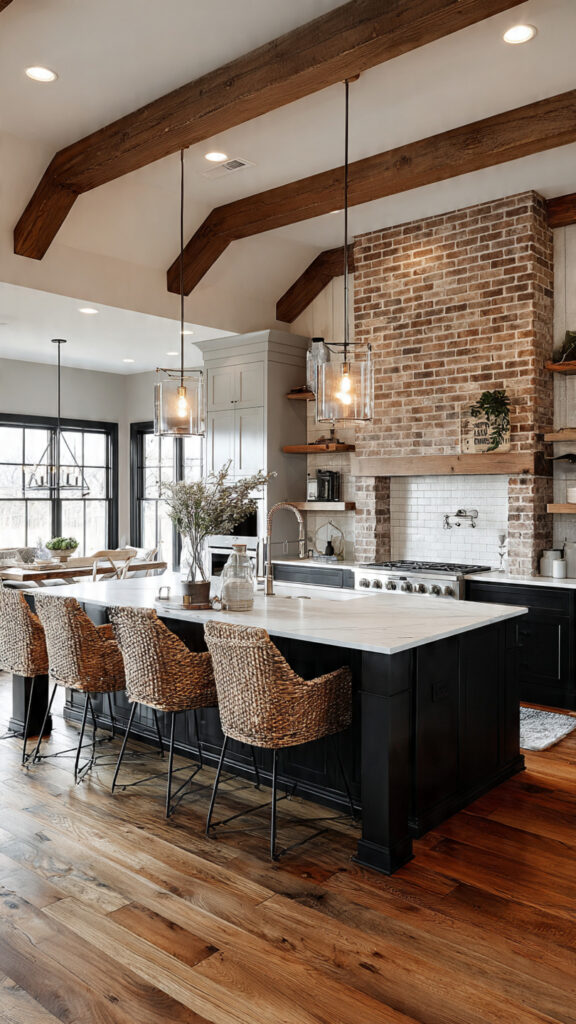
A powerful and quiet range hood keeps air clean and reduces lingering odors. Choosing the correct size and placement ensures steam and smoke are captured efficiently, keeping the Open Kitchen comfortable.
Tame the Noise
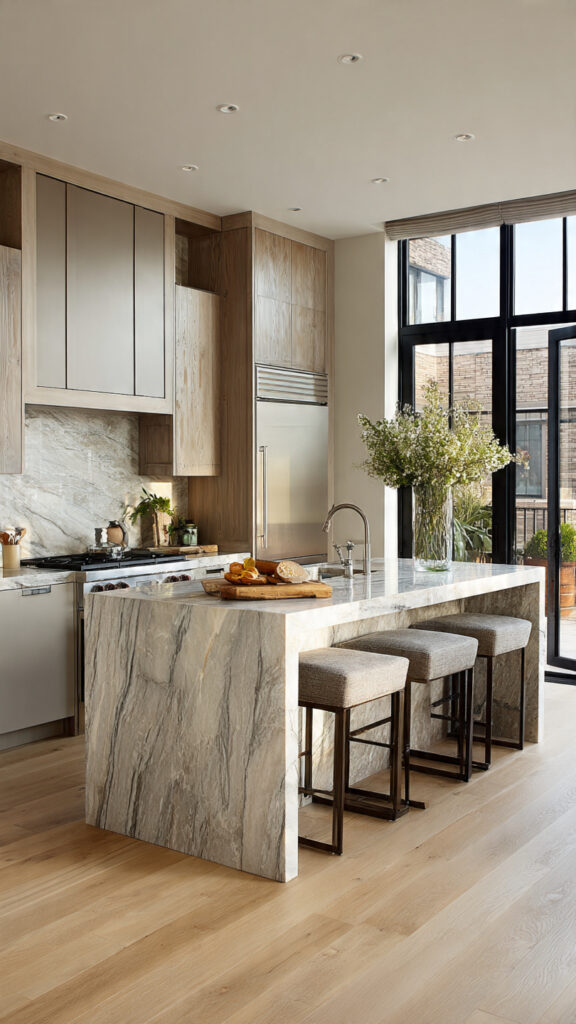
Soft-close hardware, panel-ready appliances, and soft furnishings help absorb sound. These details reduce echoes and make the Open Kitchen more pleasant during busy moments.
Islands & Peninsulas that Work Hard
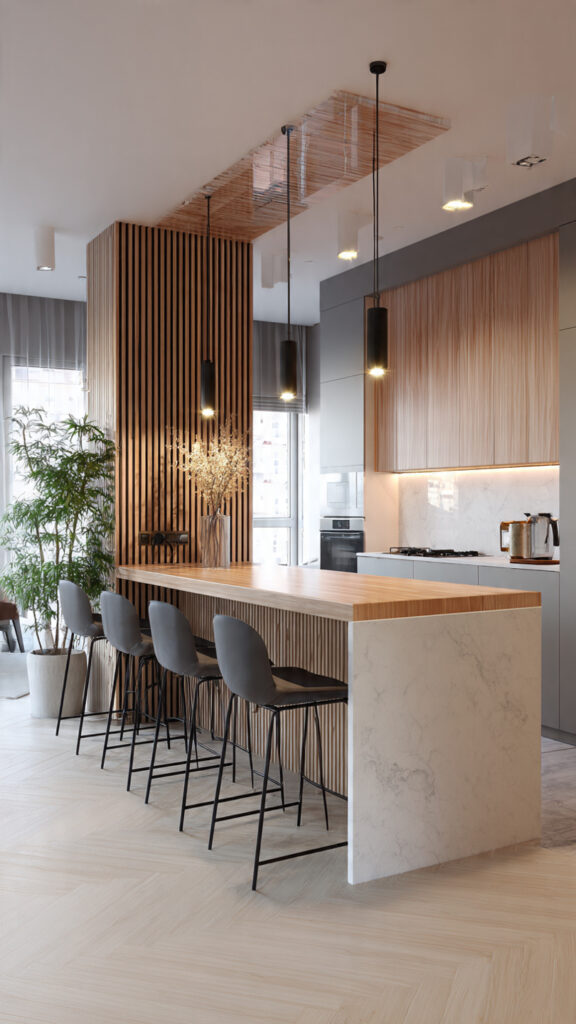
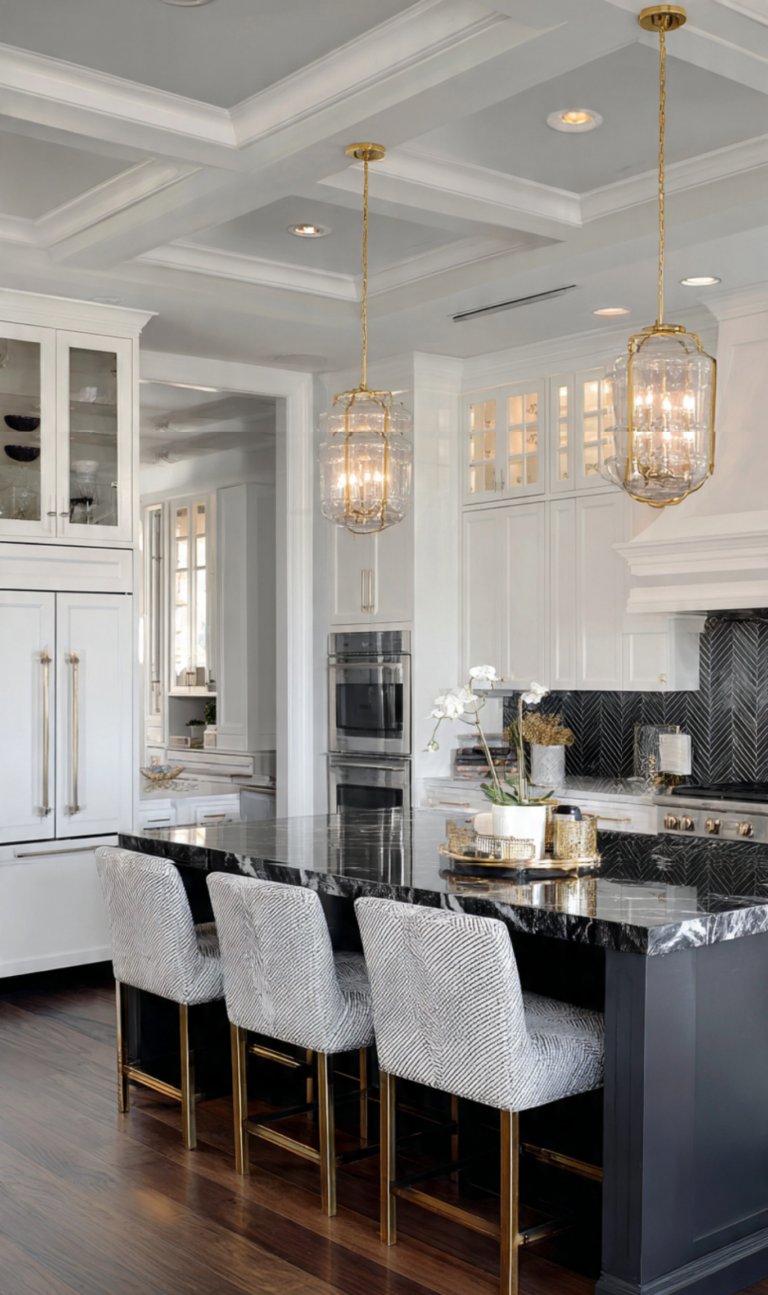
An island or peninsula often becomes the center of an Open Kitchen. When designed well, it supports cooking, dining, and socializing all in one place.
Seating & Ergonomics
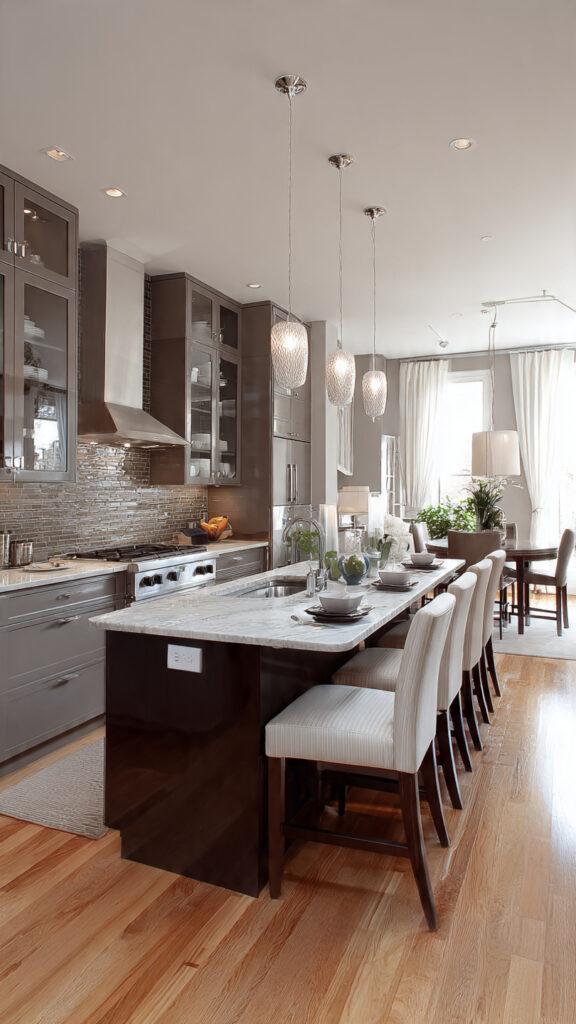
Comfortable seating depends on proper counter heights, spacing, and legroom. Allowing enough space for each seat ensures the island feels inviting rather than cramped.
Power, Sinks & Drawers
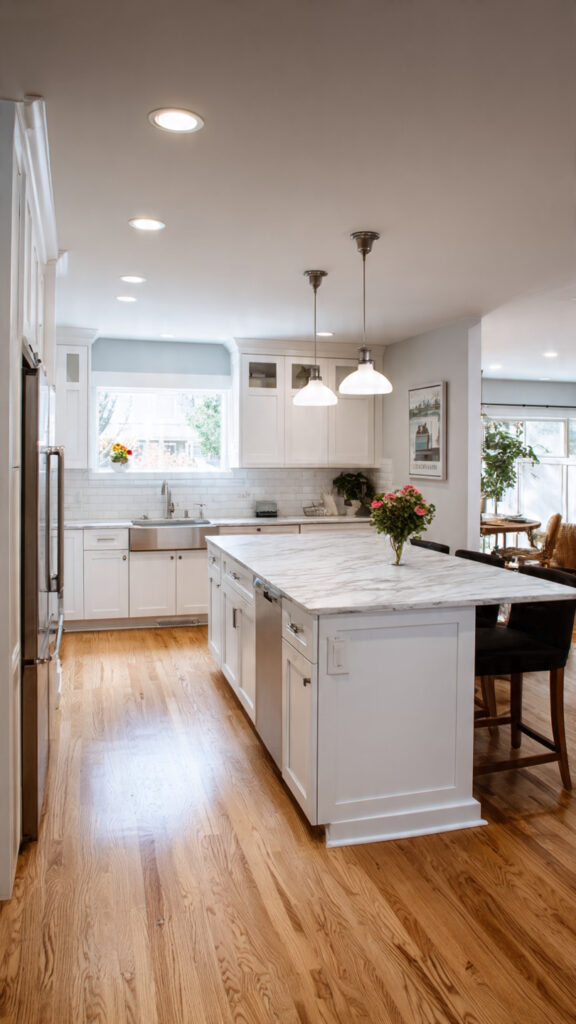
Adding power outlets and smart storage to the island increases functionality. Prep sinks, deep drawers, and organized knife storage make the Open Kitchen easier to use during busy cooking sessions.
Style It Like You Live Here (Because You Do)
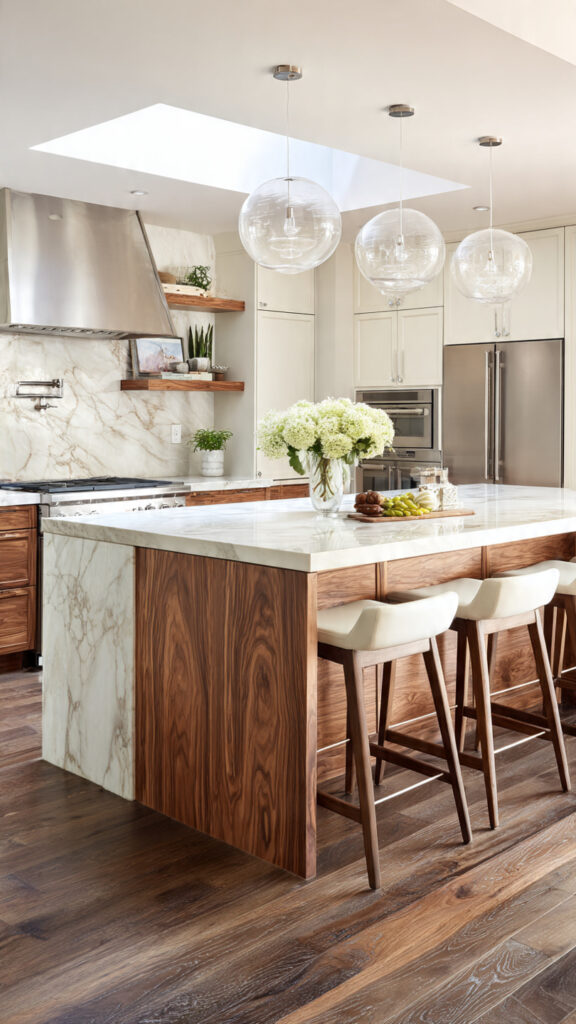
Styling an Open Kitchen should reflect daily life, not just appearance. Thoughtful display choices keep the space warm without adding clutter.
Display with Intention
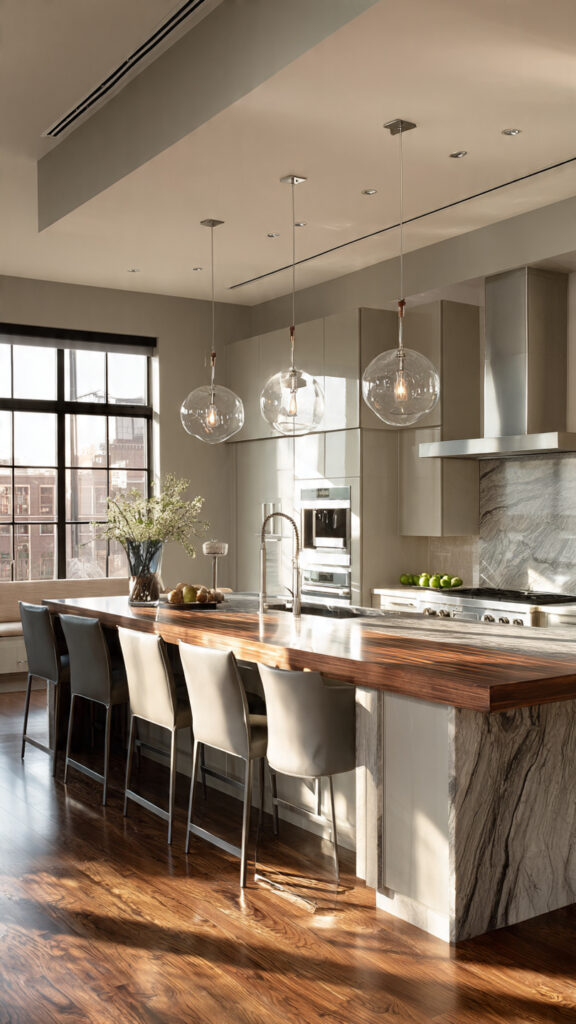
Limiting open shelving and displaying only frequently used items helps maintain a clean look. Grouping items carefully keeps shelves functional and visually pleasing.
Art, Mirrors & Texture
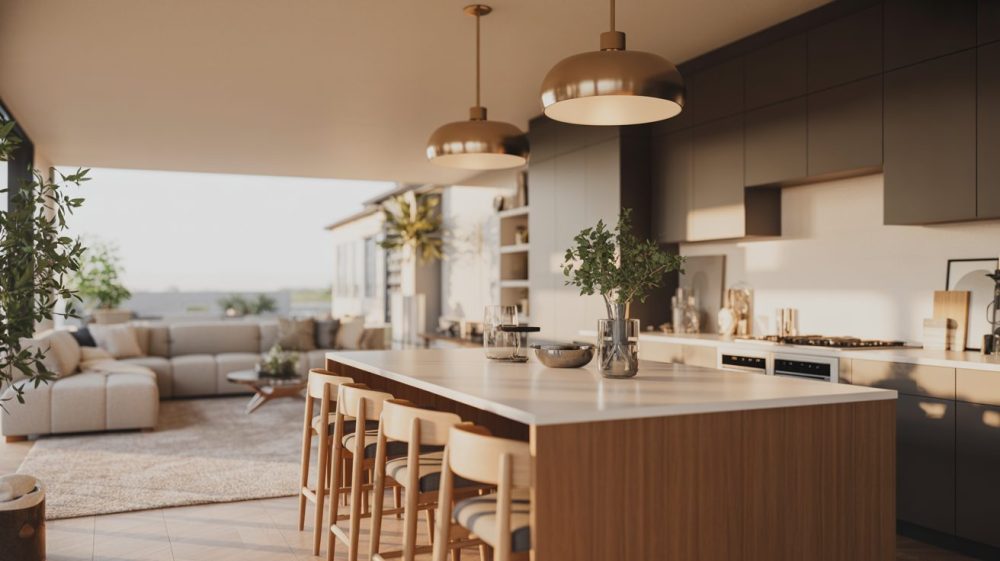
Art and mirrors add personality and help bounce light through the Open Kitchen. Repeating textures and finishes across spaces strengthens the connection between kitchen and living areas.
Make the Living Area Match the Vibe
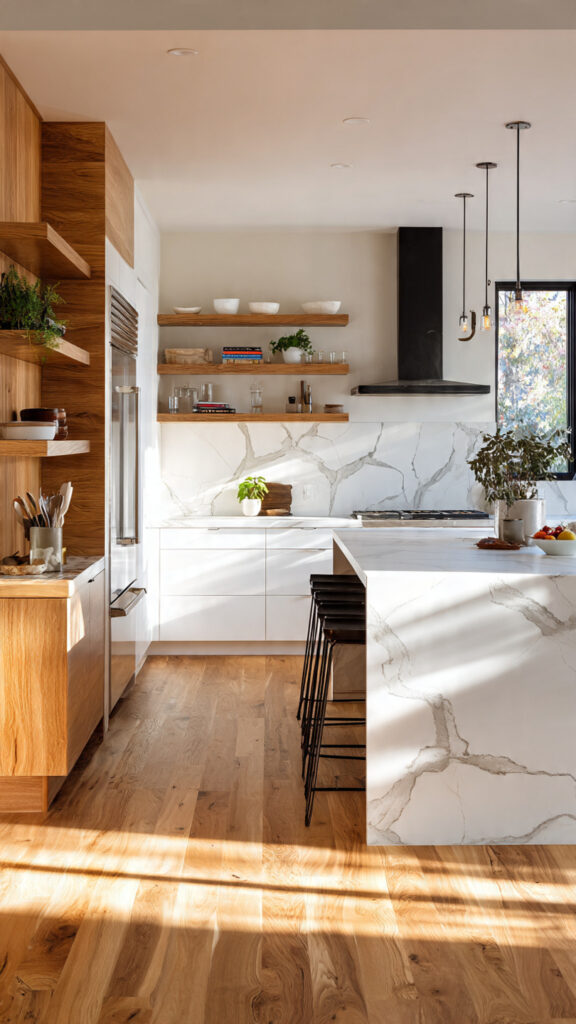
An Open Kitchen works best when the surrounding living area shares the same design language. Furniture scale, materials, and finishes should complement the kitchen rather than compete with it.
Small Open Kitchens: Space-Savvy Wins
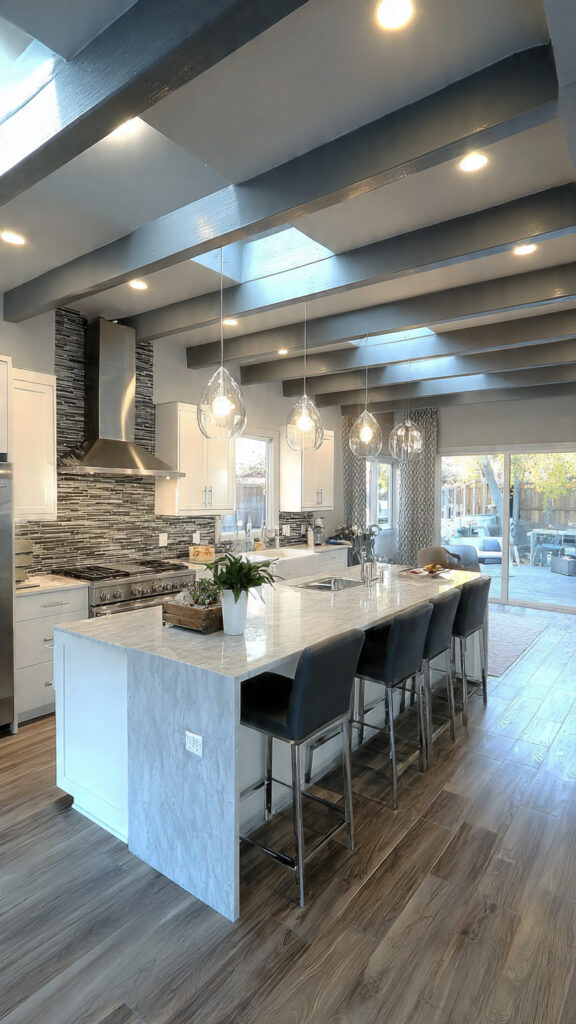
Smaller homes can still enjoy an Open Kitchen with the right strategies. Careful planning makes limited space feel efficient and comfortable.
Five Space-Saving Moves
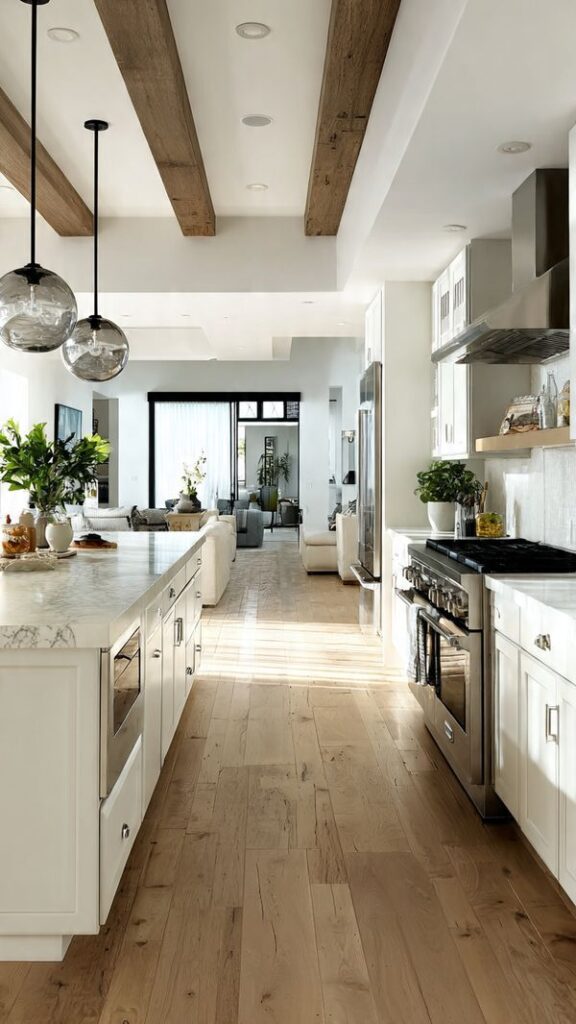
Slim islands, vertical storage, unified colors, and space-saving doors help small Open Kitchens feel larger. These choices reduce visual clutter and improve movement within the space.
Budget & Phasing (Because Reality Exists)
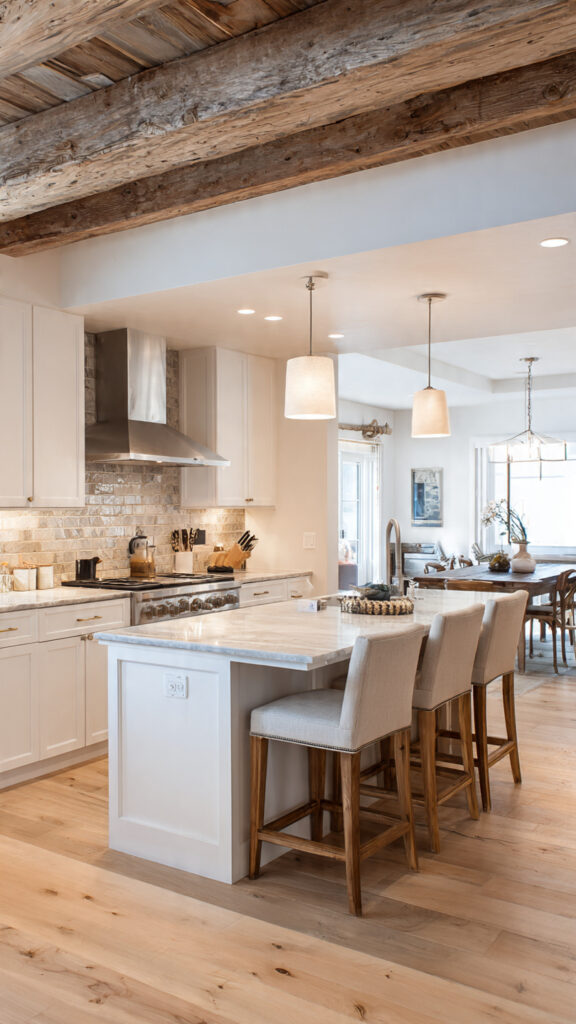
Planning an Open Kitchen often requires balancing ideal features with budget limits. Knowing where to invest and where to save makes the process more manageable.
Where to Splurge
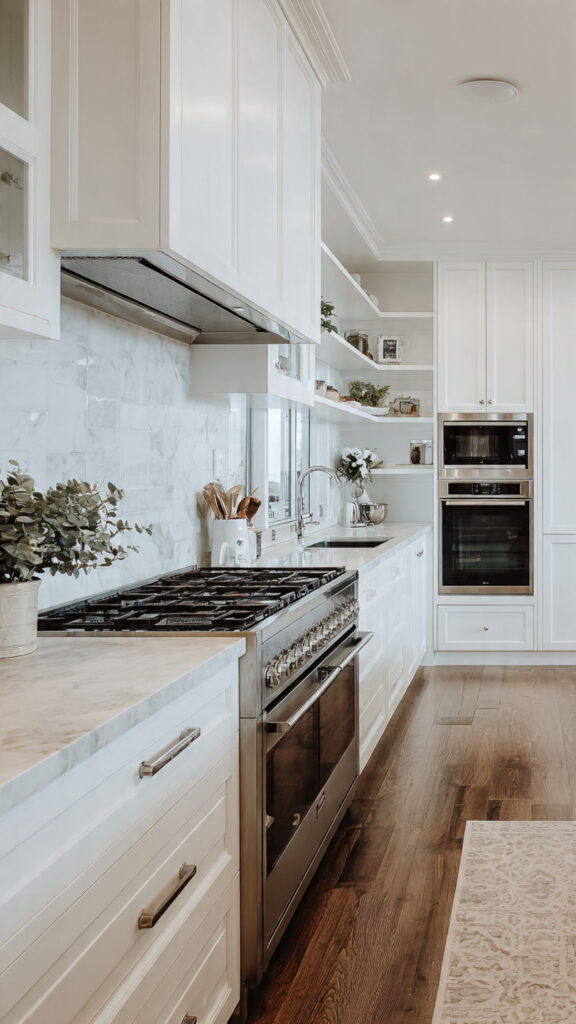
High-quality ventilation, durable countertops, reliable hardware, and flexible lighting systems offer long-term value in an Open Kitchen. These elements directly affect comfort and daily use.
Where to Save
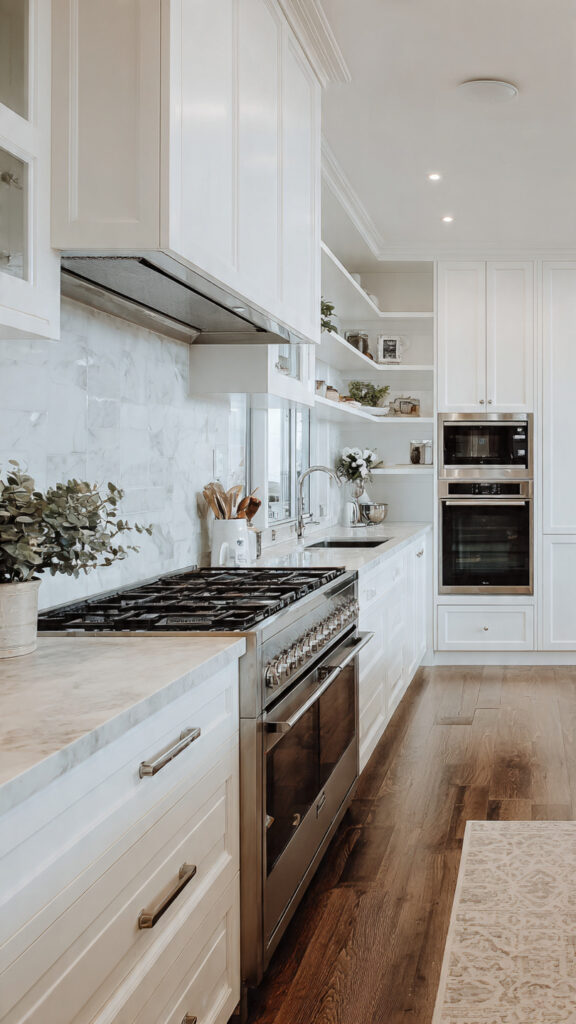
Cabinet boxes, backsplash coverage, and appliance choices can be adjusted without sacrificing overall quality. Strategic savings free up budget for more impactful features.
Phase the Project
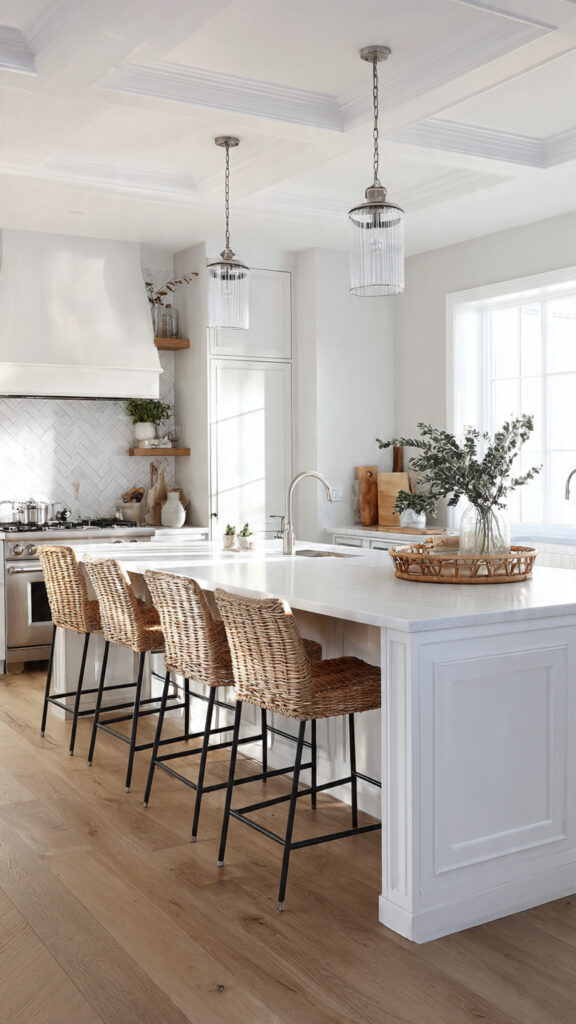
Breaking the Open Kitchen project into stages makes renovations less overwhelming. Structural changes can come first, followed by finishes and lighting upgrades later.
Practical Dimensions & Specs (Pin or Screenshot This)
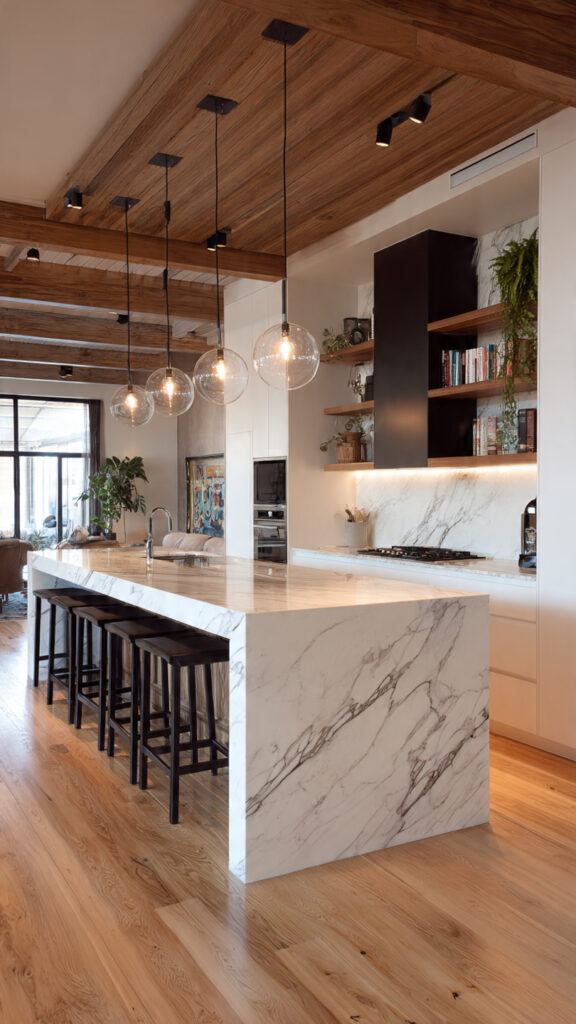
Clear spacing around walkways, islands, and appliances keeps an Open Kitchen safe and easy to use. Proper heights, distances, and lighting placement improve comfort and functionality throughout the space.
Step-by-Step: How to Design an Open Kitchen (Start to Finish)
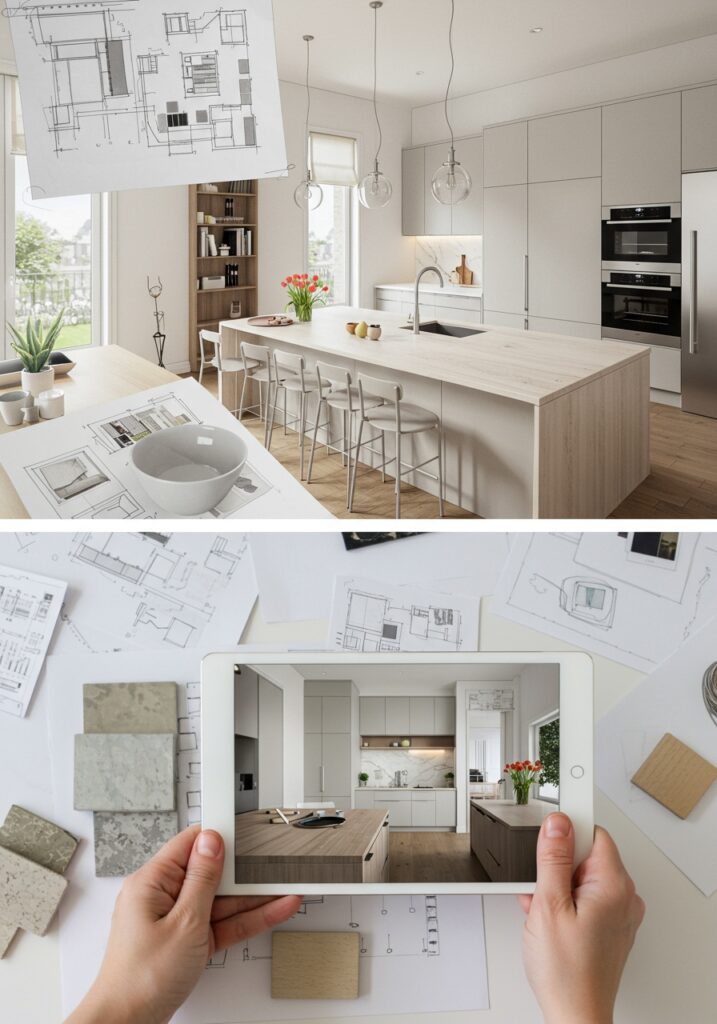
Designing an Open Kitchen begins with setting clear goals and understanding daily habits. Measuring the space, choosing a layout, defining zones, selecting materials, planning lighting, and organizing storage all build toward a cohesive result. Careful budgeting and phased upgrades help bring the design together smoothly.
Common Mistakes to Dodge (You’re Smarter Than These)
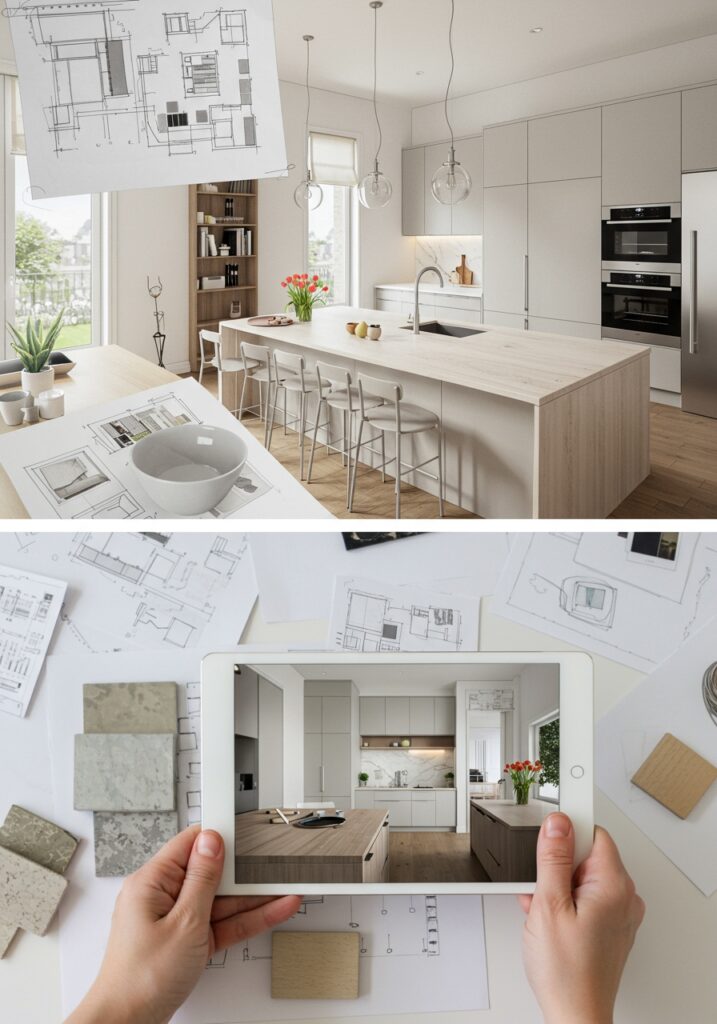
Oversized islands, poor lighting control, excessive open shelving, ignored acoustics, and mismatched colors can all disrupt an Open Kitchen. Avoiding these mistakes keeps the space functional and visually calm.
Inspiration Combos You Can Steal
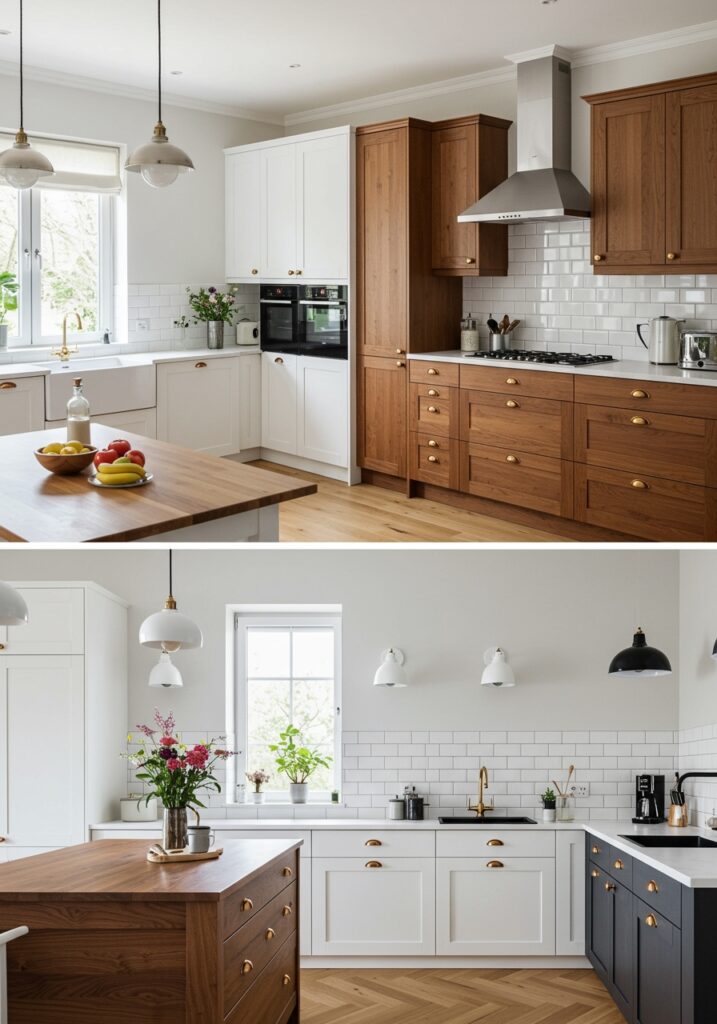
Different design styles work well in an Open Kitchen, from light Scandinavian looks to warm modern schemes and high-contrast designs. The key is consistency across kitchen and living areas.
Final Stir: Your Open Kitchen, Served Without the Drama
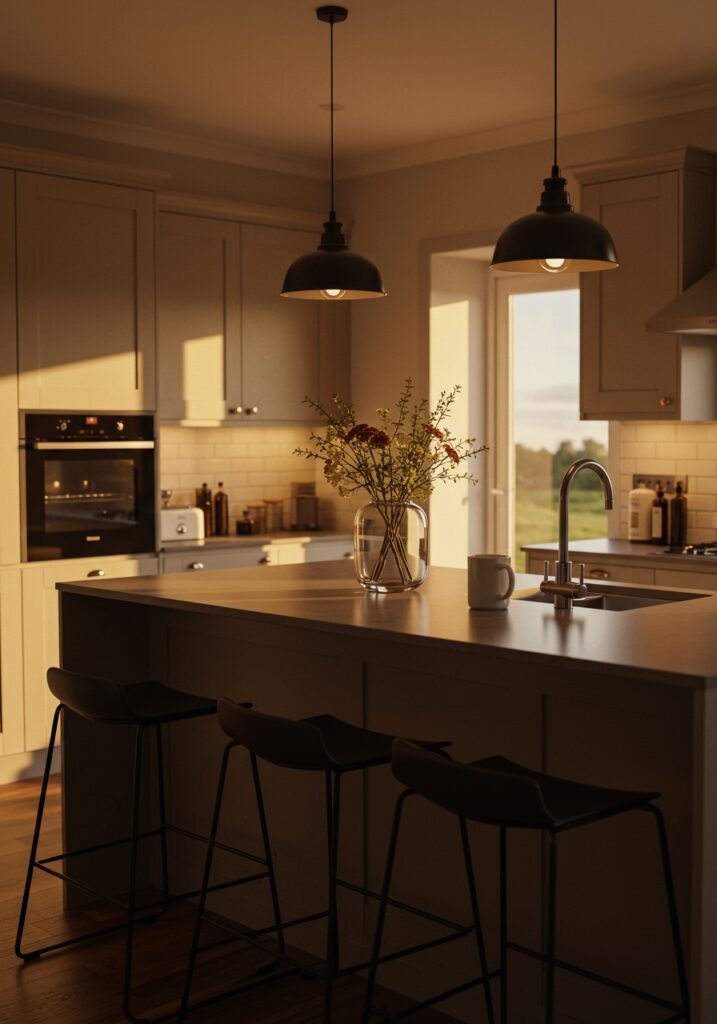
A successful Open Kitchen focuses on clear layout, balanced materials, proper lighting, and smart storage. When function comes first, style follows naturally. With thoughtful planning, an Open Kitchen becomes a comfortable, social space that supports daily life without feeling cluttered or overwhelming.
Conclusion
An Open Kitchen works best when design decisions are guided by real daily habits rather than trends alone. Clear layouts, defined zones, thoughtful storage, and layered lighting help the space feel open without becoming chaotic. When materials, colors, and proportions are planned carefully, an Open Kitchen becomes a natural extension of the living area and supports both everyday routines and social moments with ease.
FAQ,s
What is the main benefit of an Open Kitchen?
An Open Kitchen improves light flow, connection between spaces, and interaction while cooking or hosting.
Is an Open Kitchen suitable for small homes?
Yes, with proper layout planning, storage, and lighting, an Open Kitchen can make small spaces feel larger.
How do you control clutter in an Open Kitchen?
Using closed cabinetry, drawer organizers, and limited open shelving helps keep the space tidy.
Does an Open Kitchen need special ventilation?
Strong and quiet ventilation is important to control odors and maintain comfort in open spaces.
How can an Open Kitchen feel visually organized?
Consistent colors, defined zones, and simple material choices help maintain visual balance.