Unclog a Bathroom Sink
A slow or fully blocked bathroom sink can quickly disrupt daily routines and create unnecessary stress. Many people assume a plumber is the only solution, but in most cases, it’s possible to unclog a bathroom sink using simple methods at home. With the right approach and a bit of patience, common drainage issues can be handled without professional help. This guide focuses on practical, easy-to-follow steps designed to restore proper water flow and help you feel confident dealing with sink clogs on your own.
Why Does Your Bathroom Sink Get Clogged?
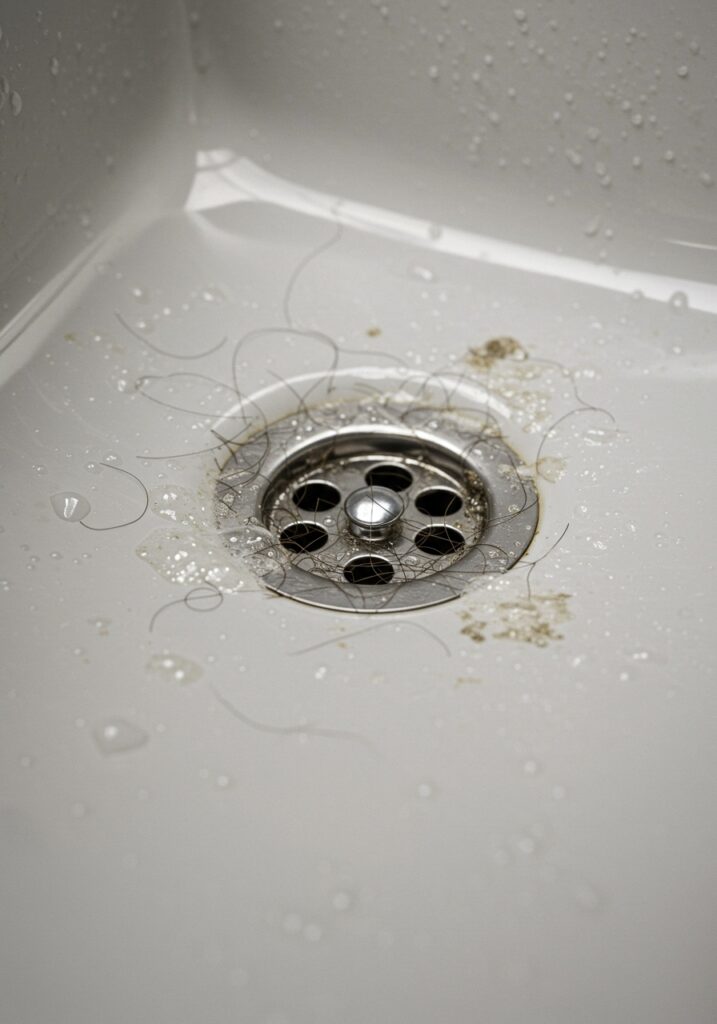
Bathroom sink clogs usually develop over time rather than all at once. Hair is the most common cause, as it easily slips into the drain and gets trapped. Soap residue, toothpaste, and skincare products stick to pipe walls and collect debris, gradually restricting water flow. Dirt and small particles from everyday washing also contribute to buildup. In homes with hard water, mineral deposits can narrow pipes, making clogs more likely. Occasionally, small objects accidentally fall into the drain and create blockages. Understanding these causes makes it easier to unclog a bathroom sink and avoid repeat problems.
Tools You’ll Want to Have Ready

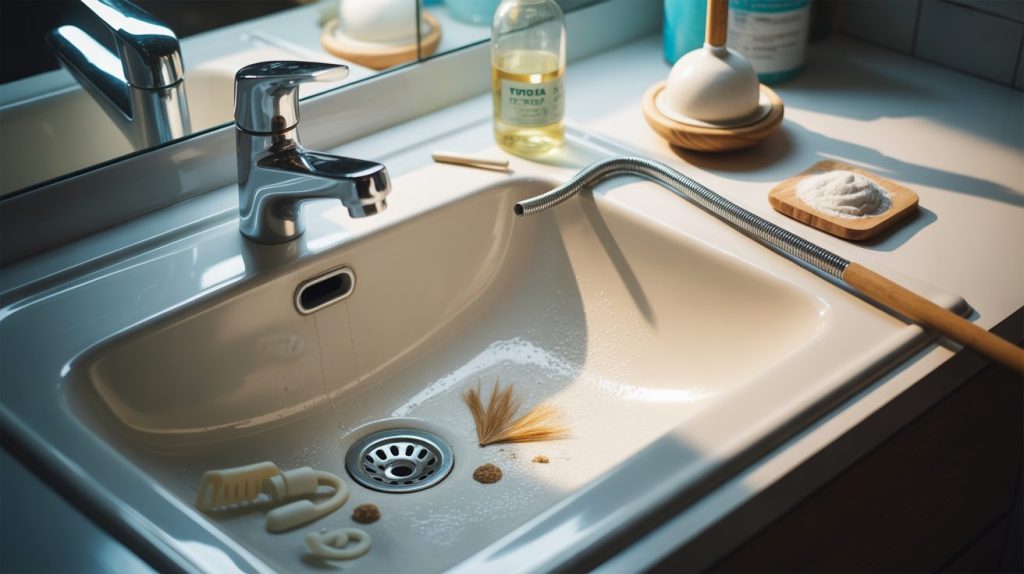
Having basic tools prepared before starting makes the process quicker and less frustrating. A sink-sized plunger helps create the pressure needed to loosen clogs. A drain snake or auger is useful for reaching deeper blockages. A bucket prevents mess when pipes are disconnected, while pliers or a wrench help loosen fittings. Small brushes or an old toothbrush are helpful for cleaning residue from pipes. Gloves protect your hands, and household items like baking soda, vinegar, and hot water support natural cleaning methods. Being prepared helps the unclogging process go smoothly.
Step 1: Try the Plunger Method
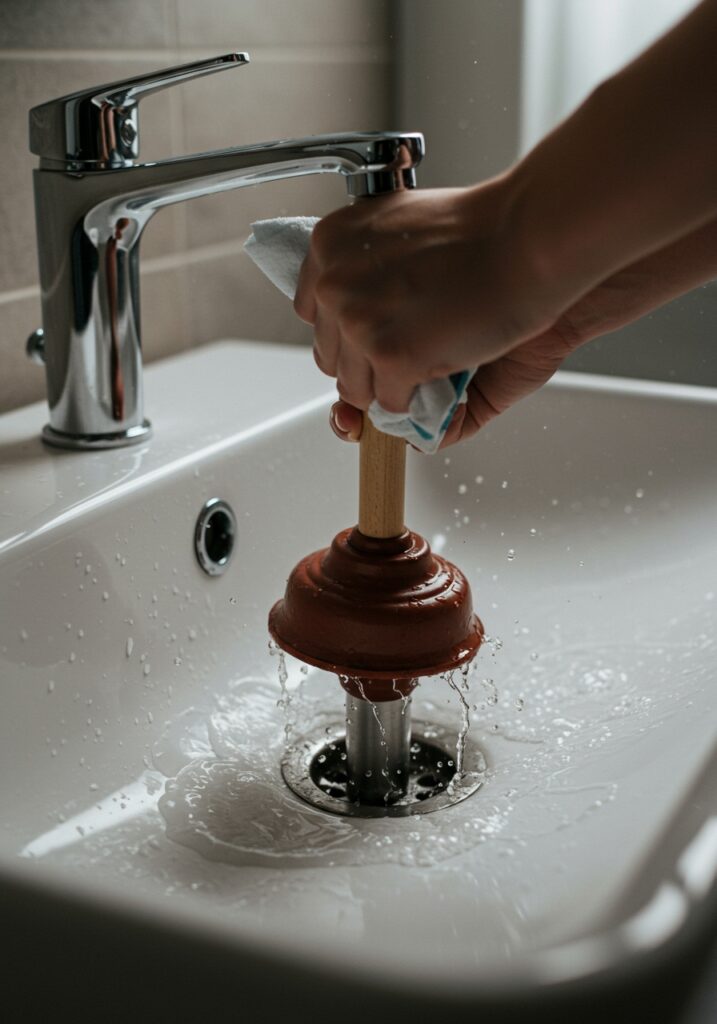
Plunging is often the simplest way to unclog a bathroom sink and should be tried first. Clearing the area around the sink allows better access. Covering the overflow opening helps create strong suction, which is essential for effective plunging. Adding enough water to cover the plunger improves pressure. Firm, repeated plunges can loosen hair and debris stuck near the drain opening. After plunging, testing the water flow shows whether the blockage has cleared. This method is quick and often effective for minor clogs.
Step 2: Use Baking Soda and Vinegar for a Natural Fix

A natural solution using baking soda and vinegar works well for breaking down buildup inside pipes. When combined, these ingredients create a bubbling reaction that loosens soap residue and grime. Pouring baking soda first, followed by vinegar, allows the reaction to work through the clog. Covering the drain keeps the reaction focused inside the pipe. Allowing enough time for the mixture to work improves results. Flushing with hot water afterward helps clear away loosened debris and supports ongoing drain health.
Step 3: Clear the P-Trap
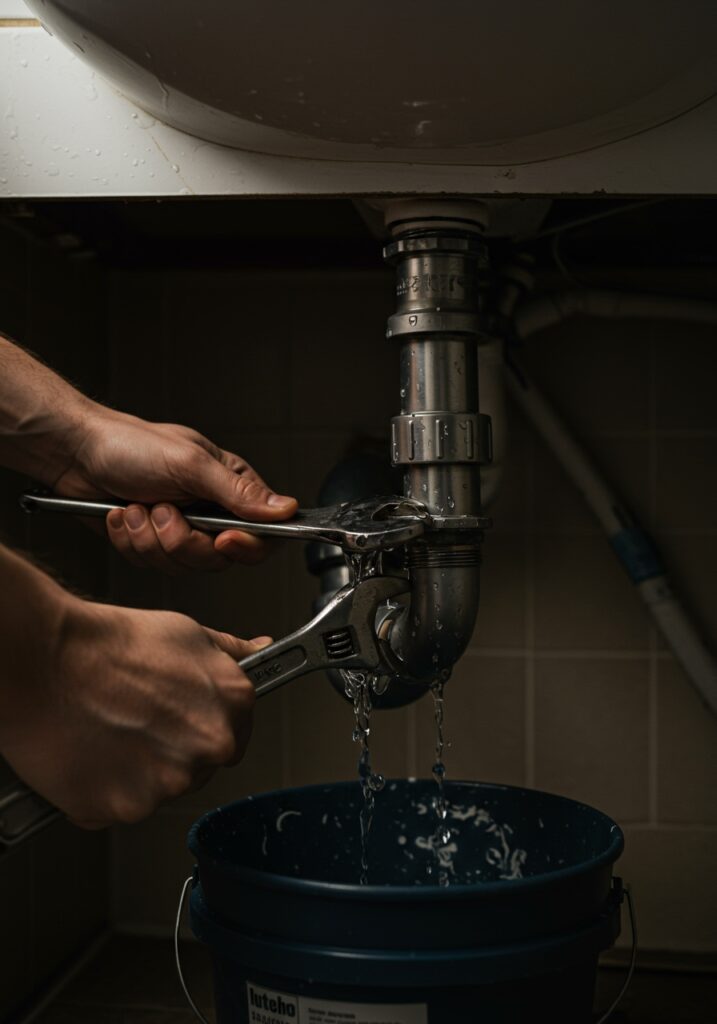
The P-trap is a curved pipe under the sink that commonly collects hair and debris. Cleaning it often resolves clogs that other methods cannot. Placing a bucket underneath catches trapped water when the pipe is removed. Loosening the slip nuts allows the trap to be detached safely. Once removed, debris and buildup can be emptied and scrubbed away. Reassembling the pipe securely and testing the drain confirms whether the clog has been removed. This hands-on step is highly effective for stubborn blockages.
Step 4: Use a Drain Snake for Deeper Clogs

When clogs are located deeper in the plumbing system, a drain snake is a reliable solution. This flexible tool is designed to reach far into pipes where plungers cannot. Slowly feeding the snake into the drain prevents damage to the pipe. Turning the handle helps the tool grip or break apart the blockage. Carefully removing the snake pulls trapped debris out. Running hot water afterward helps flush remaining residue and restore proper drainage, making this method ideal for tougher clogs.
Step 5: Prevent Future Clogs
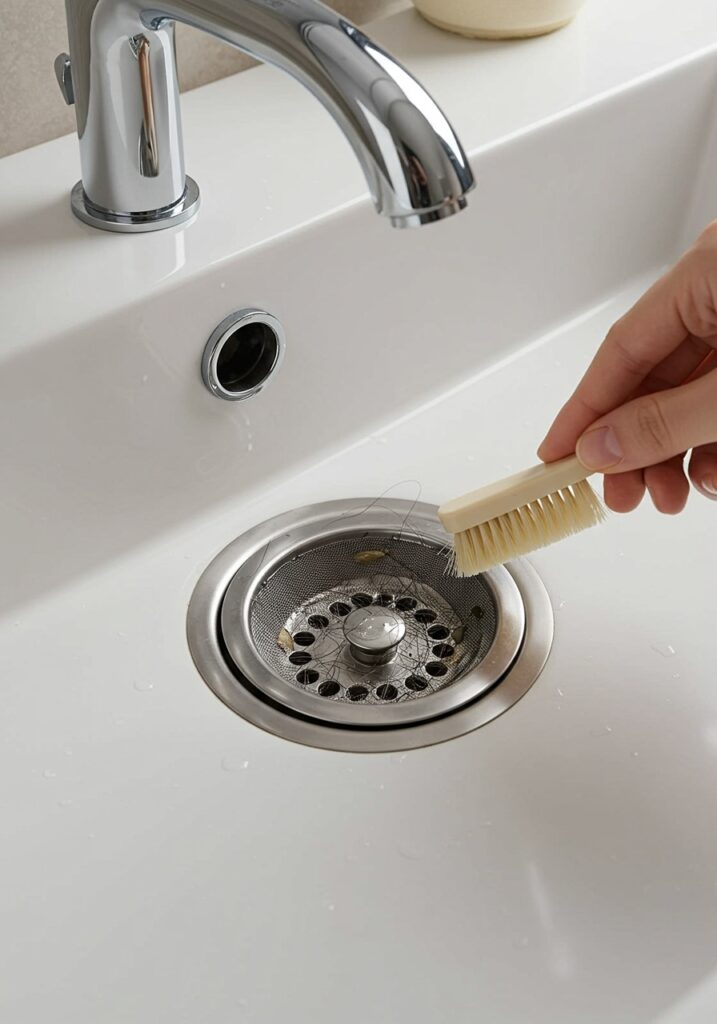
Preventing clogs is easier than fixing them repeatedly. Using a drain strainer helps catch hair and debris before they enter the pipes. Avoiding thick substances and rinsing the sink with hot water regularly reduces buildup. Monthly cleaning with baking soda and vinegar keeps pipes clear. Periodically checking and cleaning the P-trap also prevents major blockages. These simple habits help maintain smooth drainage and reduce the need to unclog a bathroom sink in the future.
When to Call a Pro

Some drainage issues require professional attention. If water backs up into other fixtures, unpleasant odors persist, or drainage remains slow after multiple attempts, the problem may be deeper in the plumbing system. Gurgling sounds can also indicate serious blockages or venting issues. In these cases, a licensed plumber has the tools and experience needed to resolve the issue safely and effectively.
Bonus Tips: Quick Fixes and What to Avoid

Certain quick fixes can help with minor clogs. Pouring boiling water can dissolve soap residue, while a wet or dry vacuum may remove surface blockages. A straightened wire hanger can help pull hair from the drain opening. However, harsh chemical cleaners should be avoided because they can damage pipes and harm the environment. Grease, coffee grounds, and excessive force during plunging should also be avoided to prevent long-term damage.
Wrapping It Up: You’ve Got This!
Learning how to unclog a bathroom sink empowers homeowners to handle common plumbing issues confidently. From basic plunging and natural cleaners to cleaning the P-trap and using a drain snake, these methods cover most clog situations. Taking a calm, step-by-step approach makes the process manageable and effective. With regular maintenance and quick action, sink clogs become less frequent and far less stressful to deal with.
Conclusion
A clogged sink can be frustrating, but most issues are simple to handle with the right approach. Learning how to unclog a bathroom sink using basic tools and natural methods helps maintain smooth drainage and prevents costly plumbing calls. Regular care, quick action, and understanding common clog causes make bathroom sink problems far easier to manage over time.
FAQ,s
What is the most common cause of bathroom sink clogs?
Hair mixed with soap residue is the most common reason homeowners need to unclog a bathroom sink.
Can I unclog a bathroom sink without chemicals?
Yes, methods like plunging, baking soda with vinegar, and cleaning the P-trap are effective and safe.
How often should I clean my bathroom sink drain?
Light cleaning monthly and deeper cleaning every few months helps prevent clogs.
Is boiling water safe for bathroom sinks?
Occasional hot water flushing is helpful, but extreme boiling water should be used carefully with older pipes.
When should I stop trying to unclog a bathroom sink myself?
If multiple attempts fail or water backs up into other drains, professional help is recommended.