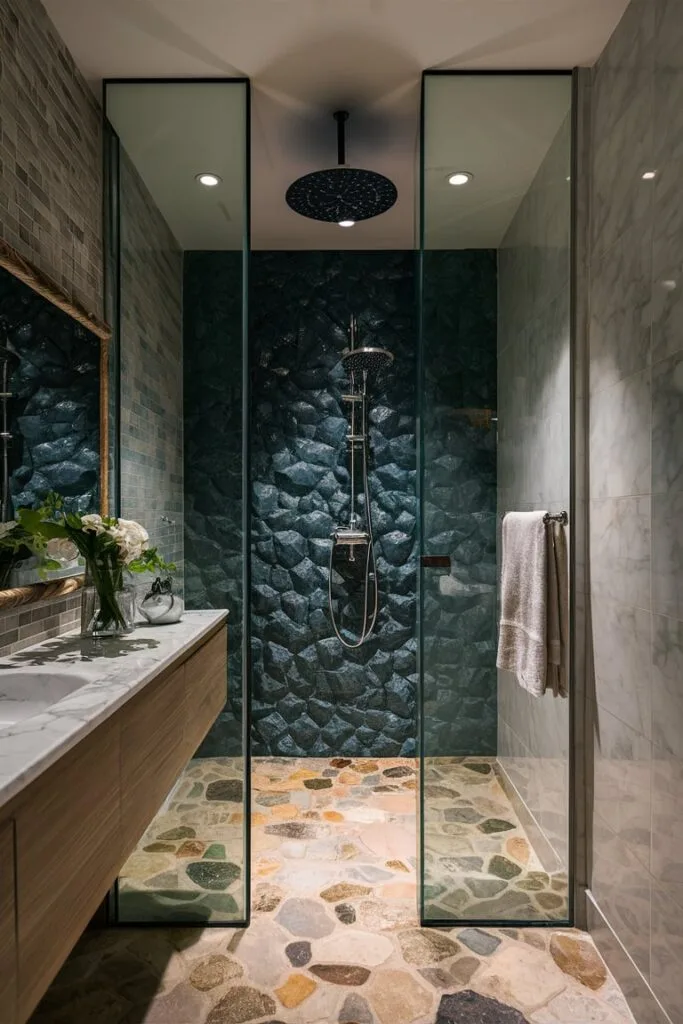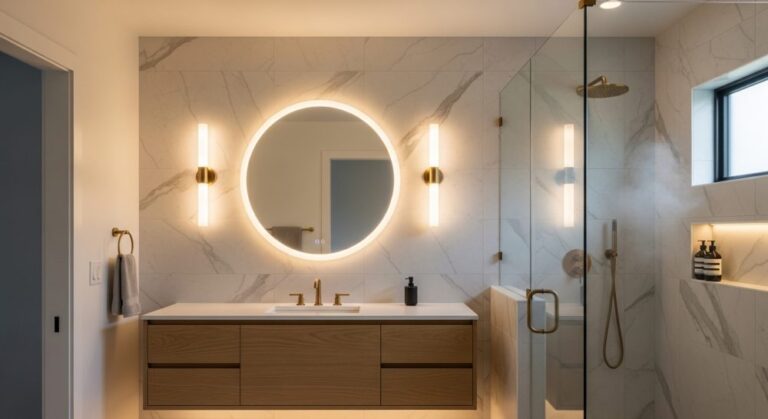
When I started looking into Bathroom Vanity Ideas, I realized how much this one piece can change the entire feel of a bathroom. It’s not just about a sink—it affects storage, organization, and even how smooth my mornings go. A well-planned vanity can save time, reduce clutter, and make the space feel more put together.
Introduction: Let’s Vanity-Chat!
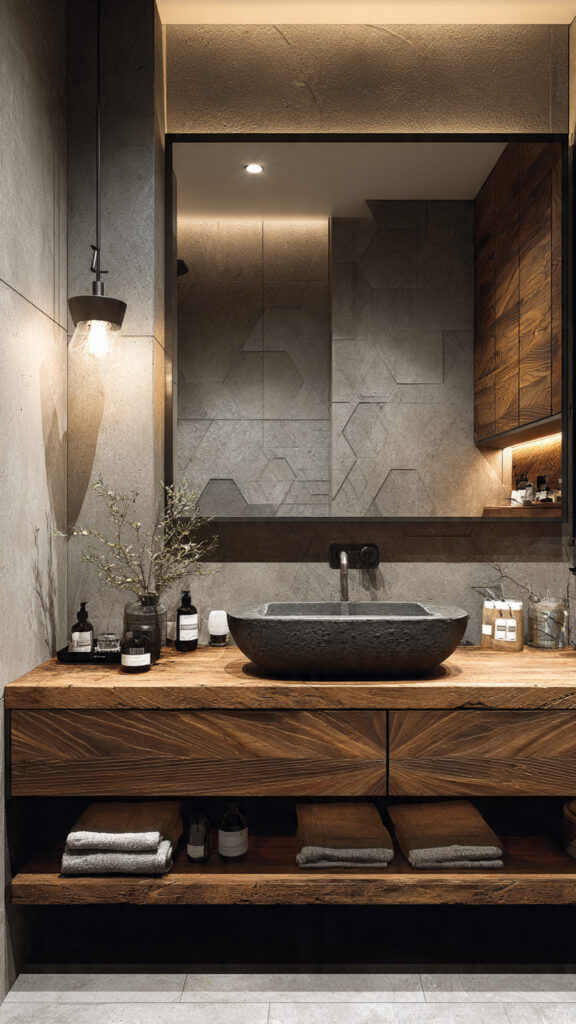
From what I’ve seen, bathrooms with updated vanities can increase perceived home value by up to 10–15%. That’s a big impact for a single upgrade. In this guide, I’m sharing practical vanity ideas that I’ve explored and found useful, whether you’re working with a small bathroom or designing a master space.
Right after going through all these options, I noticed one thing clearly—there’s no one-size-fits-all. The best vanity depends on your space, routine, and style preference.
Key Takeaways
I’ve learned that choosing the right vanity is about balancing style and function. Floating vanities help small spaces feel bigger, while double sinks improve shared routines. Vintage and farmhouse styles add personality, and minimalist designs reduce clutter.
Adding features like open shelving or vessel sinks can improve both accessibility and visual appeal. If budget allows, custom-built vanities offer the best long-term value. Small upgrades like lighting, hardware, and colors can also make a noticeable difference without a full remodel.
Floating Vanities: Space-Saver Magic
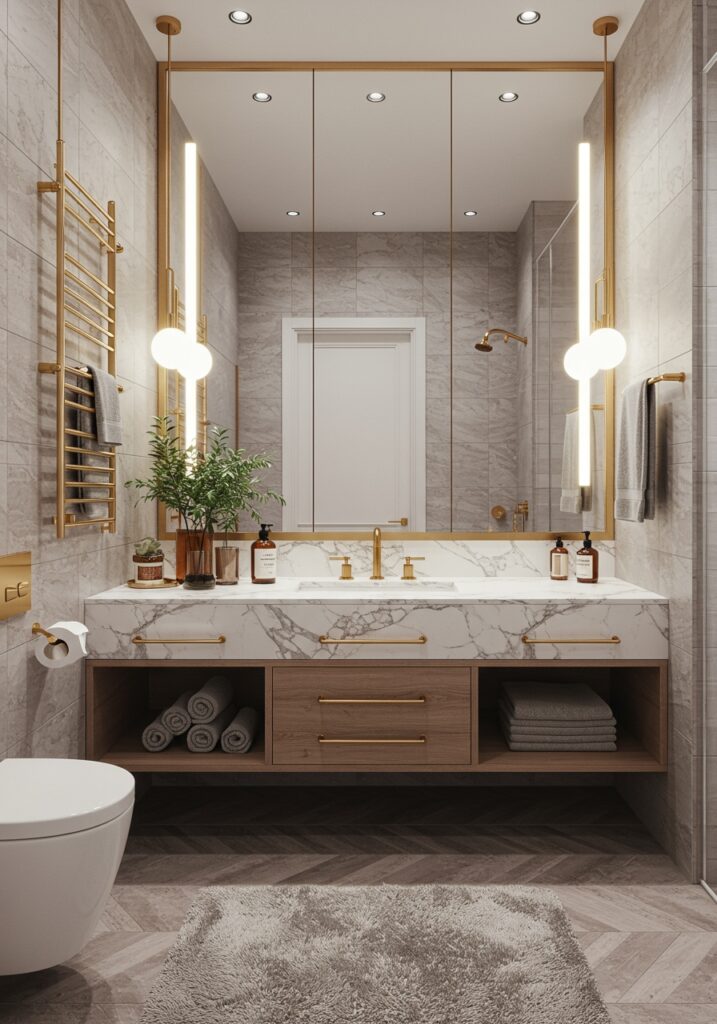
When I first considered floating vanities, I was mostly thinking about style—but the space-saving benefit surprised me the most. By keeping the floor visible, the bathroom instantly feels larger, especially in compact layouts.
I also found cleaning much easier since there are no corners or base cabinets blocking access. This type of vanity works really well if you’re aiming for a modern look with less visual clutter.
Pro tip: I recommend pairing a floating vanity with wall-mounted storage or mirrors to maintain that open feel without losing functionality.
Double Sink Vanities: Sharing Is Caring
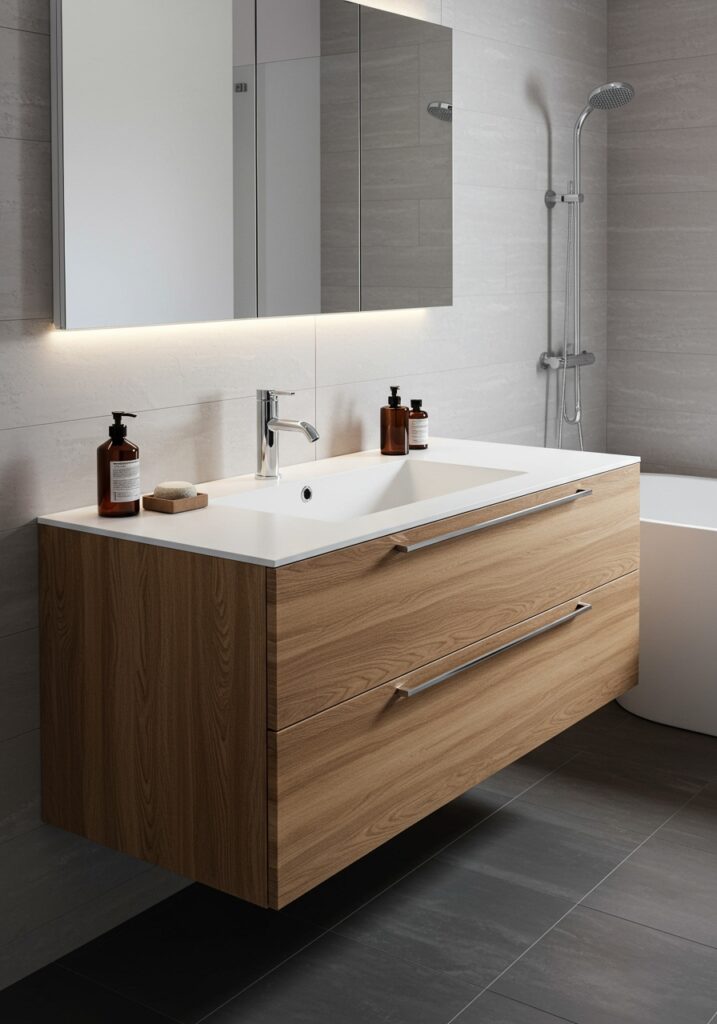
If you share your bathroom, this is one of the most practical Bathroom Vanity Ideas I’ve come across. Having two sinks completely changes the morning routine—no more waiting or adjusting schedules.
From what I’ve seen, double vanities are especially useful for families or couples. Studies even suggest shared spaces with separate zones reduce daily friction and save time.
I always suggest planning extra storage along with this setup, because more users usually mean more items to organize.
Vintage Charm: Repurposed Dressers & Antique Finds
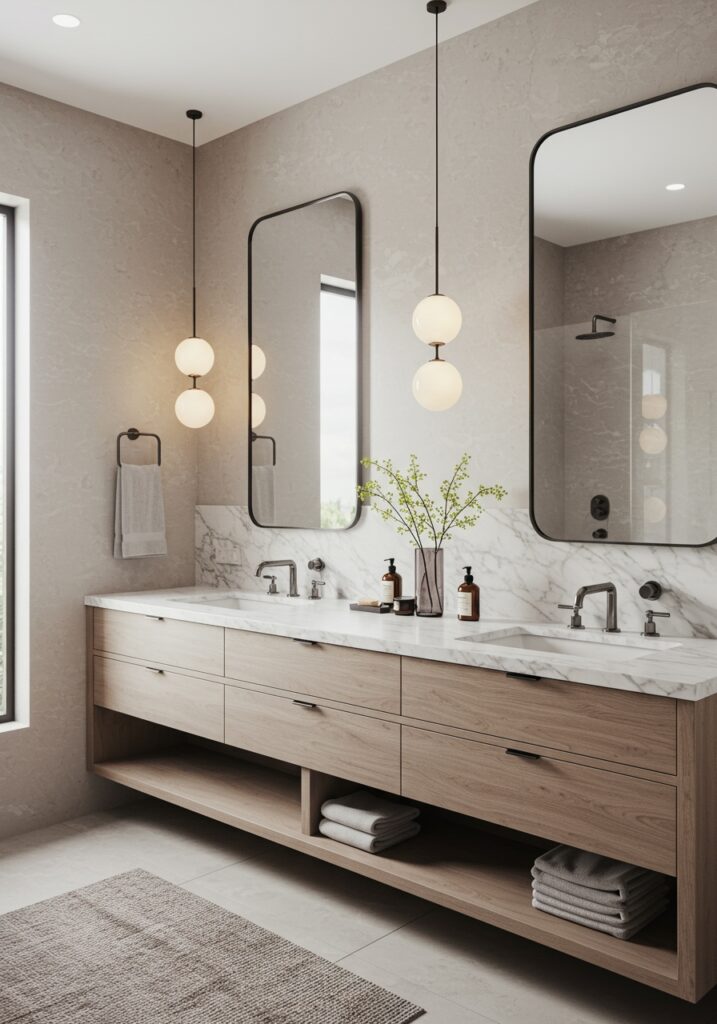
I personally like the idea of using a repurposed dresser as a vanity because it adds character you just can’t get from standard designs. Every piece feels unique, and that makes the bathroom stand out.
Older furniture often has better craftsmanship, especially solid wood pieces that last longer. With proper sealing and plumbing adjustments, these can be both stylish and functional.
One thing I always keep in mind is moisture protection—bathrooms can damage untreated wood quickly, so finishing is key.
Minimalist Marvels: Sleek Simplicity
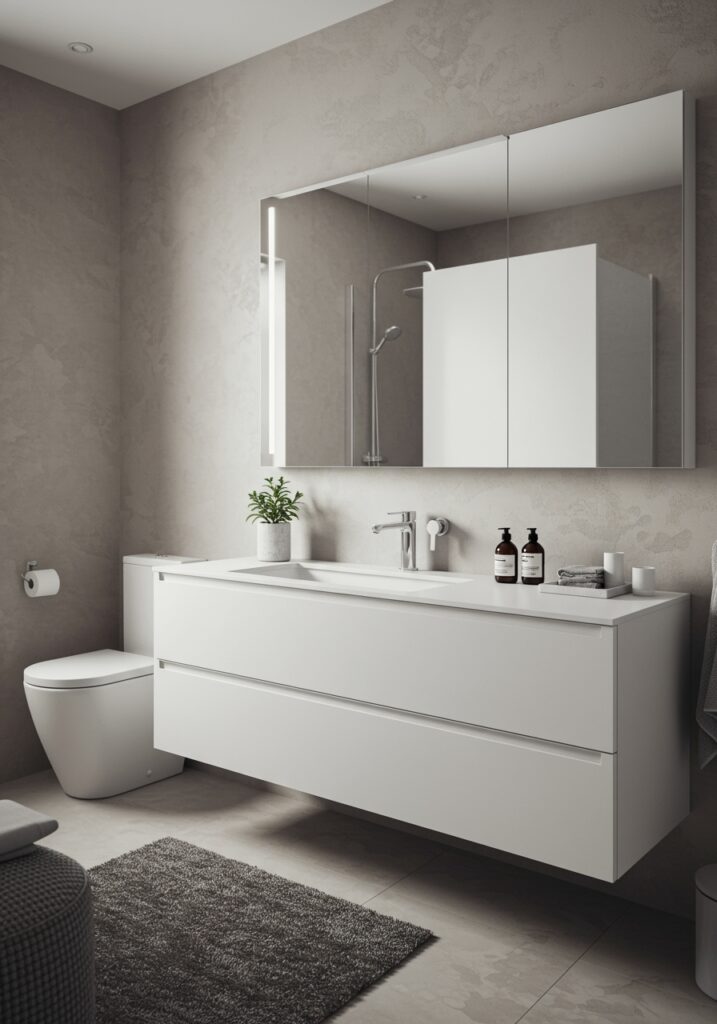
When I want a clean and calm space, minimalist vanities are my go-to choice. They keep everything hidden, which helps reduce visual clutter and makes the bathroom feel more organized.
I’ve noticed that simple designs with neutral colors can make even small bathrooms look more open. According to design trends, minimalism continues to dominate because of its practicality and timeless appeal.
My tip here is to focus on smart storage inside the cabinets so the outside stays clean and uncluttered.
Farmhouse Vibes: Rustic and Relaxed
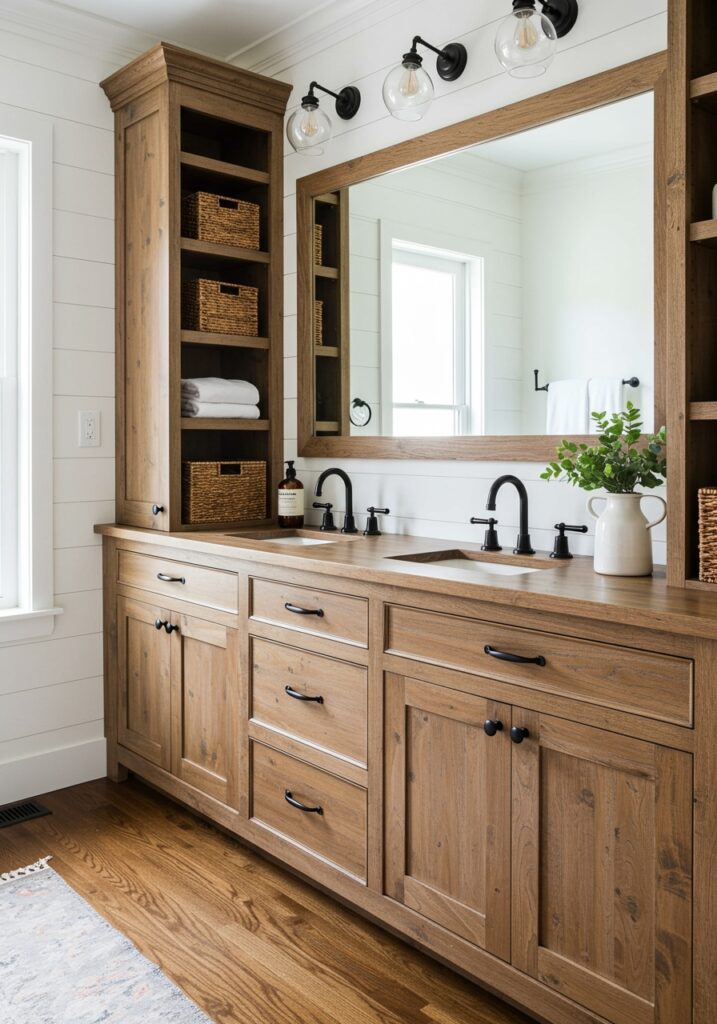
Farmhouse-style vanities bring a warm and comfortable feel that I find really inviting. Natural wood tones and simple finishes make the space feel more relaxed and less sterile.
This style works well if you want a cozy bathroom without spending too much on high-end materials. I’ve seen many affordable options that still give a strong visual impact.
To enhance the look, I usually suggest adding small decor items like baskets or plants to complete the setup.
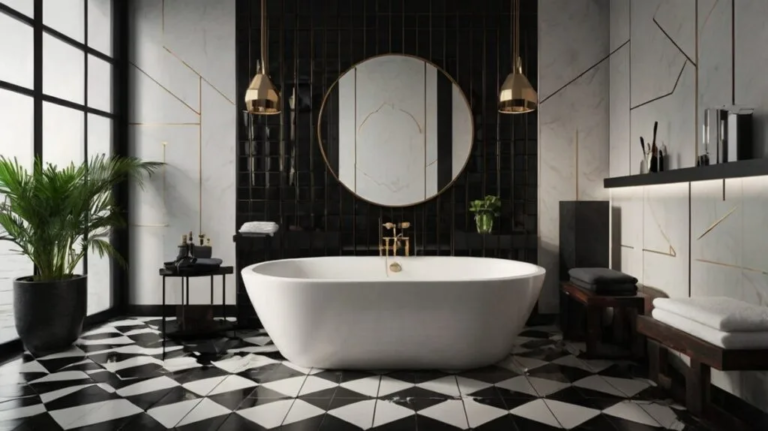
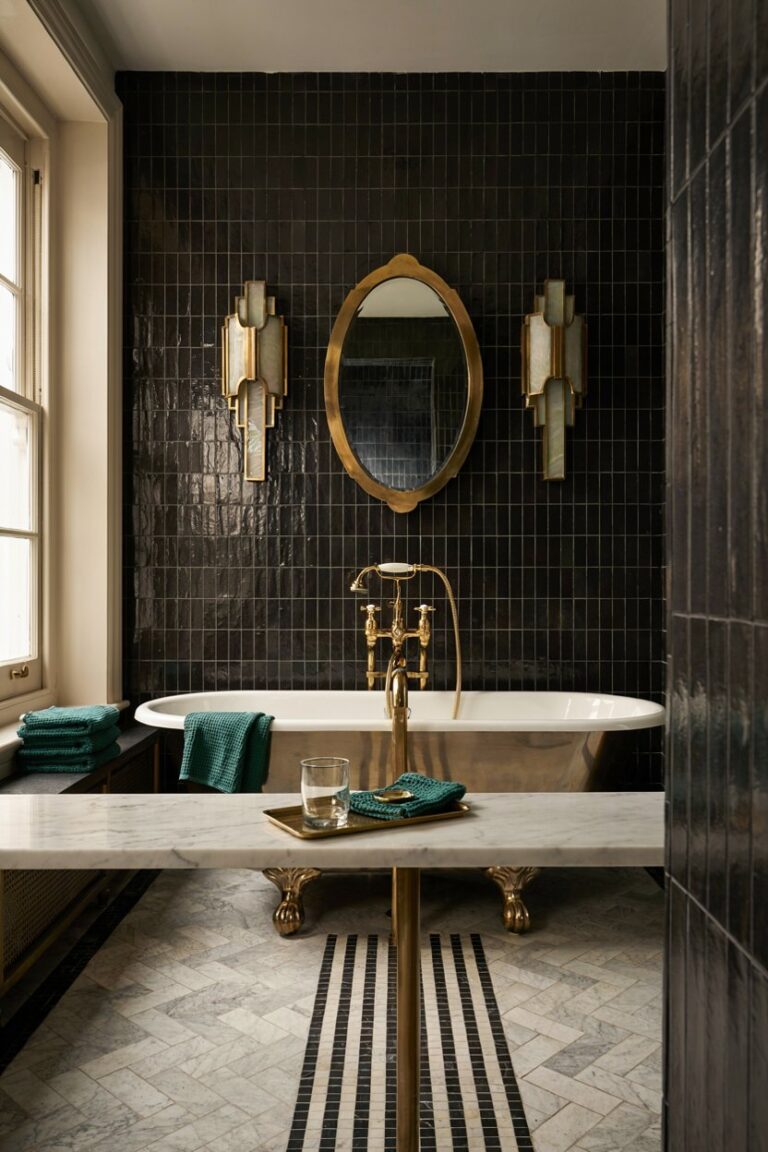
Glam Touches: Marble & Metallic
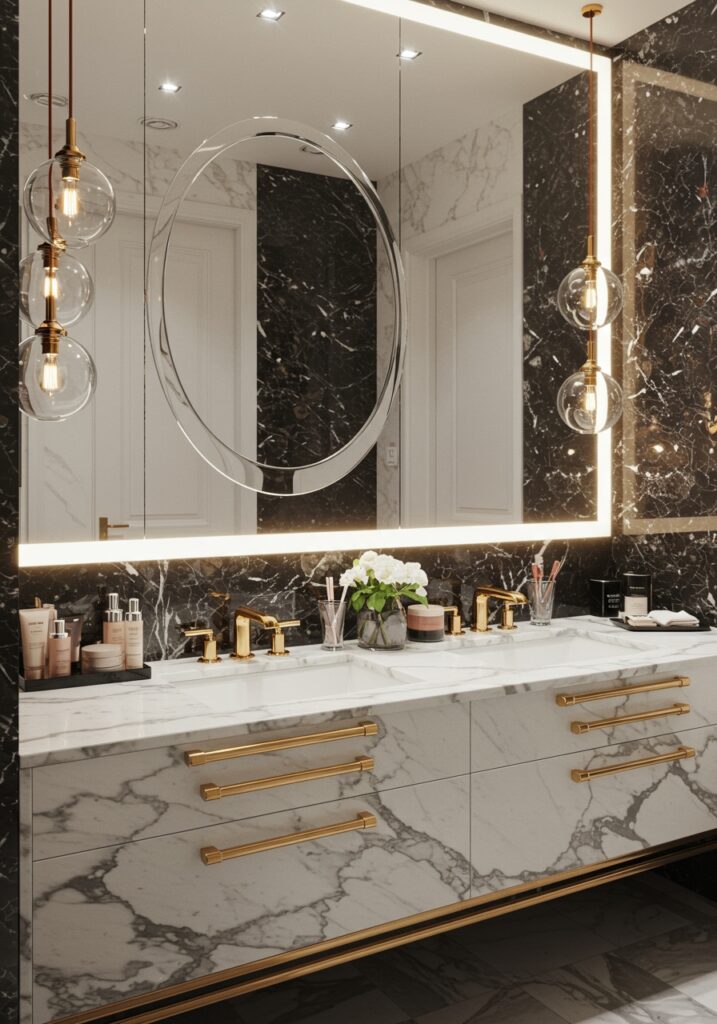
When I want something more premium-looking, I lean toward glam vanity designs. Marble tops and metallic finishes instantly make the bathroom feel more upscale.
Data shows that marble and quartz surfaces are among the most preferred materials for modern bathrooms due to durability and aesthetics. They also reflect light, which helps brighten the space.
I always recommend balancing the shine with neutral tones so the design doesn’t feel overwhelming.
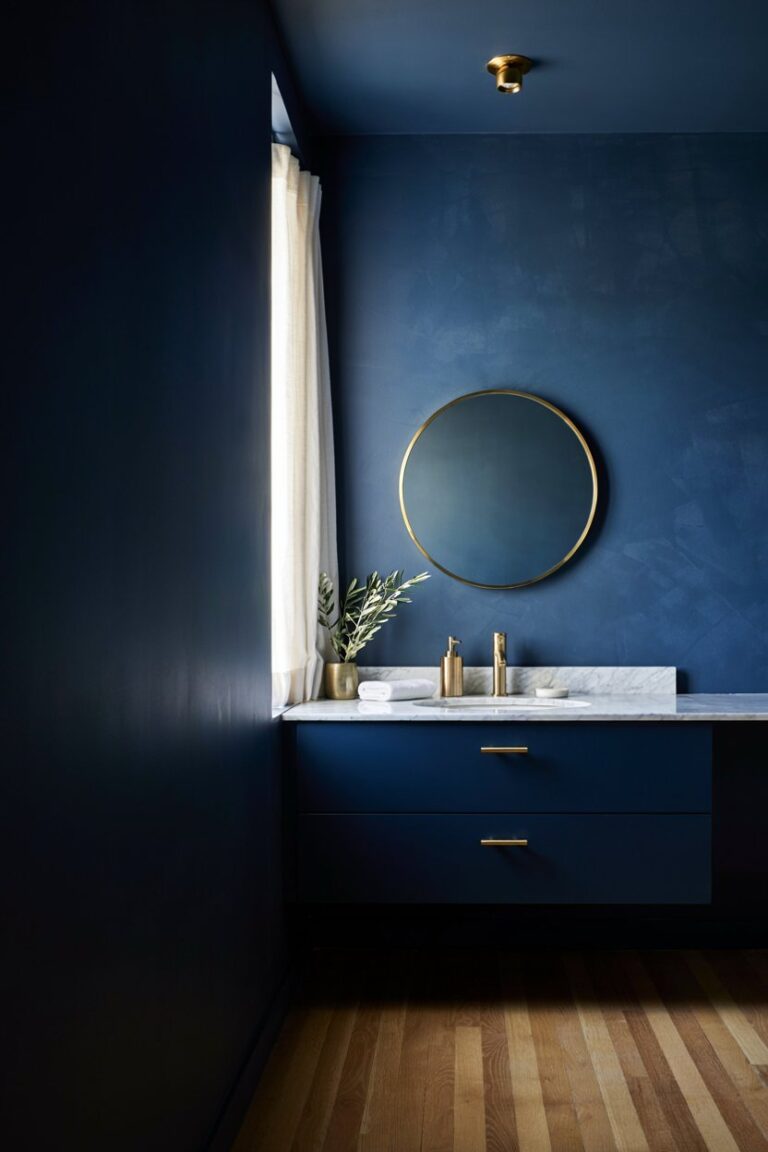
Creative Colors: Make a Statement
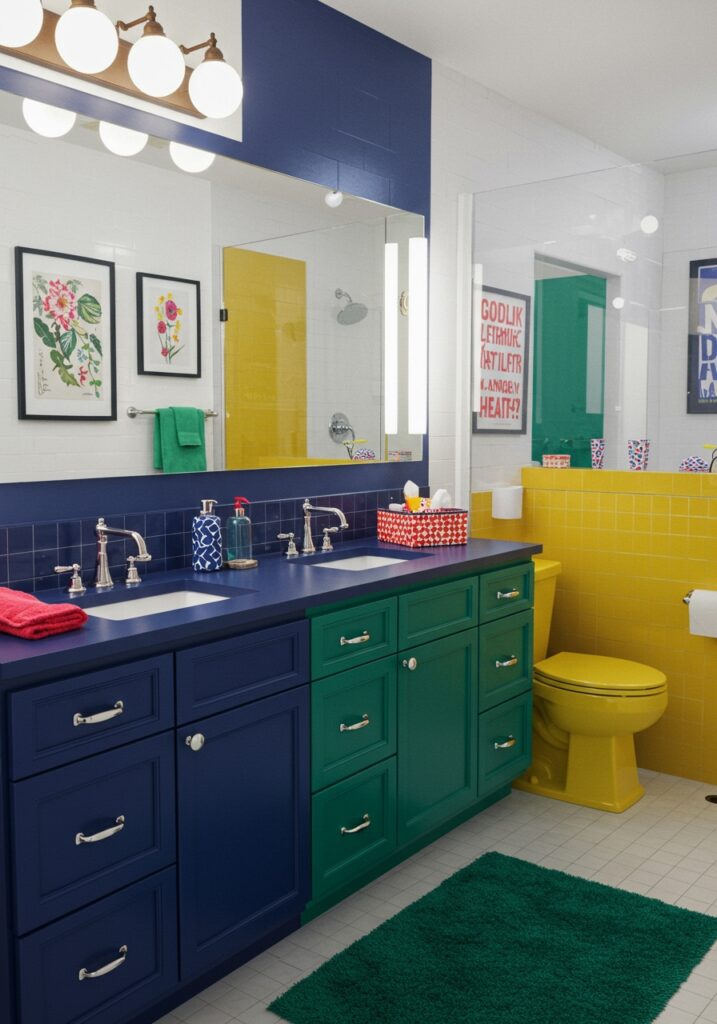
One trend I’ve seen growing fast is using bold colors in vanities. Instead of sticking to white or beige, colors like navy blue or deep green can completely change the mood.
Color psychology plays a role here—cool tones create calmness, while warm shades add energy. I’ve personally found that a colored vanity becomes the focal point of the bathroom.
If you try this, I suggest keeping the rest of the decor simple so the color stands out without clashing.
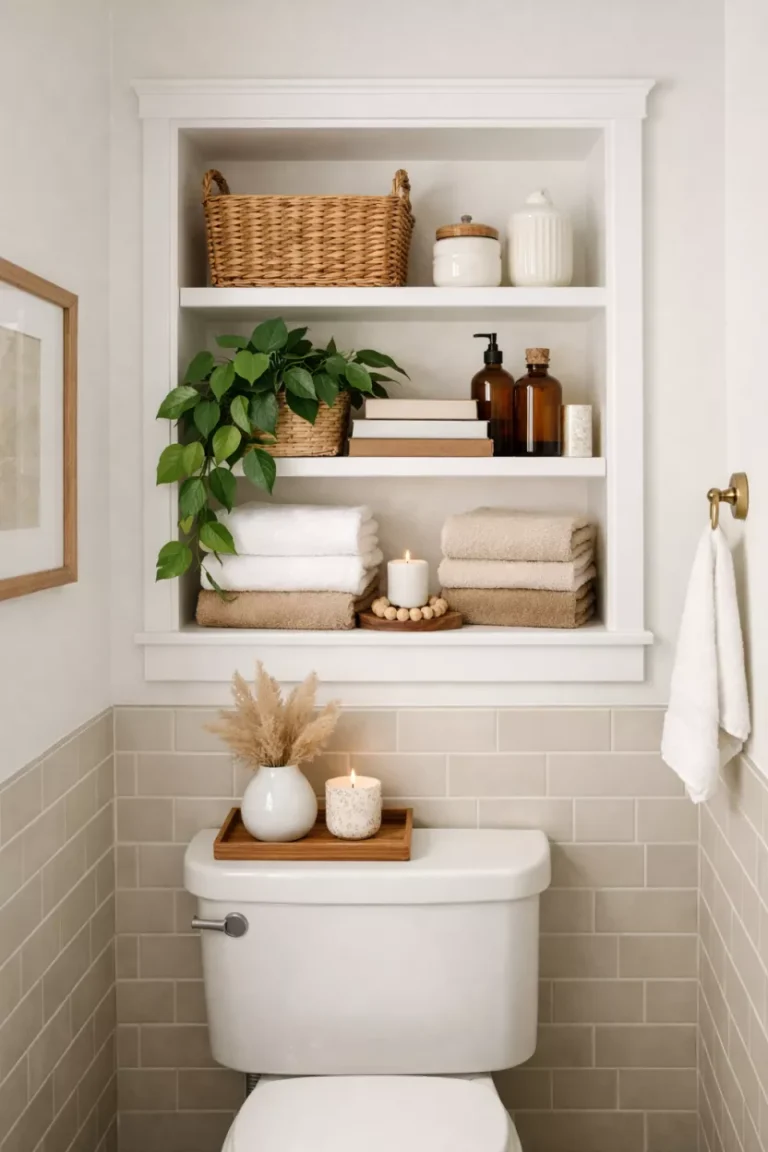
Open Shelving Vanities: Airy & Accessible
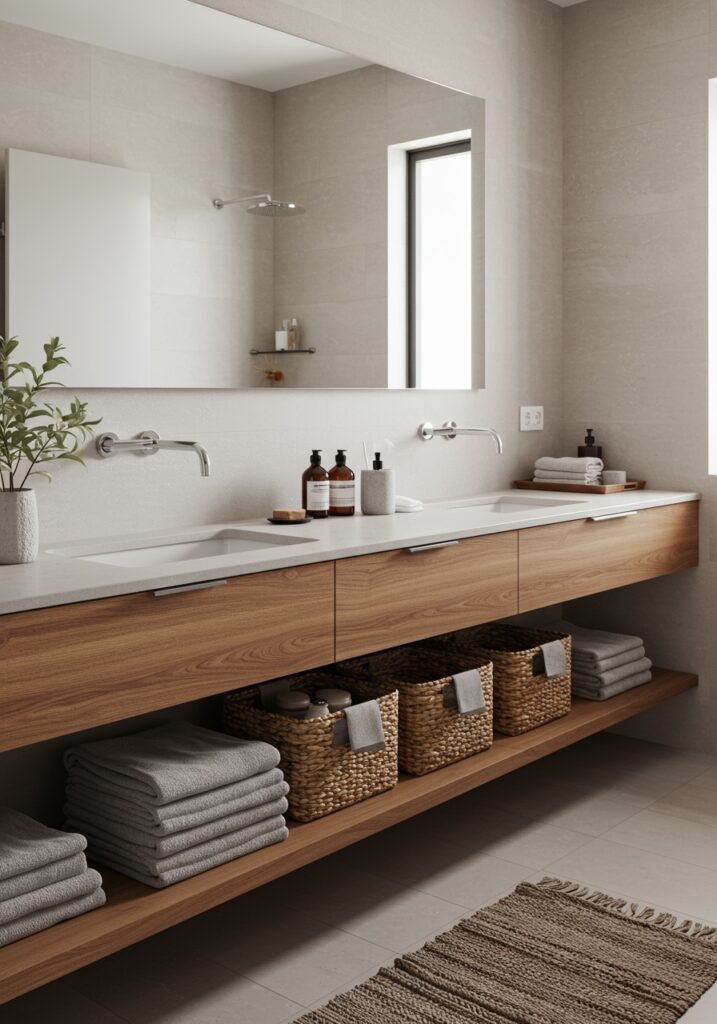
Open shelving is something I’ve tried, and it works really well if you like having everything within reach. It removes the need to open cabinets constantly.
This design is especially useful in smaller bathrooms where bulky cabinets can feel heavy. It keeps the space looking light and open.
One thing I always do is use baskets or containers to keep things organized—otherwise, it can start to look messy quickly.
Vessel Sink Vanities: Modern & Sculptural
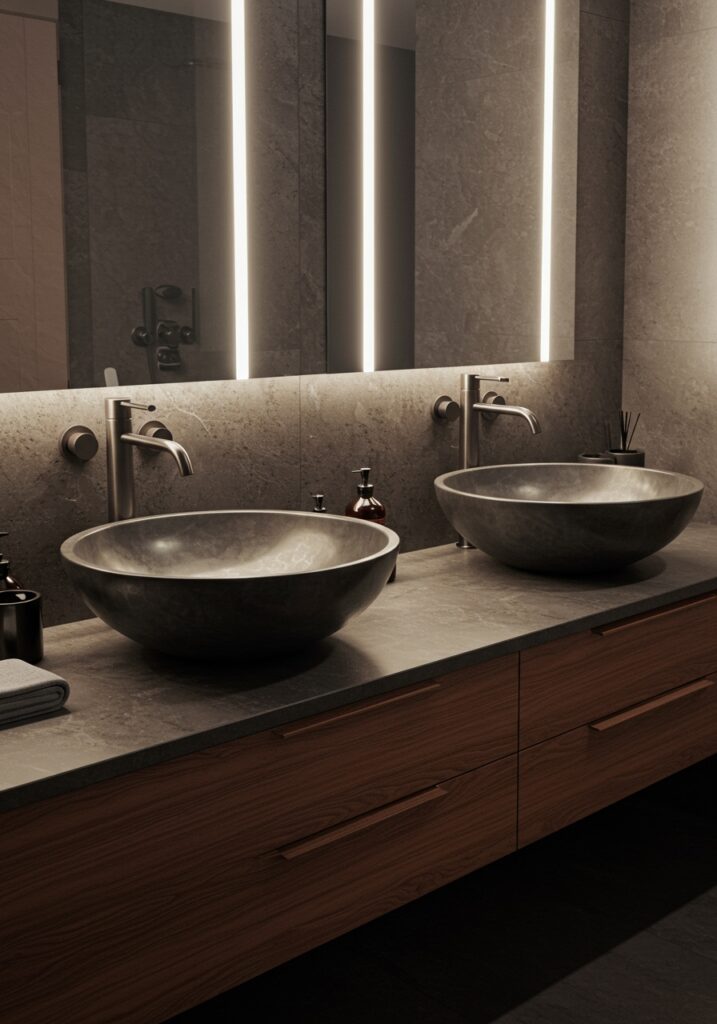
Vessel sinks are one of those Bathroom Vanity Ideas that instantly grab attention. I like how they sit above the counter, giving a more modern and designer look.
They’re also flexible—you can switch out the sink later without replacing the whole vanity. That makes updates easier and more budget-friendly.
I’ve found that they work best in bathrooms where you want a bold, standout feature rather than a subtle design.
Custom-Built Vanities: Tailored to You
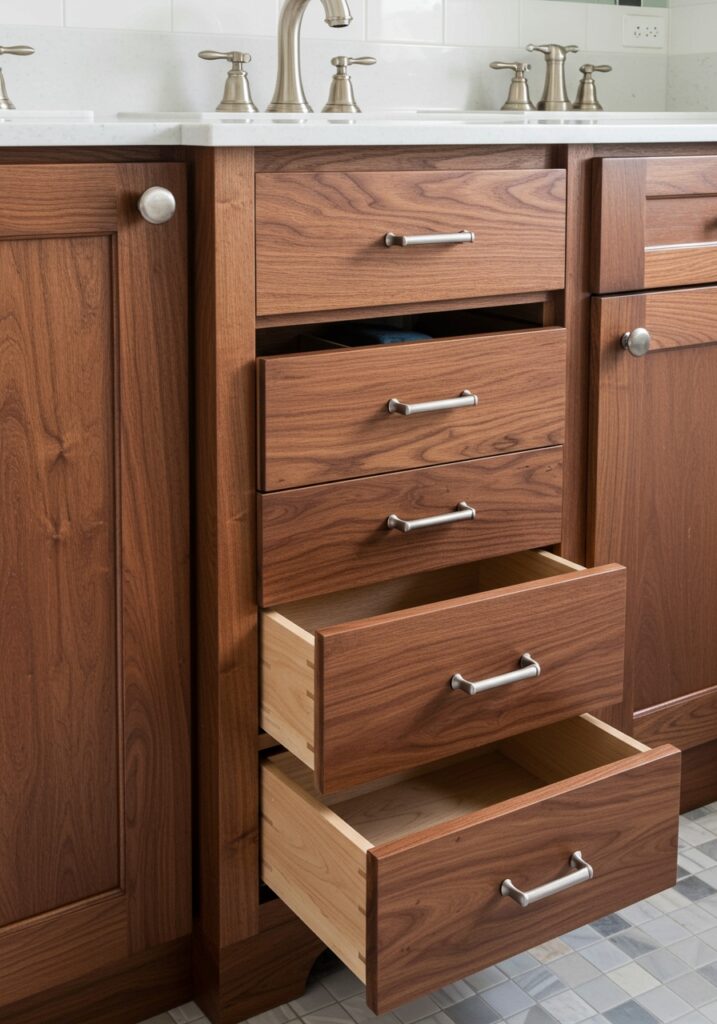
Sometimes standard options just don’t fit, and that’s where custom vanities come in. I’ve seen how useful they are for awkward layouts or specific storage needs.
With custom builds, you control everything—from size to materials to finishes. It’s a higher upfront cost, but often worth it in the long run.
If you’re planning a renovation, I’d suggest considering custom options early so you can design the space around your needs.
Vanity Upgrades—Bonus Tips for Wow Factor!
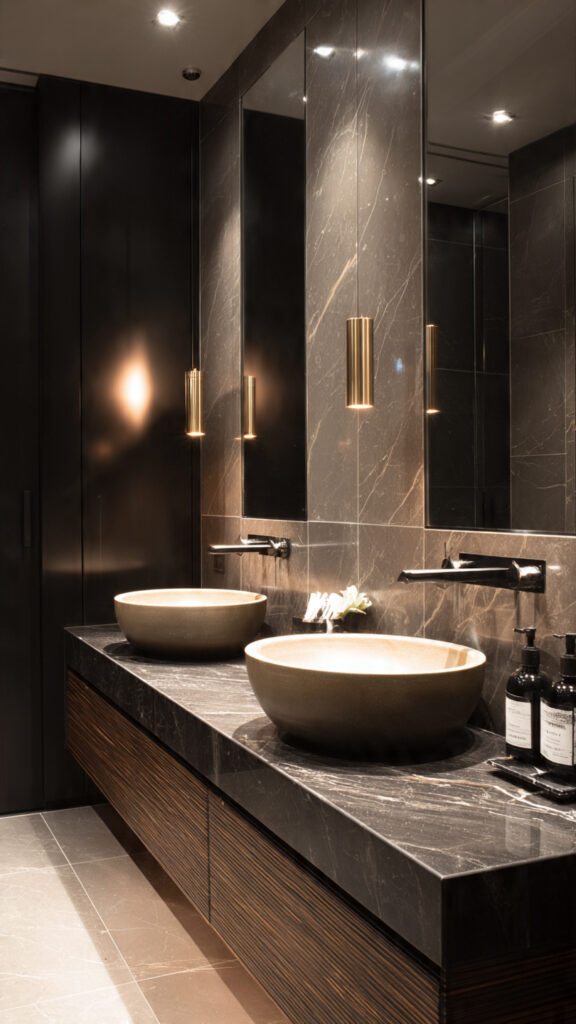
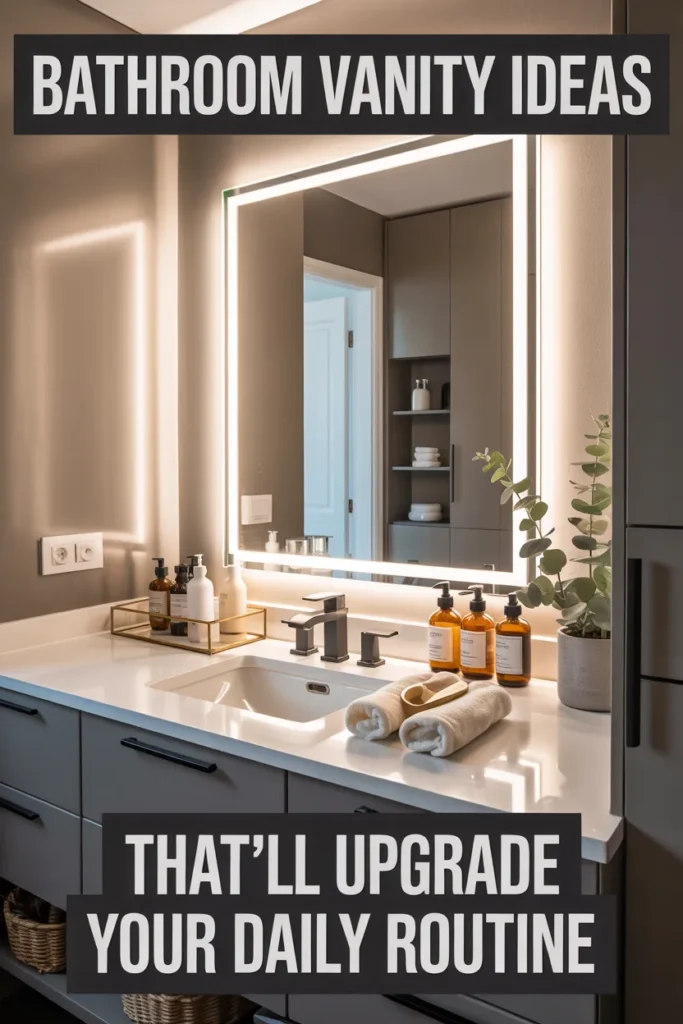
From my experience, small upgrades can make a big difference without replacing the entire vanity. Lighting is one of the most important—I always recommend layering mirror lights with overhead lighting.
Adding plants can improve air quality and reduce moisture issues. Even simple decor changes like updating hardware or adding a new mirror can refresh the space.
A well-thought-out setup doesn’t always need a big budget—just smart choices.
Conclusion: Ready to Transform?
I used to overlook vanities, but after exploring different Bathroom Vanity Ideas, I realized how important they are. They shape both the look and functionality of the bathroom.
No matter your style—modern, rustic, or bold—there’s an option that can fit your needs. The key is to focus on how you use the space daily and choose accordingly.
If you’re planning an upgrade, start with the vanity. It’s one decision that can improve your routine every single day.
FAQs
What are the best Bathroom Vanity Ideas for small bathrooms?
From what I’ve seen, floating vanities and open shelving work best in small spaces. They keep the floor visible and reduce visual clutter, which makes the room feel bigger. I also prefer lighter colors because they reflect more light and create an airy look.
How do I choose the right bathroom vanity size?
I always measure the available space first and leave at least 30–36 inches for movement. A vanity that’s too big can make the bathroom feel cramped. Standard widths range from 24 to 72 inches, so I pick one that balances storage and walking space.
Are double sink vanities worth it?
In my experience, they’re absolutely worth it if two people use the bathroom regularly. They save time and reduce daily stress. However, I only recommend them if you have enough space, otherwise they can make the layout feel tight.
Which material is best for a bathroom vanity?
I usually go for materials that handle moisture well, like plywood, MDF with laminate, quartz, or marble tops. Solid wood looks great but needs proper sealing. Quartz is my top choice because it’s durable and low maintenance.
How can I make my bathroom vanity look expensive on a budget?
I’ve found that small upgrades make a big difference. Changing hardware, adding better lighting, and using a stylish mirror can instantly elevate the look. Even painting the vanity in a bold or neutral tone can give it a high-end feel.
What is the most popular vanity style right now?
Based on current trends, minimalist and floating Bathroom Vanity Ideas are leading. People want clean designs with hidden storage. I’m also seeing a rise in bold-colored vanities and natural wood finishes.
Should I choose open shelving or closed cabinets?
It depends on your habits. I prefer closed cabinets for a clean look and less maintenance. Open shelving looks great but needs regular organization. If you like easy access and styling decor, open shelves can work well.
How much should I budget for a bathroom vanity?
From what I’ve seen, a basic vanity can start around $200–$500, while mid-range options go up to $1,500. Custom vanities can cost $2,000 or more. I always suggest setting a budget based on how long you plan to use it.
Can I install a bathroom vanity myself?
If it’s a simple replacement, I think DIY is possible with basic tools. But for plumbing adjustments or custom setups, I prefer hiring a professional. Mistakes can lead to leaks, which are costly to fix.
How do I maintain and clean my vanity?
I keep it simple—wipe surfaces regularly with mild cleaners and avoid harsh chemicals. For stone tops like marble, I use sealants to prevent stains. Regular cleaning helps maintain both appearance and durability.
Many of the ideas I share are inspired by real-life experimentation. I often test décor concepts in my own living spaces and explore practical ways they can be applied in everyday homes. I also gather insights from working with homeowners who want to improve the comfort, beauty, and functionality of their spaces.
I share practical ideas for improving living rooms, bedrooms, and overall home aesthetics using simple design principles.
I explore creative ways to upgrade outdoor spaces including patio décor, small backyard styling, and relaxing outdoor setups.
I provide ideas for kitchen organization, décor accents, and functional layouts that make kitchens more beautiful and practical.
The concepts shared here are based on ideas I have personally experimented with or studied through real home décor improvements.