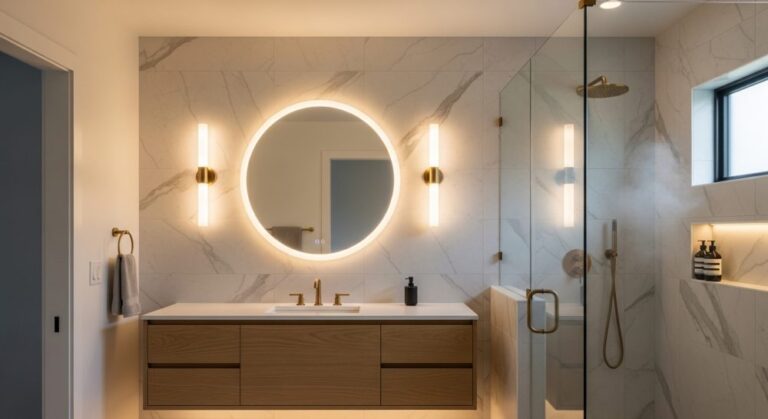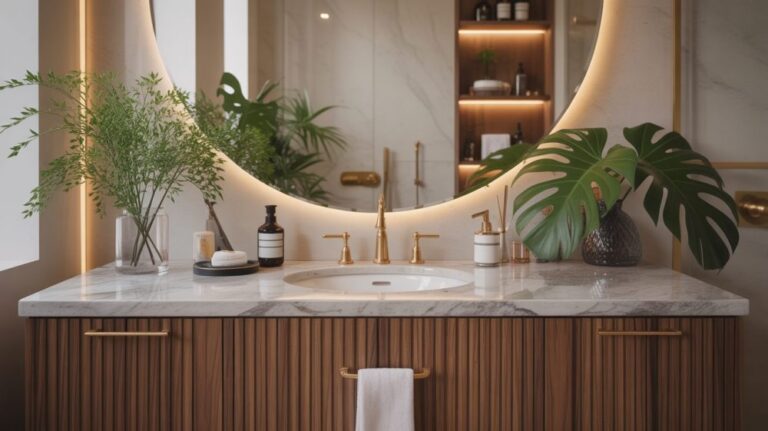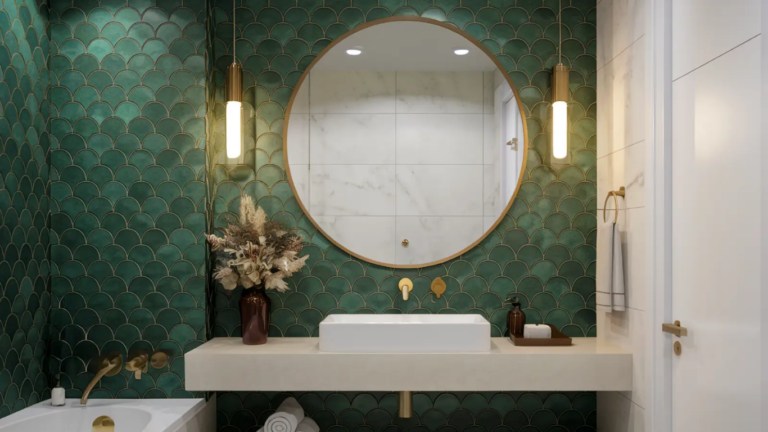
When I first looked into upgrading my bathroom, freestanding tubs immediately caught my attention. They look premium and relaxing, but I realized there’s more to them than just aesthetics. After researching designs, costs, and real user experiences, I found that they can completely change a bathroom—but only if the space and setup are right.
In this guide, I’m sharing the real Pros and Cons of Freestanding Tub Ideas based on practical insights, not just trends. I’ll walk through what actually works, what doesn’t, and what you should consider before making a decision. Freestanding tubs offer flexibility, comfort, and strong visual appeal, but they also come with higher costs and space requirements.
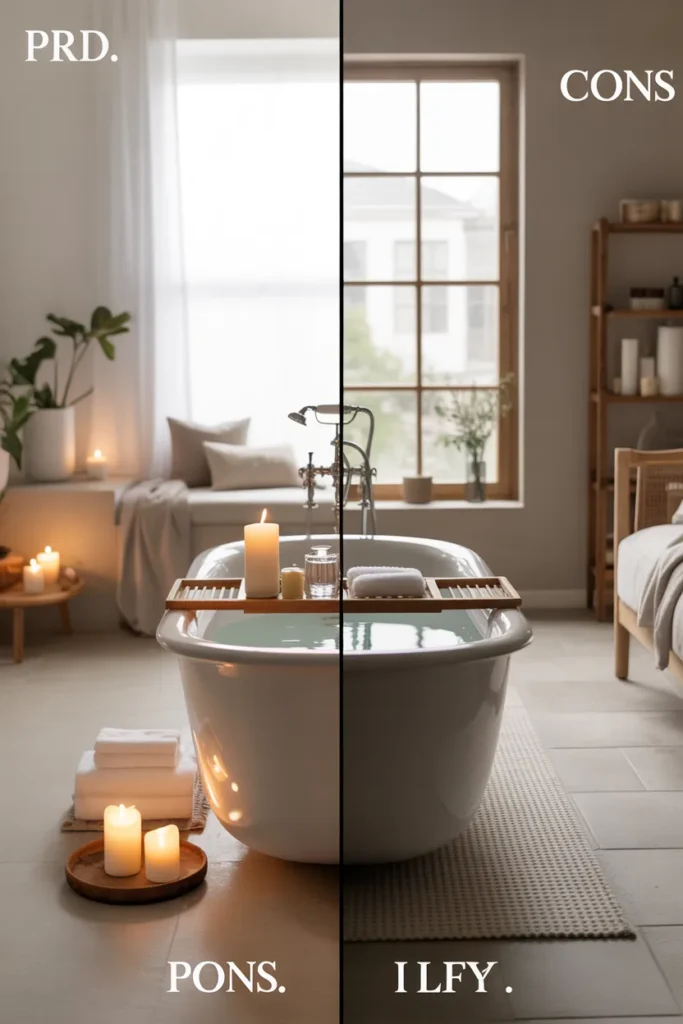
Key Takeaways
Freestanding tubs can increase perceived home value by up to 10–15%
They require more open space and are better for medium to large bathrooms
Installation costs are often 20–40% higher than built-in tubs
Material choice impacts durability, weight, and heat retention
They look great but lack built-in storage and may cause splashing
8 Pros of Freestanding Tub Ideas
Elegant Aesthetic Appeal
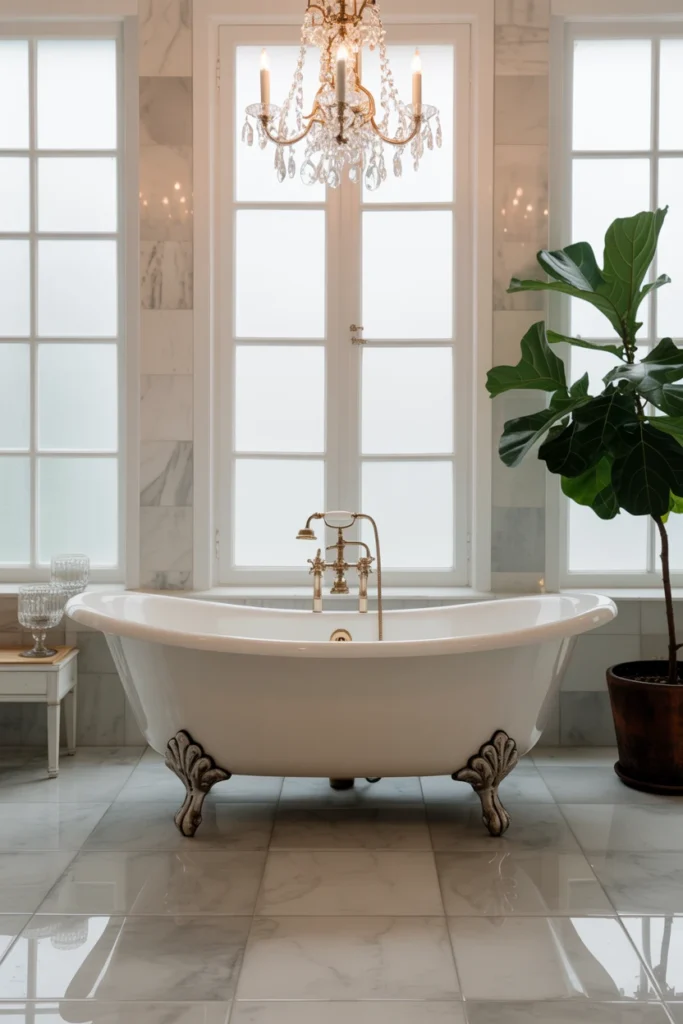
From what I’ve seen, freestanding tubs instantly upgrade the look of a bathroom. They become the focal point and give a spa-like feel without needing too many extra elements.
Many design insights show that luxury bathroom features can increase buyer interest. Even a simple tub design can make the space feel more high-end.
Pro Tip: I always place the tub where it’s visible right when entering the bathroom to maximize its impact.
Space Efficiency
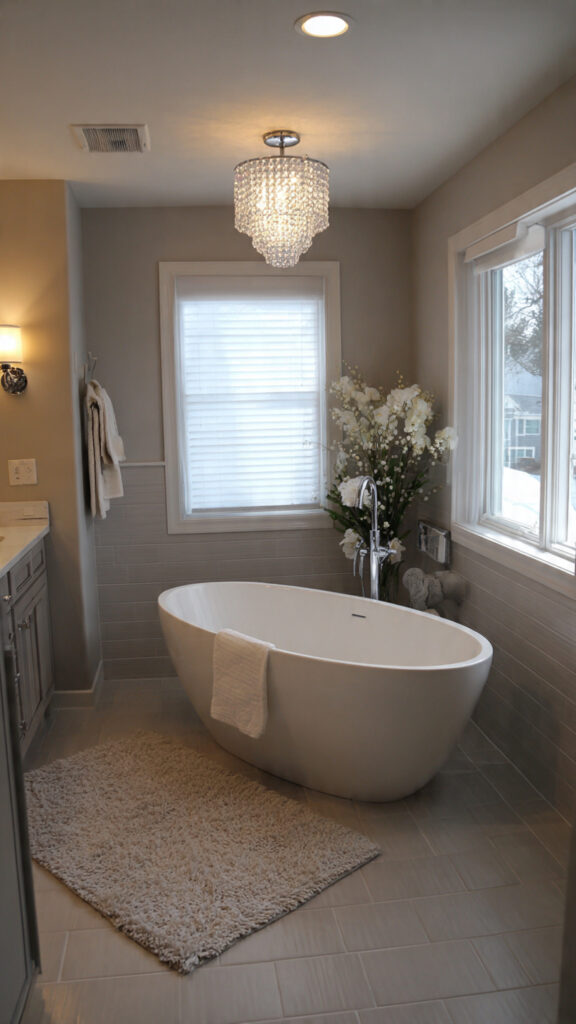
At first, I thought these tubs would waste space, but in larger bathrooms, they actually improve layout flexibility. Since they are not fixed to walls, I can position them in a way that improves movement and flow.
This works well in open designs where I want the bathroom to feel less crowded and more balanced.
Ease of Cleaning
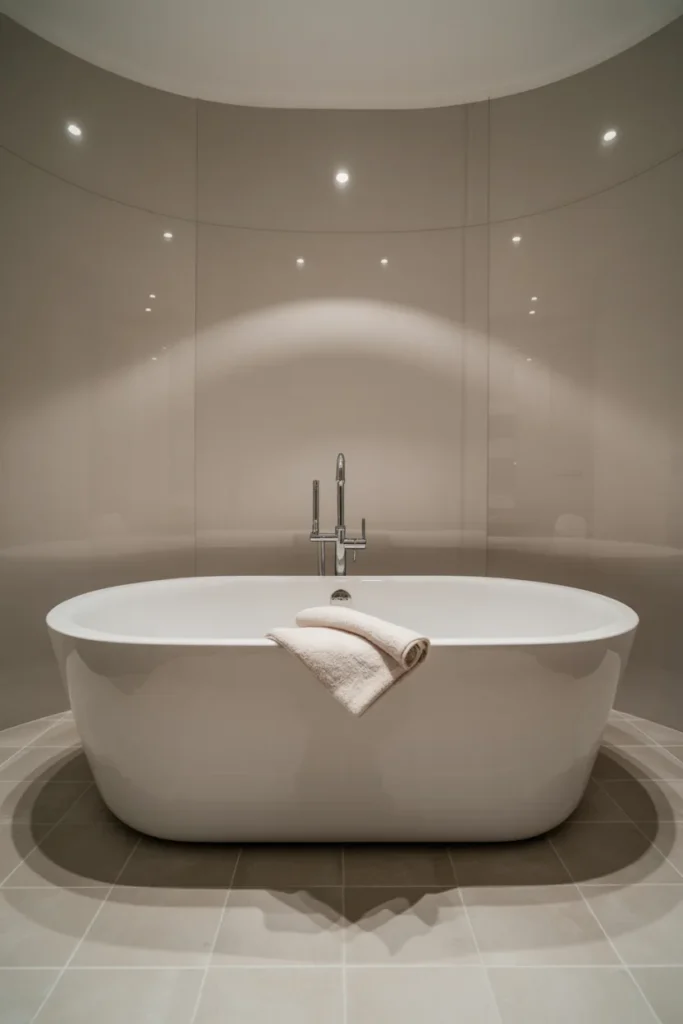
One thing I like is how easy it is to clean around the tub. There are fewer tight corners where dirt and moisture collect.
In humid conditions, this helps reduce mold buildup, which is a common bathroom issue many people deal with.
Pro Tip: I leave a small gap around the tub so I can easily clean all sides.
Comfortable and Spacious
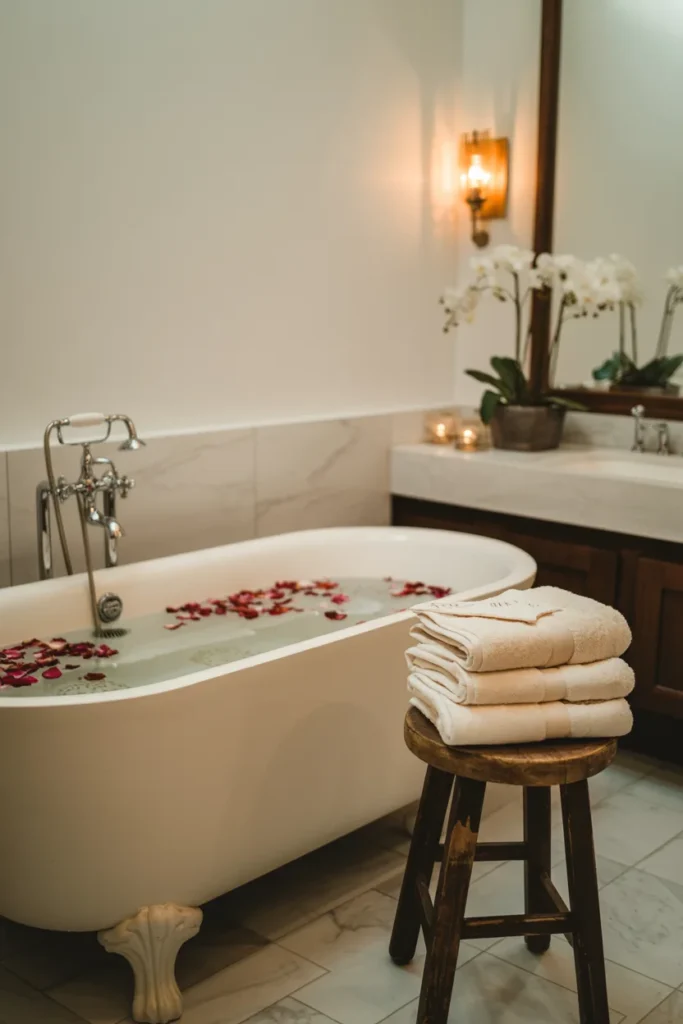
Most freestanding tubs offer deeper soaking compared to traditional tubs. I’ve noticed that this makes a big difference in comfort.
A deeper soak can help relax muscles and improve overall comfort after a long day. Some designs also support the back and neck better.
Increased Home Value
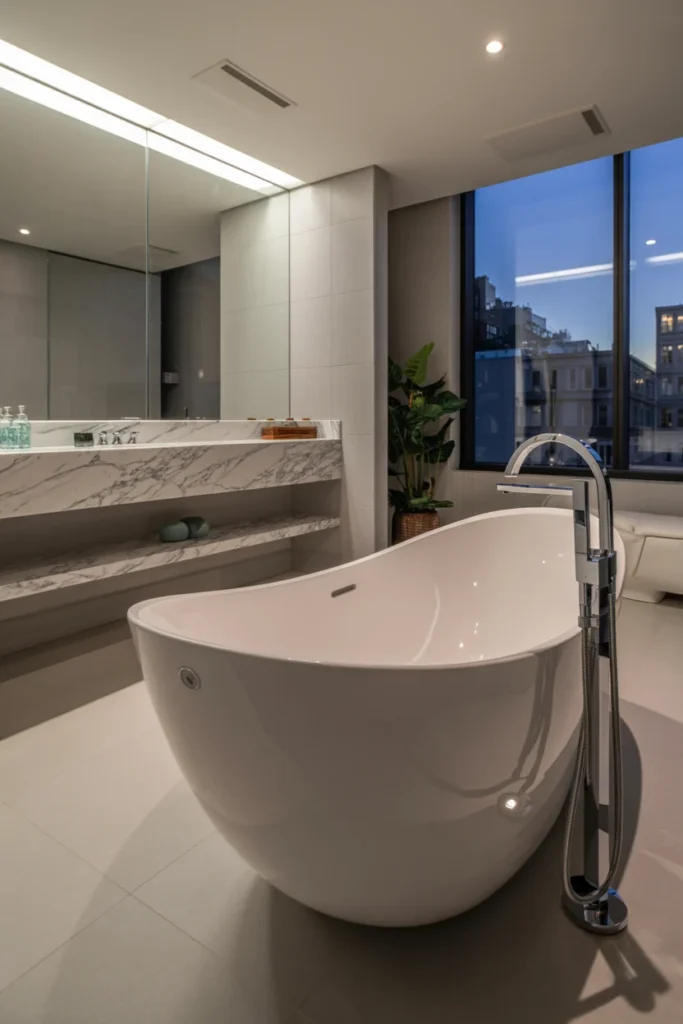
Adding a freestanding tub can improve how buyers see your home. It’s often viewed as a luxury upgrade rather than a basic feature.
In many cases, bathroom upgrades can return around 60–70% of the investment depending on the market.
Variety of Designs
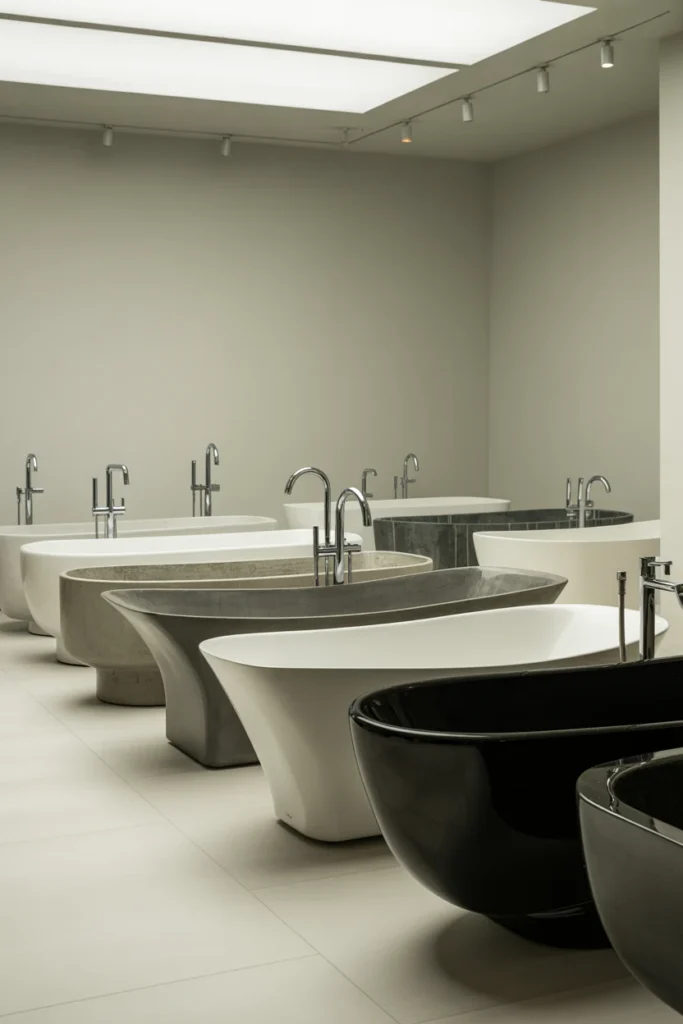
I found a wide range of styles, from modern to classic. Materials like acrylic, stone, and cast iron give different looks and benefits.
This makes it easier to match the tub with the overall design of the bathroom without compromising style.
More Room for Other Bathroom Fixtures
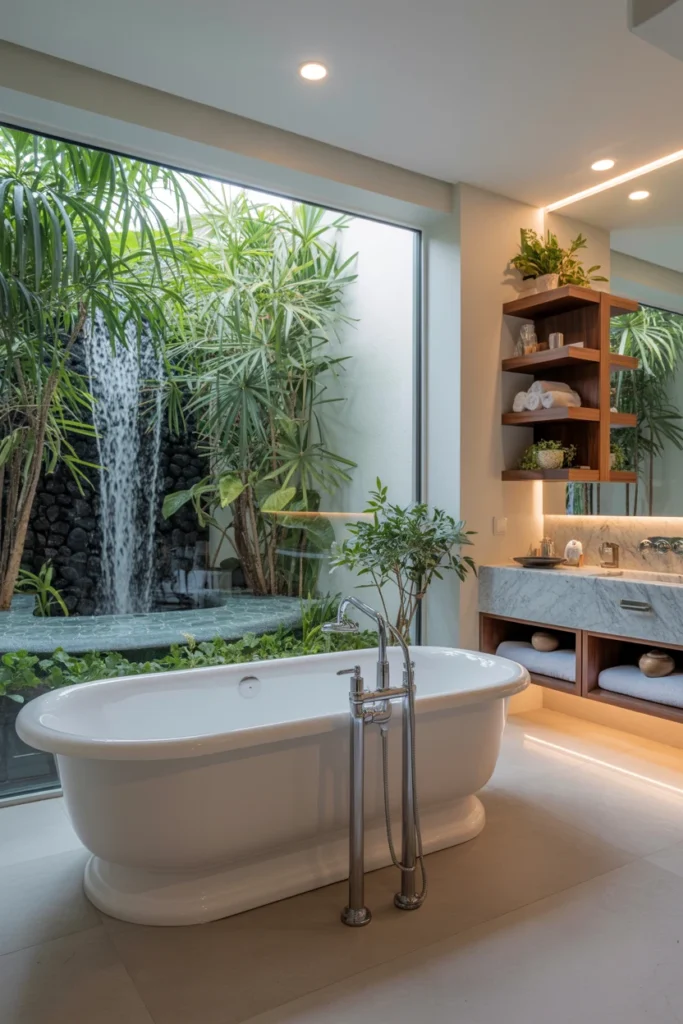
In some layouts, removing a built-in tub can free up space for better features. I’ve seen bathrooms where this allowed for larger showers or better storage solutions.
It depends on planning, but the flexibility can improve the overall layout.
Customization Options
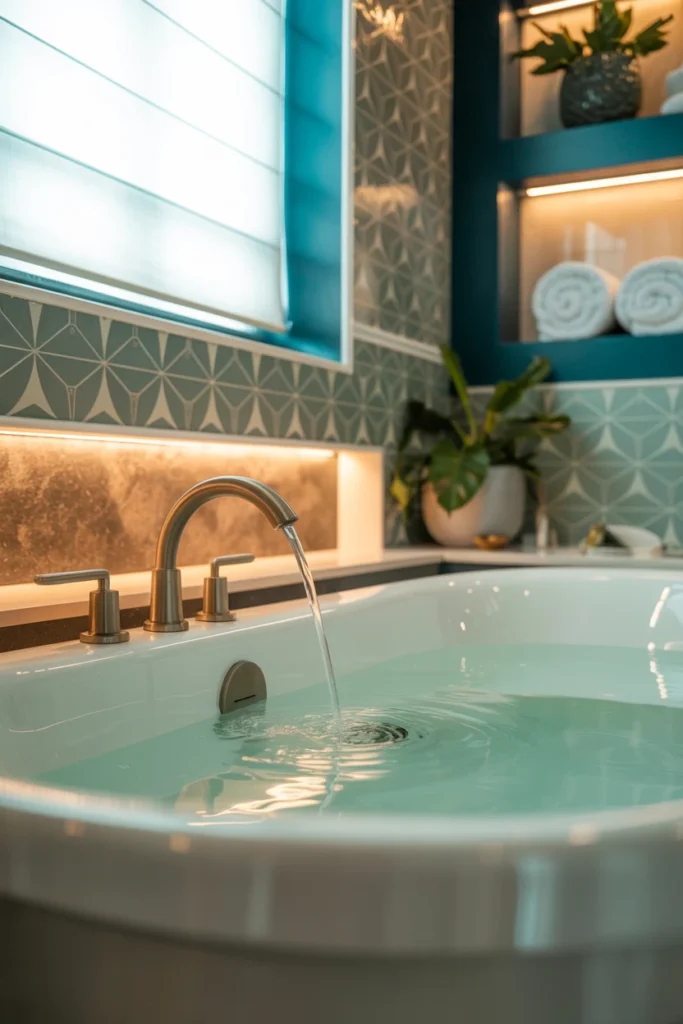
Freestanding tubs offer more customization than I expected. I can choose finishes, faucet styles, and even additional features.
Some premium options include heating systems or lighting, but I prefer focusing on practical upgrades.
Pro Tip: Spend more on quality fixtures rather than unnecessary add-ons.
5 Cons of Freestanding Tub Ideas
Higher Installation Costs
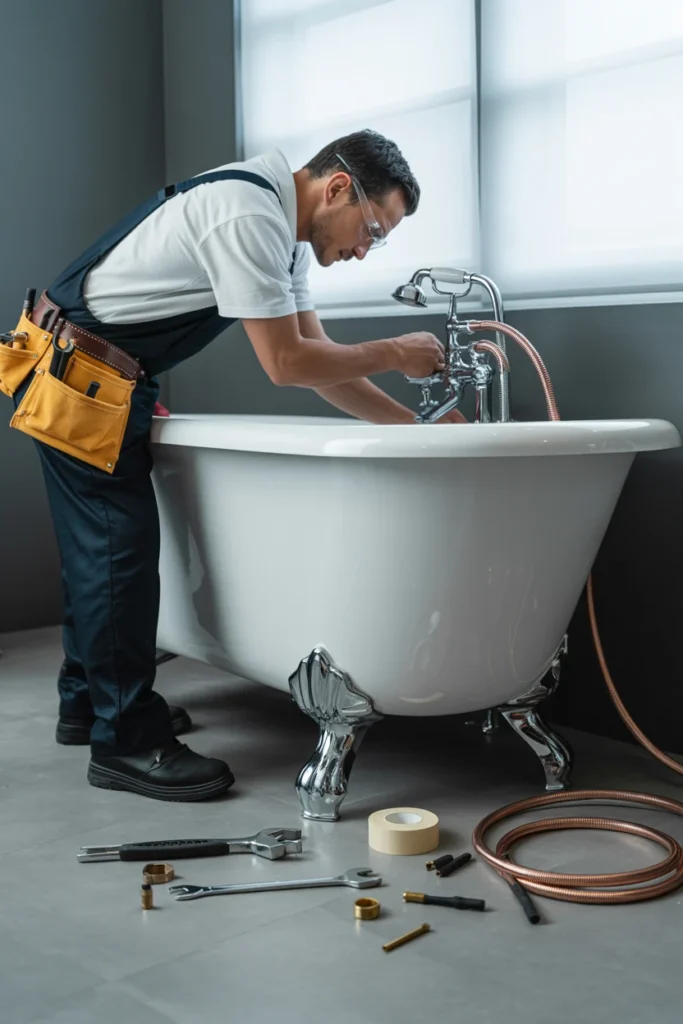
One of the biggest downsides I noticed is the cost. It’s not just the tub—the plumbing work can increase expenses.
In many cases, installation costs are 20–40% higher compared to built-in tubs, especially if pipes need adjustments.
Pro Tip: Plan plumbing early to avoid unexpected costs later.
Space Constraints in Smaller Bathrooms
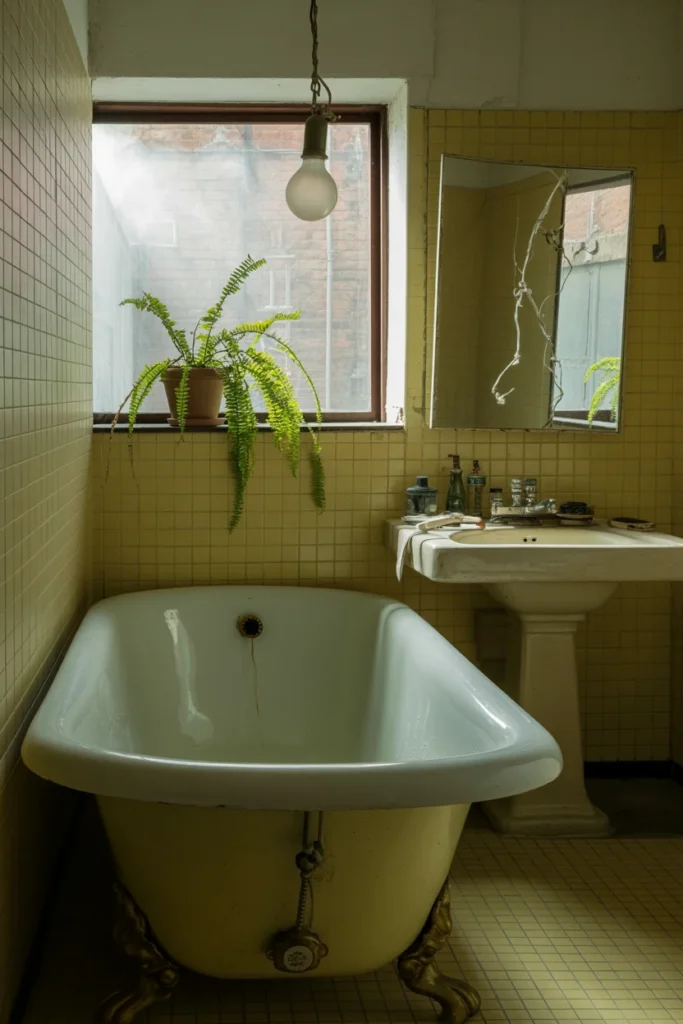
Freestanding tubs are not ideal for small bathrooms. I’ve seen tight spaces where they make the layout feel uncomfortable and less practical.
Proper spacing around the tub is important, and small bathrooms usually don’t allow that.
Potential for Water Spillage
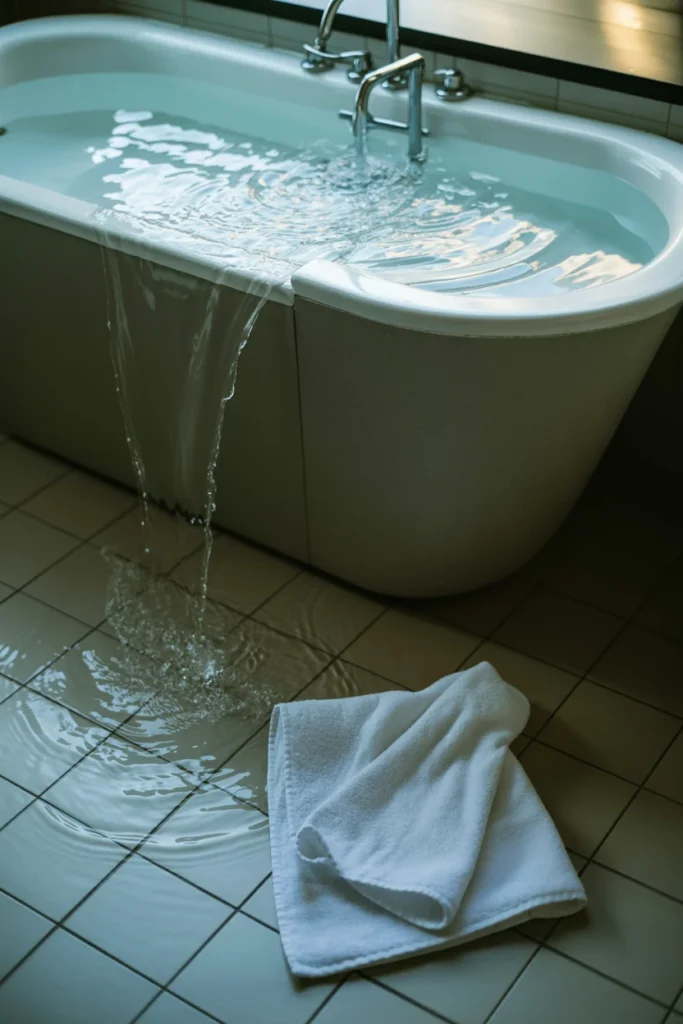
Because these tubs are open, water can splash onto the floor more easily. This is something I didn’t expect at first.
Without proper flooring or planning, this can lead to moisture problems over time.
Requires Strong Flooring
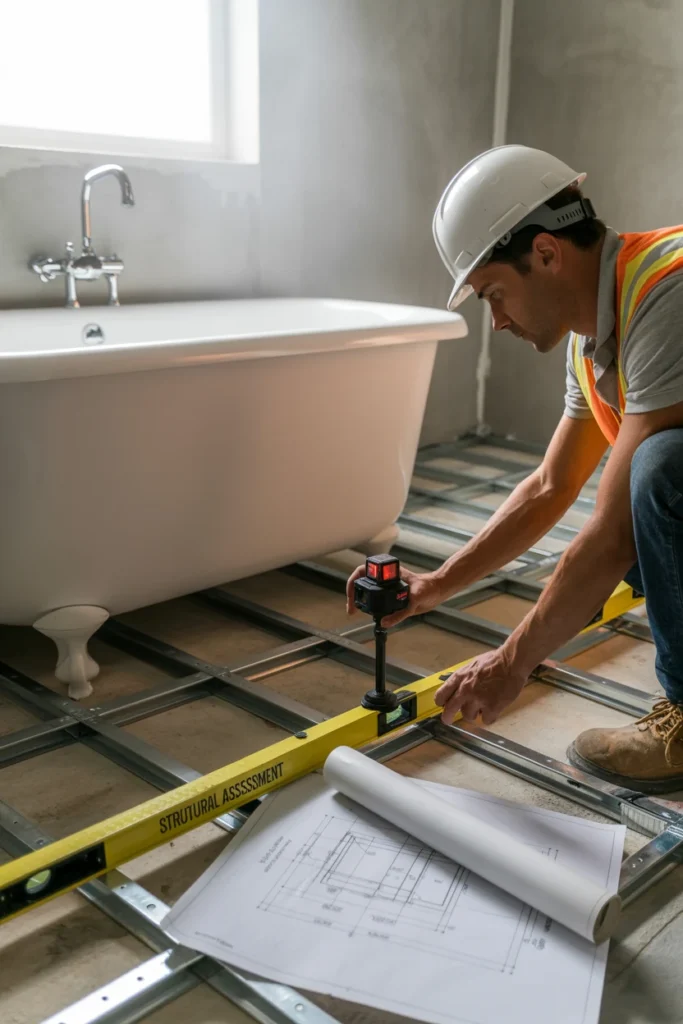
Heavier materials like cast iron need strong flooring support. Before installing, I always check if the structure can handle the weight.
In some cases, additional reinforcement is required, which increases the total cost.
Limited Storage Space
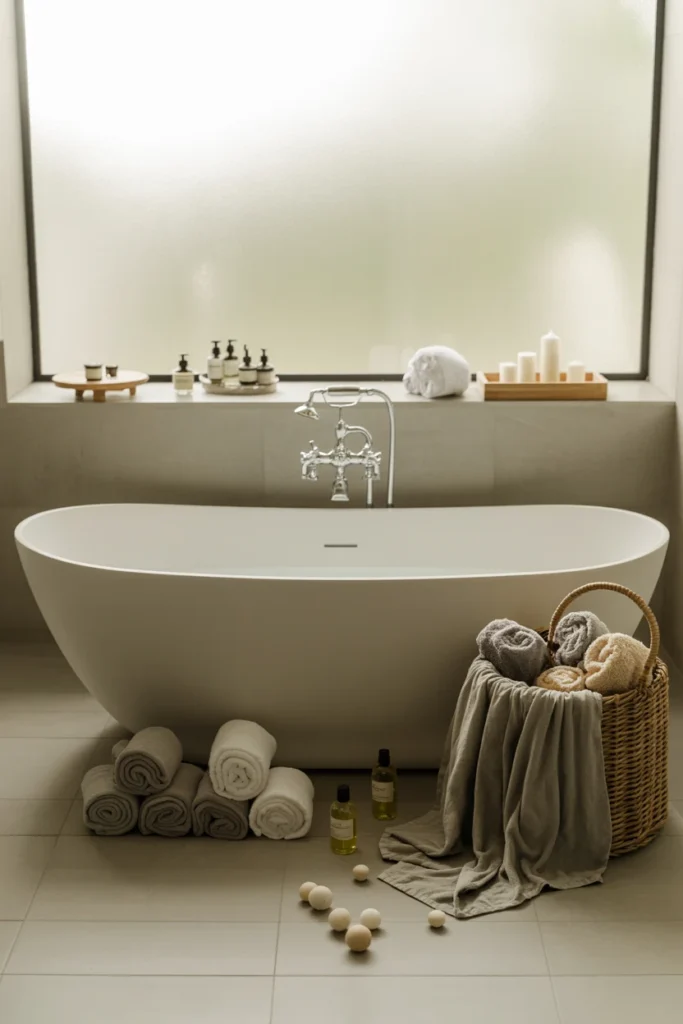
Freestanding tubs don’t include built-in storage. I had to plan for shelves or a small table to keep essentials nearby.
This may seem minor, but it affects daily convenience if ignored.
Pro Tip: Use a small side stool or wall shelf to keep bath items within reach.
Conclusion
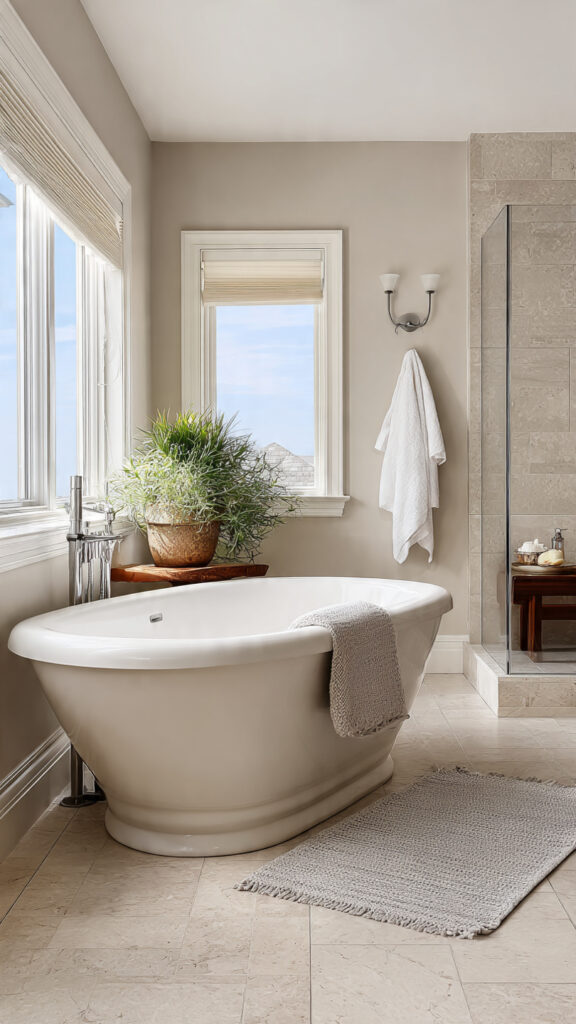
After reviewing the Pros and Cons of Freestanding Tub Ideas, I believe they are a great choice if you have enough space and budget. They focus more on comfort and visual appeal than pure functionality.
For larger bathrooms, they can completely transform the space into a relaxing area. But in smaller bathrooms, they may create more challenges than benefits.
From my experience, planning is everything. If the layout, plumbing, and space are right, a freestanding tub can be one of the best upgrades you make.
FAQ,s
Are freestanding tubs worth it?
From my experience, freestanding tubs are worth it if you have enough space and budget. They add strong visual appeal and can improve how your bathroom feels, but they are not always the most practical option for small spaces.
Do freestanding tubs increase home value?
Yes, in many cases they do. I’ve seen that buyers often view them as a luxury feature, and bathroom upgrades can return around 60–70% of the investment depending on the market.
How much space do I need for a freestanding tub?
I usually recommend leaving at least 4–6 inches of space around the tub for cleaning and movement. In total, a medium to large bathroom layout works best for proper placement.
Are freestanding tubs hard to clean?
Cleaning the outside is easy since all sides are accessible. However, I’ve found that cleaning the inside can be slightly harder due to the depth of the tub.
Do freestanding tubs lose heat quickly?
It depends on the material. Acrylic tubs tend to cool faster, while cast iron holds heat longer. I always consider this if I plan to take long baths.
Are freestanding tubs good for small bathrooms?
In my experience, they are not ideal for small bathrooms. They can make the space feel tight and reduce overall functionality if not planned properly.
Is installation expensive for freestanding tubs?
Yes, installation is usually more expensive than built-in tubs. Costs can be 20–40% higher due to plumbing adjustments and positioning.
Do freestanding tubs cause water splashing?
They can. Since they are open on all sides, I’ve noticed water can splash onto the floor more easily without proper planning.
What materials are best for freestanding tubs?
Acrylic is lightweight and budget-friendly, while cast iron is durable and retains heat better. I choose based on budget, weight, and comfort needs.
Do freestanding tubs have storage options?
No, they don’t come with built-in storage. I usually add a side table, stool, or wall shelf to keep bath essentials within reach.
Many of the ideas I share are inspired by real-life experimentation. I often test décor concepts in my own living spaces and explore practical ways they can be applied in everyday homes. I also gather insights from working with homeowners who want to improve the comfort, beauty, and functionality of their spaces.
I share practical ideas for improving living rooms, bedrooms, and overall home aesthetics using simple design principles.
I explore creative ways to upgrade outdoor spaces including patio décor, small backyard styling, and relaxing outdoor setups.
I provide ideas for kitchen organization, décor accents, and functional layouts that make kitchens more beautiful and practical.
The concepts shared here are based on ideas I have personally experimented with or studied through real home décor improvements.