I’ve worked with kids in different learning setups, and one thing I’ve consistently noticed is that math becomes much easier when it is taught through games instead of only worksheets. Printable math games are one of the simplest tools I use to make learning more engaging and less stressful for children.
Above the Fold Introduction
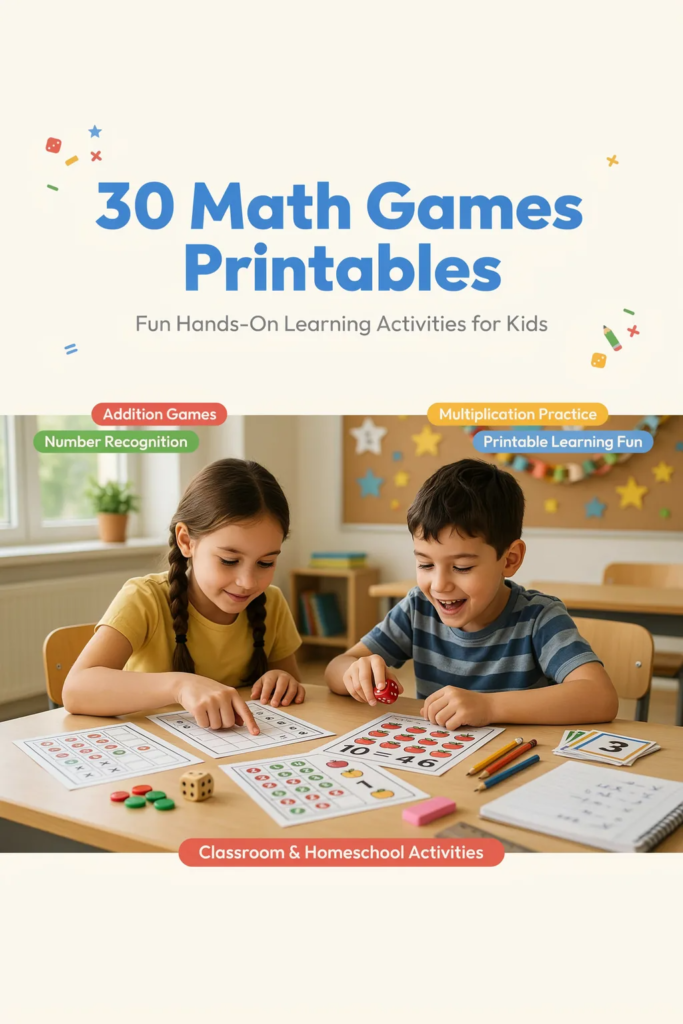
In this article, I’m sharing 30 math games printable that I personally use or recommend for classrooms, homeschooling, tutoring, and home practice. These activities help improve number sense, counting, multiplication, fractions, place value, and logical thinking. From my experience, kids learn faster when they are actively involved instead of just writing answers.
Research in education also supports this approach, showing that hands-on and interactive learning helps children retain math concepts more effectively than repetitive drills alone.
Key Takeaways
Printable math games make learning more engaging and less stressful
Hands-on activities improve problem-solving and memory skills
Most games use simple materials like paper or everyday items
They work for classrooms, homeschooling, and home learning
Game-based learning helps reduce math anxiety in children
1. Line Up Math Game
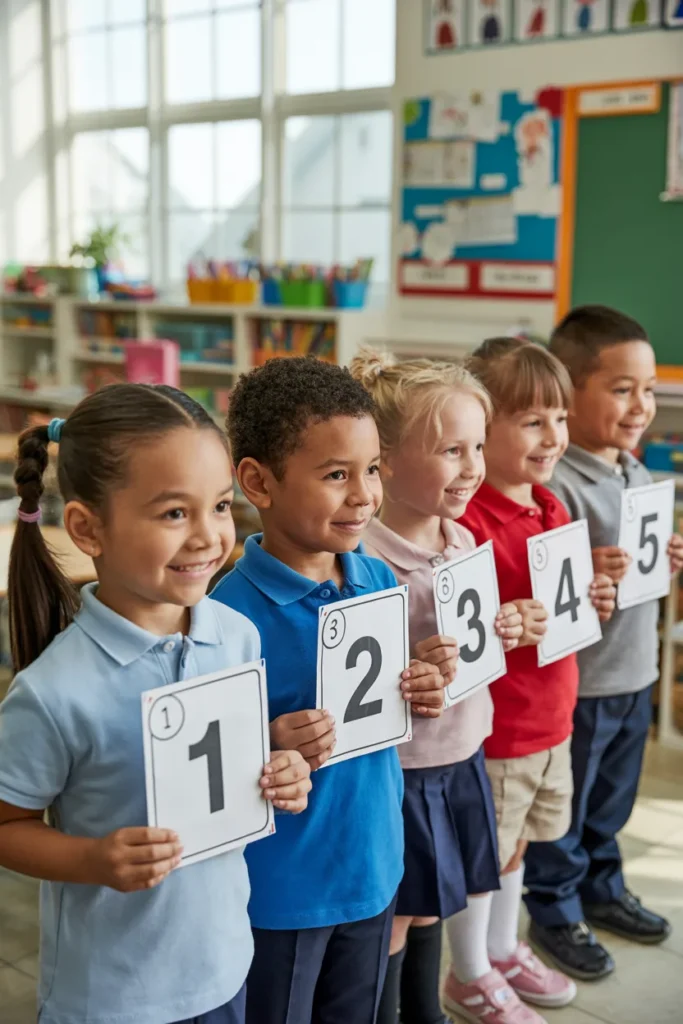
I like this activity because it gets kids moving while practicing number order. In my experience, students enjoy arranging themselves from smallest to largest using printable number cards.
For younger kids, I keep it between 1–20. For older students, I increase difficulty with fractions, decimals, or negative numbers. It also improves teamwork and communication.
Pro Tip I often use a timer to make it more exciting and focused.
2. String Multiplication
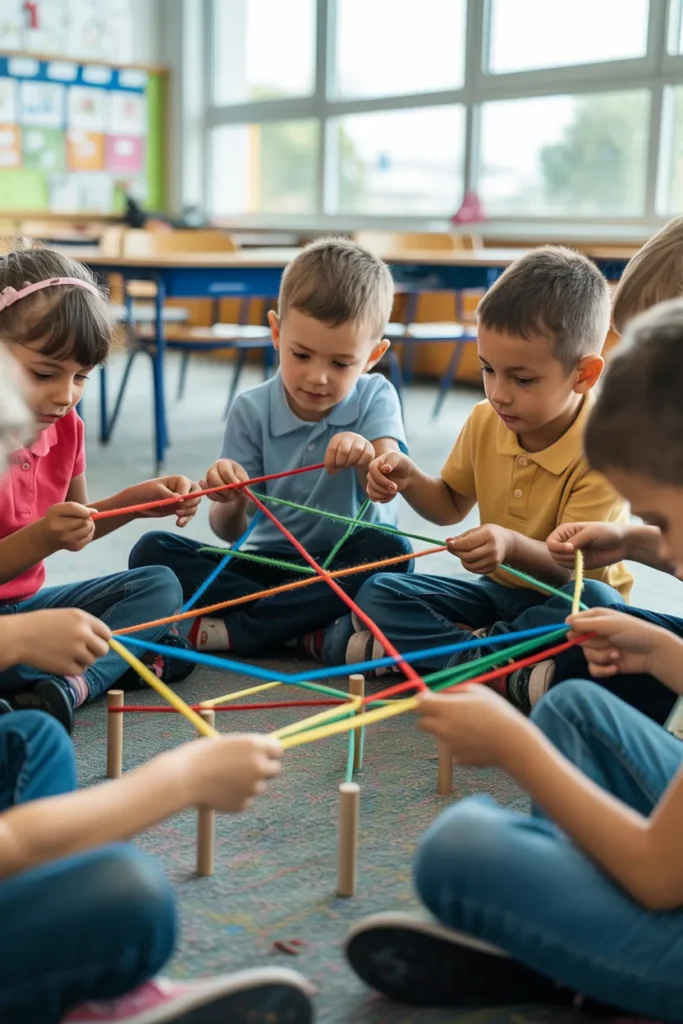
This is one of my favorite group multiplication activities. Kids pass a string in a circle while counting multiples, creating a visible web pattern.
The visual learning helps children understand multiplication faster than worksheets. I’ve seen better focus because every child participates.
It works especially well for times tables from 2 to 12.
3. Math Charades

I use Math Charades to help kids understand math vocabulary in a fun way. Students act out math terms while others guess the answer.
It builds confidence and helps children explain ideas using actions instead of memorization.
I prefer laminated printable cards for repeated use.
4. Jeopardy

Printable Math Jeopardy is great for revision before tests. I divide questions into addition, subtraction, multiplication, fractions, and geometry.
Kids enjoy the competition and respond quickly under time pressure. It also improves recall.
In my experience, participation increases a lot during game-based review sessions.
5. Math Fortune Tellers
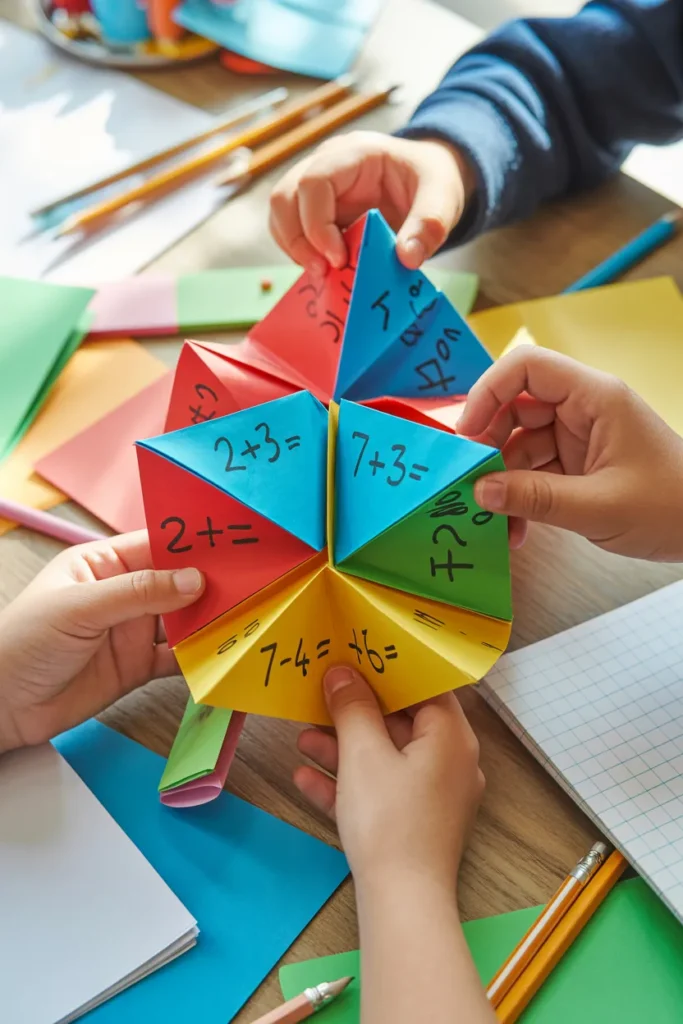
This foldable game is simple but very effective. Kids pick numbers or colors and solve hidden math problems.
I’ve noticed it works well for reluctant learners because it feels like play instead of study.
It’s also useful for quick practice at home or during travel.
6. Parking Lot Cars Game
This game is perfect for early learners. Kids match toy cars with numbered parking spots or simple equations.
It builds counting and number recognition skills in a fun way.
Laminating the printable mat makes it reusable.
7. Popsicle Stick Counting
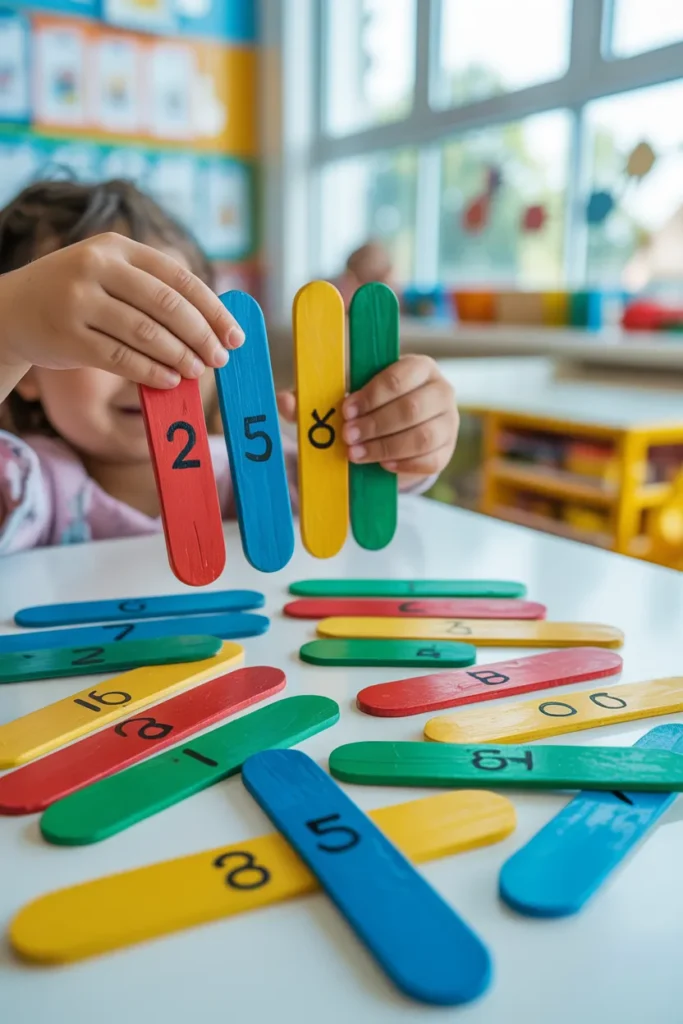
I use this for skip counting practice. Kids count using numbered sticks for 2s, 5s, or 10s.
I sometimes color-code sticks for different difficulty levels.
It helps strengthen number sequencing.
8. Subtraction Smash
This hands-on activity helps kids understand subtraction visually. They remove objects or dough pieces while solving problems.
From my experience, physical learning improves understanding faster than worksheets.
Bonus Tip Colored dough keeps kids more engaged.
9. Math Hopscotch
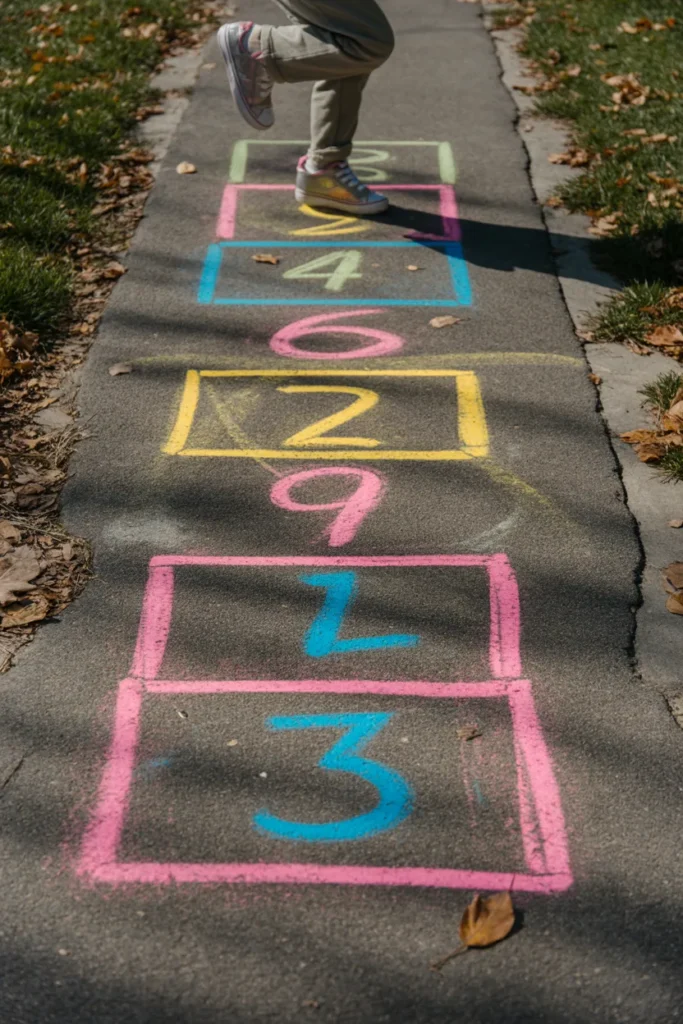
This combines movement and learning. Each square has a printable math question.
Outdoor play improves focus because kids release energy while learning.
Chalk makes setup easy and fast.
10. Nerf Gun Math
This target game is very popular with kids. They solve equations and shoot the correct answers.
It improves focus and coordination along with math skills.
I recommend soft darts for safety indoors.
11. Jelly Bean Jumbles
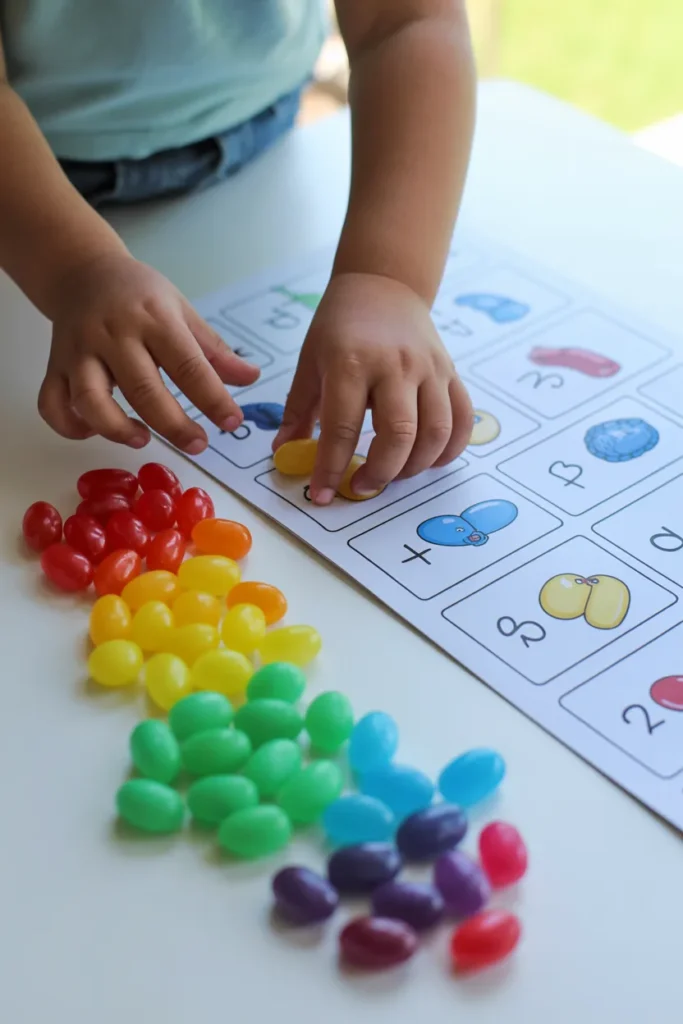
This game mixes counting, sorting, and addition. Kids follow printable instructions to collect items.
Bright colors keep younger kids engaged longer.
I sometimes replace candy with classroom items like pom-poms.
12. Domino Addition
I use this game to improve mental math speed. Kids add both sides of domino cards and score points.
It works well in small groups.
13. Make 10
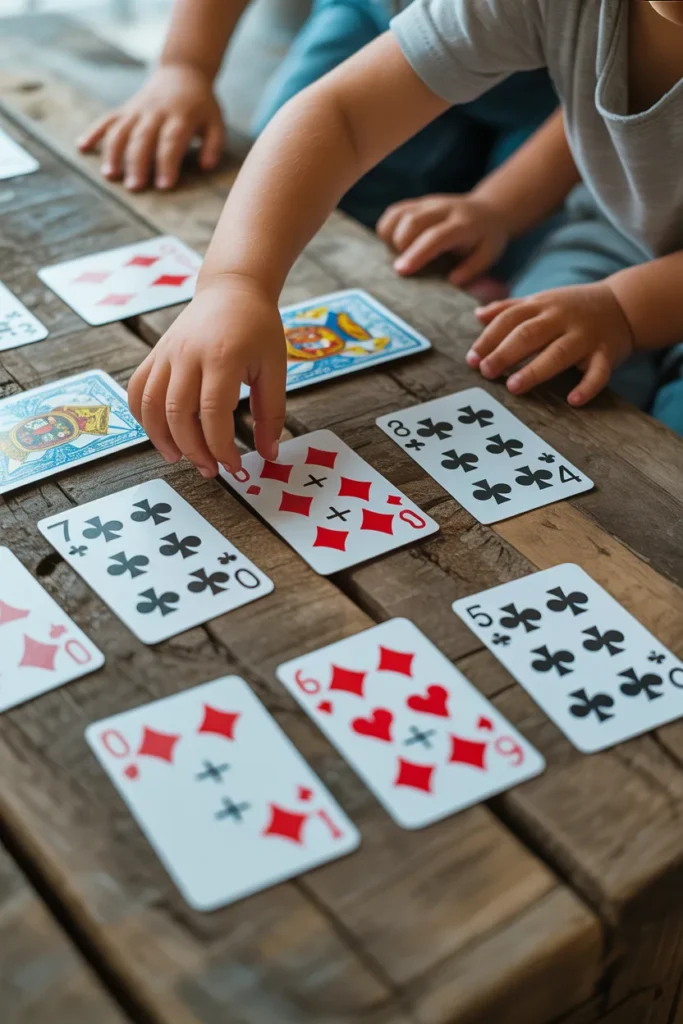
This game builds strong number sense. Kids create combinations that equal 10.
It improves addition speed over time.
14. Whack It Place Value
Kids learn hundreds, tens, and ones using printable cards.
Physical interaction helps reduce confusion.
15. Math Twister
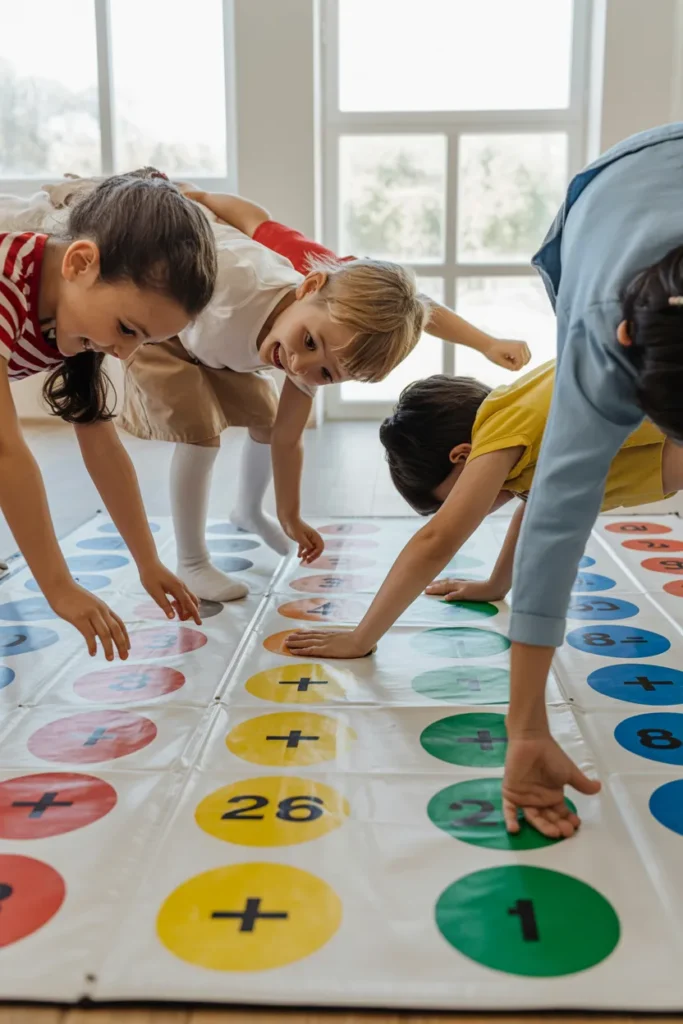
Kids solve math problems before placing hands or feet on answers.
It improves coordination and keeps learning active.
16. Lego Fraction Game
Lego bricks help kids visually understand fractions.
It makes abstract ideas easier to grasp.
17. Math Facts Garden
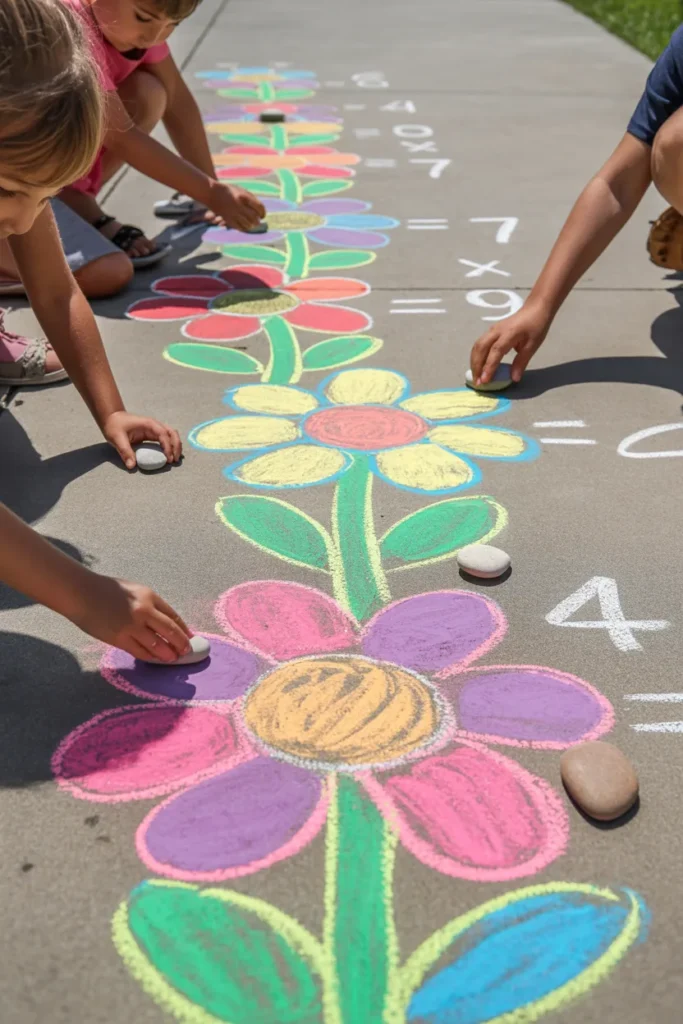
Kids solve math problems placed on flower designs outdoors.
Outdoor learning increases engagement.
18. Strike It Out
A strategy game where kids block numbers after solving math problems.
It builds logic and accuracy.
19. Egg Carton Shake Up
Kids shake cartons to create random math problems.
Every round feels new and interesting.
20. Count Your Dots
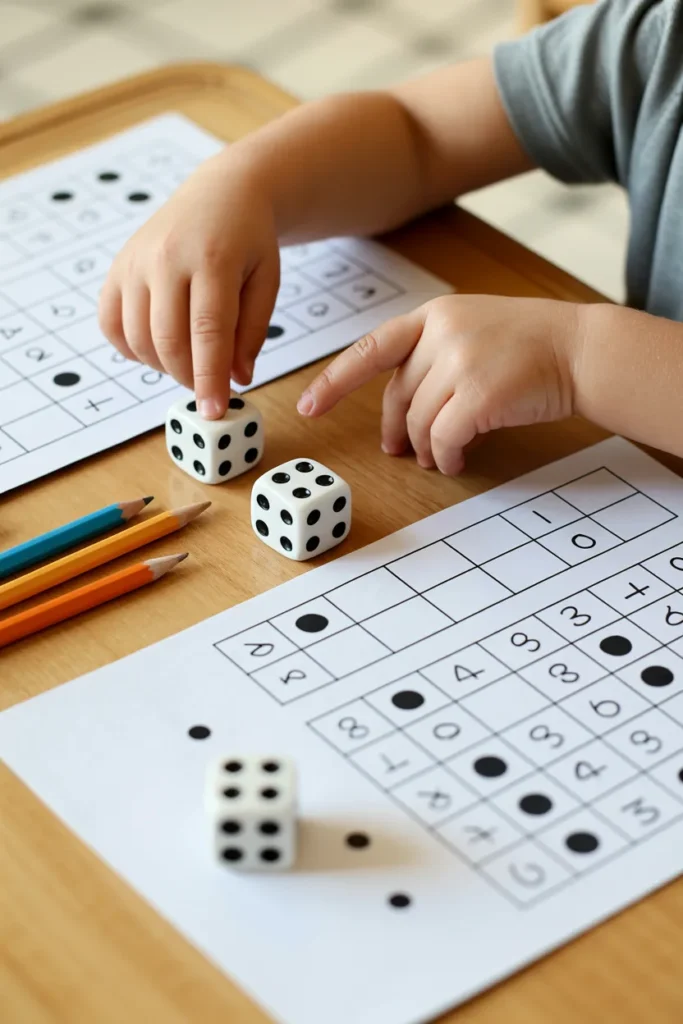
A dice game that improves addition speed.
I use it as a quick warm-up.
21. Math Bingo
One of the most effective printable games. Kids solve problems to match answers.
It builds fluency through repetition.
22. Math Puzzles
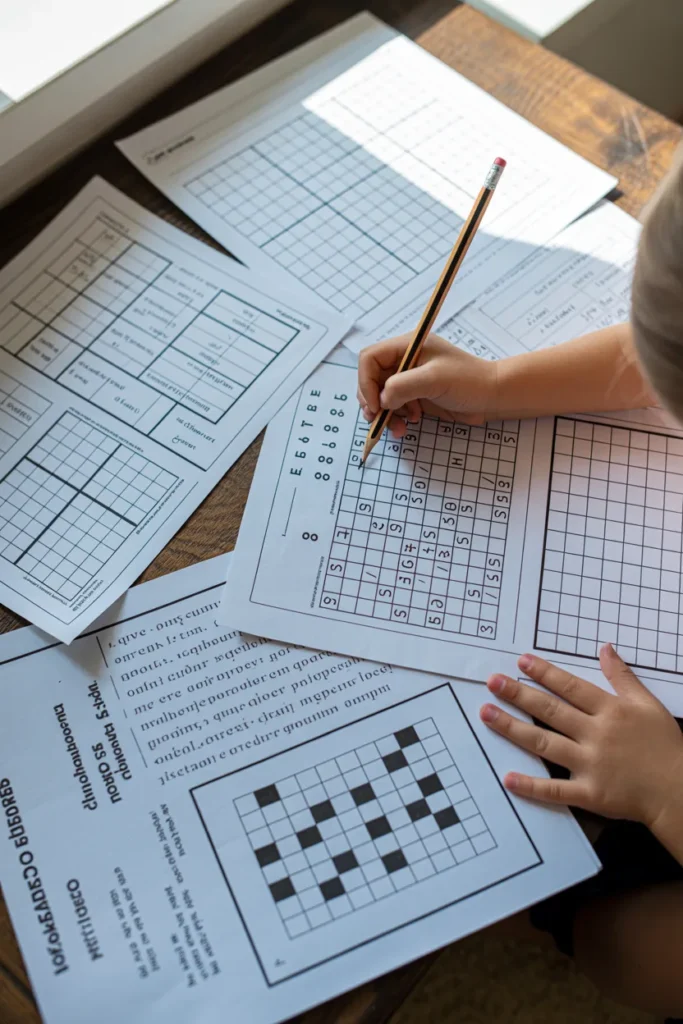
Includes Sudoku and crosswords for logical thinking.
It improves patience and accuracy.
23. Printable Math Worksheets
Worksheets are useful when combined with games.
I prefer puzzle-style worksheets.
24. Christmas Math Games
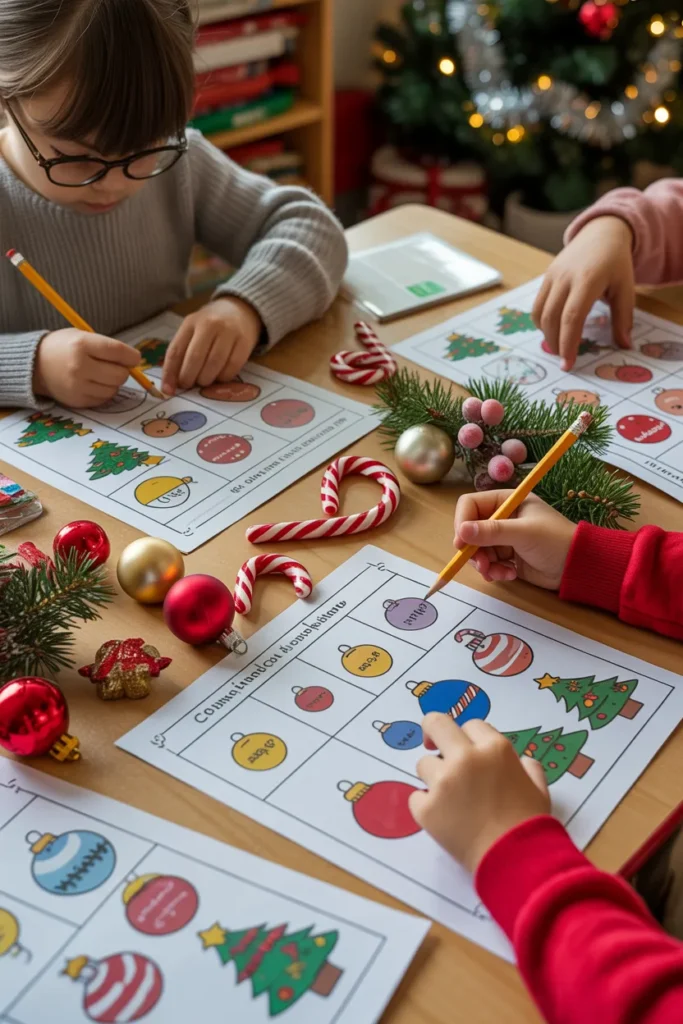
Holiday-themed activities keep kids engaged during festive seasons.
25. Halloween Math Games
Spooky themes make math more fun and interactive.
26. Addition Bingo
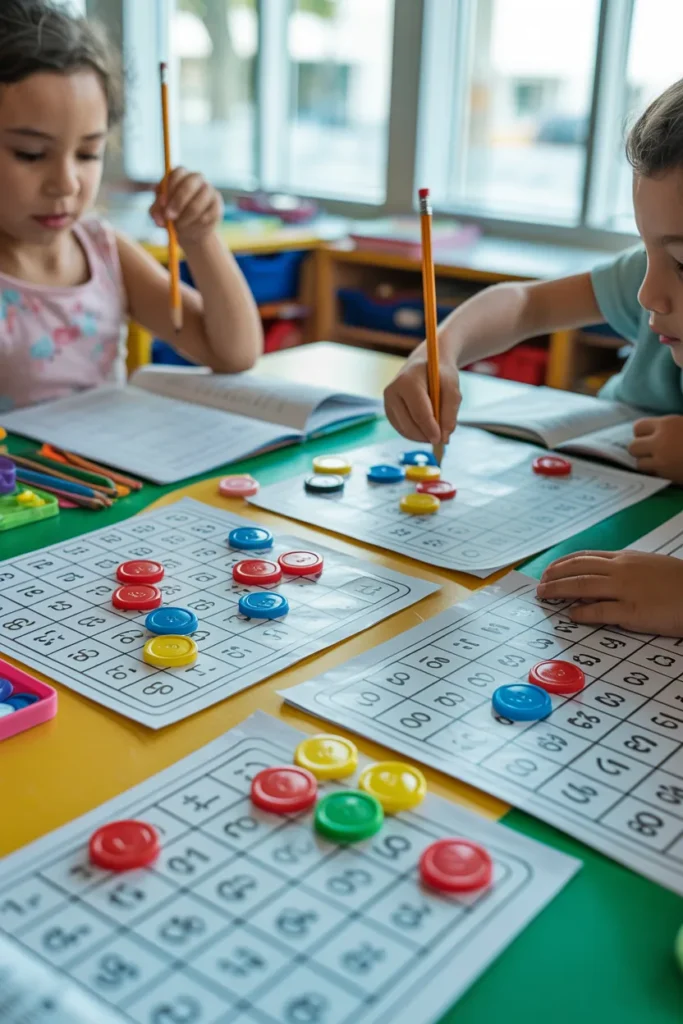
Focuses only on addition skills.
Short rounds help maintain attention.
27. Multiplication Flash Cards
Helps improve recall speed.
Daily practice works best.
28. Math Crosswords
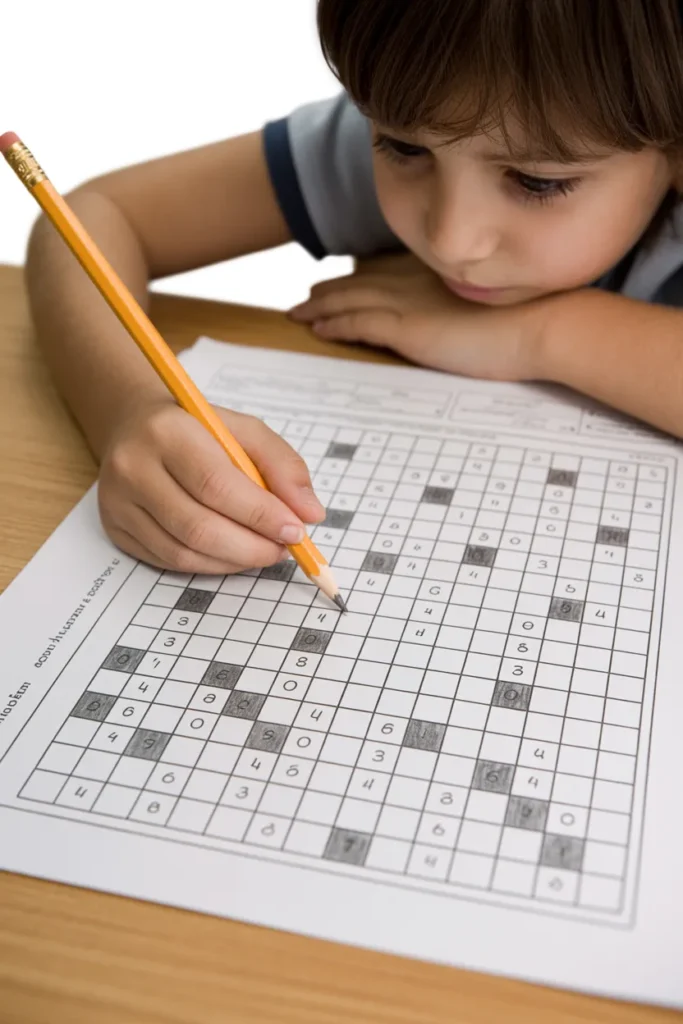
Combines math and vocabulary.
Improves careful thinking.
29. Number Matching
Kids match problems with answers.
Great for visual learners.
30. Math Board Games
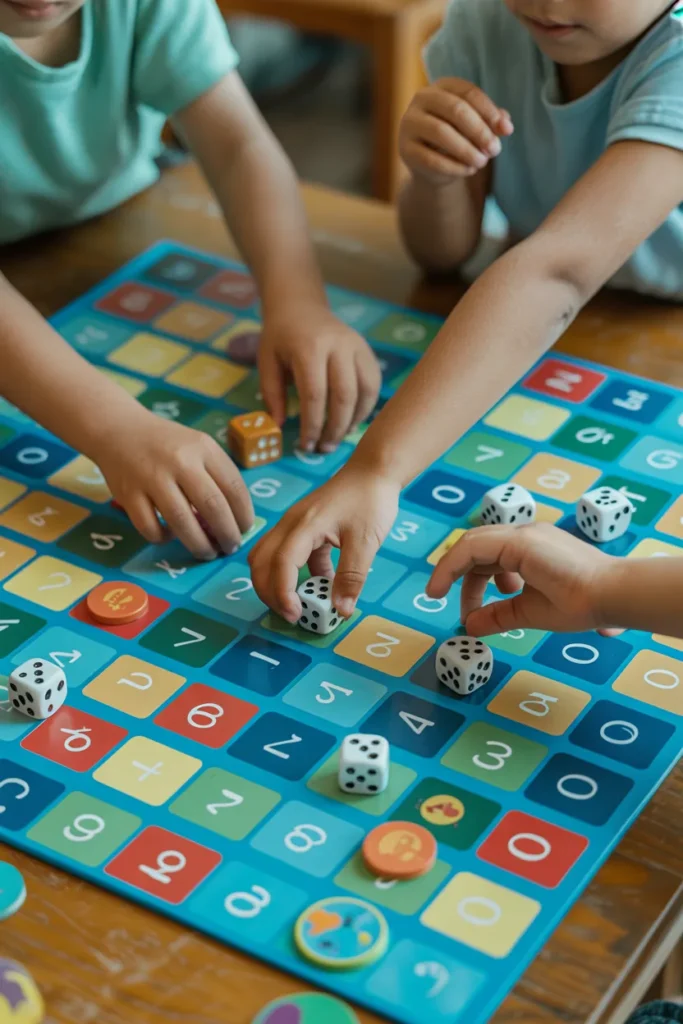
Printable board games combine multiple skills.
Perfect for home or classroom use.
Final Thoughts
From my experience, printable math games make learning much easier and more enjoyable for kids. When children learn through play, they stay focused longer and understand concepts better.
Even a few game-based activities each week can improve confidence and reduce stress around math.
FAQs
What are printable math games?
Printable math games are learning activities that I can print and use to help kids practice math skills like addition, subtraction, multiplication, fractions, and number sense in a fun and interactive way.
Why are math games better than worksheets?
In my experience, math games keep kids more engaged because they involve movement, interaction, and play. Worksheets can feel repetitive, but games help children understand concepts faster through active learning.
At what age can kids start using printable math games?
I’ve seen printable math games work well even for preschoolers as young as 4 years old. Simple counting and matching games are great for early learners, while older kids can handle multiplication, fractions, and problem-solving games.
Do printable math games really improve learning?
Yes, from what I’ve observed, kids remember math concepts better when they learn through hands-on activities. Interactive play improves memory, focus, and problem-solving skills compared to passive learning methods.
Can printable math games be used at home?
Yes, I personally use them at home for quick practice. They only require basic materials like paper, dice, or small objects, so they are easy for parents to set up without special tools.
How often should kids play math games?
I usually recommend using math games a few times a week. Even 10–20 minutes of game-based practice can improve confidence and speed in math over time.
Are printable math games good for struggling students?
Yes, I’ve found they are especially helpful for students who feel stressed about math. Games reduce pressure and help children learn step by step without fear of making mistakes.
Many of the ideas I share are inspired by real-life experimentation. I often test décor concepts in my own living spaces and explore practical ways they can be applied in everyday homes. I also gather insights from working with homeowners who want to improve the comfort, beauty, and functionality of their spaces.
I share practical ideas for improving living rooms, bedrooms, and overall home aesthetics using simple design principles.
I explore creative ways to upgrade outdoor spaces including patio décor, small backyard styling, and relaxing outdoor setups.
I provide ideas for kitchen organization, décor accents, and functional layouts that make kitchens more beautiful and practical.
The concepts shared here are based on ideas I have personally experimented with or studied through real home décor improvements.