Escape Room Ideas for Kids in 2026
Escape Room Ideas are one of my favorite ways to keep kids entertained while helping them learn important skills. A well-designed escape room encourages teamwork, communication, critical thinking, and creativity without feeling like schoolwork. Whether I am planning a birthday party, classroom activity, rainy-day challenge, or family game night, escape rooms always get kids excited.
What makes these activities special is that they can be created with simple household items. Research shows that puzzle-based games help improve memory, problem-solving abilities, and attention span in children. Even a basic clue hunt can keep kids engaged for an hour or more while encouraging cooperation and healthy competition.
In this guide, I am sharing 30 Escape Room Ideas that are easy to set up and work for different age groups. Some focus on logic and riddles, while others use science, math, observation, and hands-on challenges. By the end of this list, you will have plenty of ideas to create an unforgettable escape room experience.
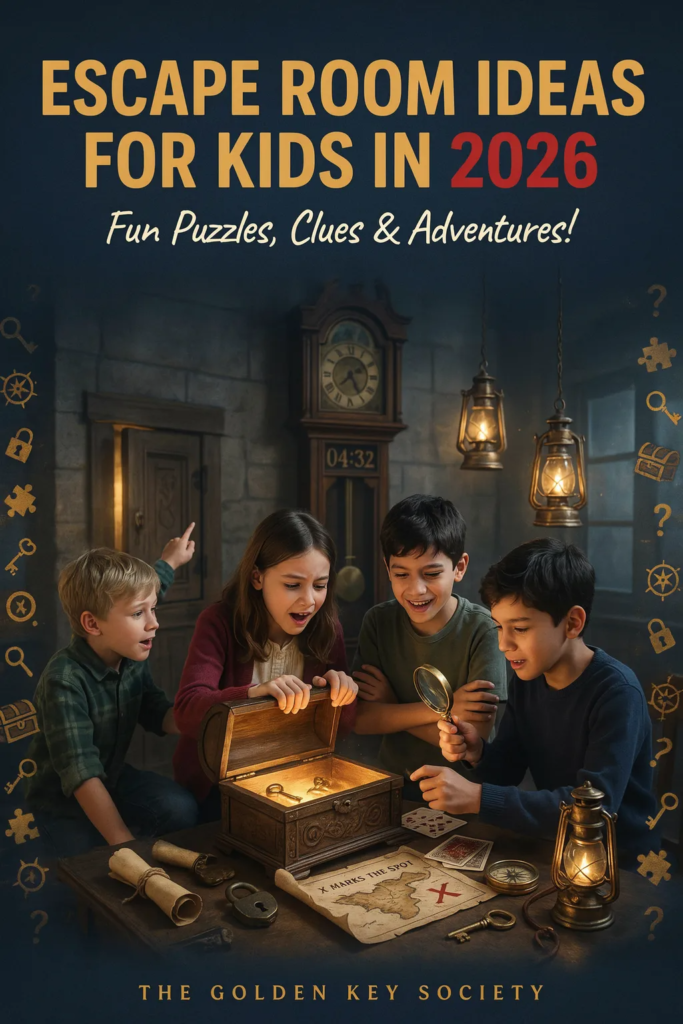
What You’ll Find in This Article
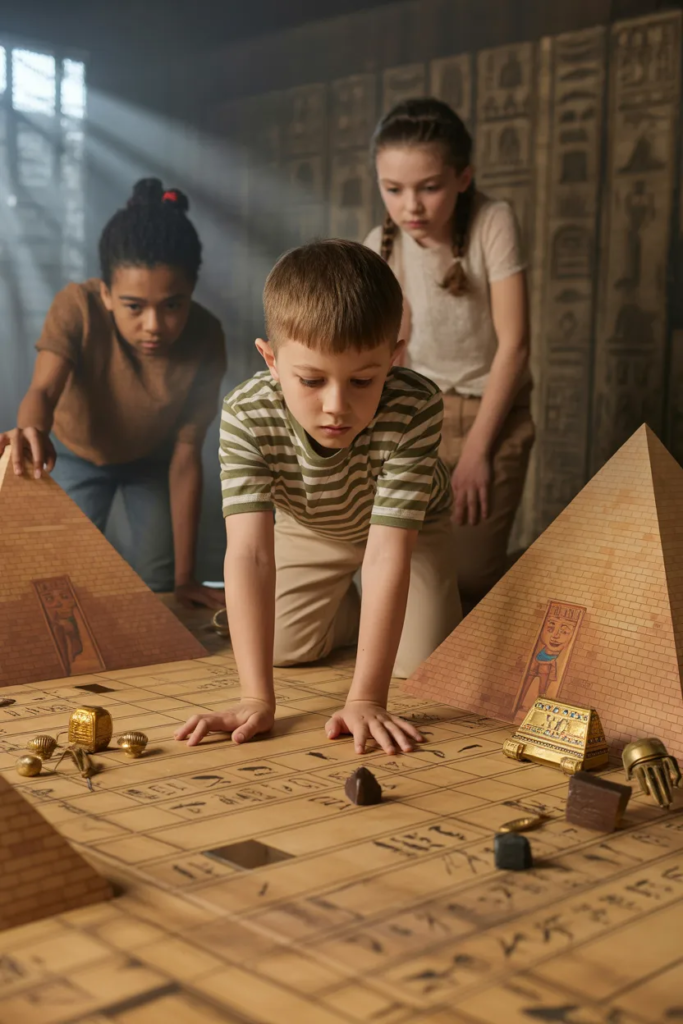
This collection includes mystery puzzles, treasure hunts, code-breaking activities, STEM-inspired challenges, teamwork games, and creative clue ideas. Whether you want a simple setup for younger children or a more advanced challenge for older kids, these Escape Room Ideas can be customized to fit your needs.
Key Takeaways
- Escape rooms help develop critical thinking and teamwork skills.
- Most activities can be created using inexpensive household supplies.
- Different puzzle styles keep children engaged longer.
- Educational elements can be included without reducing the fun.
- These Escape Room Ideas work well for parties, classrooms, camps, and family events.
Mirror Message
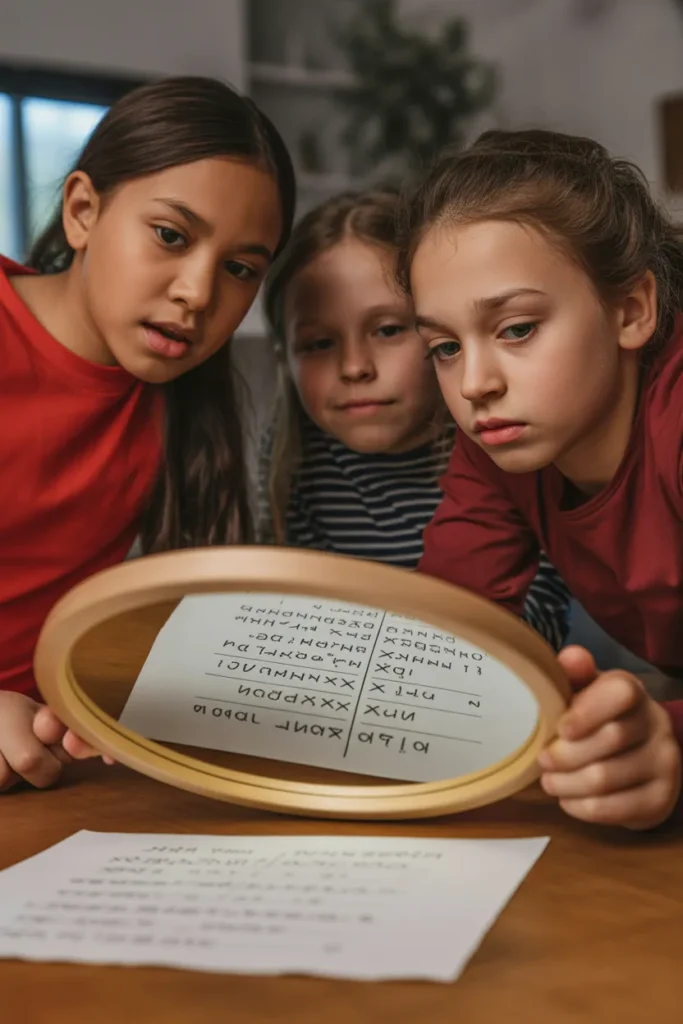
One of the easiest Escape Room Ideas I use is a mirror message challenge. Kids love discovering that a clue cannot be read normally and requires a mirror to reveal the secret.
I write a message backward on paper and hide it somewhere in the room. Once children find the note, they must locate a mirror and decode the clue. This simple activity immediately creates curiosity and excitement.
The challenge encourages observation skills and introduces kids to basic problem-solving concepts. For younger children, I keep the message short. For older kids, I hide multiple mirror clues that connect together.
Pro Tip: Use several hidden mirror messages that reveal parts of a final code instead of giving away the answer in a single clue.
Riddle Clues
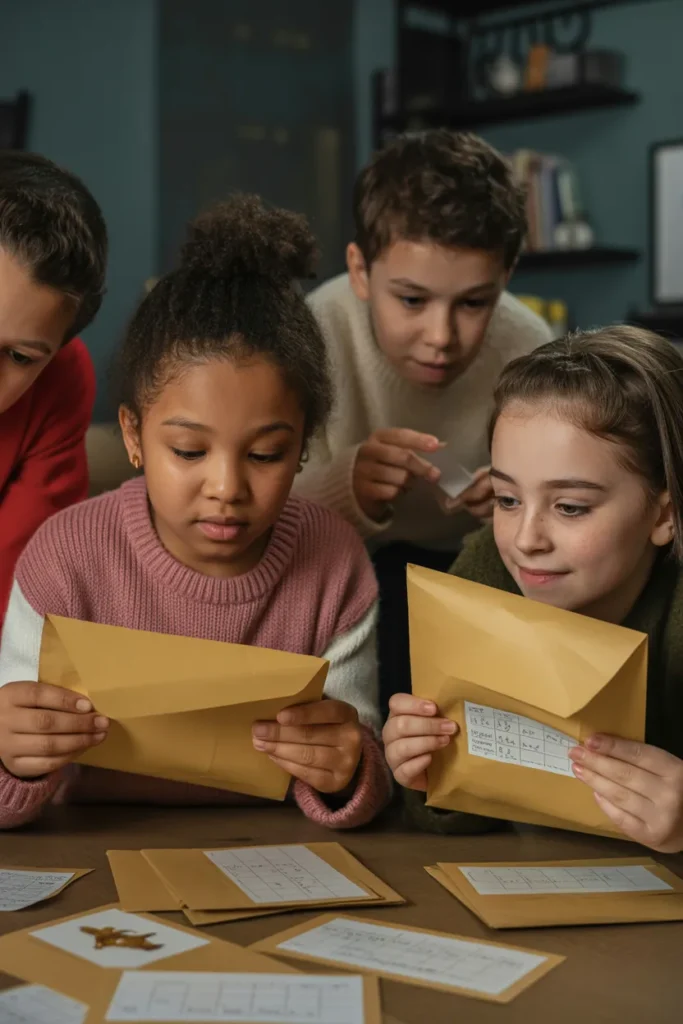
Riddles are a classic escape room element because they challenge children to think beyond obvious answers. I often use them to guide players from one clue location to another.
For example, a riddle may describe an everyday object in the room without naming it directly. Kids must solve the riddle before they can continue their search.
This activity improves logical reasoning and reading comprehension while keeping the game exciting. The best riddles are challenging enough to encourage thinking but not so difficult that players become frustrated.
Pro Tip: Create a mix of easy and medium-level riddles to keep players motivated throughout the game.
Math Problems
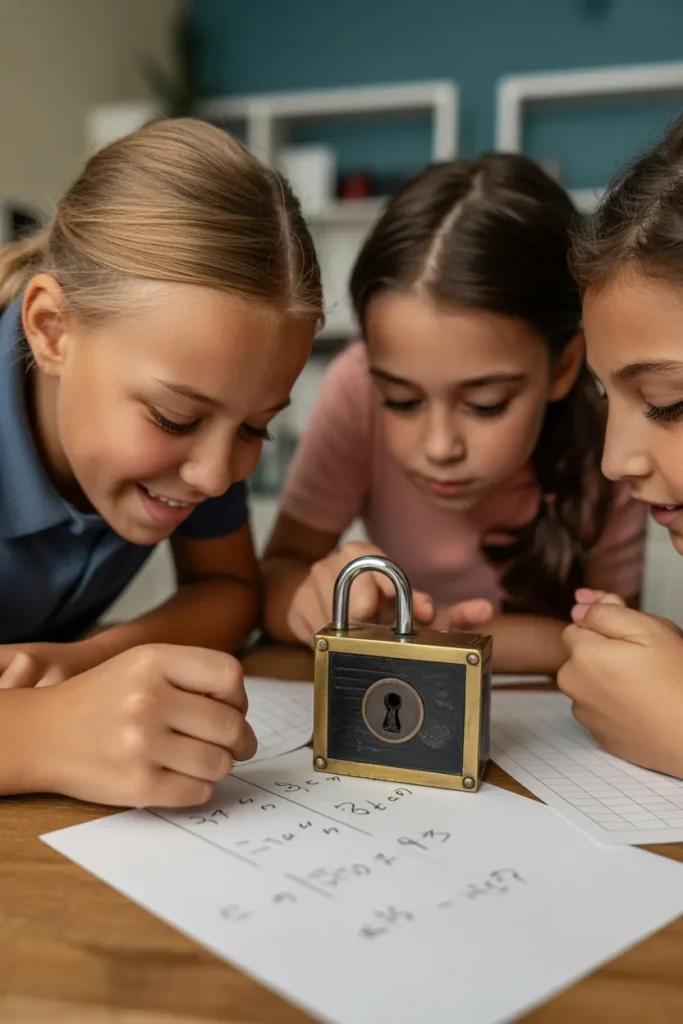
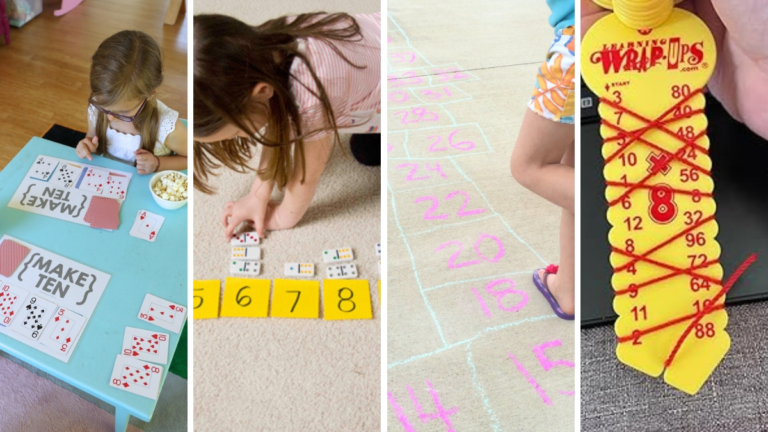
Math-based challenges are excellent Escape Room Ideas because they combine learning and entertainment. I like using simple equations that reveal a lock combination or clue number.
For younger children, basic addition and subtraction work well. Older kids may enjoy multiplication, division, or multi-step calculations.
When math problems are tied to a larger mystery, children often solve them with far more enthusiasm than traditional worksheets. The focus shifts from getting the answer right to advancing in the game.
Pro Tip: Hide the numbers from solved equations around the room and have players arrange them in the correct order to unlock a clue.
Science Experiments
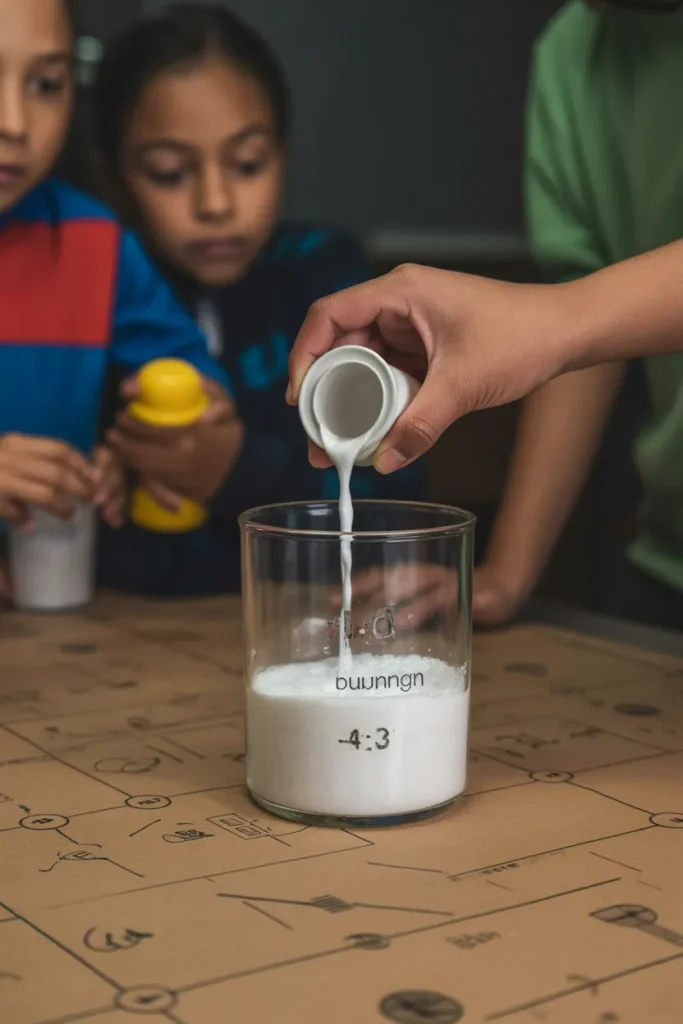
Science-themed puzzles add an exciting STEM element to escape rooms. I often use simple experiments that allow kids to discover clues through observation and experimentation.
A magnet retrieval challenge, color-changing reaction, or floating object puzzle can easily become part of the storyline. These activities make learning feel interactive and memorable.
Children enjoy seeing immediate results from their actions, which increases engagement and curiosity throughout the game.
Pro Tip: Always choose safe experiments that can be completed with adult supervision and common household materials.
High Clue Hunt
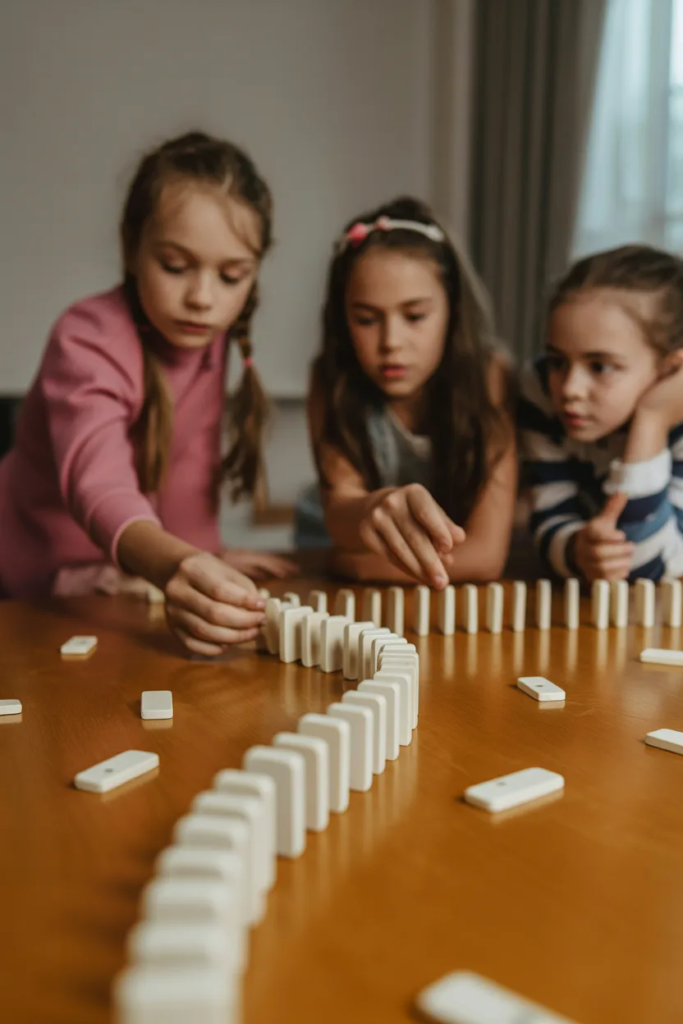
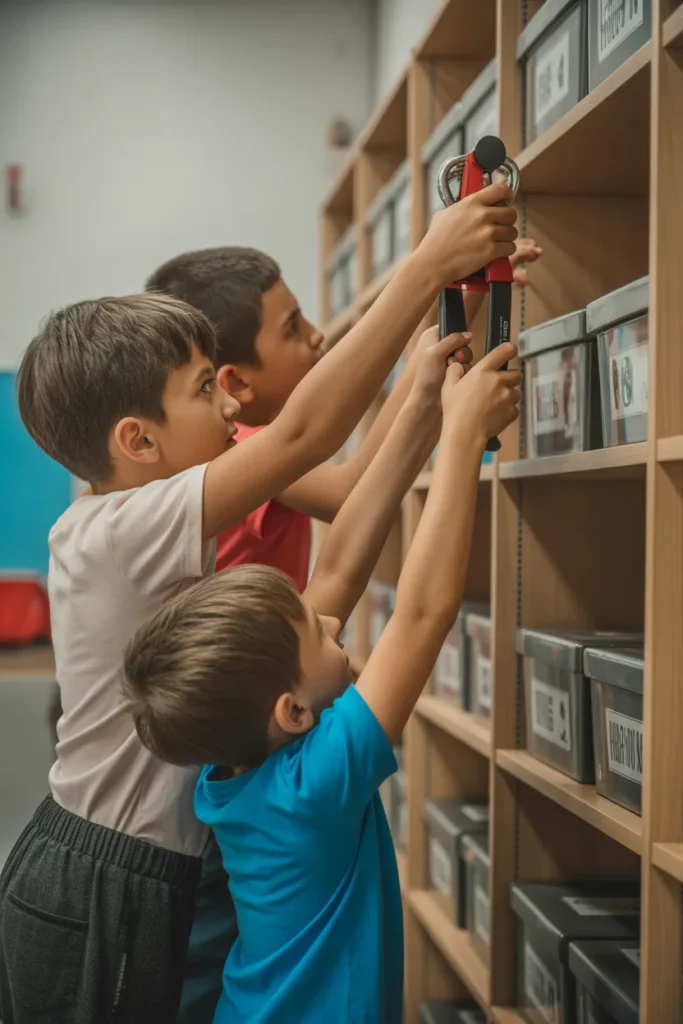
This activity adds movement and teamwork to the experience. I place clues in higher locations and provide safe tools that help players reach them.
Kids must work together to retrieve the hidden item, making communication an important part of the challenge. It also encourages strategic thinking because players need to decide how to access the clue.
The excitement of finding something hidden above eye level makes this puzzle especially memorable.
Pro Tip: Make sure all clue locations remain safe and accessible for the age group participating.
Color-Coded Clues
Color-based puzzles are excellent for developing observation skills. I use colored cards, shapes, or objects that form a pattern players must decode.
For example, different quantities of colored shapes can create a numeric code. Children must identify the pattern before unlocking the next clue.
This challenge works especially well for younger players because it relies more on visual thinking than advanced reading skills.
Pro Tip: Combine colors with symbols or shapes to make the puzzle more challenging for older children.
Talking Animals
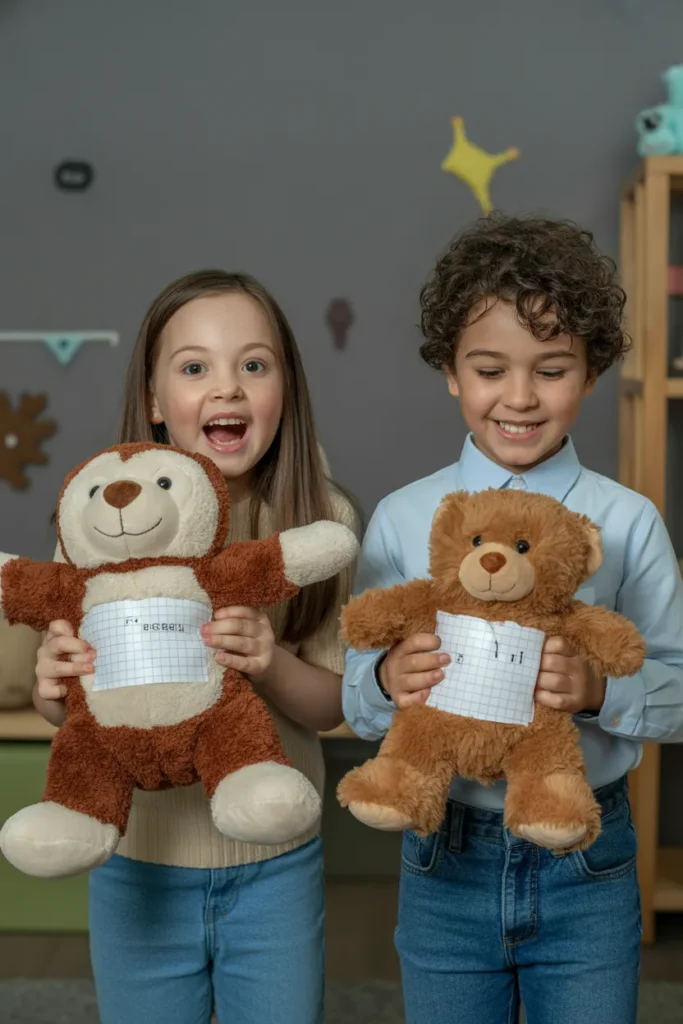
This is one of the most creative Escape Room Ideas for younger kids. I place stuffed animals around the room and attach clues to them.
Each animal becomes a character in the story. Kids interact with the animals to receive hints, directions, or puzzle pieces.
Adding personalities to the stuffed animals makes the game feel like an adventure rather than a simple puzzle hunt.
Pro Tip: Give each animal a unique role in the story to make the experience more immersive.
Jigsaw Puzzle
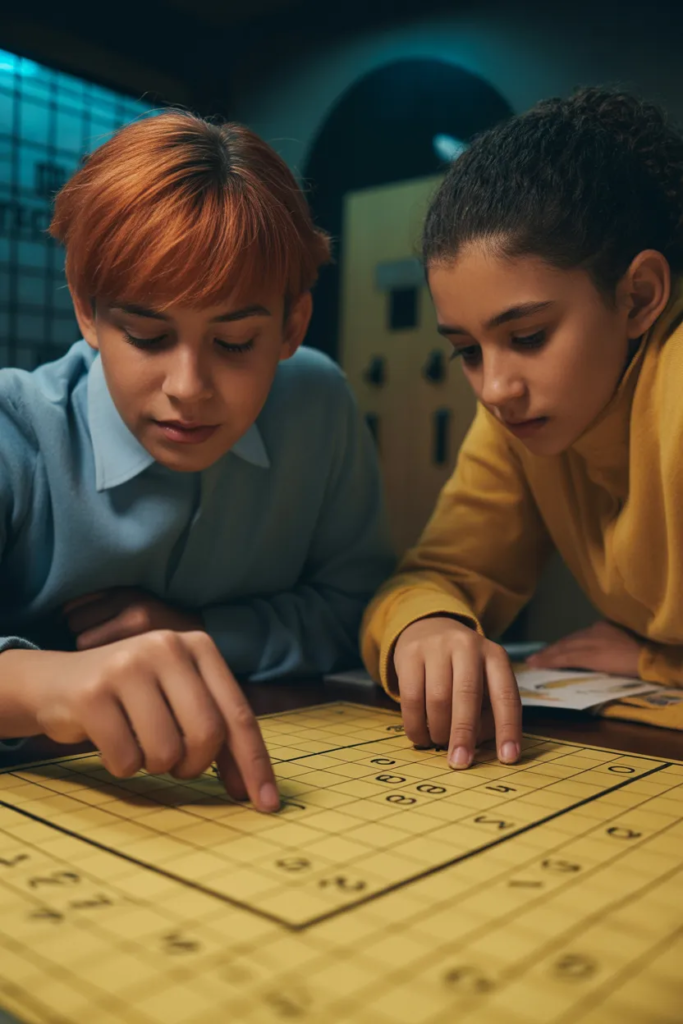
A jigsaw puzzle can serve as a central mission within the escape room. I often hide puzzle pieces throughout the room and require players to collect them.
Once completed, the puzzle reveals a word, image, number, or hidden clue needed for the next stage.
This challenge promotes patience, teamwork, and spatial reasoning skills while giving players a satisfying goal to accomplish.
Pro Tip: Write a secret code on the back of the puzzle pieces for an additional layer of difficulty.
Treasure Box
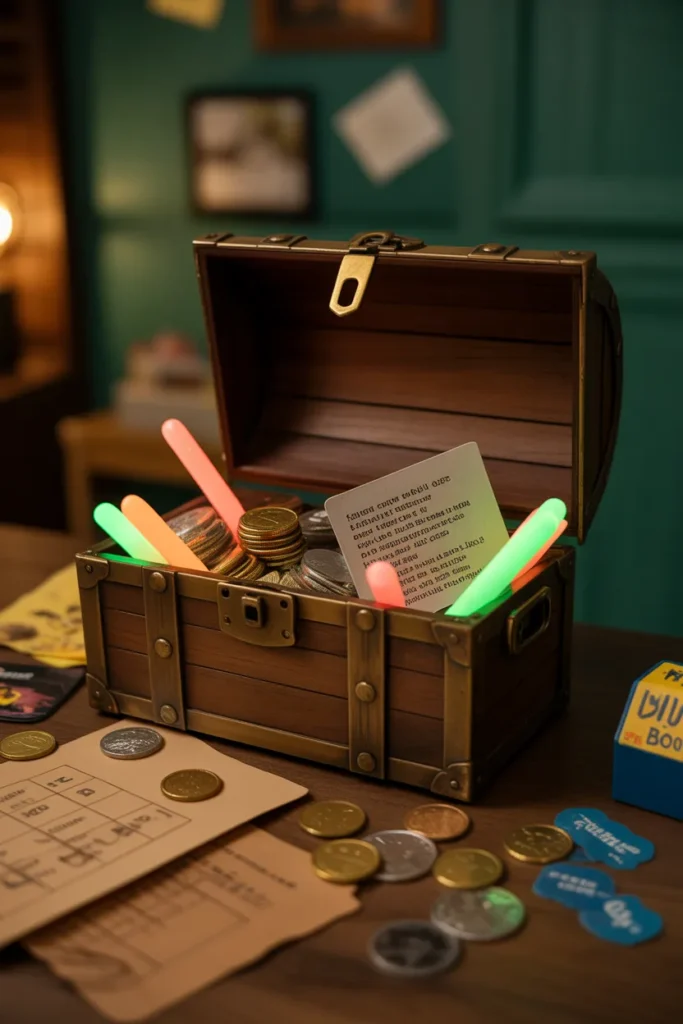
Among all the Escape Room Ideas I have tried, a treasure box challenge always gets the biggest reaction from kids. The excitement of searching for hidden treasure naturally keeps everyone involved and eager to solve the next clue.
I like filling a treasure chest with plastic coins, tokens, or small prizes. To make it more interesting, I hide one special coin that contains a secret message or clue. Kids must carefully search through the treasure to find the correct item before they can move forward.
For an extra challenge, I sometimes use a glow-in-the-dark coin that can only be found when the lights are dimmed. This creates a memorable moment and adds mystery to the game.
The best part is that this activity works well for almost every age group and can fit into pirate, adventure, jungle, or mystery-themed escape rooms.
Pro Tip: Place several fake clues inside the treasure chest so players must think carefully before choosing the correct one.
Scratch-Off Clue
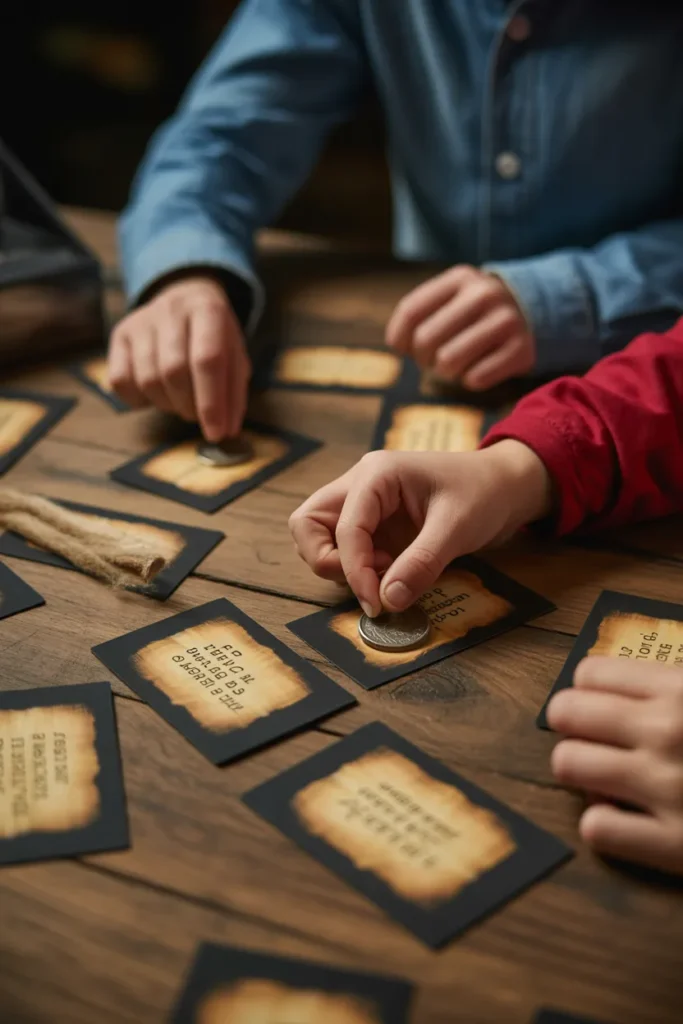
A scratch-off puzzle brings a fun surprise element to any escape room. I enjoy using this challenge because kids love revealing hidden messages with their own hands.
To create it, I write a clue underneath a scratchable layer and hide it somewhere in the room. Players must discover the card and gently remove the covering to reveal the secret message hidden underneath.
This activity builds anticipation because children cannot immediately see the answer. Instead, they must work through the puzzle and slowly uncover the clue.
I have noticed that hands-on challenges like this often keep kids engaged longer than traditional paper clues because they feel more interactive and rewarding.
The scratch-off clue can reveal a code, location, riddle answer, or key instruction needed to continue the game. It fits naturally into almost any escape room theme and requires very little setup.
Pro Tip: Create multiple scratch-off cards and let only one contain the correct clue. This adds another layer of mystery and problem-solving.
Many of the ideas I share are inspired by real-life experimentation. I often test décor concepts in my own living spaces and explore practical ways they can be applied in everyday homes. I also gather insights from working with homeowners who want to improve the comfort, beauty, and functionality of their spaces.
I share practical ideas for improving living rooms, bedrooms, and overall home aesthetics using simple design principles.
I explore creative ways to upgrade outdoor spaces including patio décor, small backyard styling, and relaxing outdoor setups.
I provide ideas for kitchen organization, décor accents, and functional layouts that make kitchens more beautiful and practical.
The concepts shared here are based on ideas I have personally experimented with or studied through real home décor improvements.