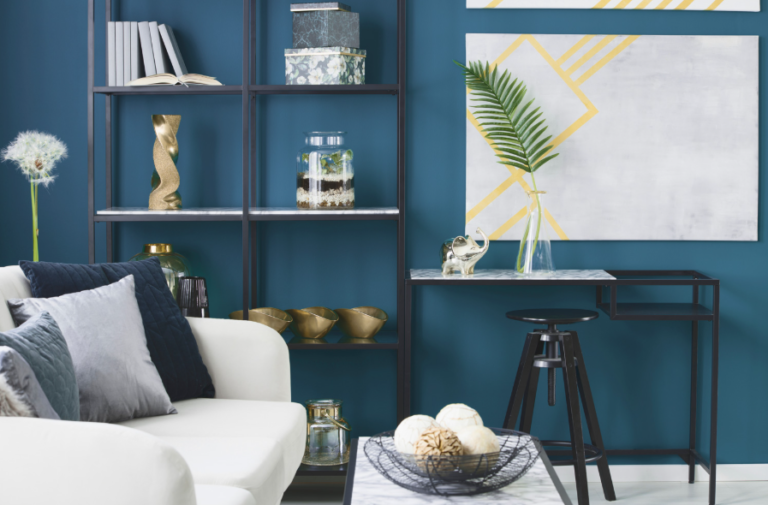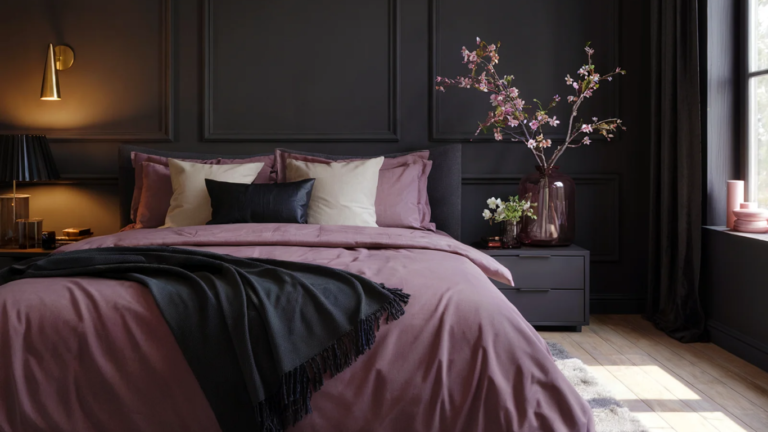
When I first started to choose furniture for living room, I realized it’s not just about picking what looks good. It’s about understanding space, comfort, and how I actually live every day. A smart furniture setup can improve how a room feels, functions, and even how often I enjoy spending time there.
In this guide, I’ll walk through everything I personally consider—from measuring space to picking materials and finishing touches. I focus on practical decisions that make a real difference, not just trends.
Right after applying these steps, I noticed better flow, less clutter, and a more comfortable setup overall. According to design studies, well-planned layouts can improve space efficiency by up to 30%, which makes a big impact in both small and large living rooms.
Key Takeaways
- I always measure my space before buying anything
- I focus on comfort first, then style
- I choose furniture based on how I actually use the room
- I keep traffic flow clear to avoid a cramped layout
- I invest in durable materials for long-term use
- I balance functionality with a clean, cohesive look
Assessing Your Living Room Space and Needs
Before I buy anything, I take time to understand my space. This step saves money and prevents mistakes that most people regret later.
Measuring Dimensions and Creating a Floor Plan
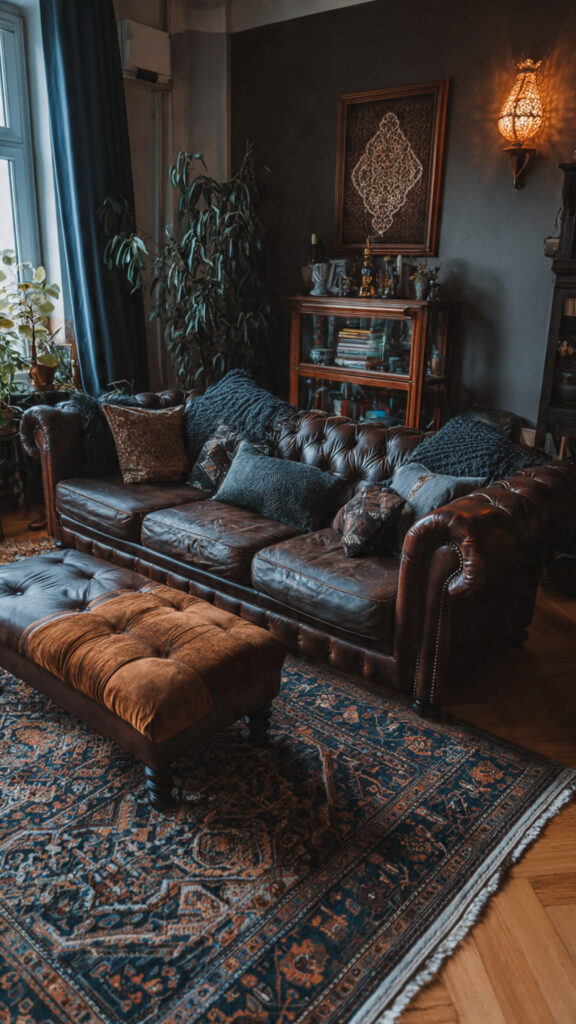
I always start by measuring my living room—length, width, and even height. This helps me avoid furniture that feels too bulky or too small. Even a few inches can change how a room looks and feels.
Then I sketch a simple layout. I mark doors, windows, and fixed elements. This gives me a clear idea of where furniture can go without blocking light or movement.
From my experience, planning ahead reduces wrong purchases. In fact, many homeowners return furniture simply because they skip this step.
Understanding Traffic Flow and Focal Points
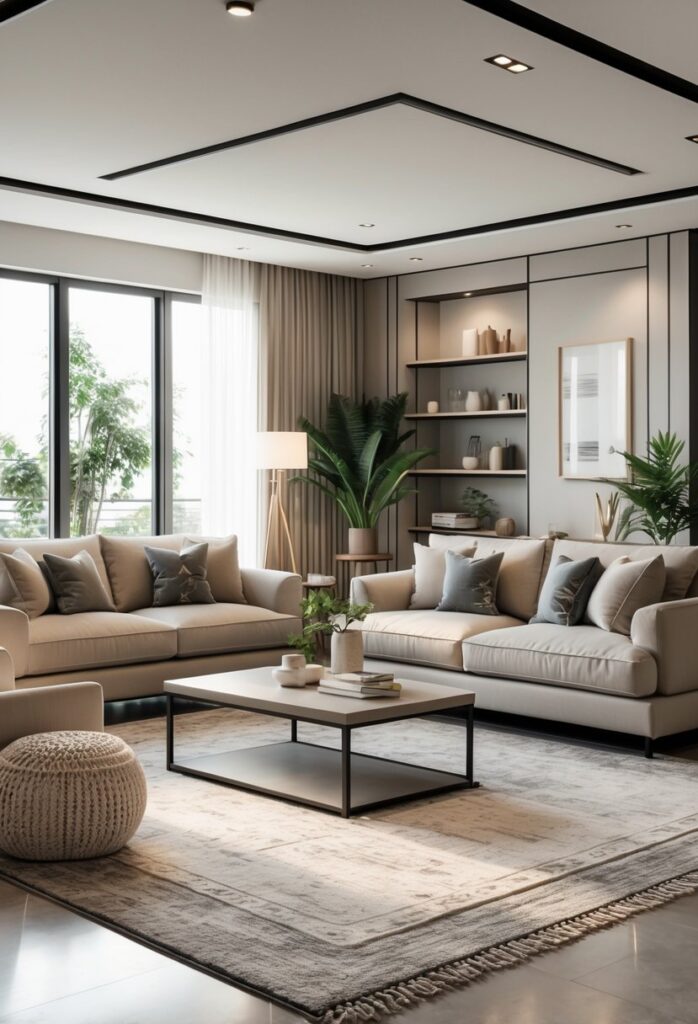
I make sure people can move easily through the room. I keep at least 2 to 3 feet of walking space so the area never feels tight.
Next, I identify a focal point. It could be a TV, window, or wall feature. I arrange my seating around it to create a natural and balanced setup.
This small adjustment makes a big difference. The room instantly feels more organized and inviting.
Identifying Key Functions and Lifestyle Requirements
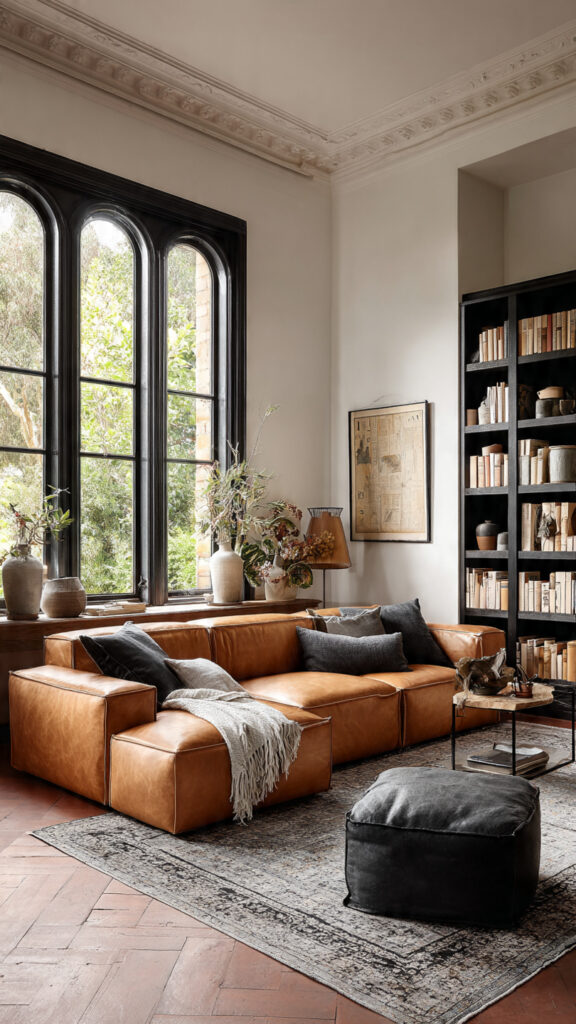
I ask myself how I actually use my living room. Is it for relaxing, hosting guests, or watching TV?
If I have guests often, I add more seating. If I need storage, I include smart furniture like ottomans. For multi-use spaces, I always go for flexible pieces.
Designing based on real life—not just looks—makes the room work better every day.
Selecting Essential Living Room Furniture
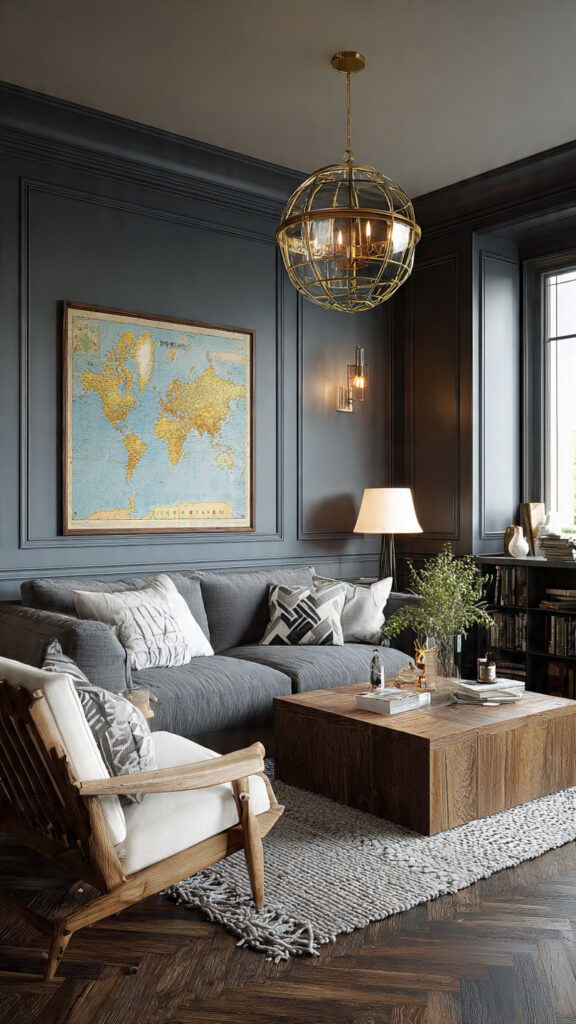
Once I understand my space, I move on to choosing the main furniture pieces that define the room.
Choosing the Right Sofa or Sectional
The sofa is always my starting point. It’s usually the largest and most used piece.
If I have a bigger space, I go for a sectional because it offers more seating and helps divide the room. For smaller spaces, I prefer a compact sofa to keep things open.
Material matters too. Leather is durable and easy to clean, while fabric gives more style options. I always test comfort because this is where I spend most of my time.
Comparing Chairs, Loveseats, and Ottomans
I add extra seating based on my needs. Accent chairs help bring personality and are easy to move around.
Loveseats work well in smaller rooms or as additional seating. Ottomans are one of my favorite pieces because they can be used as seating, footrests, or storage.
I keep everything consistent in style so the room looks put together without trying too hard.
Picking Coffee Tables, Console Tables, and TV Stands
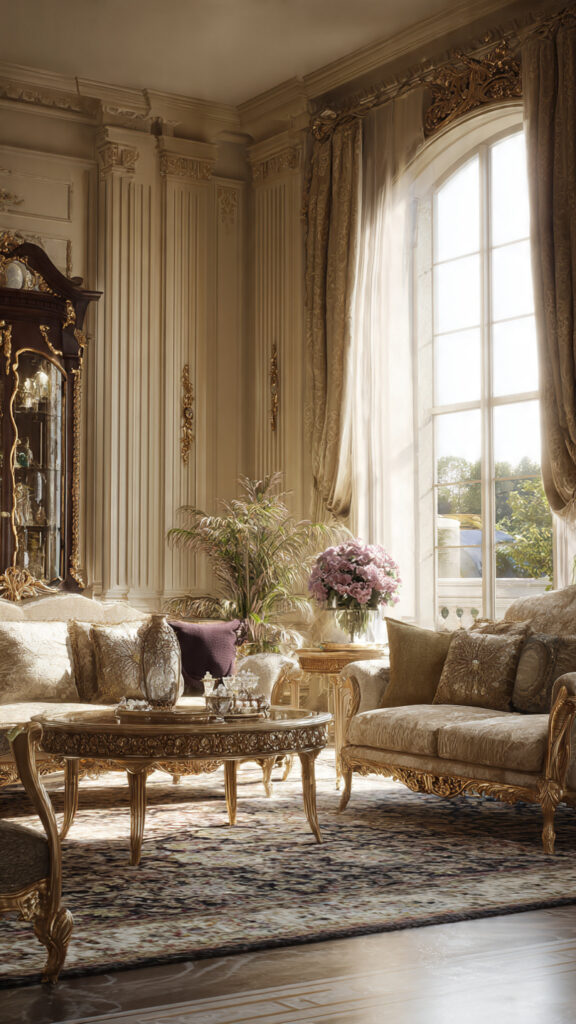
A coffee table ties the seating area together. I make sure it’s the right size—not too big or too small. Ideally, I leave about 18 inches between the sofa and the table.
Console tables are great for narrow spaces. I use them behind sofas or along walls for extra function.
For TV stands, I always choose something with storage. It helps keep cables and devices organized, which makes the room look cleaner.
Incorporating Storage Solutions and Media Consoles
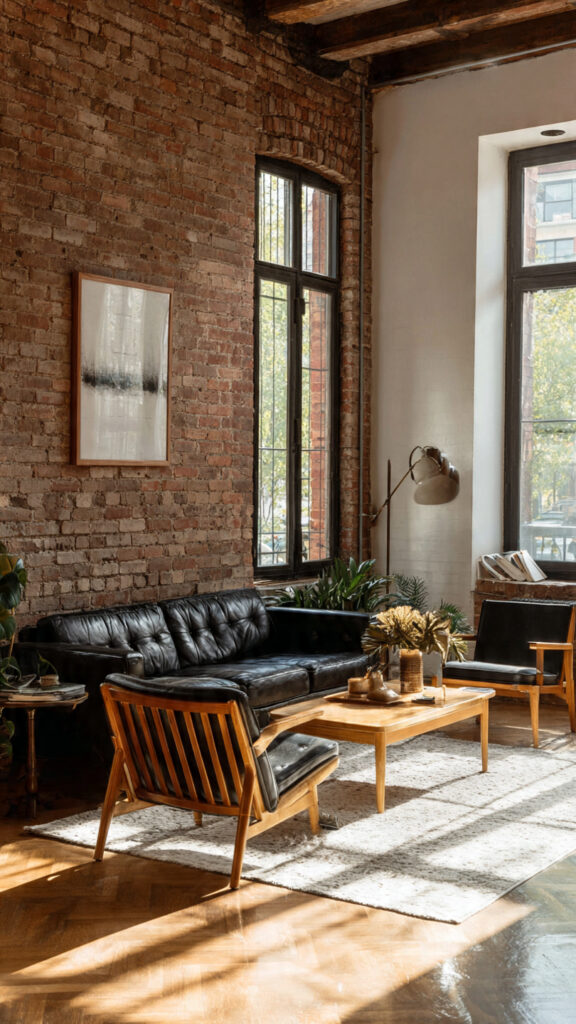
Storage is something I never ignore. A clutter-free living room feels more relaxing and functional.
I use shelves, cabinets, or storage ottomans to keep things organized. Multi-purpose furniture is a smart choice, especially for smaller homes.
From my experience, having proper storage can reduce visible clutter by nearly 40%, making the room feel bigger instantly.
Coordinating Style, Comfort, and Scale
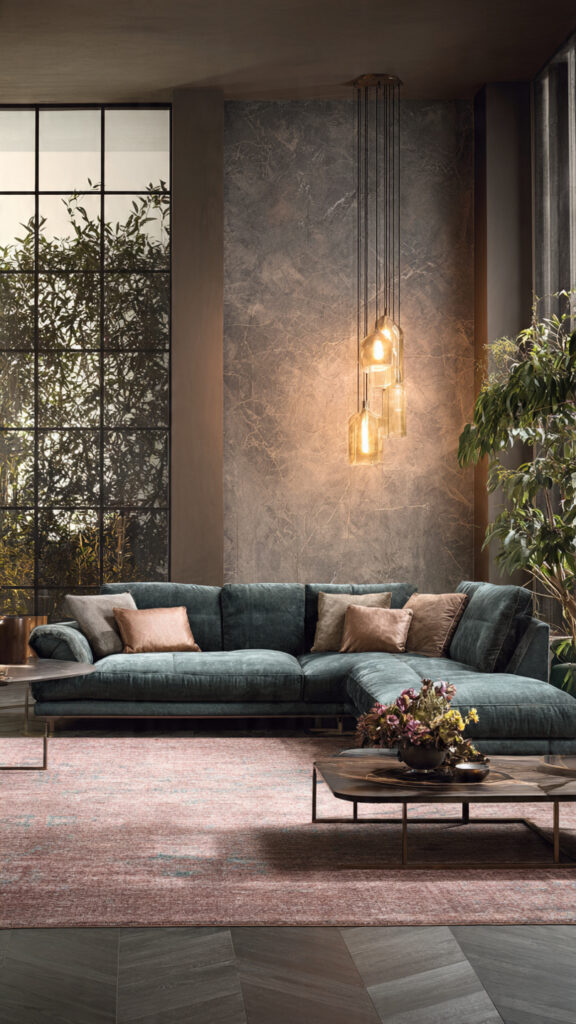
Once the main pieces are in place, I focus on making everything work together visually and practically.
Achieving Cohesion with Color and Texture
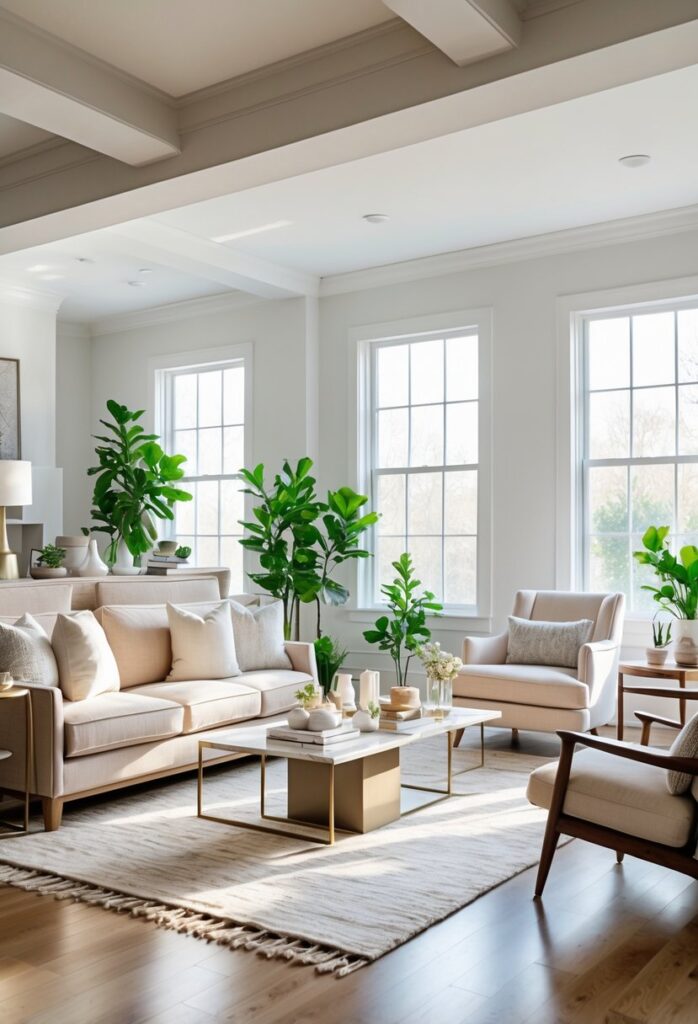
I usually start with neutral colors like gray, beige, or white. These create a calm base and make it easier to add accents later.
Then I layer textures—like pairing a soft rug with a smooth sofa. This adds depth without making the room look busy.
I avoid too many patterns at once because it can quickly feel overwhelming.
Balancing Scale and Proportion in Furniture Selection
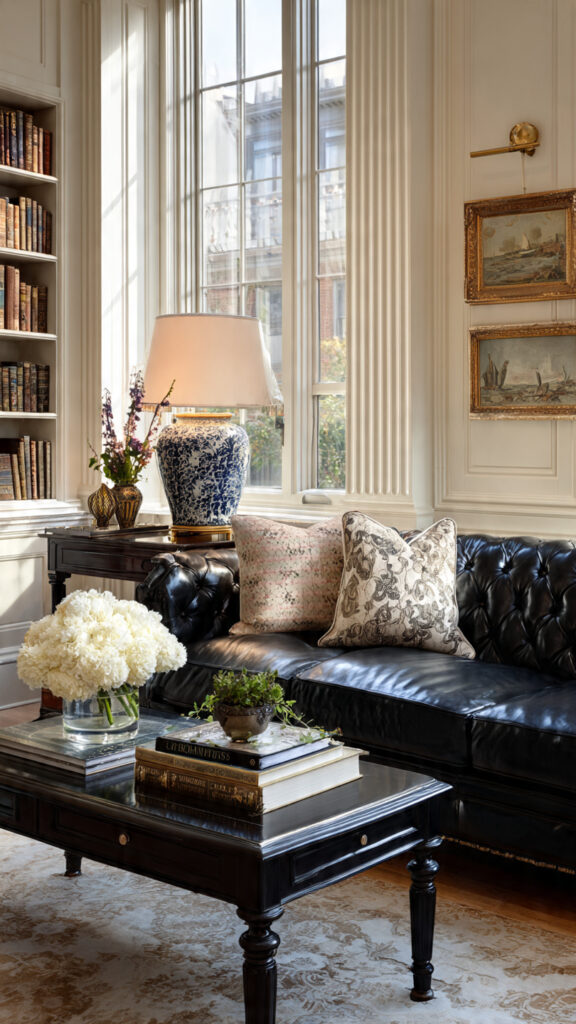
I always make sure my furniture fits the room size. Large furniture in a small space feels cramped, while small pieces in a big room look lost.
A simple rule I follow is the 2/3 rule. Furniture should fill about two-thirds of the space, leaving enough room to move around.
This keeps the layout balanced and comfortable.
Selecting Durable and Comfortable Materials
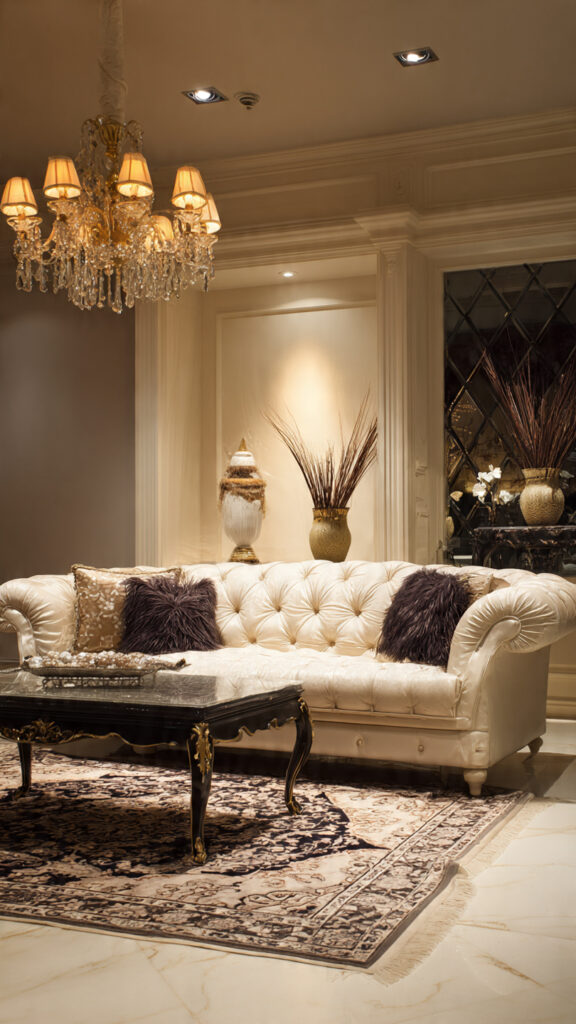
I focus on materials that last. If I have kids or pets, I go for stain-resistant fabrics like microfiber or leather.
I also check the frame. Hardwood or metal frames last longer and hold their shape better over time.
Comfort is just as important. Good cushioning supports posture and makes everyday use more enjoyable.
Finishing Touches and Professional Guidance
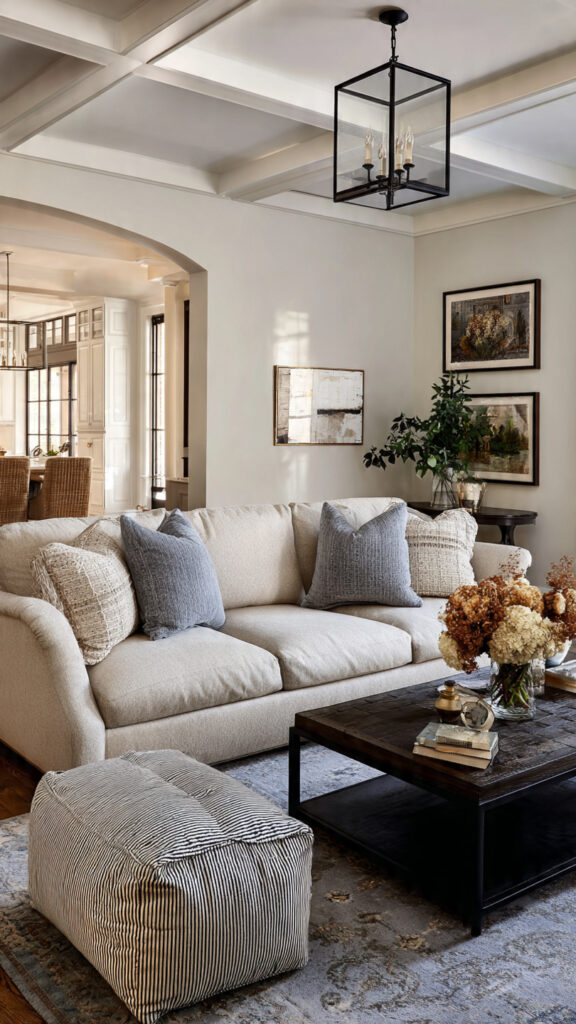
After setting up the main furniture, I complete the look with small details that bring everything together.
Using Accessories to Enhance Function and Style
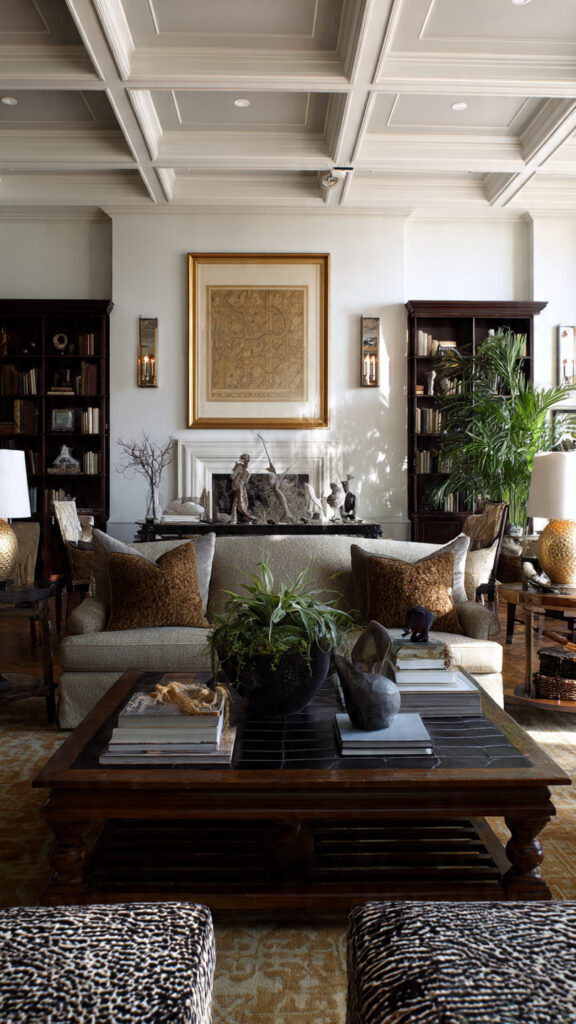
I use throw pillows and rugs to add color and comfort. Rugs help define the seating area and make the space feel complete.
Lamps, wall art, and small decor items add personality. I keep it simple so the room doesn’t feel crowded.
These finishing touches make a big difference without requiring a big budget.
When to Consult an Interior Designer
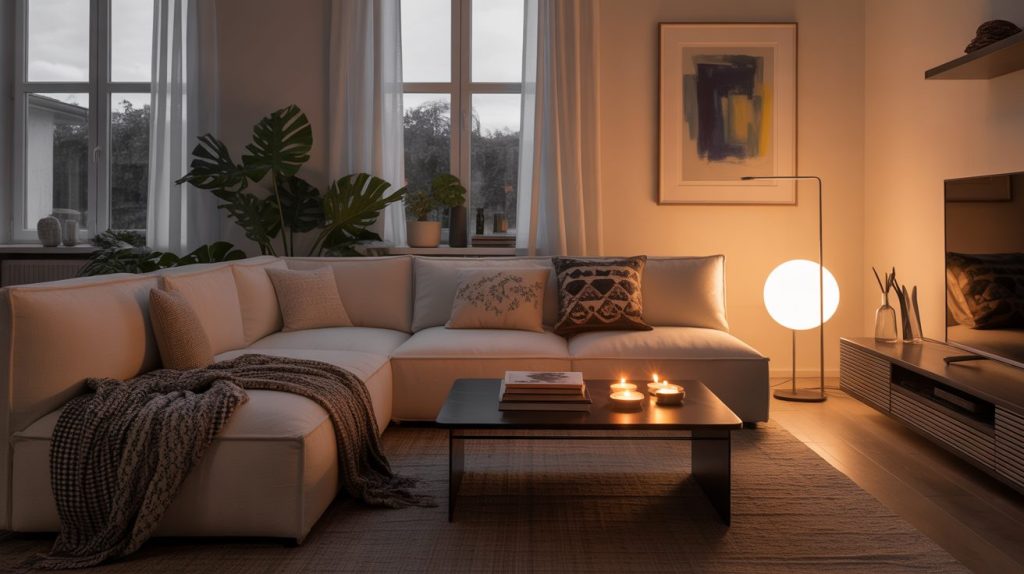
Sometimes, I consider getting professional help—especially for tricky layouts or when I want a polished look.
Interior designers understand spacing, color balance, and layout better. They can also help avoid costly mistakes.
If the budget allows, their input can save time and improve the final result significantly.
Conclusion
When I choose furniture for living room, I focus on what truly works for my space and daily life instead of just following trends. I’ve learned that measuring properly, planning layout, and understanding my needs always lead to better decisions.
For me, the best living room is one that feels comfortable, looks balanced, and stays practical over time. Investing in the right pieces, choosing durable materials, and keeping the layout simple makes everything easier in the long run.
In the end, it’s not about filling the room with furniture—it’s about creating a space where I can relax, spend time with others, and actually enjoy being there every day.
Many of the ideas I share are inspired by real-life experimentation. I often test décor concepts in my own living spaces and explore practical ways they can be applied in everyday homes. I also gather insights from working with homeowners who want to improve the comfort, beauty, and functionality of their spaces.
I share practical ideas for improving living rooms, bedrooms, and overall home aesthetics using simple design principles.
I explore creative ways to upgrade outdoor spaces including patio décor, small backyard styling, and relaxing outdoor setups.
I provide ideas for kitchen organization, décor accents, and functional layouts that make kitchens more beautiful and practical.
The concepts shared here are based on ideas I have personally experimented with or studied through real home décor improvements.