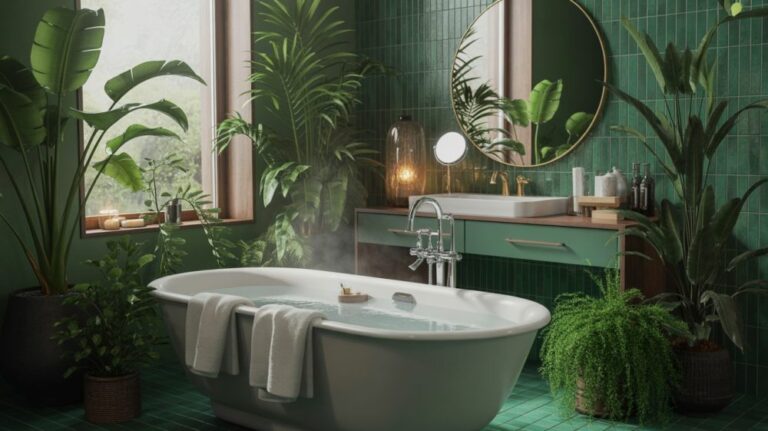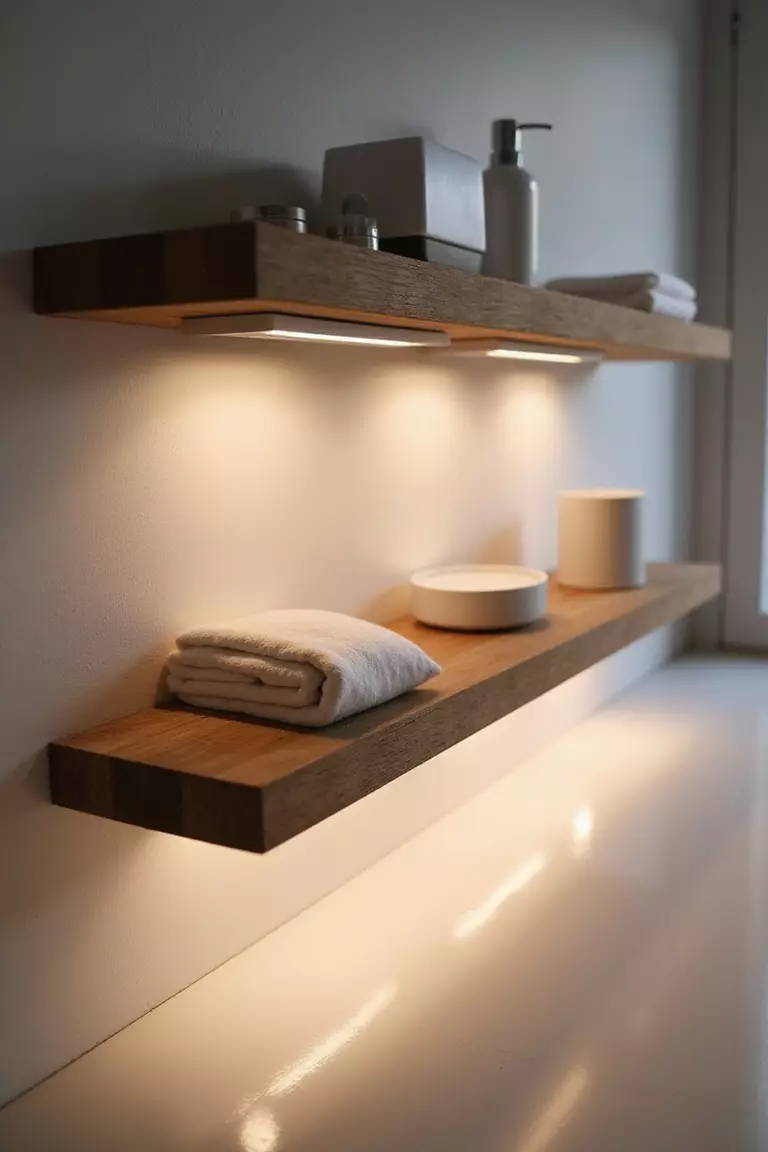
Designing a small bathroom used to frustrate me, but over time I realized something important—small spaces actually force smarter decisions. With the right approach, even the tiniest bathroom can feel open, functional, and stylish. These Small Bathroom Design Ideas are not just about saving space, they’re about using it wisely.
In my experience, the biggest shift comes from focusing on light, layout, and storage together—not separately. Studies show that lighter interiors can make spaces feel up to 30% larger visually, and that’s exactly what I’ve seen in real homes too.
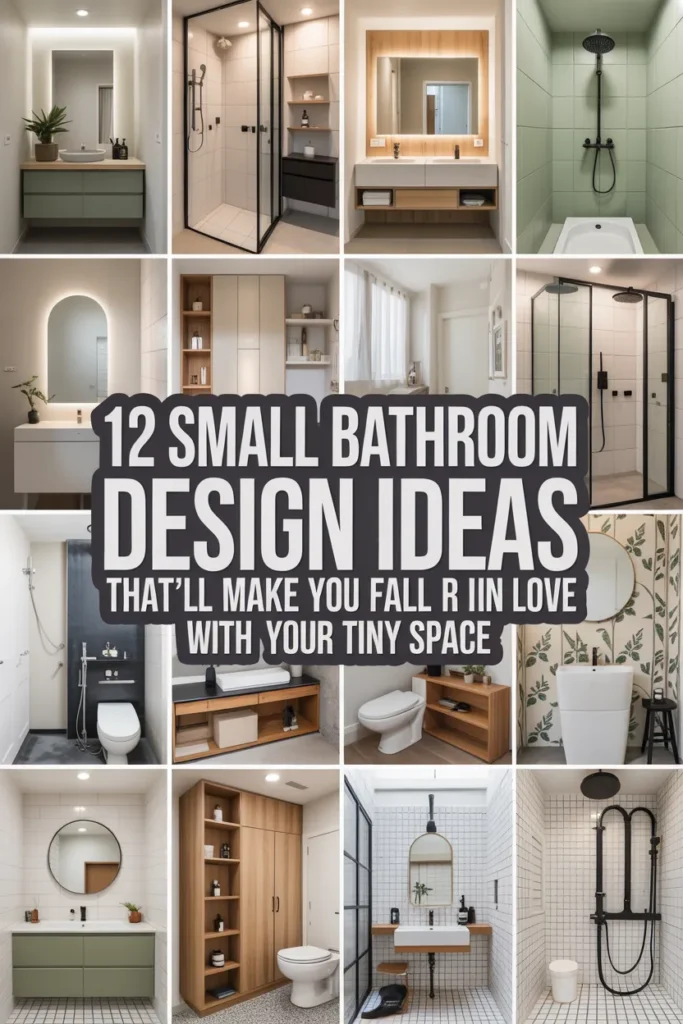
Key Takeaways
- Light colors and mirrors can visually double your space
- Wall-mounted fixtures free up floor area
- Vertical storage is essential in tight layouts
- Smart layouts like corner showers improve flow
- Decluttering instantly makes a bathroom feel bigger
The Power of Light Colors and Reflective Surfaces
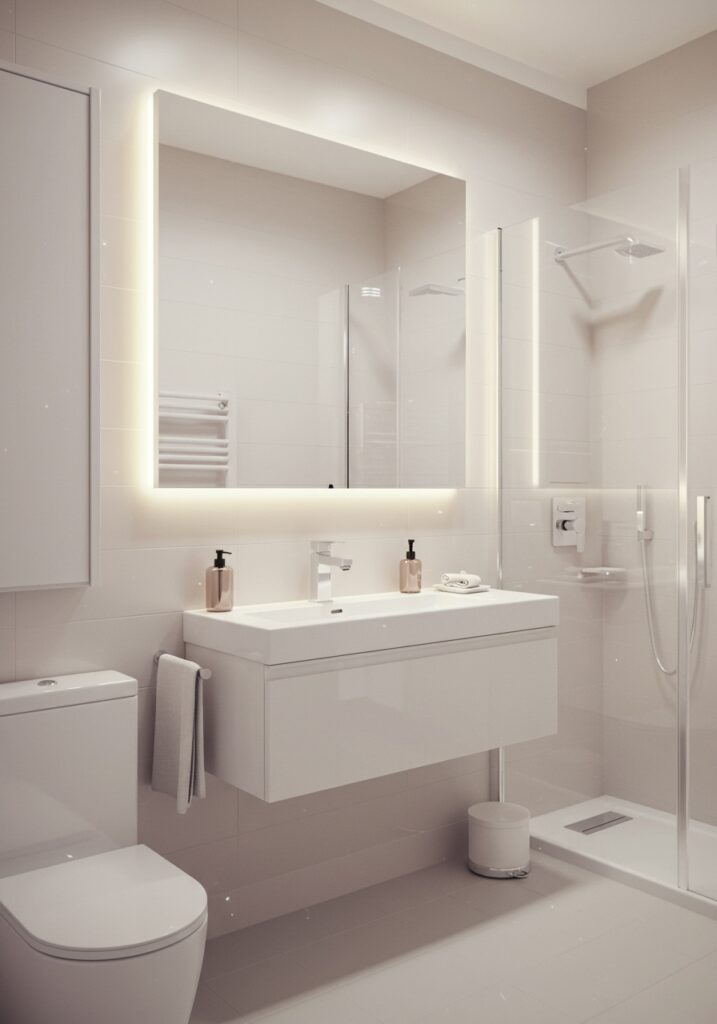
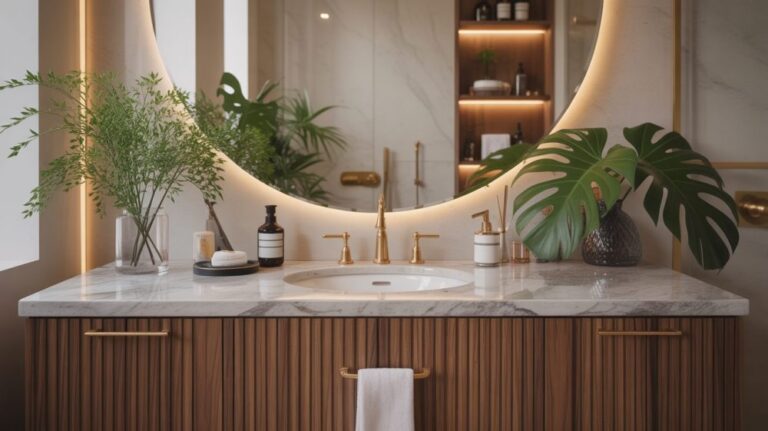
I’ve personally seen how much light colors change a small bathroom. When I switched from dark tones to soft white and neutral shades, the entire space felt brighter and more open. Light colors reflect natural and artificial light, which helps reduce that boxed-in feeling.
I usually recommend sticking to whites, creams, or soft pastels. Even subtle color shifts can make a difference. Adding a large mirror is another trick I always rely on—it reflects light and creates depth, making the room feel almost twice its size.
Pro Tip: If possible, place your mirror opposite a light source to maximize brightness.
Floating Vanities: Your Space-Saving Heroes
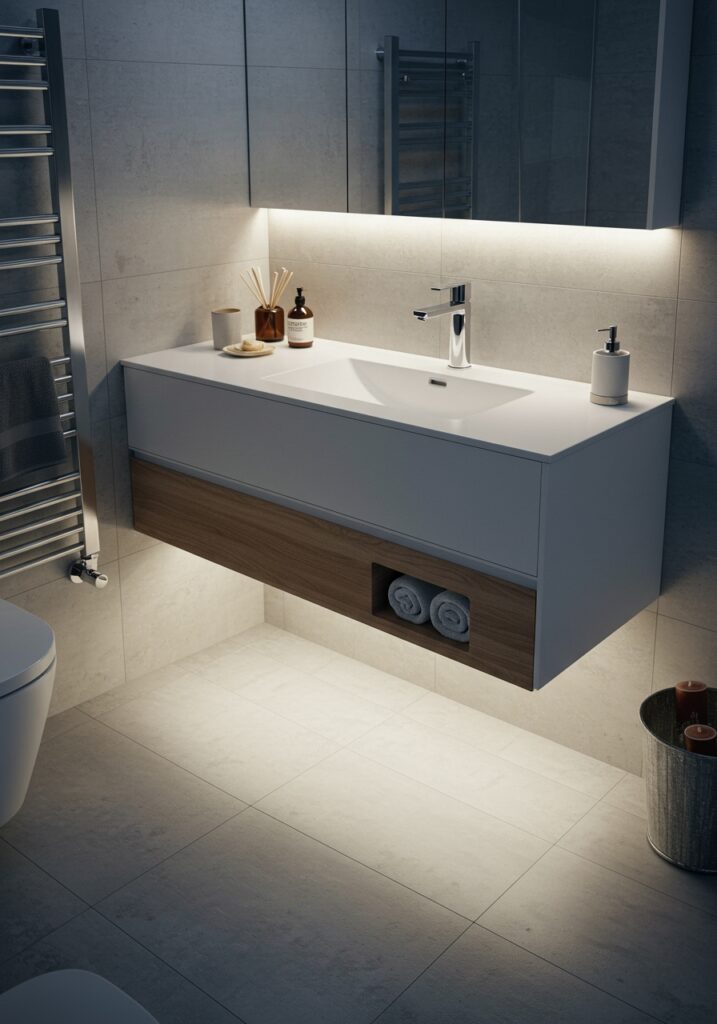
Floating vanities are one of my favorite upgrades in small bathrooms. By lifting the vanity off the floor, I immediately noticed how much more open the room looked. It’s a simple change, but it makes a big visual impact.
They also make cleaning easier, which is a bonus. Most modern designs come with enough storage, so you don’t lose functionality while gaining space.
Pro Tip: Choose a simple, handle-free design to keep the look clean and uncluttered.
Vertical Storage Solutions That Actually Work
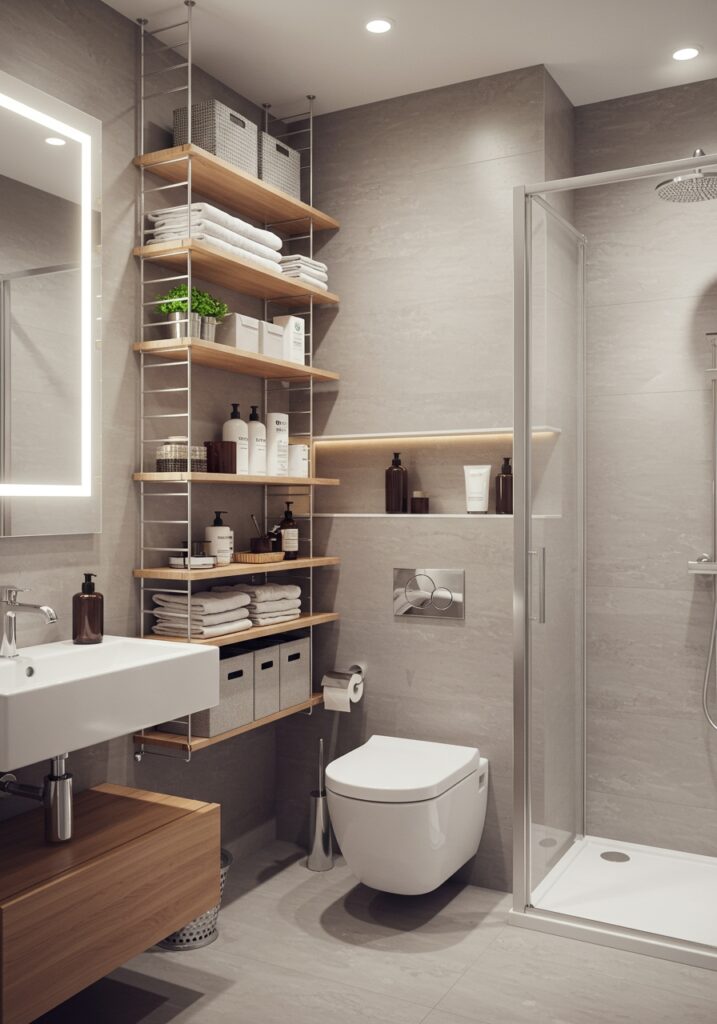
When space is tight, I always look up—literally. Vertical storage has helped me maximize even the smallest bathrooms without crowding the floor.
Installing shelves above the toilet or using tall cabinets can add storage without taking up extra room. I’ve found that wall-mounted options work best because they keep everything accessible while maintaining a clean layout.
Pro Tip: Use baskets or containers on shelves to avoid visual clutter.
Corner Showers: Maximize Every Square Inch
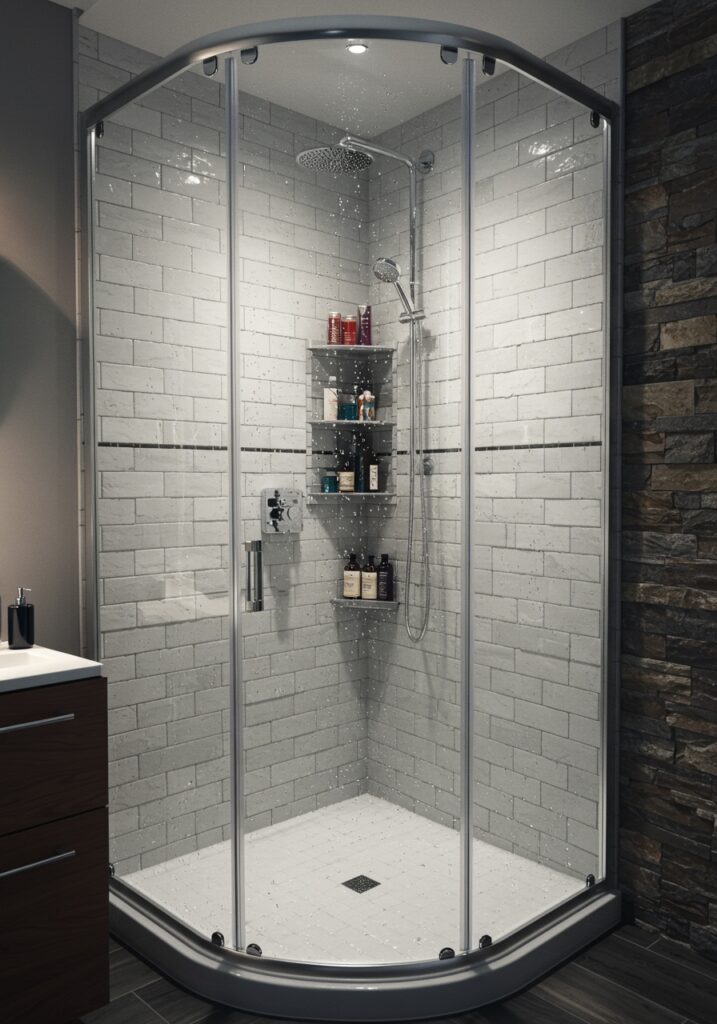
Switching to a corner shower is one of the smartest layout decisions I’ve made. It frees up wall space and improves movement within the bathroom.
I always prefer glass enclosures because they keep the space feeling open. Compared to bulky curtains or opaque panels, glass allows light to flow freely, which is key in small bathrooms.
Pro Tip: Curved glass doors can make the space feel even less restricted.
The Magic of Pocket Doors
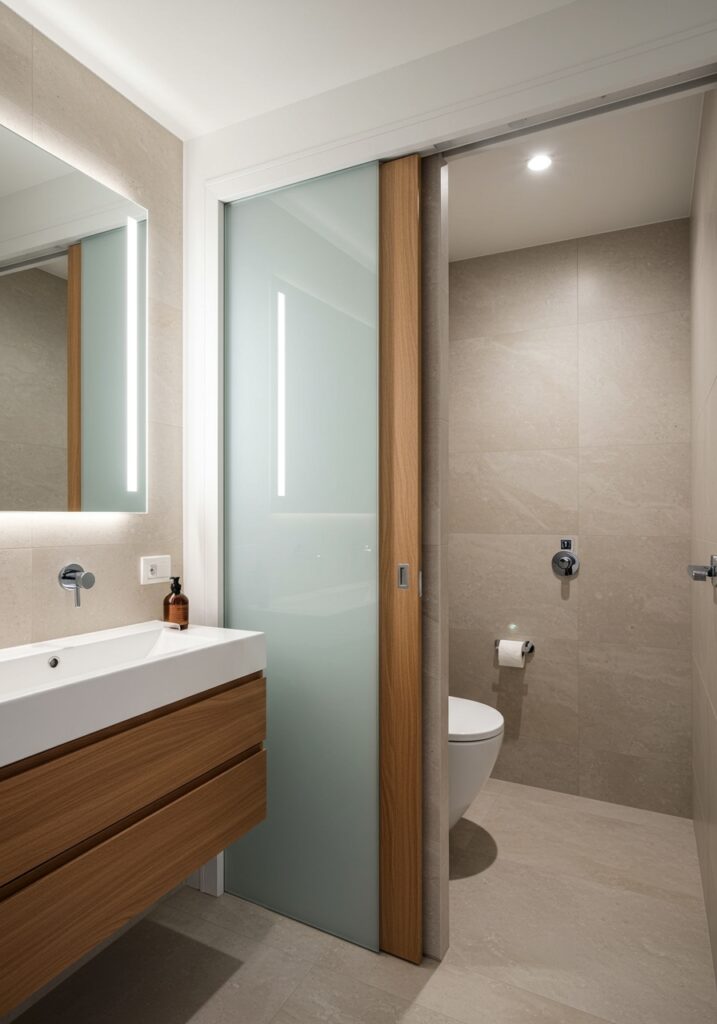
I didn’t realize how much space a regular door wastes until I replaced it with a pocket door. It slides into the wall, freeing up valuable floor area.
This change allowed me to add extra storage that wasn’t possible before. It’s a practical solution, especially in tight layouts where every inch matters.
Pro Tip: If renovation isn’t possible, consider sliding barn-style doors as an alternative.
Smart Toilet Solutions for Tight Spaces
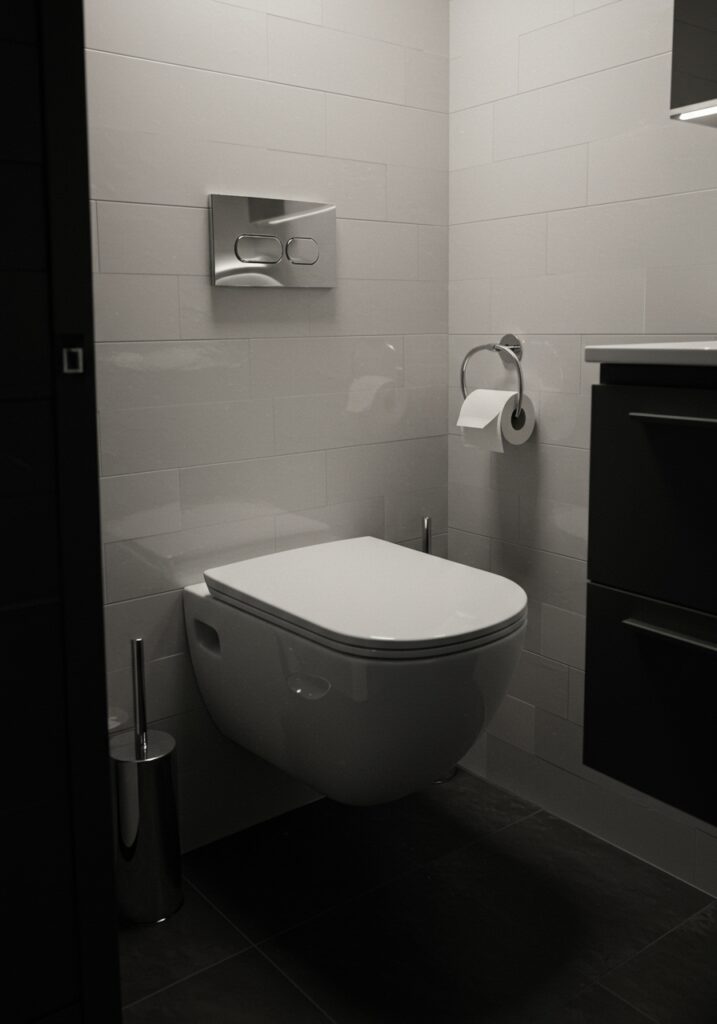
Toilets take up more space than we think, so choosing the right one matters. I’ve worked with wall-mounted and compact models, and both make a noticeable difference.
Wall-mounted toilets create a cleaner look and expose more floor, while corner toilets help utilize unused areas. Both options are great for optimizing layout.
Pro Tip: Compact toilets can save up to 10–12 inches of space compared to standard models.
Creative Lighting to Open Up Your Space
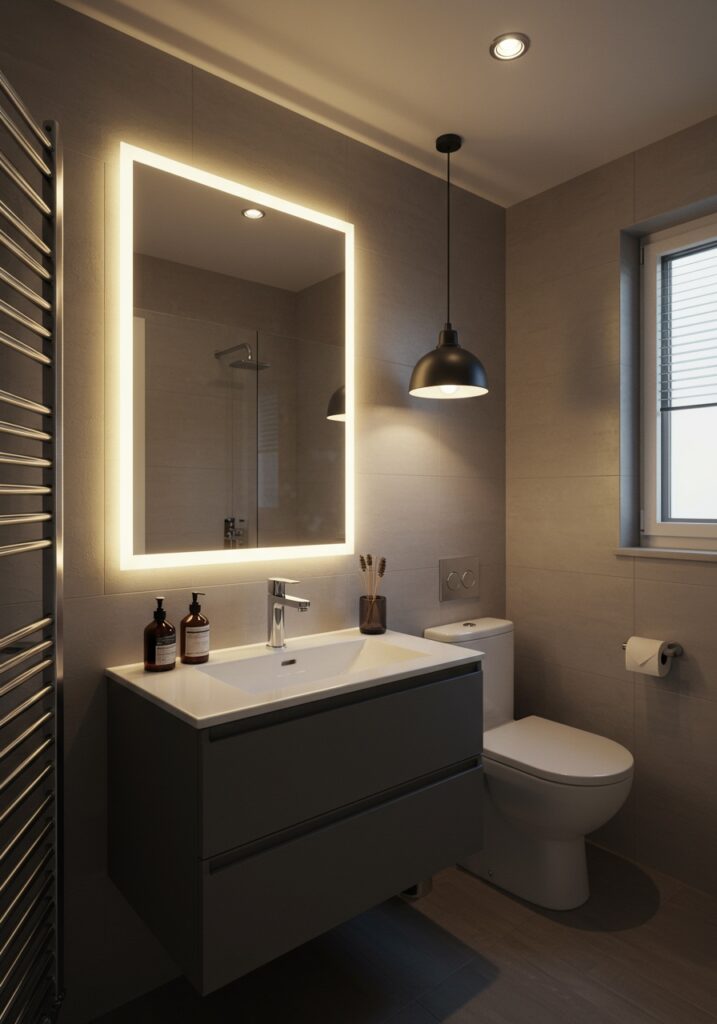
Lighting is something I never overlook anymore. Poor lighting makes even a decent layout feel cramped, while good lighting opens everything up.
I prefer layering different light sources—overhead lights for general brightness and focused lighting near the mirror. This improves both functionality and overall feel.
Pro Tip: Use recessed lighting to avoid bulky fixtures in low ceilings.
Multi-Functional Furniture and Fixtures
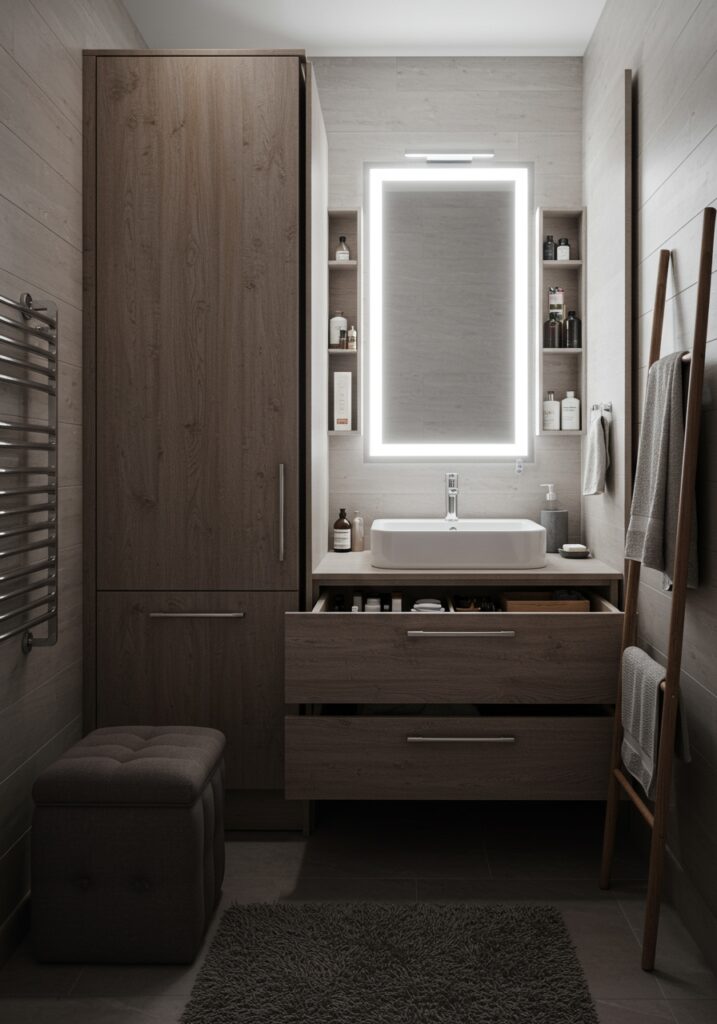
In small bathrooms, every item should serve more than one purpose. I always look for pieces that combine storage and function.
For example, a mirror with built-in storage or a vanity with drawers can reduce clutter significantly. These small upgrades make daily use much more efficient.
Pro Tip: Look for compact designs that hide storage without looking bulky.
Color Psychology in Small Spaces
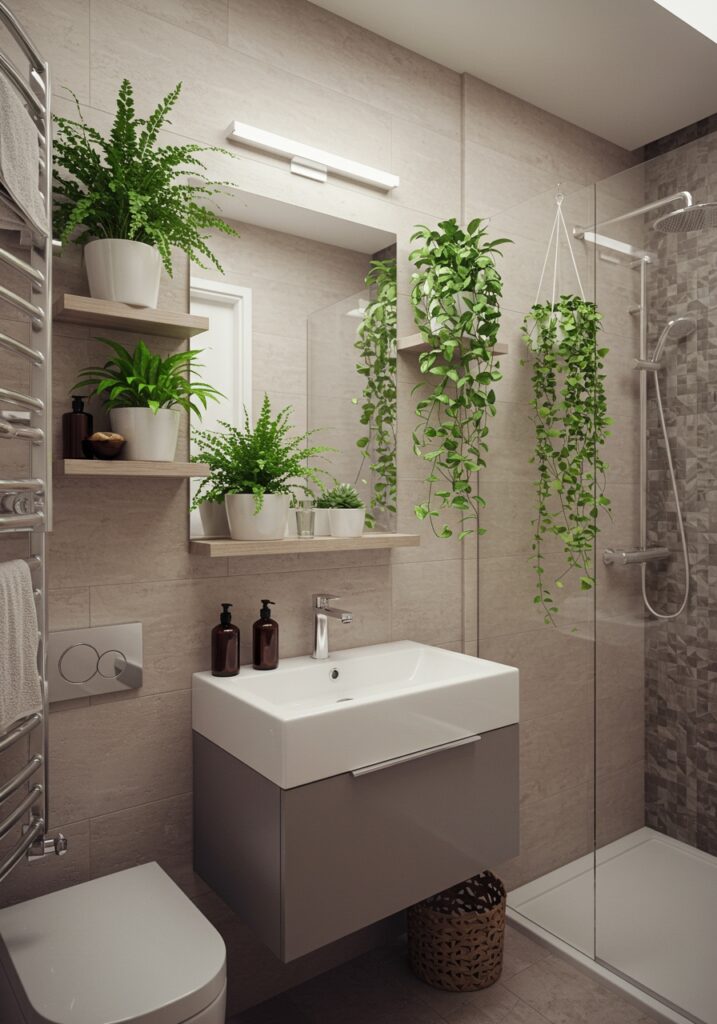
I’ve tested different color schemes, and the difference is real. Cool tones like blue and green tend to make walls feel farther away, which helps open up the space.
Neutral palettes also work well because they keep things calm and uncluttered visually. I usually avoid bold colors on large surfaces in small bathrooms.
Pro Tip: Use bold colors only in accents like towels or accessories.
The Art of Decluttering and Organization
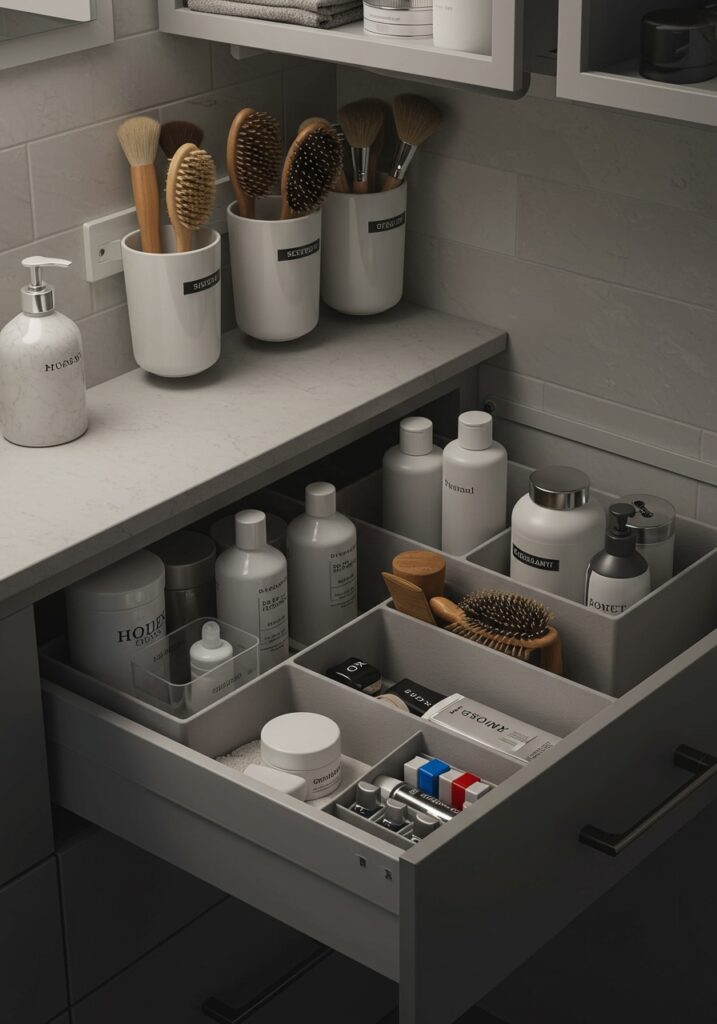
Decluttering made one of the biggest impacts in my bathroom. Even the best design won’t work if the space is overcrowded.
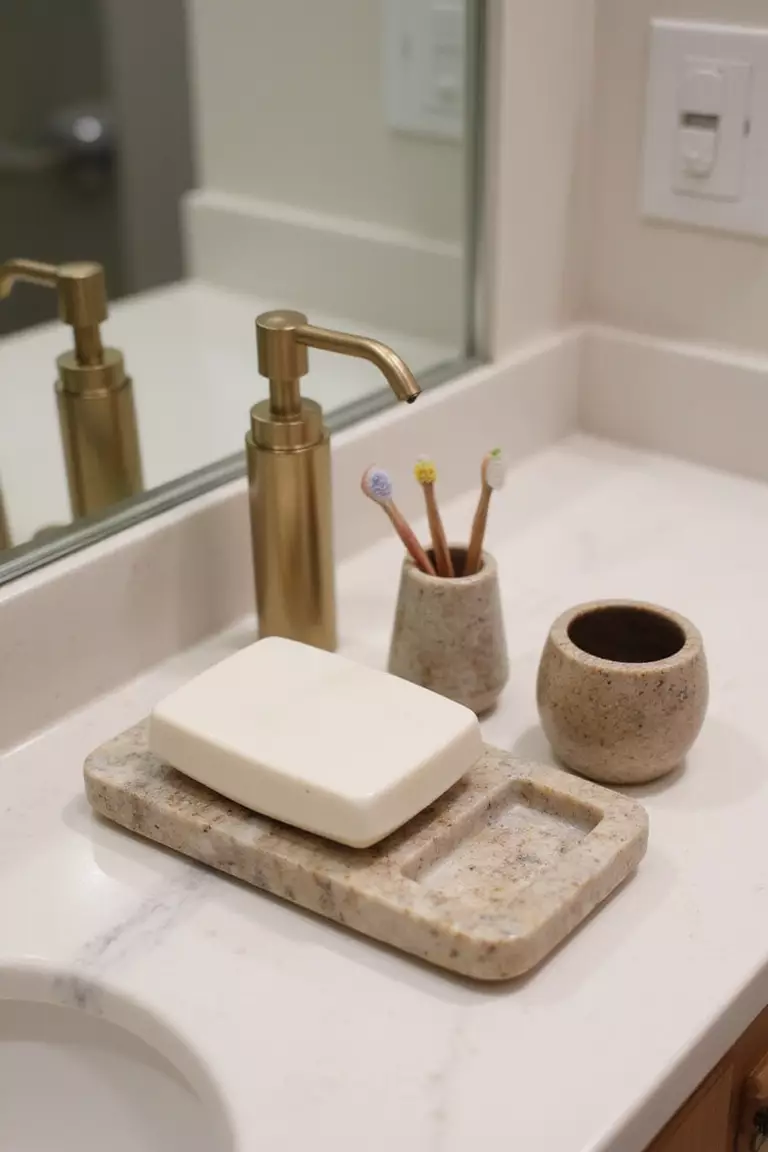
I stick to keeping only what I use daily and store everything else neatly. Organized spaces always feel bigger and more relaxing.
Pro Tip: Use drawer dividers to keep small items from piling up.
Budget-Friendly Updates That Make a Big Impact
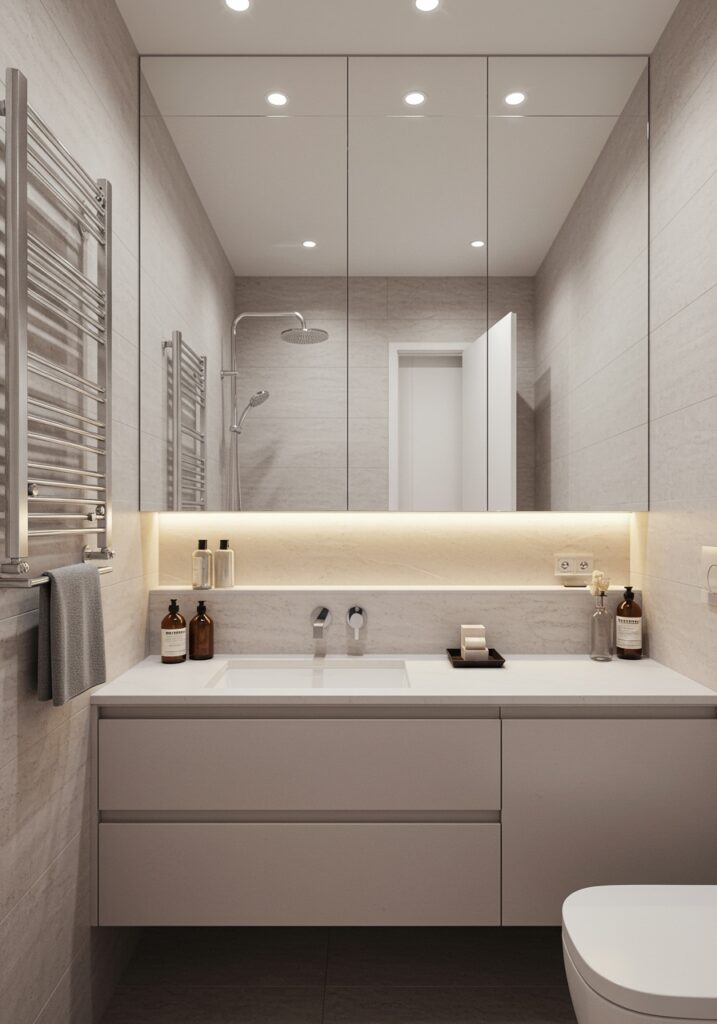
You don’t need a full renovation to improve your bathroom. I’ve made noticeable changes with just a few simple updates.
Fresh paint, new fixtures, and updated lighting can completely change the look. Even replacing old hardware can make the space feel modern.
Pro Tip: Focus on high-impact changes like lighting and mirrors first.
Bringing It All Together: Your Small Bathroom Dream Space
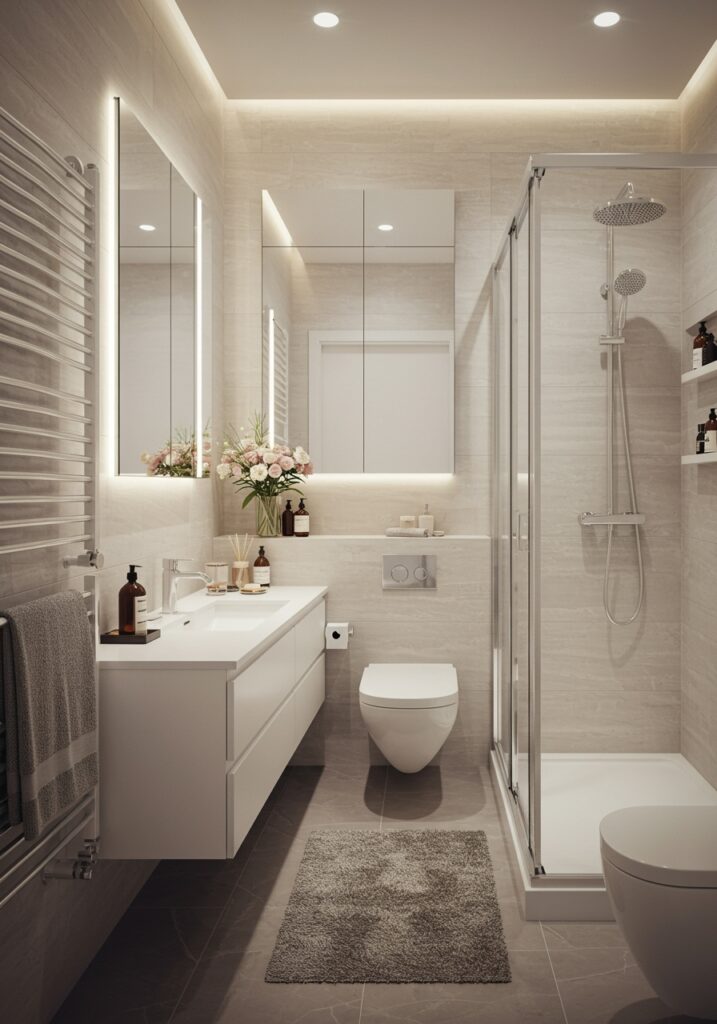
From my experience, the best results come from combining multiple small changes rather than relying on one big upgrade. When everything works together—color, lighting, storage—the space feels complete.
Small bathrooms actually have more design potential than people think. They just require more thoughtful planning and smart decisions.
Your Small Bathroom Journey Starts Now
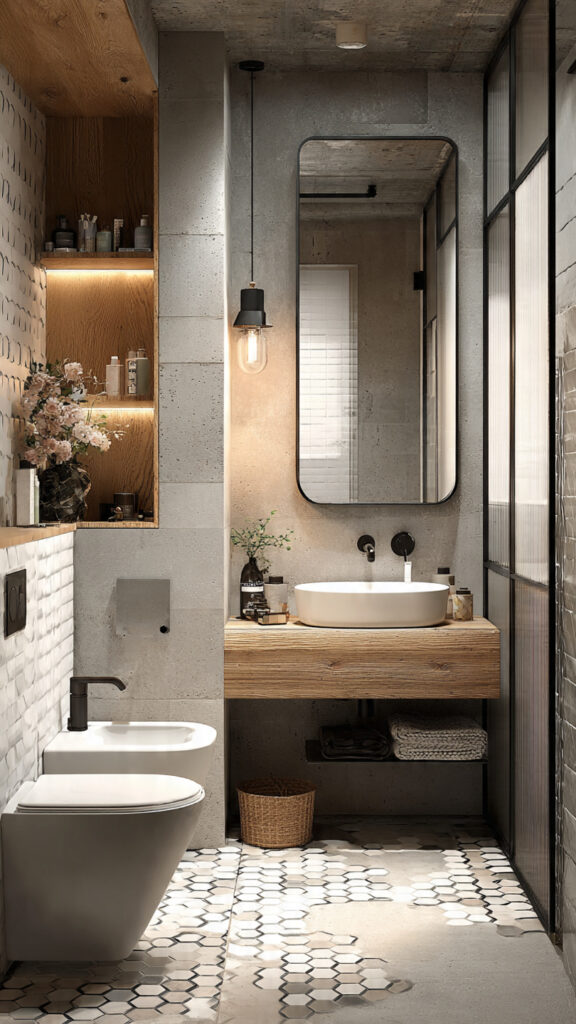
If there’s one thing I’ve learned, it’s that small bathrooms don’t have to feel limiting. With the right Small Bathroom Design Ideas, you can create a space that feels comfortable and stylish.
Start with one improvement at a time and build from there. Even small changes can lead to noticeable results, and once you begin, it becomes much easier to keep improving your space.
Final Words
At the end of the day, I’ve learned that designing a small bathroom is less about the size of the space and more about the choices I make inside it. Every decision—from the color on the wall to the type of vanity I install—directly affects how open, comfortable, and functional the bathroom feels.
When I first started working with compact bathrooms, I used to think I needed expensive renovations to make a real difference. But over time, I realized that even small, intentional changes can completely transform the space. Something as simple as switching to lighter tones, adding better lighting, or removing unnecessary clutter can shift the entire atmosphere in a powerful way.
What really stands out to me is how much psychology plays a role in Small Bathroom Design Ideas. The way light reflects, how colors influence mood, and how storage is arranged all work together to shape how big or small the room feels. Once I started thinking in layers—visual space, physical space, and functional flow—everything became easier to design.
I also believe small bathrooms teach discipline. They force me to prioritize what truly matters and remove what doesn’t add value. That mindset doesn’t just improve the bathroom—it improves how I approach design in general. I’ve seen that people who embrace simplicity and smart organization always end up with more relaxing, easier-to-maintain spaces.
If I had to summarize my experience in one thought, it would be this: a small bathroom isn’t a limitation, it’s an opportunity to design smarter. With the right mix of lighting, storage, layout, and thoughtful details, even the tiniest bathroom can feel like a well-planned, high-end space.
So instead of focusing on what you don’t have, I always suggest focusing on what you can improve step by step. Start small, stay consistent, and let each upgrade build on the last. Over time, those small improvements turn into a complete transformation that feels both practical and beautiful.
And honestly, that’s the part I enjoy most—seeing a cramped, overlooked bathroom turn into a space that feels calm, organized, and genuinely enjoyable to use every single day.
FAQs About Small Bathroom Design Ideas
What are the best Small Bathroom Design Ideas for beginners?
From my experience, the easiest place to start is with light colors, better lighting, and decluttering. These three changes alone can instantly make a small bathroom feel more open and organized without major renovation work.
How do I make a small bathroom look bigger?
I always rely on mirrors, light color palettes, and glass shower enclosures. These elements reflect light and create visual depth, which helps the bathroom feel more spacious than it actually is.
Are floating vanities good for small bathrooms?
Yes, I personally find floating vanities very effective. They expose more floor space, improve visual flow, and make cleaning easier while still offering practical storage options.
What colors are best for small bathrooms?
I usually recommend whites, soft greys, creams, and light pastels. These shades reflect light better and reduce the feeling of tightness in compact spaces.
Do mirrors really help in small bathroom design?
Absolutely. I’ve seen mirrors almost double the visual space when placed correctly. Large or wall-wide mirrors are especially effective in enhancing brightness and depth.
Is a shower or bathtub better for small bathrooms?
In most cases, I prefer a shower for small bathrooms. Showers take up less space and can be designed with glass panels to maintain an open, airy feel.
What type of lighting works best in small bathrooms?
I always suggest layered lighting—recessed ceiling lights combined with mirror lighting. This improves visibility and prevents dark corners that make the space feel smaller.
How important is storage in a small bathroom?
Storage is critical. Without proper organization, even a well-designed bathroom can feel cluttered and cramped very quickly.
What is the biggest mistake in small bathroom design?
In my opinion, the biggest mistake is overcrowding the space with bulky fixtures and too many decorative items, which reduces both function and visual space.
Can dark colors work in a small bathroom?
Yes, but only in moderation. I usually use dark colors as accents rather than full wall coverage to avoid making the space feel smaller.
Are pocket doors worth it for small bathrooms?
Definitely. I’ve found pocket doors to be one of the best space-saving upgrades because they eliminate the swing clearance required by traditional doors.
How can I improve ventilation in a small bathroom?
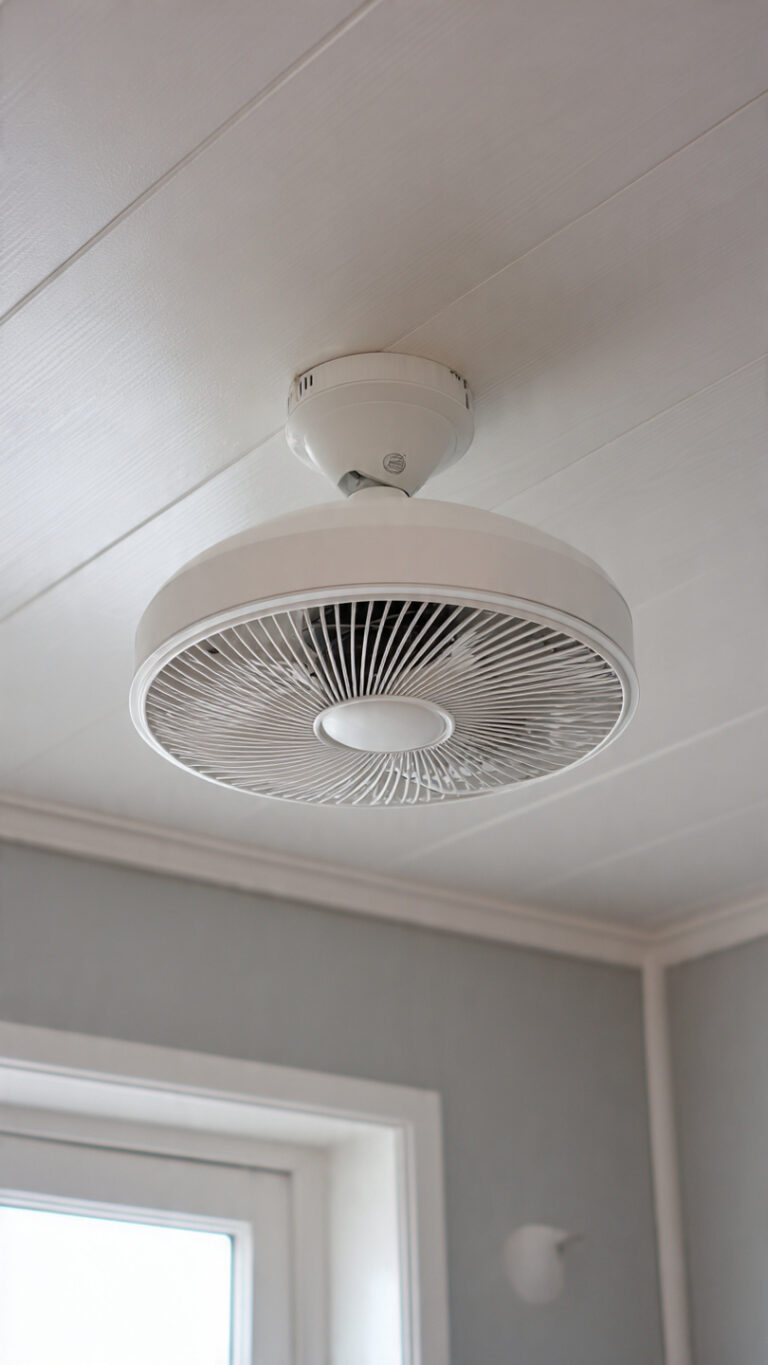
I recommend installing a strong exhaust fan and, if possible, using a window for natural airflow. Good ventilation also helps prevent mold and moisture buildup.
What kind of tiles are best for small bathrooms?
I prefer large-format tiles because fewer grout lines create a cleaner and more spacious visual effect compared to smaller tiles.
How do I keep a small bathroom clutter-free?
I stick to a simple rule: only keep daily-use items in the bathroom. Everything else should be stored elsewhere or organized in closed storage units.
Are corner sinks useful in small bathrooms?
Yes, corner sinks are very practical. They free up wall space and improve movement within tight layouts.
What is the best layout for a small bathroom?
From my experience, a linear or corner-based layout works best because it keeps movement simple and avoids overcrowding the center space.
Can plants be used in small bathrooms?
Yes, I often add small humidity-friendly plants. They improve air quality and bring a fresh, natural feel without taking up much space.
How do I choose fixtures for a small bathroom?
I always choose compact, wall-mounted, or multi-functional fixtures. These help save space while keeping the design clean and efficient.
What budget-friendly updates improve small bathrooms the most?
Fresh paint, updated lighting, and new hardware are my top three budget-friendly upgrades. They deliver noticeable visual improvements without high costs.
What is the main goal of Small Bathroom Design Ideas?
The main goal, in my opinion, is to maximize functionality while creating the illusion of space. Every design choice should balance practicality and visual openness.
Many of the ideas I share are inspired by real-life experimentation. I often test décor concepts in my own living spaces and explore practical ways they can be applied in everyday homes. I also gather insights from working with homeowners who want to improve the comfort, beauty, and functionality of their spaces.
I share practical ideas for improving living rooms, bedrooms, and overall home aesthetics using simple design principles.
I explore creative ways to upgrade outdoor spaces including patio décor, small backyard styling, and relaxing outdoor setups.
I provide ideas for kitchen organization, décor accents, and functional layouts that make kitchens more beautiful and practical.
The concepts shared here are based on ideas I have personally experimented with or studied through real home décor improvements.