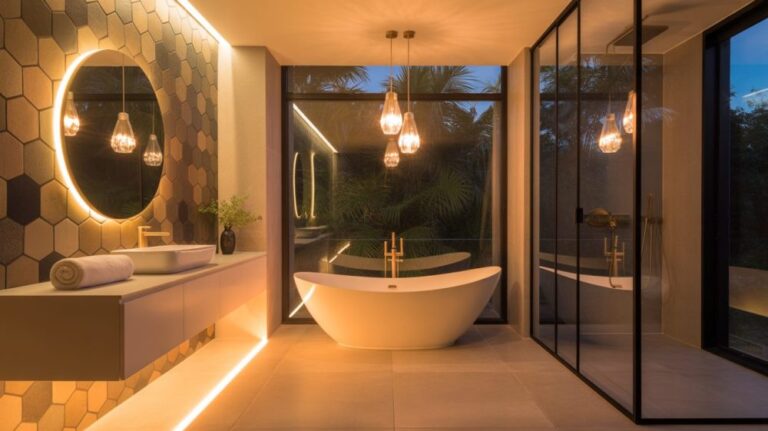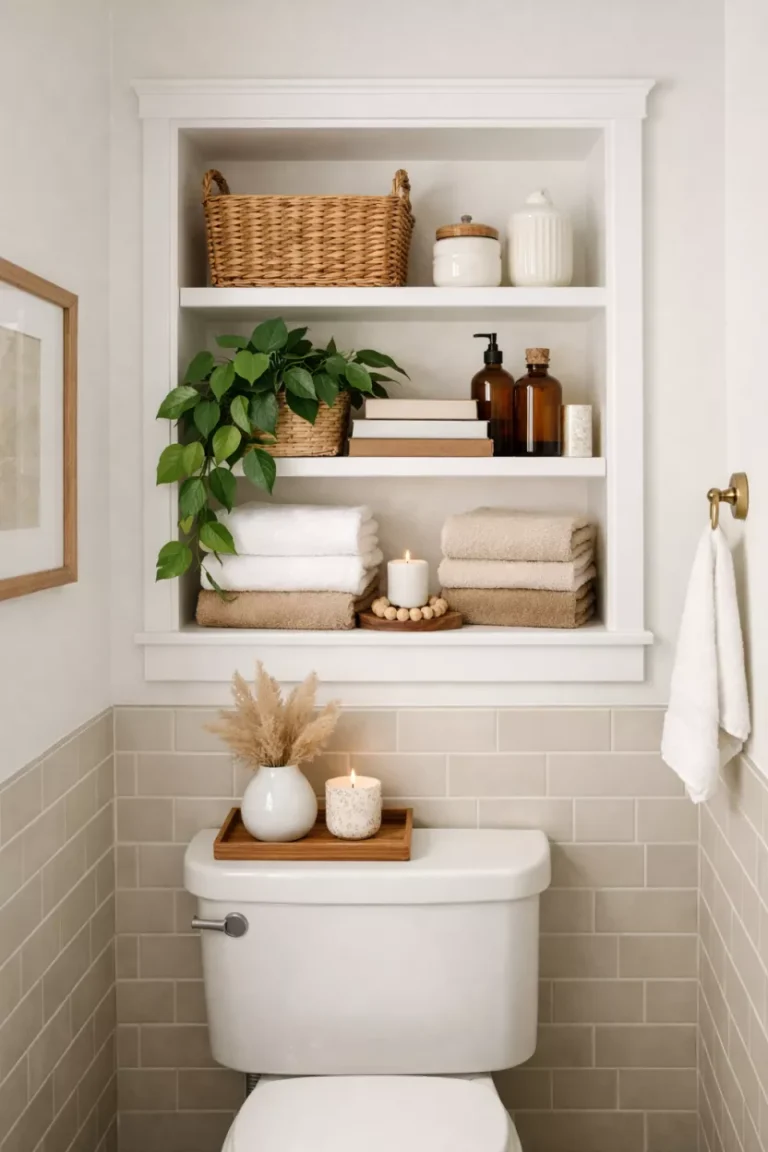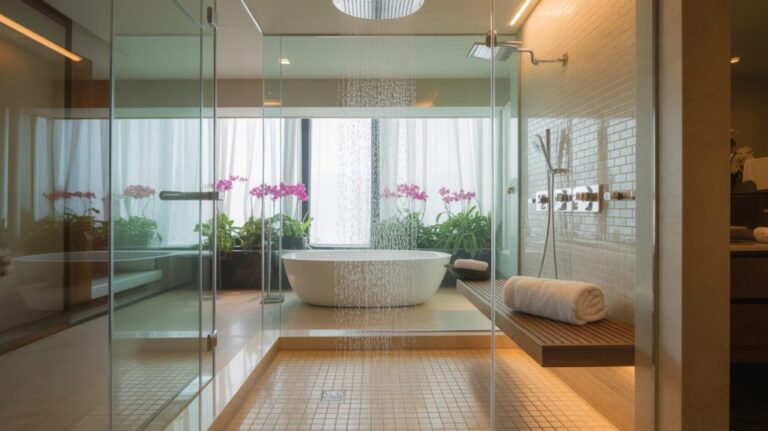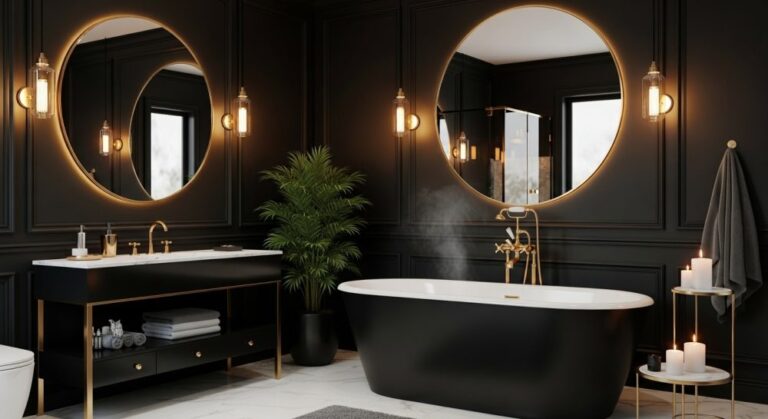
When I upgraded my bathroom, I realized how much difference a simple upgrade like this can make. Understanding Bathroom Ceiling Fan Heater Benefits helped me choose a unit that keeps my space warm, fresh, and moisture-free all year round.
Above the Fold Summary
From my experience, a bathroom ceiling fan heater is one of the most practical upgrades for comfort and hygiene. It combines ventilation and heating in one unit, which means fewer fixtures and better space use. These units remove humidity while adding warmth instantly, which helps prevent mold growth and improves air quality.
I’ve noticed that modern units come with useful features like timers, humidity sensors, and adjustable heat levels. This makes them energy-efficient and easy to control. The key is choosing the right size, power, and safety features based on your bathroom.
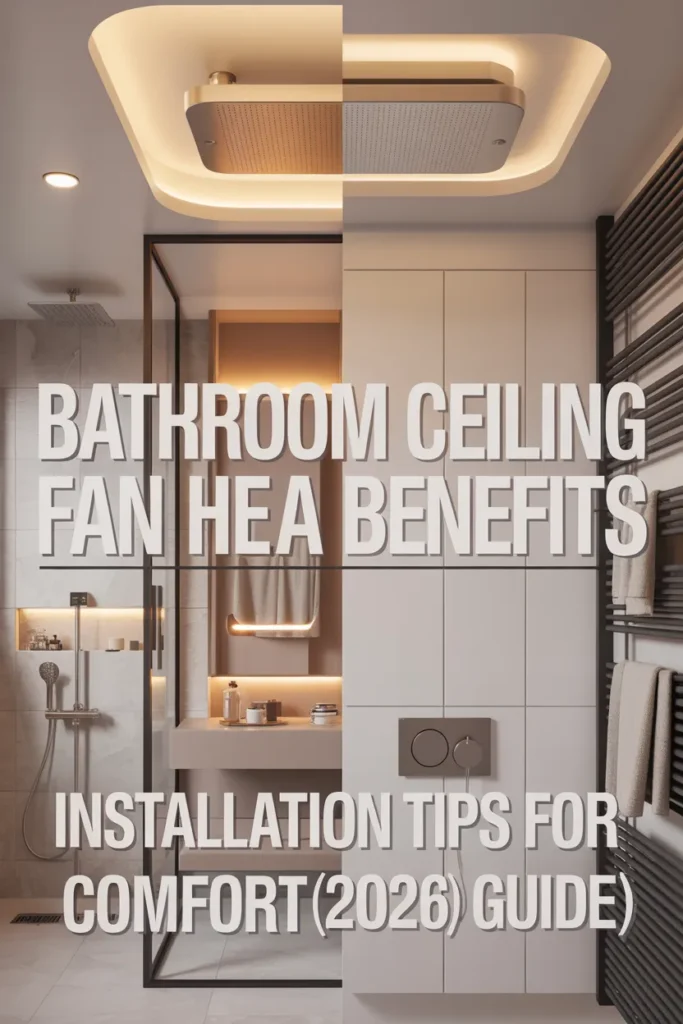
Key Takeaways
- Bathroom ceiling fan heaters improve air quality and reduce moisture buildup
- They provide instant warmth, especially useful in colder seasons
- Most units combine fan, heater, and light to save space
- Safety features like overheat protection are essential
- Choosing the right CFM and wattage improves performance and efficiency
Best Bathroom Ceiling Fan
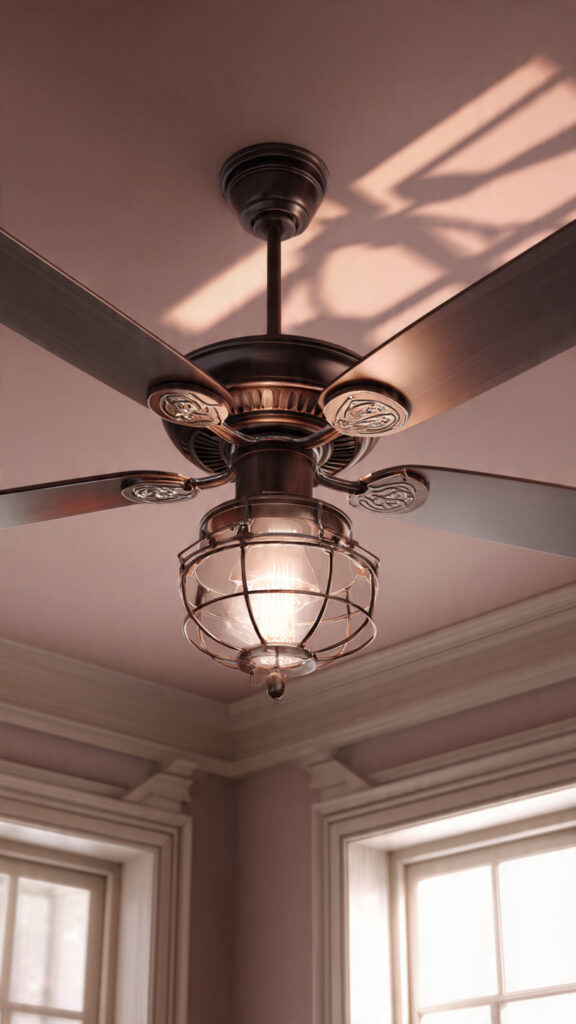
I’ve gone through different models and tested what actually works in real-life conditions. Below are my honest summaries based on performance, usability, and long-term value.
GROWNEER Bathroom Fan Heater
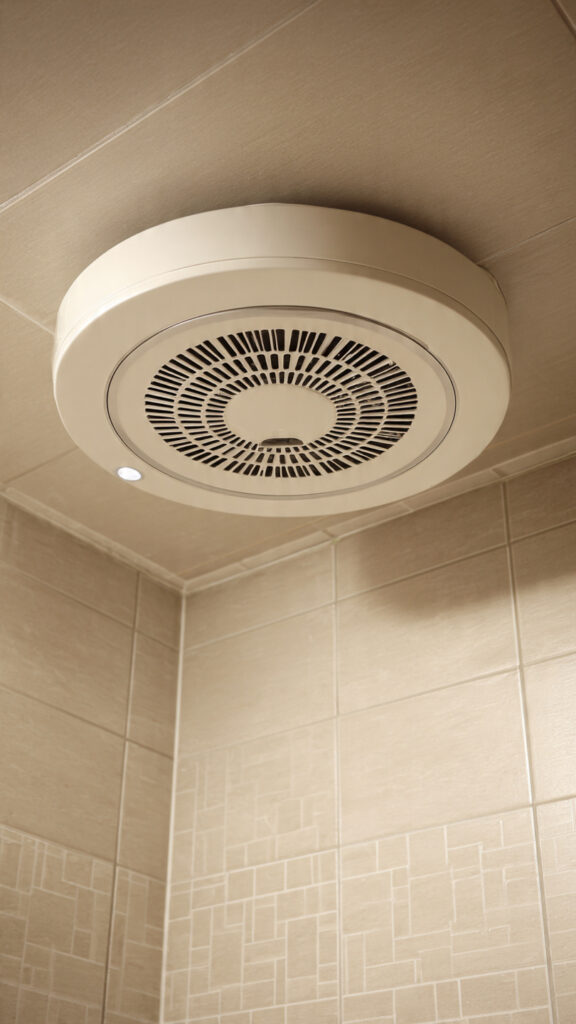
I found this unit effective for both heating and ventilation. It warms up the bathroom quickly, which is something I really value during winter mornings. The airflow is strong but still quiet, which makes it comfortable to use daily.
The LED lighting feature is useful, especially with adjustable color tones. However, I did notice that the included switch isn’t very reliable. I recommend investing in a better-quality switch for long-term use.
Pro Tip: If your heater comes with a basic switch, upgrading it early can prevent electrical issues later.
VallisCo Bathroom Fan Heater
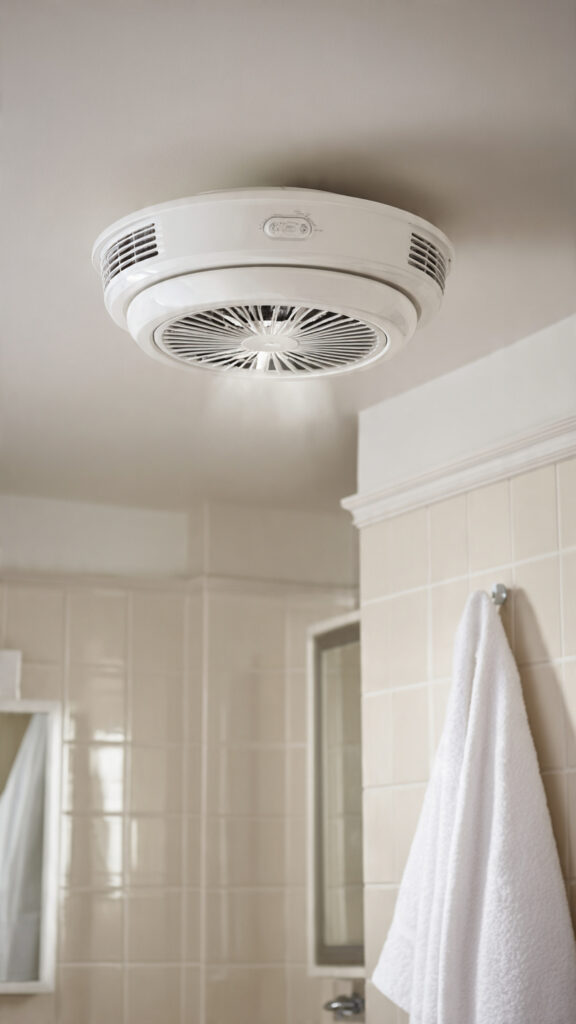
From my testing, this model delivers consistent heating thanks to its 1700W power. It heats up small to medium bathrooms quickly, which aligns with standard recommendations for efficient heating.
The fan runs quietly, and the LED light is bright enough for grooming tasks. Installation can be a bit tricky if you’re not experienced, so planning ahead is important.
Insight: Bathrooms under 100 sq. ft. typically need 50–100 CFM airflow, and this unit fits well within that range.
GROWNEER Bathroom Fan Heater
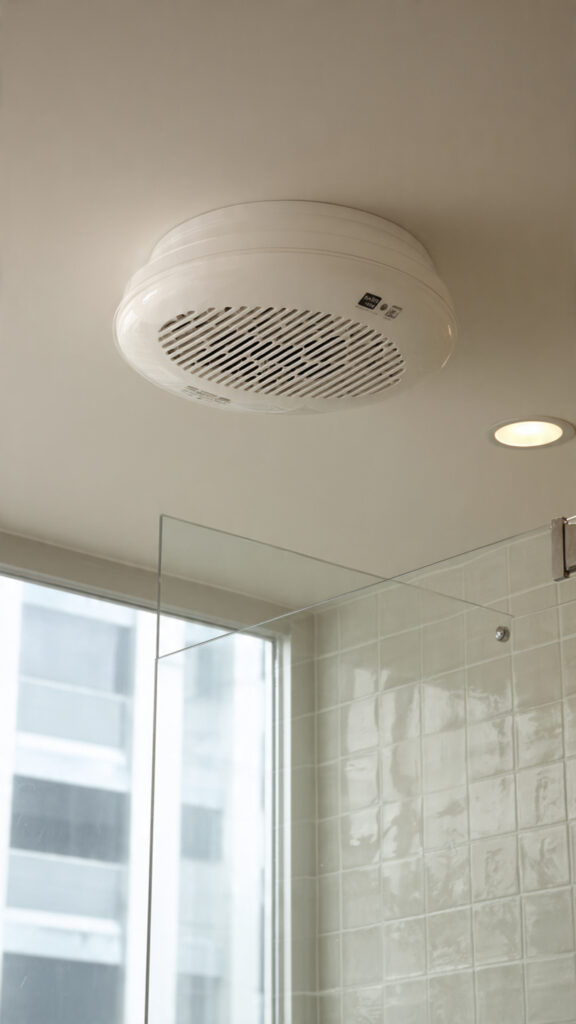
This version stands out because of its added smart features. I liked the humidity sensor, which automatically turns the fan on when moisture increases. It helps reduce mirror fog and prevents mold buildup.
The remote control makes it easier to adjust lighting and heat settings. However, installation may take time if you’re doing it yourself.
Fact: High humidity above 60% can lead to mold growth, so having an automatic sensor is a big advantage.
Oeukas 4-in-1 Bathroom Fan Heater
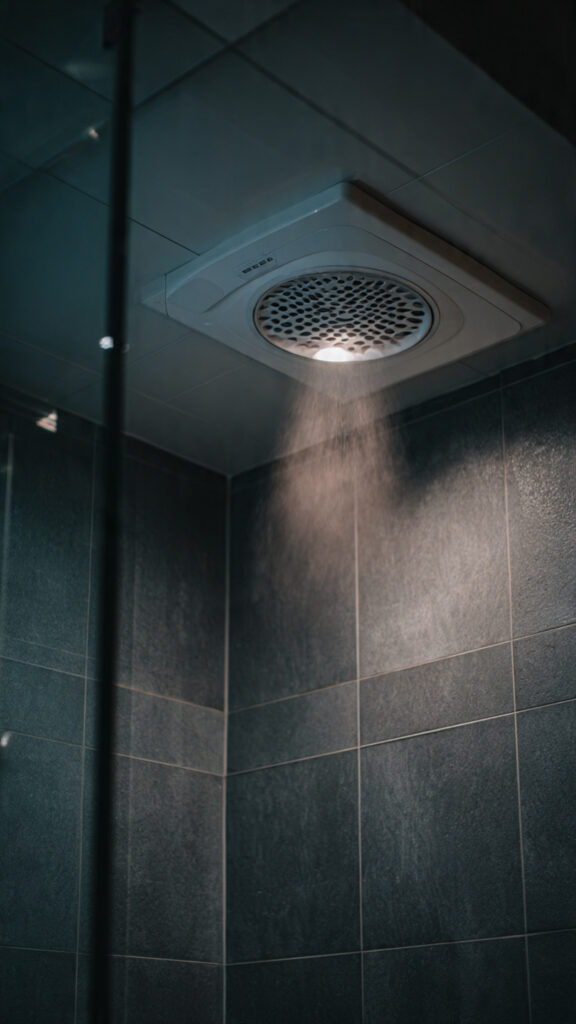
I noticed this model is powerful, with an 1800W heating system. It heats the space quickly and maintains a comfortable temperature even in colder weather.
The airflow capacity of around 190 CFM is impressive, especially for larger bathrooms. The remote control is convenient, but the settings don’t always save after turning off, which can be slightly annoying.
Pro Tip: Higher CFM is great for bigger bathrooms, but it may be unnecessary for small spaces and can increase energy use.
Broan-NuTone PowerHeat Fan Heater
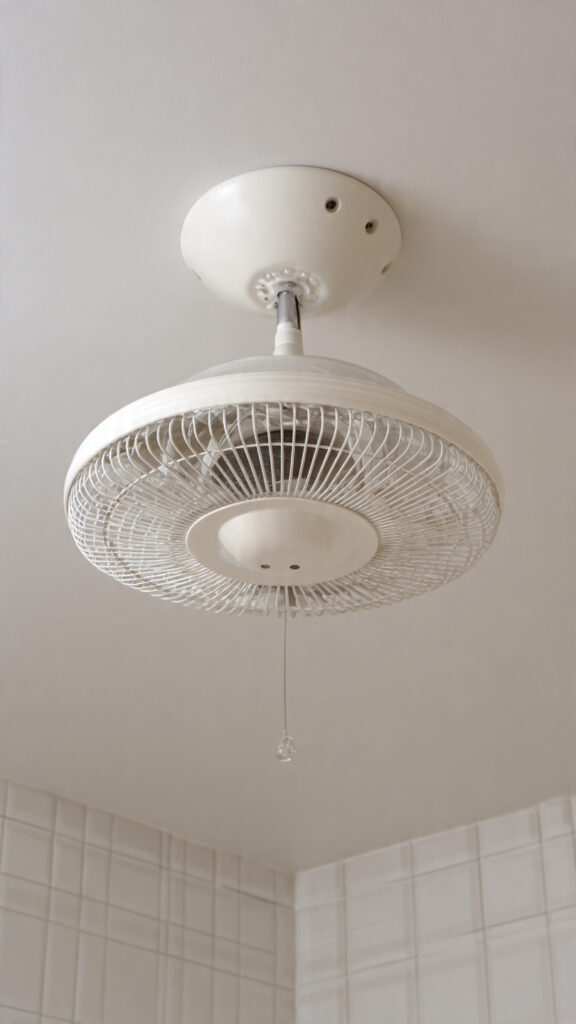
In my experience, this unit offers a balanced combination of heating, ventilation, and lighting. The heater works instantly, which is ideal when stepping out of the shower.
The fan is quiet on its own, but it gets a bit louder when the heater is running. The adjustable LED lighting adds flexibility, which I found useful for different times of the day.
Insight: Noise levels are measured in sones, and anything around 1.0–1.5 sones is considered quiet for bathroom fans.
Panasonic WhisperWarm Bathroom Fan Heater
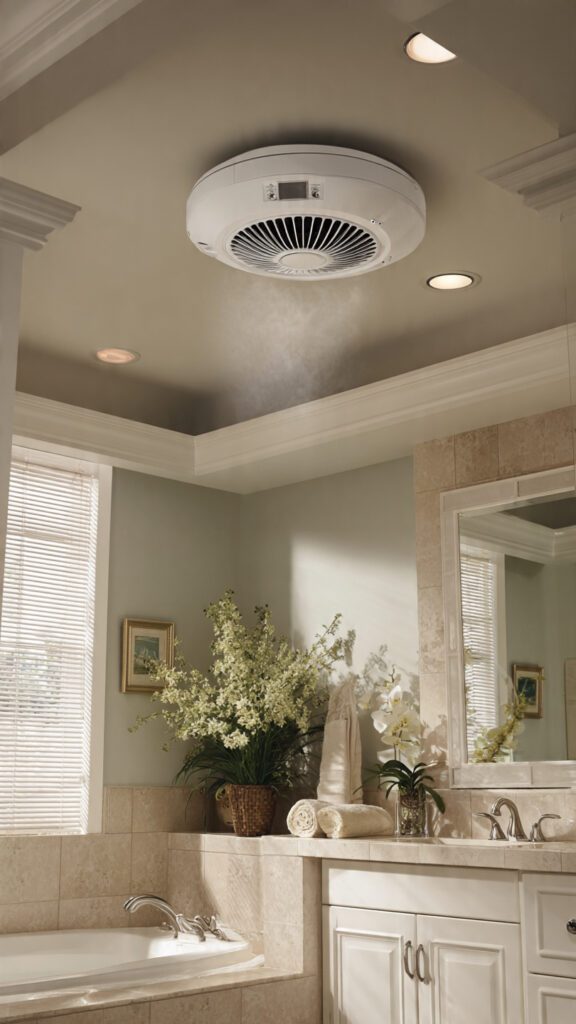
This is one of the quietest units I’ve tested. It operates almost silently, which is perfect if you prefer a calm bathroom environment.
The adjustable airflow settings help match different bathroom sizes, which improves energy efficiency. Installation was easier compared to other models, especially since attic access wasn’t required.
Fact: Quiet fans not only improve comfort but also encourage regular use, which helps maintain better air quality.
Broan-NuTone 157 Ceiling Heater
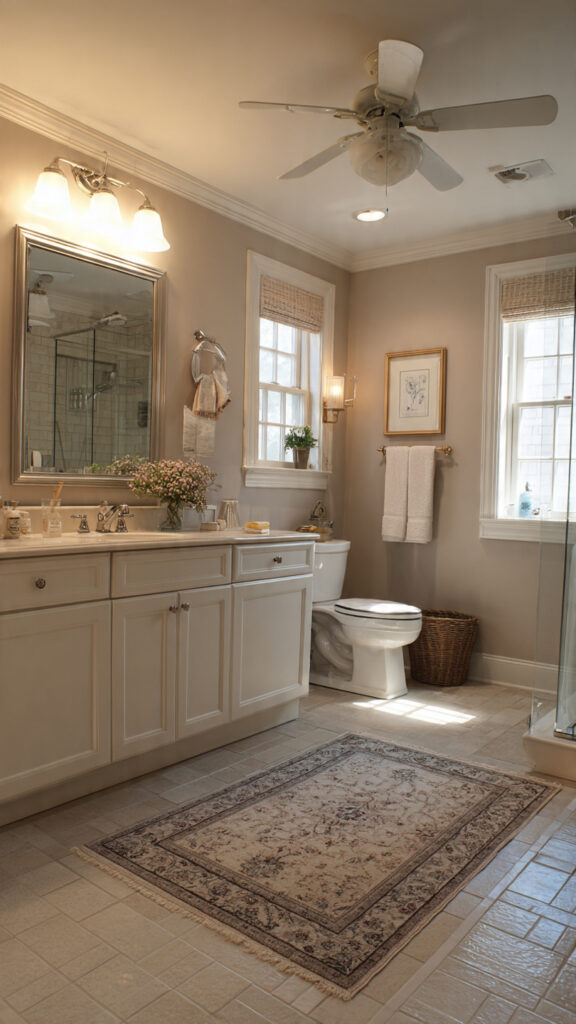
This is a simple option if you only need heating without advanced features. I found it heats up quickly and spreads warmth evenly across small bathrooms.
However, it’s slightly noisier than other models and doesn’t include built-in controls. You’ll need to purchase a thermostat or timer separately.
Pro Tip: This type of heater works best as a supplement, not a replacement for your main heating system.
Buying Guide
When I choose a unit, I always focus on a few key factors that directly impact performance and safety.
First, I look at the wattage. Most effective heaters range between 1500 to 2000 watts. This provides enough warmth without excessive energy consumption.
Next is airflow, measured in CFM. A higher CFM means better moisture control. For most bathrooms, 50–100 CFM is sufficient, but larger spaces may need more.
Safety is critical. I always check for moisture resistance ratings like IPX4 or higher, along with overheat protection. These features reduce risks in a humid environment.
Controls also matter. Units with timers, thermostats, or remote controls make it easier to manage temperature and save energy.
Lastly, installation should match your bathroom layout. Choosing the right fit avoids extra costs and ensures better performance.
Pro Tip: Always match the fan size to your bathroom dimensions. Oversized units waste energy, while undersized ones won’t remove moisture effectively.
faqs
What are the main Bathroom Ceiling Fan Heater Benefits?
From my experience, the biggest Bathroom Ceiling Fan Heater Benefits are improved air quality, reduced moisture, and instant warmth. It keeps the bathroom comfortable while preventing mold and mildew buildup.
Is a bathroom ceiling fan heater worth it?
Yes, I personally think it’s worth it if you deal with cold bathrooms or humidity issues. It combines two essential functions—heating and ventilation—into one efficient unit.
How does a bathroom ceiling fan heater work?
It works by pulling out moist air while pushing warm air into the room. This balance helps maintain a comfortable temperature and reduces condensation.
What size bathroom fan heater do I need?
I usually calculate based on bathroom size. For most spaces, 50–100 CFM works well, but larger bathrooms may need 100+ CFM for proper airflow.
Are bathroom ceiling fan heaters energy efficient?
In my experience, modern units are quite efficient, especially those with timers and thermostats. They only run when needed, which helps reduce electricity usage.
Can I install a bathroom ceiling fan heater myself?
If you have basic electrical knowledge, it’s possible. However, I recommend professional installation to ensure safety and proper wiring.
Do bathroom fan heaters help prevent mold?
Yes, they are very effective. By removing excess moisture, they reduce the chances of mold growth, especially in high-humidity environments.
Are these heaters safe to use in bathrooms?
I always check for safety features like overheat protection and moisture resistance. With proper certification (like IPX4), they are safe for bathroom use.
How much electricity does a bathroom fan heater use?
Most units use between 1500–2000 watts. I’ve found that using them for short periods keeps energy costs manageable.
Are bathroom ceiling fan heaters noisy?
Some models are very quiet. I usually look for units rated around 1.0–1.5 sones for a quieter experience.
Can a bathroom fan heater replace central heating?
No, I see it more as a supplemental heat source. It’s great for quick warmth but not designed to heat an entire home.
Do these units come with lights?
Many models include built-in LED lights. I find this helpful since it reduces the need for separate fixtures.
What features should I look for when buying one?
I focus on wattage, CFM, safety ratings, and control options like timers or remotes. These features make a big difference in performance.
How long do bathroom ceiling fan heaters last?
From what I’ve seen, a good unit can last 7–10 years with proper maintenance and regular cleaning.
Do I need a dedicated circuit for installation?
In many cases, yes. I recommend checking your electrical setup or consulting an electrician before installation.
Can I use it in a small bathroom?
Yes, they work very well in small bathrooms. In fact, I’ve found them more efficient in compact spaces.
Do they require regular maintenance?
Maintenance is simple. I usually clean the fan grille and check for dust buildup every few months to keep it running smoothly.
Are remote-controlled models better?
I prefer them because they offer more convenience. Adjusting heat or light without reaching for a switch makes daily use easier.
Can these heaters run continuously?
I don’t recommend running them all the time. Using timers or thermostats helps prevent overheating and saves energy.
What is the ideal wattage for a bathroom ceiling fan heater?
Based on my experience, 1500–1800 watts is ideal for most bathrooms. It provides enough heat without excessive power consumption.
Many of the ideas I share are inspired by real-life experimentation. I often test décor concepts in my own living spaces and explore practical ways they can be applied in everyday homes. I also gather insights from working with homeowners who want to improve the comfort, beauty, and functionality of their spaces.
I share practical ideas for improving living rooms, bedrooms, and overall home aesthetics using simple design principles.
I explore creative ways to upgrade outdoor spaces including patio décor, small backyard styling, and relaxing outdoor setups.
I provide ideas for kitchen organization, décor accents, and functional layouts that make kitchens more beautiful and practical.
The concepts shared here are based on ideas I have personally experimented with or studied through real home décor improvements.