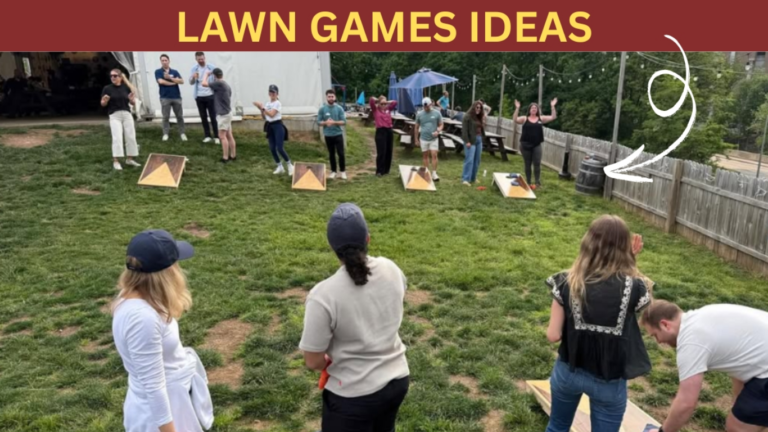

Field day games always bring people together in the best way possible. I have seen how even simple outdoor activities can turn an ordinary school event or family gathering into a day full of excitement and laughter. Whether it is kids racing across the field or adults joining relay challenges, these games create memories that people talk about long after the event ends.
One thing I personally love about field day activities is how they encourage teamwork without feeling stressful. Everyone gets involved, people cheer for each other, and even the funny mistakes become part of the fun. According to youth recreation studies, outdoor group games also help improve social confidence, coordination, and communication skills in children.
In this guide, I am sharing the best field day games ideas for 2026 that work well for schools, camps, backyard parties, church groups, and family events. These ideas are easy to organize, budget-friendly, and suitable for different age groups.
Key Takeaways
Team Relay Challenges

I always notice that relay games become the center of attention during field day events. They keep the energy high while encouraging players to work together instead of focusing only on winning. Relay challenges also help shy participants feel more comfortable because they are part of a group effort.
The best part is that relay games can easily fit different age groups. Younger kids usually enjoy simple races with easy rules, while older players often like competitive obstacle-style challenges. I also recommend mixing fast-paced games with slower skill-based activities to keep everyone entertained throughout the day.
A recent report from youth sports organizers showed that team-based outdoor games increase participation rates by nearly 40% during school events because players feel less pressure compared to individual competitions.
Parachute Pop

Parachute Pop is one of the easiest ways to get a large group involved at the same time. Everyone grabs the edge of the parachute and works together to bounce lightweight balls into the air without letting them fall off.
I like this game because it instantly creates excitement and teamwork. Younger kids especially enjoy the colorful movement and fast reactions. It also helps improve coordination while keeping the atmosphere playful and active.
Pro Tip: Use soft foam balls instead of heavier ones to make the game safer and easier for younger children.
Scoop Relay

Scoop Relay is simple but surprisingly competitive. Players race across the field while balancing a ball inside a plastic scoop, trying not to drop it before reaching the finish line.
What makes this game fun is how quickly things can go wrong in the funniest way possible. I have seen players slow down carefully while others sprint and lose control immediately. That balance between speed and focus keeps everyone laughing.
This game works especially well for mixed-age groups because the rules are easy to understand.
Three-Legged Dash
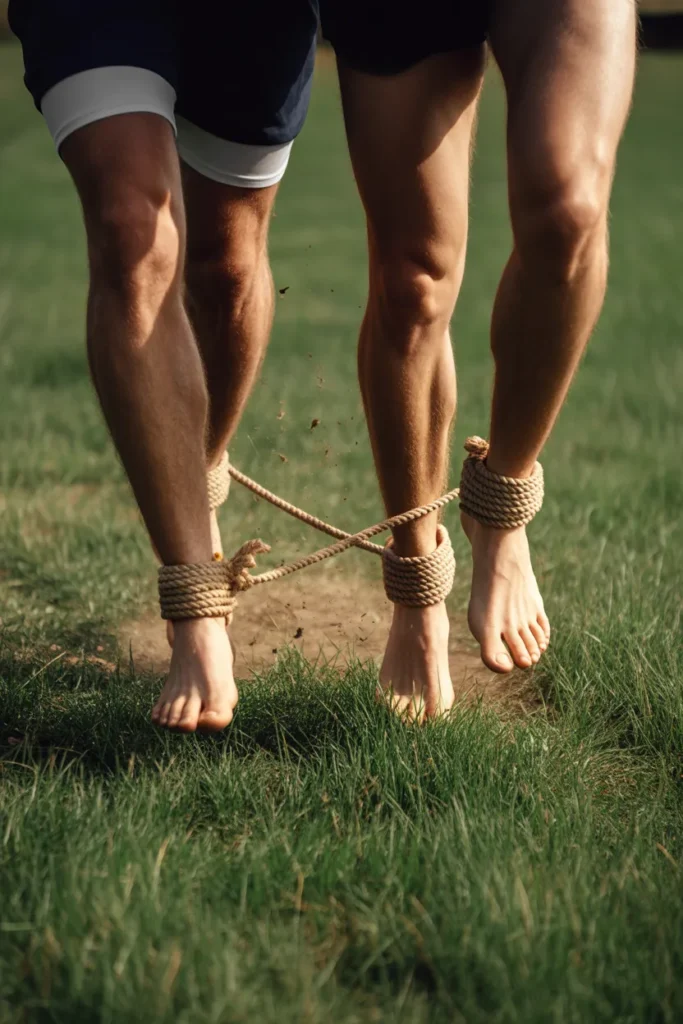
The Three-Legged Dash is a classic field day favorite for a reason. Two players tie one leg together and try to race without falling over.
I always recommend this game when you want people to interact more because teamwork matters more than speed. The funniest part is watching teams figure out their rhythm halfway through the race.
It may look simple, but it actually improves communication and coordination skills while creating nonstop laughs.
Giant Connect Four
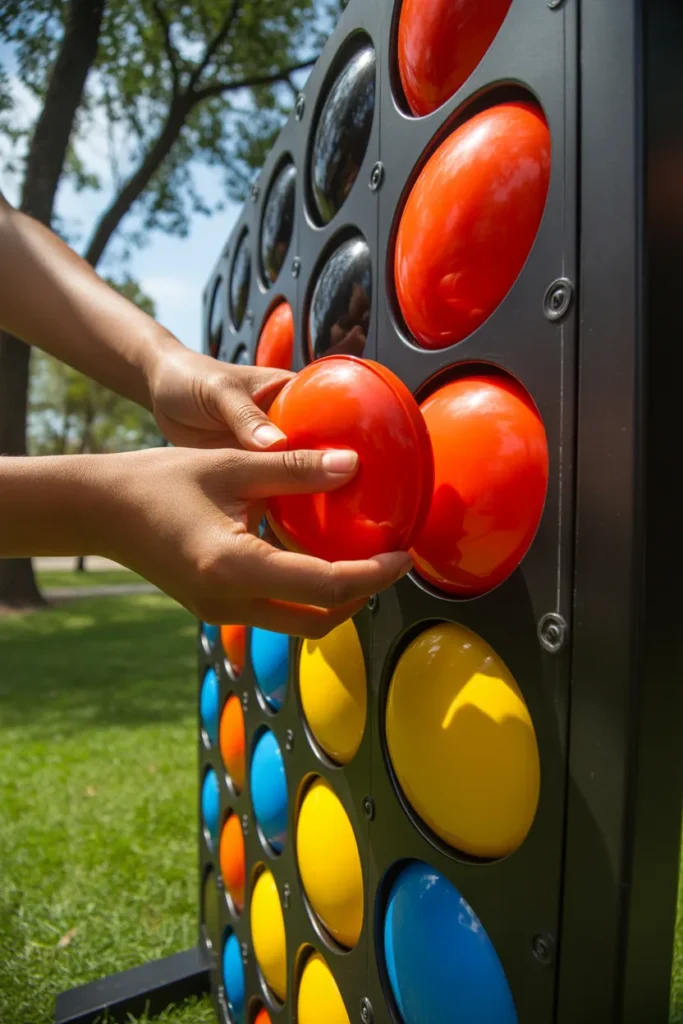
Giant Connect Four adds a slower strategic game to balance out all the running activities. Players compete to line up discs while blocking their opponent from winning.
I like including this game during field day events because not everyone enjoys constant physical activity. Some kids naturally prefer thinking games, and this gives them a chance to participate confidently.
Oversized lawn games have also become increasingly popular at schools and community events because they work well for both kids and adults.
Obstacle Dash
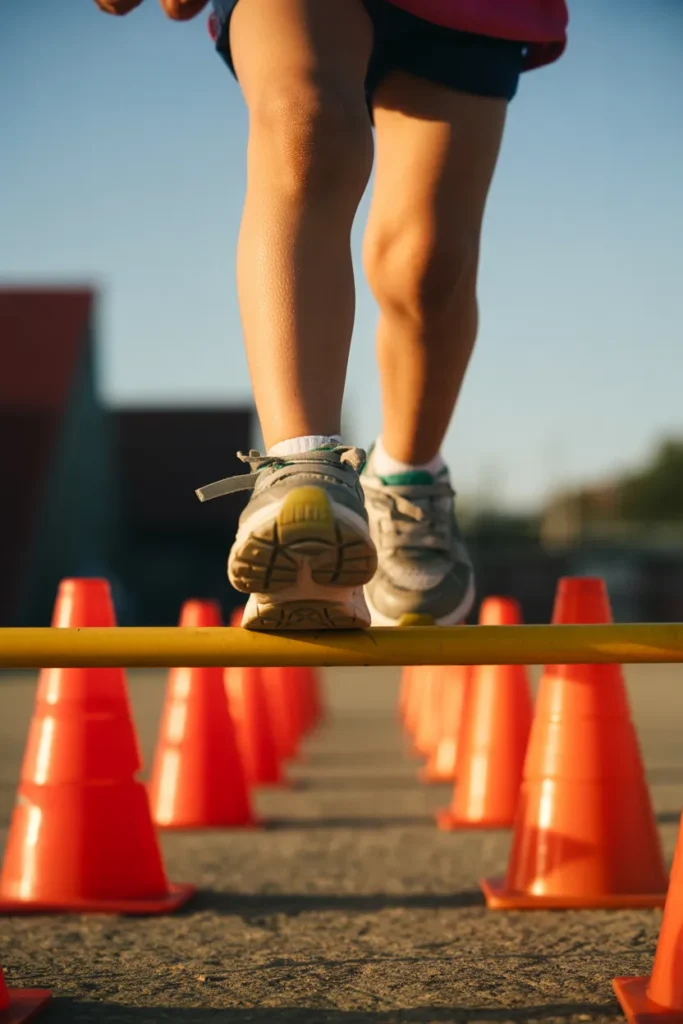
Obstacle Dash is always one of the most exciting field day games ideas because every race feels different. Players move through cones, stepping stones, ropes, or small hurdles while trying to finish as quickly as possible.
I usually suggest adding multiple challenges instead of just running in a straight line. It keeps players focused and makes the course more entertaining for spectators too.
Obstacle races also help improve agility, balance, and motor skills, especially for younger children.
Water Run
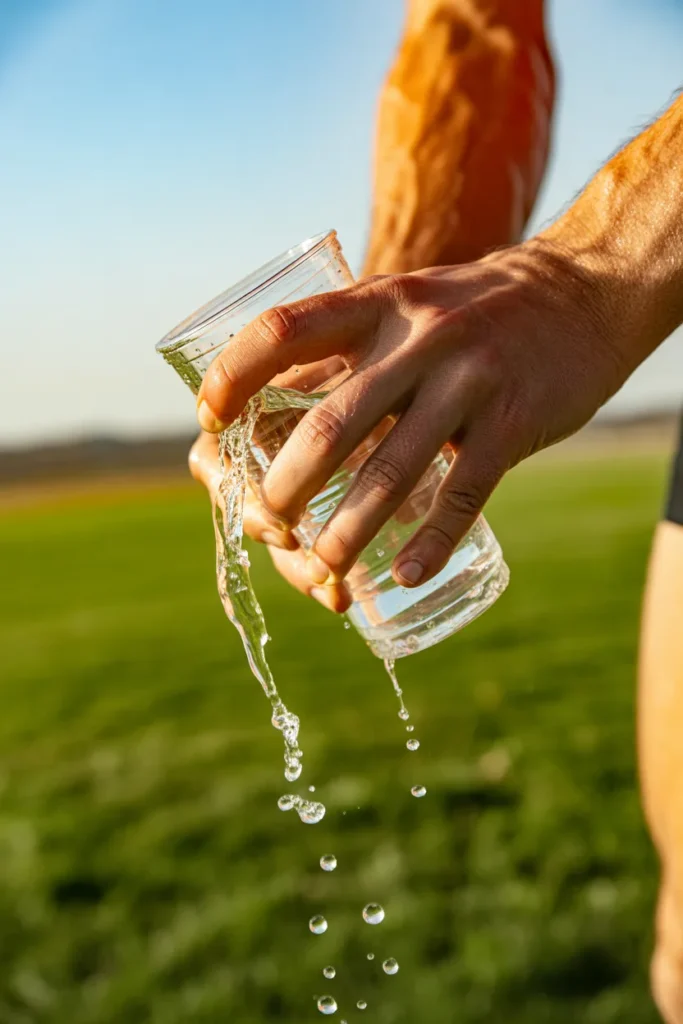
Water Run becomes an instant favorite during hot weather. Players carry cups filled with water and race to pour them into a bucket without spilling too much along the way.
What I enjoy most about this game is the chaos. Everyone starts carefully, but eventually players rush and water goes everywhere. That is usually when the biggest laughs happen.
This game also works perfectly for summer camps and school field days because it helps kids cool down while staying active.
Tug of War
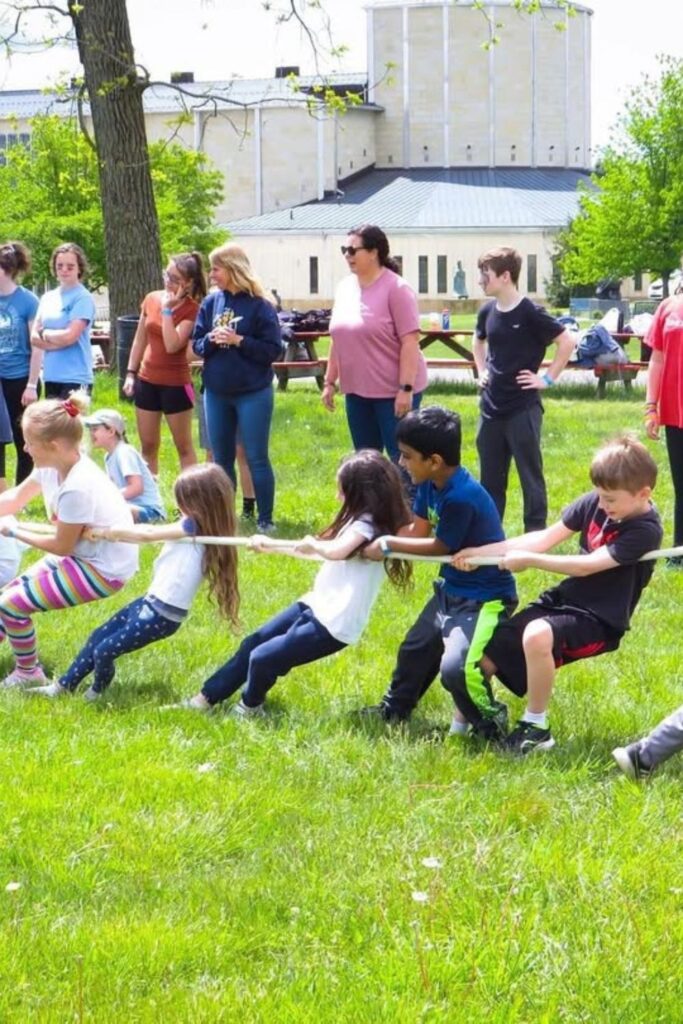
Tug of War is one of those field day games that never gets old. Two teams pull against each other using a rope while trying to drag the opposing side across the center line.
I have noticed that strategy matters just as much as strength here. Teams that coordinate their pulling usually perform better than teams relying only on power.
The cheering from the sidelines also makes this one of the loudest and most exciting field day activities.
Egg Balance
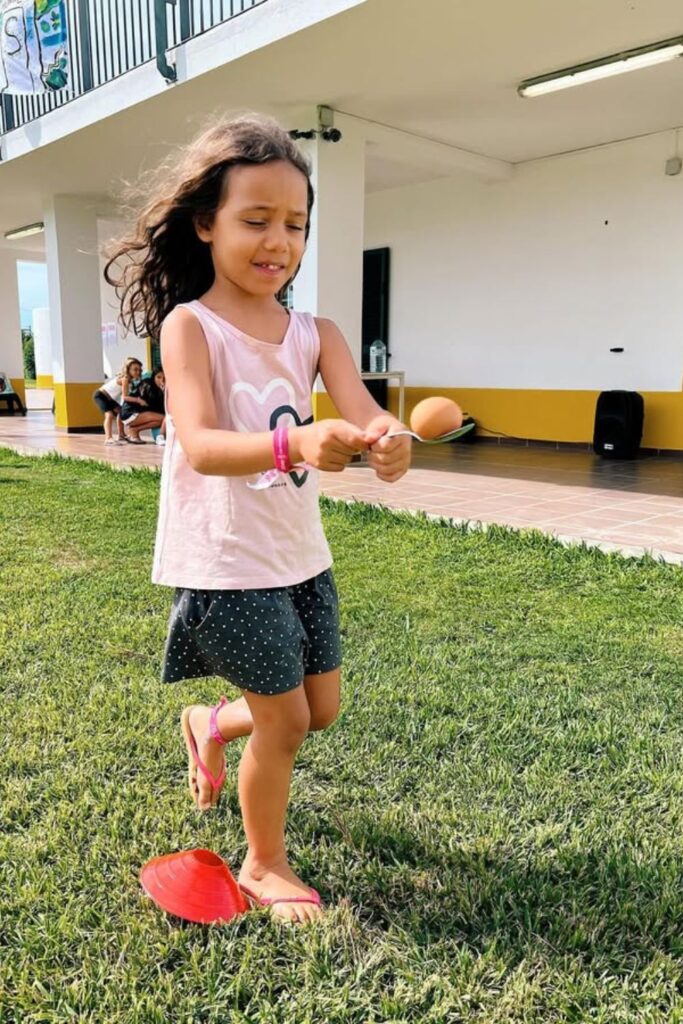
Egg Balance races always create suspense because everyone expects the egg to fall at any moment. Players carefully carry an egg on a spoon while walking or running toward the finish line.
I personally prefer using plastic eggs for larger events because cleanup becomes much easier. Still, the challenge remains just as fun.
This game teaches patience and focus while keeping the competition lighthearted.
Ring Walk
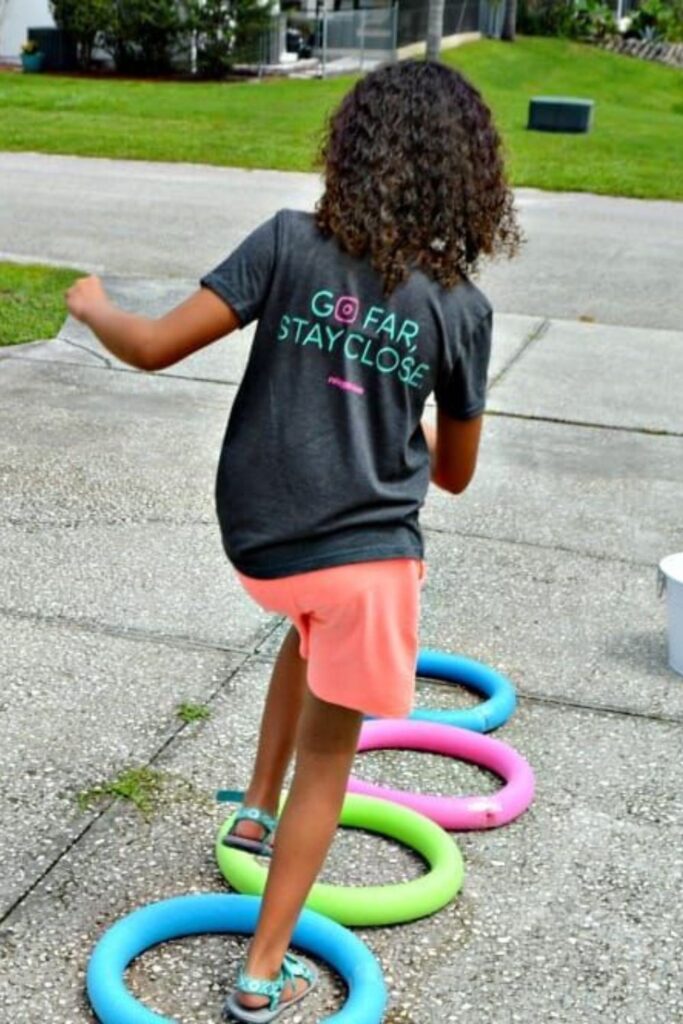
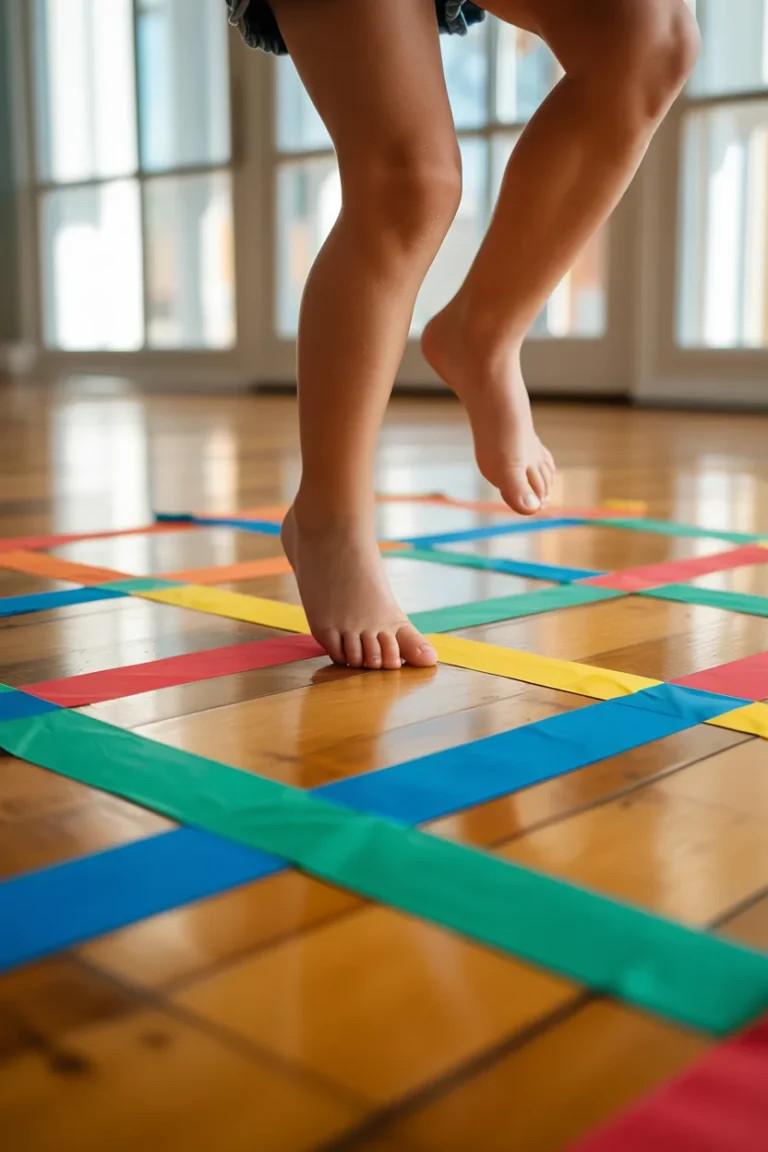
Ring Walk is perfect for younger kids who enjoy slower skill-based activities. Players step carefully from ring to ring without touching the ground outside the path.
I like using colorful rings because they make the setup look more exciting and inviting. This activity may look simple, but it actually helps improve balance and coordination.
It also works well as a low-energy station between more active field day games.
Balloon Toss
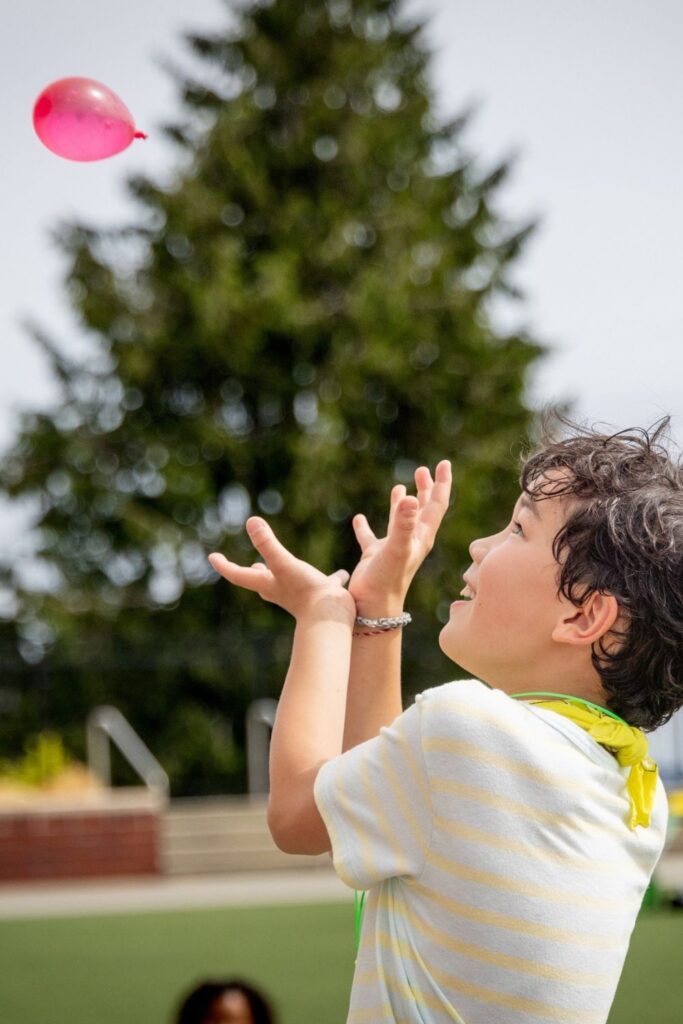
Balloon Toss is one of the easiest outdoor games to organize. Partners toss a water balloon back and forth while slowly increasing the distance between them.
The suspense builds after every successful throw because players know the balloon could burst at any second. That unpredictability makes the game entertaining for both participants and spectators.
For best results, I recommend using smaller balloons because they are easier for kids to catch.
Wheelbarrow Race
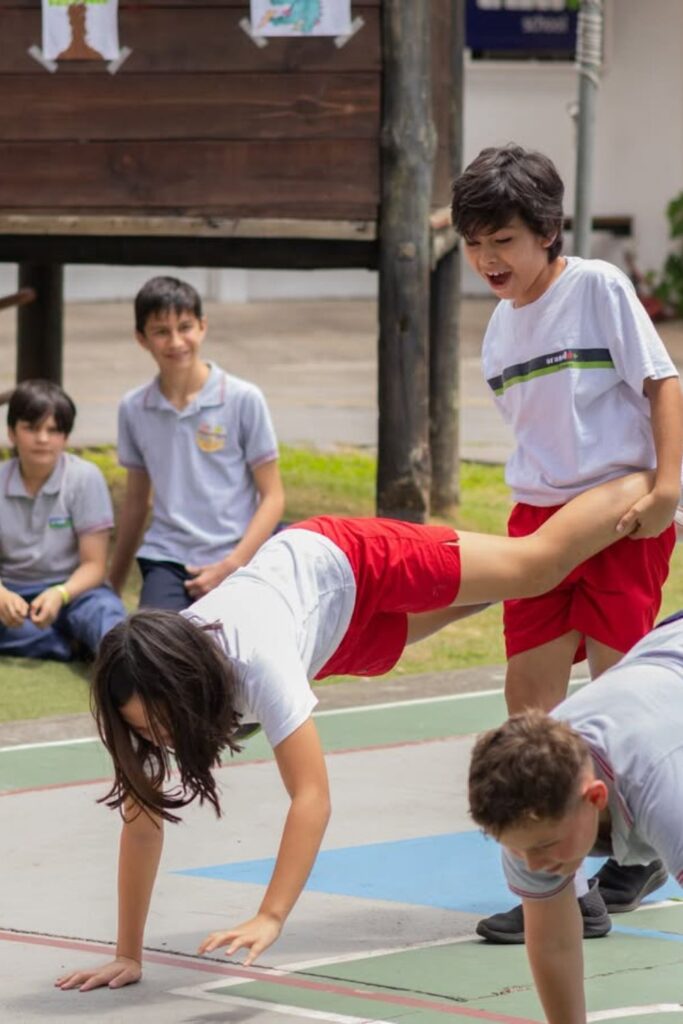
Wheelbarrow Race is always guaranteed to create laughter. One player walks on their hands while their partner holds their legs and guides them toward the finish line.
This game looks easier than it actually is. Most teams struggle to stay balanced, which usually leads to funny moments and friendly competition.
It is also a great upper-body workout while improving trust between teammates.
Jump Rope
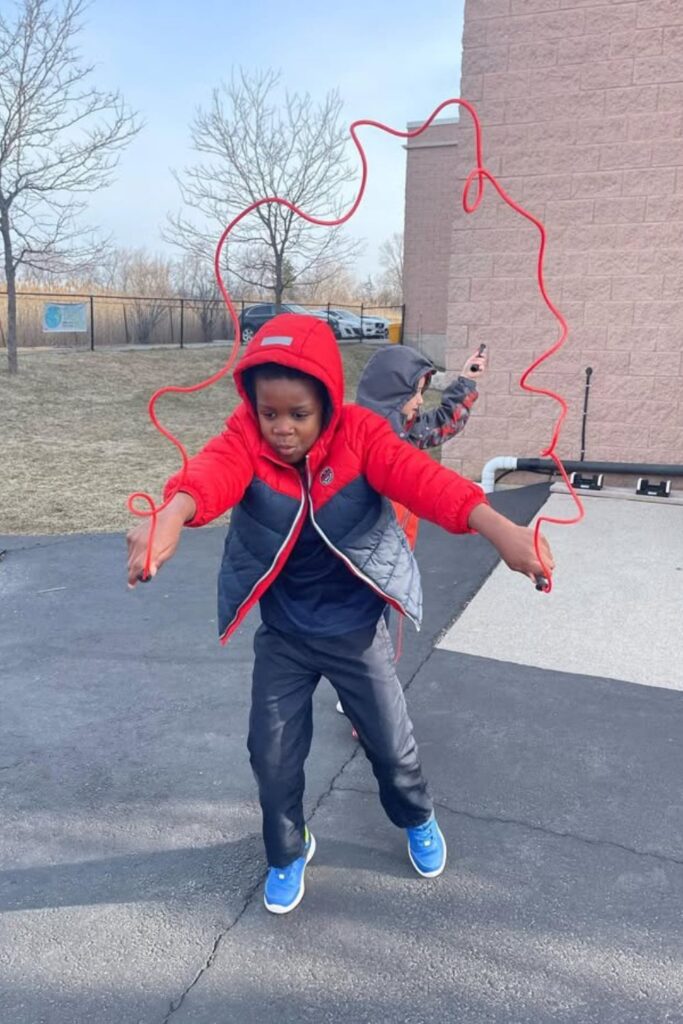
Jump Rope games are simple, affordable, and highly effective for field day events. Players can compete for the highest number of jumps or show off creative tricks and routines.
I like including jump rope activities because they keep kids moving without requiring expensive equipment. Studies also show that jumping activities help improve cardiovascular fitness and coordination.
It works well for both individual play and group competitions.
Soccer Duel
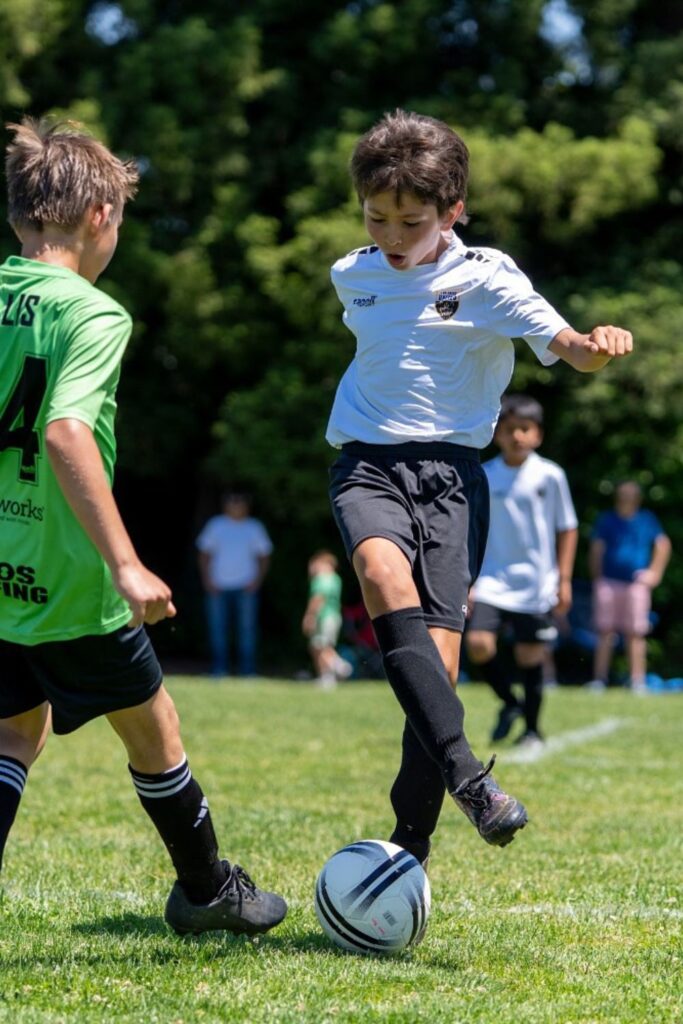
Soccer Duel brings fast action and excitement to any outdoor event. Players compete in mini soccer matches where quick reactions and teamwork make a huge difference.
I often recommend using smaller goals and shorter rounds because it keeps the pace high and allows more kids to participate.
Even children who do not normally play soccer usually enjoy this game because the setup feels casual and fun.
Sprint Race
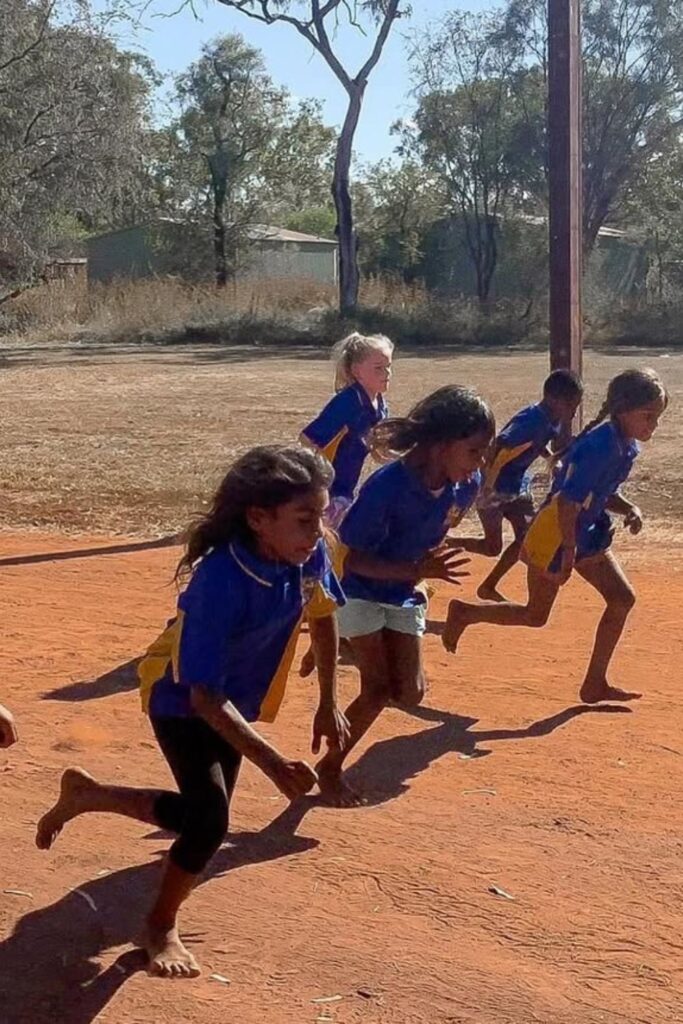
Sprint races may be simple, but they still become one of the most competitive moments during field day events. Kids love testing their speed while hearing friends cheer them on.
I have found that adding fun categories like backward races or funny running styles makes this activity even more entertaining.
Short races also help maintain excitement because every round moves quickly.
Target Toss
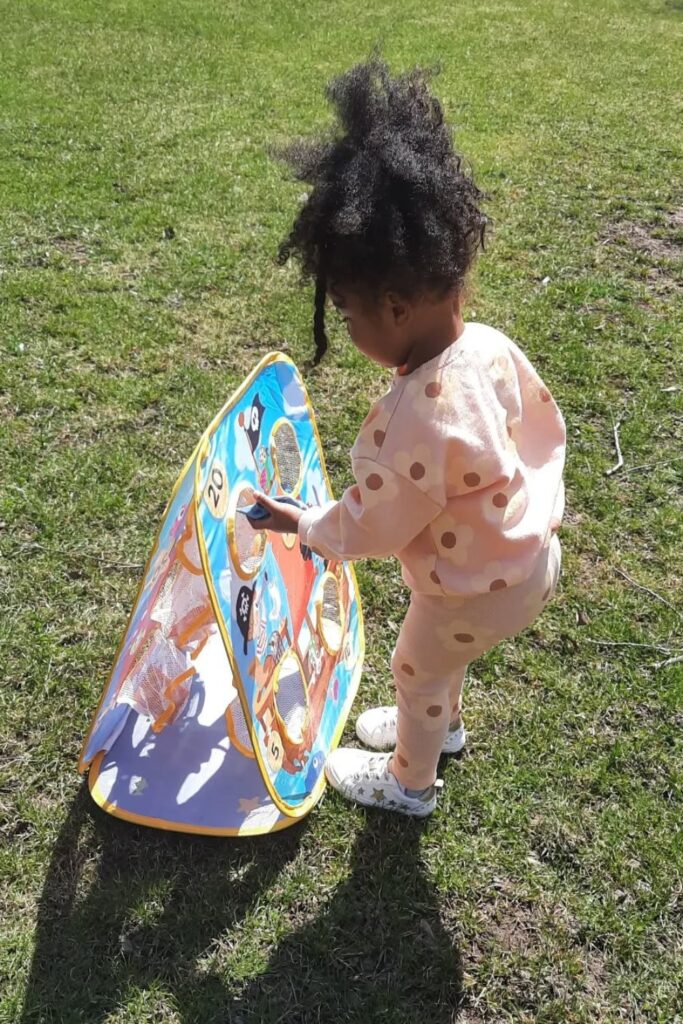
Target Toss is perfect when you need a calmer activity between high-energy games. Players throw bean bags or balls toward targets with different point values.
I like this game because players of all ages can enjoy it equally. Younger children focus on landing the toss, while older players usually become competitive about scoring higher points.
This activity also helps improve hand-eye coordination and concentration.
Balloon Squeeze
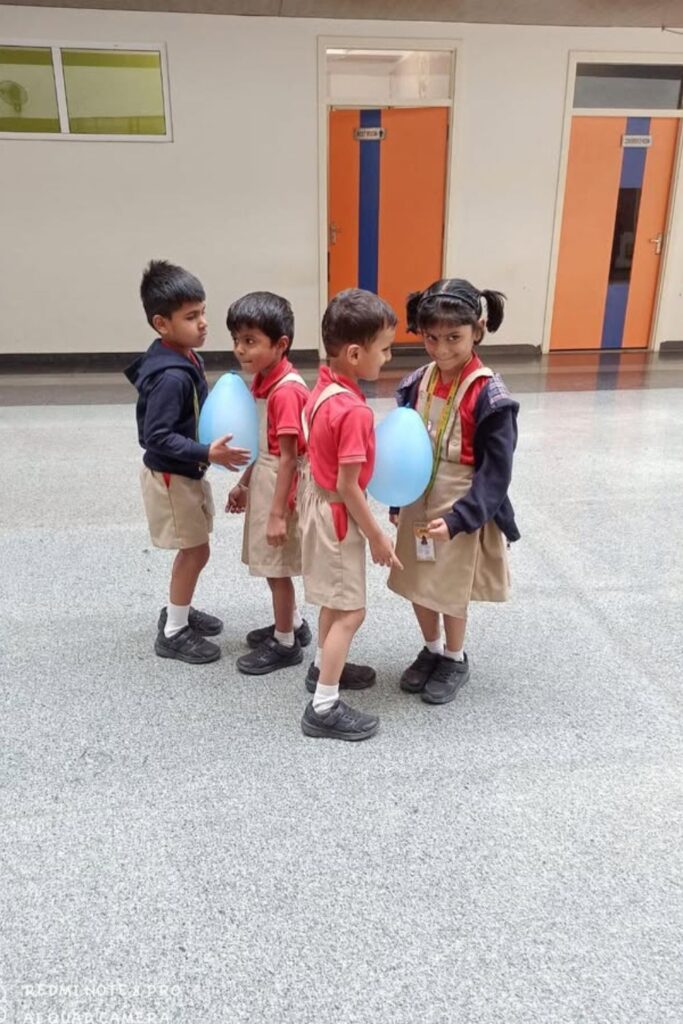
Balloon Squeeze is one of the funniest partner games for field day events. Two players hold a balloon between them and race without using their hands.
The challenge sounds easy at first, but keeping the balloon from falling becomes much harder once teams start moving faster.
This game encourages teamwork while creating plenty of funny moments and laughter.
Team Tug
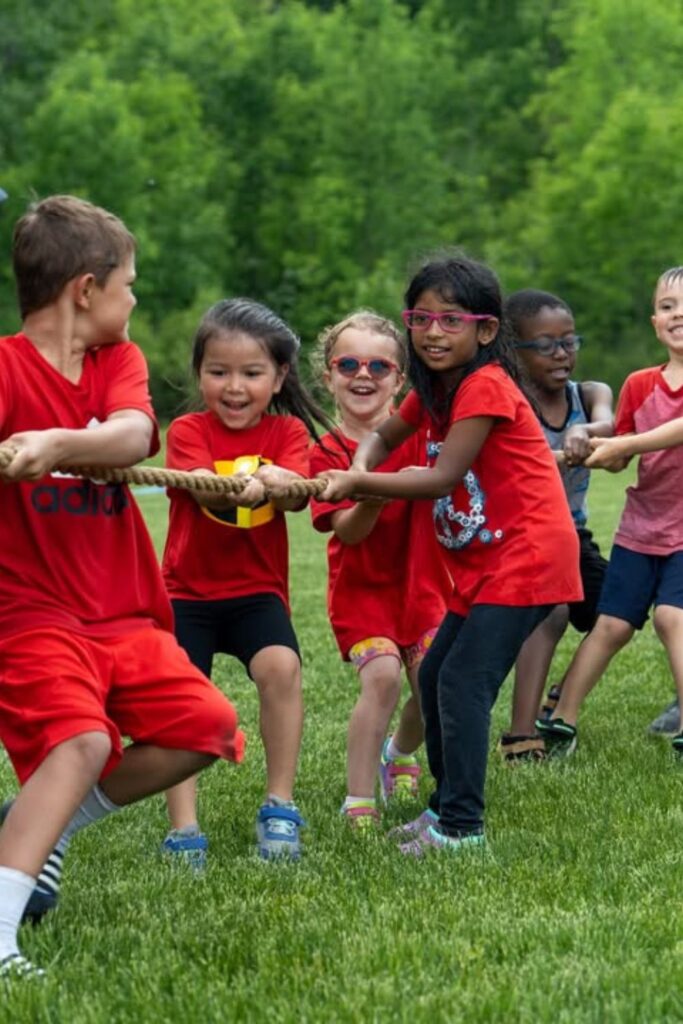
Team Tug brings large groups together for a high-energy challenge. Similar to Tug of War, teams rely on communication and timing to pull together effectively.
I always notice that team spirit becomes stronger during these games because everyone works toward one shared goal.
Large group games like this are especially useful for school field days because they increase participation and crowd engagement.
Hurdle Hop
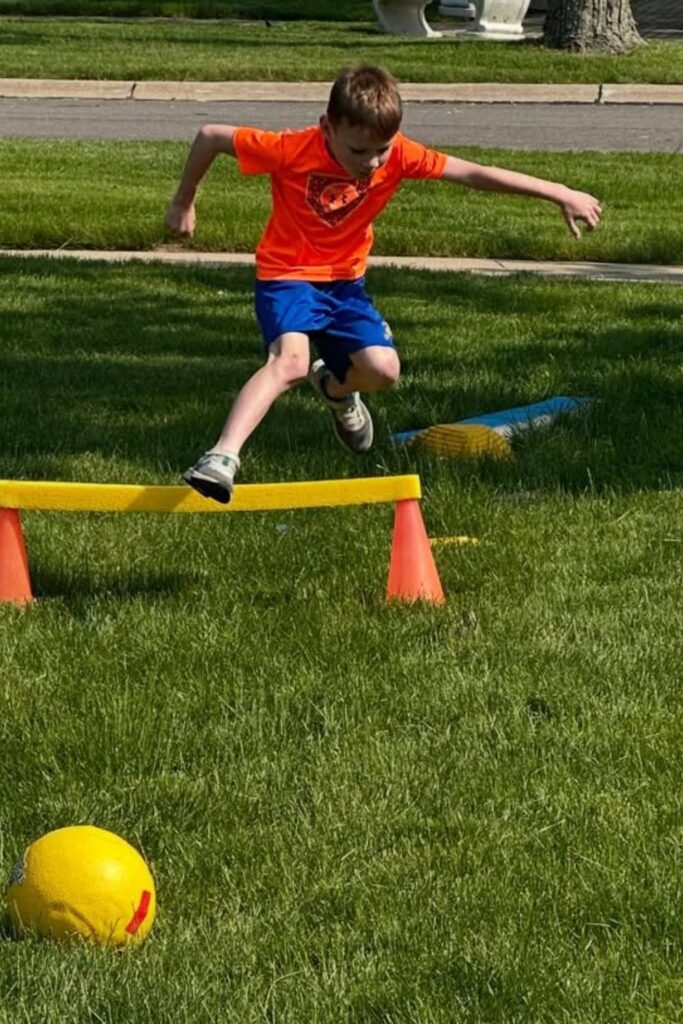
Hurdle Hop adds athletic excitement to outdoor events. Players jump over mini hurdles while racing against the clock or competing against others.
I recommend using lightweight hurdles for safety, especially when younger kids are participating. Adjustable obstacle heights also make the game more inclusive.
This activity helps improve balance, coordination, and confidence.
Bucket Points
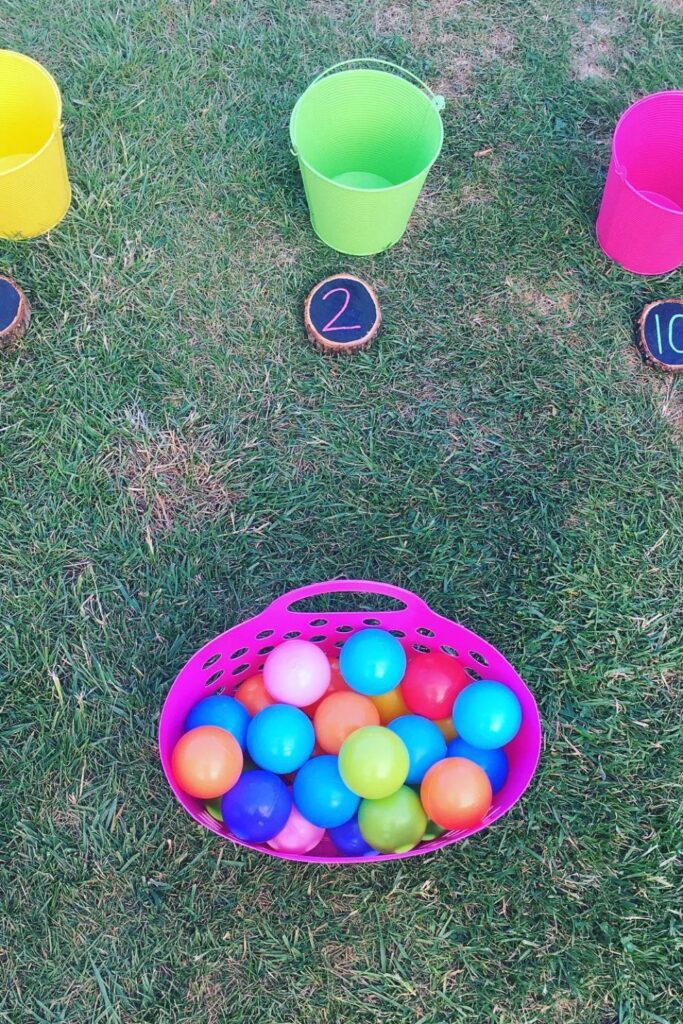
Bucket Points is simple to organize but surprisingly addictive. Players aim balls into buckets marked with different scores.
I like this activity because it gives participants a chance to slow down while still feeling competitive. It also works well for mixed-age groups since accuracy matters more than speed.
Adding bonus point buckets can make the game even more exciting.
Mini Connect
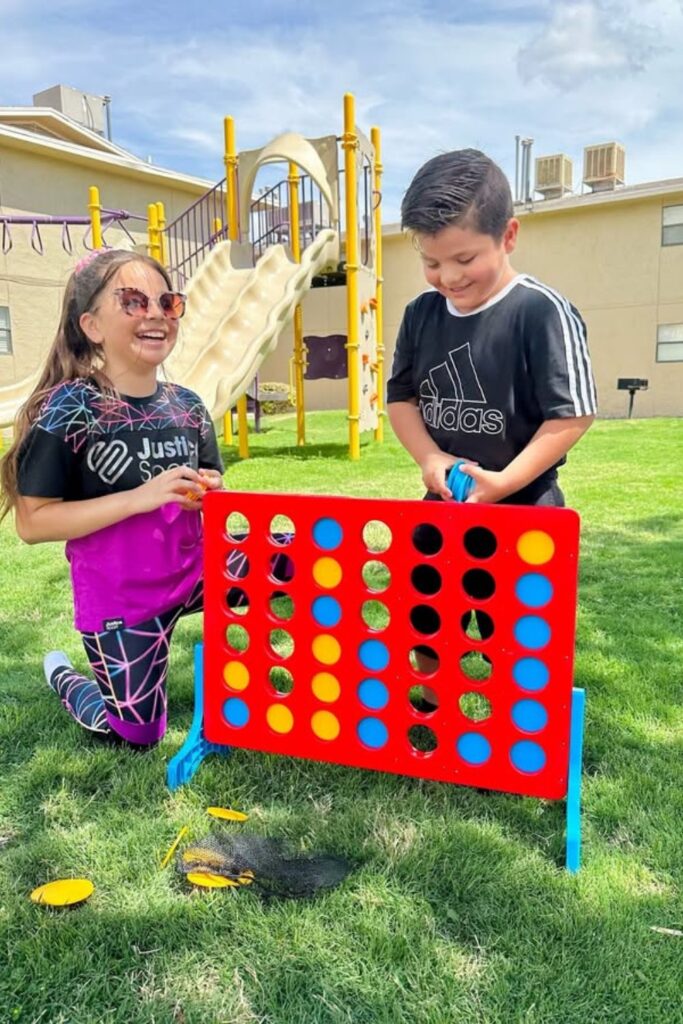
Mini Connect Four is another excellent strategy game for field day setups. Players compete to connect rows while preventing their opponent from winning.
I often recommend including a few quieter activities like this during large events because not every participant enjoys nonstop physical challenges.
Games that combine thinking and competition help keep all personality types engaged.
Tunnel Crawl
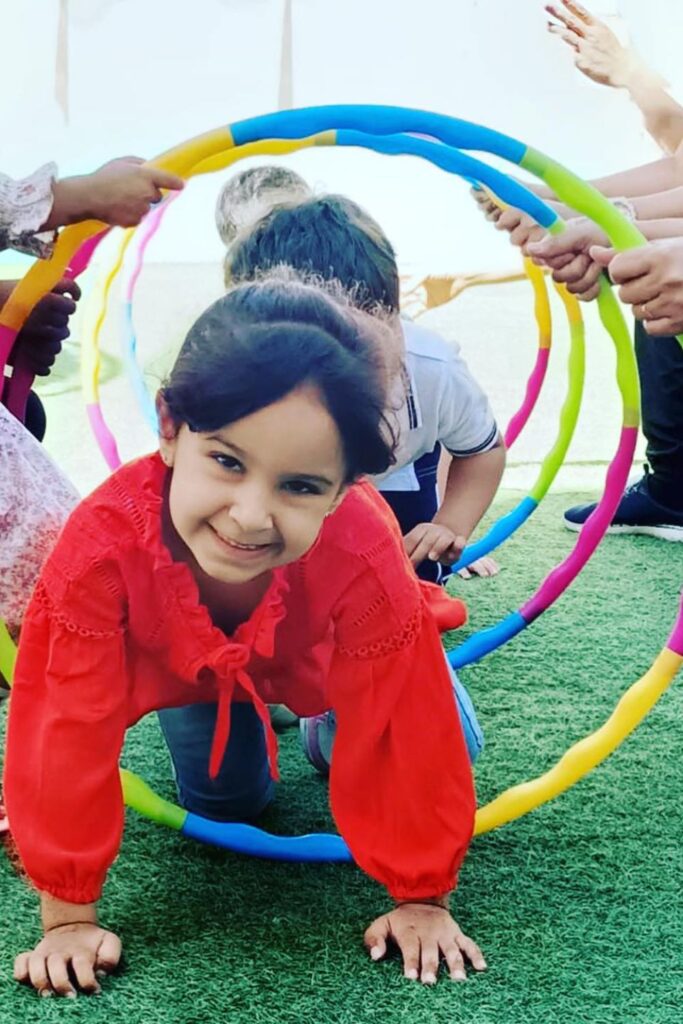
Tunnel Crawl is a great activity for younger children who enjoy movement-based challenges. Players crawl through tunnels or hoops while racing to the finish line.
I have seen this game become especially popular at school events because it feels more like an adventure than a competition.
It also helps younger kids build coordination and motor skills naturally through play.
Cup Cascade
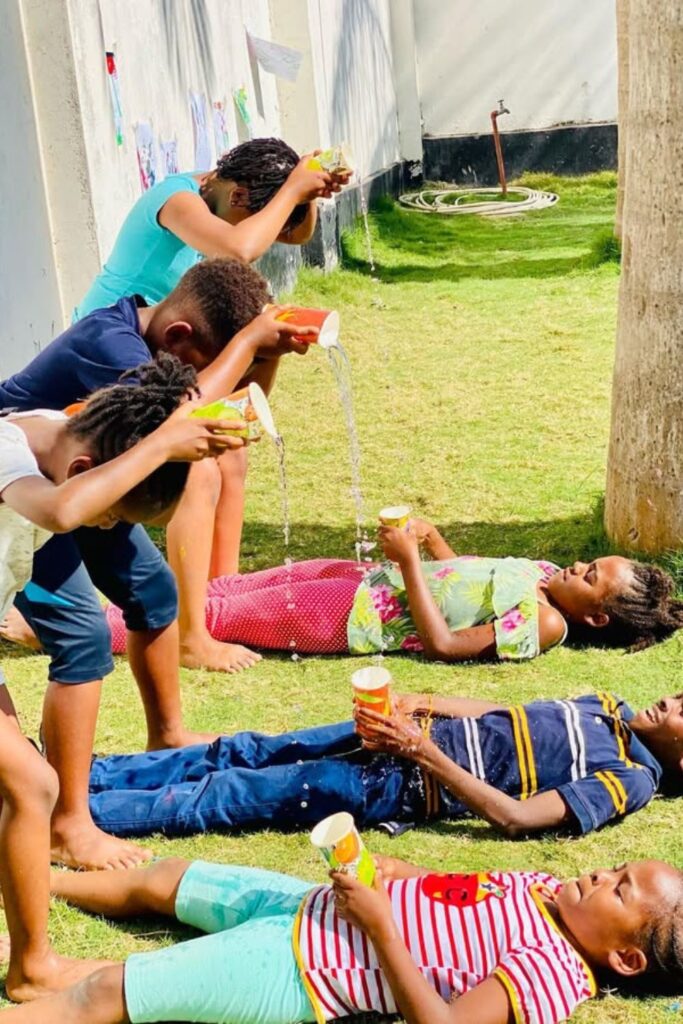
Cup Cascade is one of the best water-based field day games for teamwork. Players pass water from one cup to another while trying to fill a bucket at the end of the line.
Most teams start carefully but eventually speed up, which usually creates hilarious spills and chaos.
This activity works perfectly during summer field days because it keeps players cool and engaged.
Noodle Tunnel
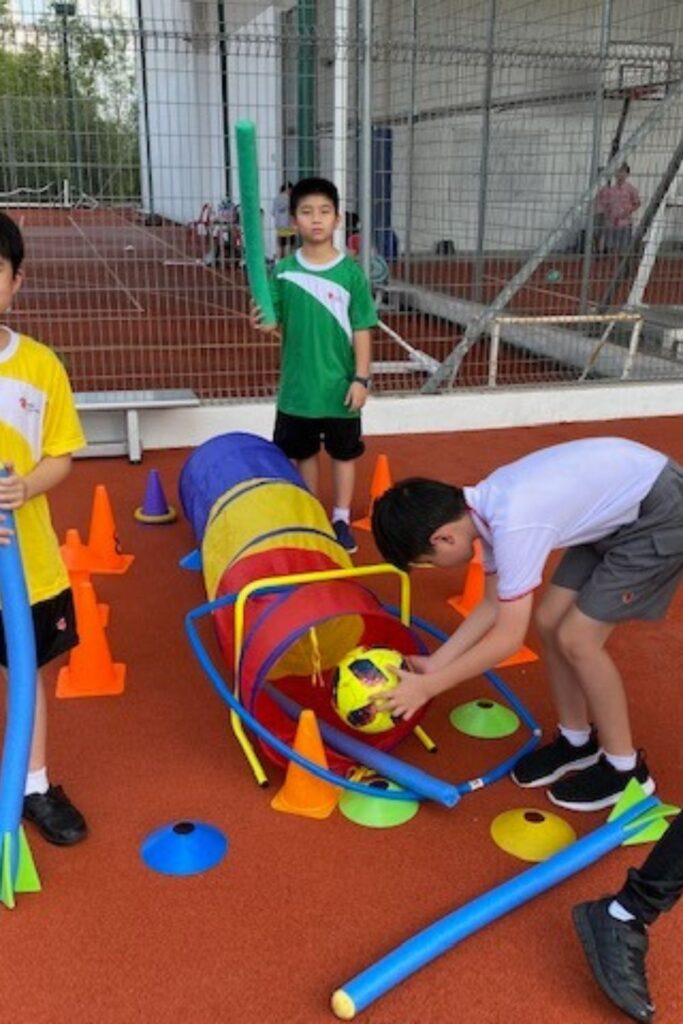
Noodle Tunnel challenges players to guide a ball through pool noodles without dropping it. Teams must stay coordinated and communicate clearly to keep the ball moving smoothly.
I enjoy this game because it combines strategy, teamwork, and movement in a creative way.
Colorful setups also make the activity visually exciting for school events and parties.
Marble Run
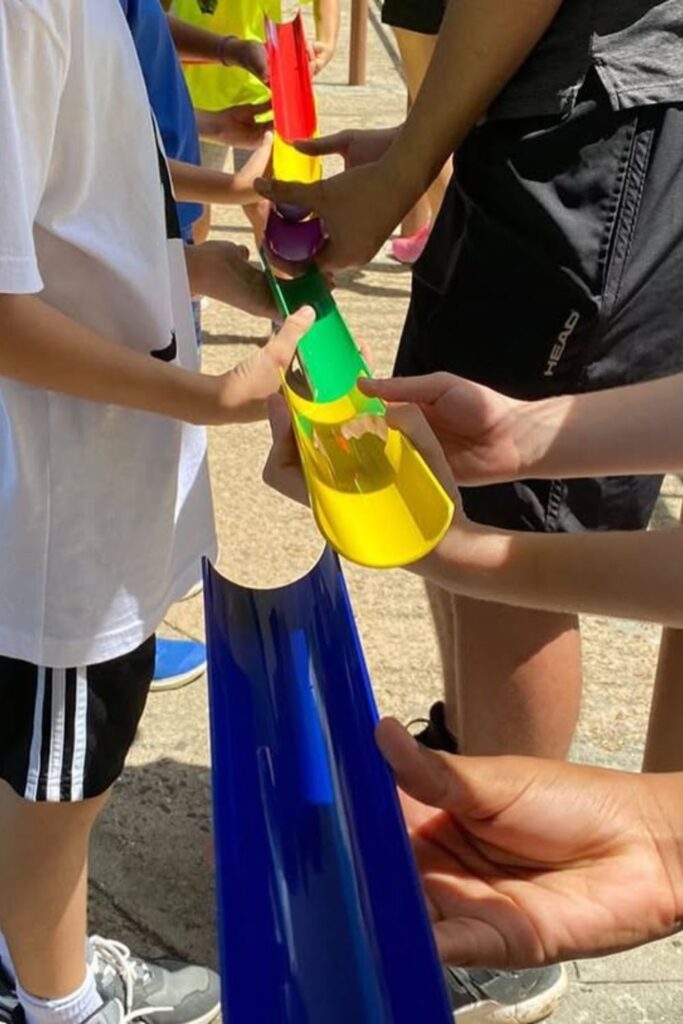
Marble Run is all about patience and teamwork. Players work together to guide a marble across connected tracks or tubes without letting it fall.
This game teaches communication skills because every player depends on the next person to keep the marble moving.
I recommend this activity for groups that enjoy cooperative challenges rather than intense competition.
Giant Soccer
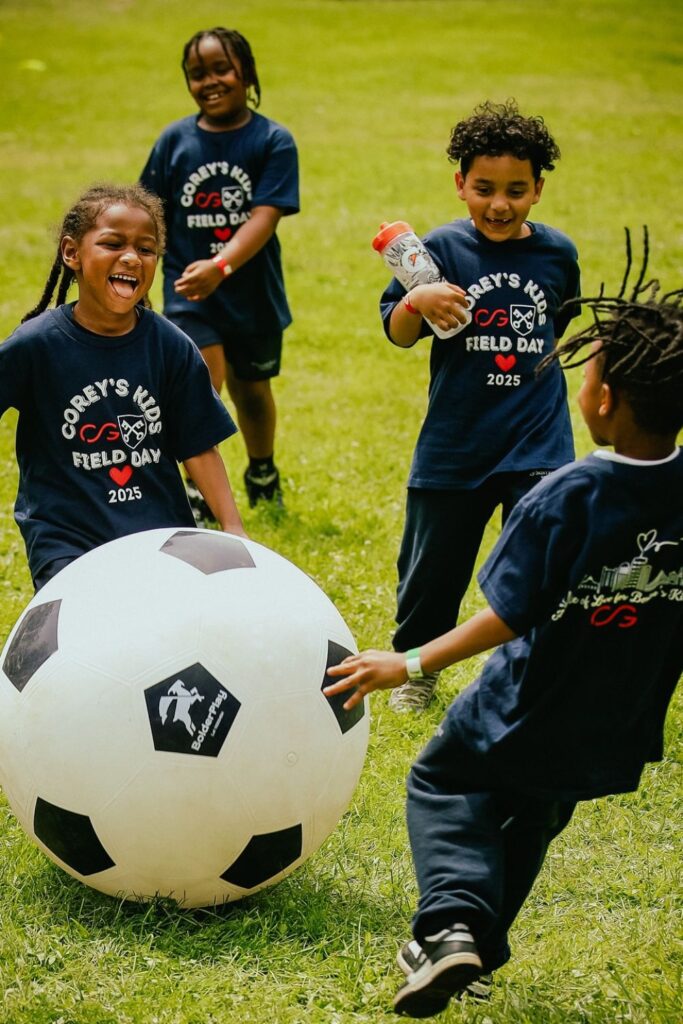
Giant Soccer turns a normal soccer match into complete chaos in the best way possible. Players try to kick and control an oversized ball while running across the field.
The giant ball changes everything because movement becomes slower, funnier, and far less predictable.
This game works incredibly well for school events, family reunions, and community festivals.
Tennis Rally

Tennis Rally stations are perfect for kids who enjoy skill-based sports activities. Players practice volleys, forehands, and short rallies with partners.
I like adding this station because it gives participants a chance to slow down while still staying active.
Tennis-based games also improve timing, coordination, and reaction speed, making them a valuable addition to any field day event.
Final Thoughts
After organizing and attending different outdoor events over the years, I honestly believe the best field day games are the ones that keep everyone smiling and involved. You do not need expensive equipment or complicated setups to create an unforgettable experience.
A good mix of relay races, teamwork challenges, water games, and strategy activities helps keep the energy balanced throughout the day. Whether you are planning a school event, summer camp, church picnic, or backyard gathering, these field day games ideas can help create lasting memories for kids and adults alike.
FAQ,s
What are the best field day games for kids?
Some of the best field day games for kids include relay races, tug of war, obstacle courses, balloon toss, sack races, and water relay games. These activities keep children active while helping them build teamwork and coordination skills.
How do I organize a successful field day event?
I always recommend starting with a mix of high-energy and low-energy activities. Divide participants into teams, prepare clear instructions, and organize stations in advance. Keeping games simple usually makes the event run more smoothly and keeps everyone involved.
What equipment is needed for field day games?
Most field day games only require simple supplies like cones, ropes, balloons, buckets, bean bags, pool noodles, plastic cups, and balls. Many activities can be created using affordable items already available at schools or at home.
Are field day games good for adults too?
Yes, many field day games work well for adults, especially relay races, tug of war, giant soccer, obstacle courses, and team challenges. Adults often enjoy competitive outdoor activities just as much as kids during family gatherings or company events.
How long should a field day last?
Most field day events usually last between 2 to 5 hours depending on the number of games and participants. I have found that shorter game rotations help maintain excitement and prevent kids from losing energy too quickly.
What are the easiest field day games to set up?
Balloon toss, sprint races, jump rope contests, target toss, and egg-and-spoon races are some of the easiest field day games to organize because they need minimal equipment and setup time.
Why are field day games important for children?
Field day games help children improve physical activity, teamwork, communication, confidence, and social interaction. Outdoor group activities also encourage healthy movement while reducing screen time.
How many field day games should I plan?
For most events, planning around 8 to 12 games works well. This gives participants enough variety without making the schedule feel overwhelming or rushed.
What are good water games for field day?
Water Run, Cup Cascade, sponge relays, and water balloon toss are some of the most popular water-based field day games. These activities are especially fun during summer events because they help everyone cool off.
Can field day games work for mixed age groups?
Yes, many field day games can easily be adjusted for different ages. I usually recommend balancing competitive games with simple teamwork activities so younger kids and older participants can enjoy the event together.
Many of the ideas I share are inspired by real-life experimentation. I often test décor concepts in my own living spaces and explore practical ways they can be applied in everyday homes. I also gather insights from working with homeowners who want to improve the comfort, beauty, and functionality of their spaces.
I share practical ideas for improving living rooms, bedrooms, and overall home aesthetics using simple design principles.
I explore creative ways to upgrade outdoor spaces including patio décor, small backyard styling, and relaxing outdoor setups.
I provide ideas for kitchen organization, décor accents, and functional layouts that make kitchens more beautiful and practical.
The concepts shared here are based on ideas I have personally experimented with or studied through real home décor improvements.