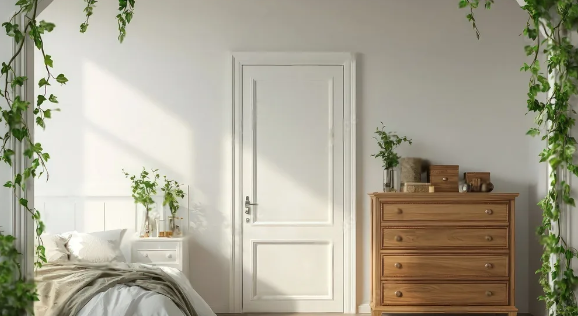
40 Small Bedroom Ideas To Maximize Your Space with smart storage and compact furniture
When I work with a small bedroom, I focus first on making every part of the room useful without making it feel crowded. I look at the bed, walls, corners, windows, lighting, and storage as separate opportunities to save space. From built-in drawers and wall shelves to light colors, mirrors, compact desks, and furniture that serves two purposes, these small bedroom ideas can help me create a room that feels organized and comfortable.
I have found that the biggest improvement often comes from using vertical space instead of adding more furniture to the floor. A storage bed can hide bedding, a wall-mounted light can replace a bedside lamp, and a tall mirror can add depth without taking up much room. The right layout also matters because even a few inches can change how easily I move around the bedroom.
Key Takeaways
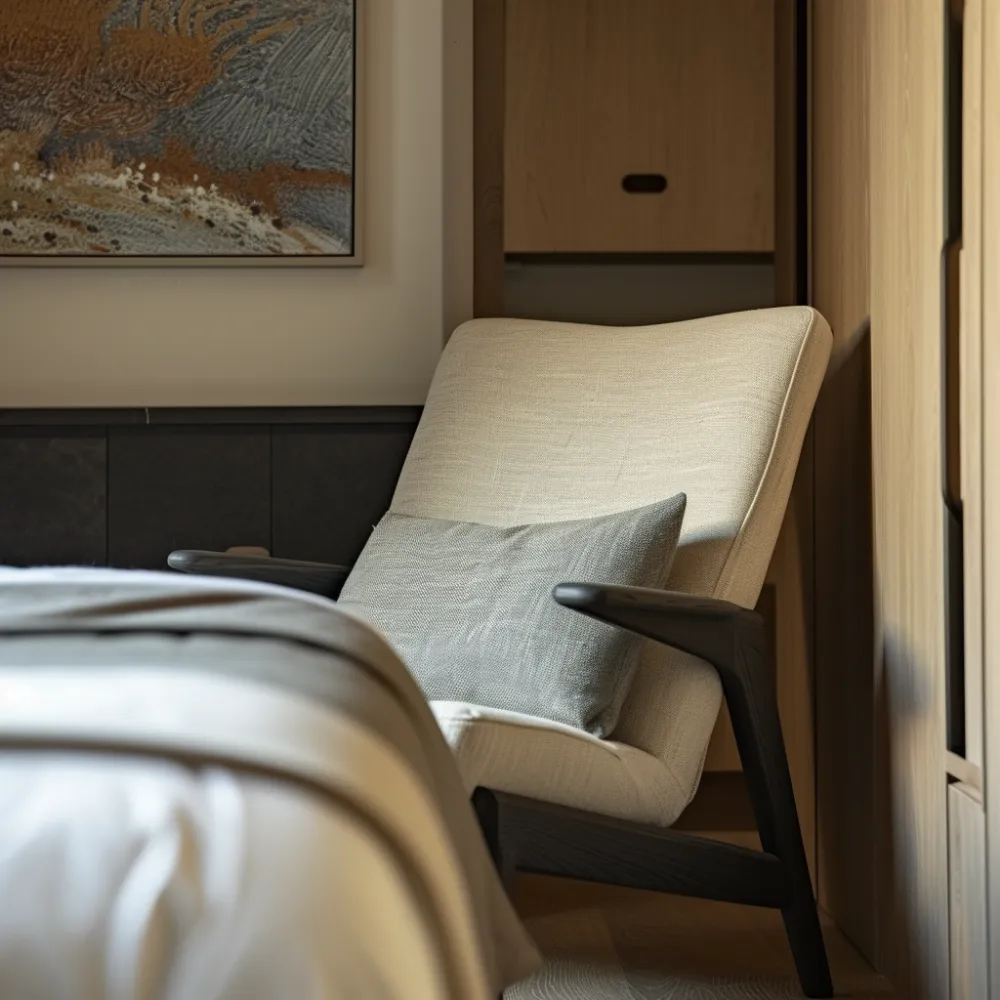
1. Bed with Built-In Drawers
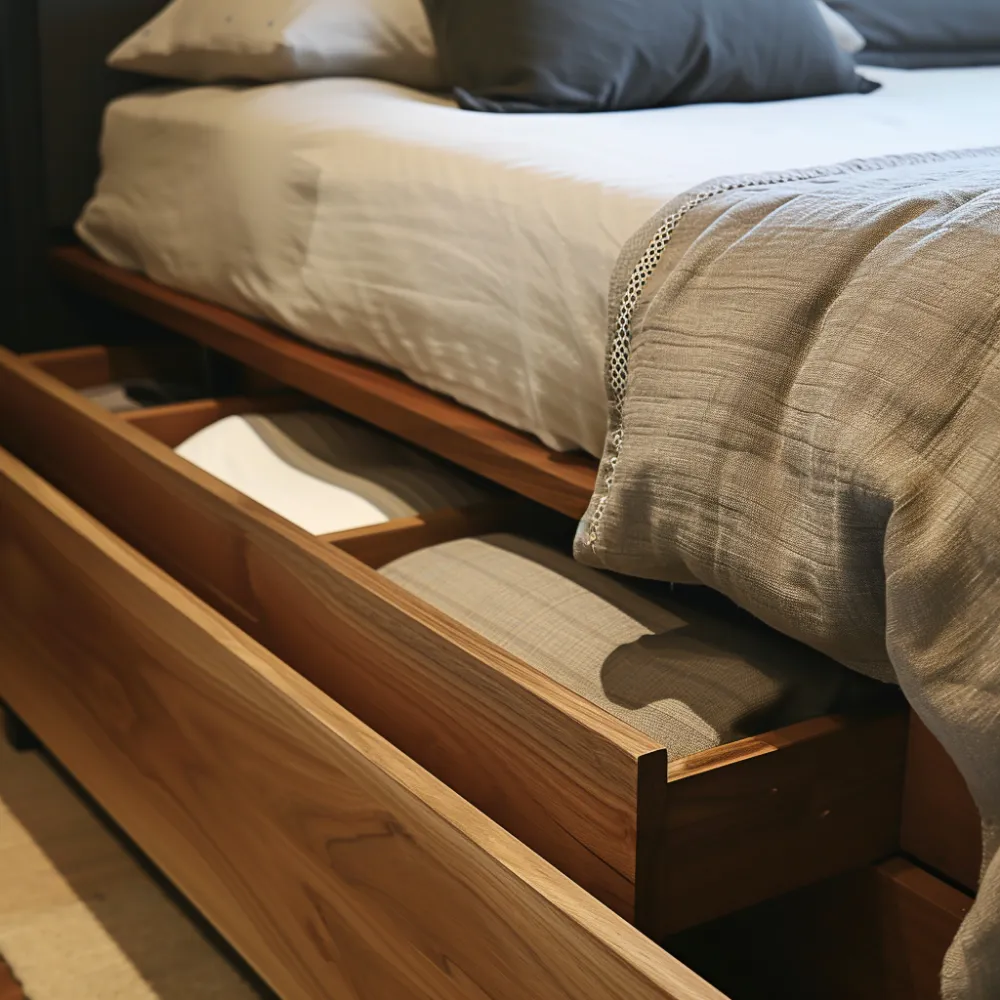
I like a bed with built-in drawers when floor space is limited because it gives me storage without requiring another cabinet. I can use the drawers for spare bedding, seasonal clothes, shoes, or other items that I do not need every day. This keeps the walking area clearer and helps the room look more orderly.
Pro Tip: I measure the drawer opening and the available clearance beside the bed before buying one so the storage remains easy to use.
2. Оttoman that Doubles as A Chest
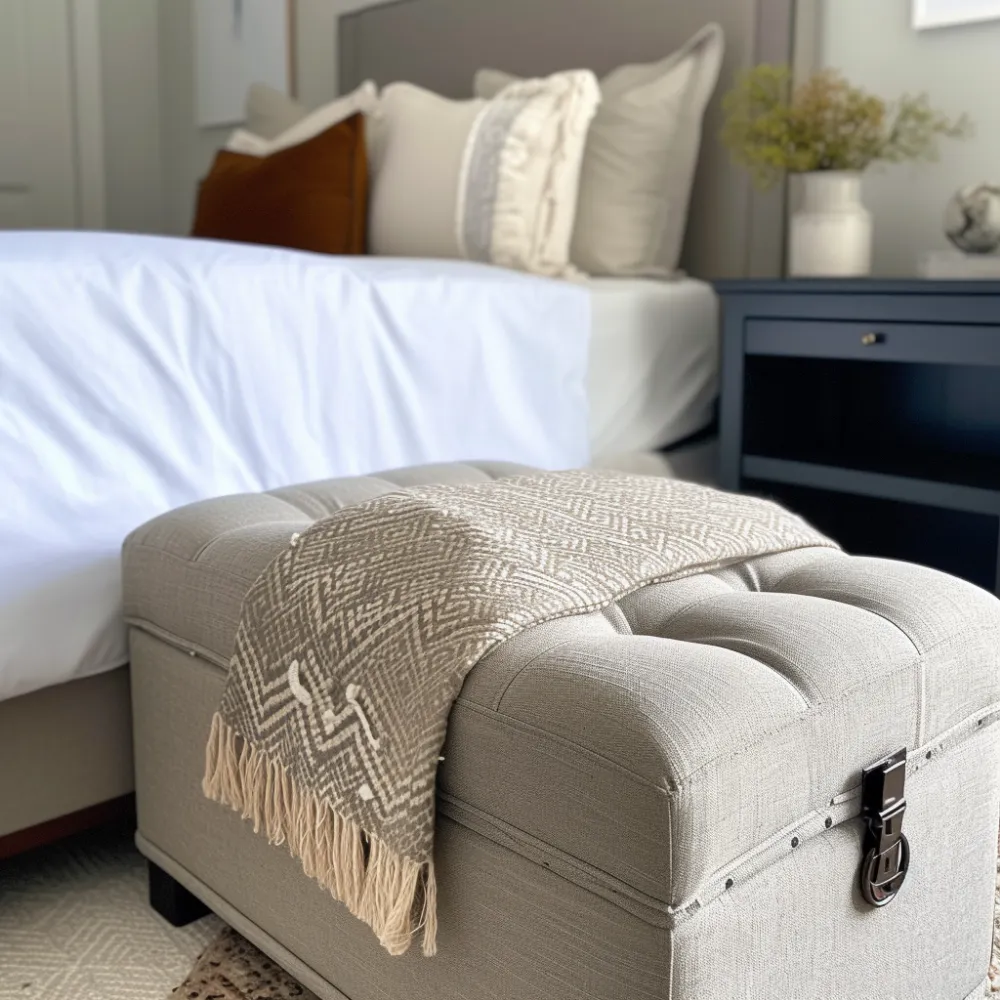
I can make a small bedroom more useful with an ottoman that works as both seating and hidden storage. I can place it at the foot of the bed and use the inside for blankets, extra pillows, bags, or other items. It gives me a practical surface without adding a separate storage box.
Fact: Furniture with two functions can reduce the number of individual pieces I need, which is especially helpful when floor space is tight.
3. A Dramatic Canopy
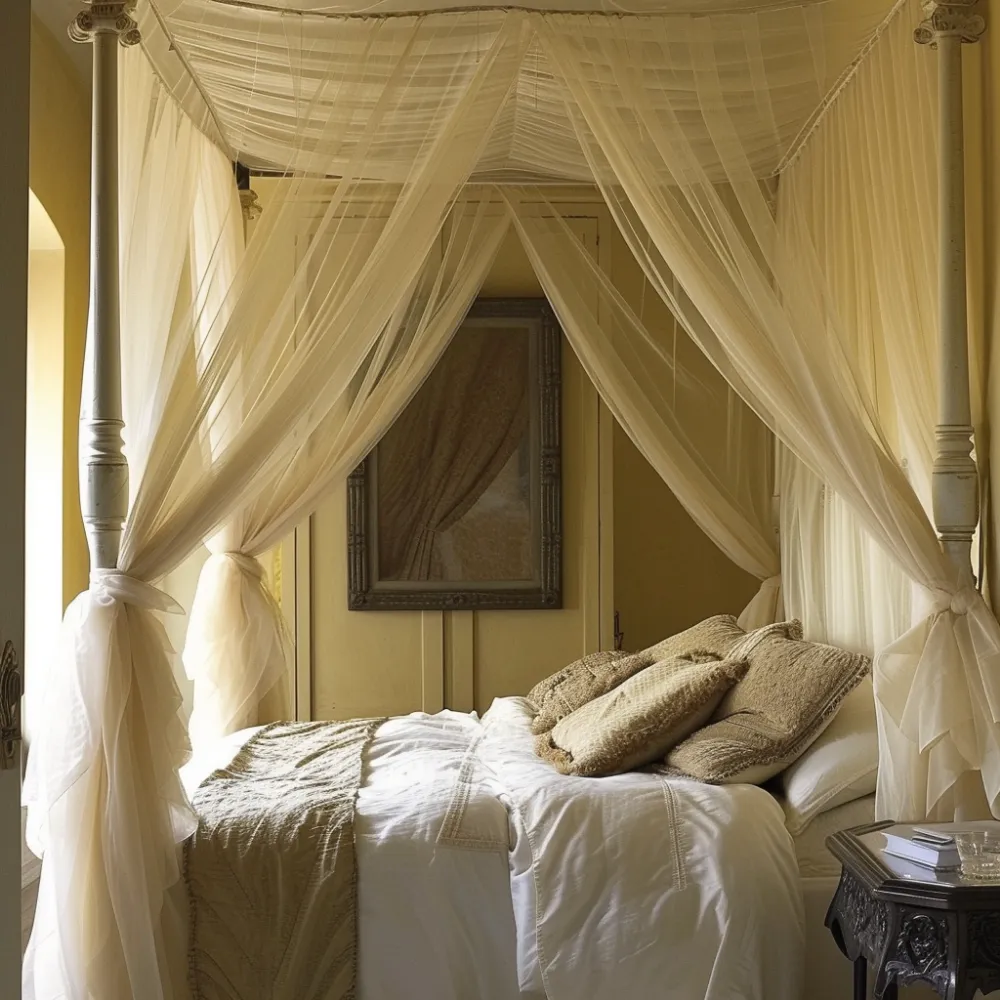
I do not think a small bedroom has to avoid a canopy or four-poster look. A simple canopy can draw attention upward and make the bed feel like the main feature instead of filling the room with extra decorations. I prefer lightweight fabric and a frame that does not make movement around the bed difficult.
Insight: When I want to emphasize height, I look upward rather than outward because vertical details usually take less usable floor area.
4. Make Use of Every Corner
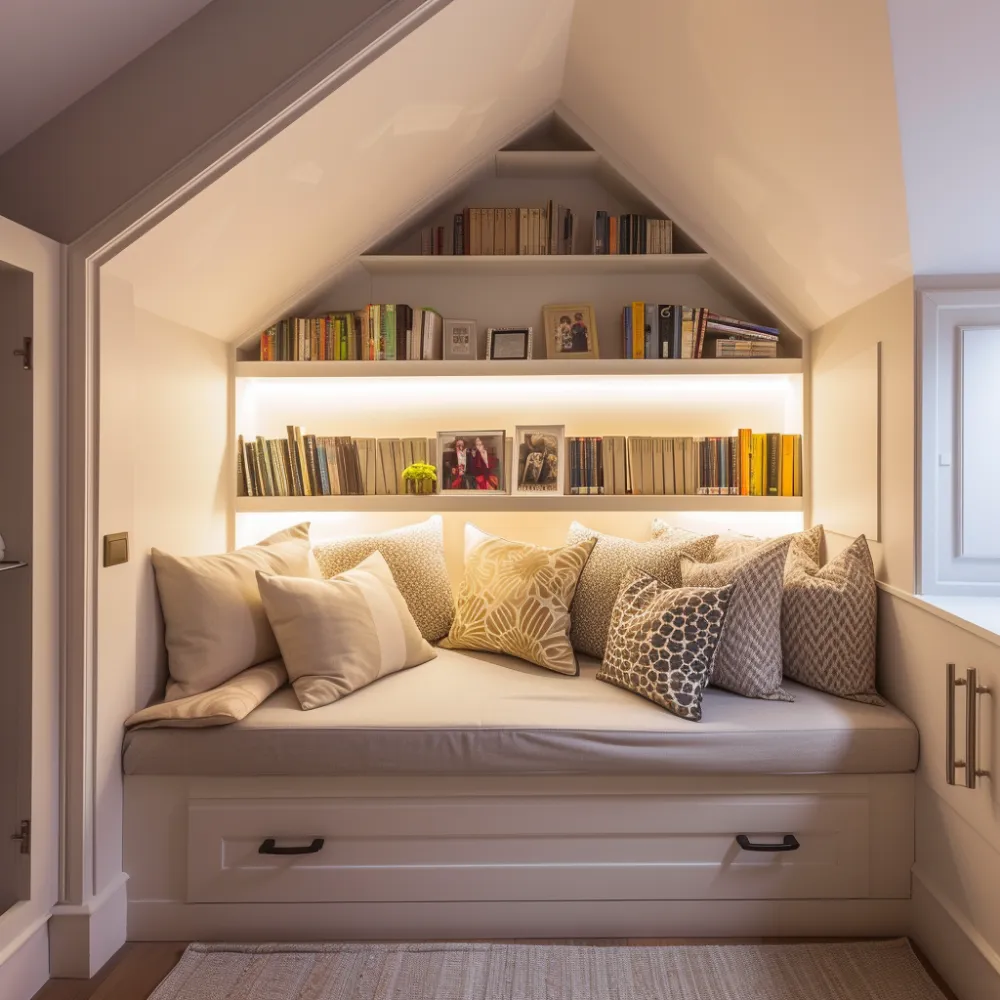
I treat awkward corners as useful areas instead of leaving them empty. A narrow corner shelf, compact desk, reading seat, or fitted cabinet can turn an unused section into storage or a functional zone. Even a small corner can become useful when the furniture is sized specifically for it.
Pro Tip: I measure the corner in three places—floor, middle, and ceiling level—because walls are not always perfectly straight.
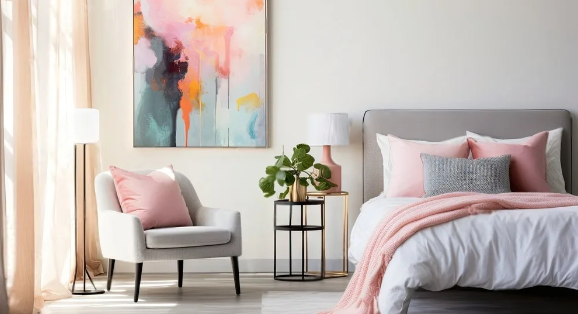
5. Add Colour Through Accessories
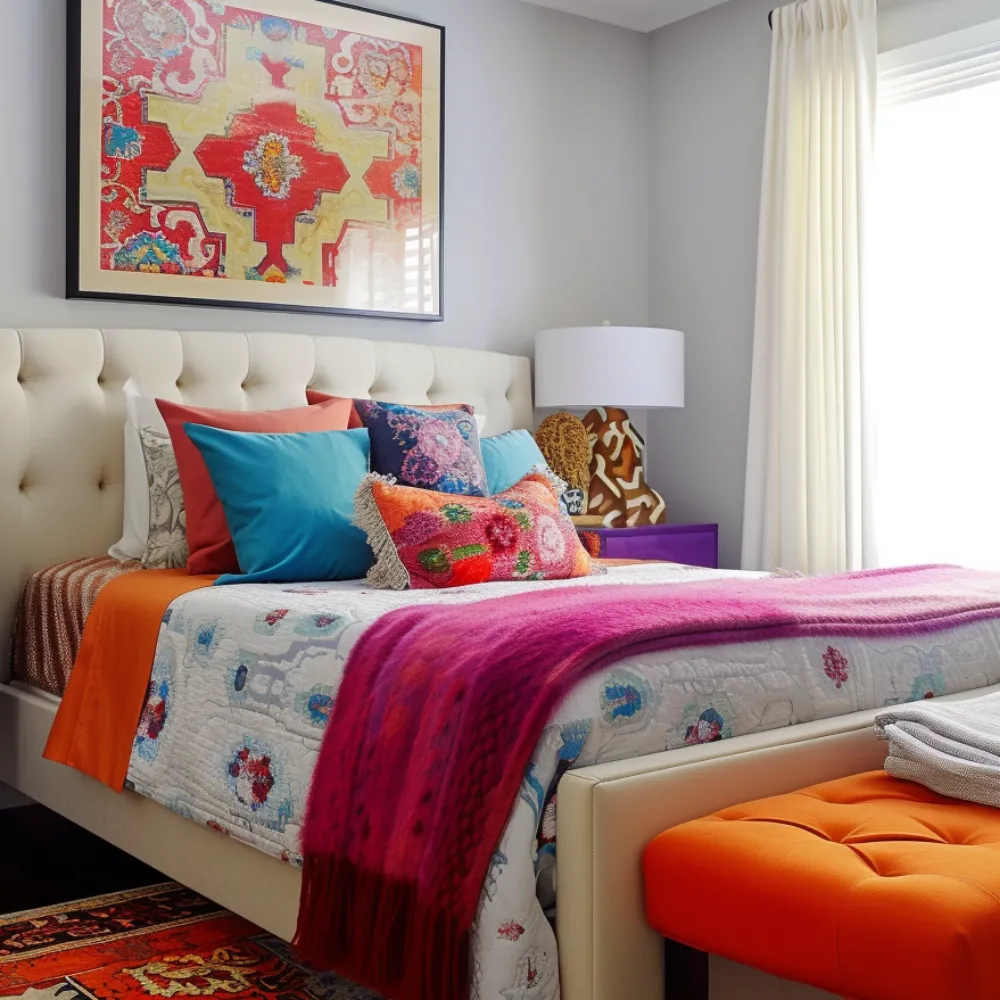
I use accessories when I want to bring color into a small bedroom without making a major commitment. Bedding, cushions, artwork, curtains, and a small rug can add personality while remaining easy to replace later. I usually let the larger surfaces stay calmer when I am already using several colorful accents.
Insight: Smaller decorative pieces are easier to change than painted walls or large furniture, so they give me more flexibility when my style changes.
6. Wall Panelling
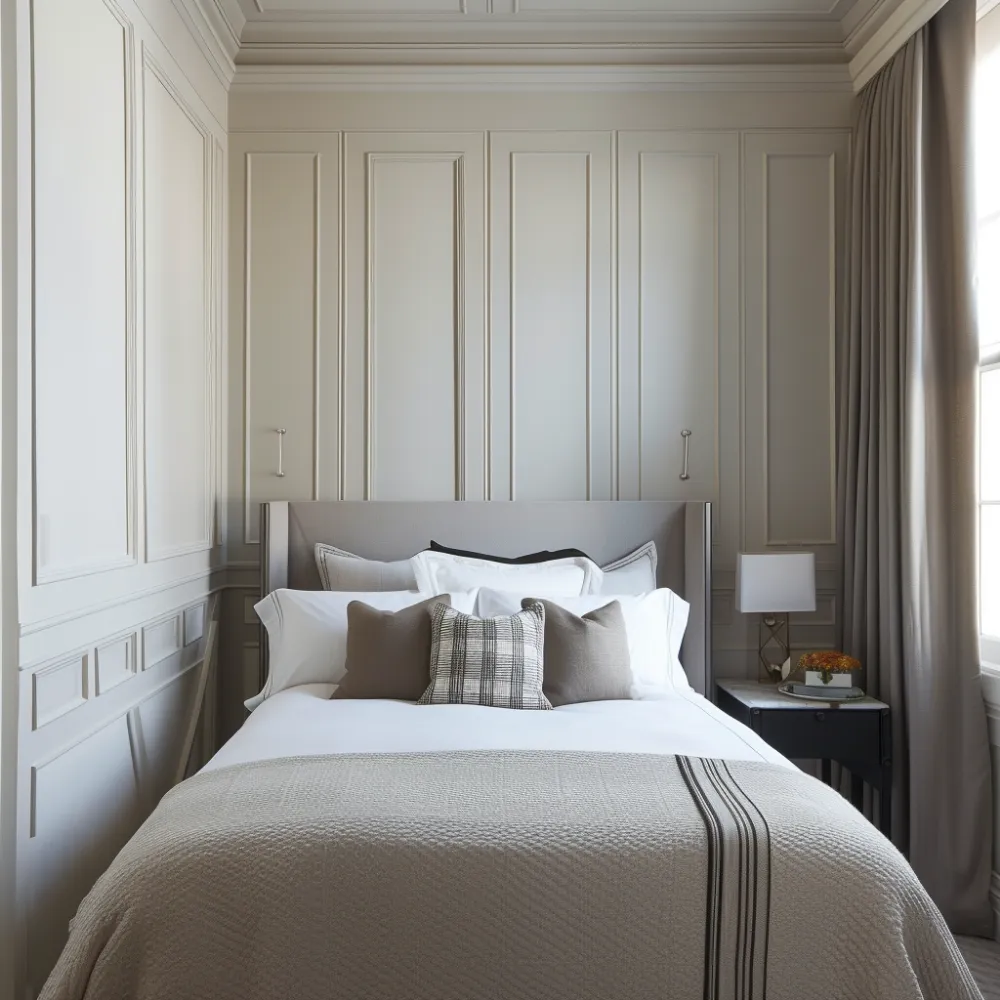
I can use wall panelling to give a small bedroom more architectural detail without taking up much floor space. Vertical panel designs can draw my eyes upward, while simple geometric patterns can create a clear focal wall behind the bed. I keep the panel design proportional so it does not compete with the furniture.
Pro Tip: I check the thickness of the panels before installation because even shallow decorative materials can reduce usable space in a narrow room.
7. Work with Your Layout
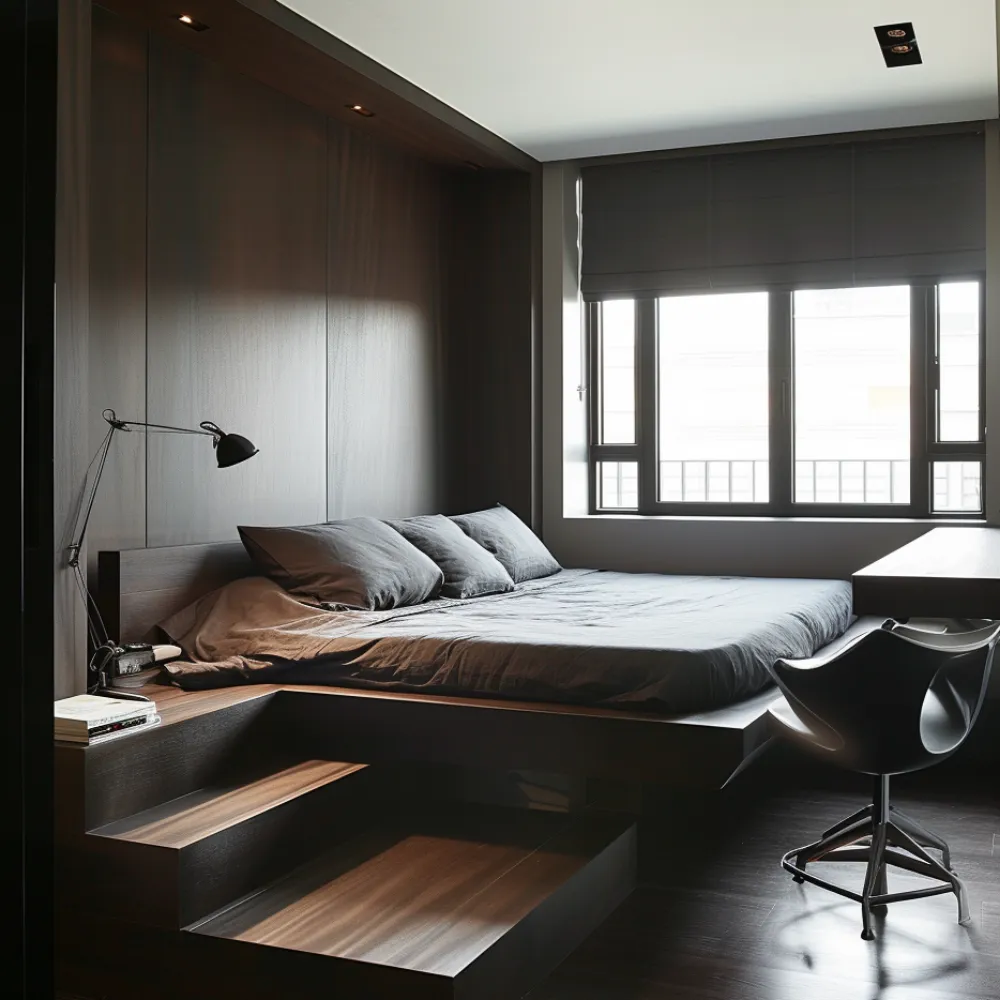
I start with the layout before choosing decorative pieces because the arrangement determines how comfortable the bedroom will be. I consider where the bed, wardrobe, door, windows, and walking paths need to sit first. Once those areas work, I can add smaller furniture without blocking movement.
Fact: A good small-bedroom layout is not about fitting the most furniture; it is about keeping the essential movement paths clear.
8. Shelving
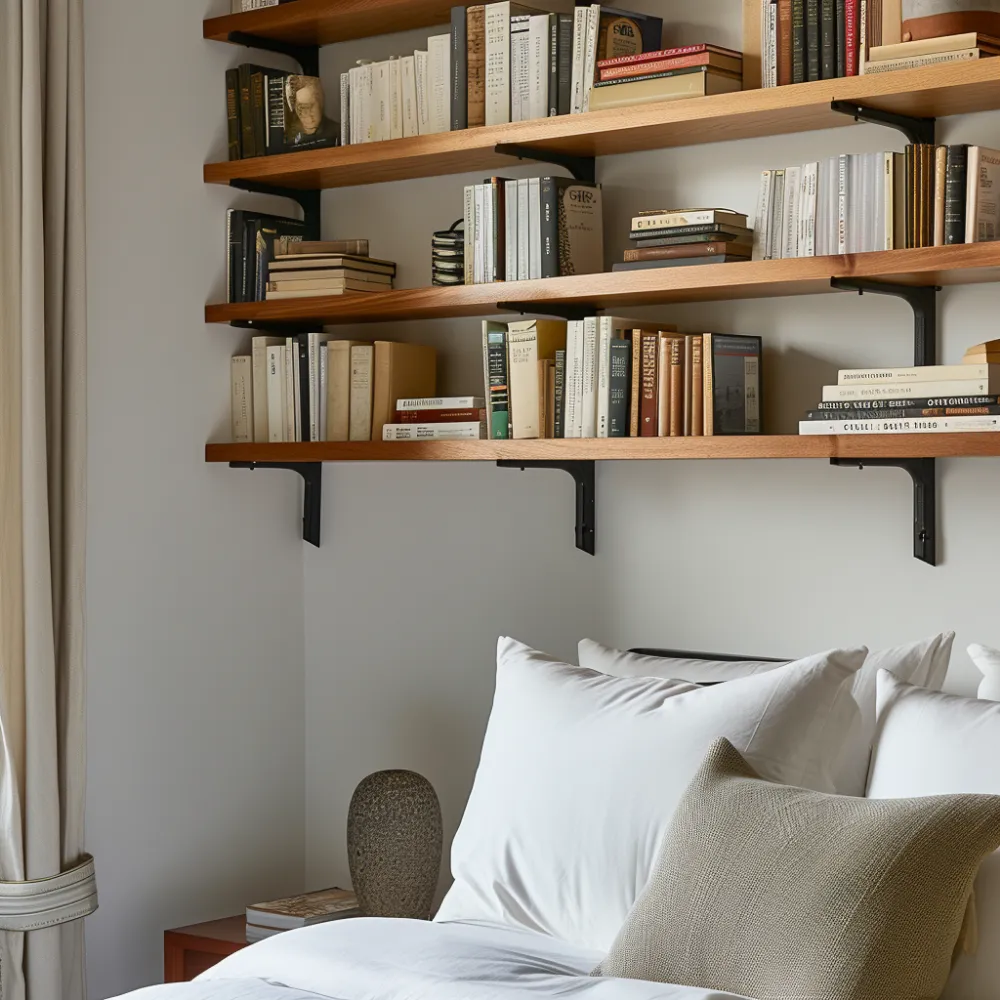
I use wall shelves when I need storage but do not want another floor-standing unit. Shelves can hold books, framed photos, baskets, plants, and everyday items while using otherwise empty wall space. I prefer placing frequently used items at comfortable heights and keeping less-used belongings higher.
Pro Tip: I leave some open wall space between shelf groups because filling every section can make a small room look visually busy.
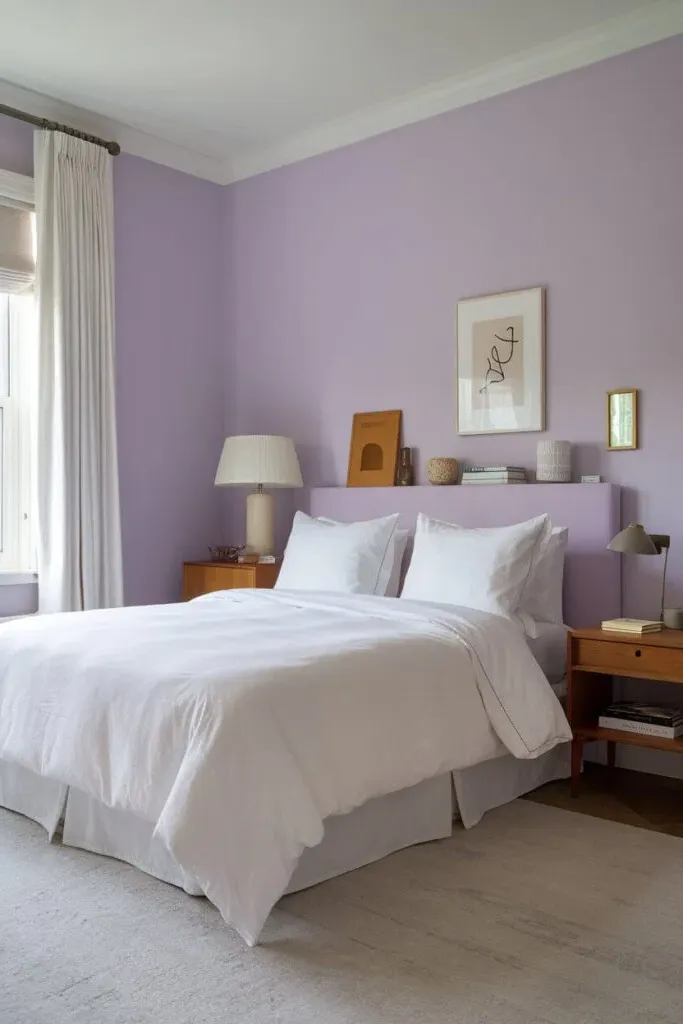
9. All-Over Colour
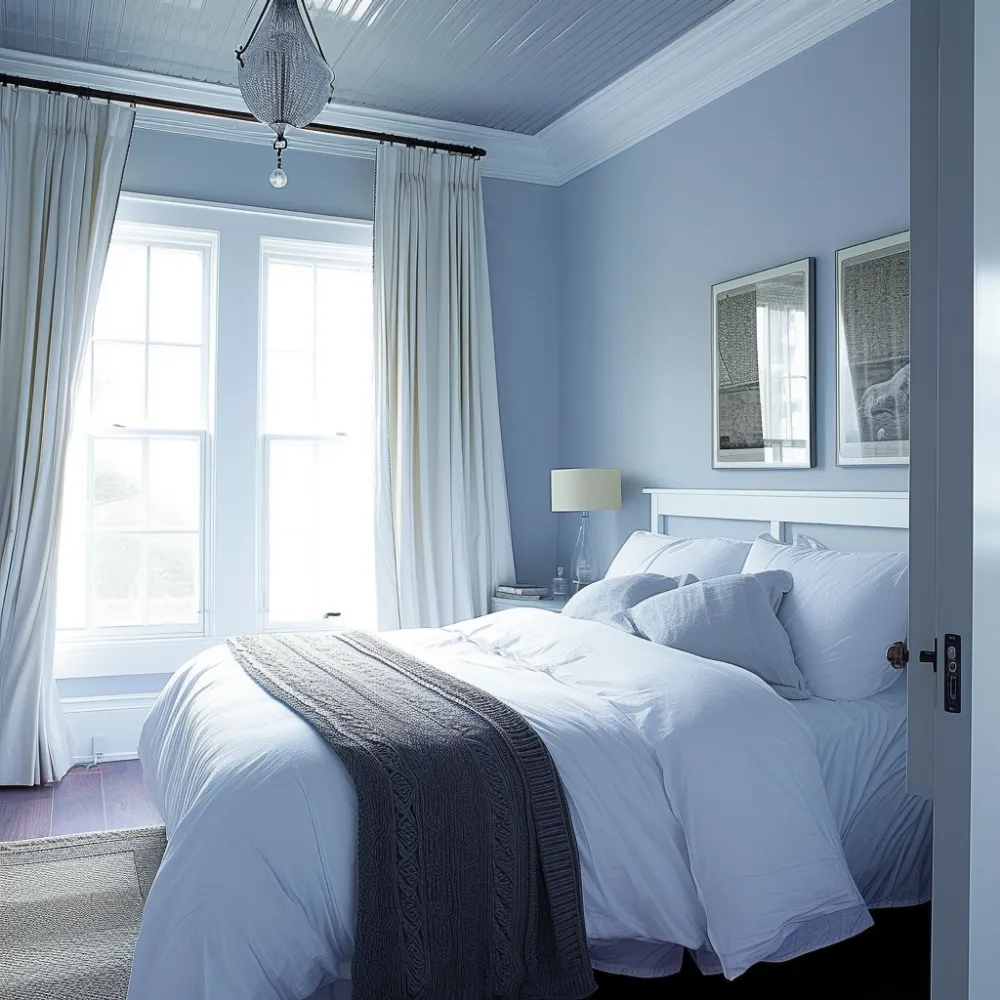
I can paint the walls, trim, and ceiling in related or matching shades to create a more continuous appearance. Instead of breaking the room into many visual sections, one color family helps the surfaces flow together. This works with pale shades as well as deeper colors when I want a more enclosed bedroom.
Insight: The effect depends on the whole room, including lighting and furniture, so I always test paint samples at different times of day.
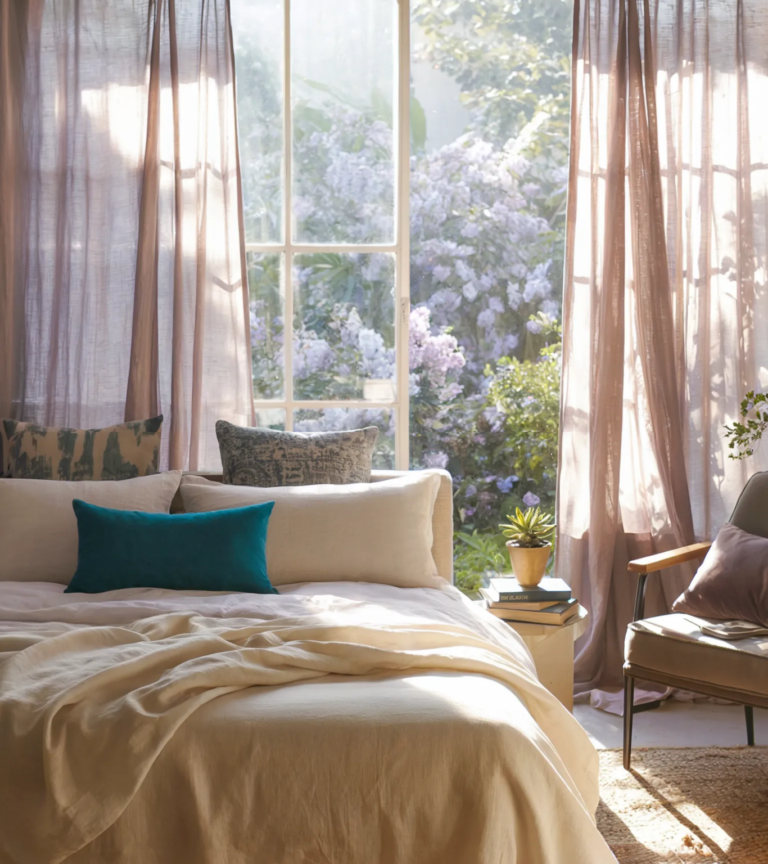
10. Airy Boho Hues
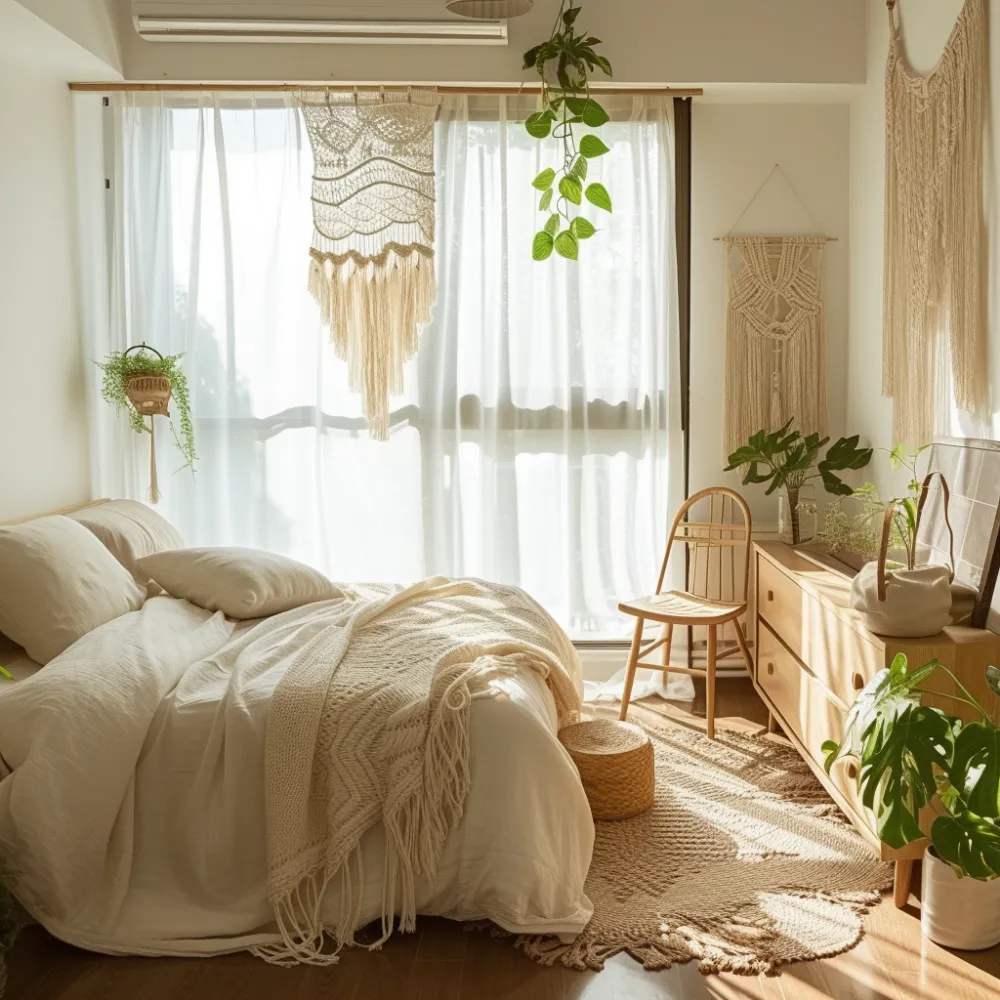
I like soft neutrals, natural textures, and lightweight fabrics when creating a small boho bedroom. Cream bedding, woven details, light wood, simple rugs, and plants can add warmth without requiring lots of furniture. Sheer curtains can also help keep the window area feeling open.
Pro Tip: I limit the number of large patterns because too many competing prints can make a compact bedroom feel cluttered.
11. Black Accents
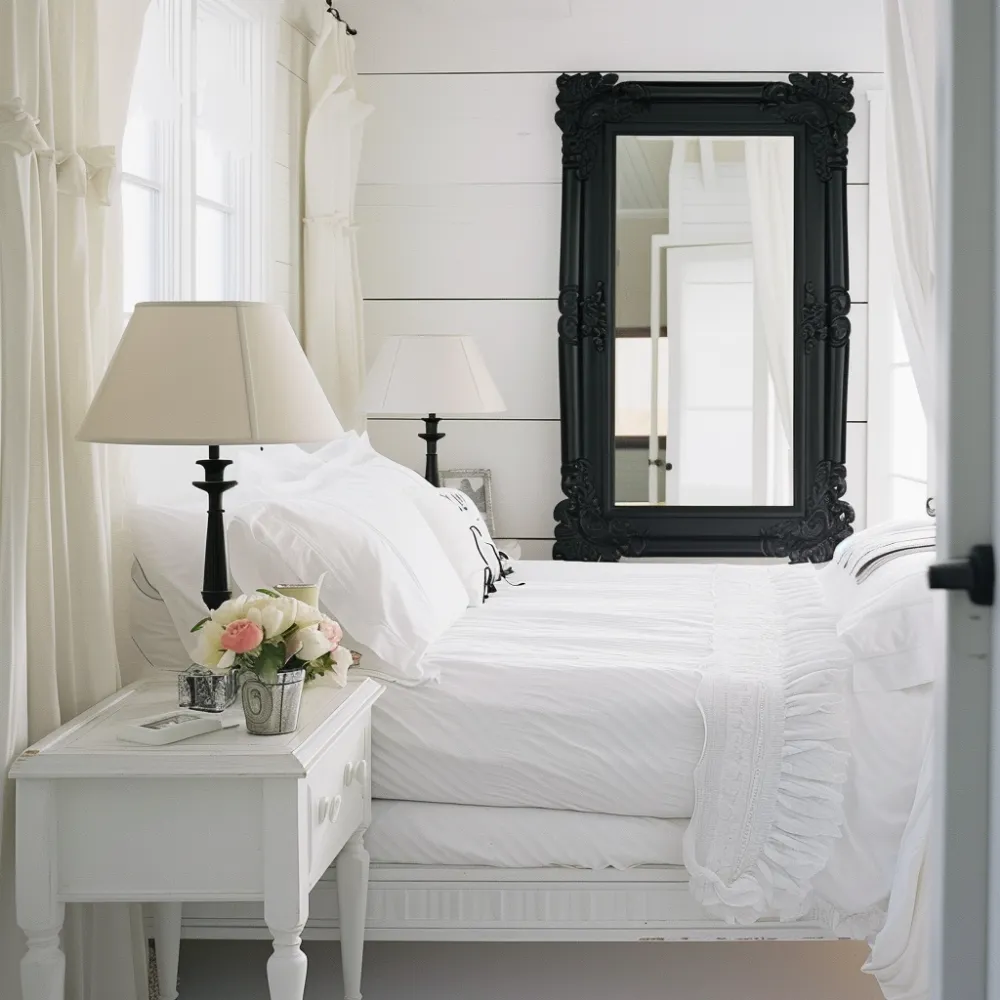
I use black in small amounts when I want stronger contrast in a compact bedroom. A black mirror frame, light fixture, picture frame, or small table can give the room definition without covering large surfaces in a dark shade. I find that repeating the accent in two or three places creates a more connected look.
Insight: Repeating one accent color can make separate furniture and accessories feel intentional rather than randomly placed.
12. Sofa Beds
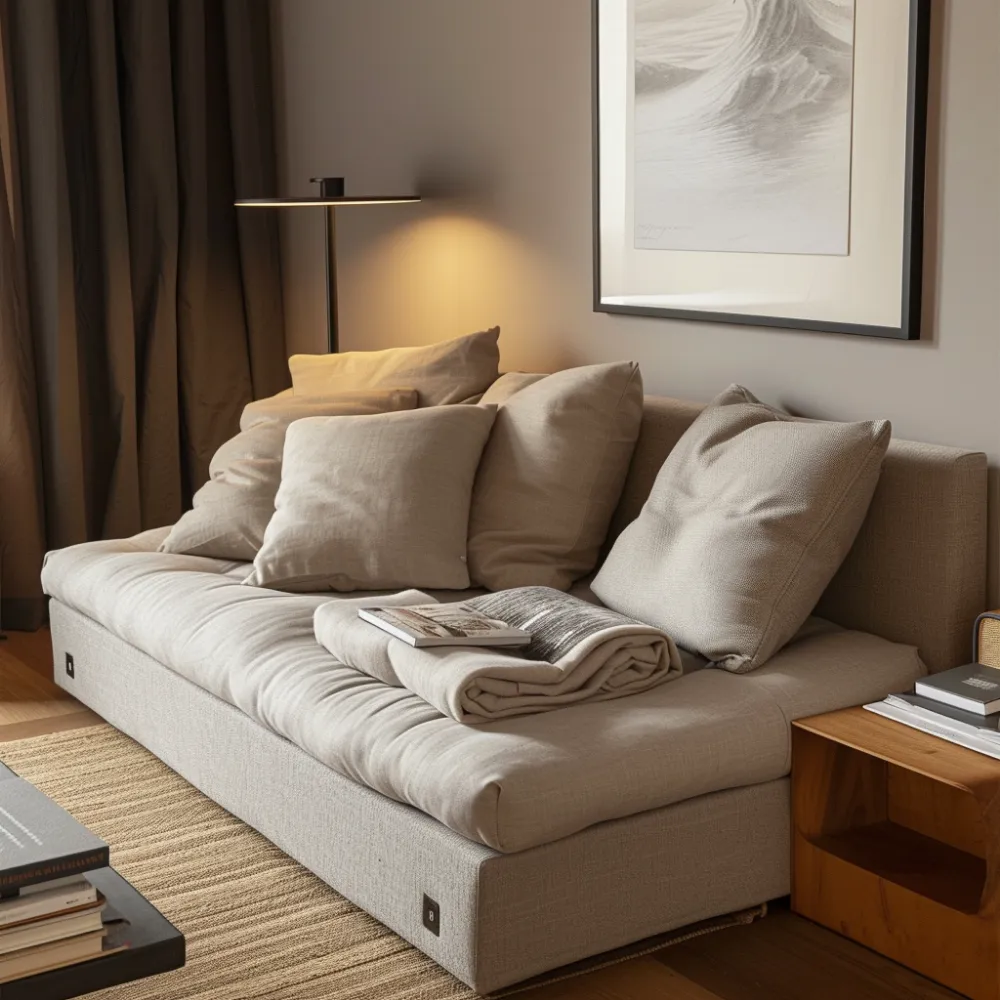
I find sofa beds useful when a bedroom needs to function as more than a sleeping area. During the day, the piece can provide seating, while at night it becomes a bed. This can be particularly useful when I need a bedroom to serve as a guest room, office, or occasional lounge.
Pro Tip: I check the sofa bed’s open dimensions before buying because the amount of floor space it needs can be very different from its closed size.
13. Fitted Wardrobes
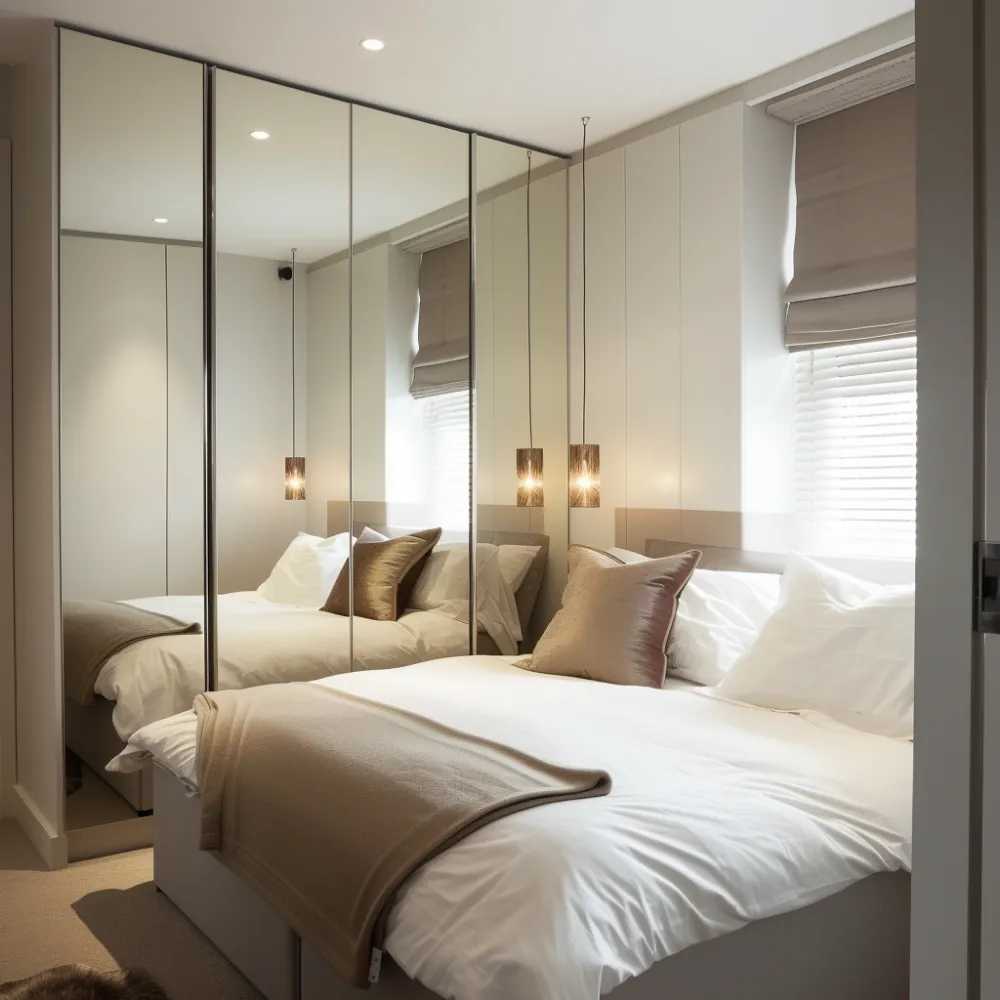
I prefer fitted wardrobes when a bedroom has an unusual wall shape or limited storage area. A custom-sized wardrobe can use the available height and width more efficiently than a standard cabinet. Sliding doors can also be useful where there is not enough clearance for traditional doors.
Fact: Using the full height of a wardrobe gives me storage for less frequently used items without adding another cabinet to the room.
14. A Loft Bed

I can free up a significant amount of floor area by moving the sleeping surface upward with a loft bed. The space underneath can become a compact desk, reading area, wardrobe zone, or storage area. I consider ceiling height and safe access before choosing this option.
Pro Tip: I keep the area beneath a loft bed practical rather than overcrowding it with several large pieces.
15. Faux Headboard
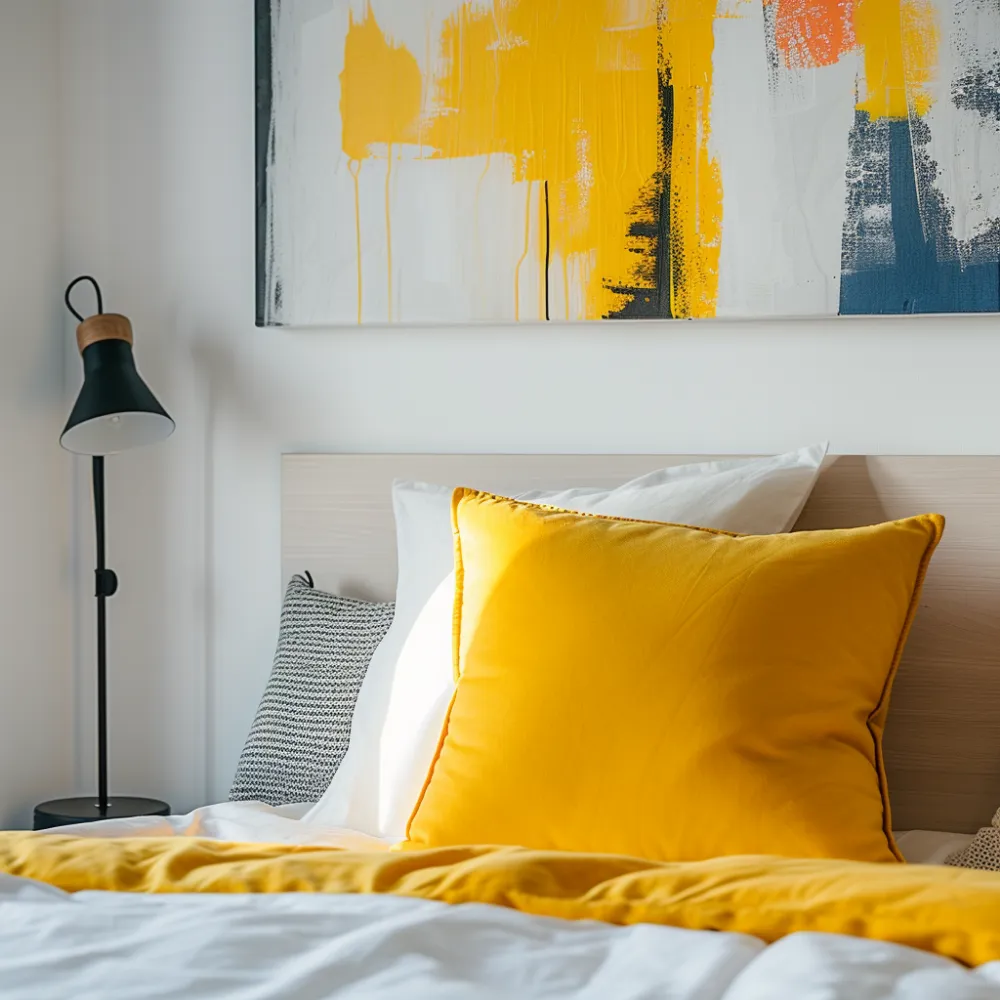
I can get the visual effect of a headboard without installing a bulky frame. Painting an outlined shape behind the bed, using removable decals, or creating a simple upholstered wall section can define the sleeping area. This leaves more physical space around the bed.
Insight: A painted headboard can also be changed more easily than a heavy upholstered headboard when I want a new bedroom look.
16. Statement Bed

I can make one strong piece of furniture the focus of a small bedroom instead of adding many decorative items. A distinctive bed frame, interesting fabric, or unusual shape can provide enough visual interest on its own. I then keep the surrounding furniture simple so the room still feels balanced.
Pro Tip: When the bed is visually bold, I keep nearby patterns and accessories quieter to prevent the room from feeling overloaded.
17. Overhead Storage
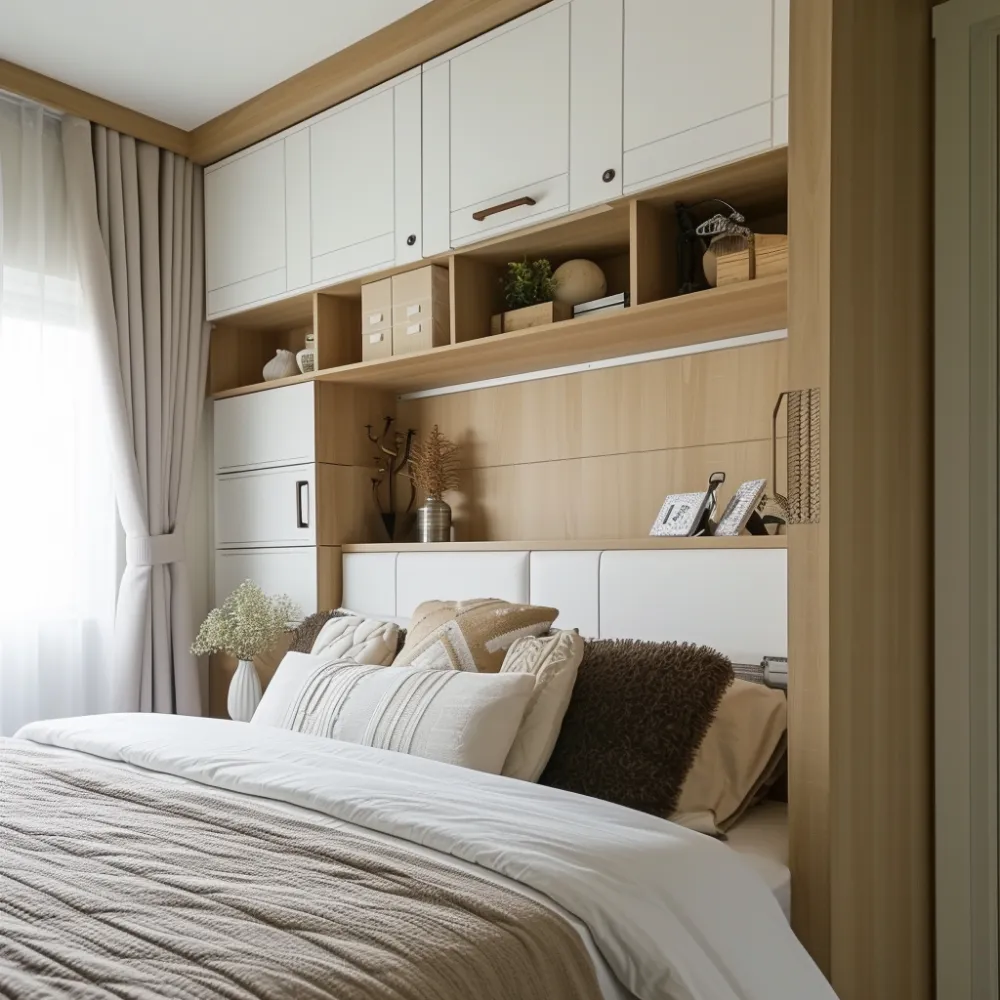
I use the area above doors or other suitable sections of wall for things I do not need every day. Closed cabinets, high shelves, and attractive storage boxes can hold seasonal bedding, luggage, or occasional-use belongings. Keeping these items higher also leaves valuable floor space open.
Fact: Vertical storage works best for items that are accessed occasionally because repeatedly reaching overhead can become inconvenient.
18. Miniaturise Your Bedside Table
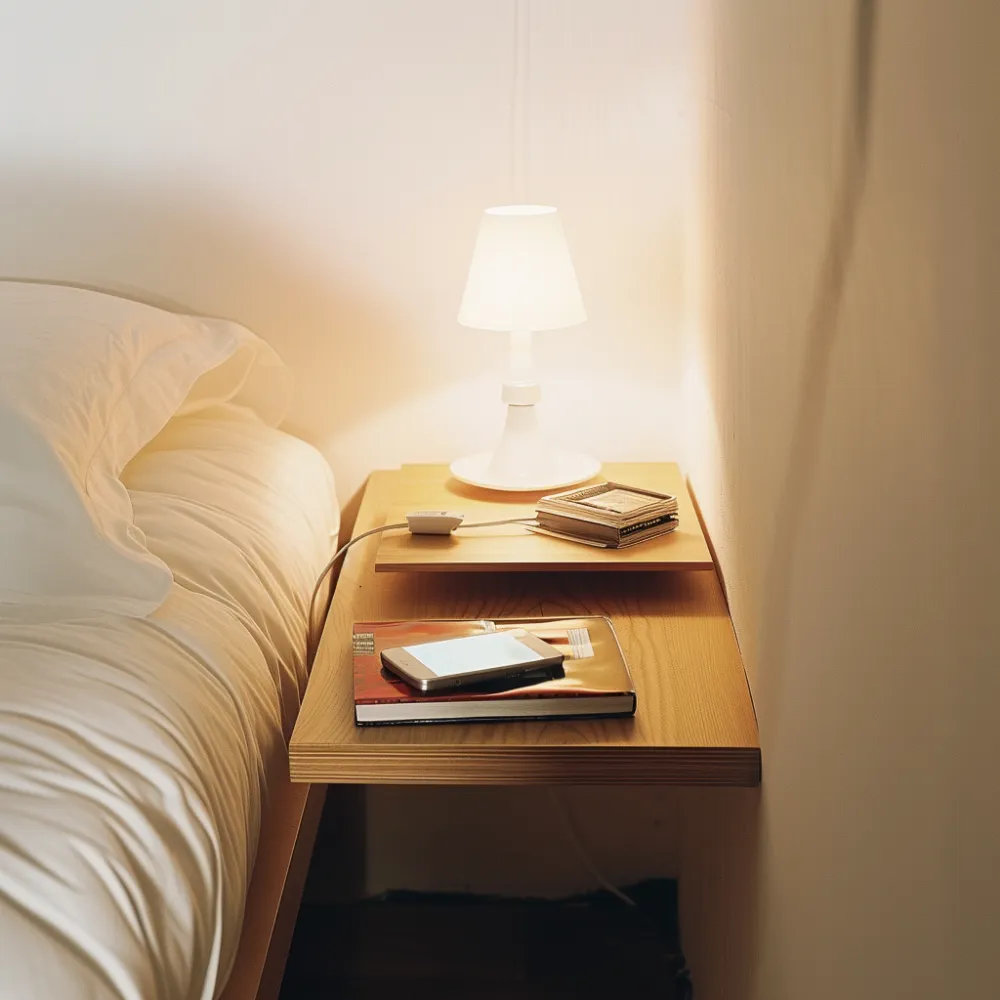
I replace a large bedside table with a narrow shelf, floating drawer, or compact wall-mounted unit when space is limited. I only need enough room for essentials such as my phone, a book, glasses, and a small lamp. Reducing the size of this one piece can make the area beside the bed much easier to move through.
Pro Tip: I decide what I actually keep beside the bed before choosing the shelf size instead of buying a larger unit just because there is one available.
19. Invigorating Styling
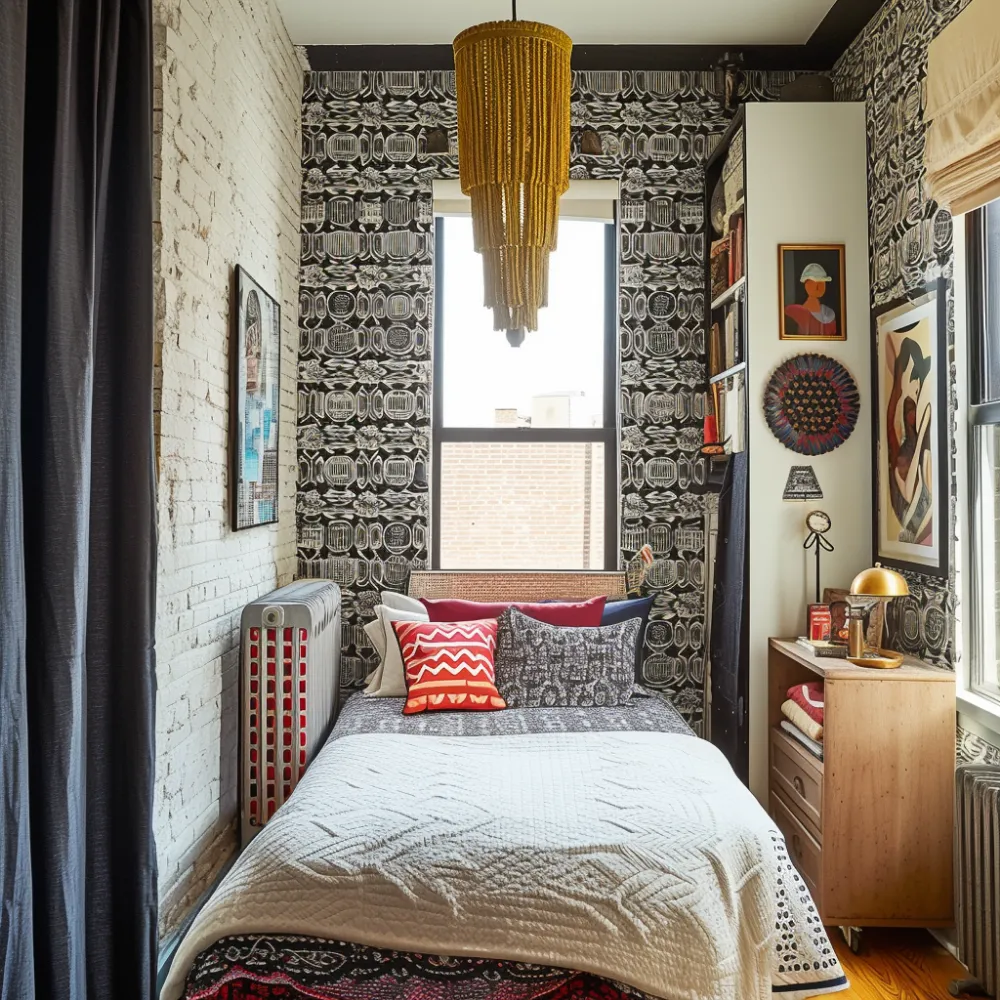
I can keep a small bedroom lively with a few textures, patterns, and personal pieces without filling every surface. I prefer choosing one or two strong decorative elements and allowing the rest of the room to support them. This keeps the personality of the room while maintaining visual order.
Insight: In a compact bedroom, editing the decor often has more impact than adding more decor.
20. Platform Beds

I like platform beds because their lower profile can leave more visual space above the furniture. A simple frame also gives me a clean base for bedding, rugs, artwork, or other bedroom details. Some platform designs include storage, which adds another practical benefit.
Pro Tip: I check the height of the mattress and bed frame together because the combined height determines how much visual weight the bed has.
21. Low-Slung Chairs
I use a low-profile chair when I want seating without making the room feel dominated by another tall piece of furniture. A simple chair can fit into a corner or beside a window for reading or getting dressed. I avoid oversized armchairs that take up more floor area than the room can comfortably handle.
Insight: Keeping furniture visually lower can help preserve sightlines across the room, making the layout feel less crowded.
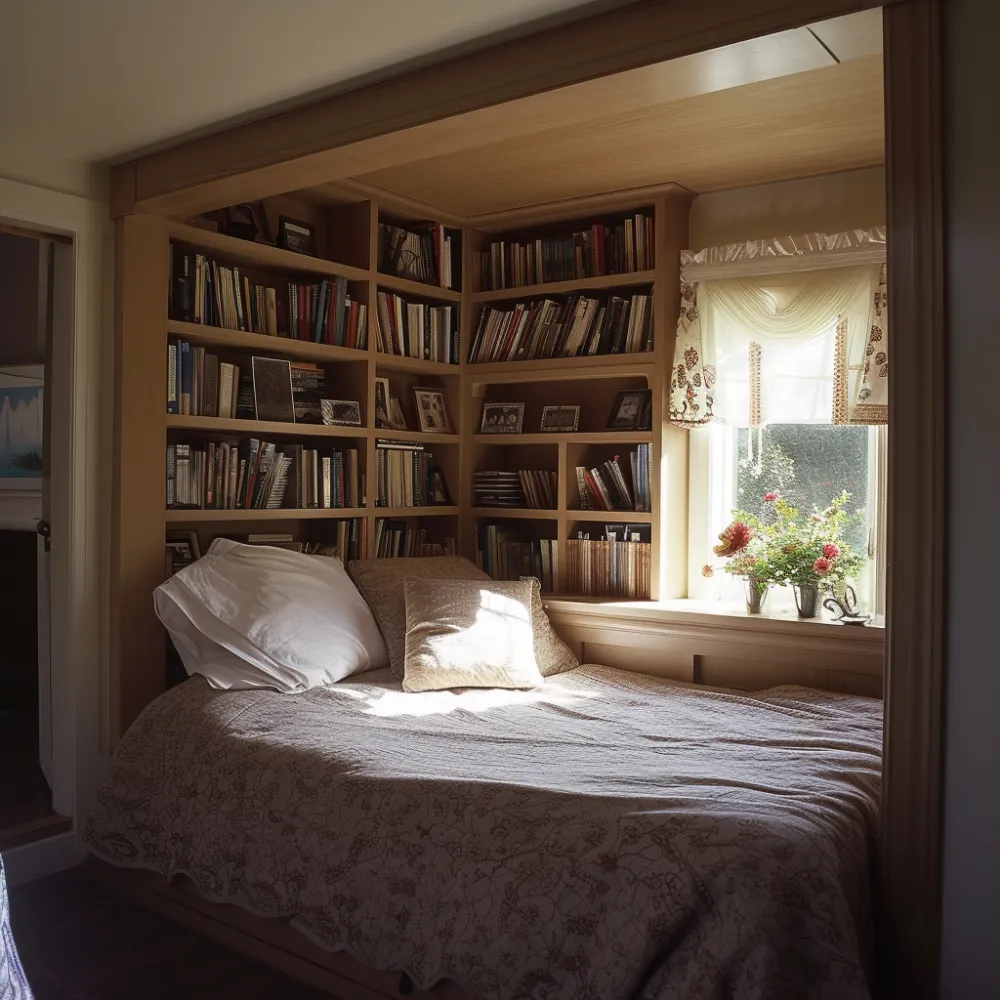
22. Built-In Shelving
I find built-in shelving especially useful around beds, desks, and narrow wall sections where ready-made furniture may leave awkward gaps. A fitted design can follow the exact dimensions of the wall and provide a combination of open shelves and closed storage. This helps me keep frequently used items organized.
Pro Tip: I include a mix of open and closed storage so every shelf does not have to display something.
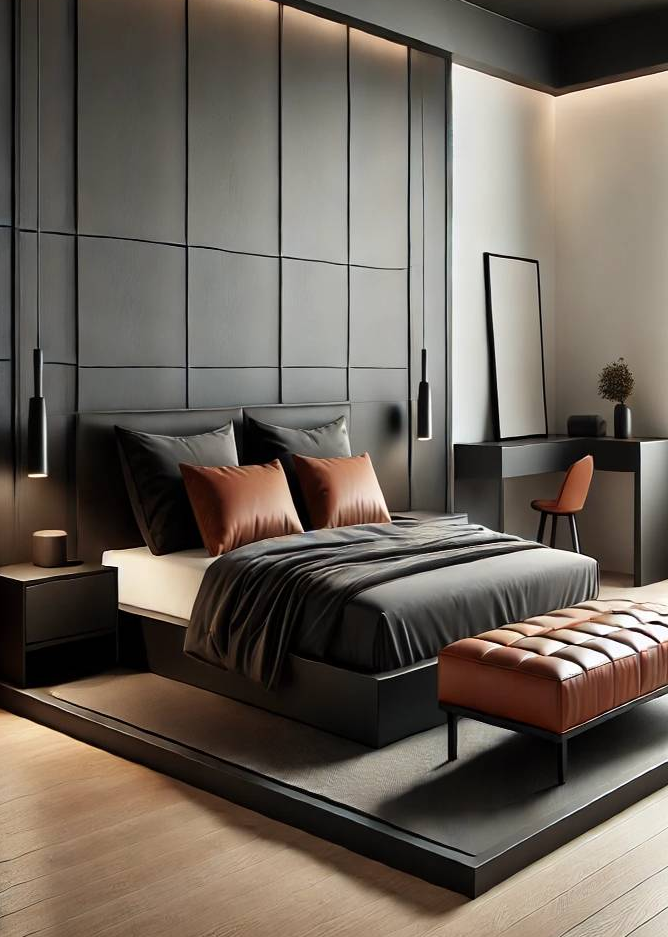
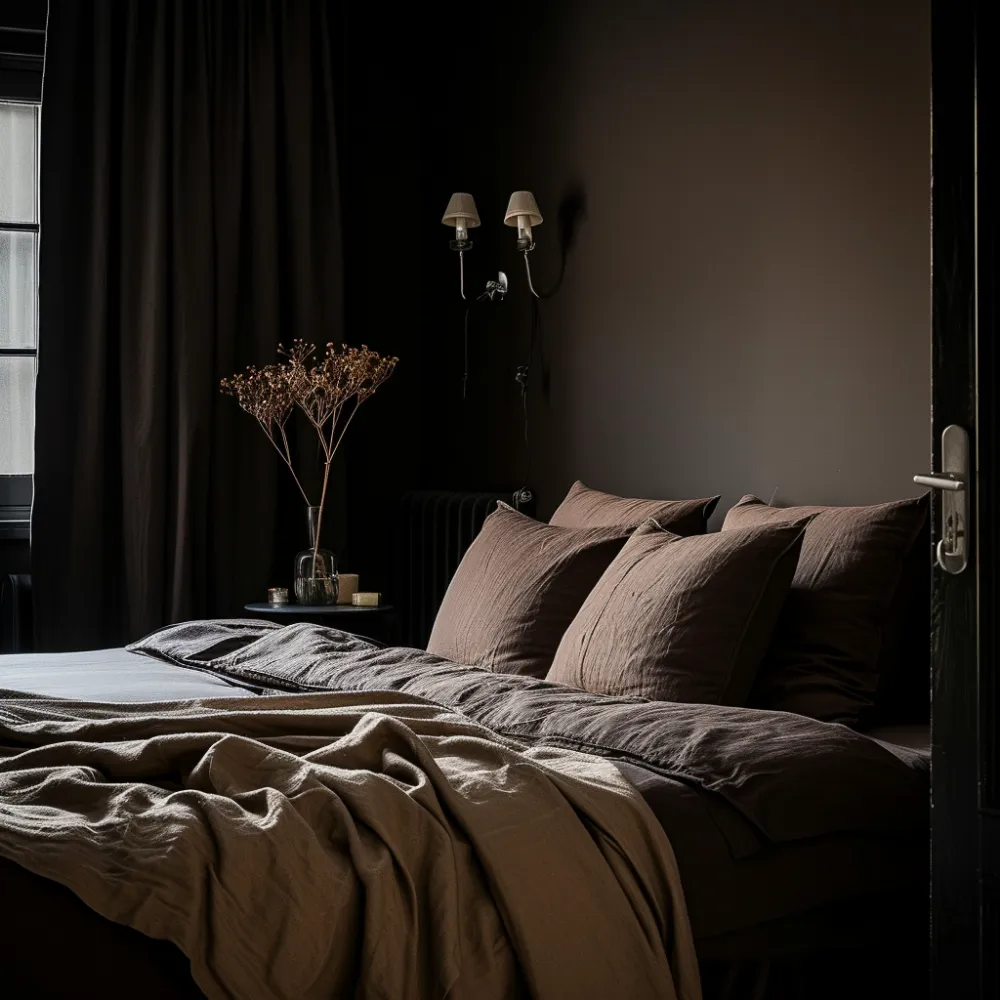
23. Dark and Cocooning
I do not automatically avoid dark colors in a small bedroom. Deep shades can create a cozy feeling when I use them across the walls and pair them with suitable lighting and contrasting textiles. Instead of trying to make every surface bright, I can intentionally make the bedroom feel intimate.
Fact: Dark paint does not physically increase a room’s size; its main benefit here is the mood and the way it can soften visual boundaries.
24. Utilise Window Space

I make the area around a window work harder when the bedroom is short on storage. A compact window seat with drawers, a useful sill, or narrow shelving can provide extra function without spreading furniture across the room. I make sure storage does not interfere with opening the window.
Pro Tip: I keep enough clearance around the window for curtains, handles, and ventilation before adding shelves or cabinets.
25. The Bedside Locker
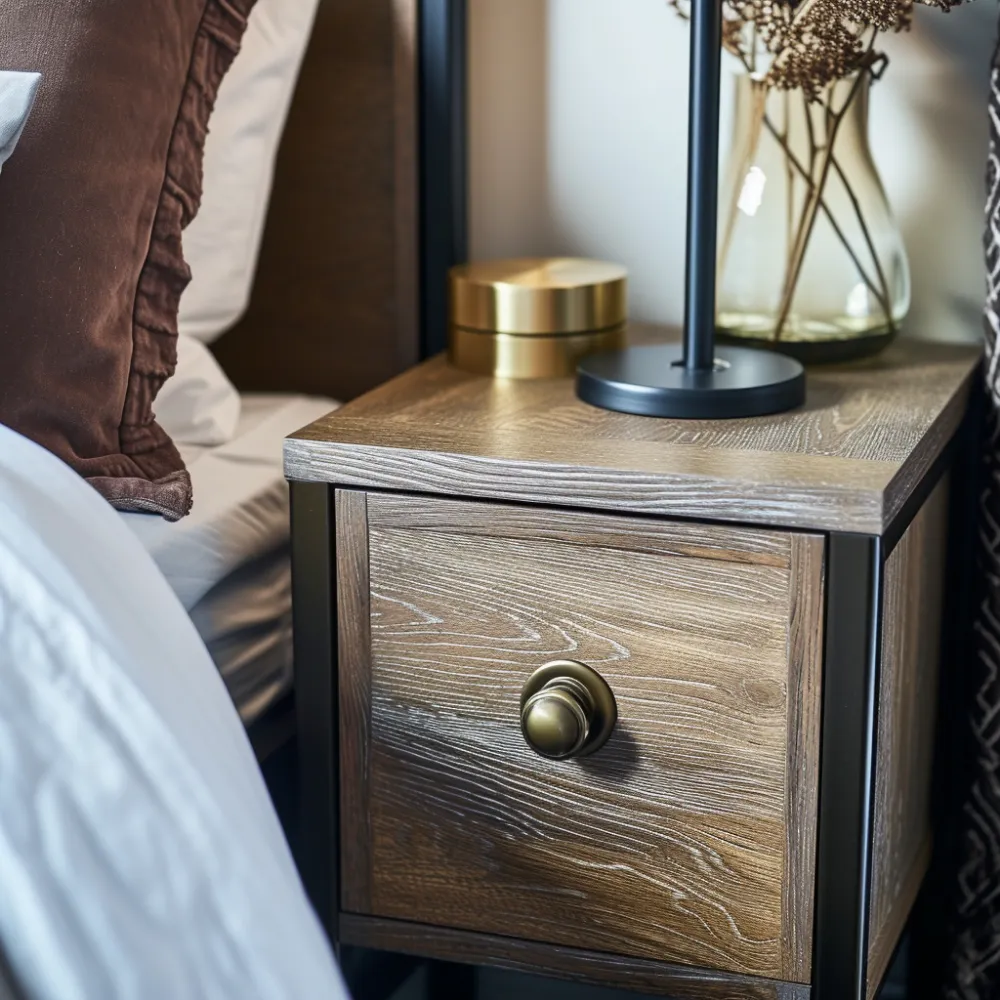
I can replace a wide bedside table with a slim locker-style unit that provides vertical storage in a smaller footprint. A narrow cabinet can hold books, chargers, personal items, and other bedroom essentials while keeping the surface relatively clear. This is useful when there is only a small gap beside the bed.
Insight: I often prefer narrow storage with a door because it hides visual clutter and gives the room a cleaner appearance.
26. Light Carpets

I use light-colored flooring or carpet when I want the bedroom to feel brighter and more open. Pale beige, cream, soft gray, or similar shades can provide a calm base for darker furniture or colorful accessories. I also consider how much natural light the room receives before choosing the exact tone.
Pro Tip: I always check a carpet sample in the actual bedroom because artificial and natural light can change how its color appears.
27. Build in a Vanity Unit

I can create a compact getting-ready area by fitting a vanity into an unused alcove or narrow section of wall. Drawers keep cosmetics, jewelry, and daily items organized, while a small mirror completes the setup. A built-in design can be sized around the available wall rather than forcing a standard vanity into the room.
Fact: A wall-mounted or built-in vanity can leave more visible floor underneath than a large freestanding dressing table.
28. Utilise All Awkward Corners for Concealed Storage
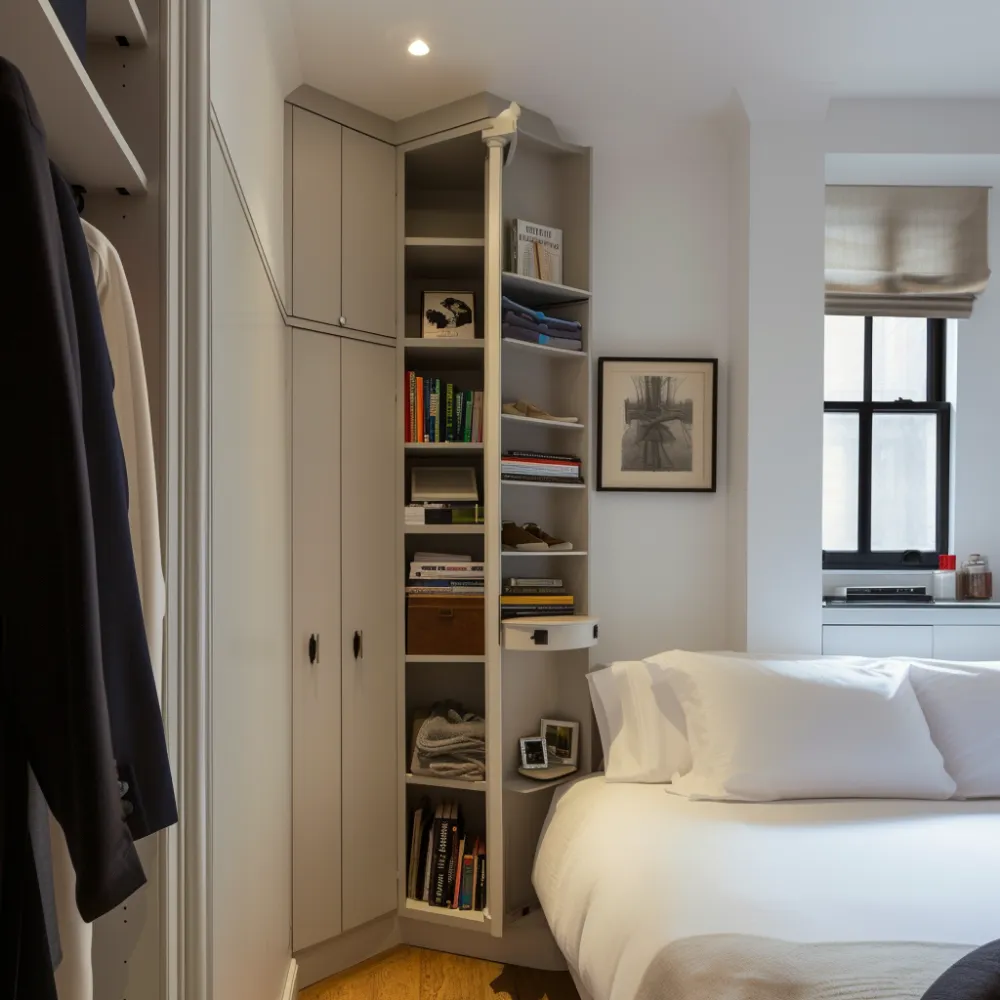
I look at narrow gaps, unused corners, and recessed areas as possible storage locations. A slim cabinet or fitted shelving can hold shoes, folded clothing, bags, or other belongings that would otherwise remain visible. Closed doors are useful when I want the bedroom to look neat quickly.
Pro Tip: I use the most awkward spaces for items I do not need every morning so the storage remains practical.
29. Headboard with Storage and Surface Area
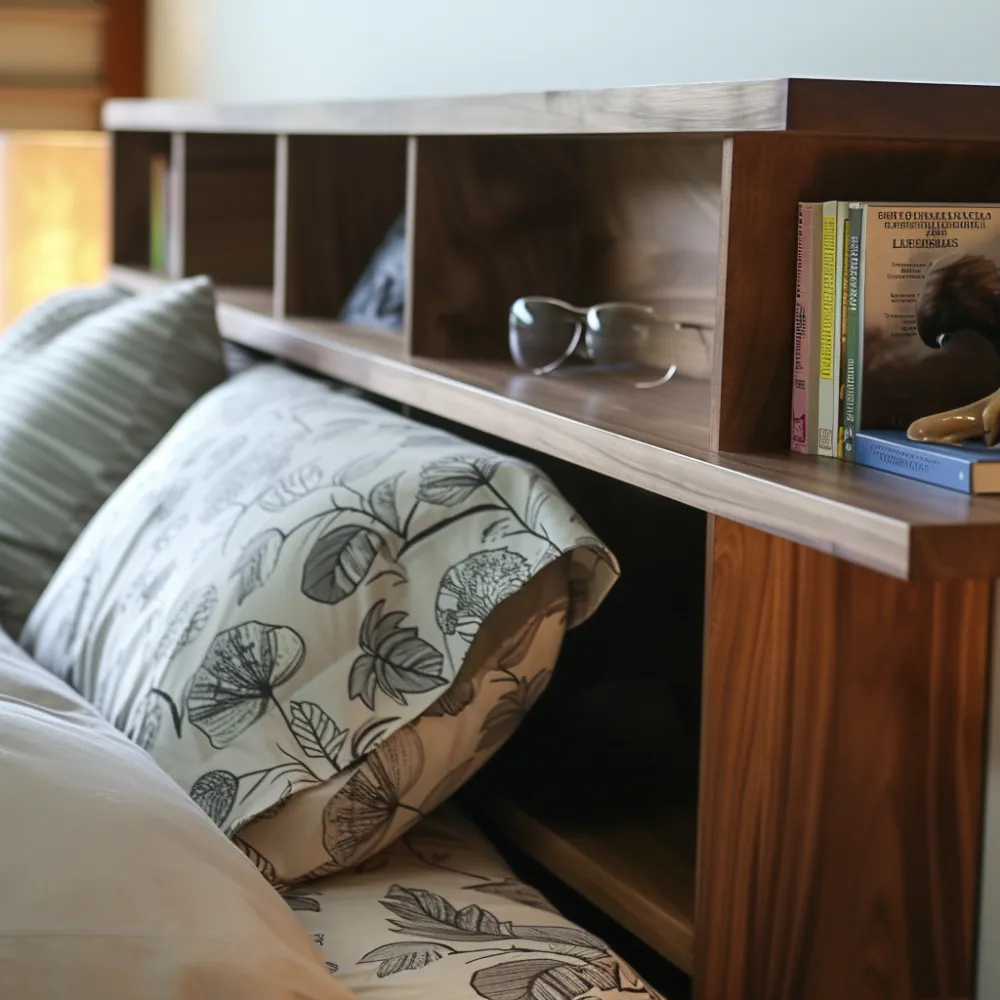
I like a headboard with built-in shelves when I need both a sleeping feature and additional storage. It can give me space for books, small decorations, glasses, or bedtime essentials without requiring a separate nightstand. I choose a design that does not make the bed area feel too bulky.
Insight: Combining storage with the headboard can be especially useful when there is little room on either side of the bed.
30. Dressing Table Doubles as a Writing Desk
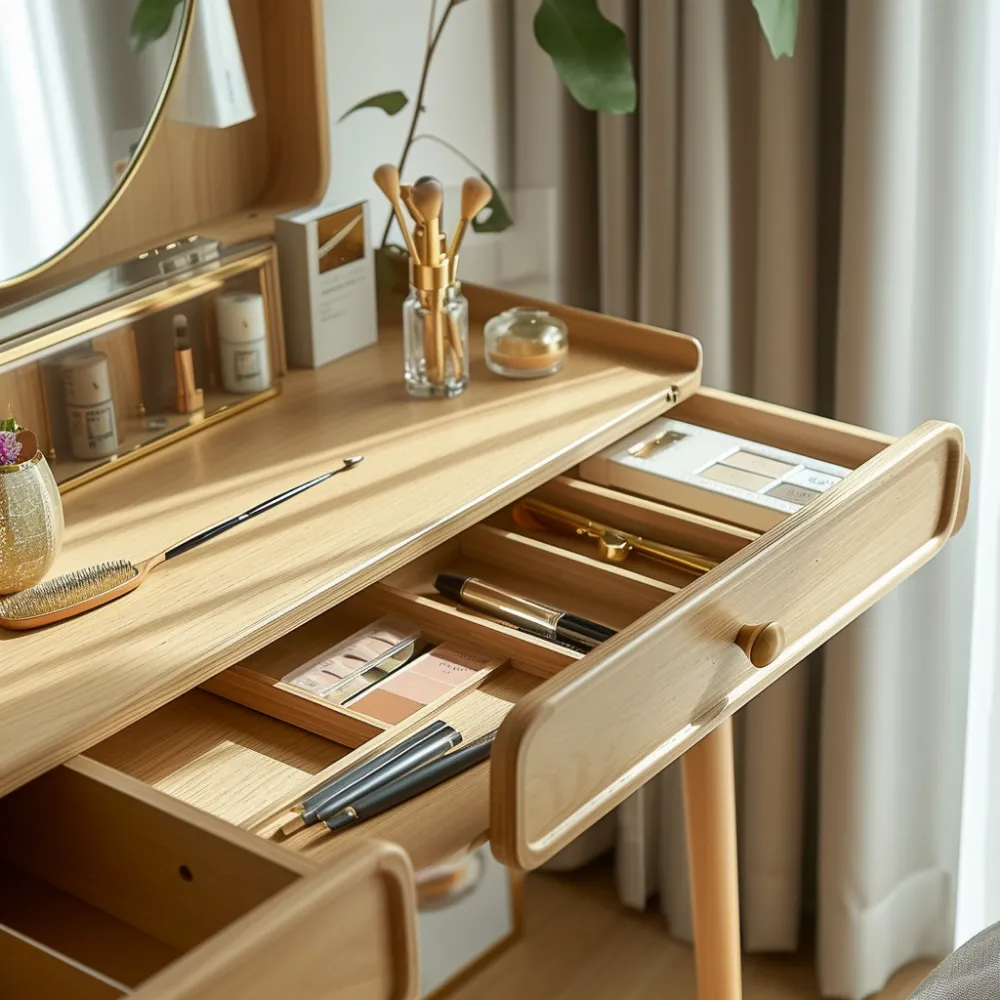
I can use one compact table for both getting ready and working instead of having a separate vanity and desk. Drawers can hold cosmetics on one side of the routine and stationery or small office supplies when I am working. A clean tabletop makes switching between the two uses easier.
Pro Tip: I choose a desk height that works comfortably for both sitting and writing rather than prioritizing appearance alone.
31. Wall Mount the Lighting
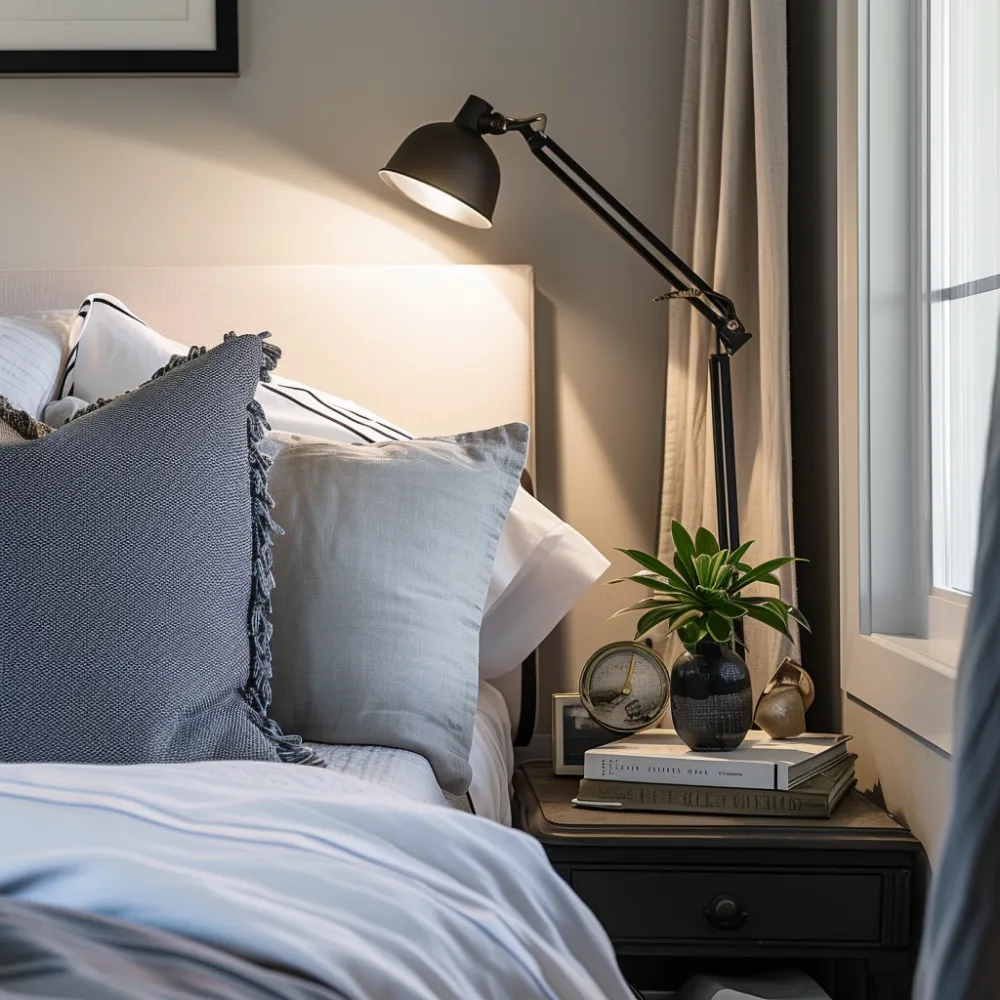
I use wall-mounted sconces or adjustable lamps when a bedside table is too small for a traditional lamp. This moves the lighting off the furniture surface and gives me more room for everyday items. Adjustable designs can also direct light toward the bed when I need to read.
Fact: Moving lighting onto the wall can free the entire top surface of a small nightstand for storage and daily essentials.
32. Paint a Small Bedroom White
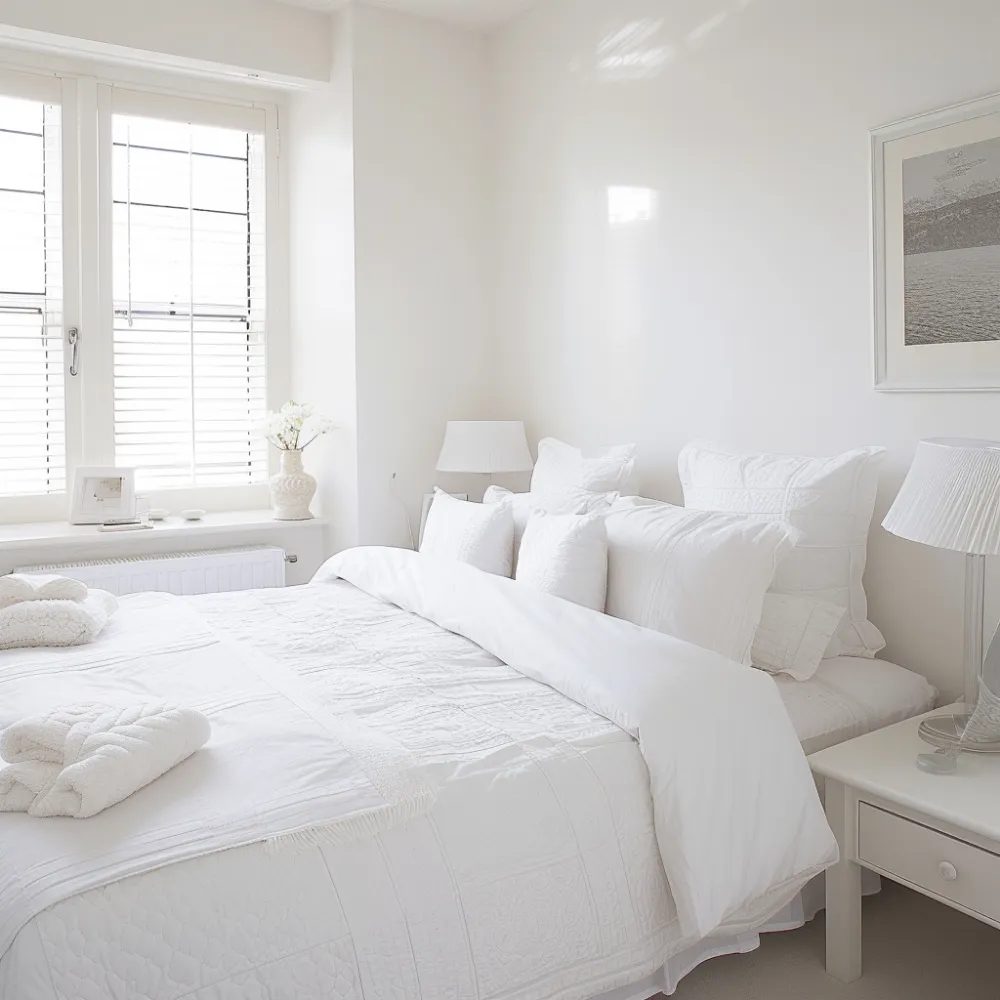
I often use white or another very light shade when I want a small bedroom to feel brighter. Light walls can reflect available daylight and artificial light, which can make the room appear more open. I can add warmth through wood, textiles, artwork, and small color accents.
Pro Tip: I compare warm and cool whites in the room before painting because the existing flooring and lighting can change how each shade looks.
33. Work-From-Home Nook
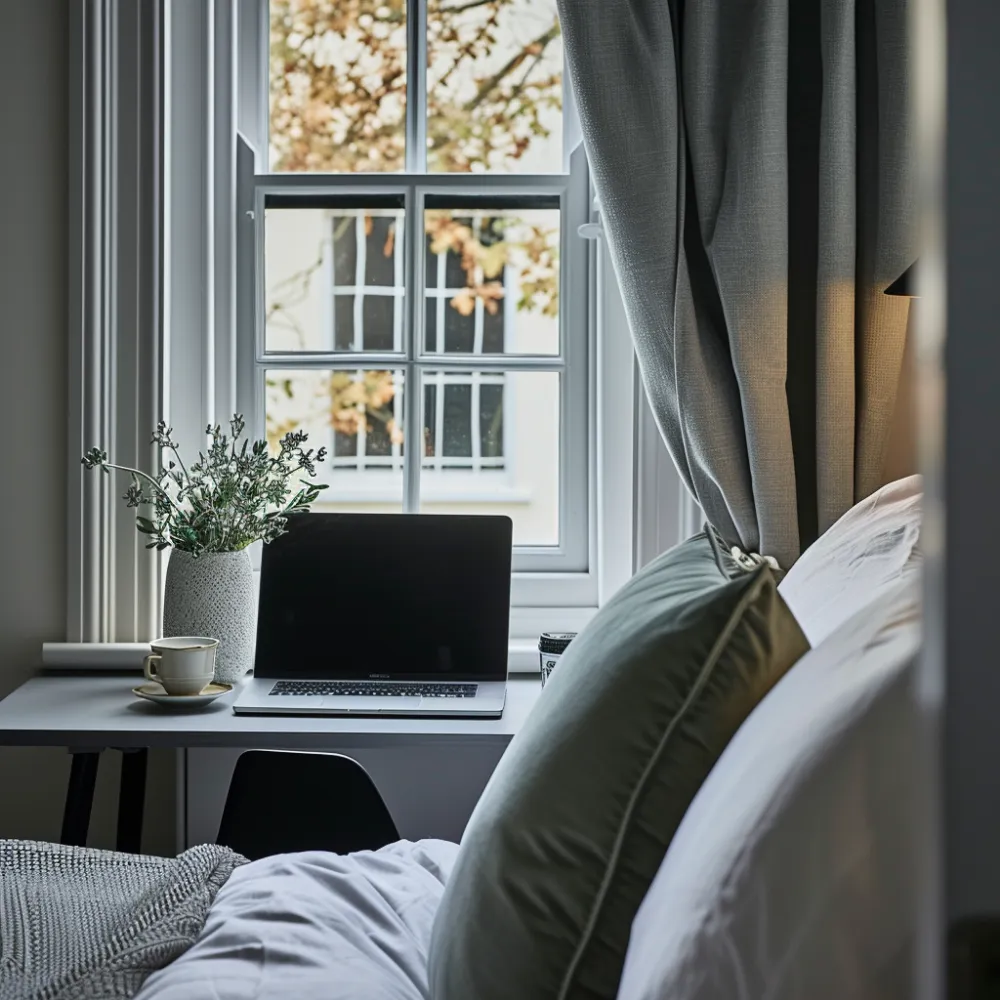
I can create a small work area with a floating desk, narrow table, or wall-mounted shelf. Placing it near a window can provide useful daylight, while a fold-down surface can disappear when the workday is over. I keep the desk setup simple so it does not become another source of clutter.
Insight: A dedicated small work zone helps separate work items from the sleeping area even when both functions share one room.
34. Make it Minimal
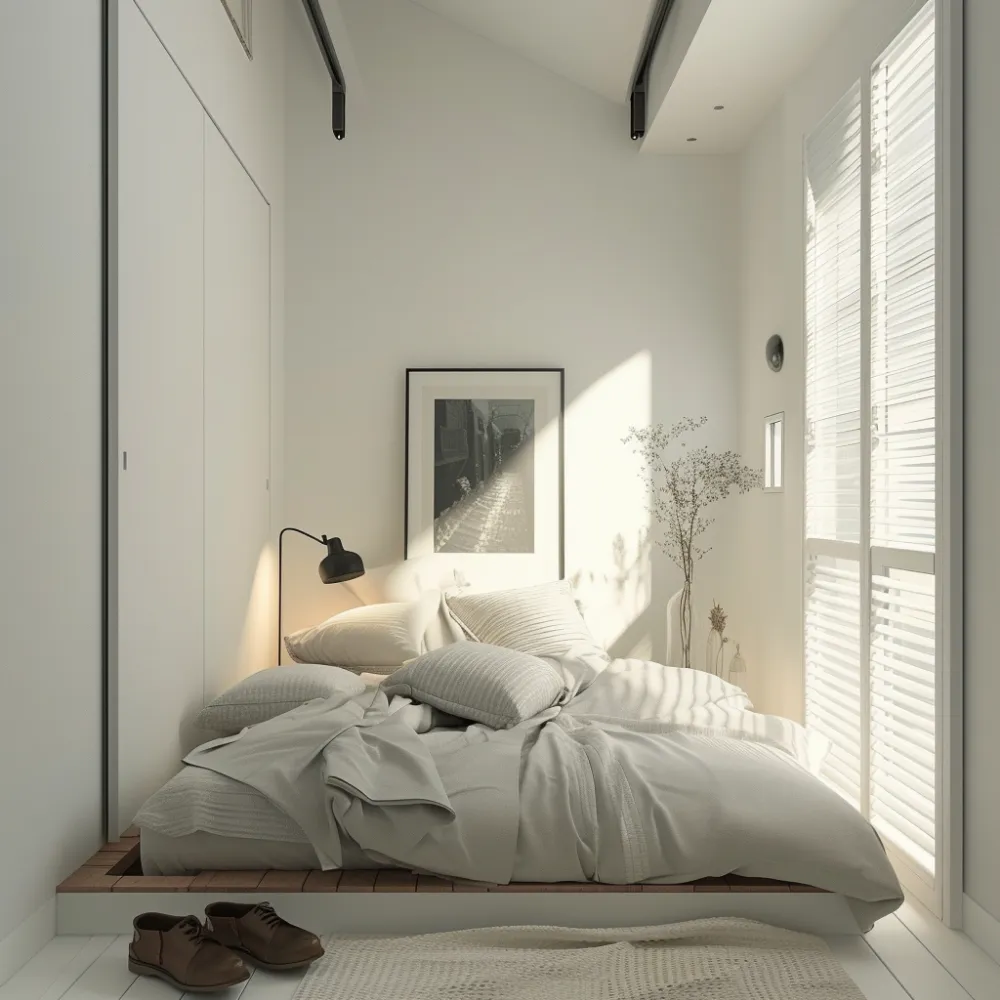
I use minimalism as a practical space-saving method rather than trying to make the bedroom completely empty. I keep the furniture I actually use and remove pieces that only occupy floor space. A few useful accessories can make the room feel personal without filling every surface.
Pro Tip: I remove one unused item at a time and live with the change for a few days before deciding whether the room needs anything else.
35. Wardrobe with Specialized Fittings
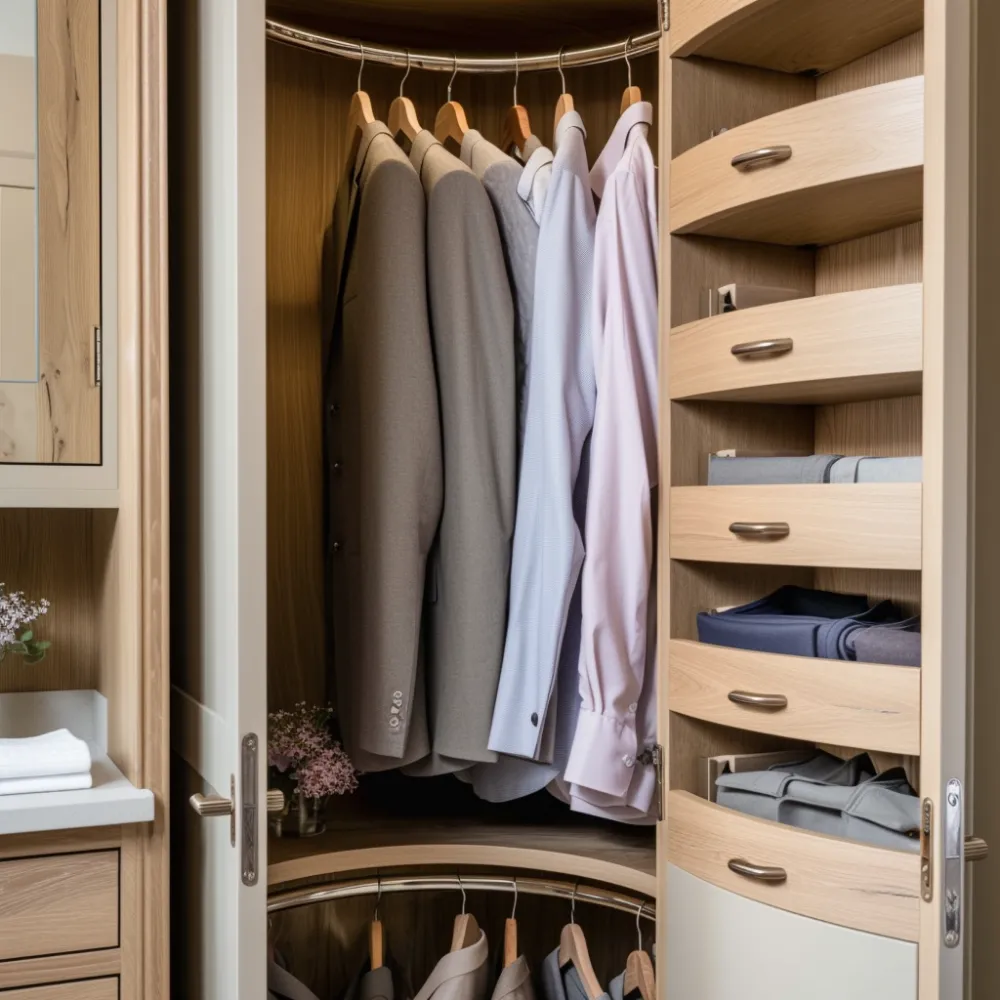
I can make a compact wardrobe more efficient by using fittings designed for difficult storage areas. Pull-out rails, additional shelves, trouser racks, and other internal organizers can make better use of the cabinet’s height and depth. I choose fittings based on what I actually store rather than adding organizers simply because they are available.
Fact: Internal wardrobe organization can increase usable storage without increasing the outside dimensions of the wardrobe.
36. Long Tall Mirror
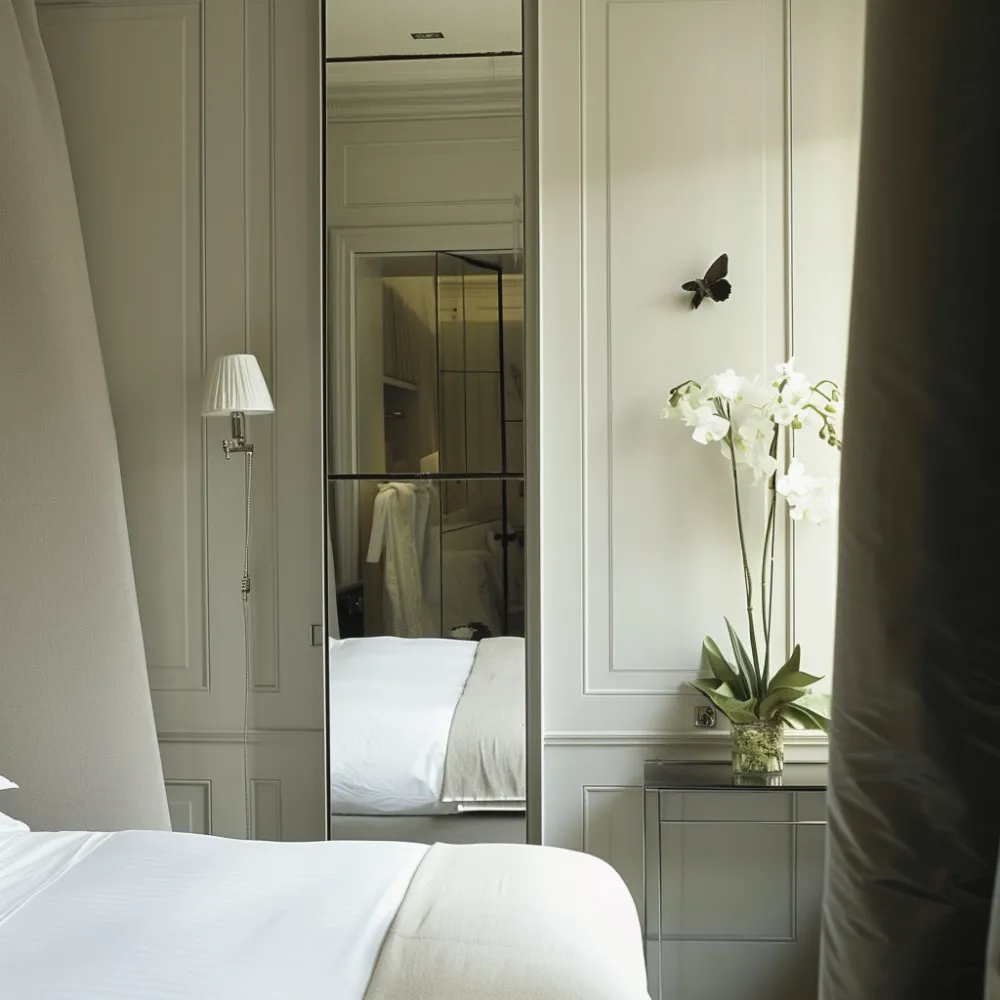
I like a tall mirror because it gives me a full-length reflection while using relatively little floor or wall width. Placing it where it can reflect light or part of the room can also make the bedroom feel deeper. I make sure the reflected view is something I want to highlight rather than reflecting clutter.
Pro Tip: I test the mirror position from the bedroom entrance because that is often the first view I have when entering the room.
37. High Shelf
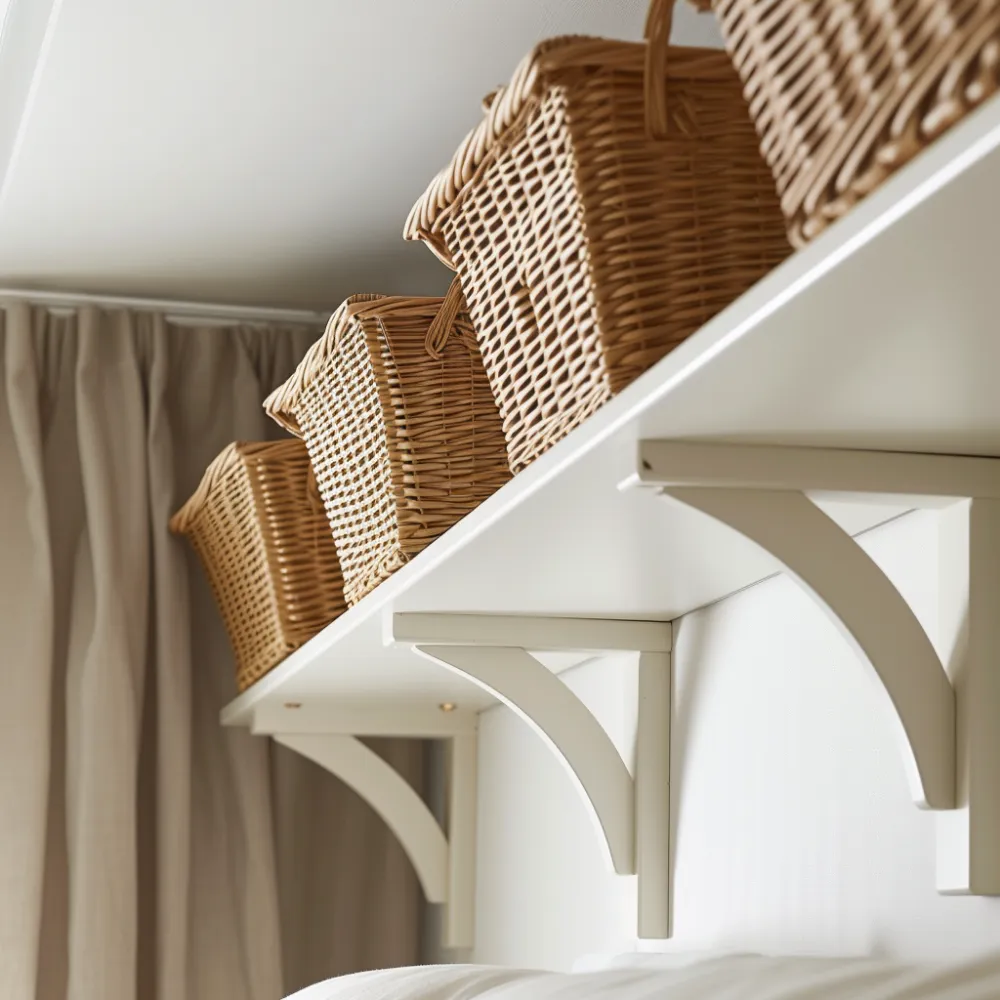
I use high shelves for belongings that I rarely need, such as seasonal accessories, spare bedding, or keepsakes. Baskets with handles make these items easier to pull down when required. Keeping the floor clear is especially helpful when the bedroom already has limited walking space.
Insight: High storage is most useful when it is organized by category so I do not have to search through several boxes later.
38. Wall-Mounted Wire Magazine Rack
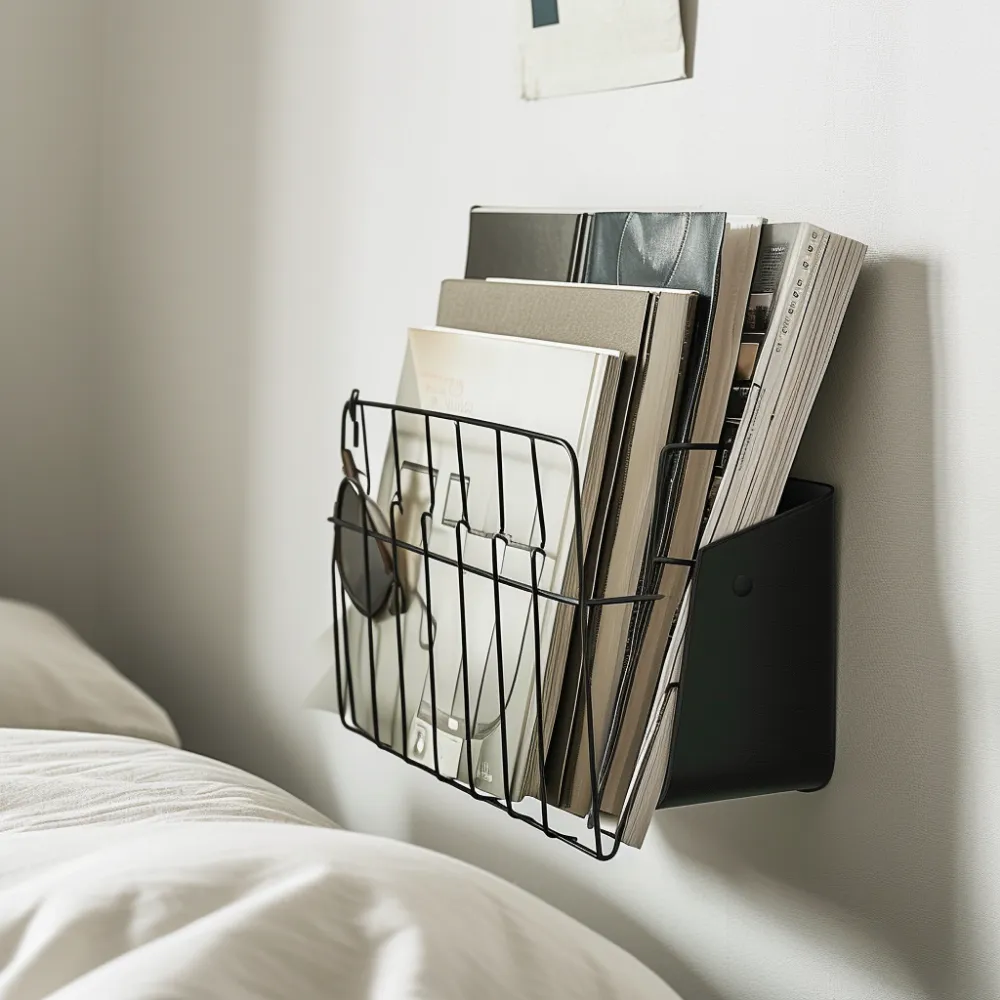
I can use a wall-mounted rack beside the bed when there is no room for a traditional table. It can hold books, magazines, a tablet, or other slim items while keeping the floor clear. The simple structure also takes up less visual space than a cabinet.
Pro Tip: I position the rack within easy reach of the bed but away from areas where I could bump into it while getting up.
39. Ghost Chair

I like clear acrylic chairs in small bedrooms because their transparent material can make the chair feel less visually heavy. I can use one at a vanity, desk, or unused corner without adding another strong block of color. The chair still provides seating while allowing more of the room behind it to remain visible.
Fact: A transparent chair does not take up less physical space, but its clear material can reduce its visual impact.
40. Narrow Cabinets
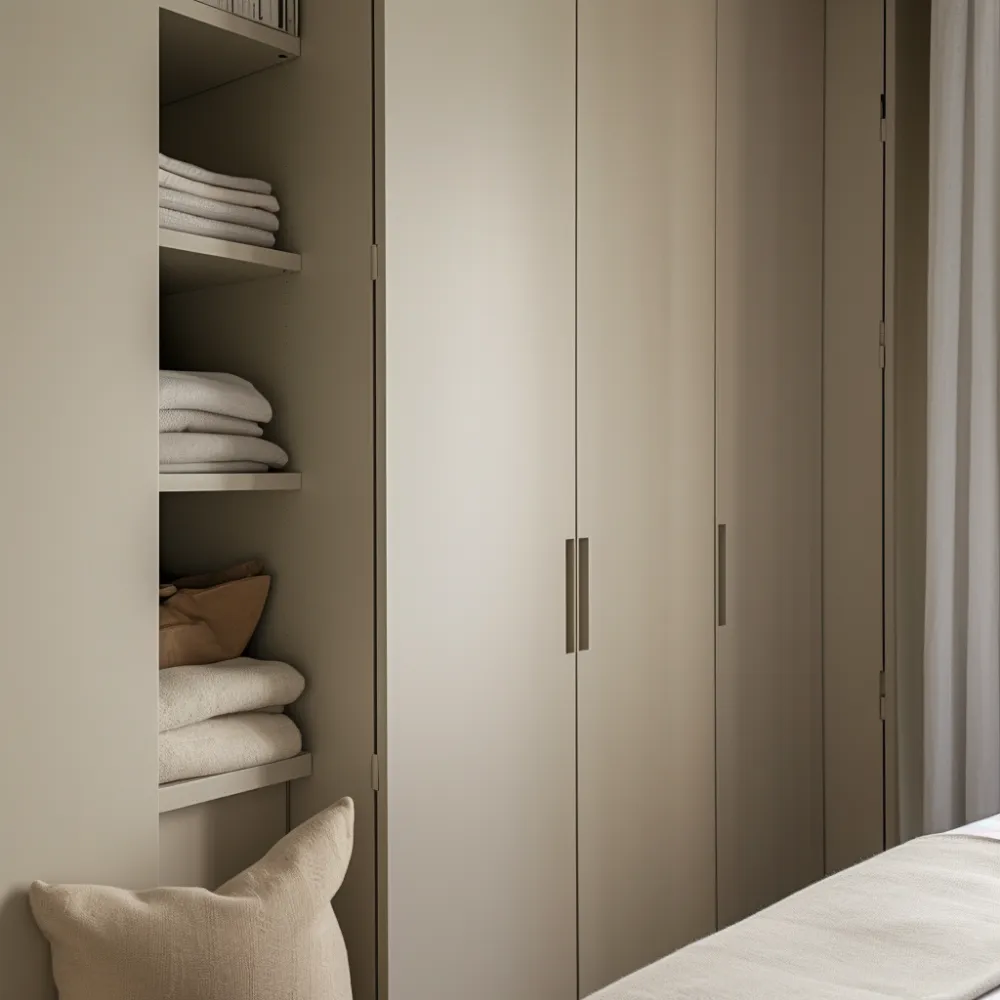
I use narrow cabinets when I need enclosed storage but cannot spare the width of a standard dresser. Choosing a cabinet close to the wall color can make it blend into the room instead of becoming another dominant feature. I can then use the interior for clothing, accessories, linens, or other bedroom necessities.
Pro Tip: I measure the cabinet depth carefully, especially near doors and walking paths, because a cabinet that is only slightly too deep can make a small bedroom feel difficult to move around.
Conclusion
I have found that making a small bedroom work well is less about its exact size and more about how I use the available space. Storage beds, fitted wardrobes, high shelves, compact furniture, wall-mounted lighting, and dual-purpose pieces can remove the need for unnecessary floor furniture.
I also pay attention to the visual side of the room. Light colors, mirrors, low-profile furniture, controlled patterns, and thoughtful lighting can help the bedroom feel more open, while darker colors and layered textures can create a comfortable cozy look when used intentionally. The best small bedroom is one that fits the way I actually live.
Many of the ideas I share are inspired by real-life experimentation. I often test décor concepts in my own living spaces and explore practical ways they can be applied in everyday homes. I also gather insights from working with homeowners who want to improve the comfort, beauty, and functionality of their spaces.
I share practical ideas for improving living rooms, bedrooms, and overall home aesthetics using simple design principles.
I explore creative ways to upgrade outdoor spaces including patio décor, small backyard styling, and relaxing outdoor setups.
I provide ideas for kitchen organization, décor accents, and functional layouts that make kitchens more beautiful and practical.
The concepts shared here are based on ideas I have personally experimented with or studied through real home décor improvements.