Complete Design Guide to Kitchen Black Countertops and White Cabinets Ideas
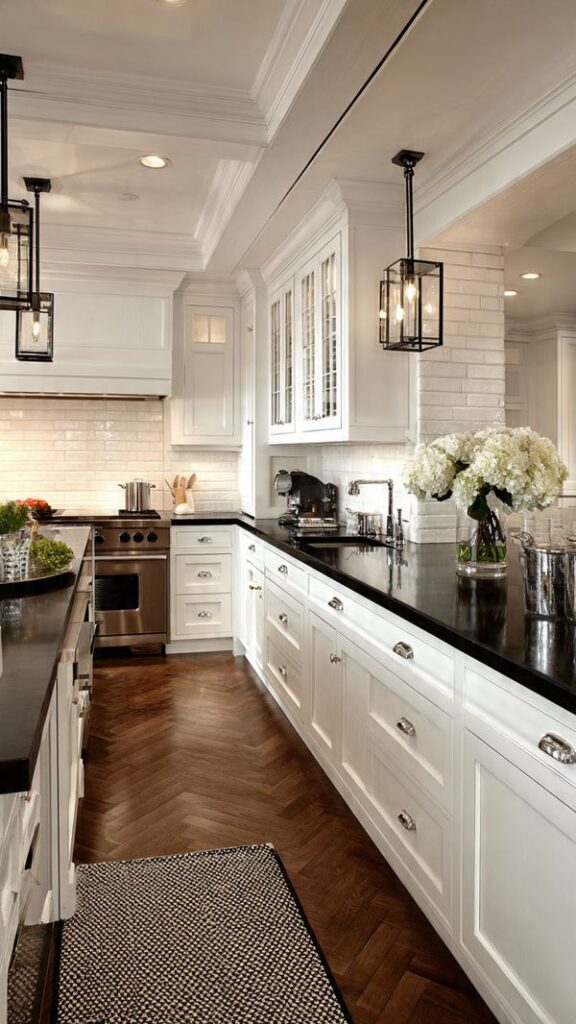
Refreshing a kitchen often starts with frustration over worn surfaces and outdated finishes. Many homeowners imagine replacing dull counters with bold black surfaces paired with bright white cabinetry to instantly modernize the space. This combination creates a strong visual upgrade without feeling complicated or overly designed.
A kitchen built around Black Countertops and White Cabinets feels dramatic yet familiar, making it easy to love and easy to live with. This guide explains how to make that pairing work in real kitchens, using practical choices and approachable design thinking rather than technical design talk.
Why the Black-and-White Duo Works Every. Single. Time.

The Psychology of Contrast
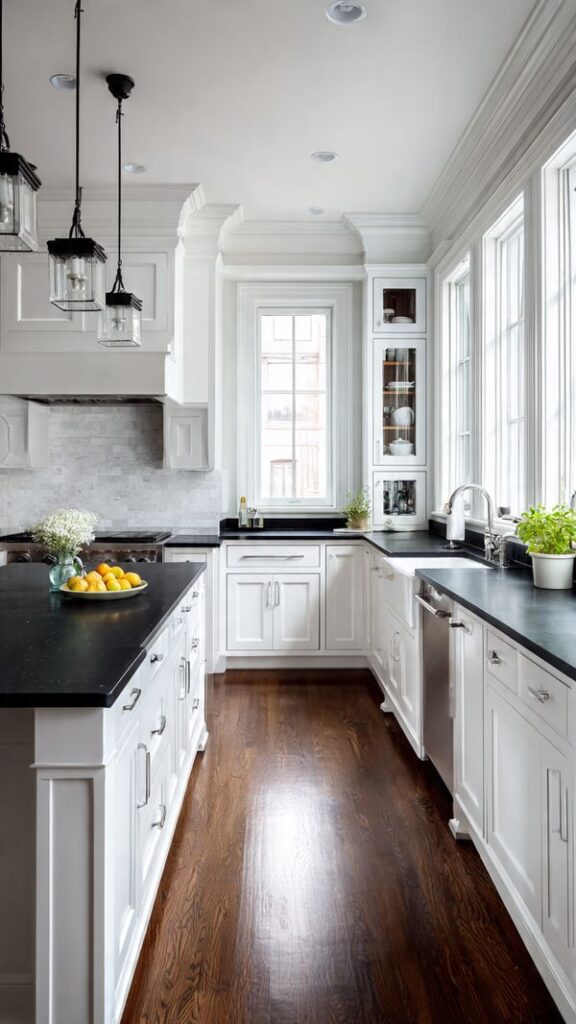
Strong contrast naturally attracts attention, and that’s exactly why white cabinets and black countertops work so well together. White surfaces reflect light and help the kitchen feel open, while black counters visually anchor the room and add depth. Together, they balance each other so the kitchen looks polished instead of flat. This contrast creates a clear structure in the space, making the layout feel intentional and visually satisfying without overwhelming the eye.
Timeless Style Across Trends
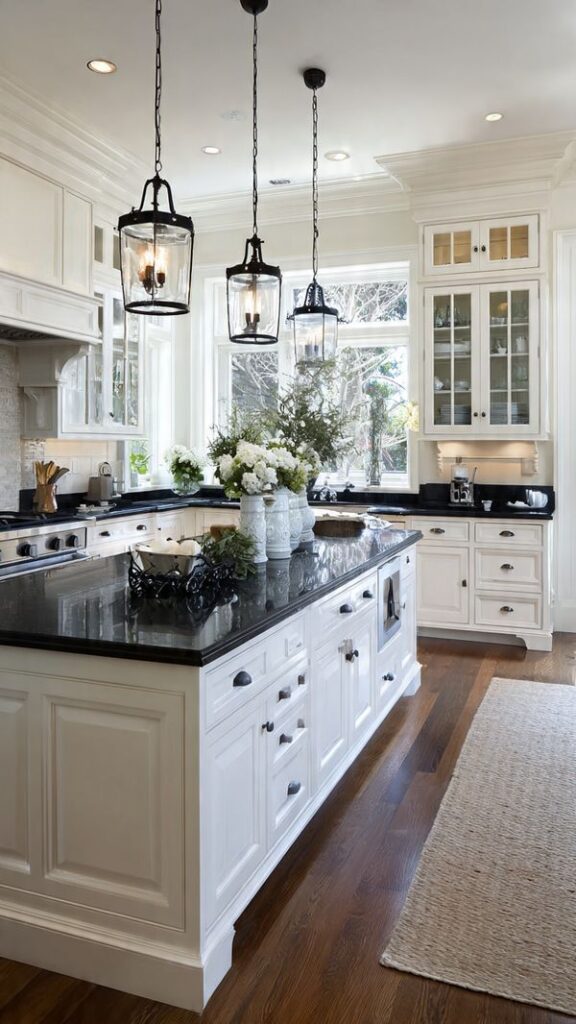
Black and white kitchens don’t depend on trends to look current. This color pairing has remained popular because it adapts easily to changing styles. Hardware, fixtures, and décor can be swapped out over time without clashing with the core design. Whether accents lean warm, cool, modern, or classic, Black Countertops and White Cabinets continue to feel relevant and stylish year after year.
Picking the Perfect Countertop Material
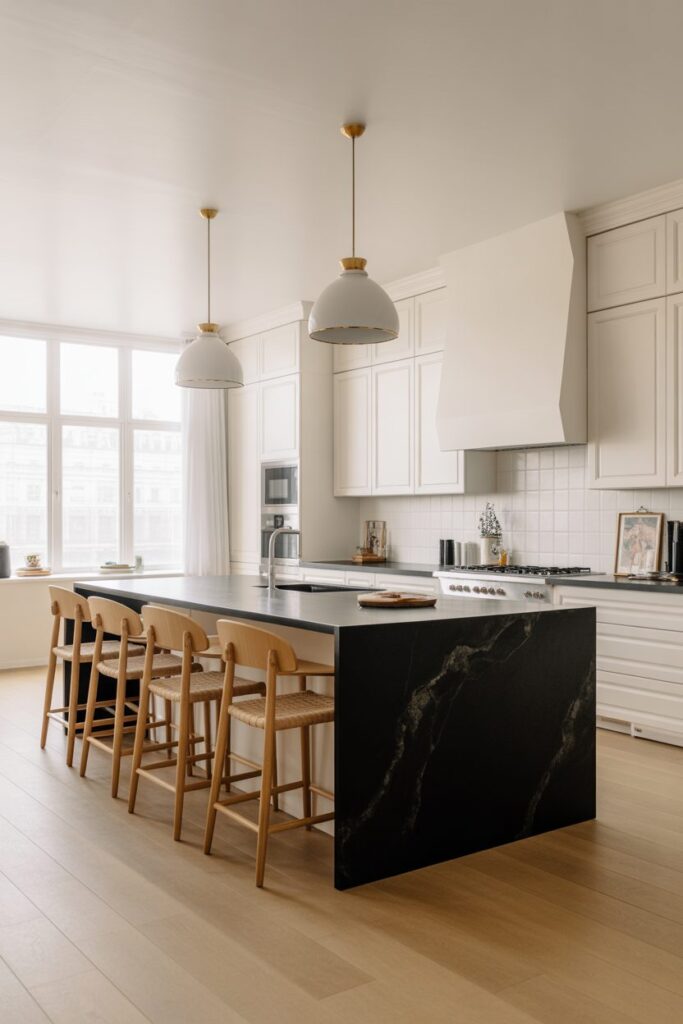
Black Granite Countertops: Rock-Solid Elegance
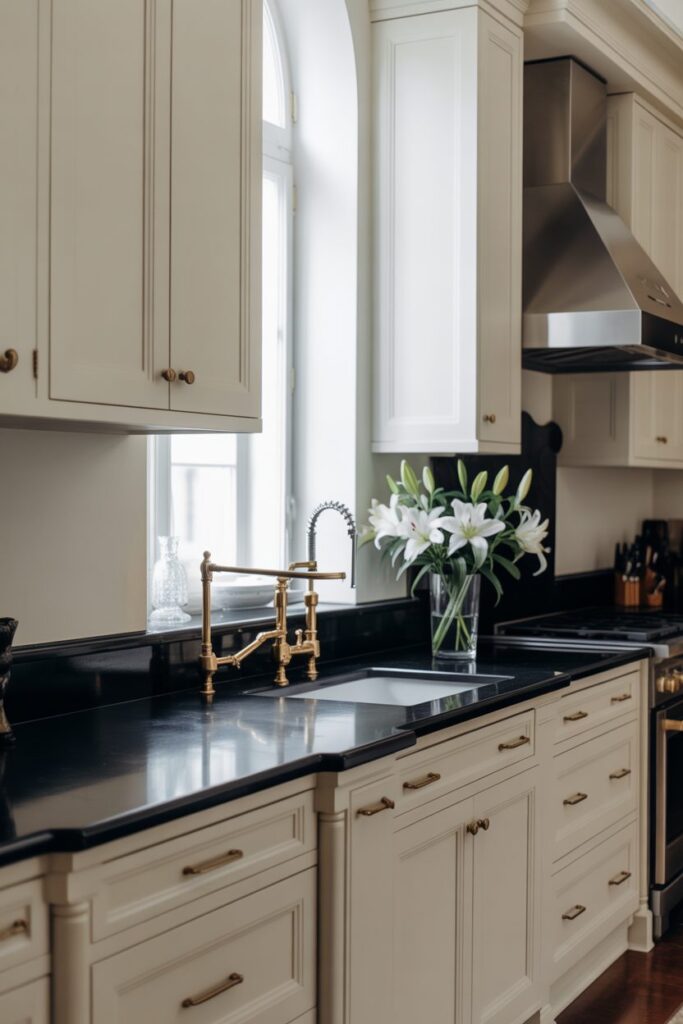
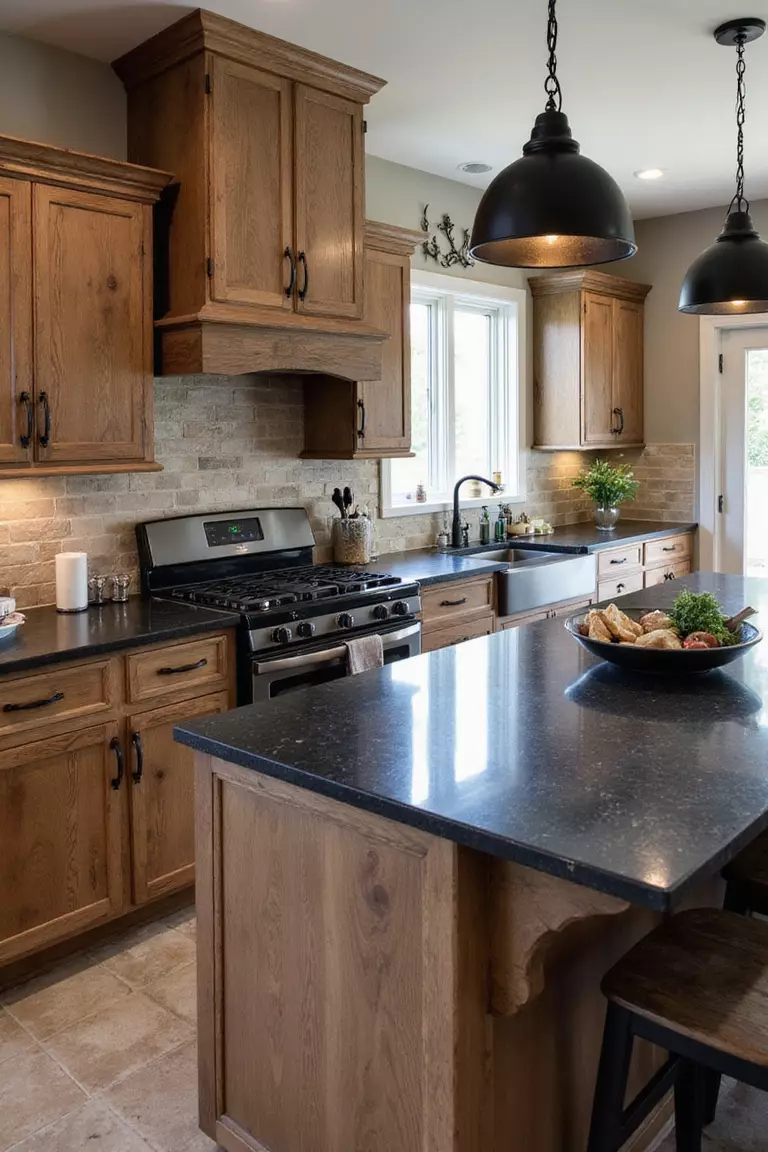
Granite remains a favorite choice because it combines durability with natural beauty. In kitchens with white cabinets, black granite adds texture through subtle veining and mineral patterns that prevent the surface from looking flat. It handles heat well and hides daily wear better than many lighter materials. This makes it a reliable option for busy kitchens that still need to look refined.
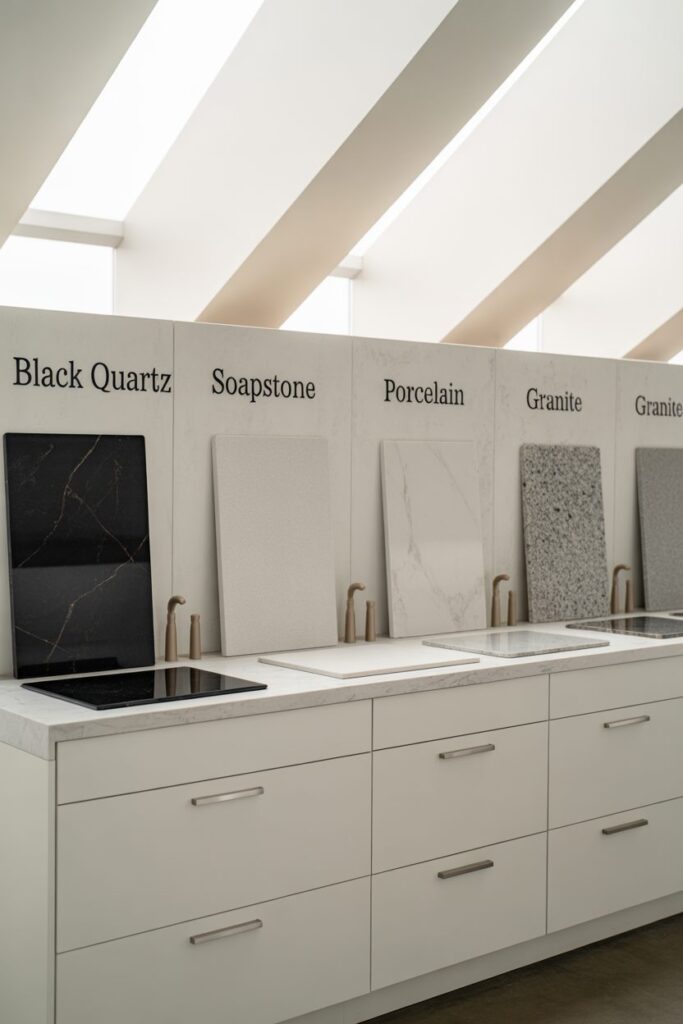
Quartz, Soapstone & Other Crowd-Pleasers

Quartz appeals to homeowners who want consistency and low maintenance, offering black finishes with controlled patterns. Soapstone brings a softer, matte look that develops character over time and feels smooth to the touch. Porcelain and similar surfaces provide a slim, modern appearance while standing up to heavy use. Choosing the right material is easier when cabinet samples are viewed alongside slabs, since lighting can change how black tones appear.
Layout Matters: Making Space for Contrast
Small Kitchen? White Cabinets + Black Counters = Visual Magic

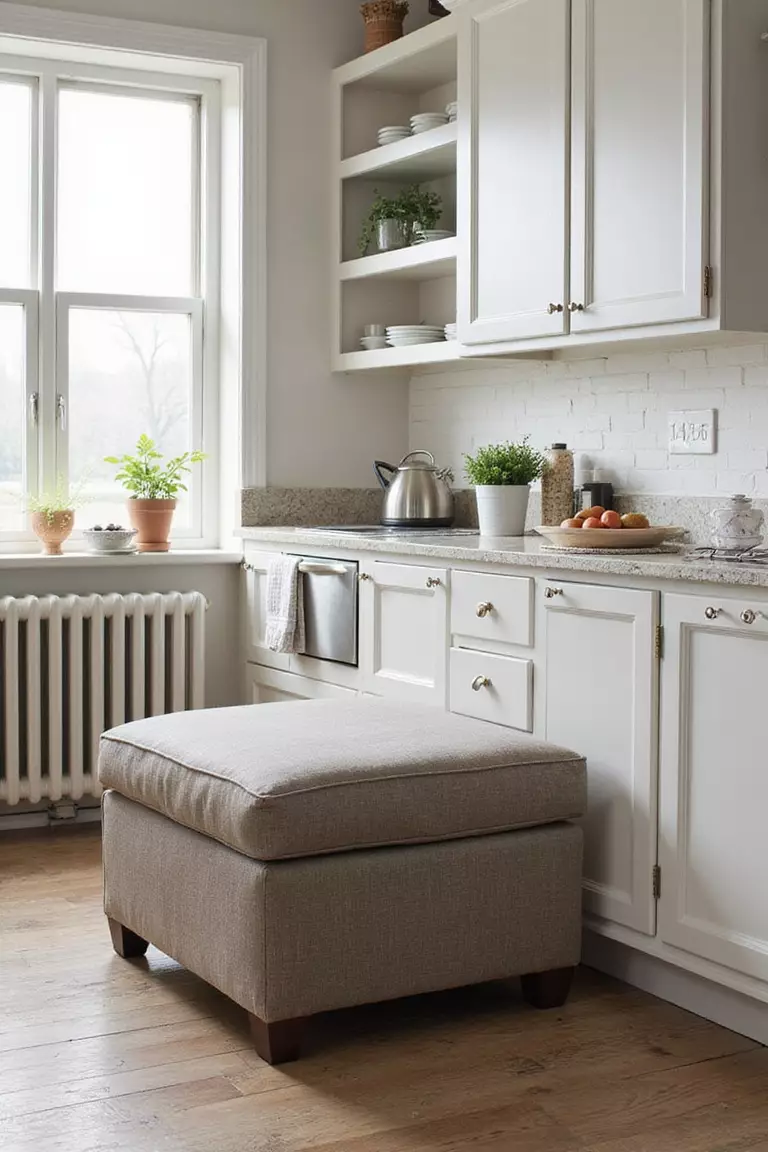
In smaller kitchens, this color combination can actually make the room feel larger. White cabinets help bounce light around the space, while black countertops define work areas without closing things in. Keeping upper cabinets simple helps maintain openness, allowing the contrast to enhance the layout instead of overpowering it.
Island or No Island?
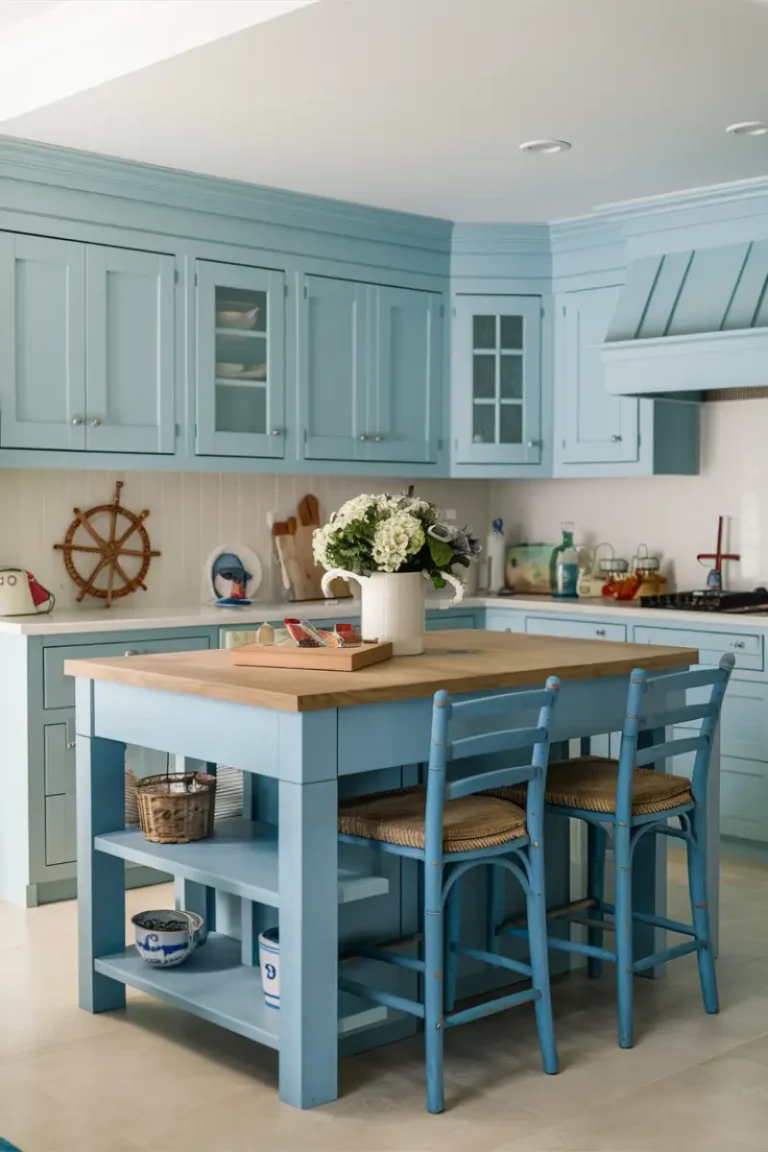
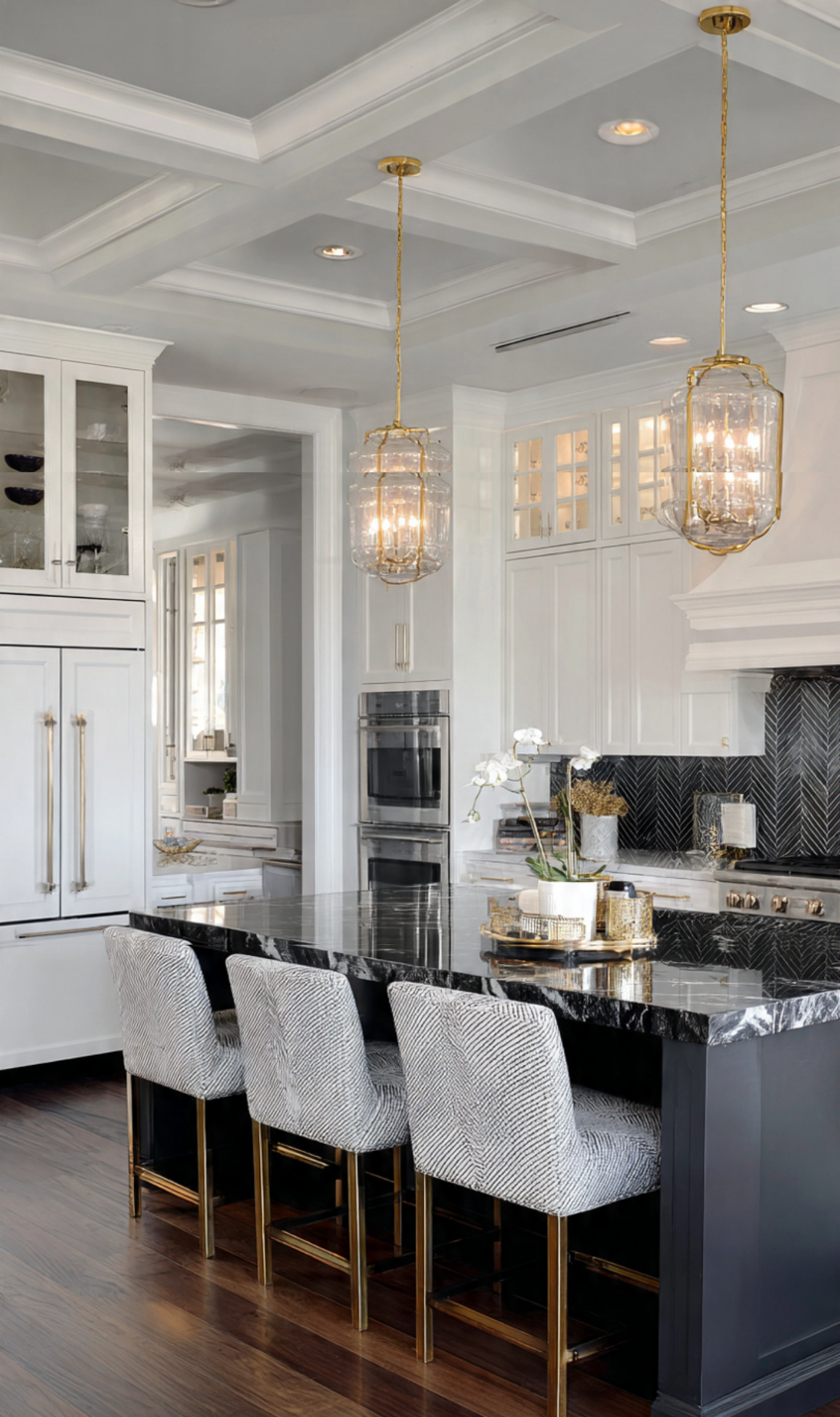
In open kitchens, a black island countertop can act as a focal point while surrounding white cabinets keep the room bright. In narrower layouts, mixing materials or limiting black surfaces to one side adds interest without making the space feel heavy. Thoughtful placement of contrast ensures functionality stays front and center while the design still feels intentional.
Details That Make the Difference
Hardware & Fixtures: Little Things, Big Impact
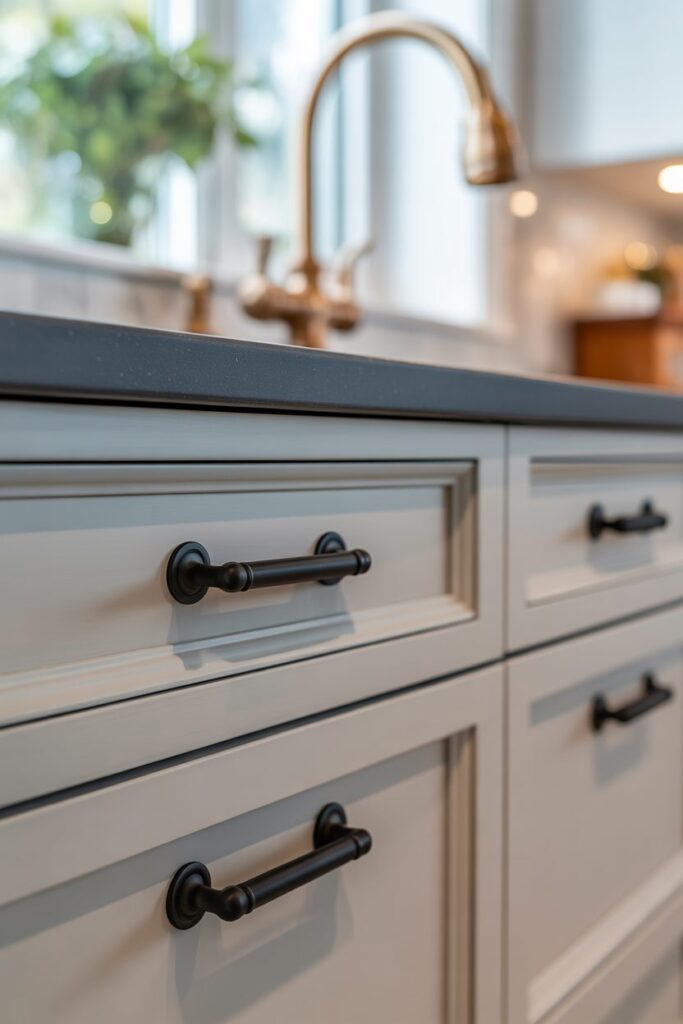
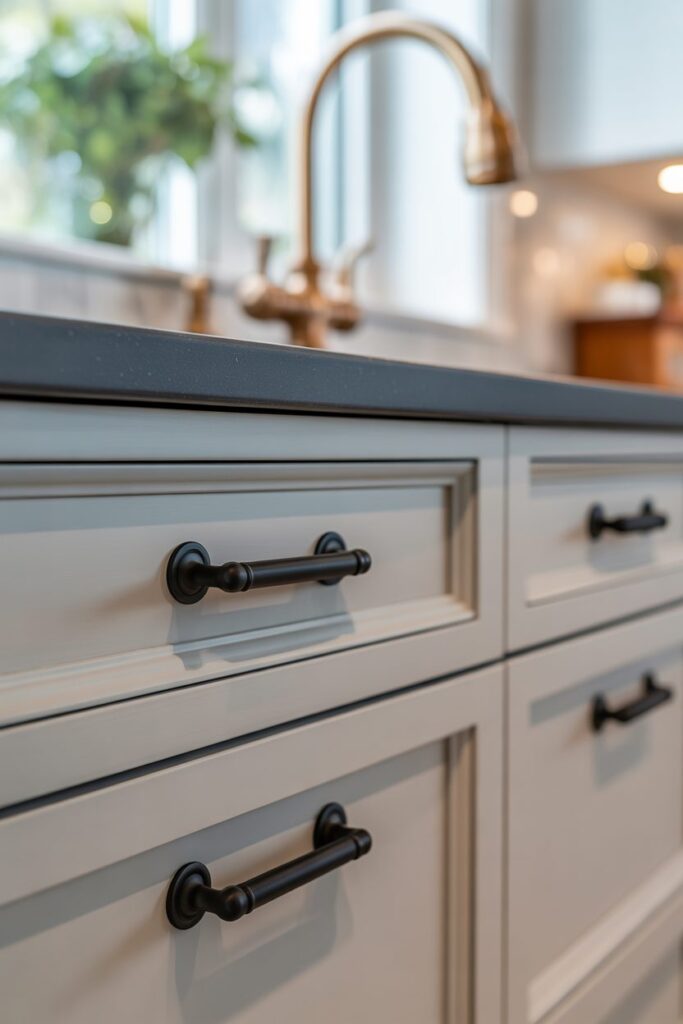
The right hardware strengthens the overall look. Matte black finishes blend seamlessly with dark countertops, while warmer metals soften the contrast and add depth. Faucet finishes that fall between bold and subtle help tie both colors together, proving that small details can significantly influence the final result.
Backsplash Brainstorm
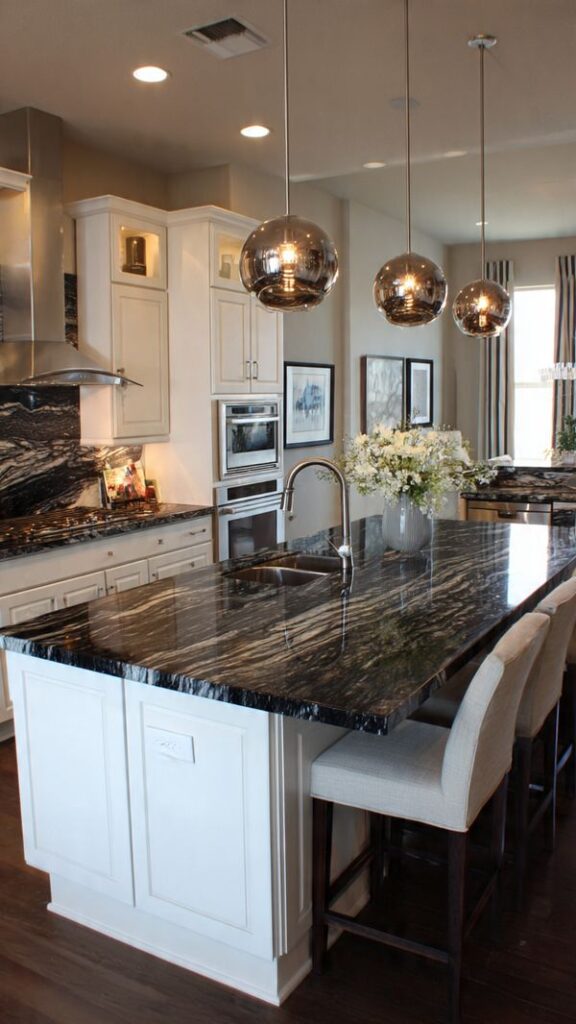
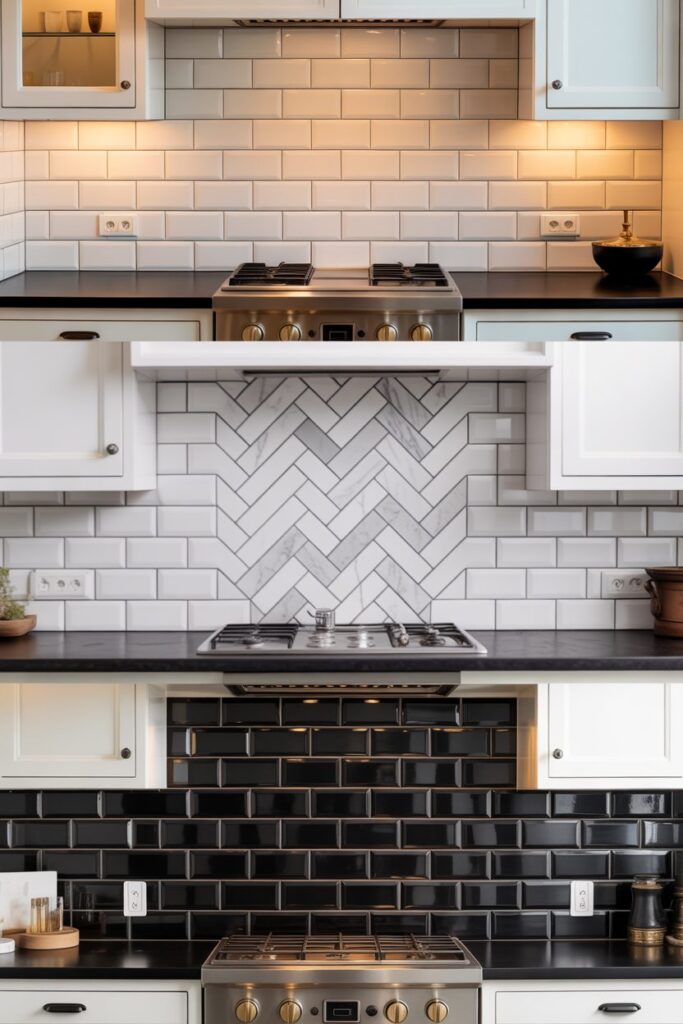
A backsplash connects countertops and cabinets visually. White tiles keep things bright and simple, patterned stone adds texture, and darker tiles extend the drama of black surfaces upward. The key is choosing a finish that complements both tones without competing for attention.
Modern Twists on Black & White

Minimalist Monochrome
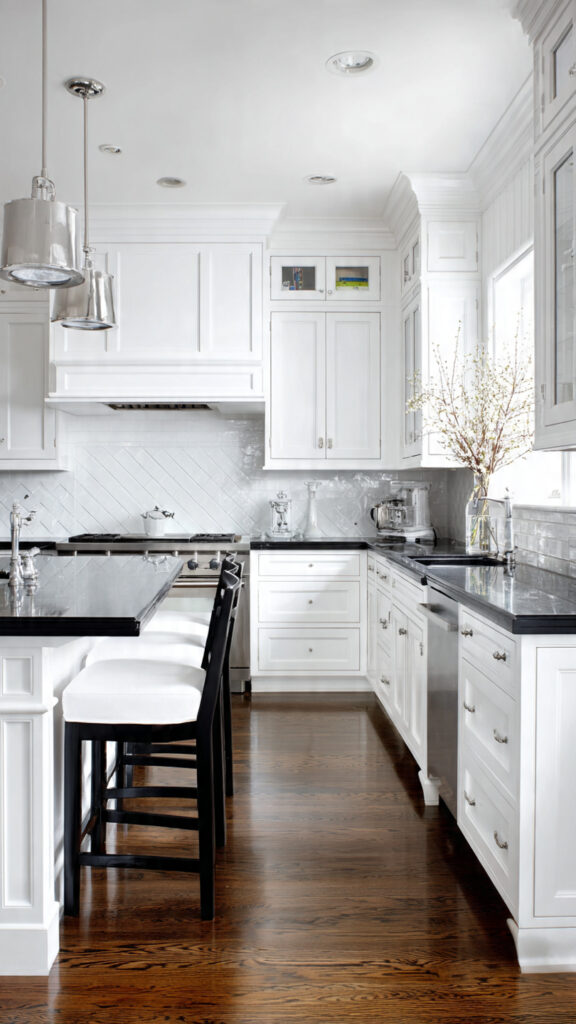
Clean lines and simple cabinet fronts emphasize the contrast between black and white without visual clutter. Open shelving used sparingly adds warmth and keeps the kitchen from feeling too rigid. This approach highlights how Black Countertops and White Cabinets fit naturally into modern, streamlined homes.
Two-Tone Islands & Statement Range Hoods
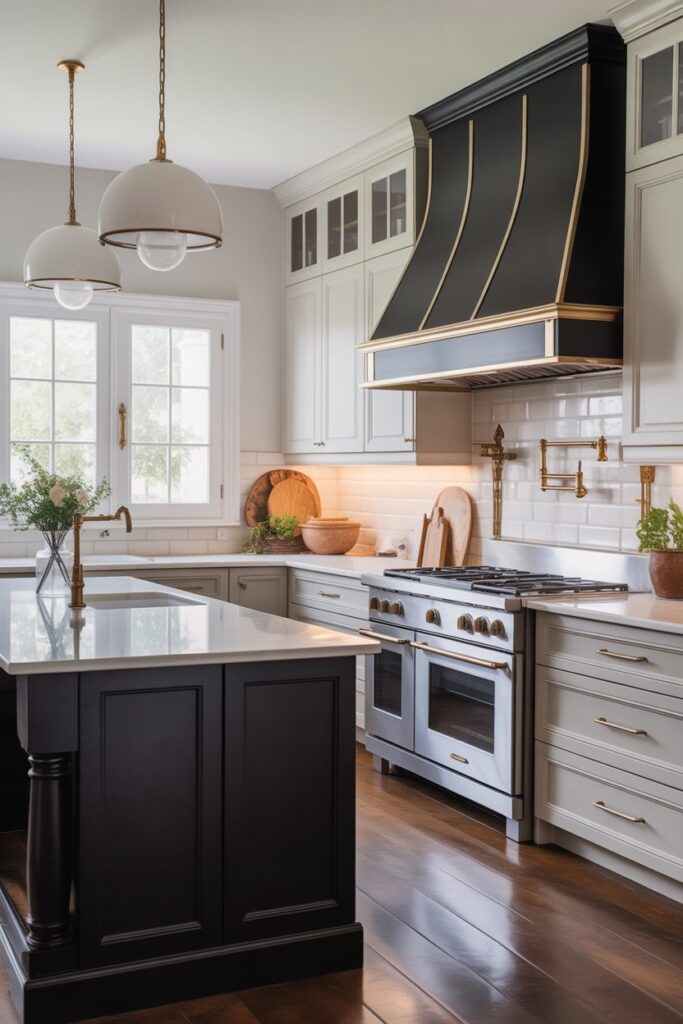
Reversing colors on an island or highlighting a dark range hood introduces variety while keeping the palette cohesive. These elements create visual interest and prevent the kitchen from feeling predictable, all while staying true to the black-and-white foundation.
Styling & Maintenance Hacks
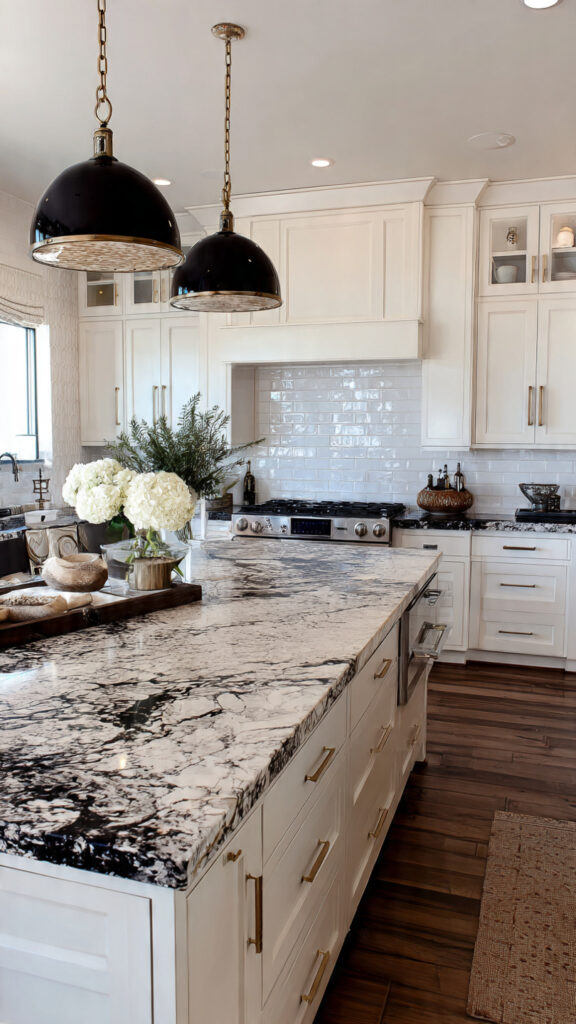
Keeping Black Countertops Spotless
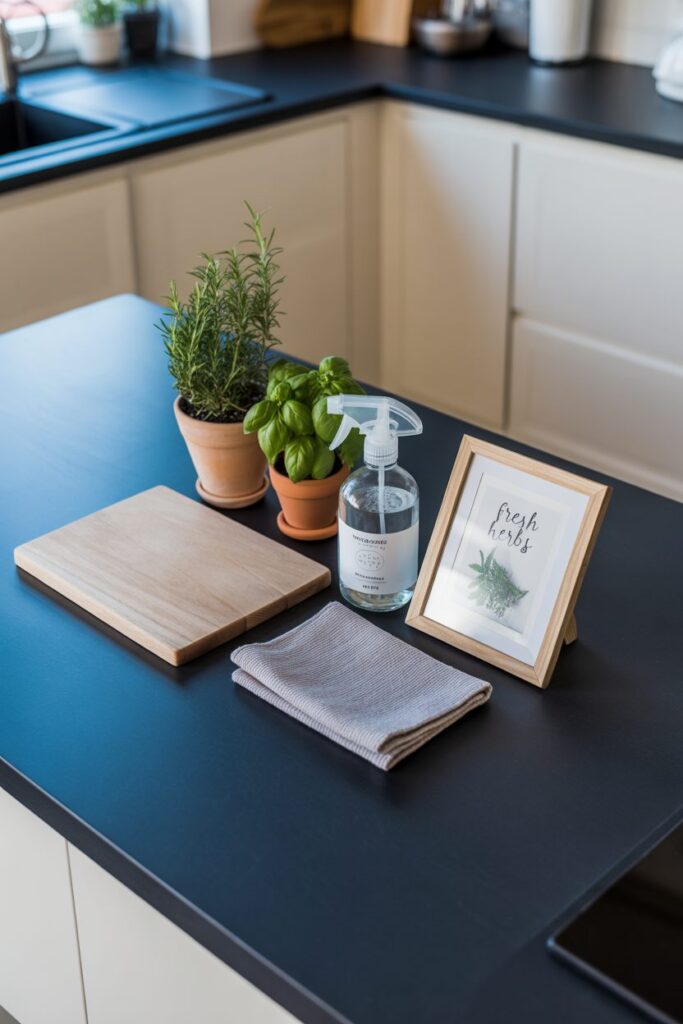
Regular wiping with gentle cleaners helps maintain the finish and prevents buildup. Avoiding harsh products preserves the surface, while occasional sealing keeps natural stone looking its best. Simple habits go a long way in keeping black countertops sharp and polished.
Accessorize Like a Pro
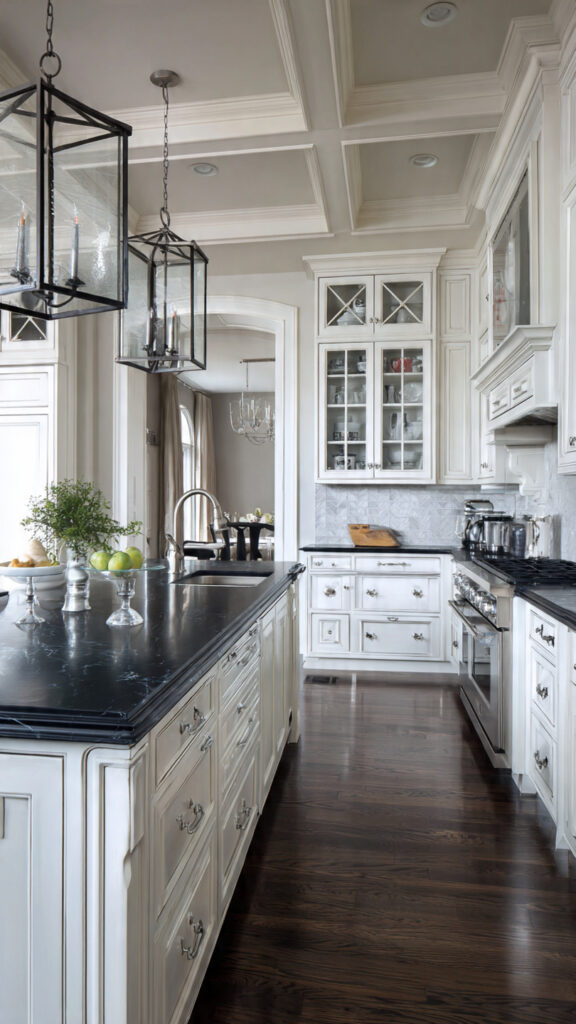
Natural wood accents, greenery, and subtle décor soften the bold contrast and make the kitchen feel lived-in. These touches introduce warmth and personality without disrupting the clean look of Black Countertops and White Cabinets.
Conclusion: Ready to Dive Into the Dark Side (of Counters)?

This guide breaks down why black countertops paired with white cabinets continue to be a dependable and stylish kitchen choice. From material selection to layout decisions and finishing details, the contrast delivers lasting appeal and practical benefits. With thoughtful planning, this classic pairing can elevate any kitchen, offering a balanced mix of bold design and everyday comfort.