9 Small Spaces Living Room Designs: Maximizing Style and Function in Tiny Rooms
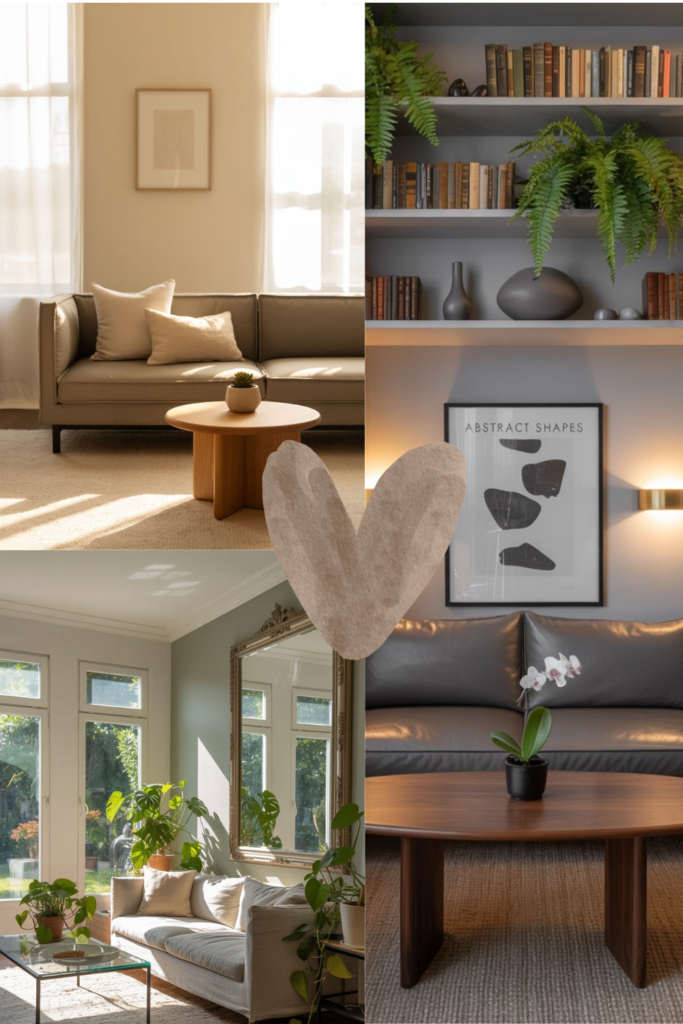
Living in a compact home or apartment can sometimes make decorating feel challenging, especially when the living room is limited in size. However, small homes do not have to feel cramped or dull. With thoughtful planning and creative design ideas, it is possible to create a stylish and comfortable environment that works perfectly for everyday living. Smart layouts, balanced colors, and practical furniture can help a small living room feel far more spacious than it actually is.
Many people who live in apartments, studios, or small homes face the same challenge of making the most out of limited space. The key is learning how to use every corner wisely while keeping the room visually open and inviting. When the right techniques are applied, Small Spaces Living Room Designs can easily combine beauty and practicality. With a few clever choices, even the smallest living room can feel bright, organized, and welcoming.
1. Choose Multi-Functional Furniture
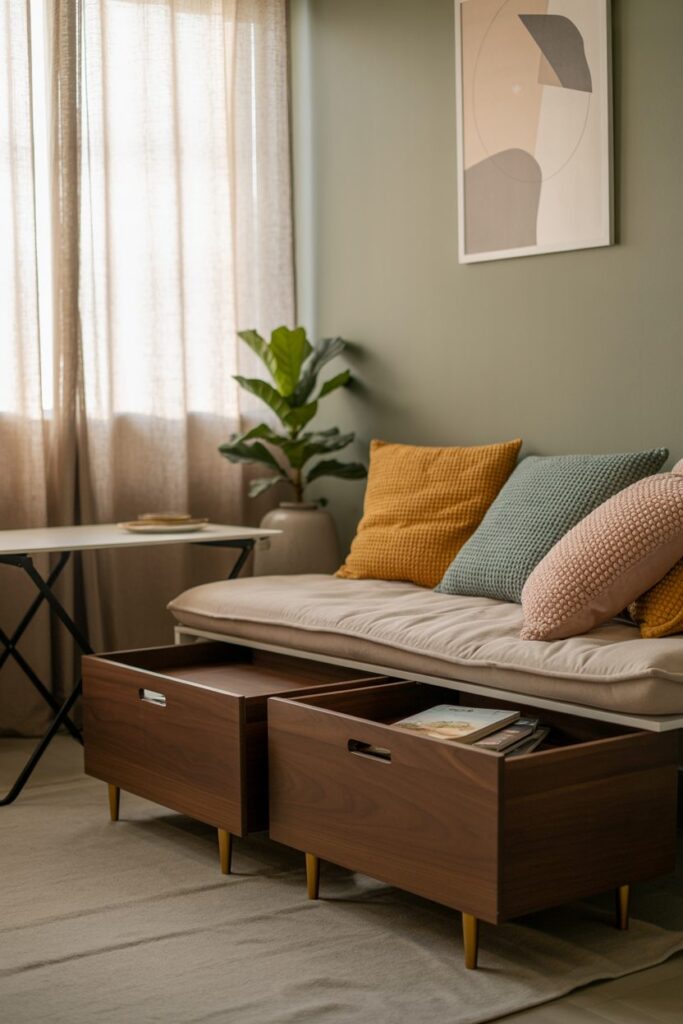
When decorating a small living room, furniture should serve more than one purpose whenever possible. Pieces that provide both comfort and functionality help reduce clutter while making the room more practical for daily use. In compact spaces, every item should contribute to the overall usefulness of the room without taking up unnecessary space.
One popular solution is a sofa bed, which works perfectly for relaxing during the day and transforms into a sleeping area when guests stay overnight. Storage ottomans are another smart addition because they provide seating while also hiding blankets, magazines, or small household items inside. Foldable desks or expandable tables are also extremely useful in Small Spaces Living Room Designs because they can be used when needed and easily tucked away afterward.
Choosing furniture that performs multiple tasks allows homeowners to maintain a clean and organized space. It also prevents the room from becoming overcrowded with unnecessary items, helping the living room remain comfortable and visually appealing.
2. Go for Light Colors and Mirrors
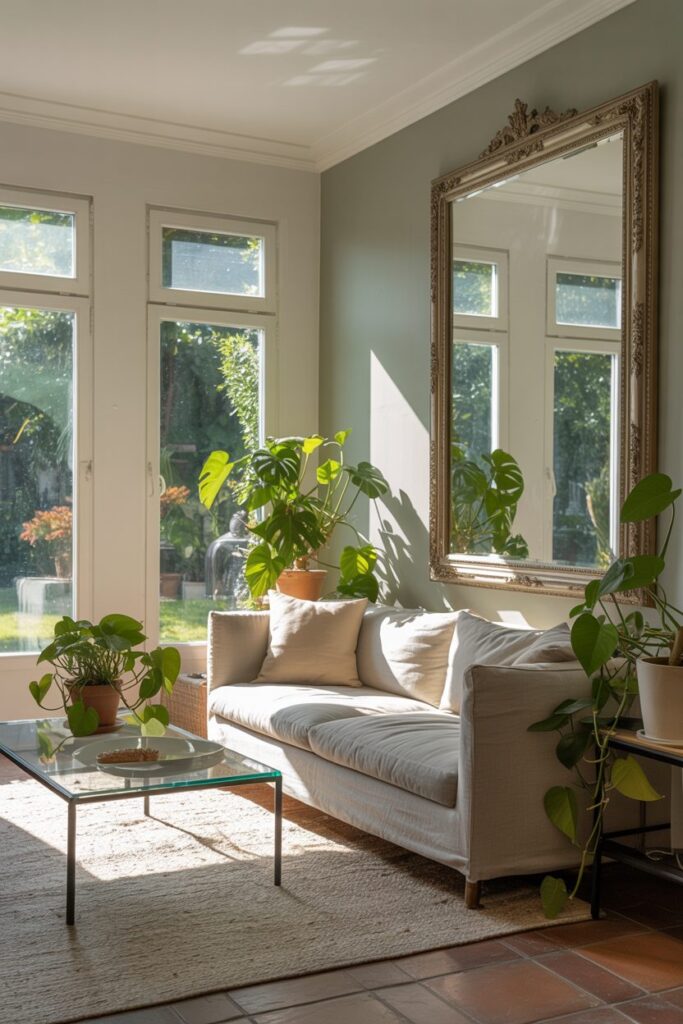
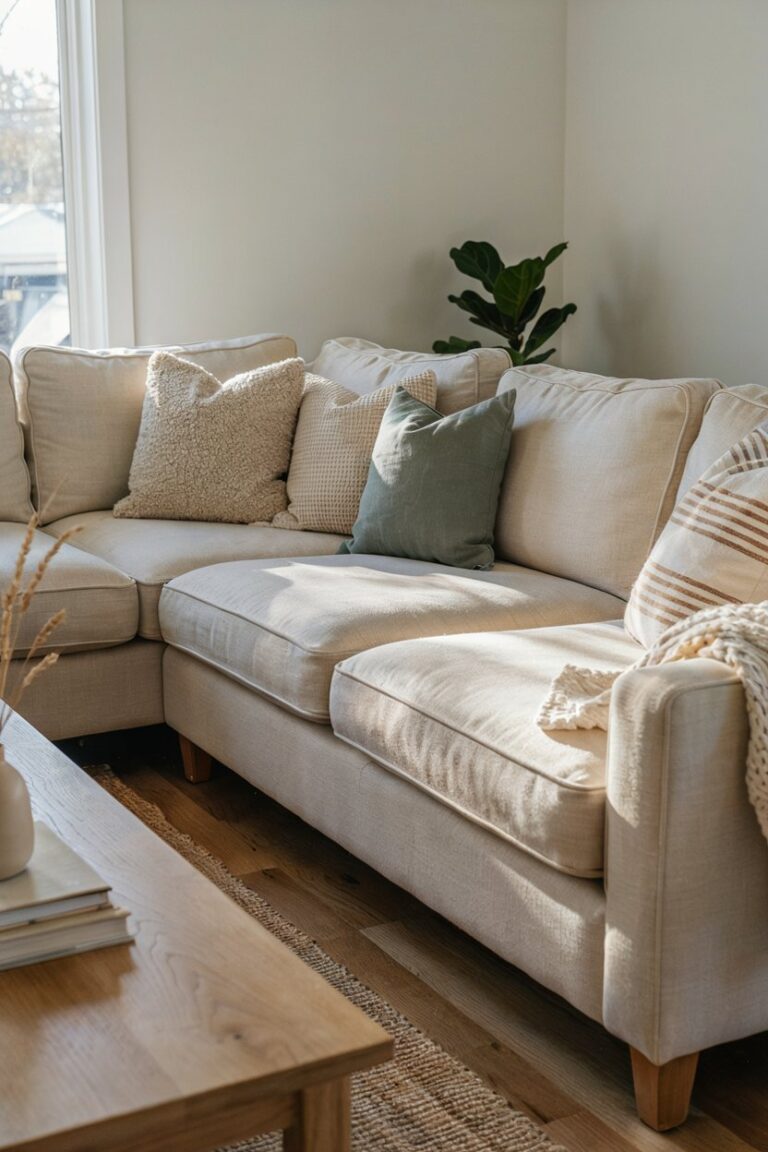
Color plays an important role in how large or small a room feels. Light shades naturally reflect more light, which helps a small living room appear brighter and more open. Walls painted in soft tones such as white, light gray, or pale neutral shades can instantly make the room feel more airy and spacious.
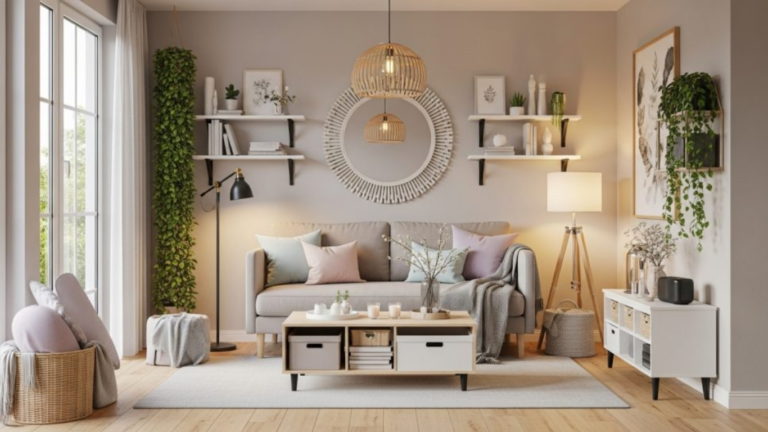
Mirrors are another powerful design element in Small Spaces Living Room Designs. When placed strategically on walls, they reflect both natural and artificial light, which helps expand the visual depth of the room. A large decorative mirror can become a statement piece while also making the area feel wider and brighter.
Using reflective surfaces along with lighter colors creates a more open atmosphere. Instead of feeling boxed in by walls, the living room begins to feel balanced and comfortable, even if the square footage is limited.
3. Use Vertical Space Wisely
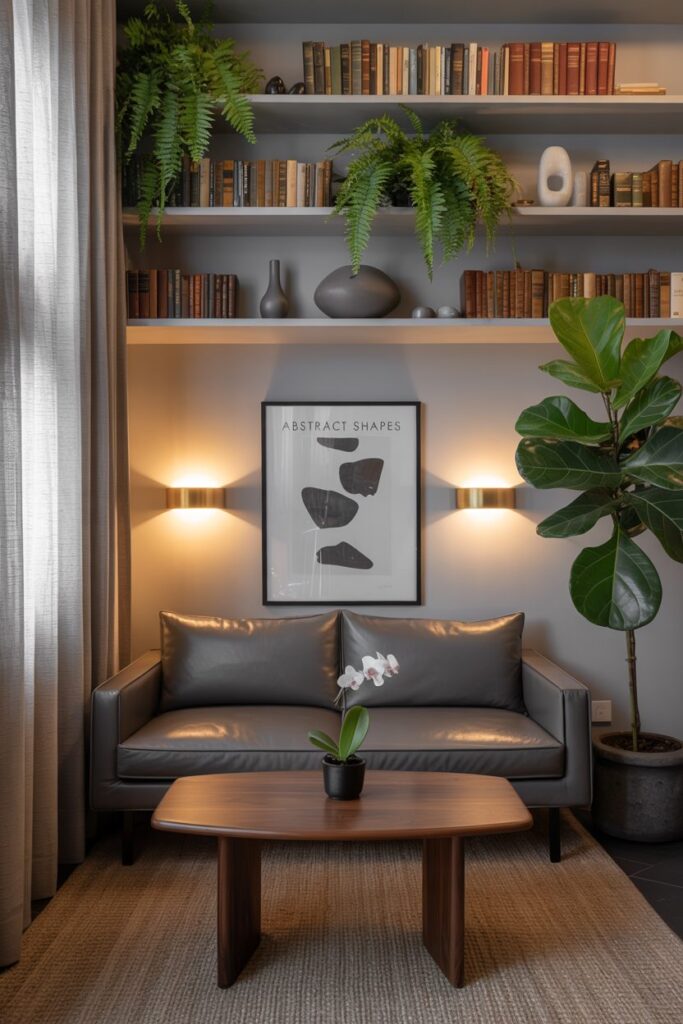
When floor space is limited, the best strategy is to use the height of the room. Vertical space is often overlooked, yet it can provide valuable storage and decoration opportunities without crowding the floor. Utilizing walls effectively can help keep the room organized while adding visual interest.
Wall-mounted shelves are a simple and practical solution for displaying books, decorative objects, or small plants. Tall and narrow furniture pieces, such as slim bookshelves or vertical cabinets, also provide storage while taking up very little floor area. Hanging plants are another creative option that adds greenery without using valuable ground space.
By directing attention upward, Small Spaces Living Room Designs can feel taller and more balanced. This approach allows homeowners to keep their belongings neatly stored while maintaining a more open and breathable living environment.
4. Opt for Minimalist Living Room Design
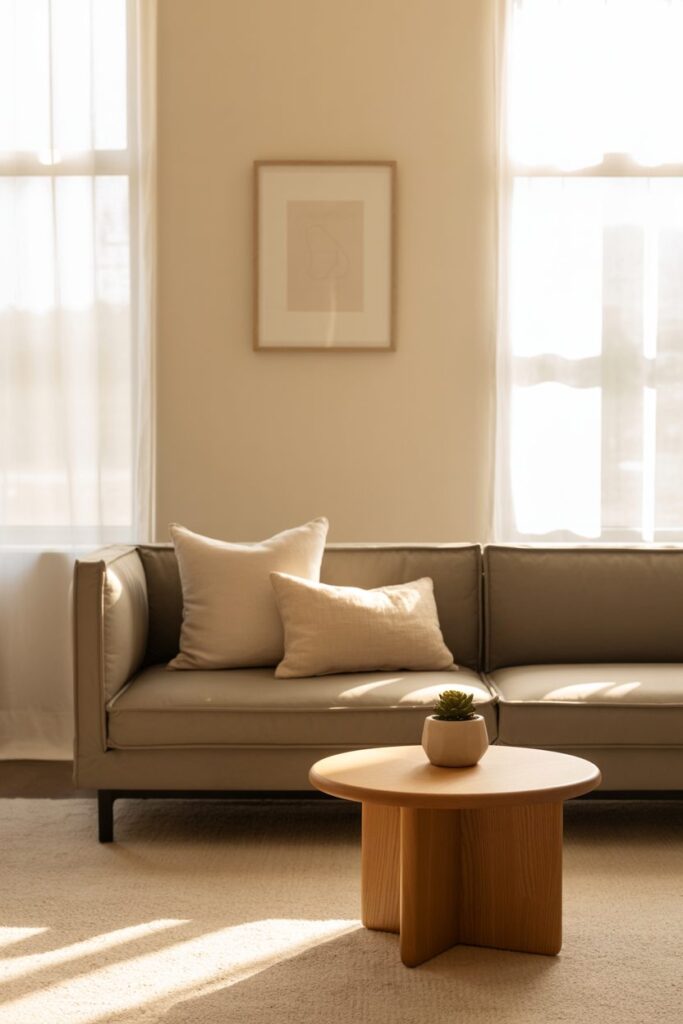
A minimalist approach works extremely well in smaller living rooms. When fewer items are placed in a space, the room naturally feels calmer and more spacious. Instead of filling the room with multiple decorative pieces or bulky furniture, a simpler design keeps everything organized and visually relaxing.
A small living room does not need many large items to feel complete. A comfortable sofa, a couple of accent chairs, and a compact coffee table are often enough to create a functional seating area. Removing unnecessary objects helps prevent the space from looking crowded or overwhelming.
Neutral colors, clean lines, and simple furniture styles are commonly used in Small Spaces Living Room Designs because they create a peaceful and uncluttered appearance. This design approach allows the room to feel more open while still maintaining a modern and stylish look.
5. Create Defined Zones
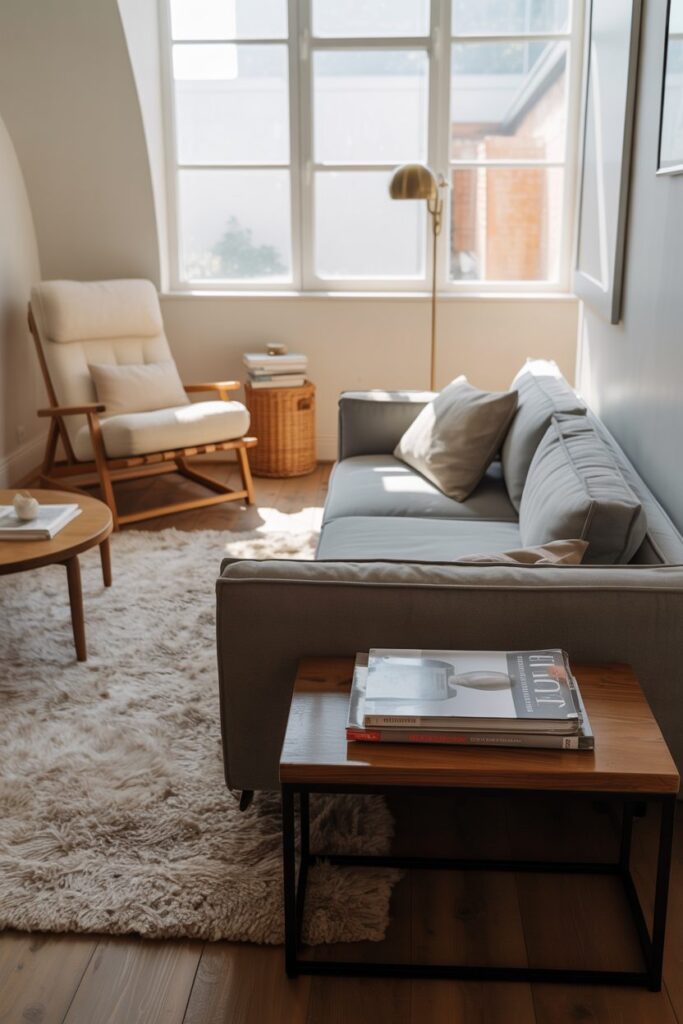
Even in a small living room, it is possible to organize the area into different sections based on how the space is used. Dividing the room into zones helps improve functionality while keeping the layout well structured.
A seating area can be created by arranging a sofa and chairs around a central coffee table, forming a comfortable place for conversation and relaxation. A rug placed under the furniture can visually separate this section from other parts of the room. A small reading corner can also be formed with a cozy chair and a lamp placed near a window or wall.
In homes where space is very limited, a compact dining table can also function as a workspace. Thoughtful furniture placement is a key part of Small Spaces Living Room Designs, allowing homeowners to enjoy multiple uses within one room without making it feel cluttered.
6. Incorporate Smart Storage Solutions
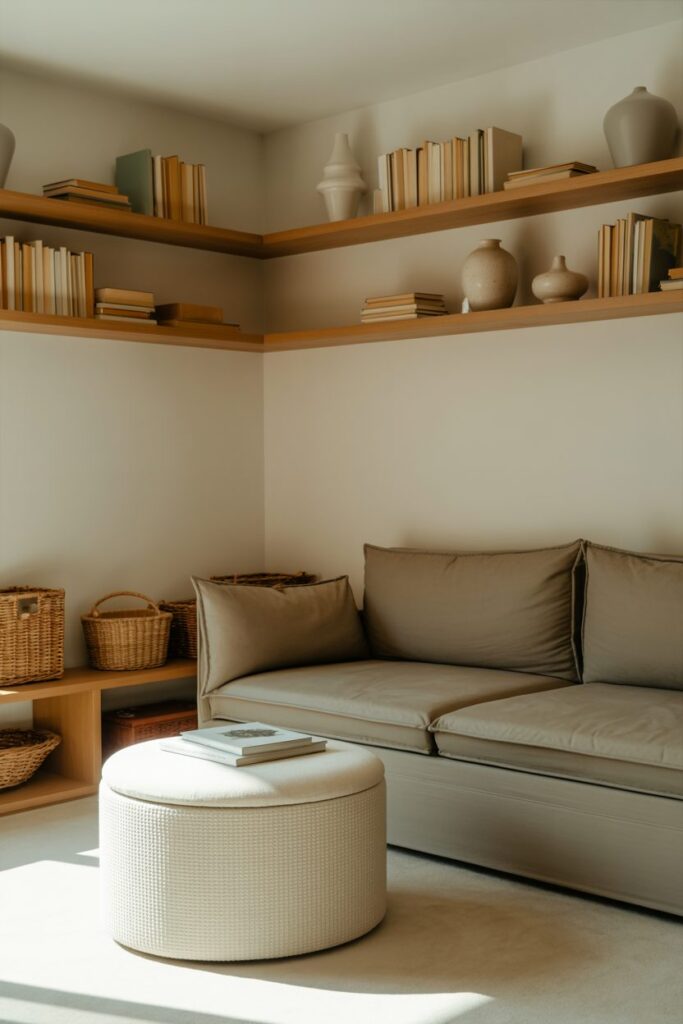
Storage becomes extremely important when dealing with a small living room. Without proper organization, even a few everyday items can quickly make the space feel messy. Choosing furniture that includes built-in storage can help keep the room tidy and functional.
Sofas with hidden drawers or open space underneath can be used to store blankets, pillows, or seasonal items. Wall-mounted cabinets are another helpful solution because they keep belongings accessible while freeing up valuable floor space. Storage ottomans remain one of the most practical additions, offering both seating and concealed storage.
When clutter is properly hidden away, Small Spaces Living Room Designs feel more open and breathable. A well-organized living room creates a calm environment where everything has its place.
7. Use Multi-Purpose Decor
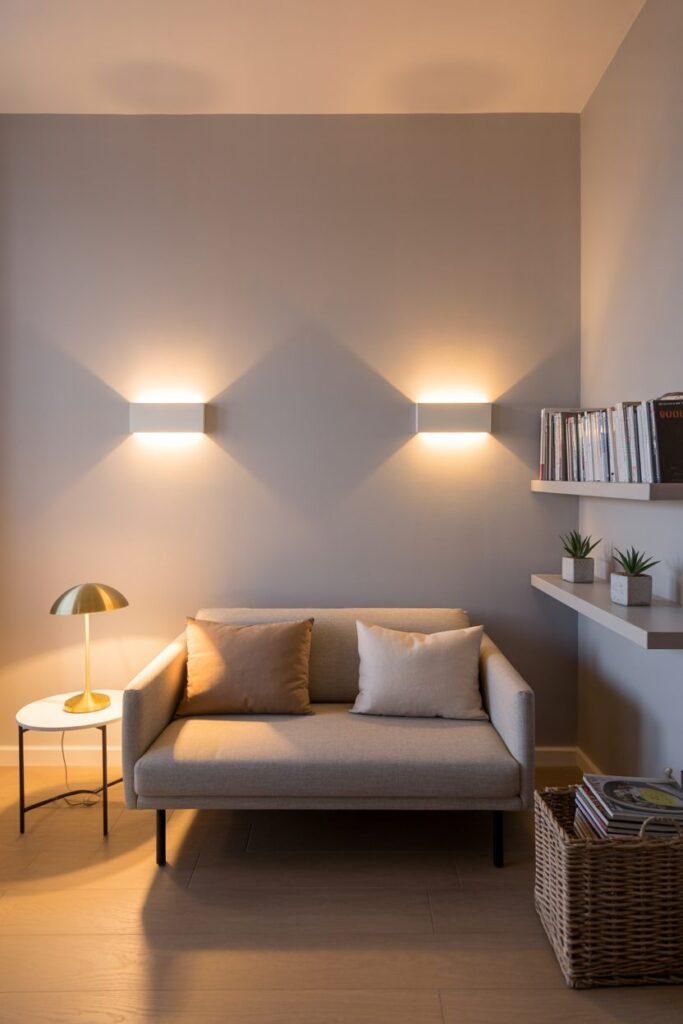
Decorative elements can also provide practical benefits in small living rooms. Choosing items that combine beauty with usefulness helps reduce the number of objects needed in the space while still maintaining a stylish appearance.
Decorative baskets are a simple example because they can hold blankets, magazines, or small household items while also adding texture to the room. Lamps that include small shelves or tables underneath provide lighting while offering a convenient surface for drinks or books.
Stackable chairs are another smart solution for homes that occasionally need extra seating for guests. These pieces fit well within Small Spaces Living Room Designs because they can be stored easily when not in use while still being available when needed.
8. Use the Right Lighting
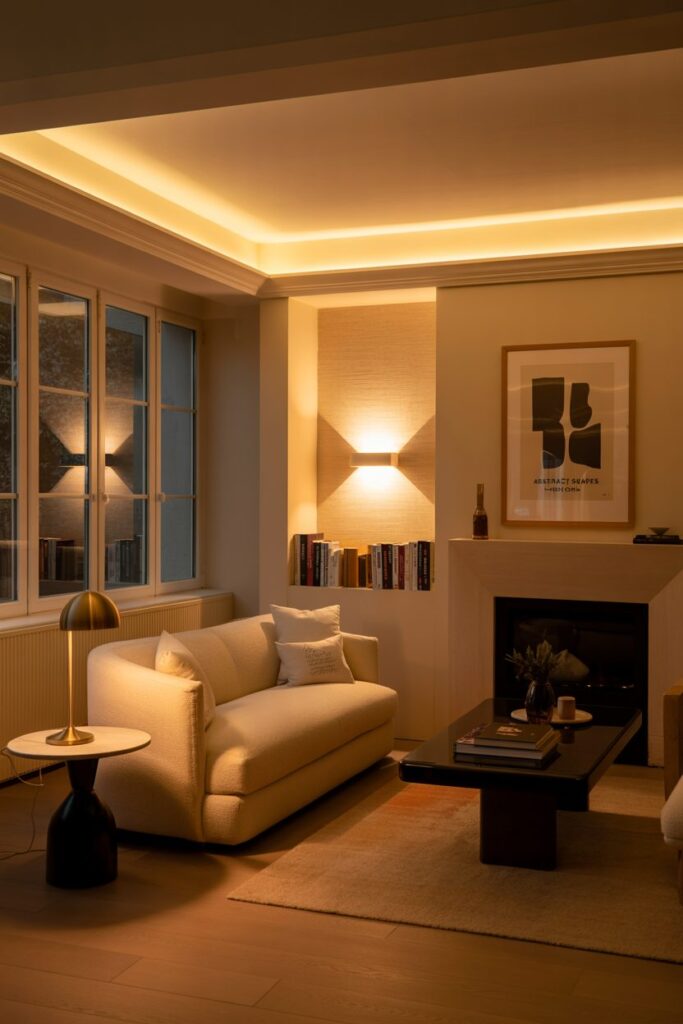
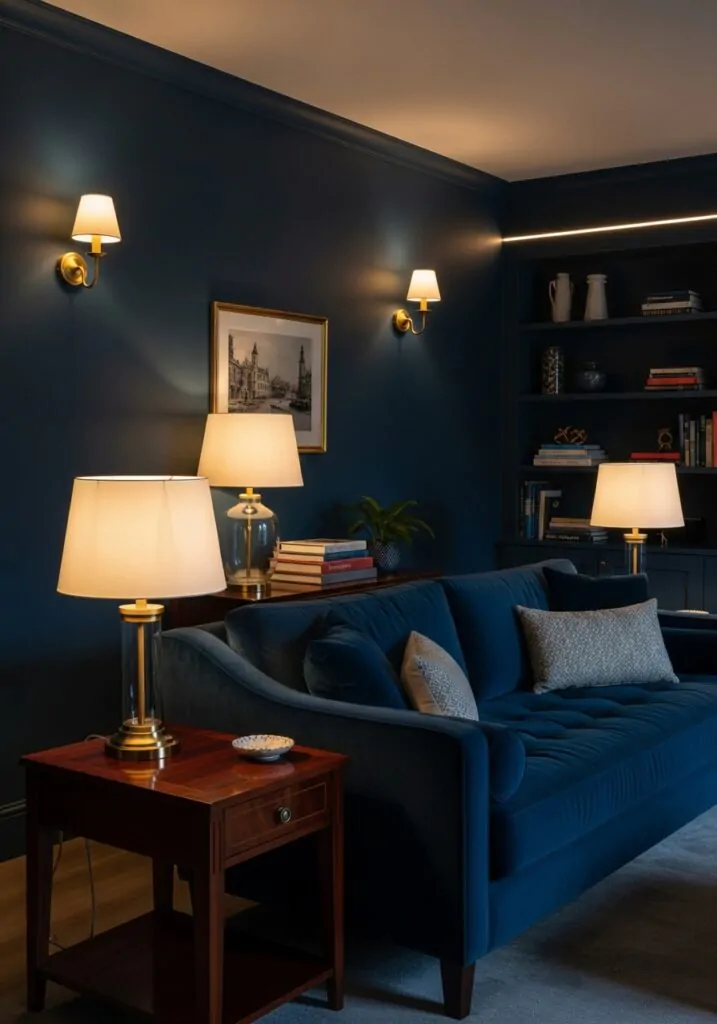
Lighting has a strong influence on how comfortable and spacious a living room feels. A well-lit room naturally appears larger and more inviting. Combining different types of lighting can help create a balanced and welcoming atmosphere.
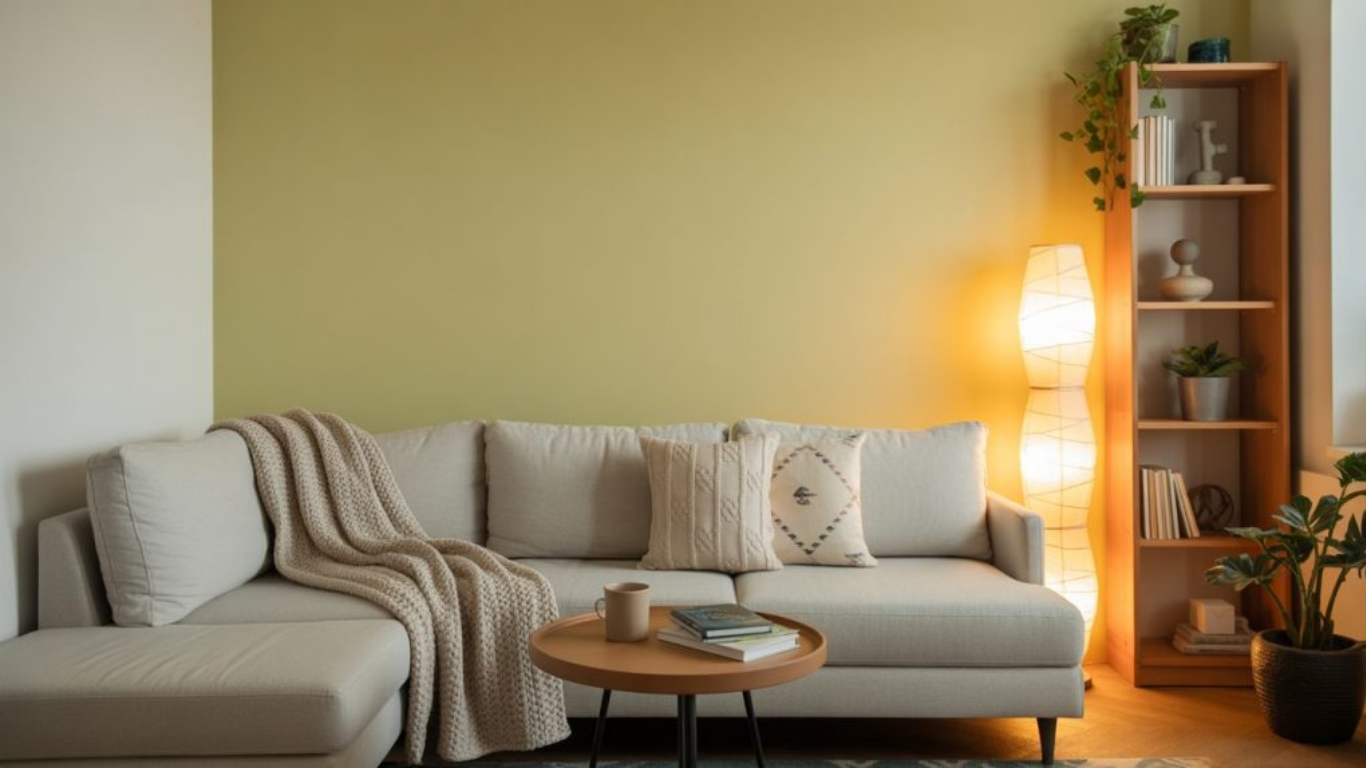
Ambient lighting, such as ceiling lights, provides overall brightness for the entire room. Task lighting from table lamps or floor lamps helps illuminate specific areas where activities like reading or working take place. Accent lighting, such as wall sconces or decorative lights, adds warmth and depth to the space.
Allowing natural light to enter the room is also extremely important in Small Spaces Living Room Designs. Using sheer curtains instead of heavy drapes keeps the windows open to sunlight while still maintaining privacy.
9. Choose Furniture That Compliments Your Space
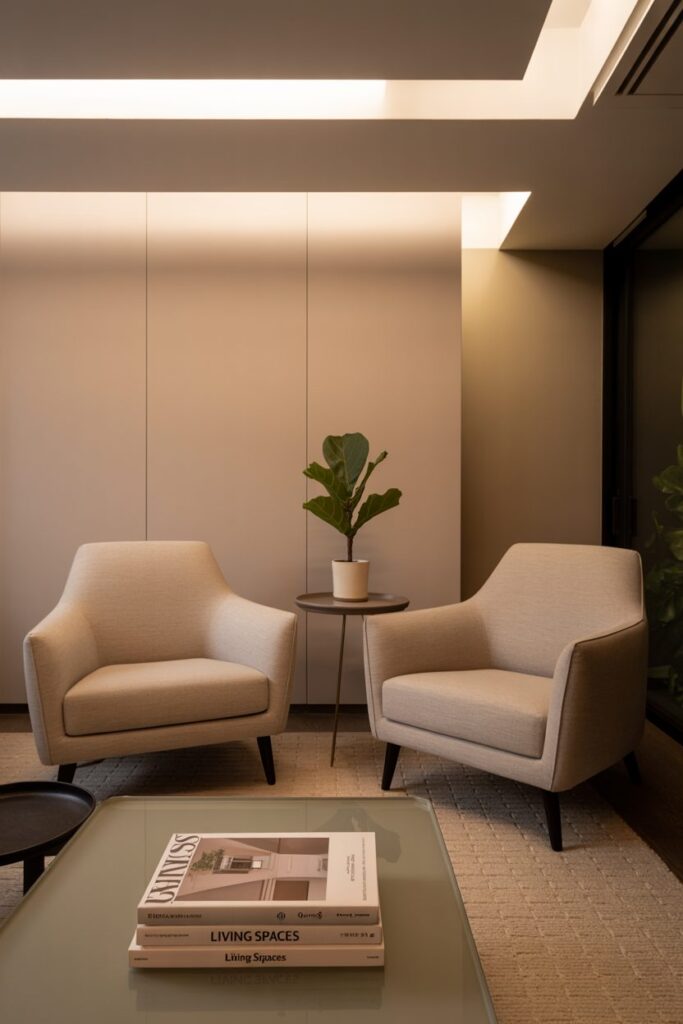
Selecting the right furniture size is essential when decorating a small living room. Oversized pieces can quickly overwhelm the room and make it feel cramped. Instead, compact furniture designed for smaller spaces helps maintain balance and comfort.
Low-profile sofas and chairs work well because they take up less visual space and allow the room to feel more open. Glass coffee tables are another clever choice because their transparent surfaces make them appear lighter and less bulky. Chairs with slim legs also reveal more of the floor, helping the room appear larger.
Thoughtful furniture choices play a major role in successful Small Spaces Living Room Designs. When items are appropriately sized and arranged carefully, the living room feels more spacious while still offering comfort and style.
Conclusion: Small Space, Big Potential
Designing a beautiful living room in a small home is absolutely possible with the right strategies. Instead of focusing on the limitations of a compact room, it is more helpful to think about how each element can contribute to a more functional and attractive space. Smart furniture choices, thoughtful layouts, and effective storage solutions all work together to create a balanced environment.
By applying practical ideas such as minimalist layouts, vertical storage, multi-functional furniture, and bright lighting, Small Spaces Living Room Designs can feel both stylish and comfortable. Even a small room can become a welcoming place for relaxing, entertaining guests, or enjoying quiet time at home.
With a little creativity and careful planning, a compact living room can offer just as much comfort and personality as a much larger space. The key is using every part of the room wisely while keeping the design simple, organized, and inviting.