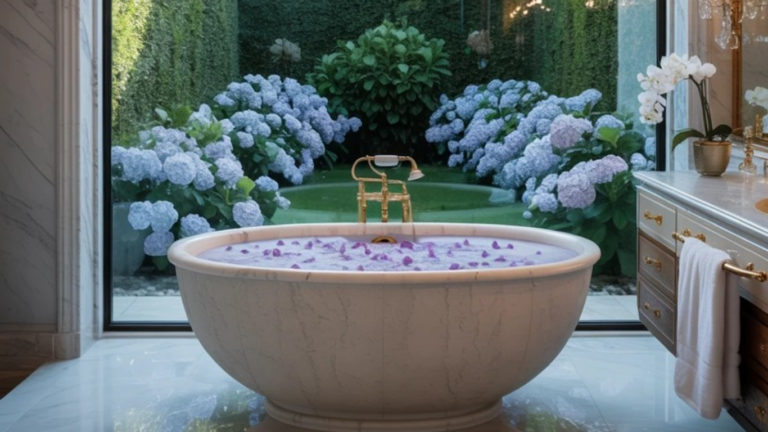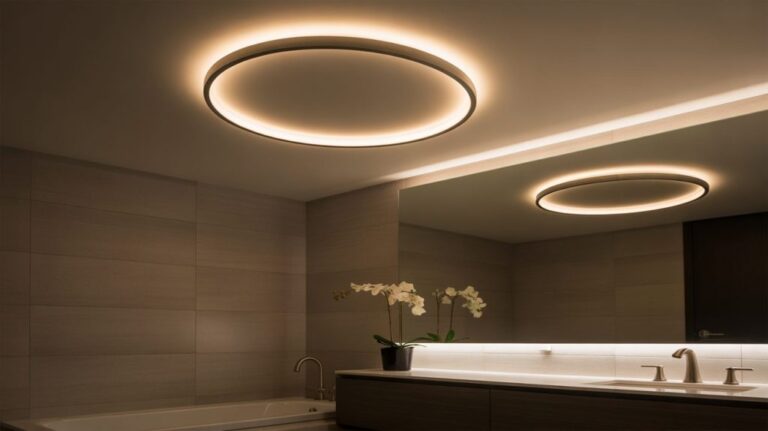
21 Earthy Bathroom Ideas That Bring Nature Indoors and warm textures to create a calm 2026
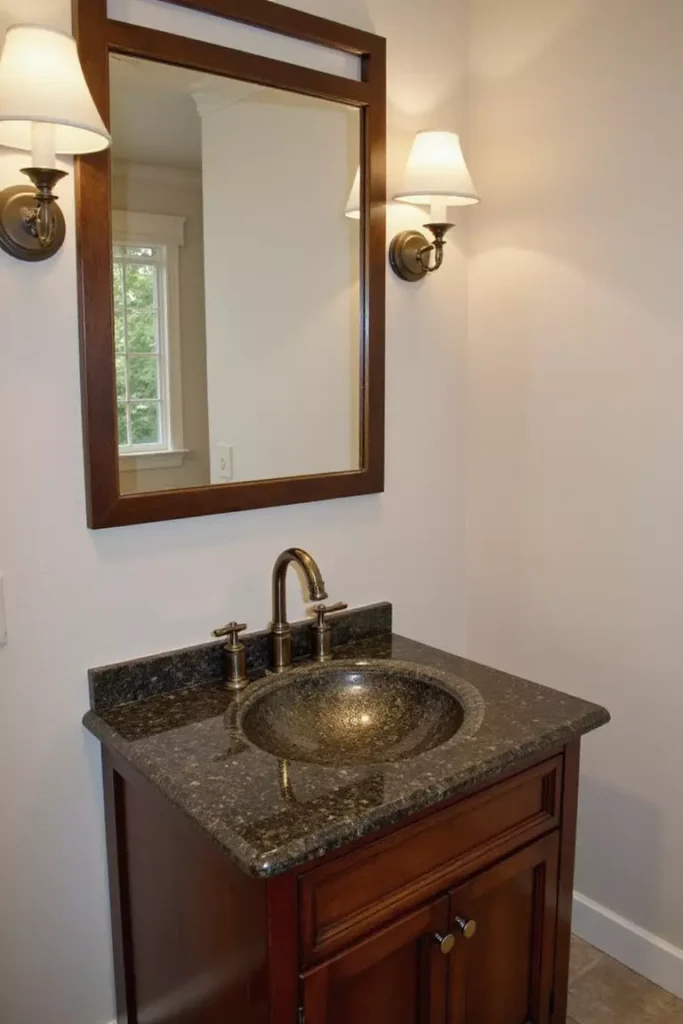
I like earthy bathrooms because they make a bathroom feel warmer without needing a major remodel. In this guide, I’m sharing 21 ideas I would use, from natural stone and wood to plants, woven storage, earthy tile colors, and simple accessories.
I’ve included options for both small updates and bigger projects, so you can choose what fits your space and budget. My favorite approach is to mix two or three natural materials rather than using every earthy element at once.
Key Takeaways
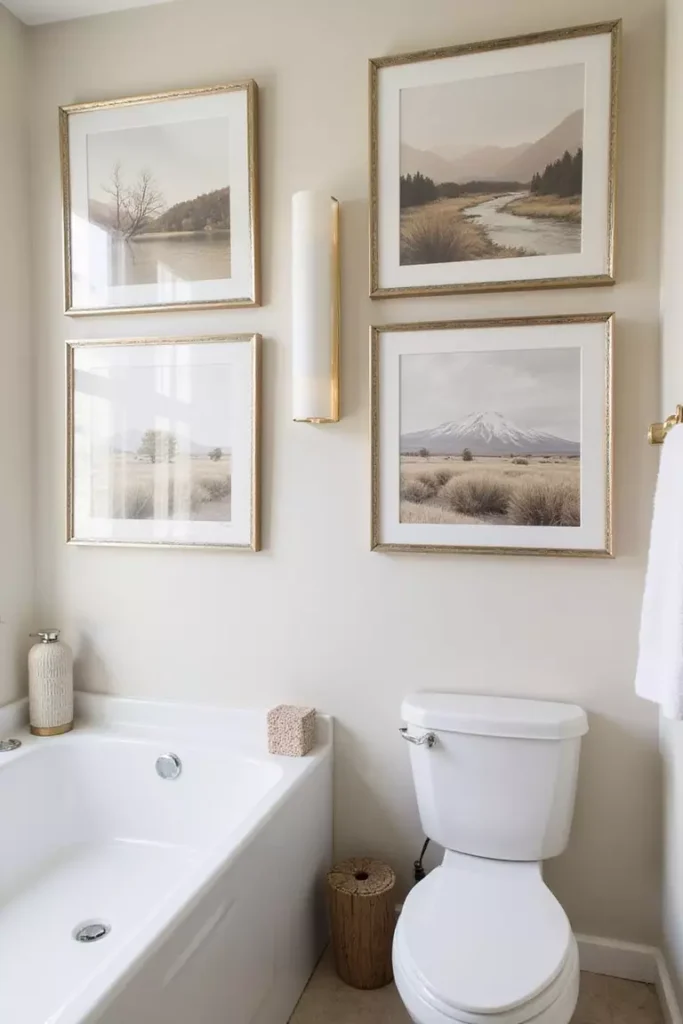
I find that wood, stone, clay, bamboo, rattan, natural fibers, and muted earth tones work especially well together. I would start with one main feature, such as a wood vanity or stone sink, then repeat its texture in smaller accessories.
I also pay attention to bathroom moisture before choosing natural materials. Good ventilation, suitable finishes, and materials rated for wet areas matter just as much as appearance when I’m planning an earthy bathroom.
1 Natural Stone Countertops
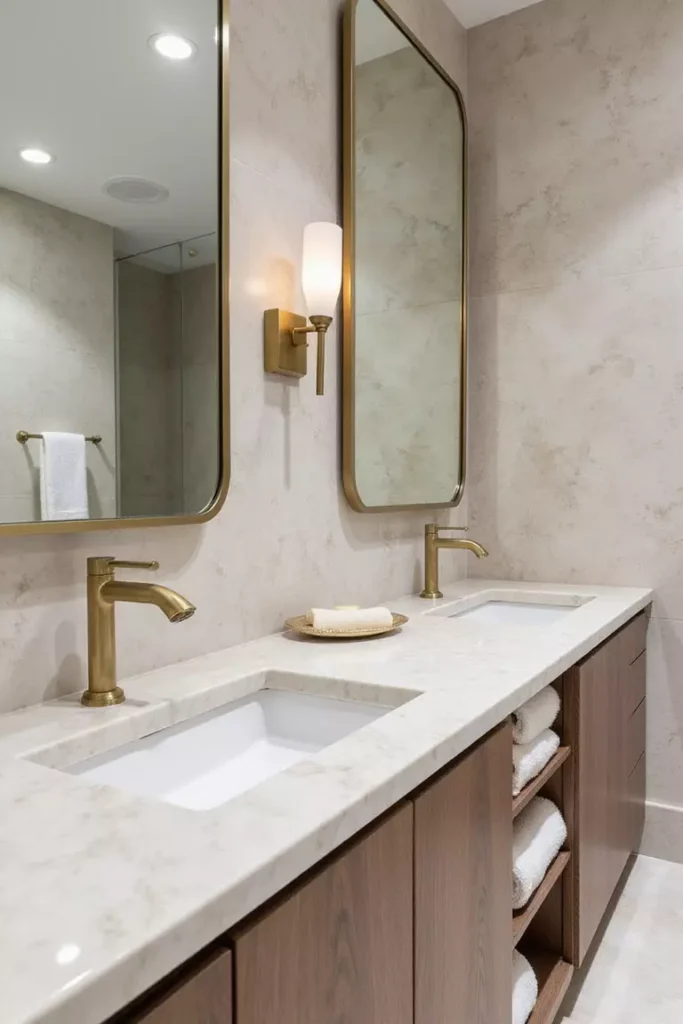
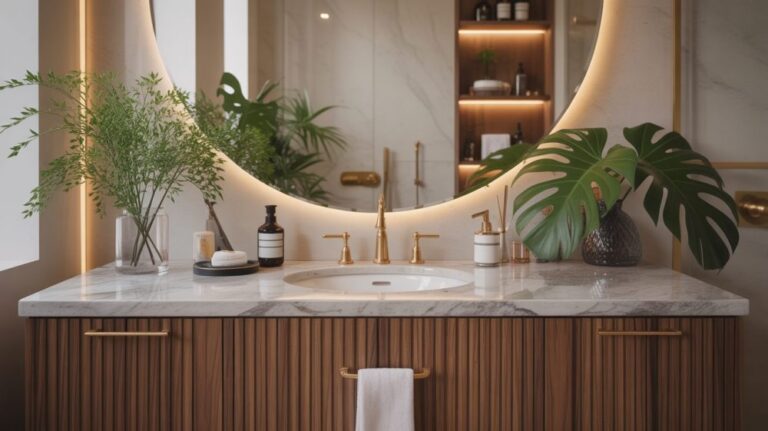
I would use a natural stone countertop when I want the bathroom to have a strong connection to nature without adding lots of decoration. Marble, granite, and other stone surfaces bring individual color variation and veining, so the countertop can become the main visual feature.
Pro Tip: I always ask about sealing and maintenance before choosing natural stone because different stones can have different care requirements.
2 Wood Vanity Cabinets
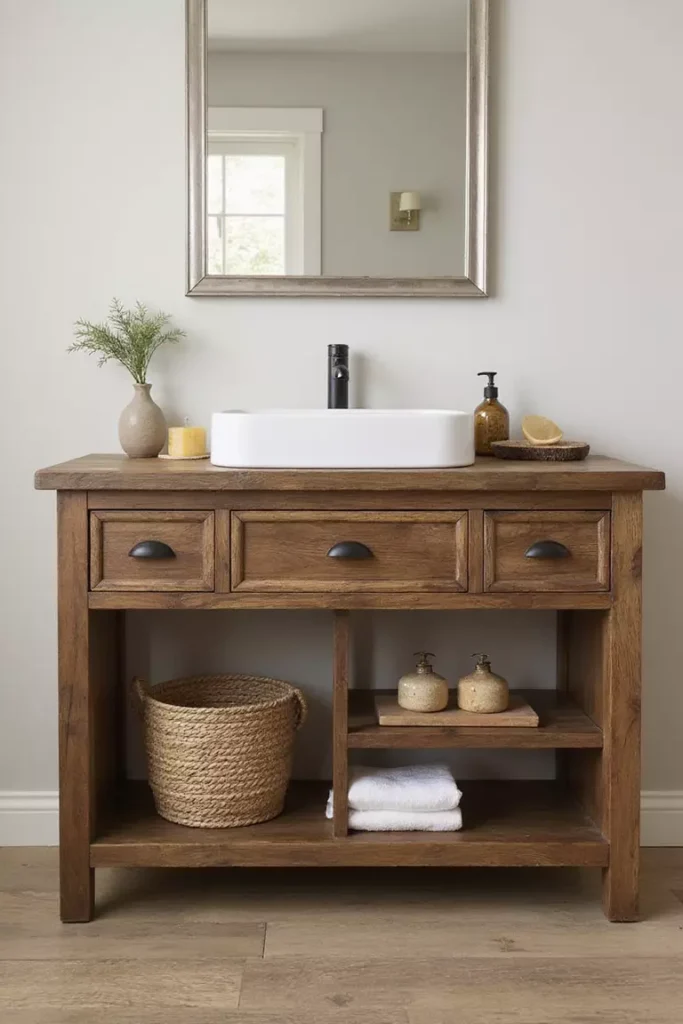
I like a wood vanity because it immediately adds warmth to bathrooms filled with tile, glass, and metal. I would choose a finish that lets some of the grain show and keep the rest of the vanity area fairly simple.
Fact: Wood movement can occur when humidity changes, so I prefer bathroom vanities designed and finished specifically for high-moisture spaces.
3 Indoor Plants
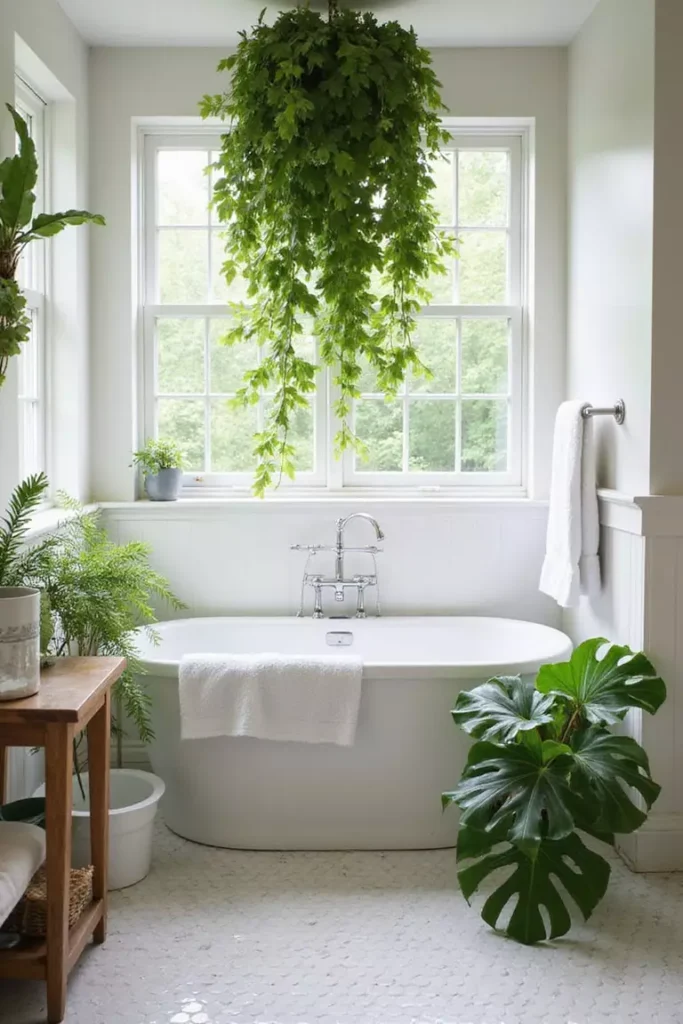
I use indoor plants when I want an earthy bathroom without changing permanent fixtures. A small plant on a shelf, a hanging planter, or greenery near a suitable window can add color while making the room feel less plain.
Pro Tip: I choose plants according to the bathroom’s actual light and humidity instead of assuming every tropical plant will thrive there.
4 Pebble Floor Tiles

I like pebble floor tiles for shower areas because their rounded shapes add texture that standard square tiles do not have. I would use them as a focused feature rather than covering every floor surface with busy stone.
Pro Tip: I pay close attention to grout and cleaning requirements because the many joints between individual pebbles can take more maintenance than large-format tile.
5 Bamboo Accessories
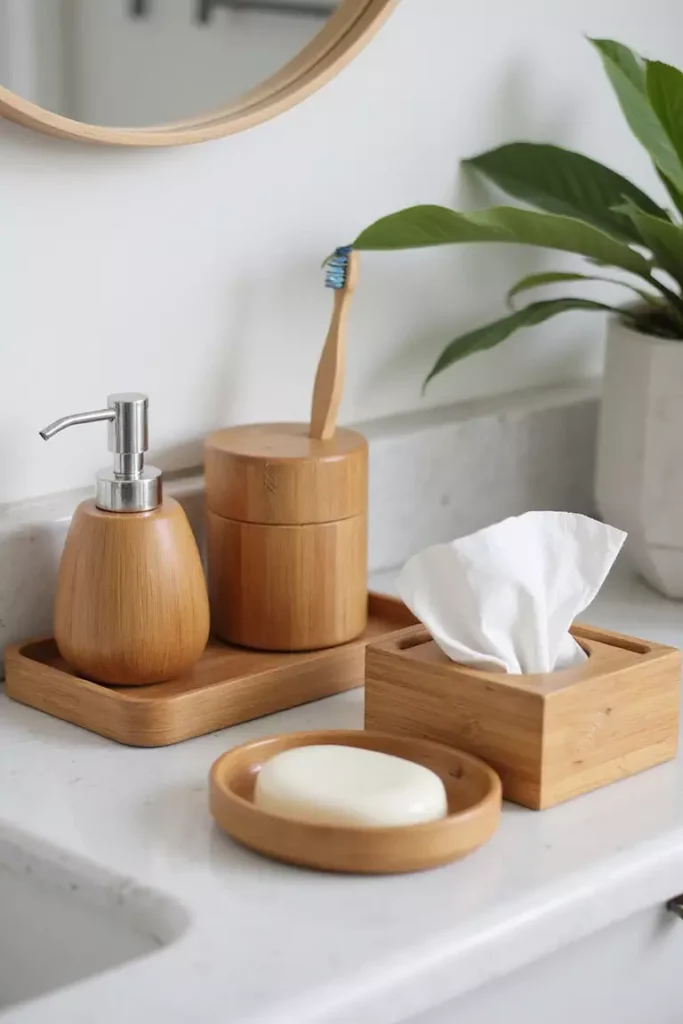
I would add bamboo through small items such as trays, organizers, storage boxes, or countertop accessories when I want an earthy look on a smaller budget. The warm wood-like tone works nicely beside white ceramic, beige tile, and brushed metal.
Fact: Bamboo is a fast-growing grass rather than a traditional hardwood, but bathroom accessories still need proper drying and care to stay in good condition.
6 Clay Sink Bowls
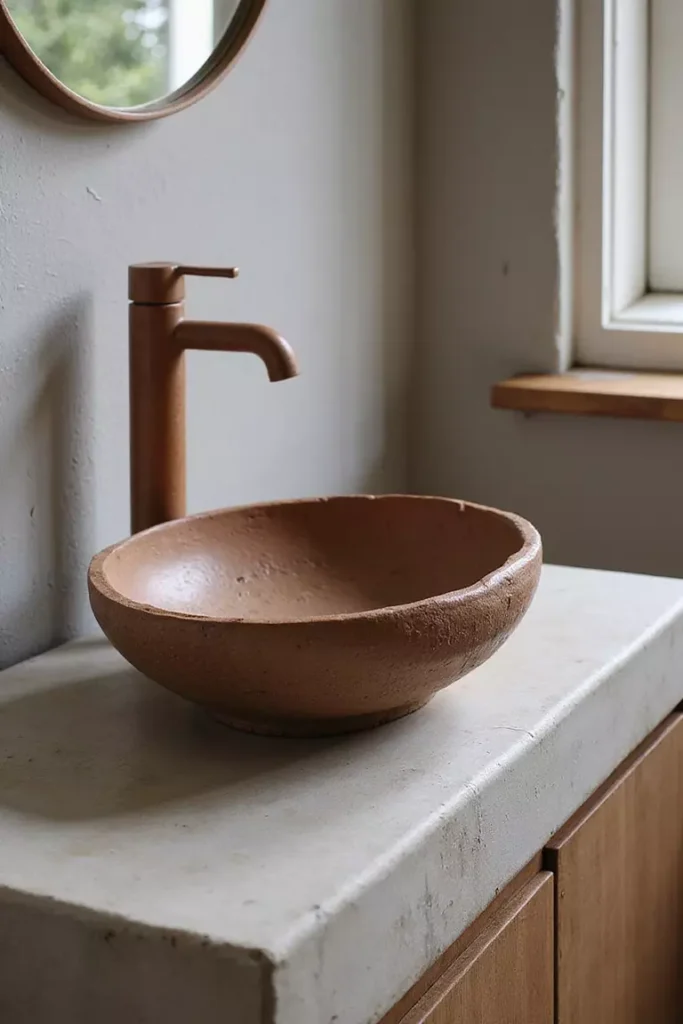
I like a clay or ceramic vessel sink when I want one handmade-looking feature to stand out. Rounded shapes and warm finishes can soften a bathroom that otherwise has straight cabinets, mirrors, and tile lines.
Pro Tip: I would check the sink dimensions against the vanity before buying because vessel sinks can change the finished counter height more than an undermount sink.
7 River Rock Shower Floors

I would consider river-rock-style shower flooring when I want a natural texture underfoot and a visual connection to outdoor landscapes. The stones can work especially well with warm beige walls, wood accents, and simple glass shower panels.
Fact: For a shower floor, I focus on slip resistance, grout maintenance, and proper installation rather than choosing stone based only on its appearance.
8 Reclaimed Wood Shelving
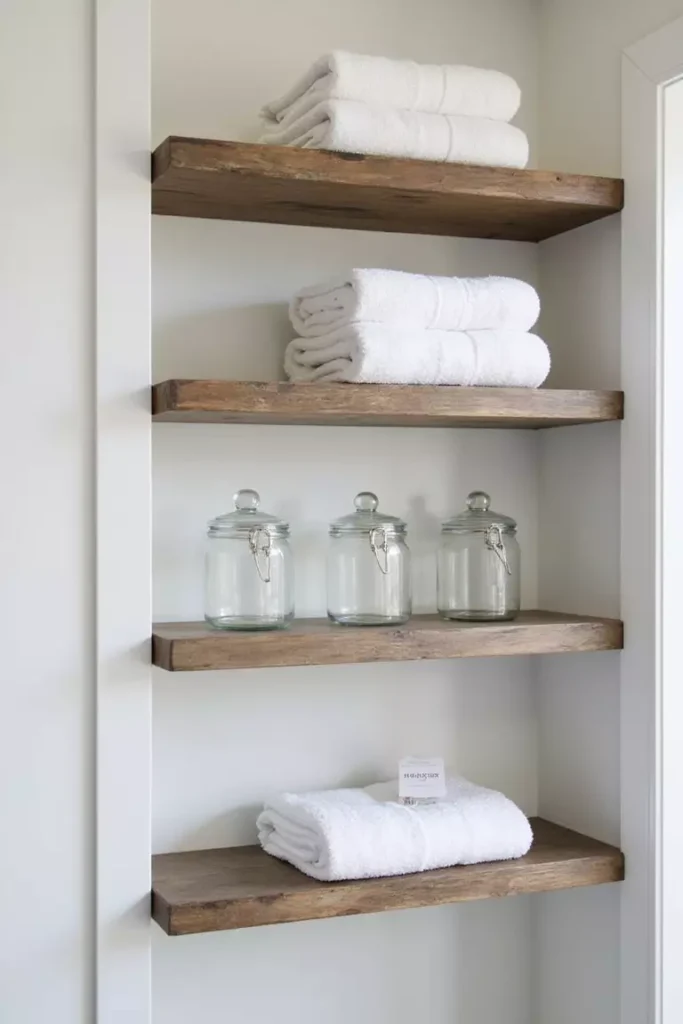
I like reclaimed wood shelves because they bring visible grain, knots, and an aged finish into an otherwise clean bathroom. I would use them for rolled towels, small baskets, jars, or a few decorative pieces without making the shelves look crowded.
Pro Tip: I make sure reclaimed wood is properly cleaned, dried, sealed, and suitable for the bathroom before installing it near regular sources of moisture.
9 Terracotta Tiles
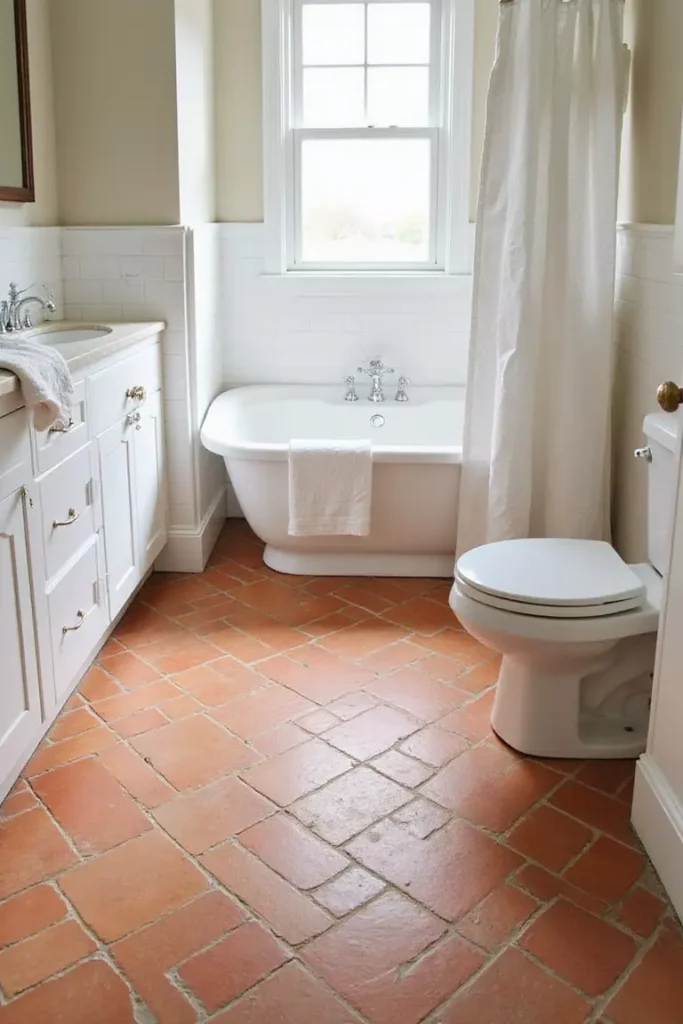
I use terracotta tones when I want an earthy bathroom to feel warmer and more grounded. The reddish-brown color pairs naturally with cream, sand, olive, warm white, and natural wood.
Pro Tip: I would check whether the specific terracotta product is suitable for bathroom floors and follow the manufacturer’s sealing recommendations because traditional terracotta can be porous.
10 Jute Bath Mats
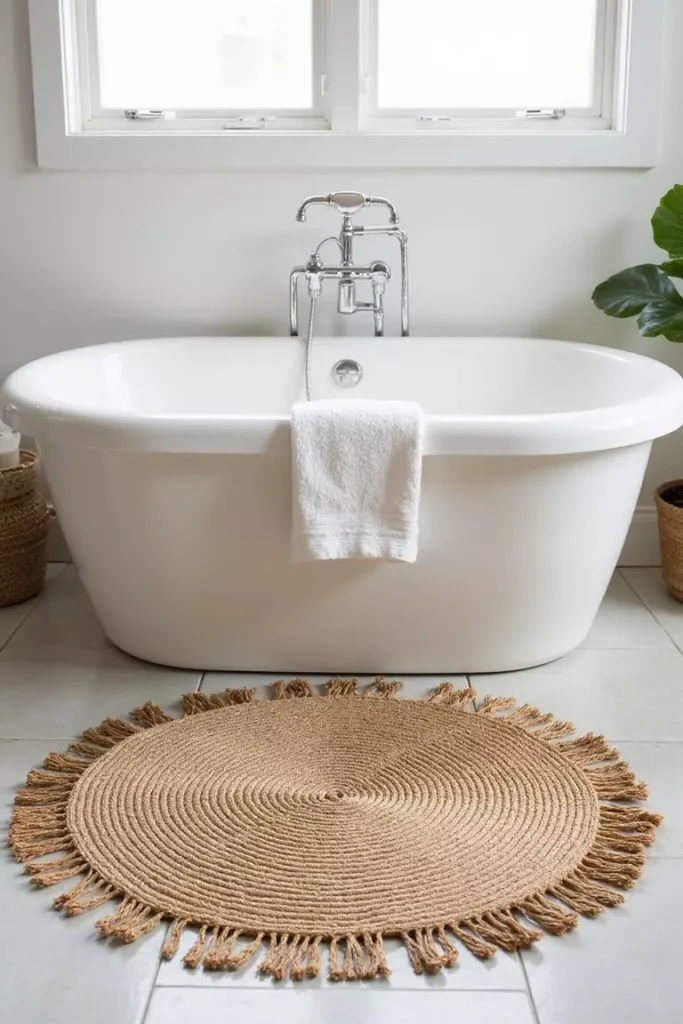
I like the texture of jute for adding a natural accent beside a bathtub or vanity. Its tan color works well with other earthy shades and can make a bathroom with hard tile surfaces feel softer.
Fact: Natural plant fibers are not automatically ideal for constantly wet areas, so I would choose a mat designed for bathroom use and allow it to dry properly between uses.
11 Natural Fiber Shower Curtains
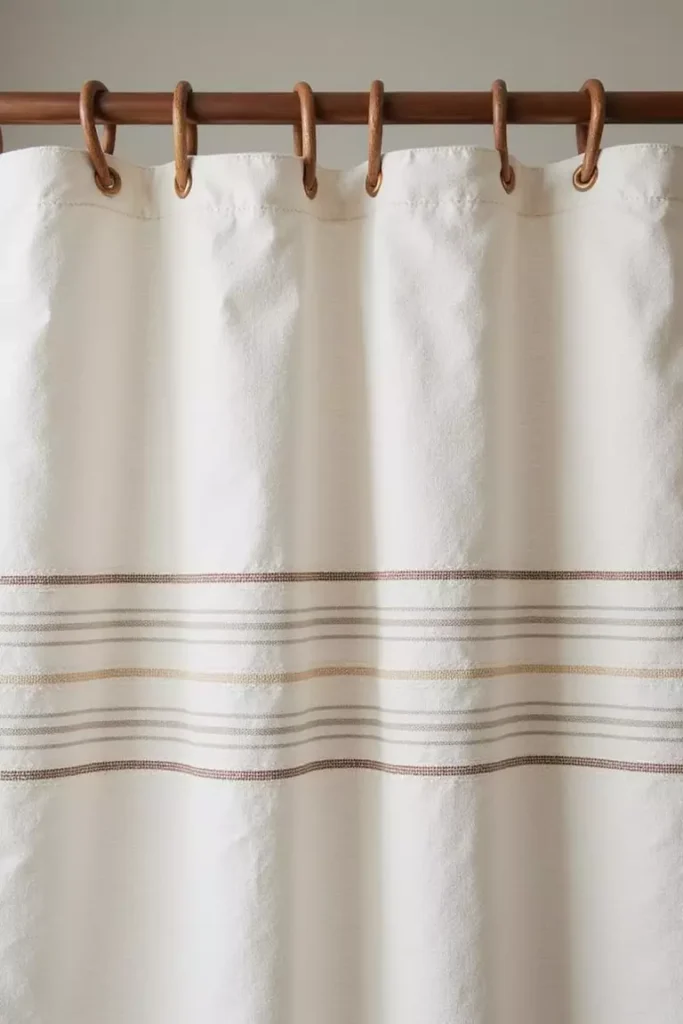
I would use a linen-look or cotton shower curtain when I want to soften the large visual area around the tub or shower. Neutral stripes, simple patterns, and warm natural shades can add texture without making the bathroom feel busy.
Pro Tip: I always check whether the fabric is intended for wet environments and use a proper waterproof liner when needed.
12 Wooden Bath Caddies
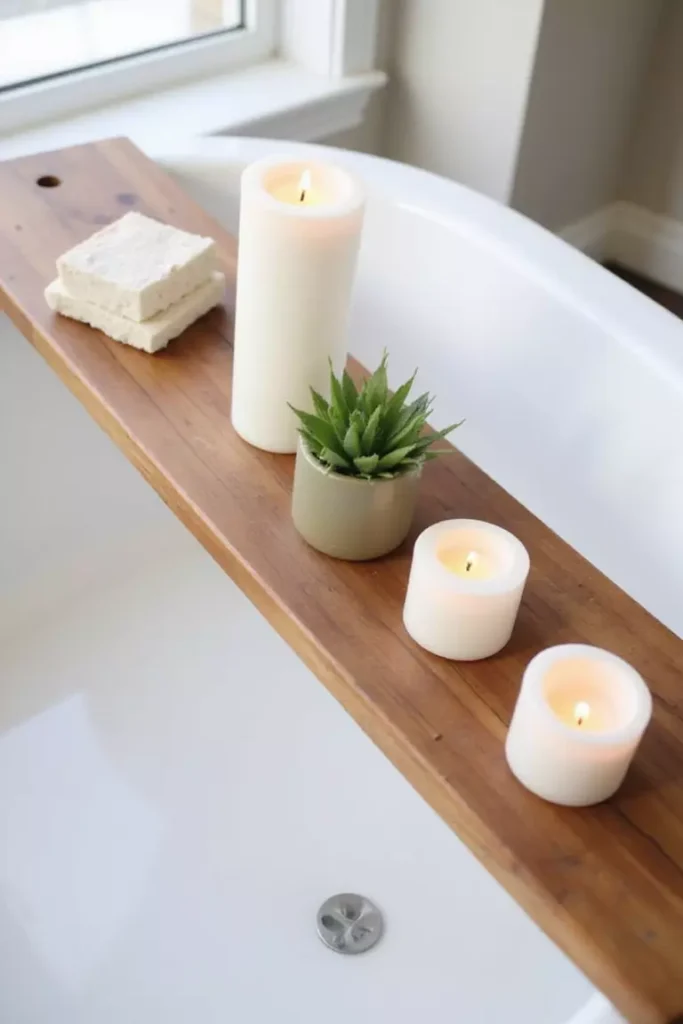
I like a wooden bath caddy because it is both useful and decorative without requiring a permanent renovation. I can use one to hold a book, towel, soap, or other bath items while keeping the surrounding tub area simple.
Fact: Teak is naturally more moisture-resistant than many woods, but I still avoid leaving standing water on any wooden bathroom accessory for long periods.
13 Cork Flooring
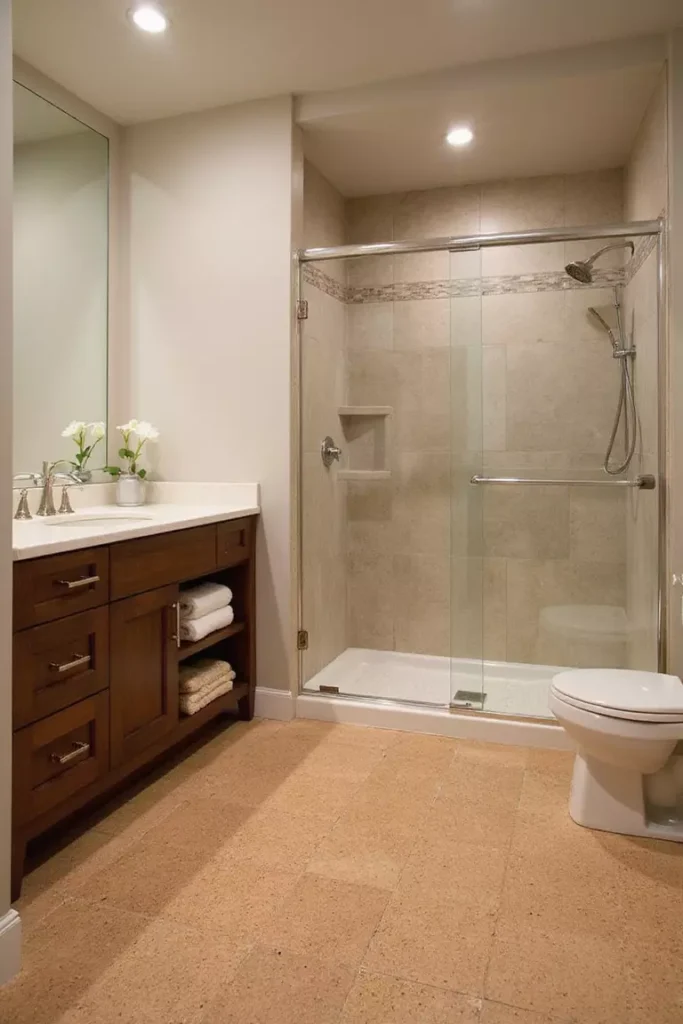
I would consider cork flooring when I want a warmer, softer material underfoot than conventional hard tile. Its natural honey and brown tones also fit easily into an earthy bathroom color palette.
Pro Tip: I only choose cork products specifically approved for bathroom conditions and follow the installation and sealing requirements because moisture protection is critical.
14 Living Moss Walls
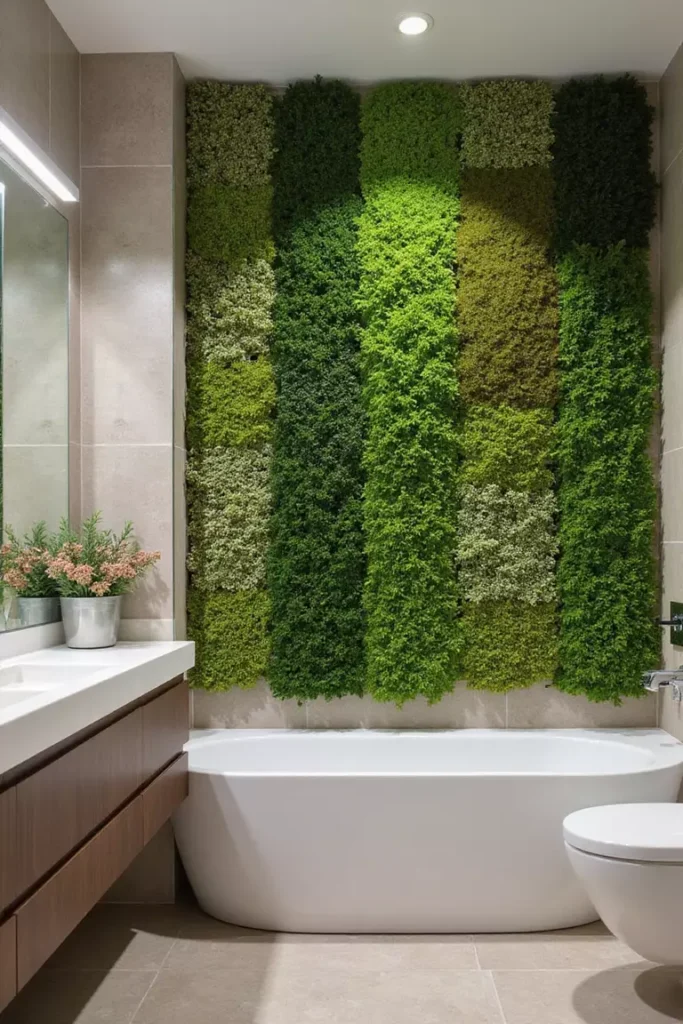
I like the look of a moss feature when I want greenery to become a major part of the bathroom design. A small framed moss panel can create a strong natural focal point without requiring a collection of floor plants.
Fact: Not every moss wall is a living wall; preserved moss is commonly used for decorative installations and does not require the same watering or growing conditions as live plants.
15 Rattan Storage Baskets
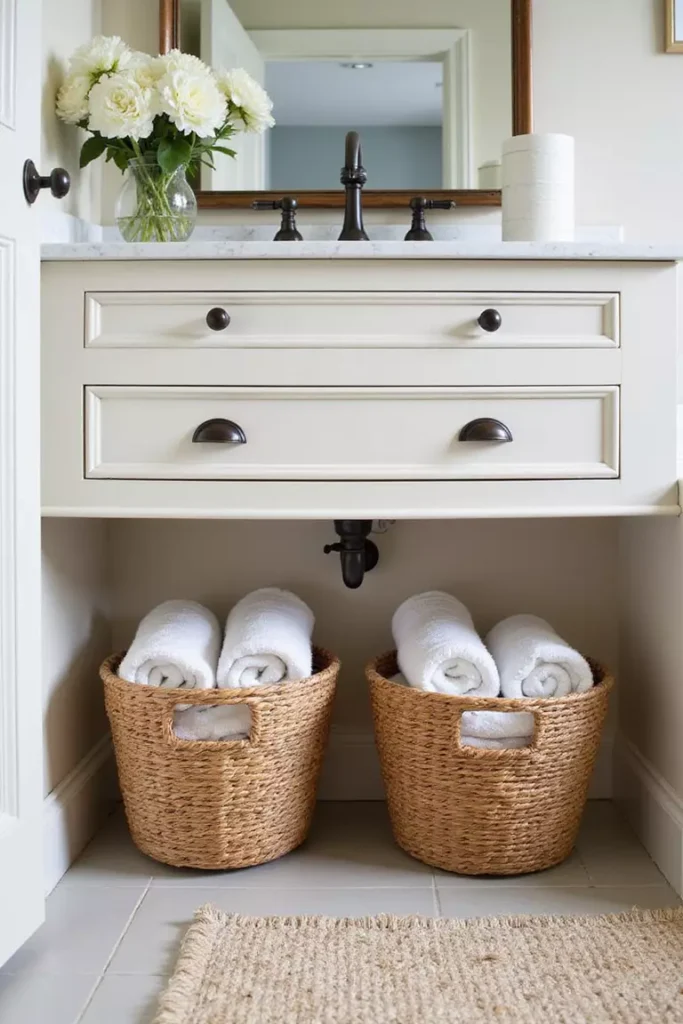
I use rattan baskets when I need practical bathroom storage that does not look overly utilitarian. I can place them under a vanity, on open shelving, or in a linen area for towels and other everyday supplies.
Pro Tip: I keep woven baskets away from areas that regularly receive splashing water because prolonged moisture can shorten the life of natural fibers.
16 Stone Vessel Sinks

I like a stone vessel sink when I want the basin itself to become part of the bathroom design. Materials with natural variation can give the vanity area a more individual appearance than a completely uniform white sink.
Fact: Stone sinks can vary in weight and care requirements, so I check the vanity’s weight capacity and the manufacturer’s cleaning instructions before installation.
17 Nature-Inspired Wall Art
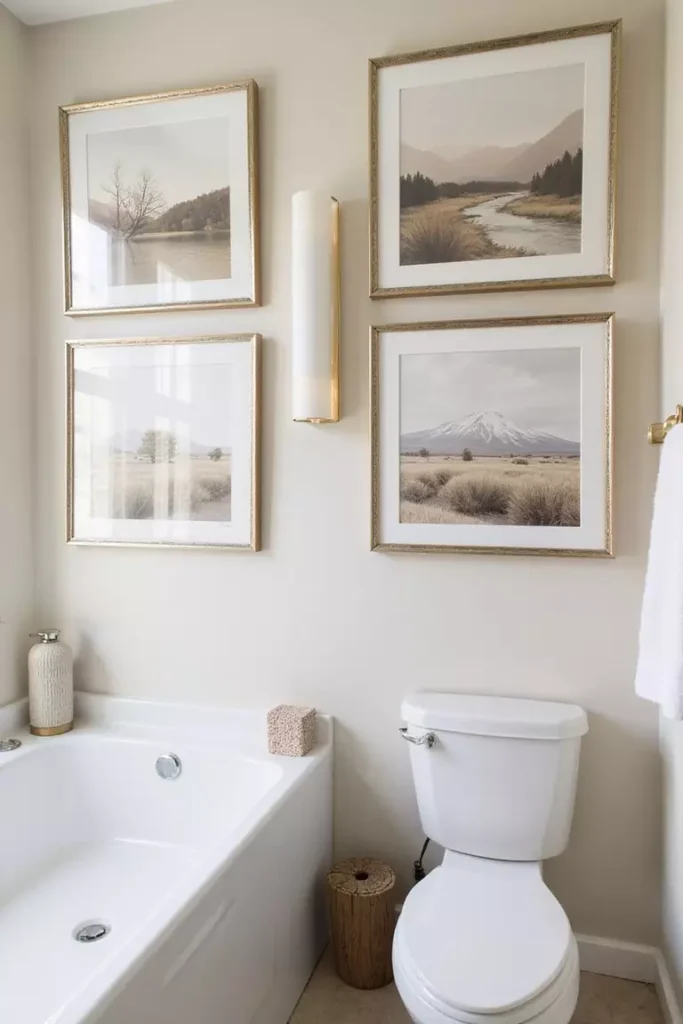
I would use botanical prints, landscape artwork, leaves, branches, or earthy abstract designs when I want a natural feeling without changing the bathroom’s fixtures. This is one of the easiest ideas to adjust later if I change my color scheme.
Pro Tip: I use moisture-resistant frames and keep valuable artwork away from direct shower steam to reduce the chance of damage.
18 Hemp Towels

I like hemp towels for adding a natural textile to an earthy bathroom, especially when I choose neutral or undyed-looking shades. Their texture can add another layer of interest beside smooth tile, stone, and ceramic.
Fact: Hemp is a plant-based textile fiber, and its feel can vary by manufacturing method and blend, so I check the actual fabric composition rather than assuming every hemp towel feels the same.
19 Slate Tile Accents
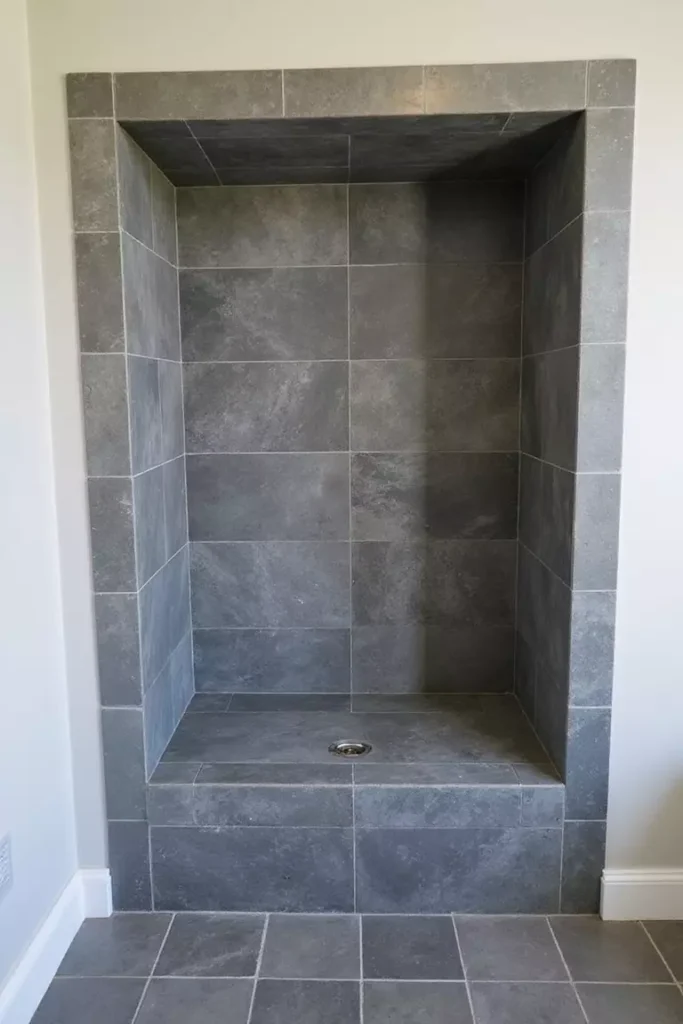
I would use slate as an accent when I want darker natural texture without making the entire bathroom dark. A shower wall, niche, backsplash, or small floor section can provide enough contrast while warm wood and lighter walls keep the room balanced.
Pro Tip: I prefer to confirm that the selected slate has the right finish and maintenance requirements for the exact wet-area application.
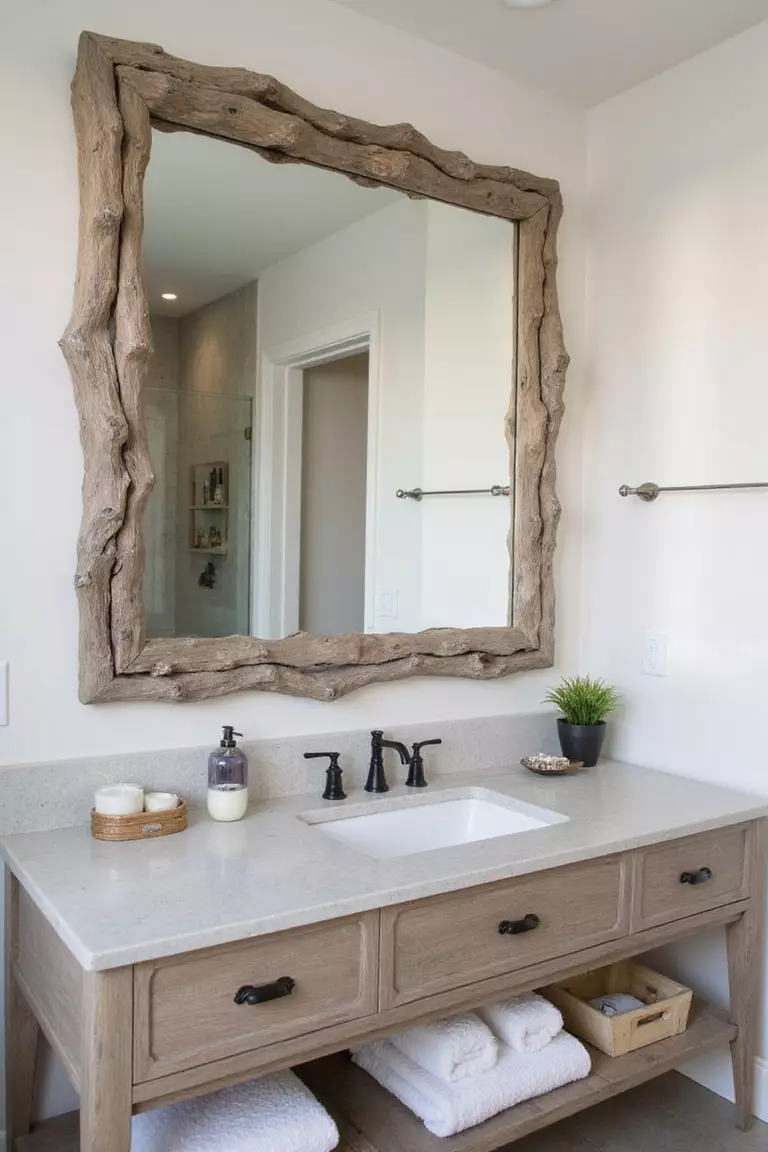
20 Driftwood Mirrors
I like a driftwood-style mirror because it combines a practical bathroom feature with natural texture. The irregular wood frame can soften a simple vanity and work particularly well with neutral walls, woven baskets, and warm lighting.
Fact: Genuine reclaimed or driftwood pieces can have irregular surfaces, so I check that the frame is securely constructed and properly finished before using it in a humid room.
21 Eucalyptus Shower Bundles
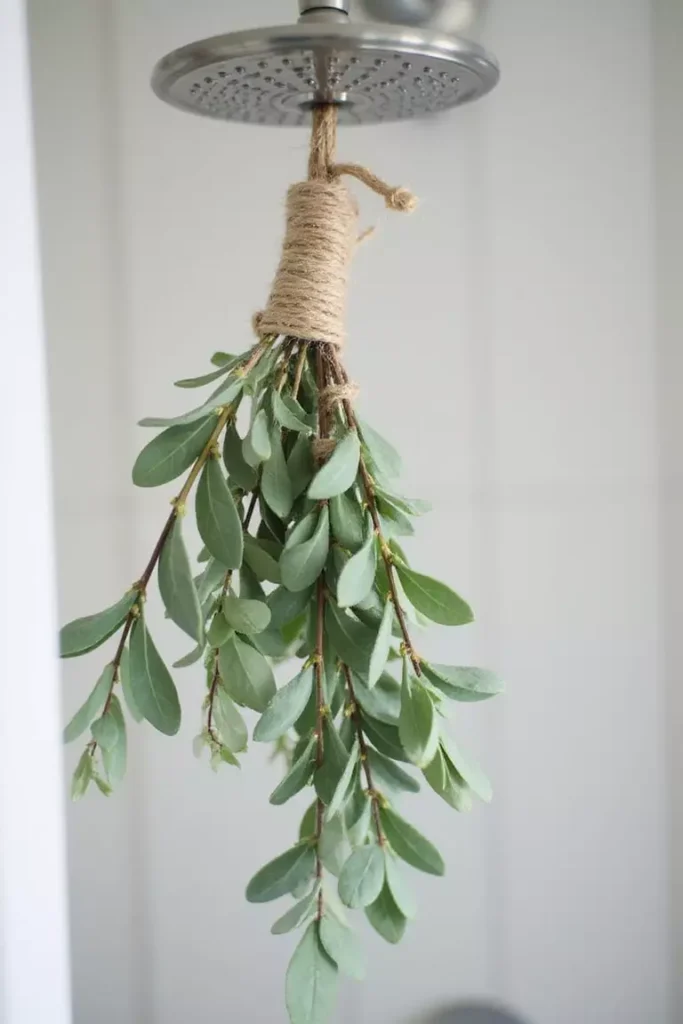
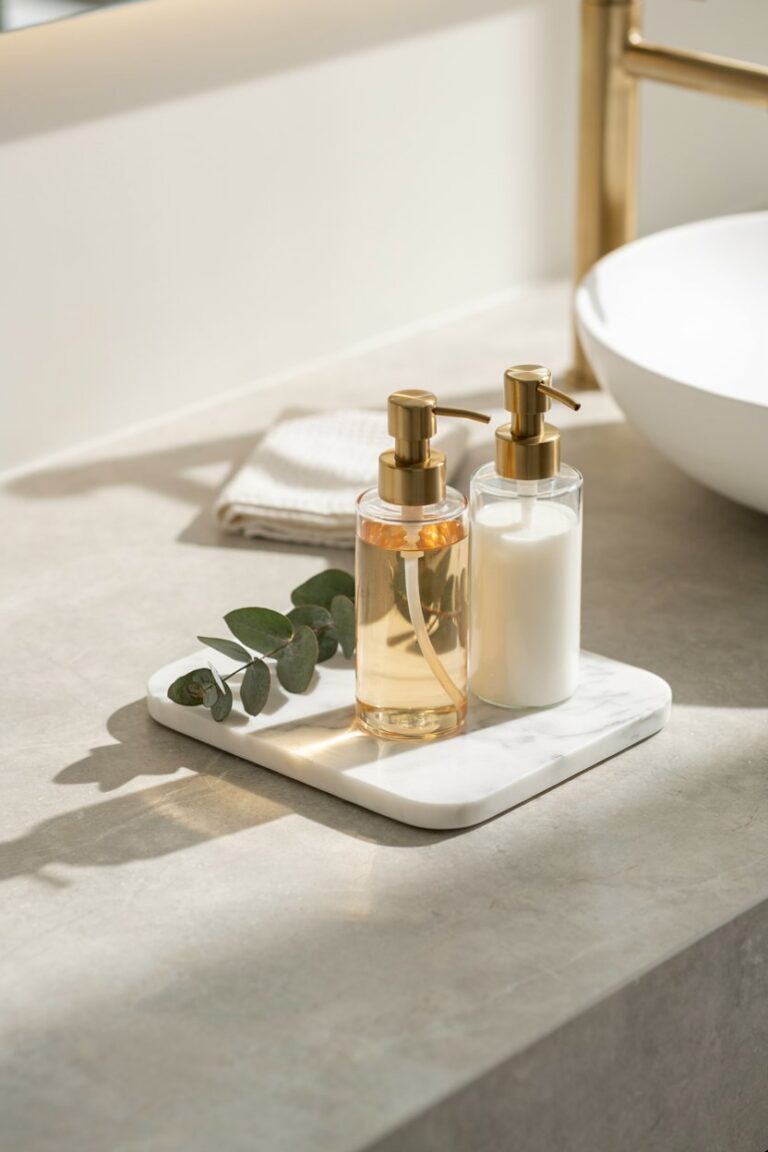
I like eucalyptus bundles as a simple decorative touch because the green stems add a fresh botanical detail around the shower. I would hang them securely in a place where they do not interfere with the shower controls or create a slipping hazard.
Pro Tip: I treat eucalyptus as a scent and decor choice rather than a medical treatment, especially because strong plant aromas may not suit everyone.
Conclusion
I find that the best earthy bathroom ideas do not require filling the room with plants, stone, and wood. I would start with a simple base of warm neutrals, add one or two natural materials, and then bring in smaller details such as woven storage, greenery, or textured towels.
If I were updating my own bathroom, I would focus first on materials that can handle moisture and daily use. Once those practical choices are right, the earthy style becomes much easier to build through color, texture, lighting, and a few carefully chosen natural accents.
Many of the ideas I share are inspired by real-life experimentation. I often test décor concepts in my own living spaces and explore practical ways they can be applied in everyday homes. I also gather insights from working with homeowners who want to improve the comfort, beauty, and functionality of their spaces.
I share practical ideas for improving living rooms, bedrooms, and overall home aesthetics using simple design principles.
I explore creative ways to upgrade outdoor spaces including patio décor, small backyard styling, and relaxing outdoor setups.
I provide ideas for kitchen organization, décor accents, and functional layouts that make kitchens more beautiful and practical.
The concepts shared here are based on ideas I have personally experimented with or studied through real home décor improvements.