25 Small Bedroom Ideas 2026 to Make Every Inch Feel Bigger and More Stylish
A small bedroom doesn’t have to feel crowded. In my experience, the right layout, furniture, and color choices can completely change how a room looks and works. Whether you’re decorating a tiny apartment bedroom, a guest room, or a compact primary bedroom, a few thoughtful updates can make the space feel brighter, more open, and much easier to live in.
Small Bedroom Ideas
In this guide, I’m sharing my favorite Small Bedroom Ideas 2026 that combine modern design with practical solutions. From clever storage to cozy finishes and furniture that works harder, these ideas are simple enough for most budgets while helping you get the most from every square foot. According to housing trends, smaller homes and apartments continue to grow in popularity, making smart bedroom design more important than ever.
By the end of this article, you’ll have plenty of inspiration to create a bedroom that feels organized, comfortable, and stylish without sacrificing valuable space.
Key Takeaways
Moody Micro-Bedrooms
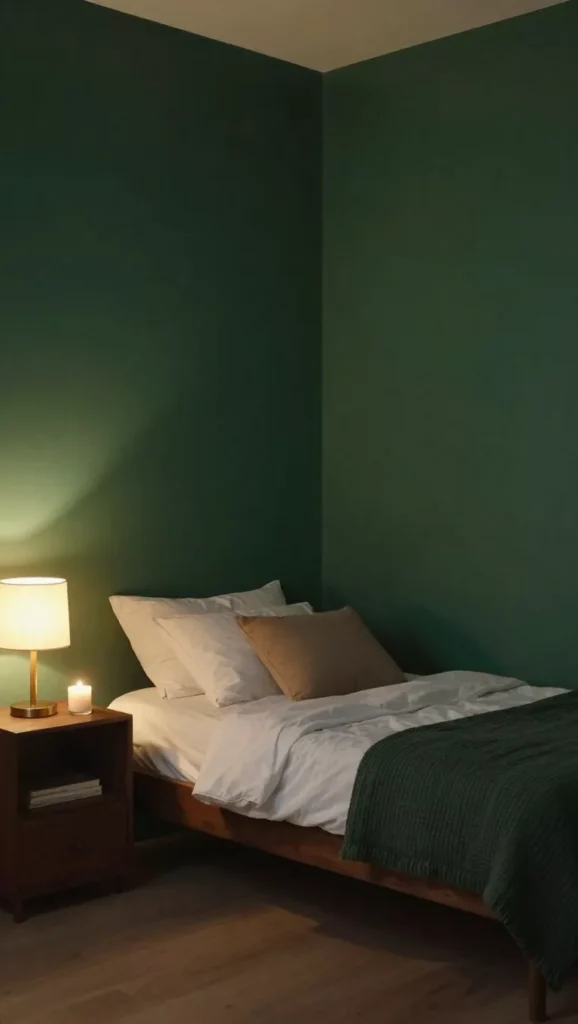
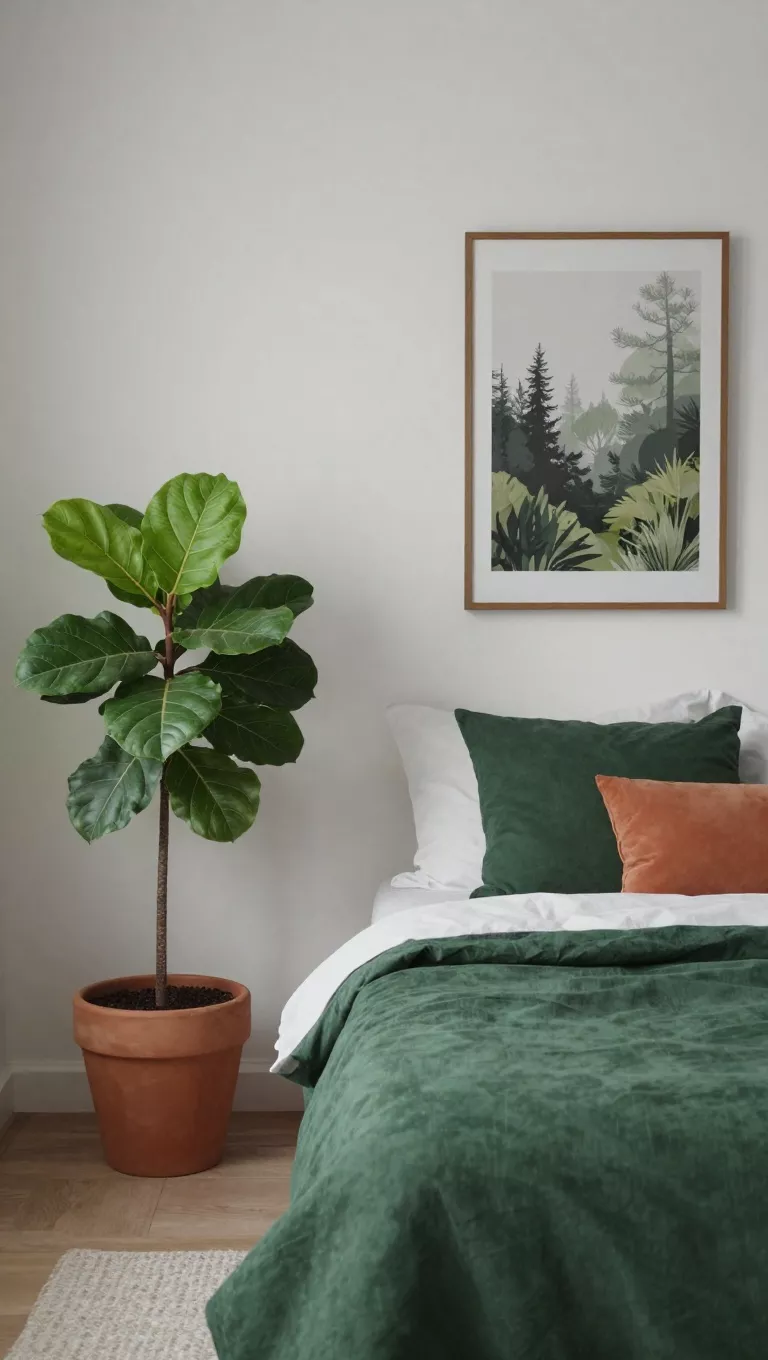
If I can’t make a small bedroom look much bigger, I prefer making it feel warm and relaxing instead. Rich shades like deep green, charcoal, or muted navy create a peaceful setting that naturally encourages better rest. Studies have shown that darker sleeping environments may help improve sleep quality by reducing visual distractions.
To keep the room from feeling too dark, I always mix in warm lighting, wood furniture, soft bedding, and metallic accents. This combination adds depth while keeping the space welcoming instead of heavy. The goal is comfort, not darkness.
Soft, Textural Wallpapers

Wallpaper is one of my favorite ways to give a small bedroom more personality without filling it with extra decorations. Soft textures like linen, grasscloth, or lightly patterned wallpaper add interest while keeping the room calm and balanced.
Nature-inspired designs remain popular because they help create a peaceful atmosphere. I usually recommend applying wallpaper to one feature wall if the room is very small, while larger compact bedrooms can handle all four walls without feeling overwhelming when the pattern stays subtle.
Statement Ceiling for Low Rooms
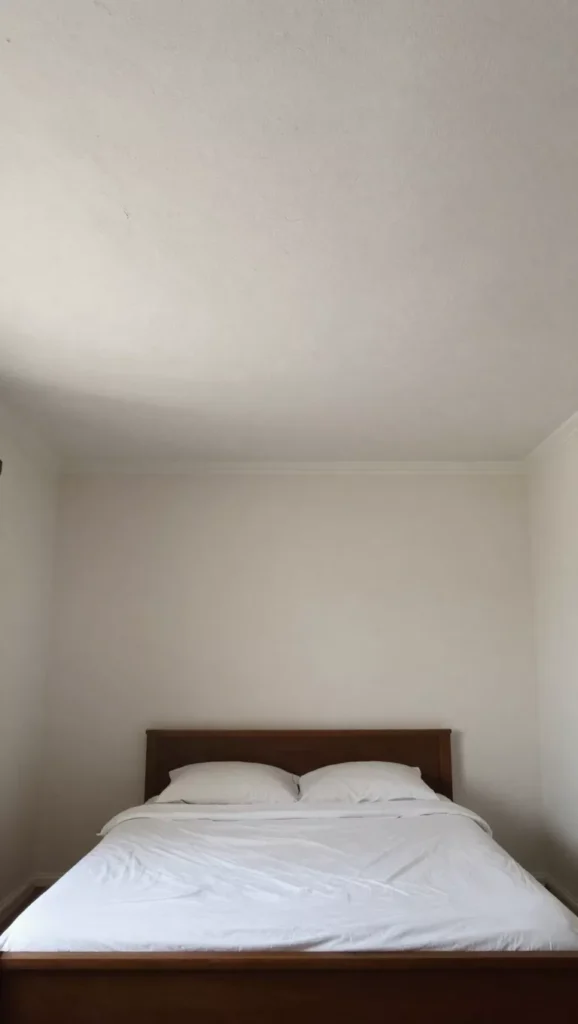
Many people overlook the ceiling, but I see it as another design opportunity. Adding a soft paint color, limewash finish, or subtle wallpaper overhead naturally draws the eye upward and creates the feeling of extra height.
I also pair this idea with low-profile furniture and simple lighting fixtures. Together, these details make the ceiling appear taller while keeping the room visually balanced. It’s one of the easiest ways to improve a compact bedroom without major remodeling.
Low-Profile Beds to Fake Height
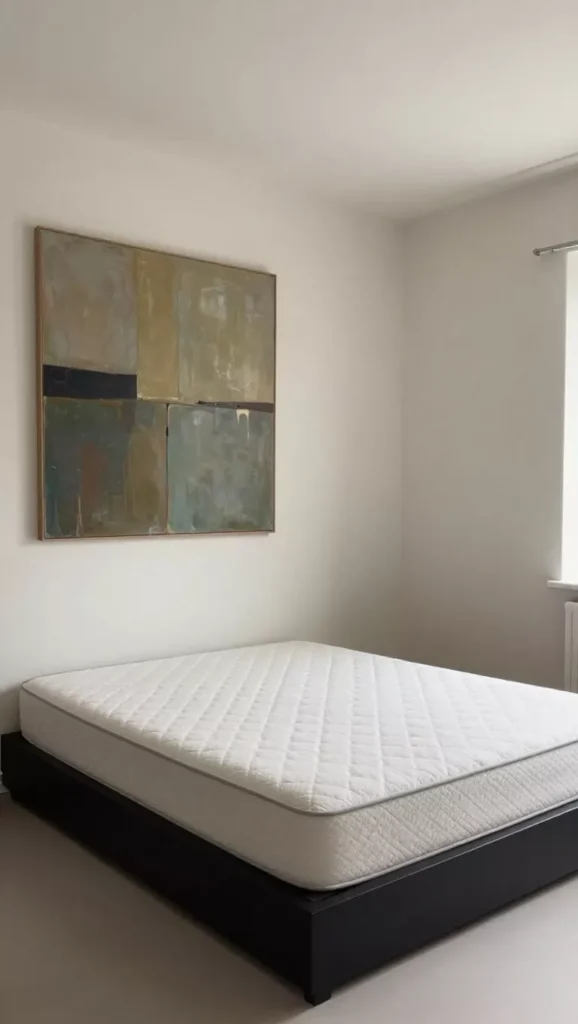
One of my favorite Small Bedroom Ideas 2026 is choosing a bed that sits lower to the floor. A platform bed instantly creates more open space between the mattress and ceiling, making the room feel larger than it actually is.
This also gives me more flexibility to hang artwork, install wall sconces, or add decorative headboards without making the room feel crowded. It’s a simple change that creates a noticeable visual difference while maintaining comfort.
Storage Beds That Replace Dressers
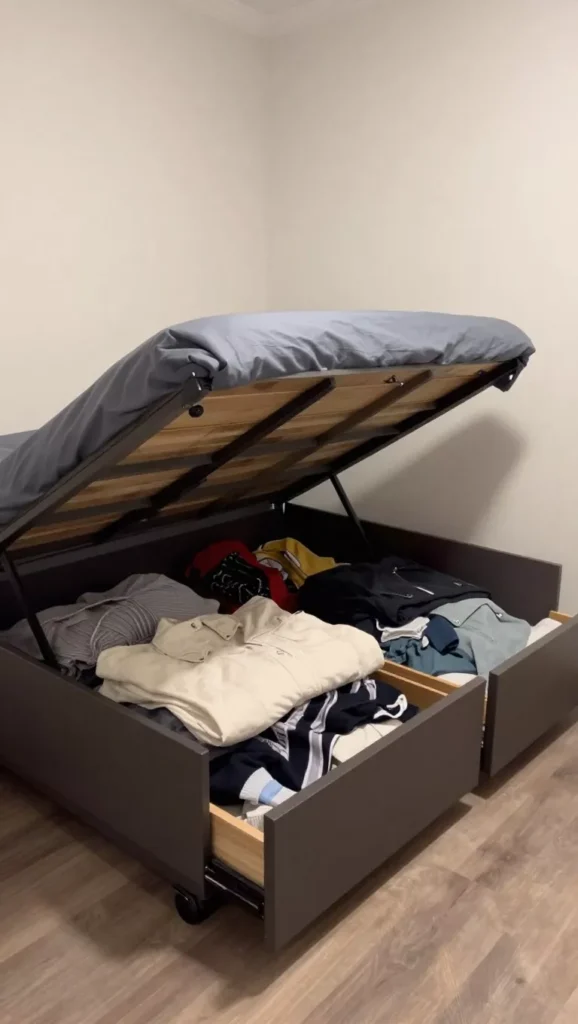
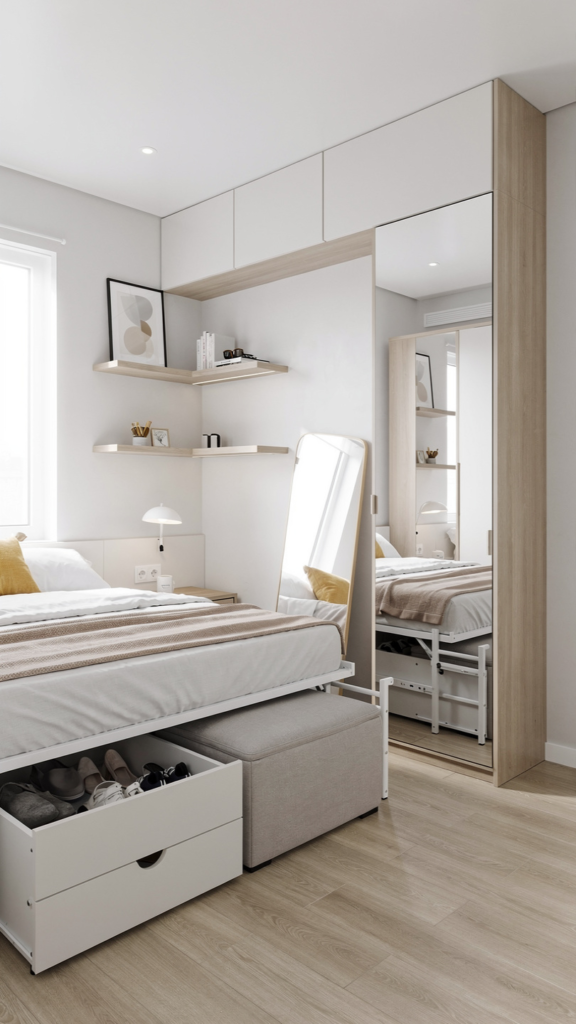
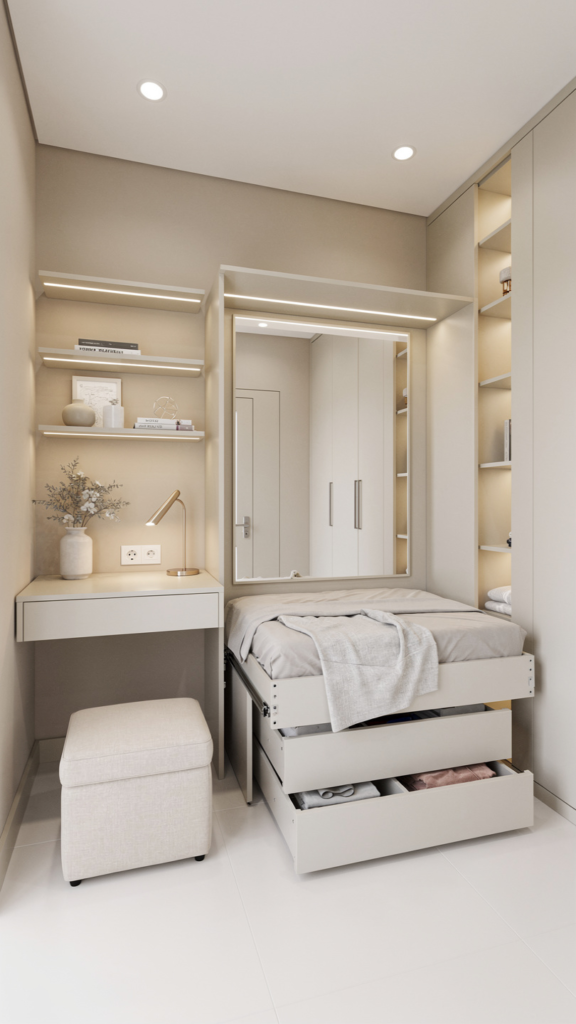
Whenever floor space is limited, I recommend letting the bed do more than one job. A storage bed with built-in drawers or a lift-up frame can replace the need for a large dresser in many bedrooms.
Seasonal clothing, blankets, shoes, and extra pillows stay neatly hidden while remaining easy to reach. Professional organizers often suggest maximizing under-bed storage because it uses space that would otherwise go unused, helping small rooms stay cleaner and more organized.
Corner Bed Placement
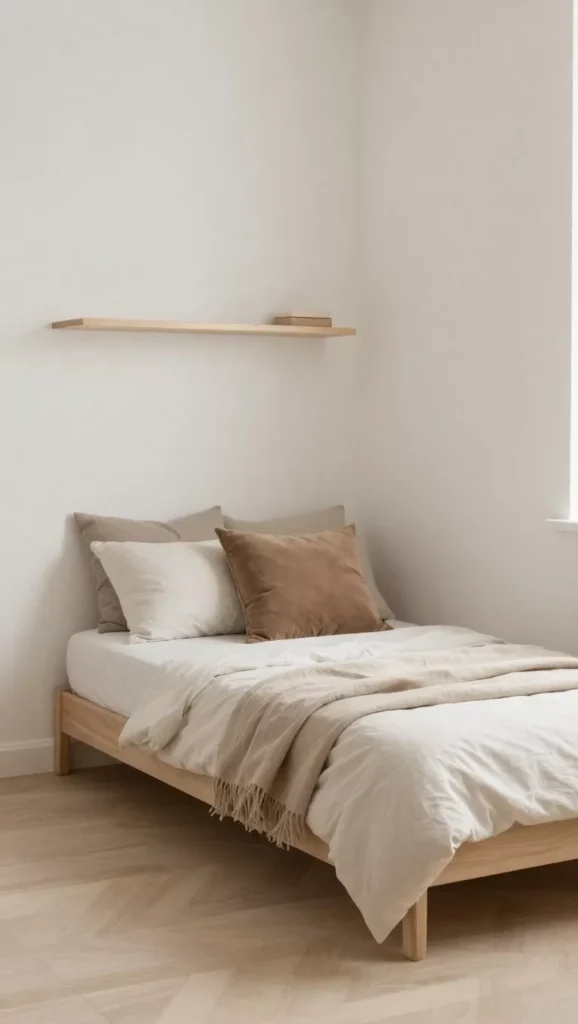
I used to think a bed always had to sit in the center of the room, but that’s not always the smartest choice. Placing it against one wall or in a corner can free up valuable walking space, making even the smallest bedroom feel more open.
To make the arrangement look intentional, I like adding oversized pillows and a floating shelf above the bed instead of a bulky headboard. This creates a cozy reading corner while saving several inches of usable floor space.
Murphy and Daybeds For Multi-Use Rooms
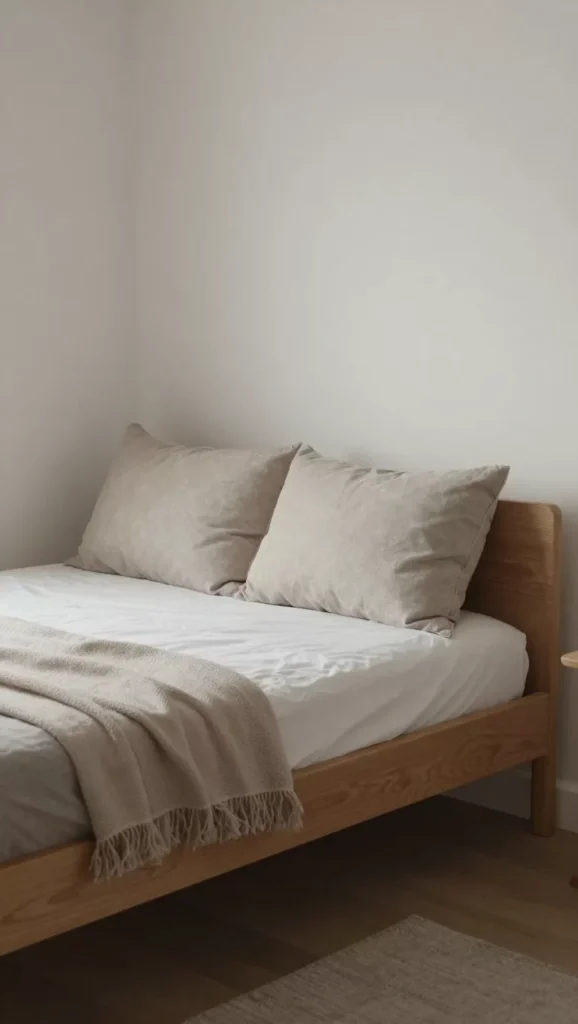
If my bedroom also serves as an office or guest room, I always look for furniture that works twice as hard. A Murphy bed or stylish daybed lets the room change functions throughout the day without feeling crowded.
I dress a daybed with structured cushions, layered throws, and neutral bedding so it resembles a sofa during the day. This simple approach keeps the room practical while maintaining a welcoming look for overnight guests.
Floating Nightstands and Shelves
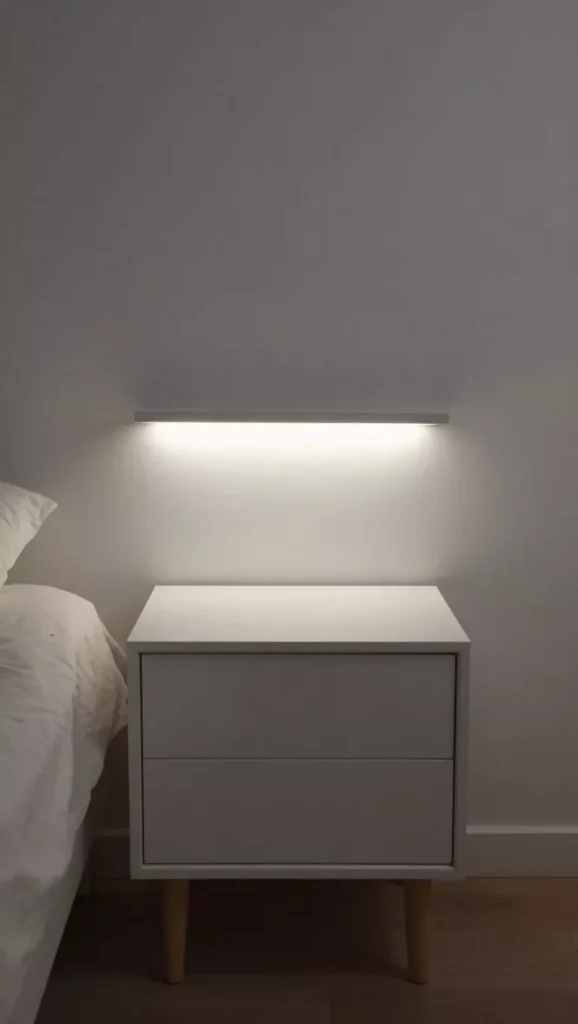
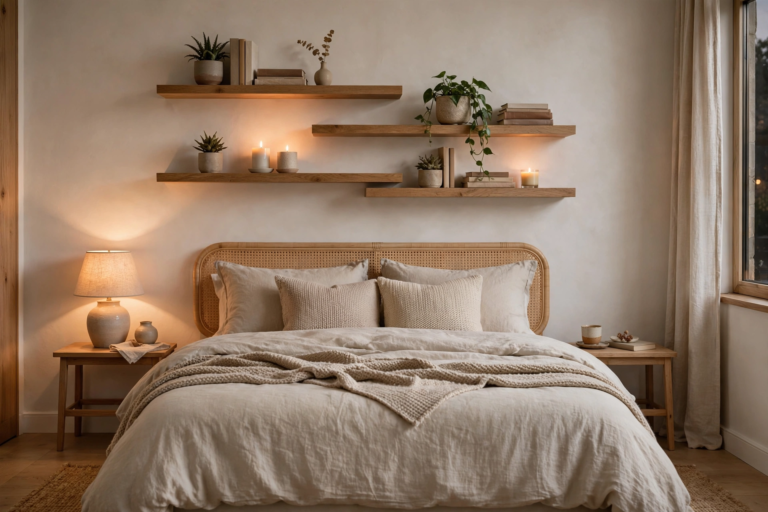
Traditional bedside tables can quickly make a compact bedroom feel tight. I prefer wall-mounted shelves because they provide enough space for essentials while keeping the floor visible.
An open floor creates the illusion of a larger room. I often install a small floating shelf with hidden cable management and warm LED lighting underneath to add both function and a modern touch.
Sliding-Door Wardrobes
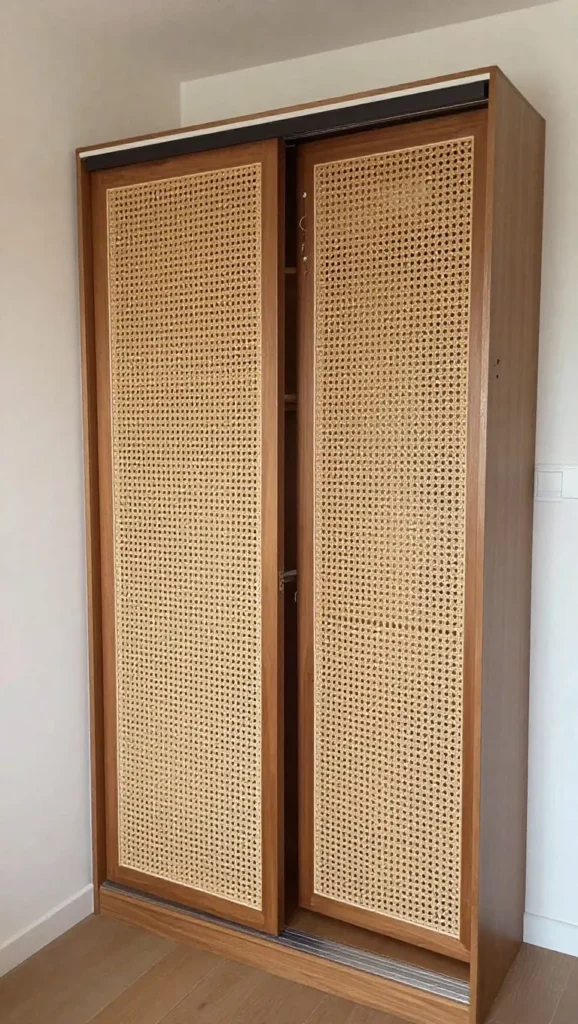
One upgrade I always recommend is replacing hinged wardrobe doors with sliding ones. They remove the need for extra clearance, making it easier to move around in narrow bedrooms.
Mirror-front sliding doors are especially helpful because they reflect natural light and visually expand the room. If mirrors aren’t your style, wood slats or cane panels add texture while keeping the design light.
Curved, Space-Saving Furniture
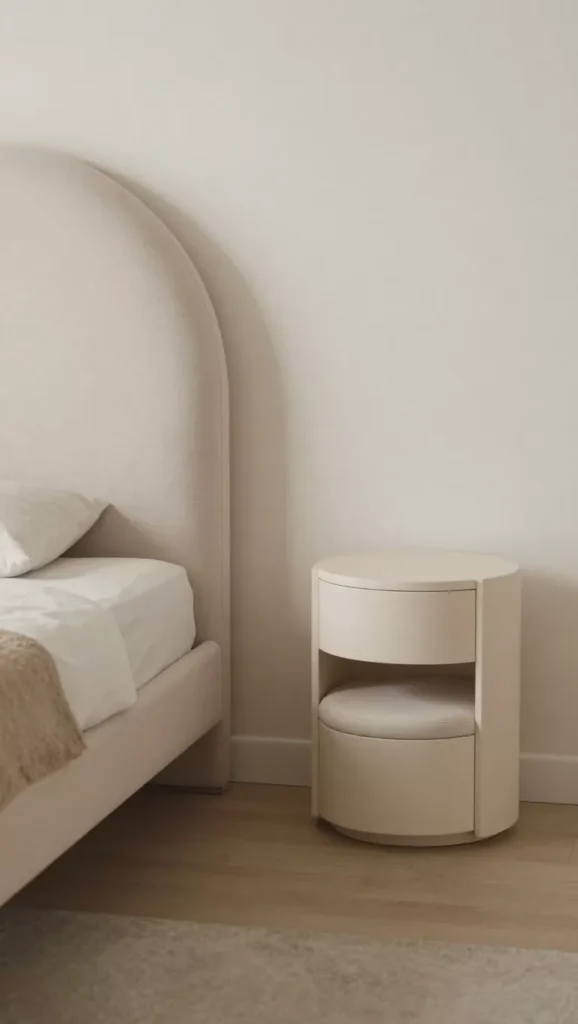
Furniture with rounded edges has become one of my favorite Small Bedroom Ideas 2026 because it softens the entire room. Curved nightstands, rounded benches, and arched headboards reduce visual bulk while making movement easier.
Besides looking stylish, rounded furniture minimizes sharp corners in tight spaces. Even one curved piece can make a compact bedroom feel more comfortable and balanced.
Sculptural Bedside Lighting Instead of Lamps + Tables
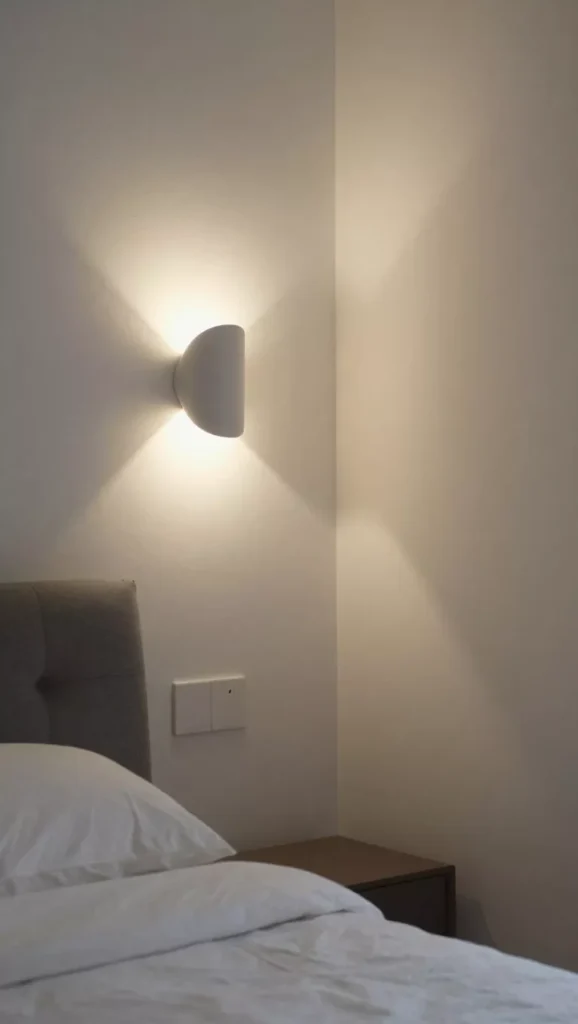
Instead of filling my nightstand with lamps, I prefer using wall sconces or hanging pendant lights. This instantly frees up surface space for books, chargers, or decorative pieces.
Wall-mounted lighting also creates a cleaner design. Adjustable reading lights work especially well because they improve functionality without requiring extra furniture, making them ideal for smaller bedrooms.
Under-Bed Baskets and Low Trunks
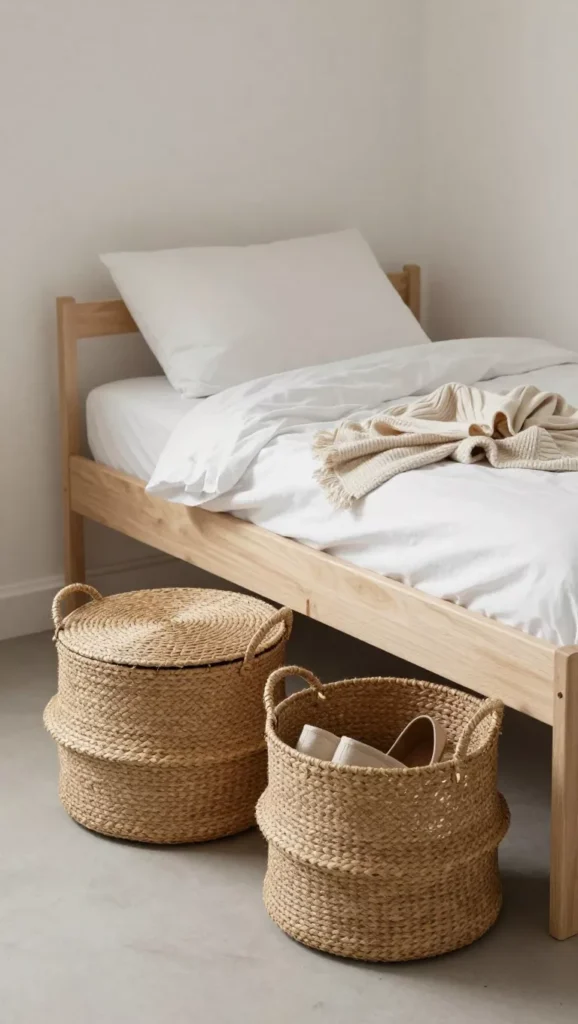
The space beneath a bed often goes unused, but I see it as valuable storage. Woven baskets, fabric storage boxes, or a slim storage trunk can neatly hold seasonal clothing, shoes, or spare blankets.
Natural materials like rattan, seagrass, and wicker continue to be popular because they add warmth while keeping storage attractive instead of looking purely practical.
Niche Headboard Walls
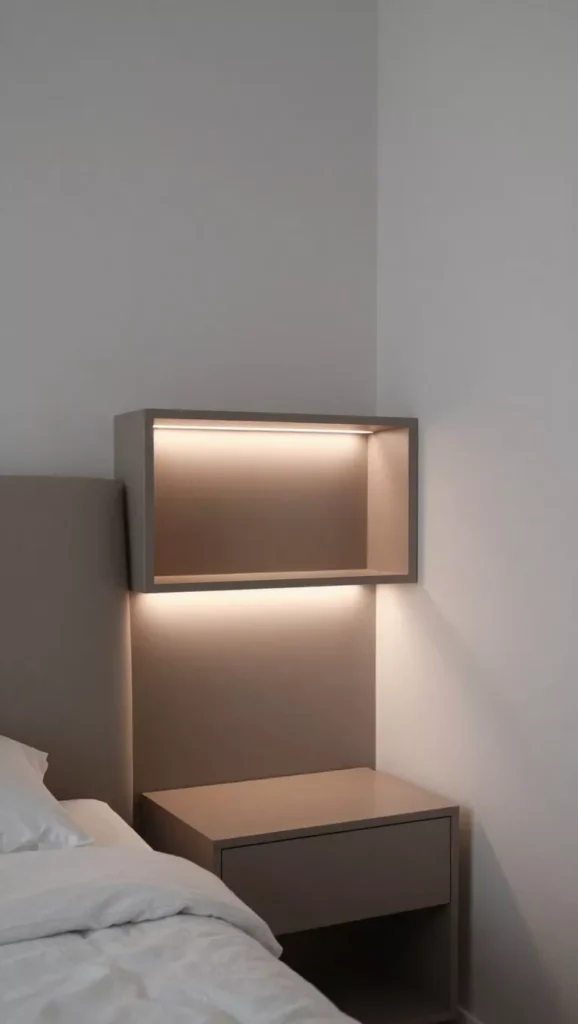
If you’re planning a renovation, a recessed headboard niche is one feature worth considering. Built-in shelves with integrated lighting reduce the need for bedside tables and help the room feel less cluttered.
Even without construction, floating shelves behind the bed can create a similar effect. I like painting the niche a slightly darker color to give the bed more depth and make it the natural focal point.
Texture-Rich Bedding Layers
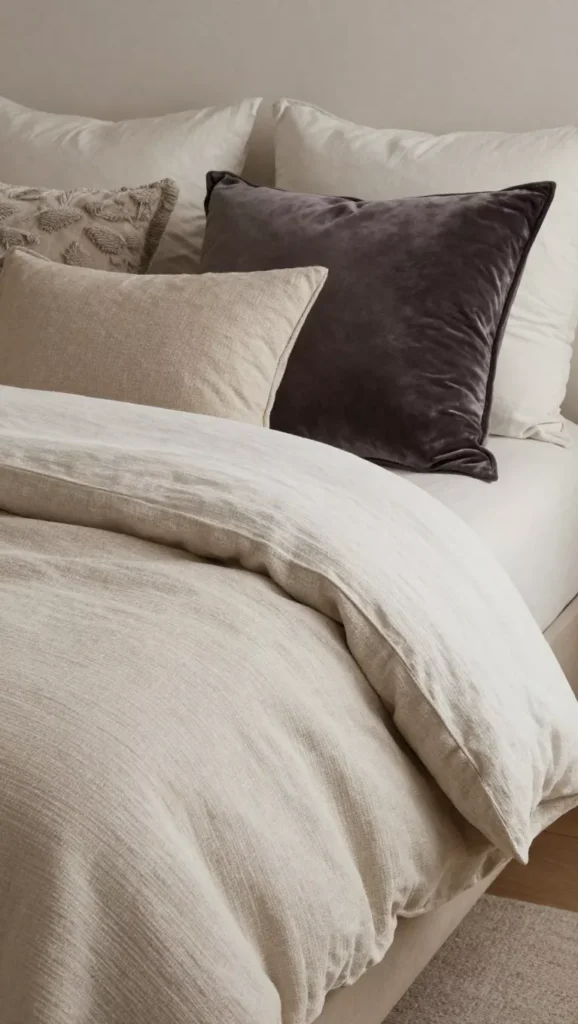
I don’t rely on bold patterns to make a small bedroom interesting. Instead, I combine different fabrics like cotton, linen, knit throws, and velvet cushions to create depth without overwhelming the room.
Layering textures also makes the bedroom feel more inviting. Keeping the color palette simple allows every fabric to stand out while maintaining a clean and relaxing atmosphere.
Warm Wood Tones in Tiny Rooms
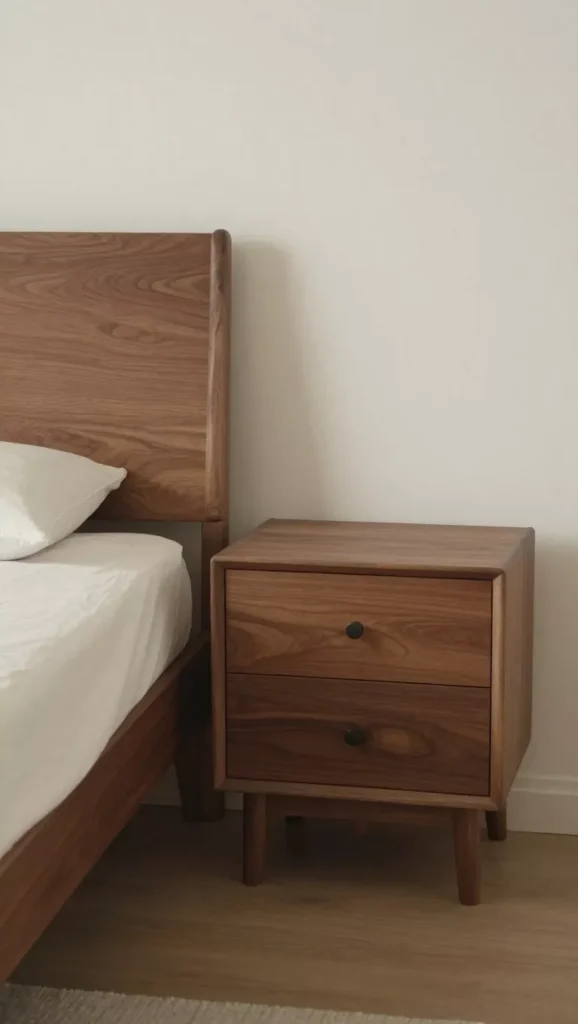
Natural wood always makes a bedroom feel more welcoming. I usually choose oak, walnut, or medium-tone wood for the bed frame or nightstands because they add warmth without making the room appear heavy.
Interior design trends continue moving toward richer natural finishes, and wood fits almost every decorating style. Mixing wood with soft neutral colors creates a timeless look that won’t feel outdated after a few years.
Natural Materials Everywhere
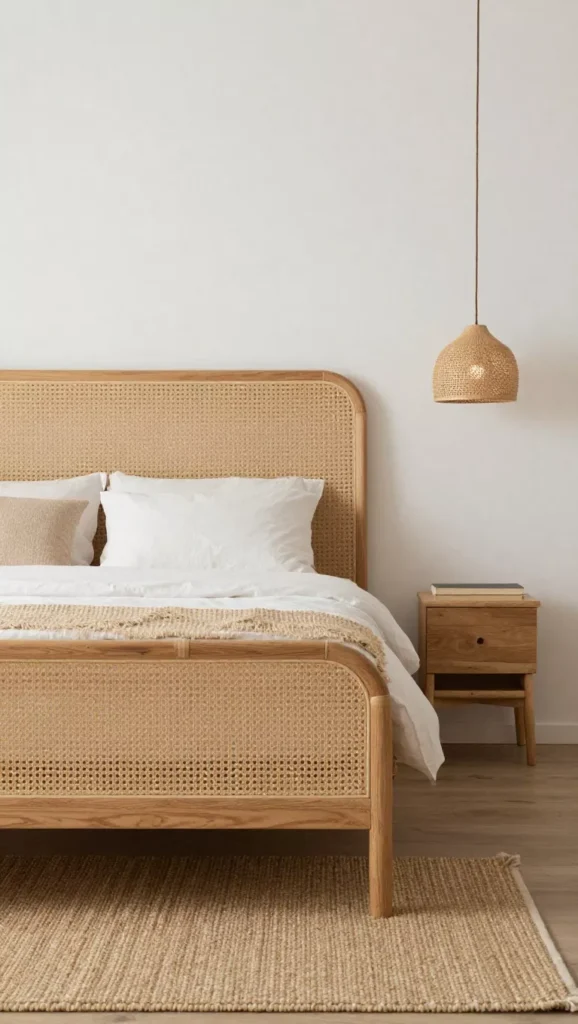
Whenever I decorate a small bedroom, I try to include natural materials because they instantly make the space feel warmer and more inviting. Woven textures like rattan, cane, jute, bamboo, and light wood bring character without adding visual clutter.
I usually mix these materials through a headboard, pendant light, storage baskets, or an area rug. Since natural finishes never go out of style, they’re a smart investment that keeps a bedroom looking fresh for years.
Layered, Dimmable Lighting
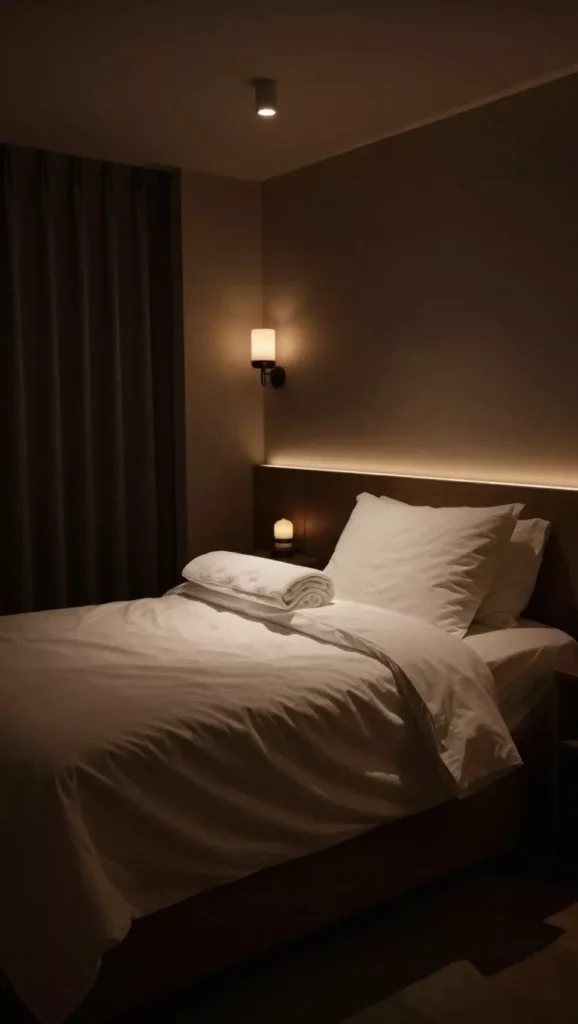
Lighting can completely change how a small bedroom feels. Instead of relying on one ceiling fixture, I always combine overhead lighting with bedside lights and accent lighting to create different moods throughout the day.
Installing dimmer switches is one of the easiest upgrades I recommend. Warm white bulbs around 2700K help create a relaxing atmosphere before bedtime while making the room feel softer and more comfortable.
Statement Rug in a Small Footprint
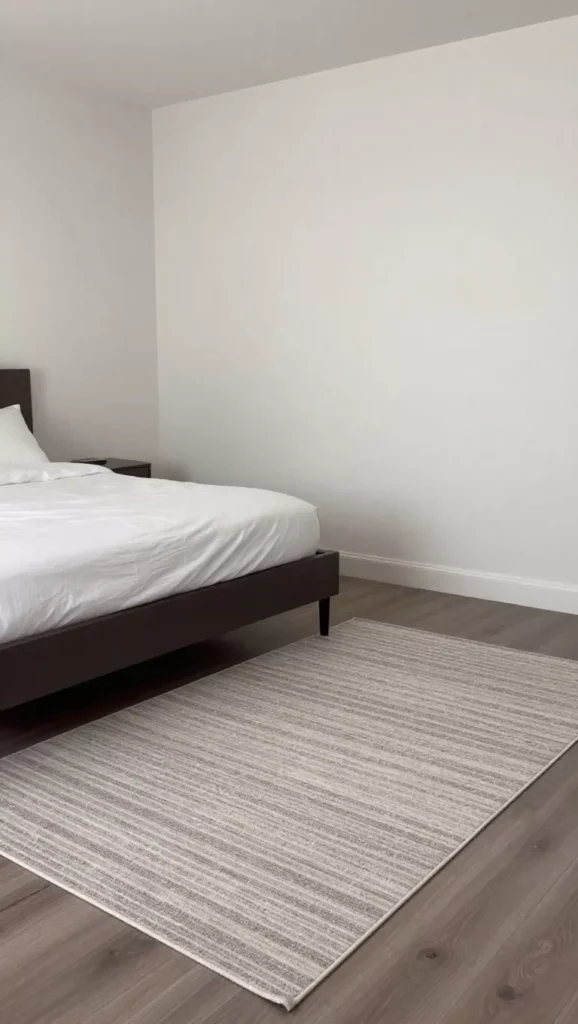
Many people assume a small rug belongs in a small bedroom, but I’ve found the opposite often works better. A larger rug placed partially beneath the bed helps connect the furniture and makes the room appear more spacious.
If the bedroom feels narrow, I choose rugs with subtle lengthwise patterns that naturally guide the eye across the room. This simple visual trick creates the feeling of extra space without moving a single wall.
Wellness Corners in Small Bedrooms
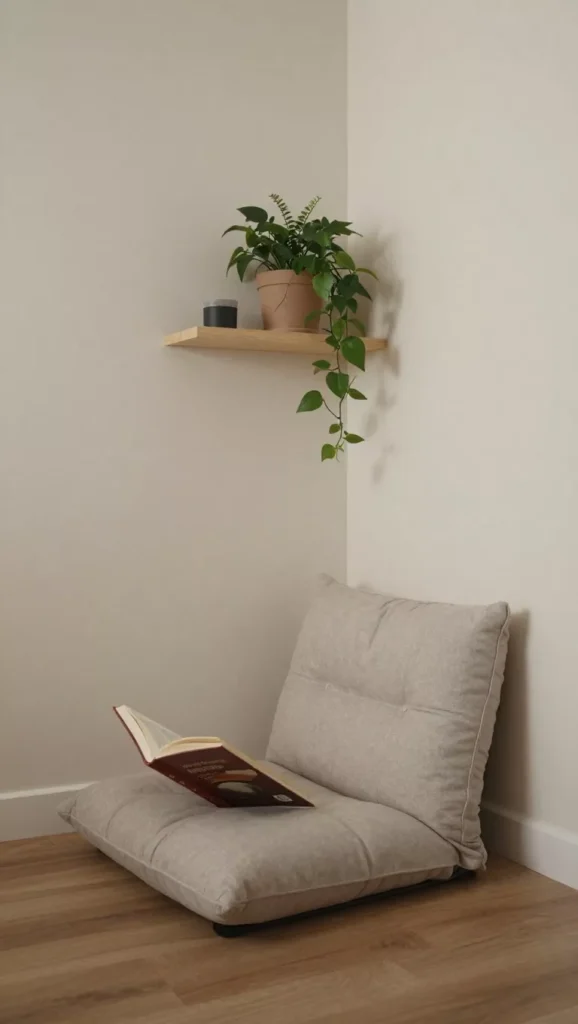
Even the smallest bedroom can include a dedicated place to relax. I like creating a simple wellness corner with a comfortable chair, floor cushion, or compact stool for reading, journaling, or enjoying a quiet morning.
Adding a small shelf, soft lighting, and one healthy plant makes the area feel intentional. Research continues to show that having calming spaces at home can help reduce daily stress and encourage better relaxation.
Biophilic Touches on a Budget
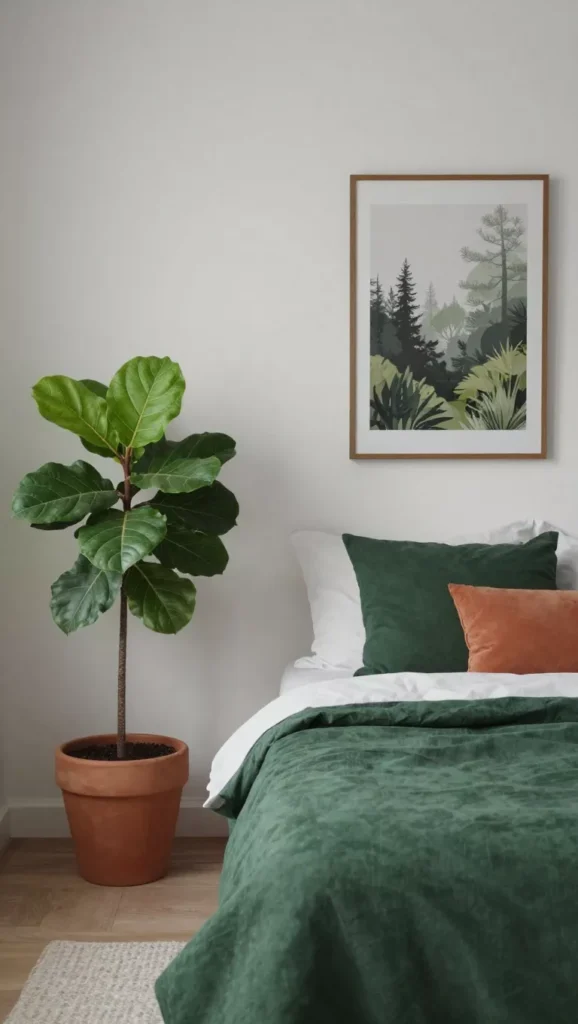
Bringing nature indoors doesn’t require a large budget. I usually begin with one easy-care houseplant, botanical artwork, or earthy decorative pieces that introduce natural color without overwhelming the room.
Plants such as snake plants, pothos, and ZZ plants are popular because they require very little maintenance. Even high-quality artificial greenery can provide the same calming appearance if live plants aren’t practical.
Micro-Maximalist Art Walls
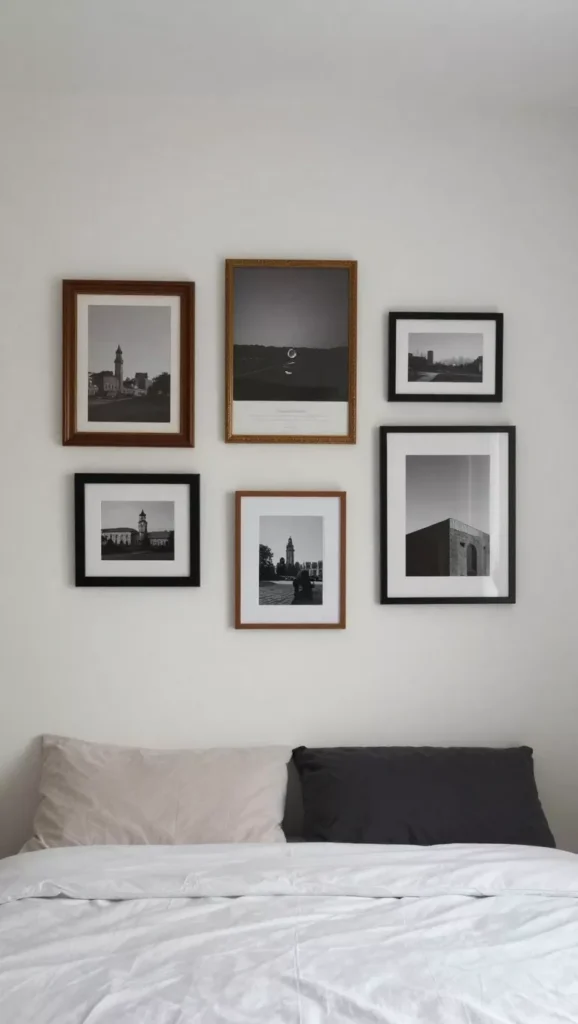
I enjoy adding personality through artwork instead of extra furniture. A carefully arranged gallery wall above the bed creates a strong focal point while keeping valuable floor space completely open.
To avoid making the room feel busy, I stick with similar colors across different frame styles. Mixing photography, illustrations, and simple prints creates visual interest while maintaining a clean overall design.
Tech-Light, Sleep-First Setups
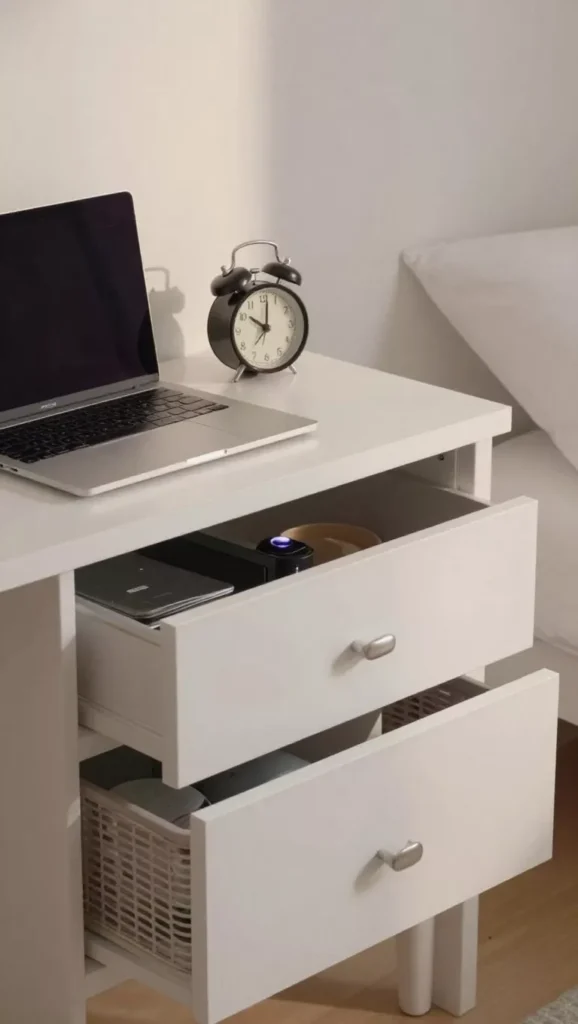
One habit that has improved my bedroom the most is reducing visible technology. I keep chargers inside drawers, organize cables, and avoid leaving laptops or work equipment on display whenever possible.
Sleep experts often recommend limiting technology around bedtime because bright screens can interfere with healthy sleep routines. Keeping surfaces clear also helps the room feel calmer and more organized.
Desk-Nightstand Hybrids
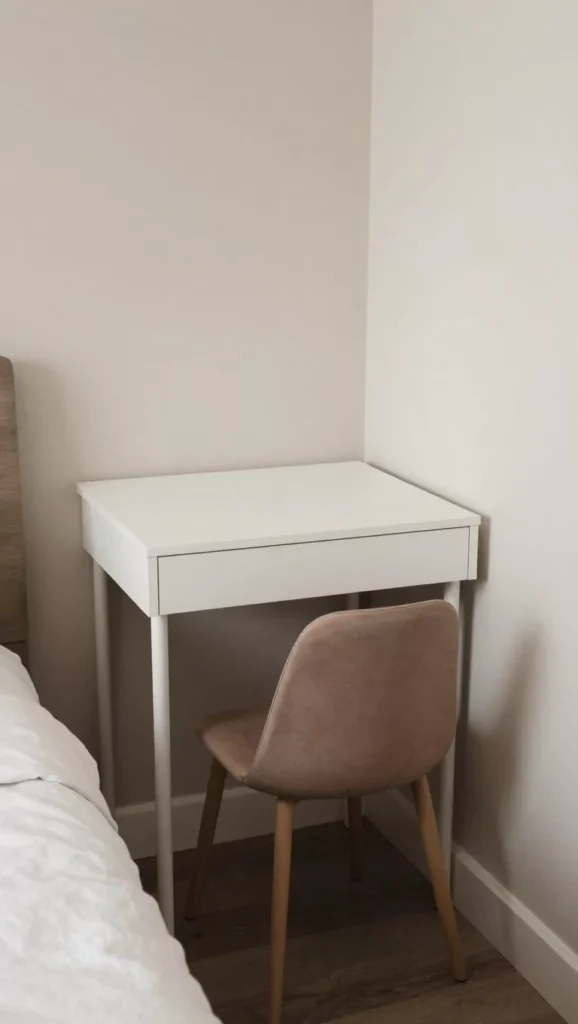
If space is limited, every piece of furniture should have more than one purpose. A narrow writing desk can easily replace a traditional nightstand while also serving as a workspace during the day.
I pair it with a slim chair that slides completely underneath when not in use. This setup keeps walkways clear and gives small bedrooms extra flexibility without sacrificing comfort.
Accent Headboards As Art
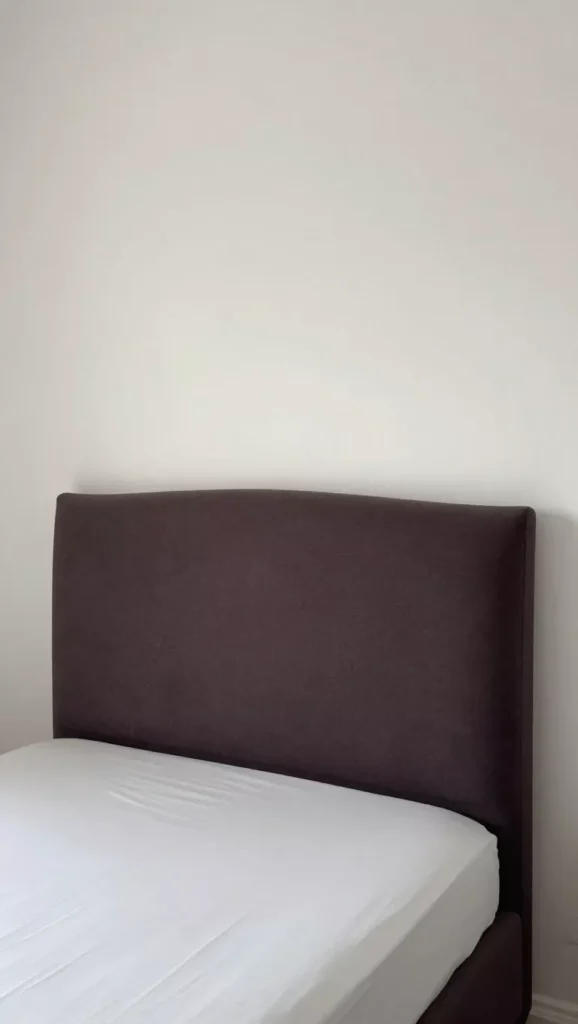
Instead of filling the walls with decorations, I sometimes let the headboard become the room’s statement piece. Upholstered, curved, or cane headboards naturally draw attention while adding softness and texture.
Keeping the rest of the room simple allows this feature to stand out. One strong focal point often creates a cleaner and more balanced design than several competing decorative elements.
Small-Space Symmetry for Calm
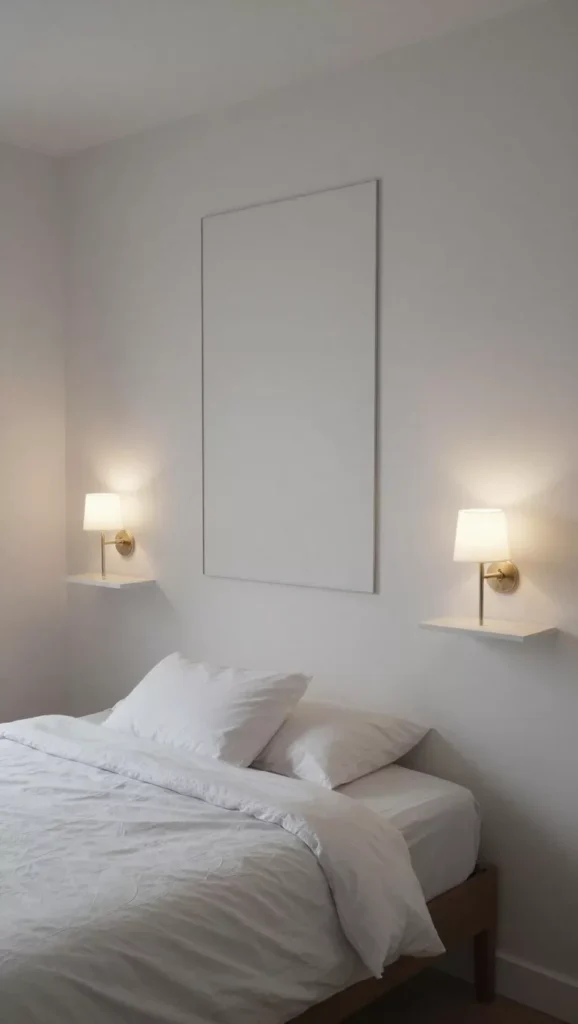
Symmetry helps even the smallest bedroom feel more organized. I like using matching wall lights, floating shelves, or decorative accents on each side of the bed whenever possible.
Balanced layouts naturally create a sense of order, making the room appear larger and more peaceful. Even if the storage is working hard behind the scenes, the bedroom still feels calm and thoughtfully designed.
Conclusion
Creating a beautiful small bedroom isn’t about having more space—it’s about making better use of the space you already have. These Small Bedroom Ideas 2026 show that thoughtful furniture choices, smart storage, layered lighting, and simple decorating techniques can completely change how a compact room looks and feels.
I always focus on keeping the layout functional while adding warmth through texture, natural materials, and personal touches. Even a few small changes can make a noticeable difference, helping your bedroom become more comfortable, organized, and enjoyable every day.
FAQs
What colors make a small bedroom look bigger?
Light neutral shades like white, beige, soft gray, and warm cream reflect more natural light and make a bedroom appear larger. If you prefer darker colors, balance them with warm lighting and lighter furniture to maintain an open feel.
How can I maximize storage in a small bedroom?
I recommend using storage beds, floating shelves, under-bed organizers, wall hooks, and multi-purpose furniture. Taking advantage of vertical wall space helps reduce clutter without sacrificing valuable floor area.
Is a large bed suitable for a small bedroom?
It depends on the room’s size and layout. If a larger bed is your priority, reduce the amount of surrounding furniture and choose pieces with built-in storage to maintain comfortable walking space.
What type of lighting works best in a small bedroom?
Layered lighting works best. Combining ceiling lights, bedside lighting, wall sconces, and soft accent lighting creates a flexible space that feels brighter during the day and relaxing at night.
Are mirrors good for small bedrooms?
Yes. Mirrors reflect both natural and artificial light, helping the room appear brighter and more spacious. Placing a mirror opposite a window usually provides the greatest visual impact.
What furniture should I avoid in a small bedroom?
Oversized dressers, bulky nightstands, and heavy furniture can quickly overwhelm a compact room. I prefer slim, multifunctional furniture that provides storage while keeping the layout open and easy to navigate.
Many of the ideas I share are inspired by real-life experimentation. I often test décor concepts in my own living spaces and explore practical ways they can be applied in everyday homes. I also gather insights from working with homeowners who want to improve the comfort, beauty, and functionality of their spaces.
I share practical ideas for improving living rooms, bedrooms, and overall home aesthetics using simple design principles.
I explore creative ways to upgrade outdoor spaces including patio décor, small backyard styling, and relaxing outdoor setups.
I provide ideas for kitchen organization, décor accents, and functional layouts that make kitchens more beautiful and practical.
The concepts shared here are based on ideas I have personally experimented with or studied through real home décor improvements.