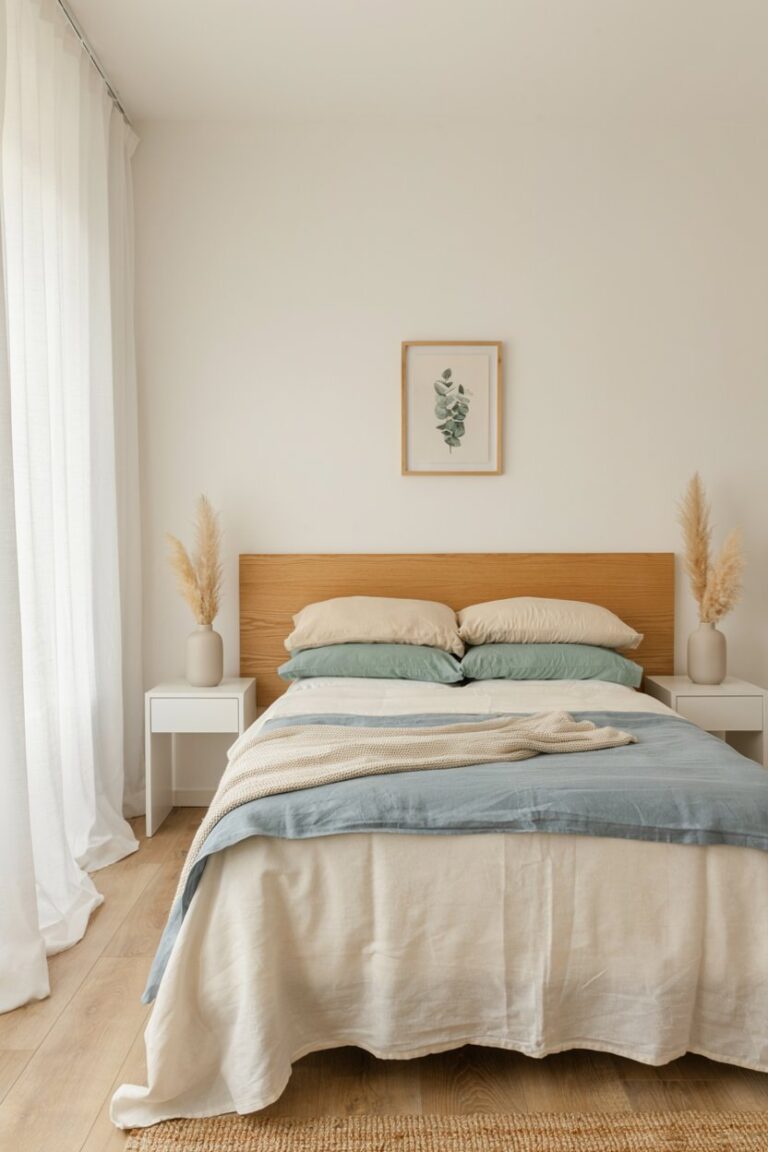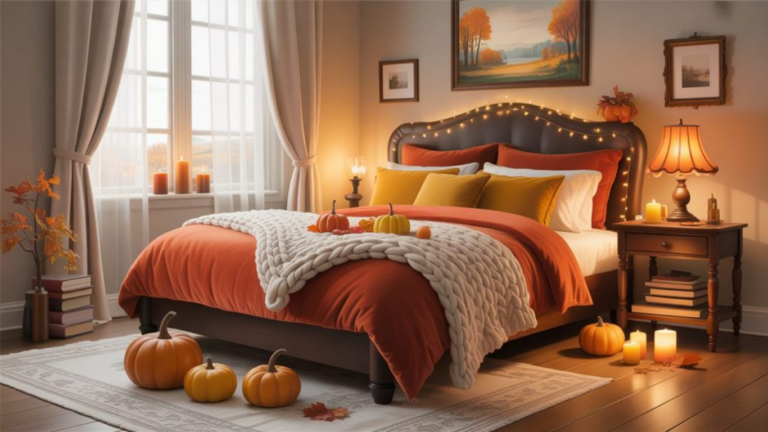
15 Baddie Bedroom Ideas for Those Who Love to Stand Out cozy textures and stylish decor tips

I see a baddie bedroom as a mix of confidence, glam, dark colors, cozy textures, and personal details. I can create the look with black or deep-toned bedding, statement lighting, a stylish vanity, mirrors, bold wall art, and a few pieces that show my personality without making the room feel crowded.
In this guide, I’m sharing 15 baddie bedroom ideas that I would actually use when planning a bold bedroom. I’ll cover color combinations, lighting, furniture, layout, wall decor, fabrics, vanity details, and small accessories that can make even a simple bedroom feel more stylish.
Key Takeaways
Defining the Baddie Bedroom Aesthetic
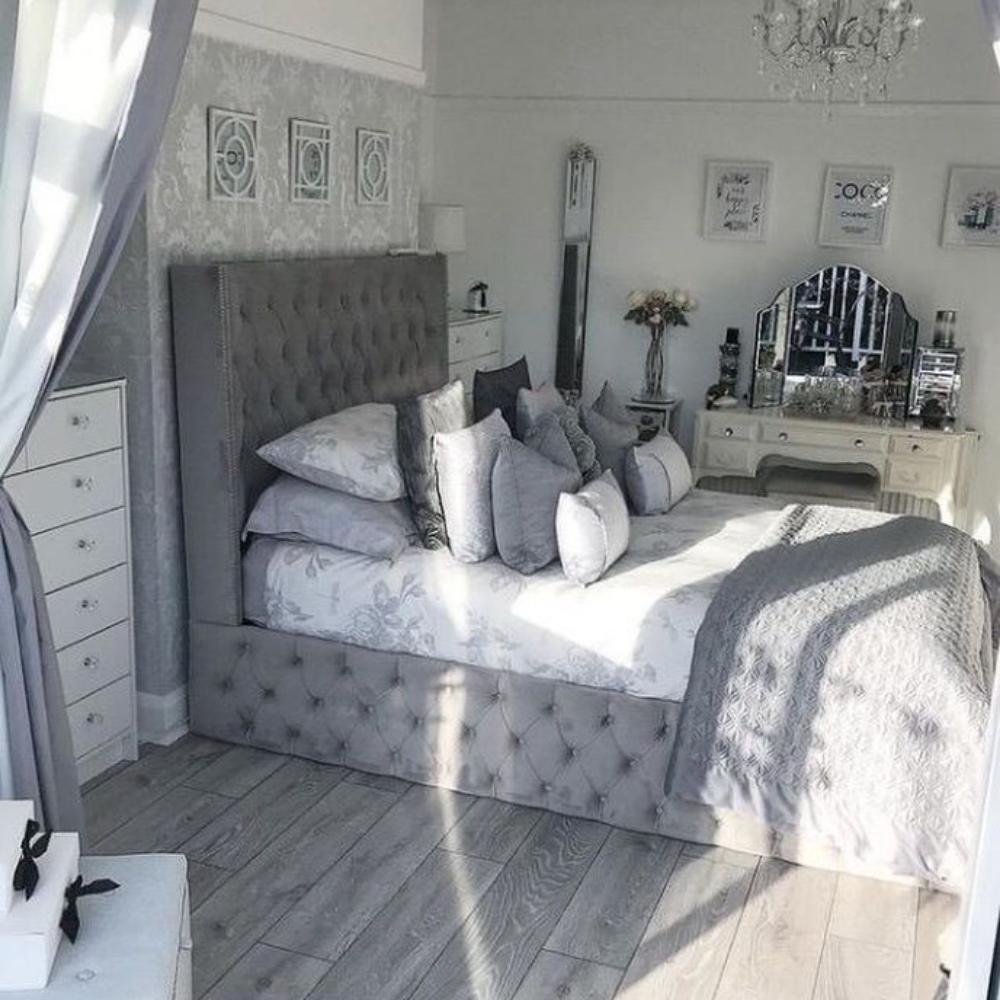
When I think about the baddie bedroom aesthetic, I picture a room that feels confident, stylish, and very personal. I like combining glamorous details with darker or stronger colors instead of making every item match perfectly.
For me, the easiest way to get this look is to choose one main style direction first. I might go with black and pink, dark red and black, purple and silver, or a softer neutral palette with dramatic lighting.
Pro Tip: I usually pick two main colors and one accent color before shopping for decor. This keeps a bold bedroom from becoming visually messy.
Color Palettes and Bold Contrast
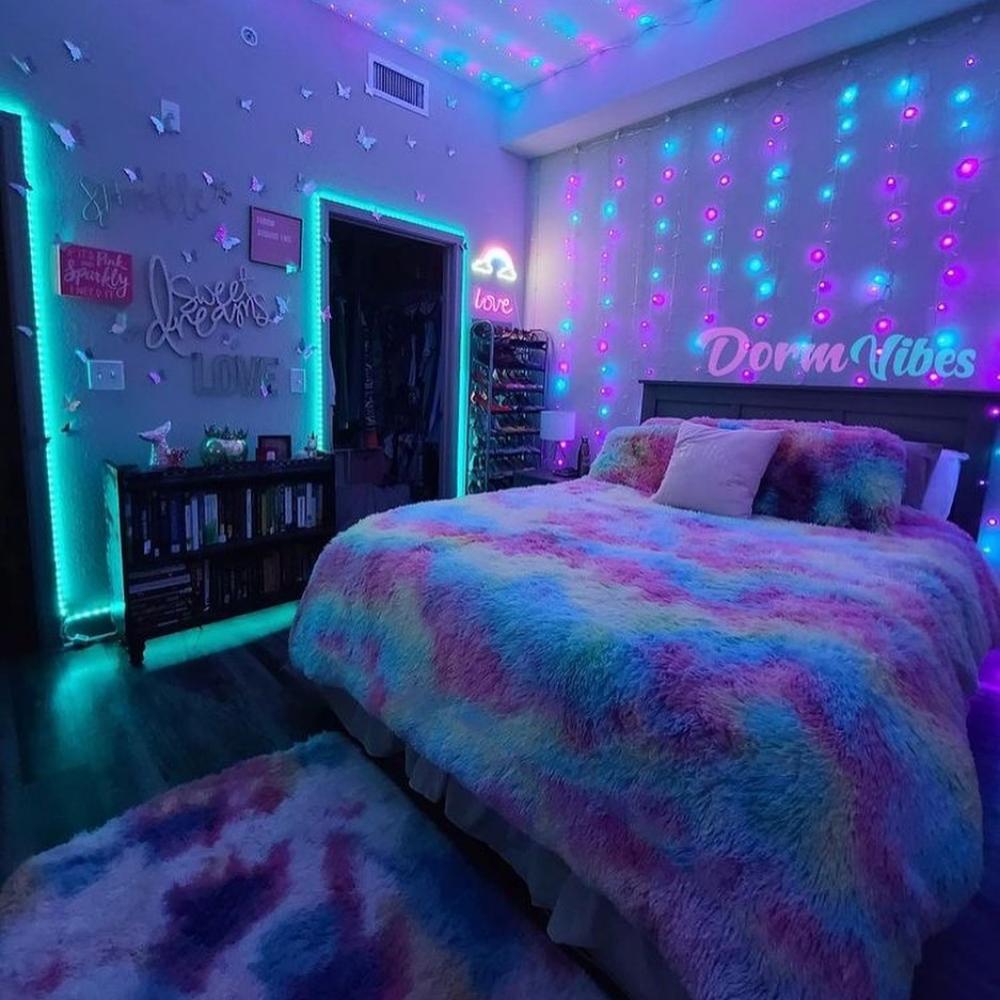
I like using rich colors when I want my bedroom to have that baddie feel. Black works especially well as a base because I can pair it with blush pink, white, burgundy, purple, silver, or even a bright accent color.
I also use contrast to keep darker rooms from feeling too heavy. For example, black bedding can look much lighter when I add white pillows, a pale rug, light curtains, or a mirrored nightstand.
Insight: Dark colors can make a room feel smaller when used heavily, so I balance them with lighter surfaces, reflective finishes, or good lighting.
Lighting and Ambiance for Drama
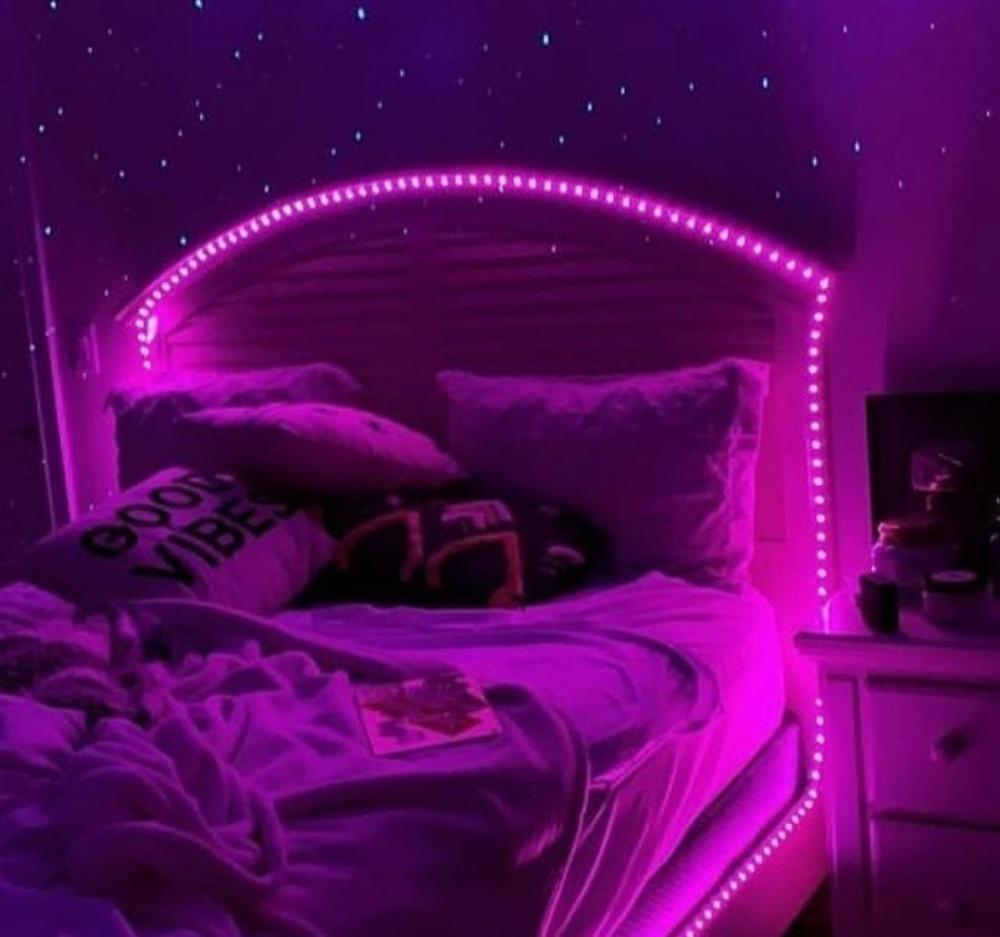
Lighting is one of the first things I would change because it can completely alter how the bedroom looks at night. I like using LED strips, wall lights, table lamps, or a small neon-style sign to create a softer glow around the room.
I don’t rely on one bright overhead fixture for a baddie bedroom. Instead, I use several smaller light sources so I can change the mood depending on whether I’m getting ready, relaxing, or taking photos.
Fact: Using multiple light sources at different heights generally gives a room more visual depth than depending on one ceiling fixture.
Furniture and Layout for Statement
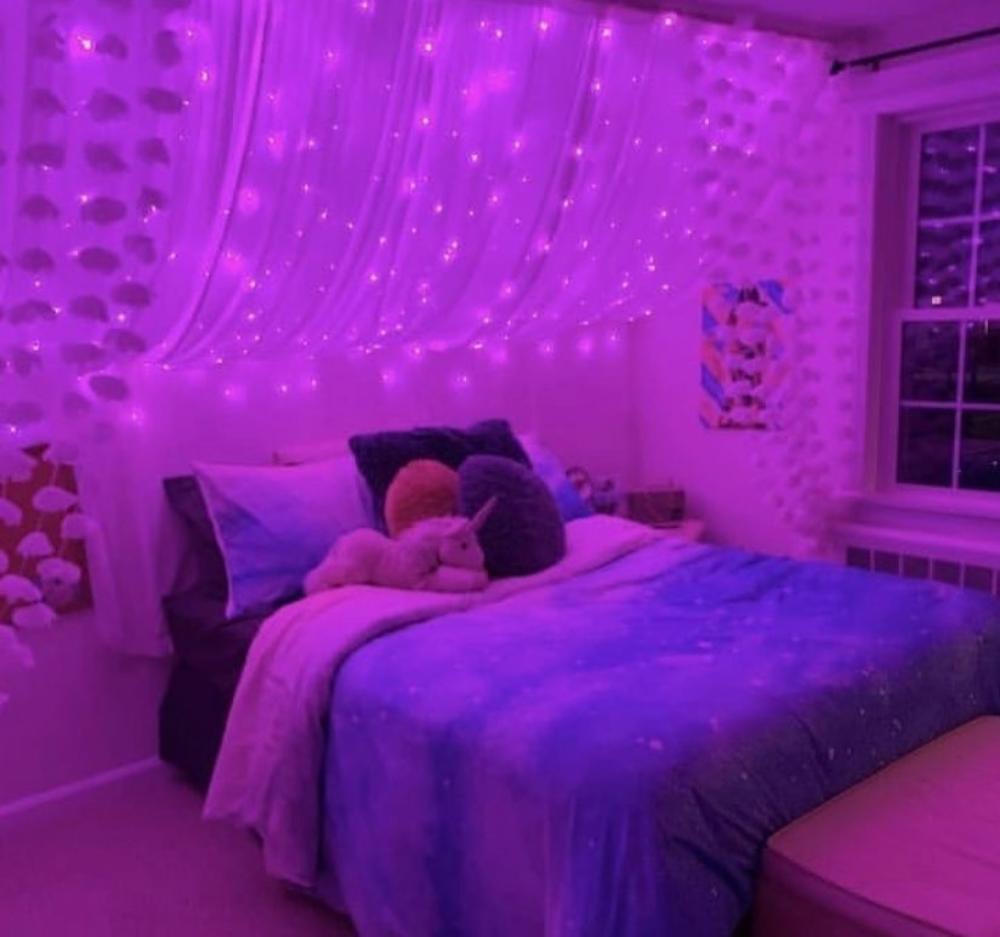
I keep the furniture practical but choose at least one piece that gets attention. A velvet bed, oversized headboard, mirrored dresser, curved chair, or sleek black nightstand can become the main feature without filling every corner.
I also pay attention to the size of the furniture because a beautiful bedroom can quickly feel cramped when the bed, dresser, vanity, and seating are too large for the available floor space.
Pro Tip: I measure the room and furniture before buying anything. Even a few inches of extra clearance can make walking around the bedroom much easier.
Choosing Bold Furniture
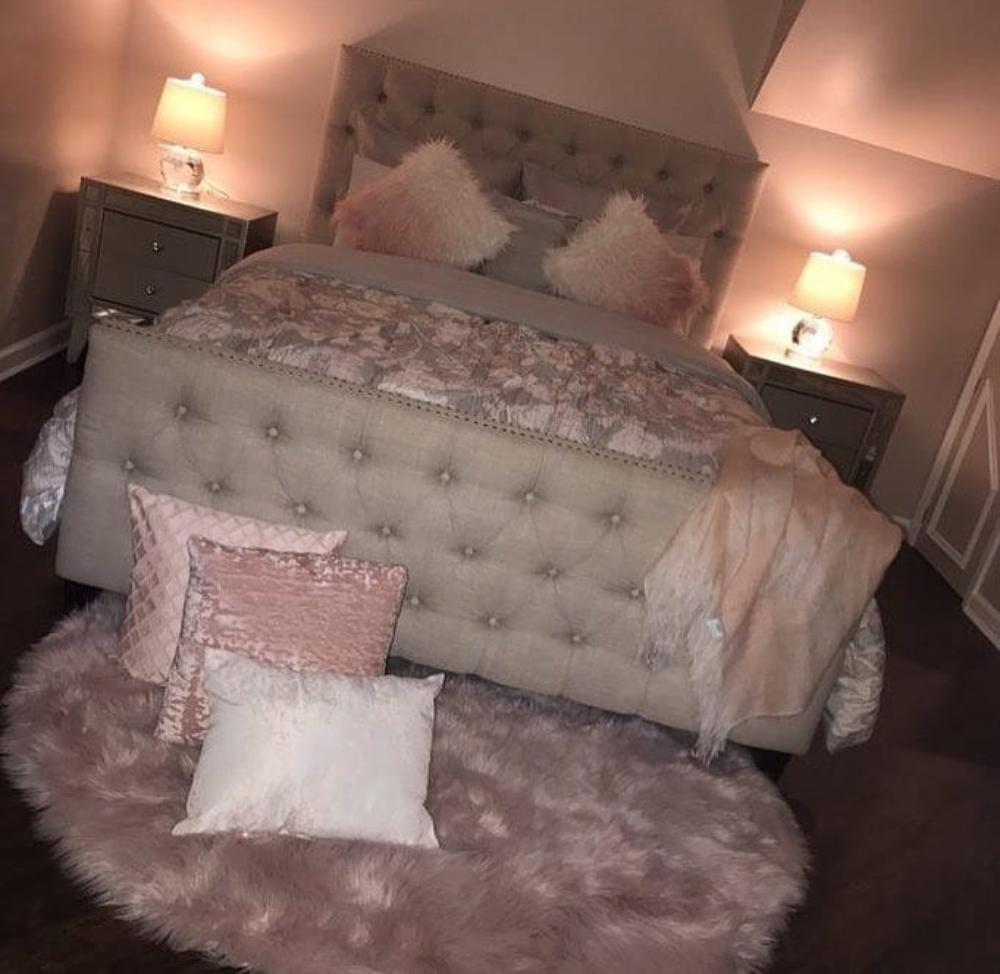
I like furniture with strong shapes and interesting finishes because it gives the room character without requiring dozens of decorations. A black upholstered bed or velvet headboard can instantly give me the dramatic base I want.
For nightstands and dressers, I would consider glossy black, glass, mirrored, white, or metallic finishes. I also like rounded furniture when the rest of the room has a lot of straight lines.
Insight: I usually make the bed the largest visual feature and let smaller furniture support it rather than compete with it.
When I’m choosing statement furniture, I look at three things first: material, color, and shape. Velvet adds softness, black creates contrast, and unusual shapes can make a simple room feel much more intentional.
I don’t think every piece needs to be dramatic. If I choose a bold bed, I can keep the nightstands and dresser fairly simple and use accessories to add the extra personality.
Pro Tip: Mixing too many statement furniture pieces can make a bedroom feel busy. I usually choose one or two major pieces and keep the rest balanced.
Strategic Layout for Impact
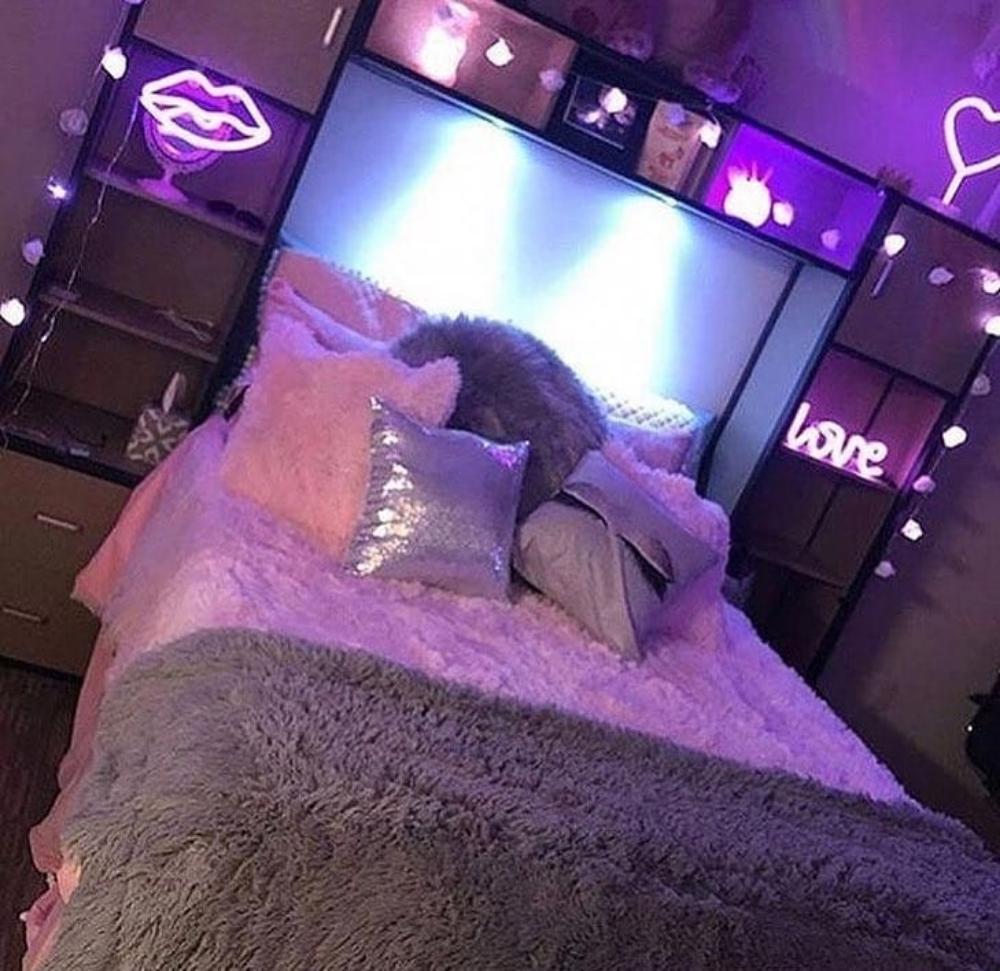
I start my layout with the bed because it is normally the largest piece in the bedroom. I position it where it has enough clearance on the sides and where the headboard works naturally with the wall or room architecture.
After that, I place the nightstands, dresser, vanity, and seating while keeping a clear walking route. I want the bedroom to look good in photos, but I also want to move around it comfortably every day.
Fact: Good bedroom planning is not only about appearance; maintaining clear circulation around frequently used furniture makes the space easier to live in.
If the bedroom has a large window, interesting wall, fireplace, or architectural feature, I try to make that part of the design rather than hide it behind furniture.
I also avoid pushing every piece against a wall just because there is empty space. Leaving some breathing room around larger furniture can make the entire layout feel more intentional.
Pro Tip: Before moving heavy furniture, I use painter’s tape on the floor to mark the approximate footprint. It gives me a quick idea of how much walking space will remain.
Accessorizing with Attitude
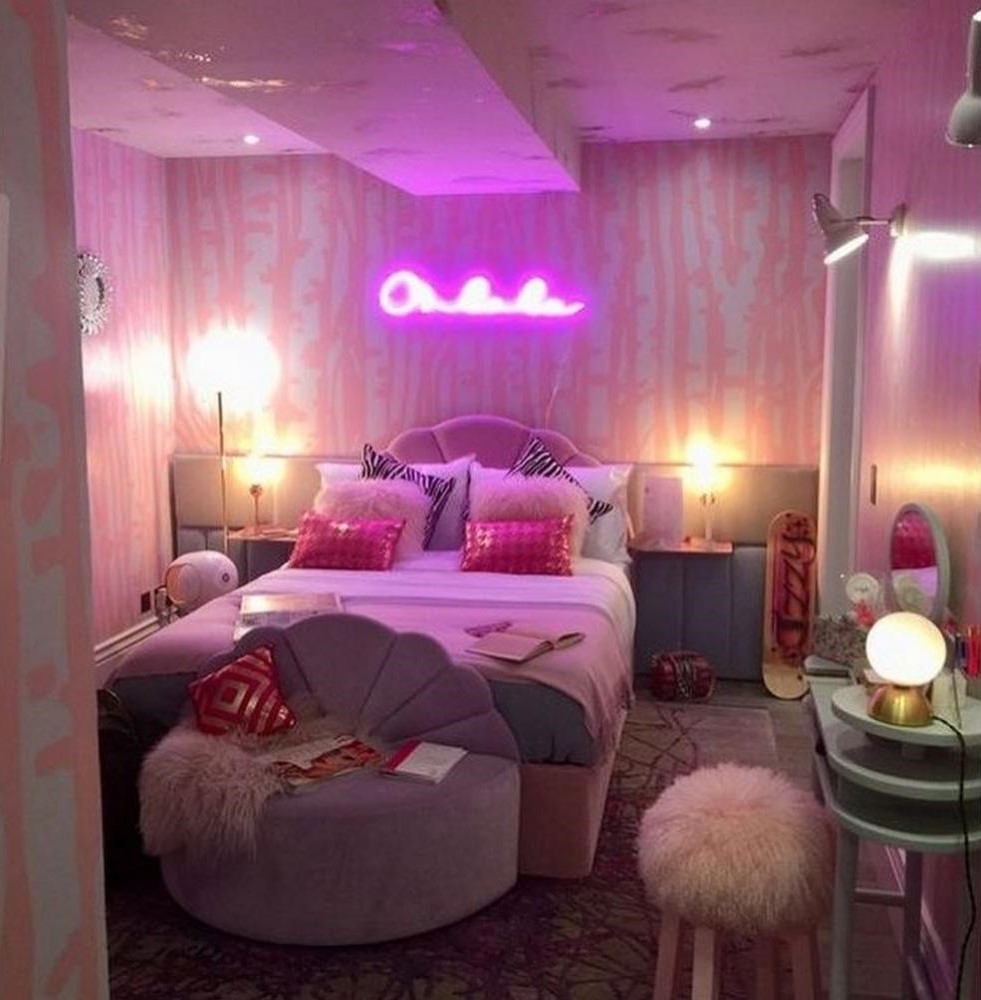
Accessories are where I add the personal side of the baddie bedroom style. I might use perfume bottles, framed prints, decorative trays, candles, books, mirrors, or small sculptures to make the space feel like mine.
I prefer choosing a few pieces that I genuinely like rather than covering every surface. A smaller collection often looks cleaner and gives each item more visual impact.
Insight: Repeating a finish, such as chrome, gold, black, or acrylic, in several small places can make different decor pieces feel connected.
Wall Art and Decor
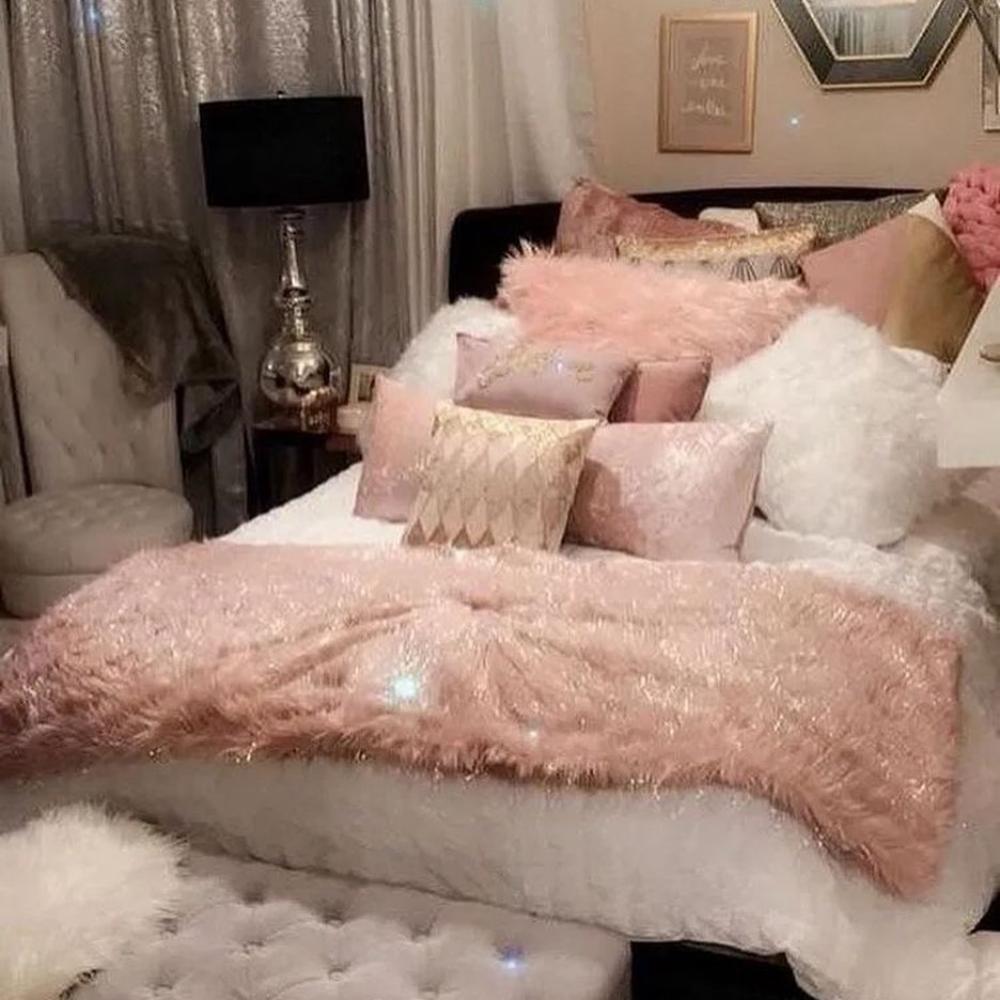
I treat the walls as one of the easiest areas to change without replacing furniture. Large framed prints, fashion-inspired artwork, abstract designs, photo collages, mirrors, and neon-style signs can all work well with this aesthetic.
I like placing larger artwork where it can become a focal point instead of scattering many tiny pieces across every wall. A gallery wall can also work if I keep the frames or color palette consistent.
Pro Tip: I place artwork at a comfortable viewing height rather than automatically hanging it close to the ceiling. The room feels more balanced when wall decor relates to the furniture beneath it.
Textiles and Fabrics
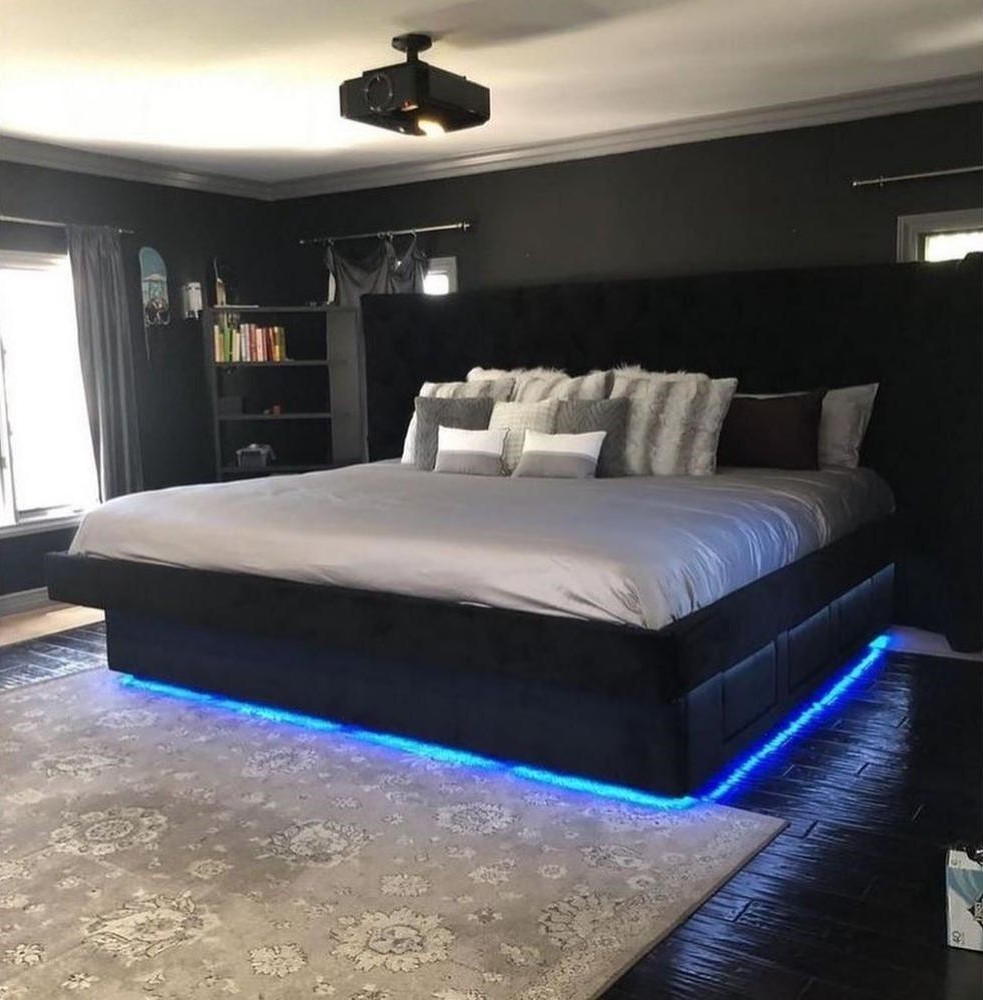
I use textiles to soften the harder elements of a baddie bedroom. Velvet pillows, fluffy throws, satin-style bedding, textured blankets, and soft rugs can add layers without changing the furniture.
I also like mixing textures rather than using the same fabric everywhere. For example, smooth bedding can work nicely with a chunky throw and a soft rug.
Fact: Layering different textures is an easy way to create visual depth, especially when the bedroom uses a limited color palette.
For bedding, I usually start with a simple base and then add decorative pillows or a throw at the foot of the bed. This gives me an easy way to change the look later without replacing the entire bedding set.
I also consider the rug carefully because it can connect the bed, nightstands, and other furniture into one visual area.
Pro Tip: If the room already has several bold colors, I choose simpler textiles and let texture provide the interest instead of adding more patterns.
Edgy Accessories for Personal Touch
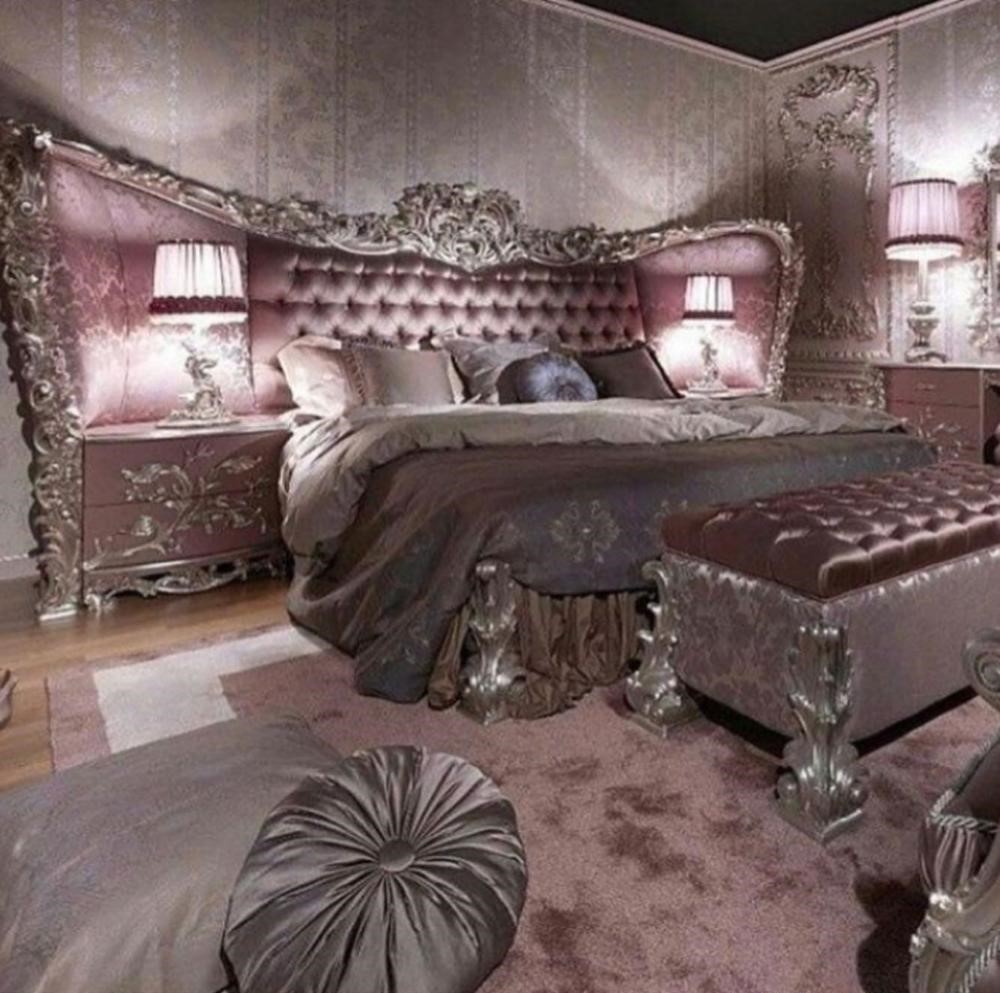
This is where I have the most freedom to make the bedroom feel personal. I might add a mirrored tray for perfumes, an acrylic organizer, a sculptural object, a modern clock, metallic decor, or a few fashion-related pieces.
I like using the vanity or dresser as a small styling area. A tray, mirror, perfume display, and one decorative object can create a polished setup without taking over the entire surface.
Insight: Small reflective surfaces such as mirrors, glass, and metallic accents can bounce available light around a darker bedroom and make it feel brighter.
I also think accessories should reflect the person using the bedroom. If I love fashion, I might display shoes or handbags; if I prefer a softer look, I can use pink accents, plush textures, and delicate decor instead.
Pro Tip: I leave some empty space on dressers and nightstands. Negative space keeps decorative displays from looking cluttered.
15 Baddie Bedroom Ideas I Would Try
1. Black and Pink Baddie Bedroom
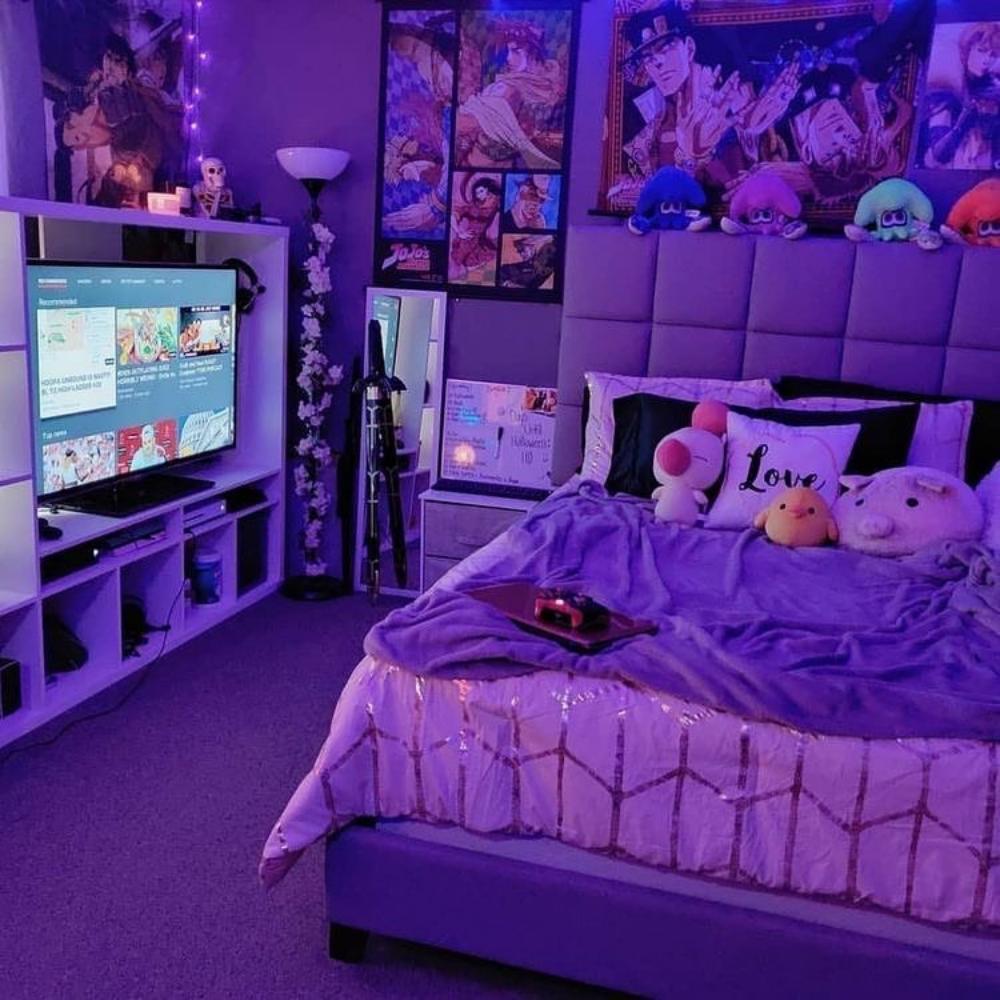
I love black and pink together because the combination gives me both drama and softness. I can use black bedding or furniture as the base and bring in pink through pillows, artwork, curtains, or a rug.
Pro Tip: I keep one shade of pink as the main accent so the room looks coordinated instead of overly colorful.
2. Glam Vanity Corner
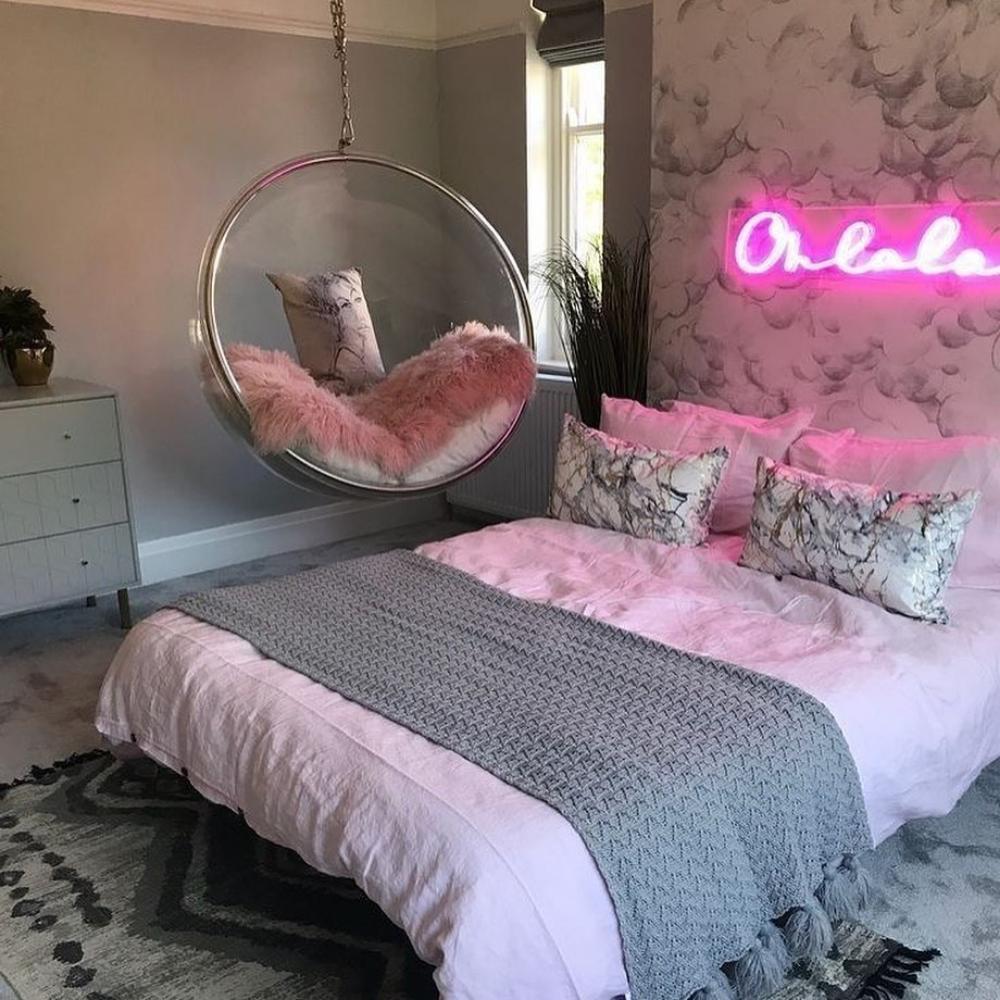
A vanity can become one of the best features in a baddie bedroom. I would pair a simple vanity table with a large mirror, organized makeup storage, and a comfortable stool or small chair.
Insight: Keeping everyday products organized on a tray or inside drawers makes the vanity look polished while still keeping everything easy to reach.
3. LED Lighting Around the Bed
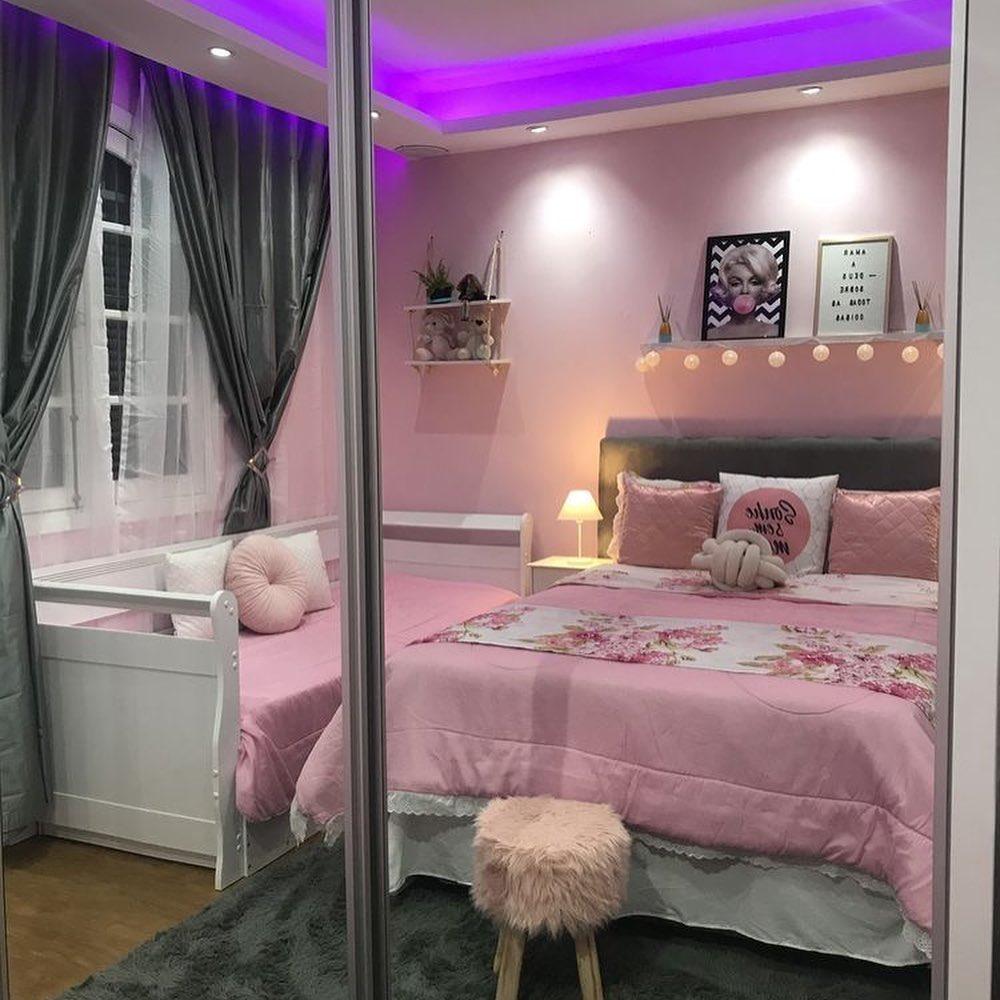
I like LED lighting because it gives me an easy way to change the atmosphere without replacing the main lighting. I can place it behind the headboard, around furniture, or along a wall.
Pro Tip: I hide the light source whenever possible so I see the glow rather than a strip of exposed LEDs.
4. Statement Headboard
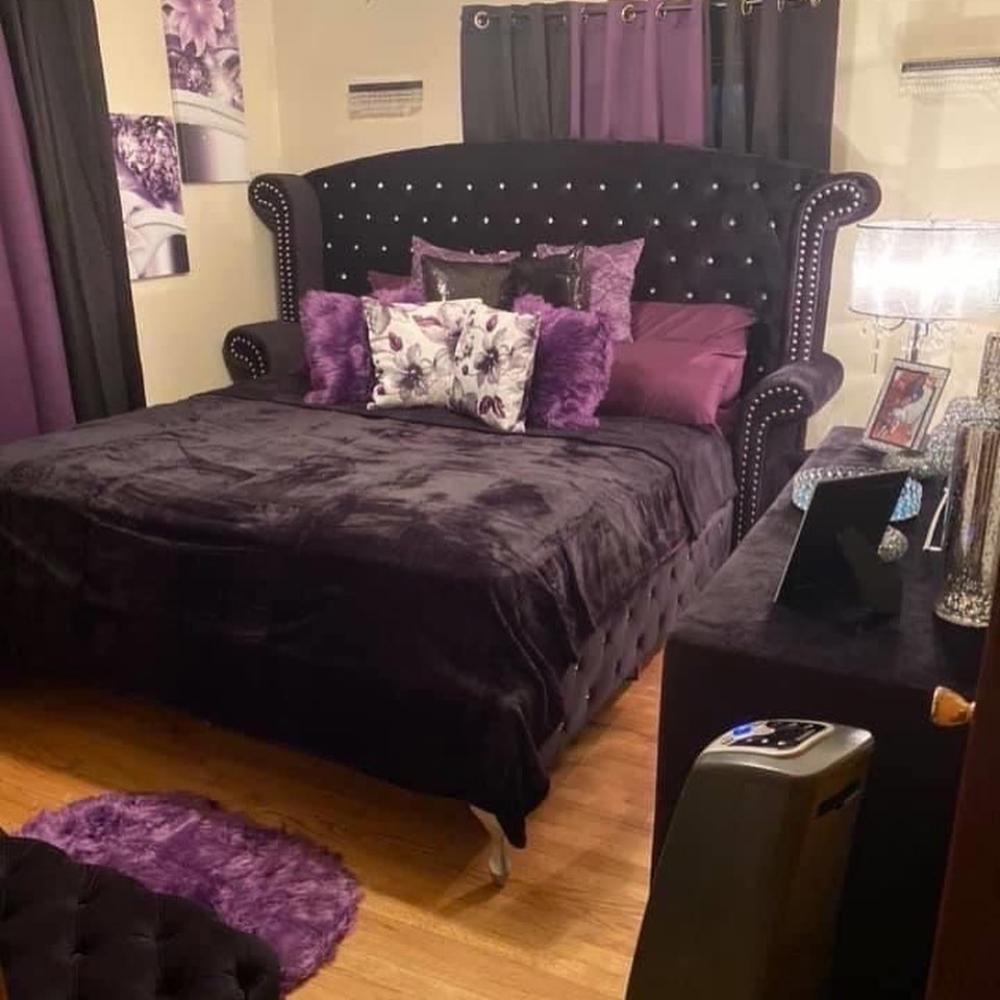
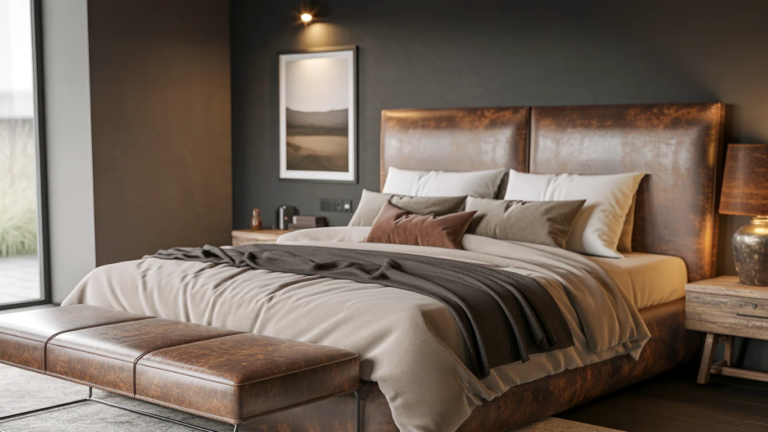
A tall or upholstered headboard can make the bed look much more expensive than a basic frame. Velvet, tufting, curved shapes, and dark colors all work well for a bold bedroom.
Fact: Because the bed is usually the largest furniture piece, changing the headboard can have a noticeable effect on the room’s overall appearance.
5. Full-Length Mirror
I would add a full-length mirror near the closet or vanity area. A black, gold, silver, or frameless design can work depending on the rest of the decor.
Pro Tip: I place the mirror where it can catch natural or artificial light, which can make a smaller bedroom feel more open.
6. Dark Bedding With Metallic Accents
Black, charcoal, or deep burgundy bedding gives me a strong starting point. I can then add silver or gold pillows, a metallic lamp, or small decorative pieces for contrast.
Insight: Metallic accents work best when I repeat them in at least two or three places rather than using one isolated gold or silver item.
7. Neon-Style Wall Sign
A neon-style sign can add personality above a desk, vanity, or bed. I prefer a short word, phrase, or simple shape so it acts as decor instead of becoming the only thing I notice.
Pro Tip: I keep the surrounding wall fairly simple when using a bright sign because the light already creates a strong focal point.
8. Cozy Faux-Fur Throw
A fluffy throw can soften black furniture and darker bedding. I like placing it casually across the bottom corner of the bed rather than folding it perfectly.
Insight: A soft throw is also an easy seasonal update because I can switch it out without changing the larger bedroom pieces.
9. Mirror and Metallic Decor
Mirrored trays, chrome lamps, metallic frames, and reflective accessories can give the room a glam edge. I use these details in small amounts so they complement rather than overpower the darker colors.
Pro Tip: If I already have a large mirror, I keep the other reflective pieces smaller to avoid making the room feel too shiny.
10. Baddie Gallery Wall
I can create a gallery wall using fashion prints, quotes, black-and-white photography, abstract art, or personal photos. Keeping the frames similar helps the collection look intentional.
Fact: A gallery wall does not need to cover an entire wall. A compact arrangement above a dresser or vanity can create the same visual effect in a smaller room.
11. Black Furniture With White Walls
If I want a dramatic look without painting the bedroom dark, I would keep the walls white and introduce black through the bed, nightstands, dresser, and decor.
Insight: High contrast between light walls and dark furniture can make individual furniture shapes stand out clearly.
12. Burgundy and Black Bedroom
Burgundy gives me a warmer alternative to using bright pink or purple. I can bring it in through bedding, curtains, pillows, artwork, or a small upholstered chair.
Pro Tip: I use burgundy as an accent instead of covering every surface with it, especially when the bedroom already has black furniture.
13. Stylish Shoe Display
If I want to include fashion in the room, I can display a few favorite shoes on open shelving or a dedicated rack. This turns something I already own into part of the decor.
Pro Tip: I display only my best-looking pairs and keep the rest stored away so the arrangement stays neat.
14. Plush Rug Beside the Bed
A soft rug beside the bed makes the first step in the morning much more comfortable while adding another layer to the design. I can choose a neutral, black, pink, or patterned option depending on the bedding.
Fact: Rug size matters more than many people expect. A rug that is too small can make the furniture arrangement feel disconnected.
15. Personalized Baddie Bedroom
The best baddie bedroom, in my opinion, should not look like a showroom. I would include things that actually represent me, such as favorite photos, beauty products, books, fashion pieces, artwork, or meaningful accessories.
Insight: Personal items are often what make a themed bedroom feel lived-in rather than copied from a catalog.
How I Would Put a Baddie Bedroom Together
I would start with the largest pieces first: the bed, dresser, and nightstands. Once those are in place, I would choose the main color palette and add bedding, lighting, rugs, wall art, and smaller accessories around them.
I would also avoid buying everything at once. Adding pieces gradually gives me time to see what the room actually needs and helps prevent unnecessary clutter.
Pro Tip: I take a photo of the room before shopping for decor. Looking at the space through a phone camera can make empty areas, crowded surfaces, and color gaps easier to spot.
Conclusion
I think a baddie bedroom works best when it feels confident but still comfortable. I can get that look with a strong color palette, layered lighting, statement furniture, soft fabrics, mirrors, and accessories that reflect my personality.
I don’t need an expensive makeover to create the style. I can start with the bed, lighting, and bedding, then slowly add wall art, a vanity setup, rugs, and personal details until the room feels right.
Many of the ideas I share are inspired by real-life experimentation. I often test décor concepts in my own living spaces and explore practical ways they can be applied in everyday homes. I also gather insights from working with homeowners who want to improve the comfort, beauty, and functionality of their spaces.
I share practical ideas for improving living rooms, bedrooms, and overall home aesthetics using simple design principles.
I explore creative ways to upgrade outdoor spaces including patio décor, small backyard styling, and relaxing outdoor setups.
I provide ideas for kitchen organization, décor accents, and functional layouts that make kitchens more beautiful and practical.
The concepts shared here are based on ideas I have personally experimented with or studied through real home décor improvements.