Bedroom Lighting Ideas That Completely Change Your Room Mood
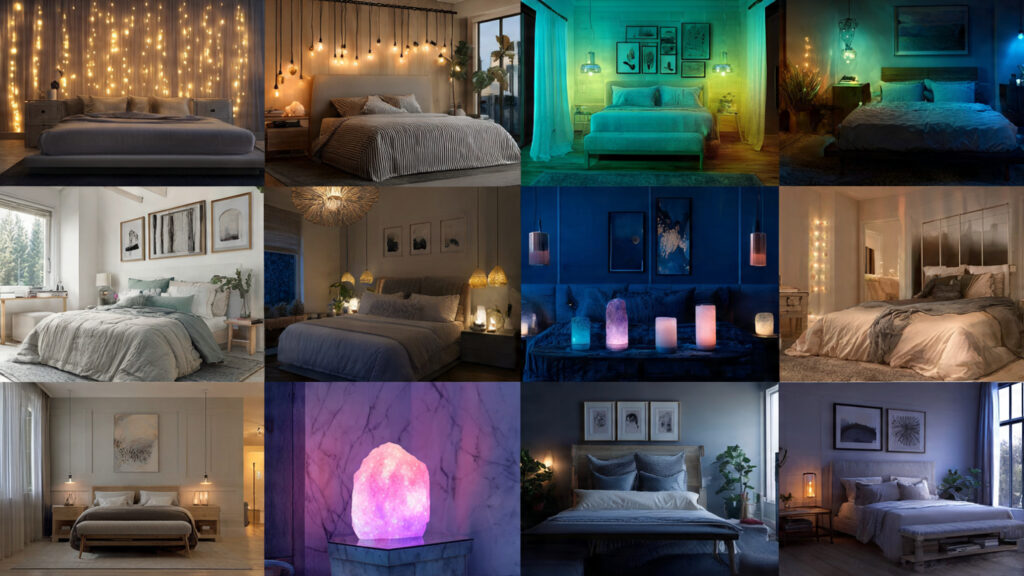
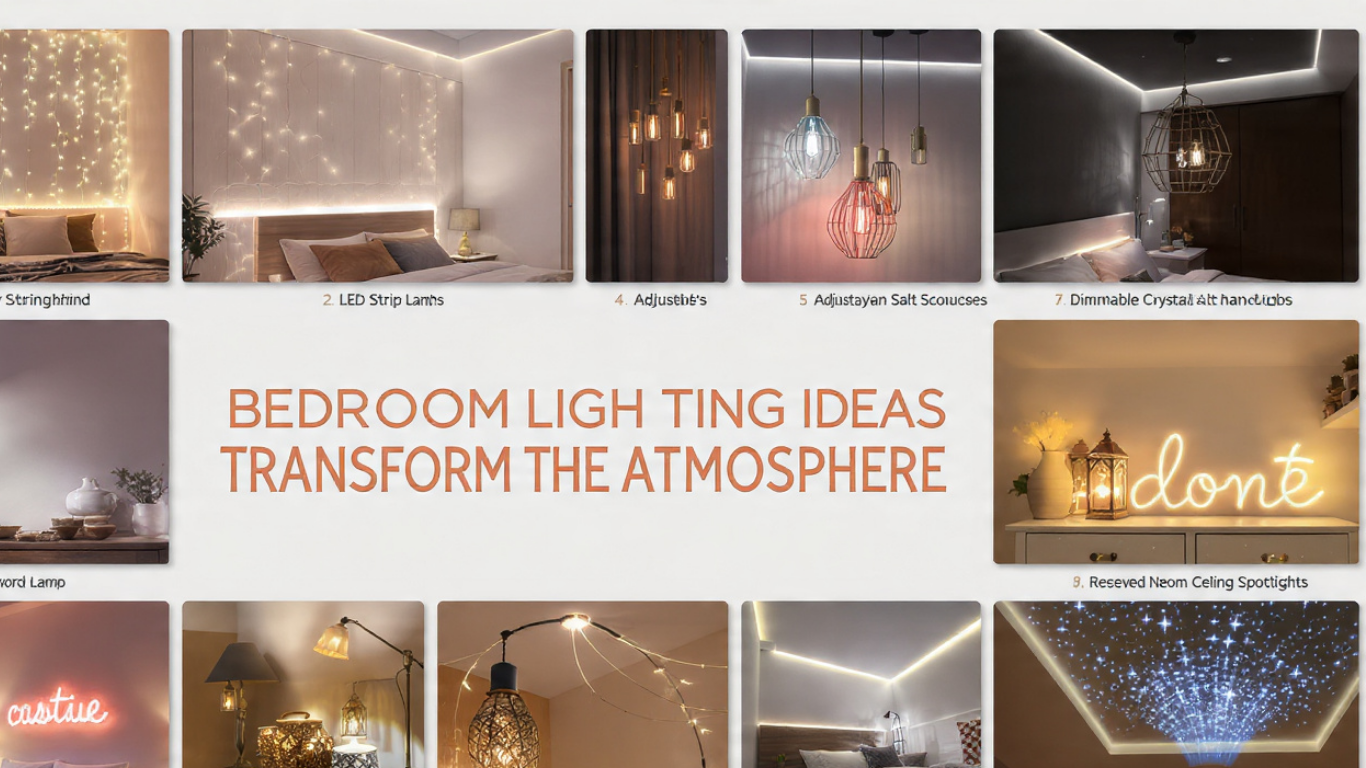
I’ve learned that Bedroom Lighting Ideas That Completely Change the mood of a room are not about expensive decor changes, but about how light is layered and placed. In this guide, I explain how I use ambient, task, and accent lighting to turn a basic bedroom into a calm and relaxing space. I also break down simple lighting choices like bedside lamps, LED strips, and dimmers that can instantly shift the atmosphere without a full redesign.
Above the Fold Summary
From my experience, lighting directly affects sleep quality and stress levels. Warm lighting helps the body relax, while harsh lighting keeps the mind alert. That’s why I focus on soft tones, layered lighting, and smart placement to create a peaceful bedroom environment that feels intentional every day.
Key Takeaways
Why Bedroom Lighting Matters More Than I Think
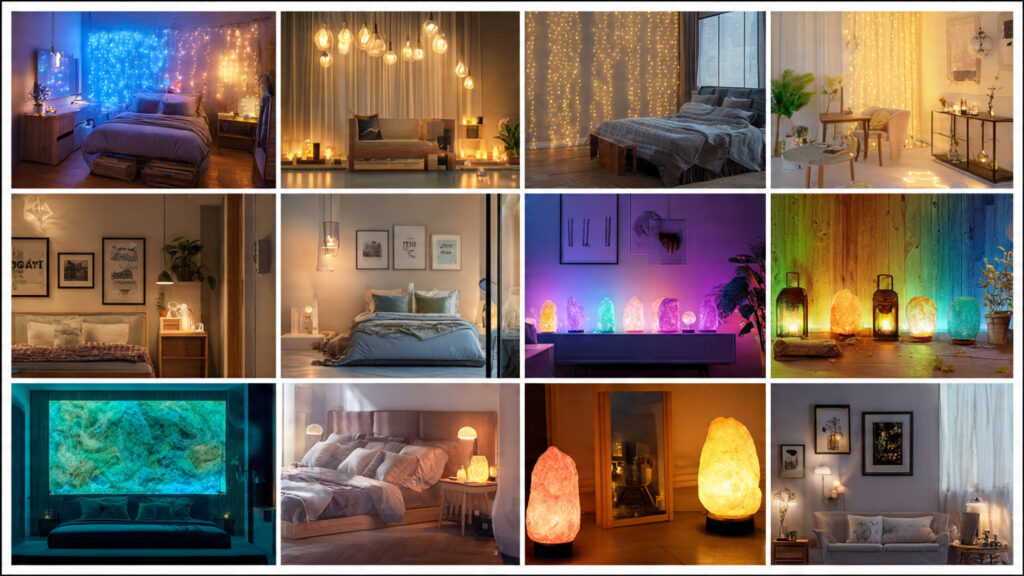
I’ve noticed that lighting changes how I feel in a bedroom more than any furniture does. Bright, cold lighting makes the room feel stressful, while warm lighting creates calmness. In my experience, lighting directly affects how quickly I relax at night.
Studies show warm light around 2700K–3000K supports melatonin production, which helps sleep quality. That’s why I always avoid harsh white lighting in sleeping spaces. Instead, I focus on softness, warmth, and balance.
Warm Ambient Lighting for Instant Calm
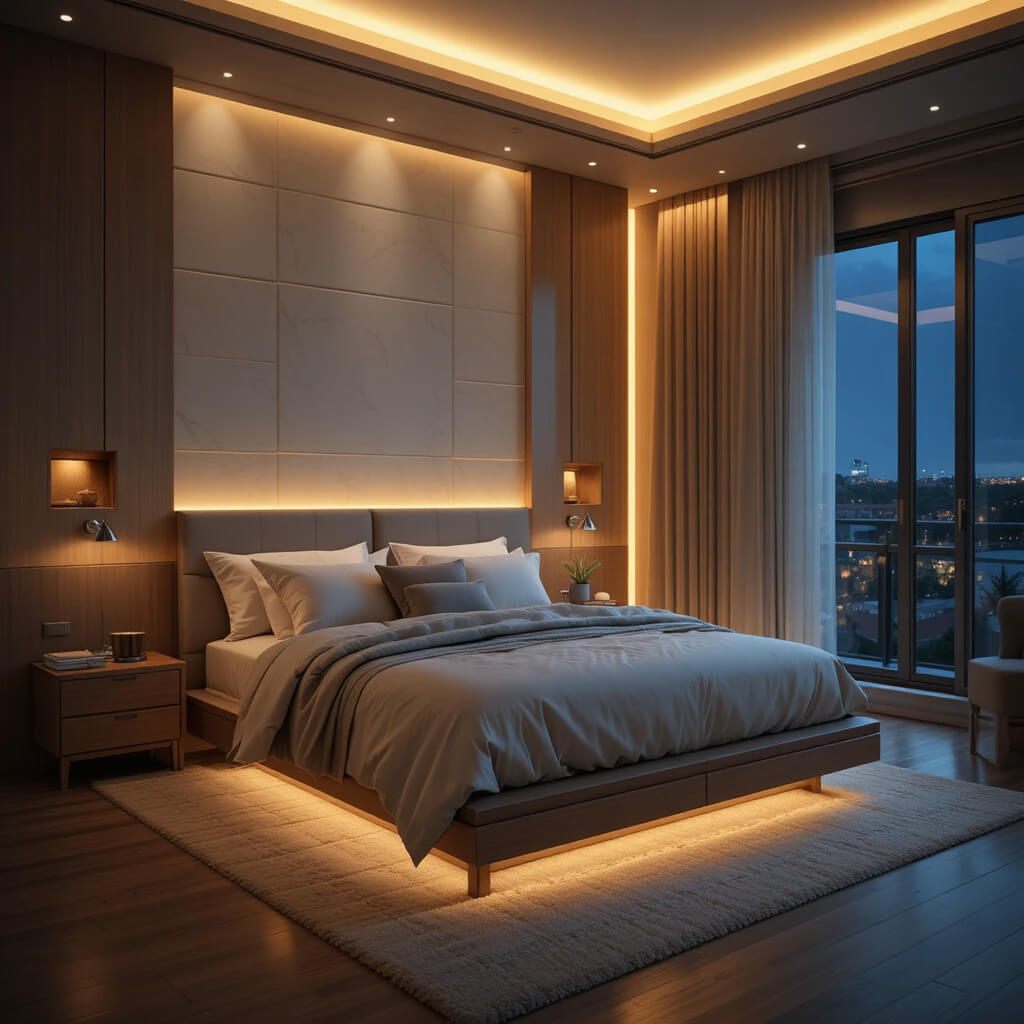
I always start with warm ambient lighting because it sets the base mood of the room. This soft glow removes harsh shadows and makes everything feel calmer instantly.
From my experience, ambient lighting works best when it fills the room evenly without feeling too bright. I prefer warm LED bulbs because they reduce eye strain and improve relaxation at night.
Bedside Table Lamps with Soft Shades
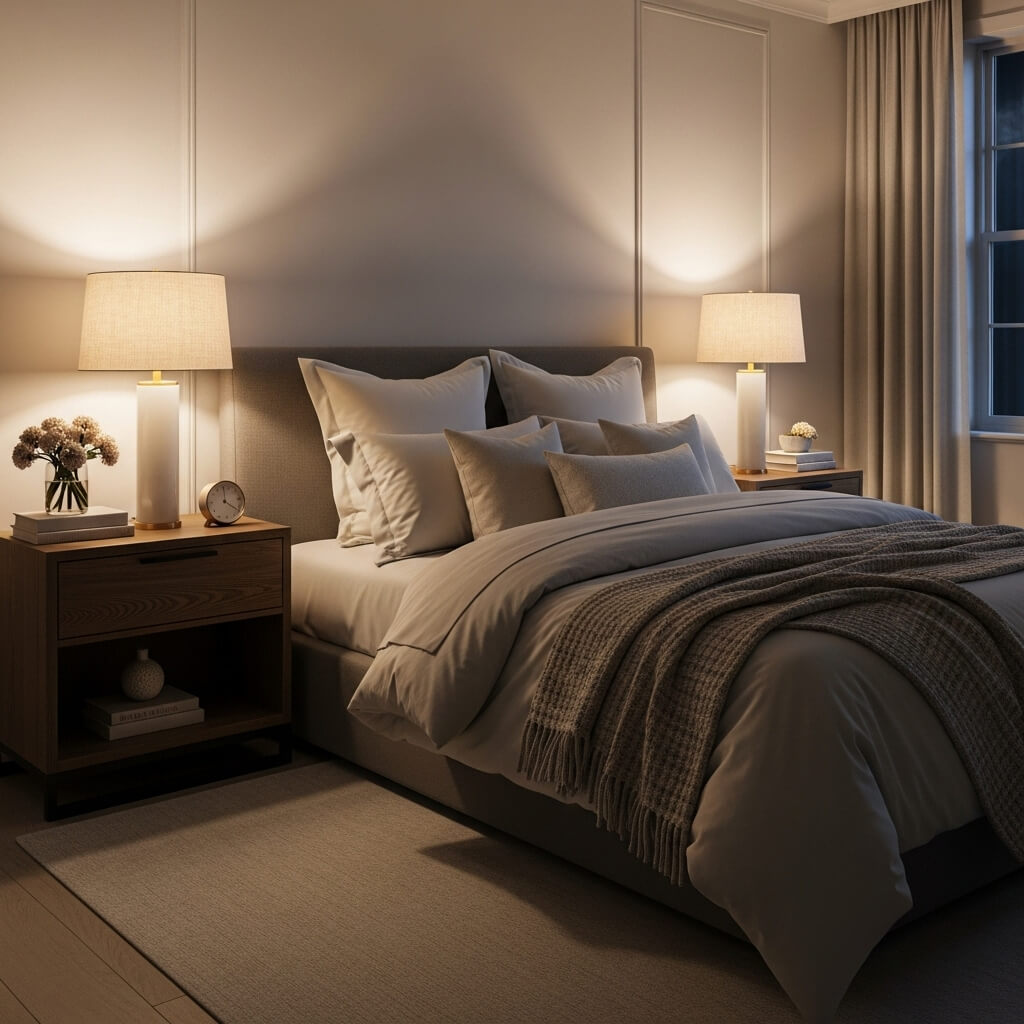
I use bedside table lamps because they give balance and comfort on both sides of the bed. Fabric shades help soften the light and prevent glare.
In my setup, I’ve found that warm 2700K bulbs in table lamps create a more relaxed reading environment. This small change alone makes the room feel more welcoming.
Wall Sconces for a Hotel-Like Feel
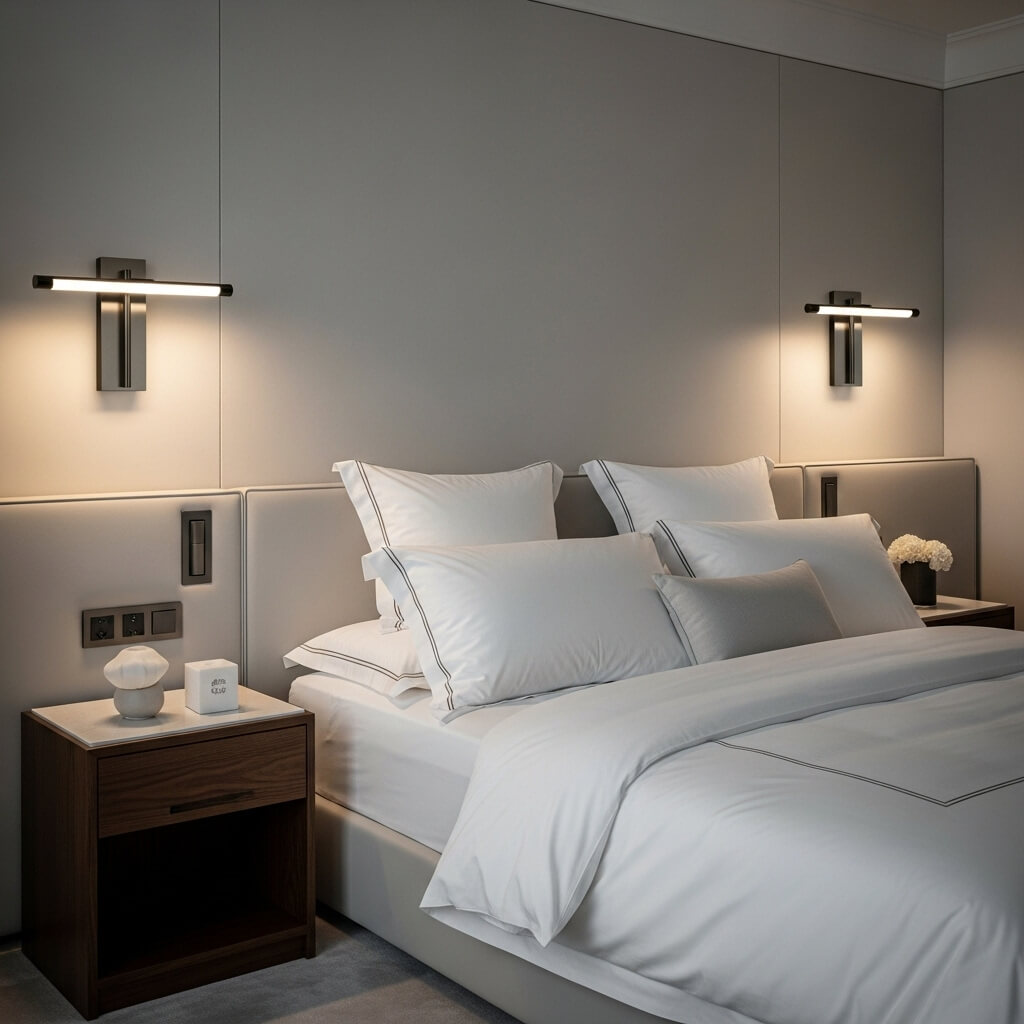
I like wall sconces because they free up space and give a clean, hotel-style look. They also create soft directional lighting that feels modern.
From my experience, placing sconces slightly above eye level helps reduce glare and improves nighttime comfort. This is one of my favorite Bedroom Lighting Ideas That Completely Change the overall design feel.
LED Strip Lights Behind the Headboard
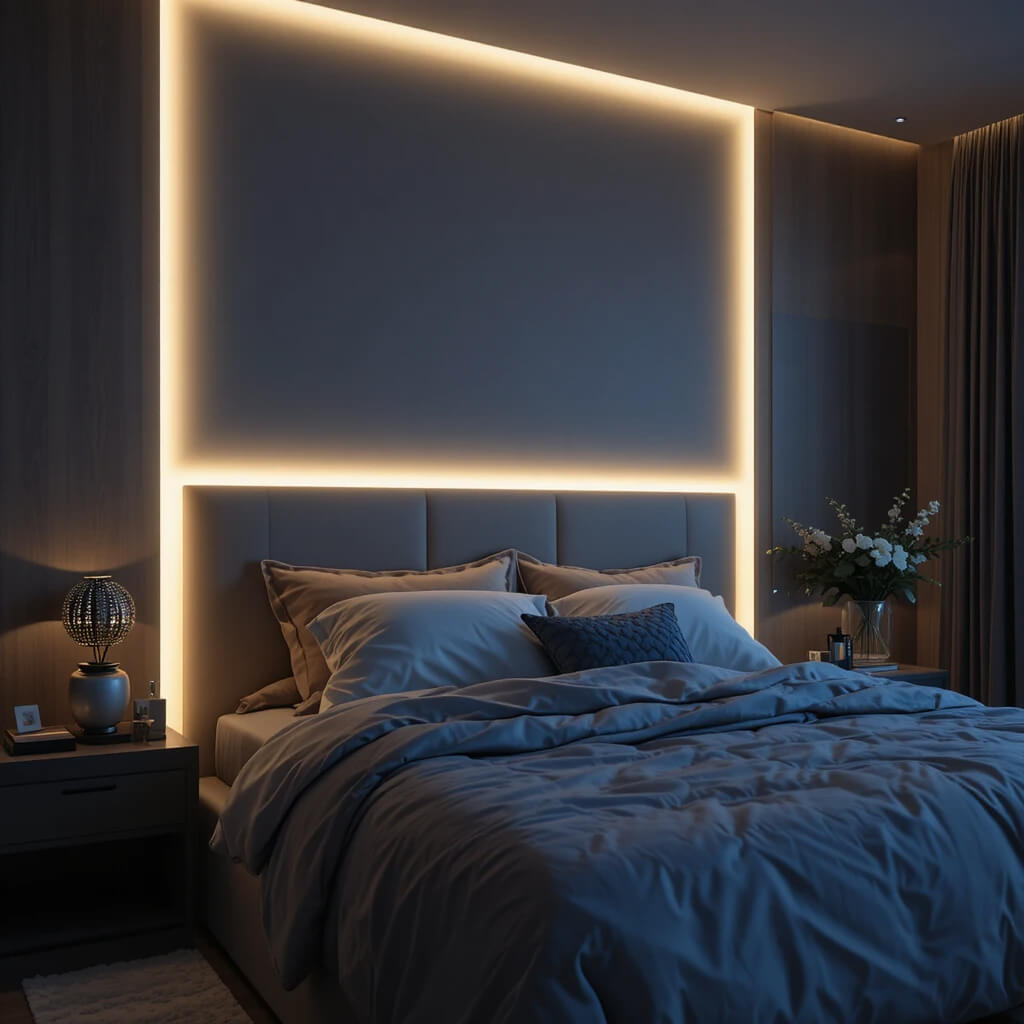
I often use LED strip lights behind the headboard to add depth and a soft glow. It creates a floating effect that feels modern and relaxing.
I keep the brightness low because subtle lighting works better for sleep environments. This is a simple upgrade that makes a big visual impact.
Dimmable Lighting for Ultimate Flexibility
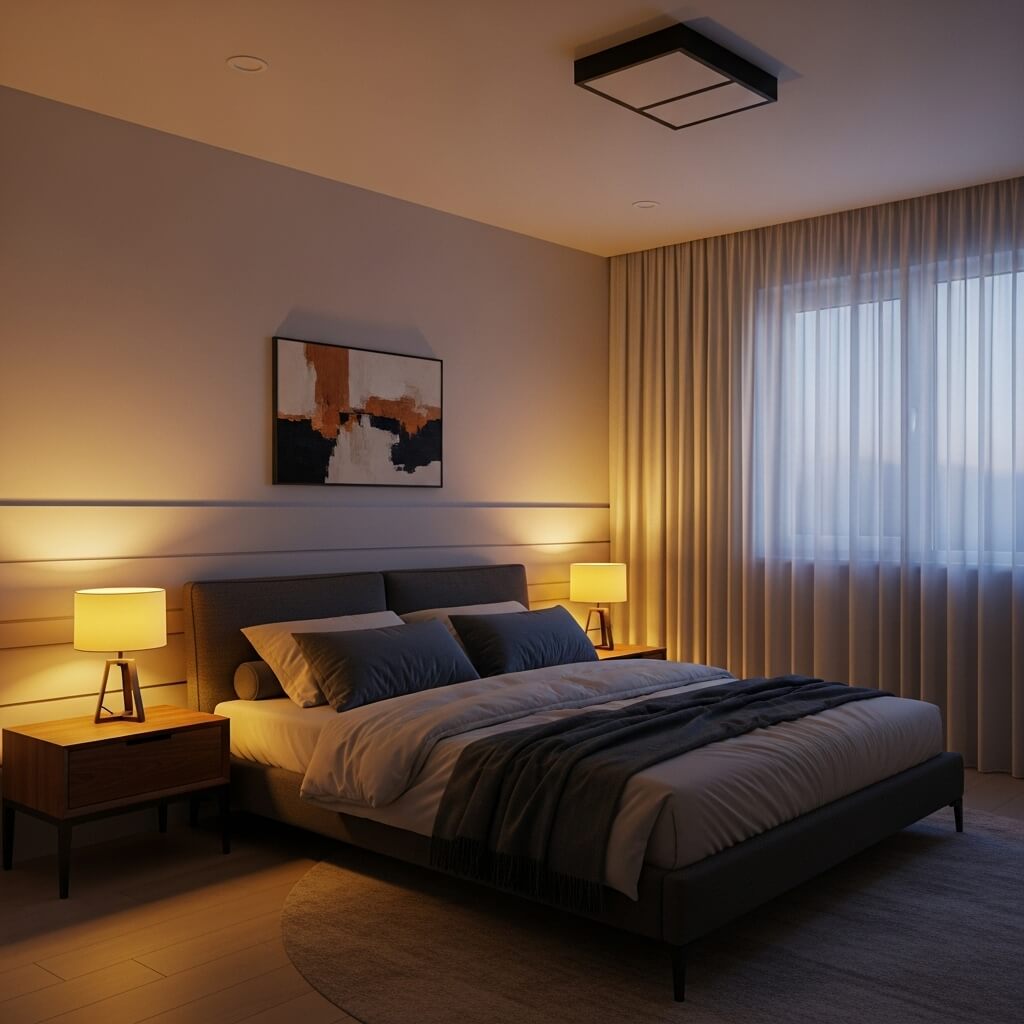
I always recommend dimmers because they allow full control over mood. Bright during cleaning, soft during rest—it’s very practical.
In my experience, dimmable lighting reduces the need for multiple fixtures because one light can serve many moods.
Pendant Lights Instead of Bedside Lamps
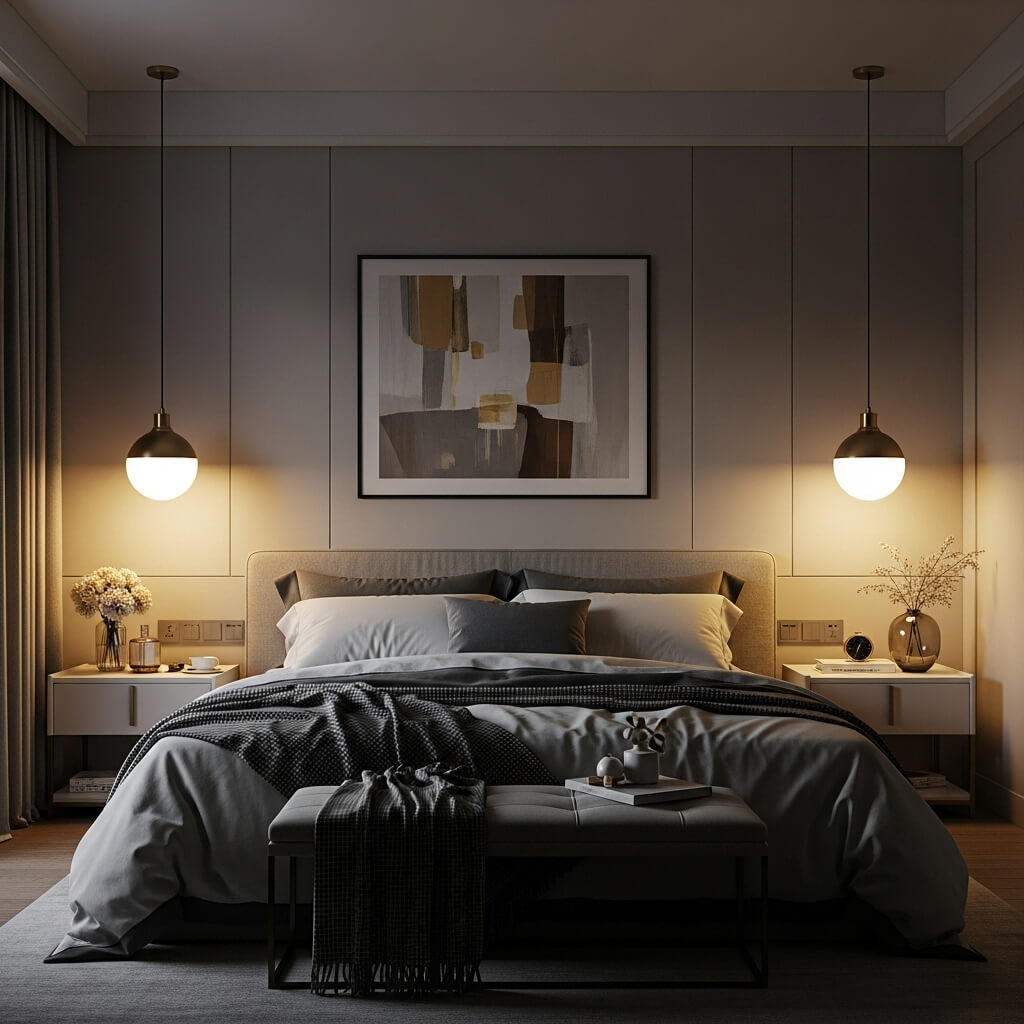
I sometimes replace bedside lamps with pendant lights for a cleaner look. It gives symmetry and frees up nightstand space.
I’ve found that hanging lights work best when they are warm-toned and positioned at a comfortable reading height.
Accent Lighting for Artwork or Decor
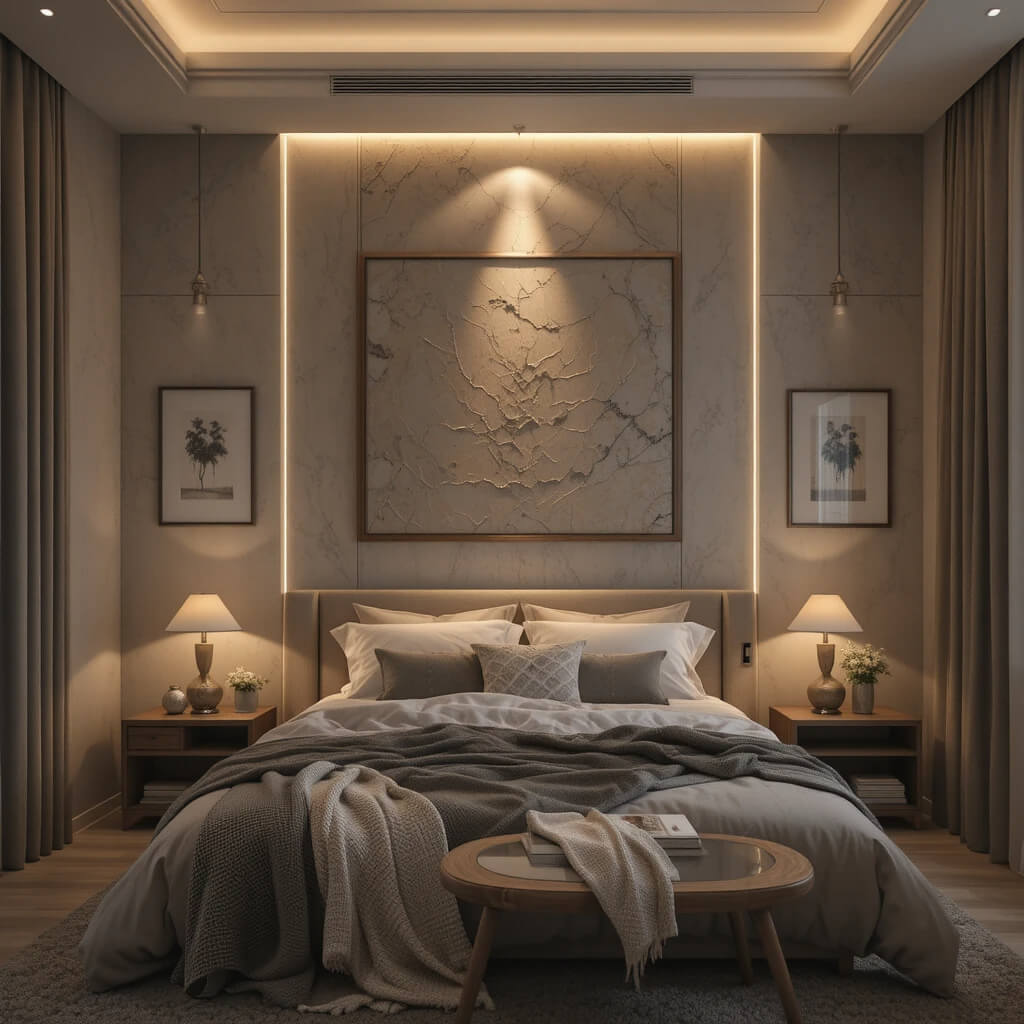
I use accent lighting to highlight specific areas like wall art or textures. It makes the room feel more designed and intentional.
Even a small spotlight can change how the entire wall looks, especially in low-light settings.
Floor Lamps for Cozy Corners
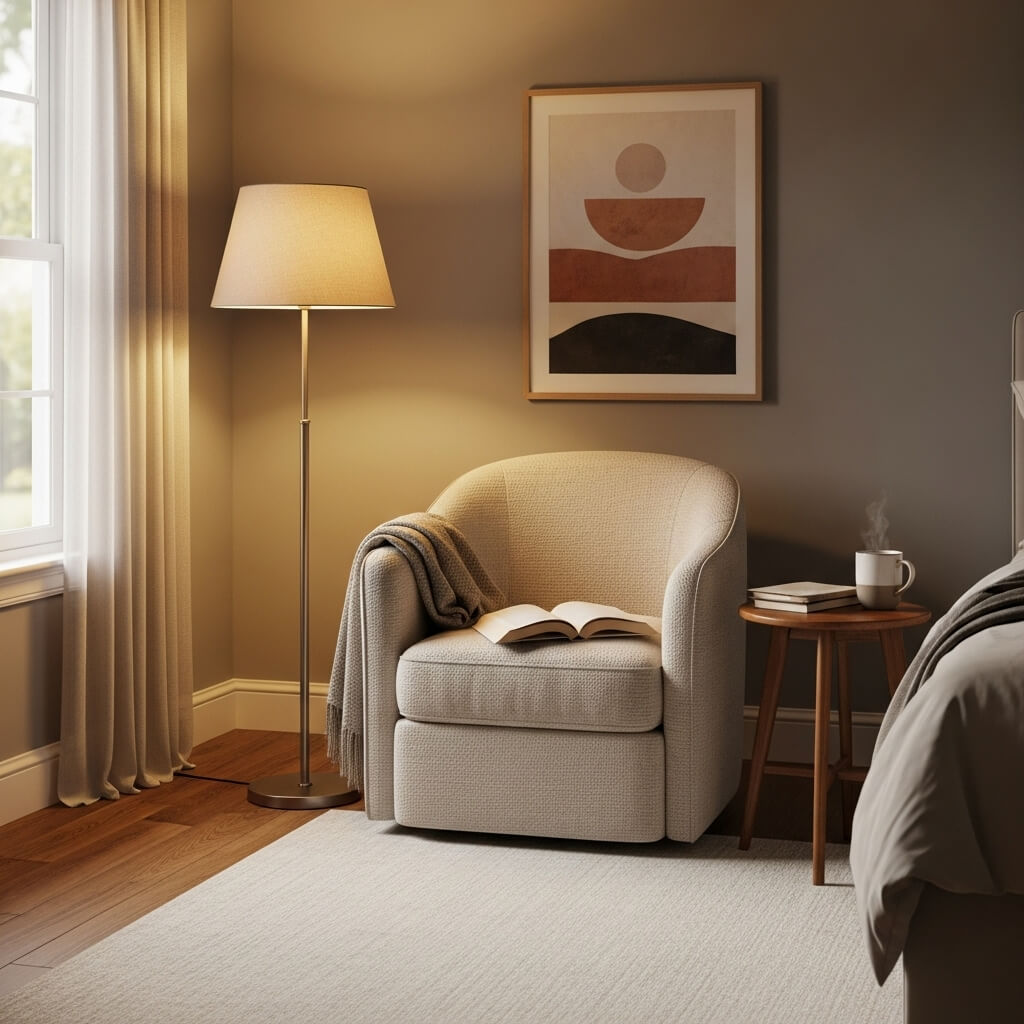
I place floor lamps in empty corners to remove dark spots in the room. It instantly makes the space feel more complete.
Warm bulbs in floor lamps create a soft glow that improves overall comfort in the bedroom.
Fairy Lights for Soft, Dreamy Ambiance
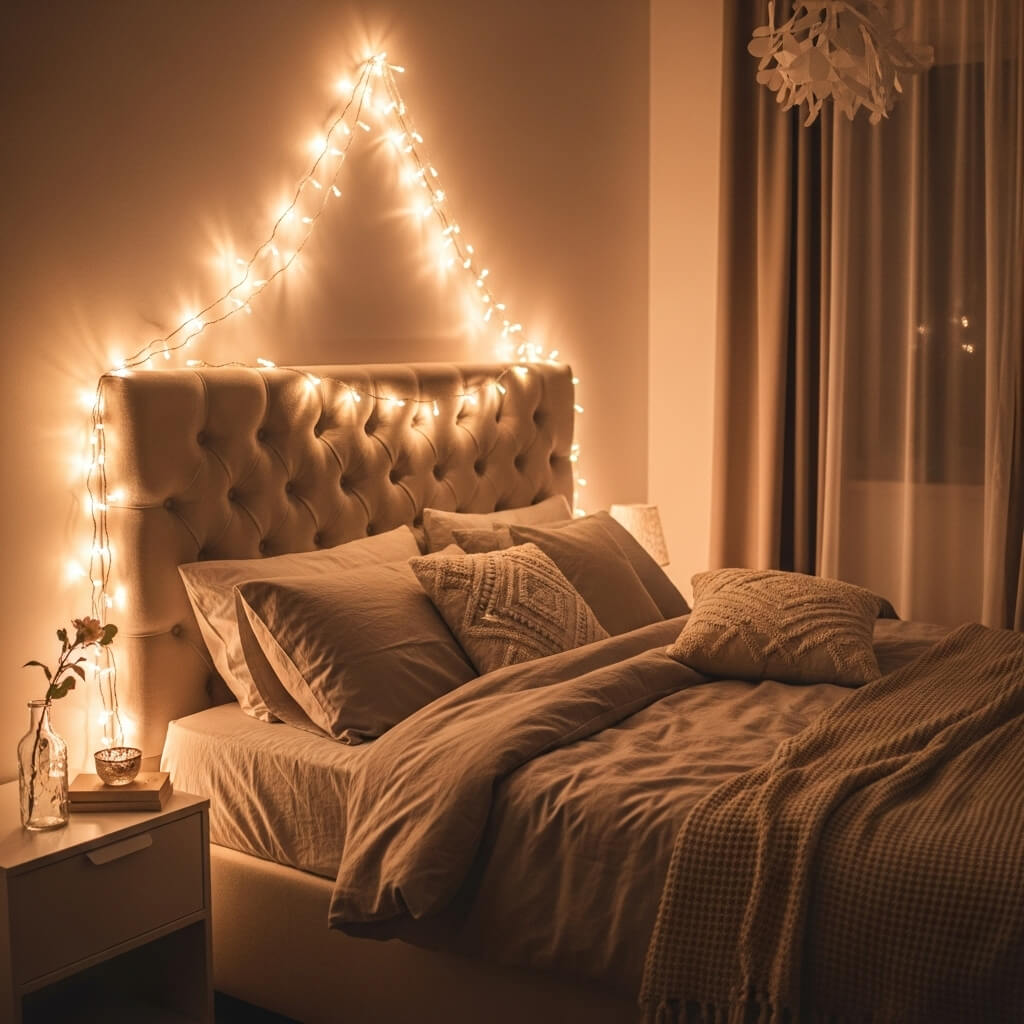
I sometimes use fairy lights to create a soft, relaxed mood. They work well when placed around headboards or shelves.
From my experience, low-density warm fairy lights look more elegant than overly bright setups.
Table Lamps with Warm-Toned Bulbs
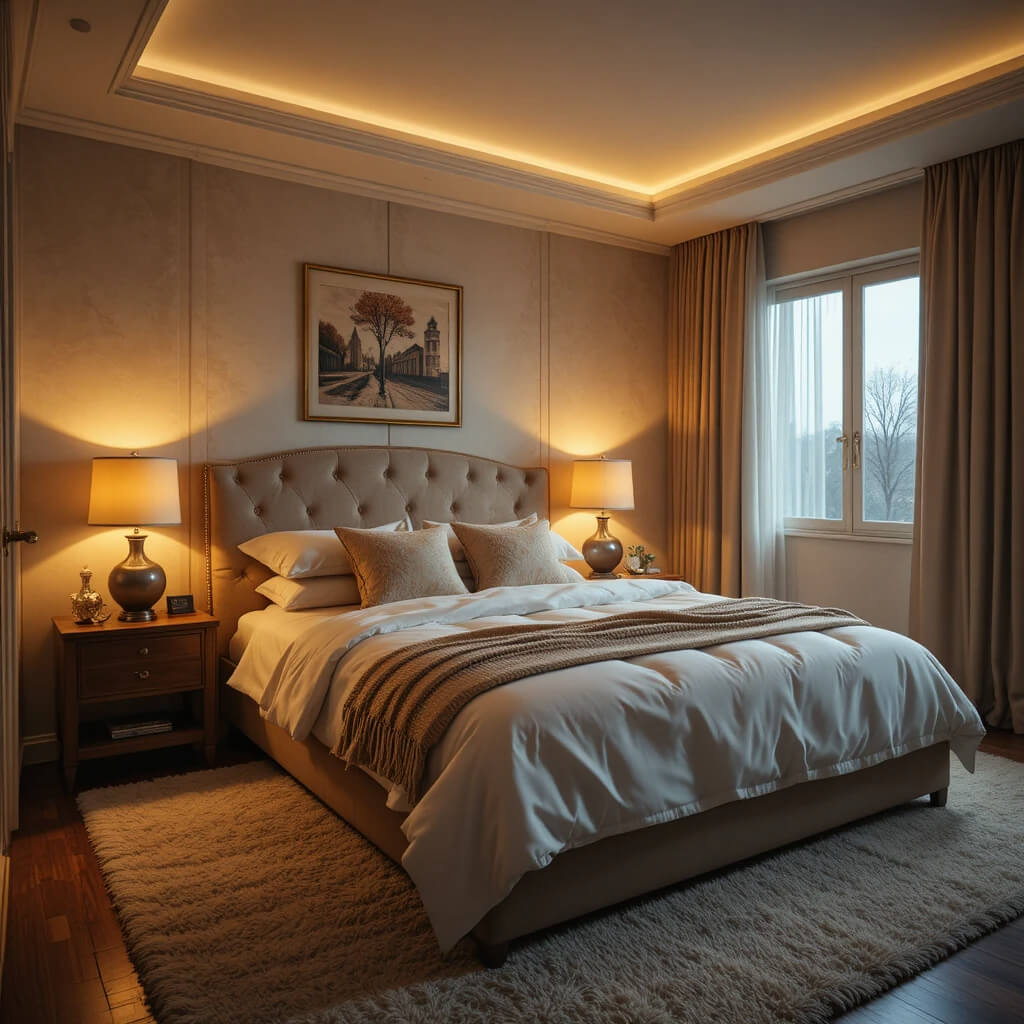
I always choose warm bulbs because they reduce harsh contrast and help the room feel lived-in.
This is one of the simplest Bedroom Lighting Ideas That Completely Change how a space feels without any renovation.
Cove Lighting for a Luxe Glow
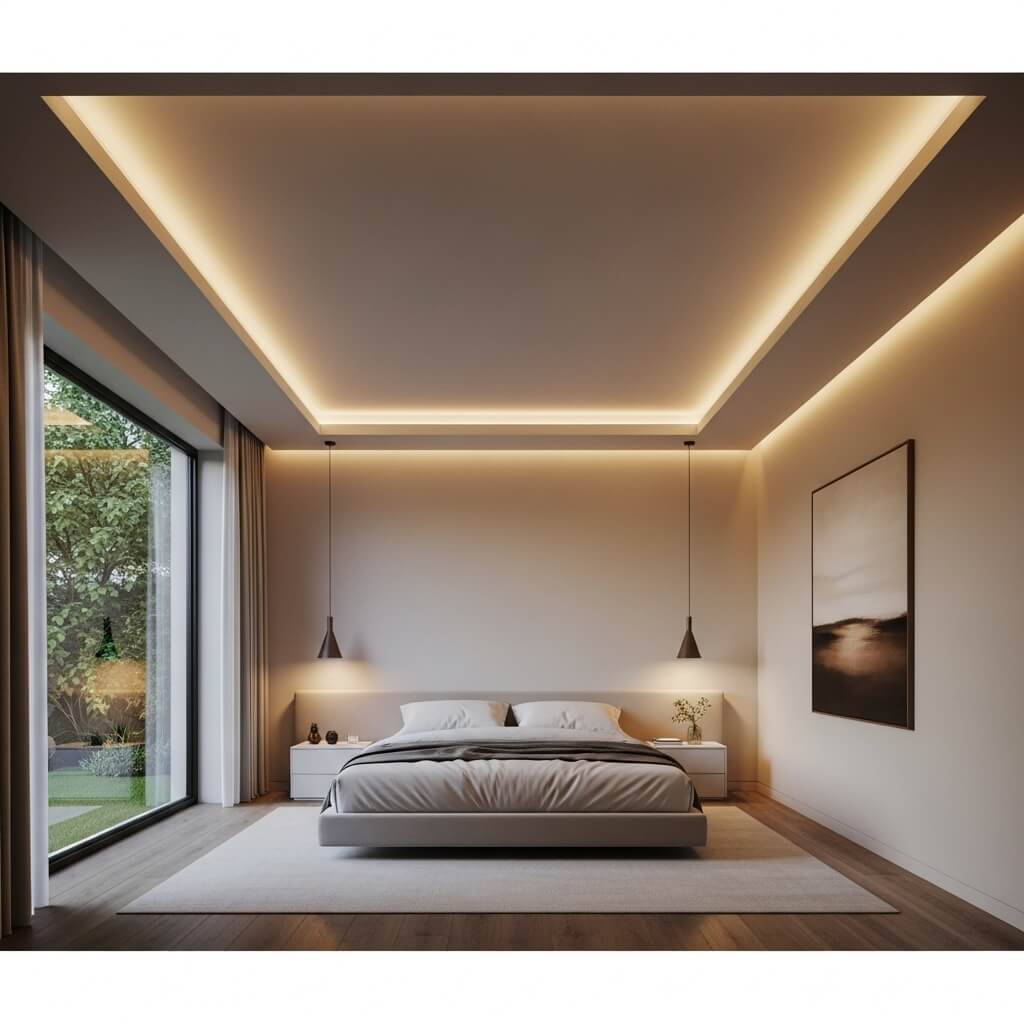
I like cove lighting because it gives indirect illumination that feels high-end. It spreads light evenly across the ceiling.
In my experience, this lighting style works best in calm, minimal bedrooms where softness is the goal.
Chandeliers or Statement Ceiling Lights
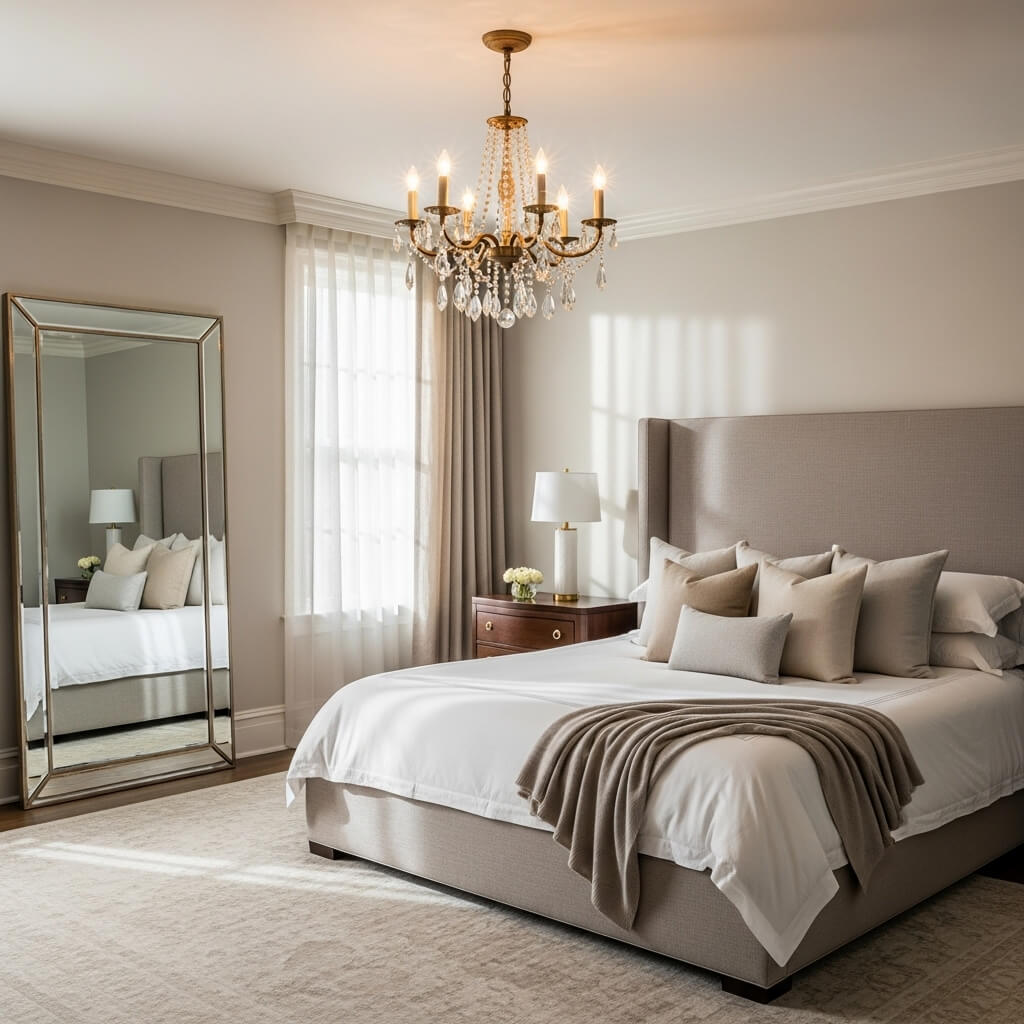
I sometimes use small chandeliers to add character without overwhelming the room. The key is warm lighting instead of cool tones.
Even a simple fixture can elevate the entire bedroom look if the light temperature is right.
Reading Lights That Don’t Kill the Mood
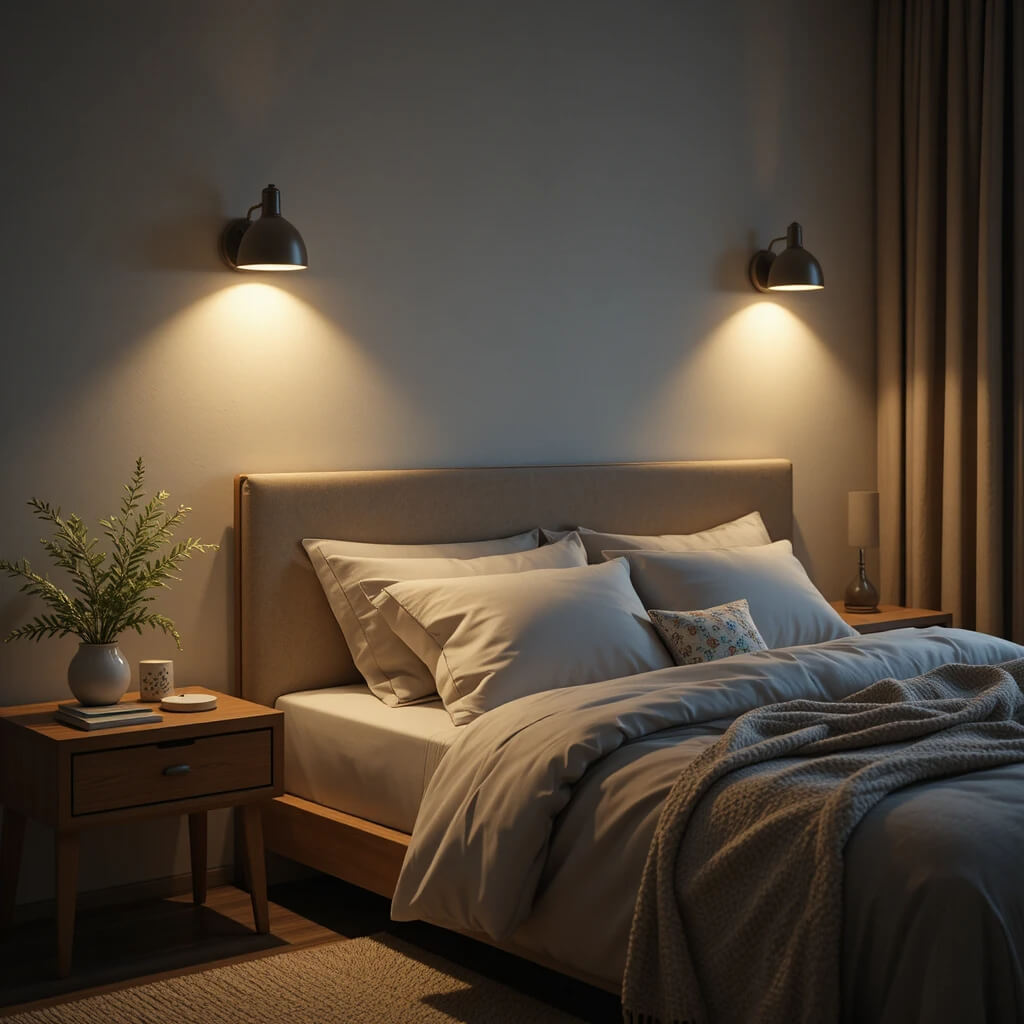
I use focused reading lights that are soft and warm. This helps me read comfortably without disturbing relaxation.
Adjustable neck lamps are especially useful because they control direction and brightness easily.
Natural Light Enhancement with Sheer Curtains
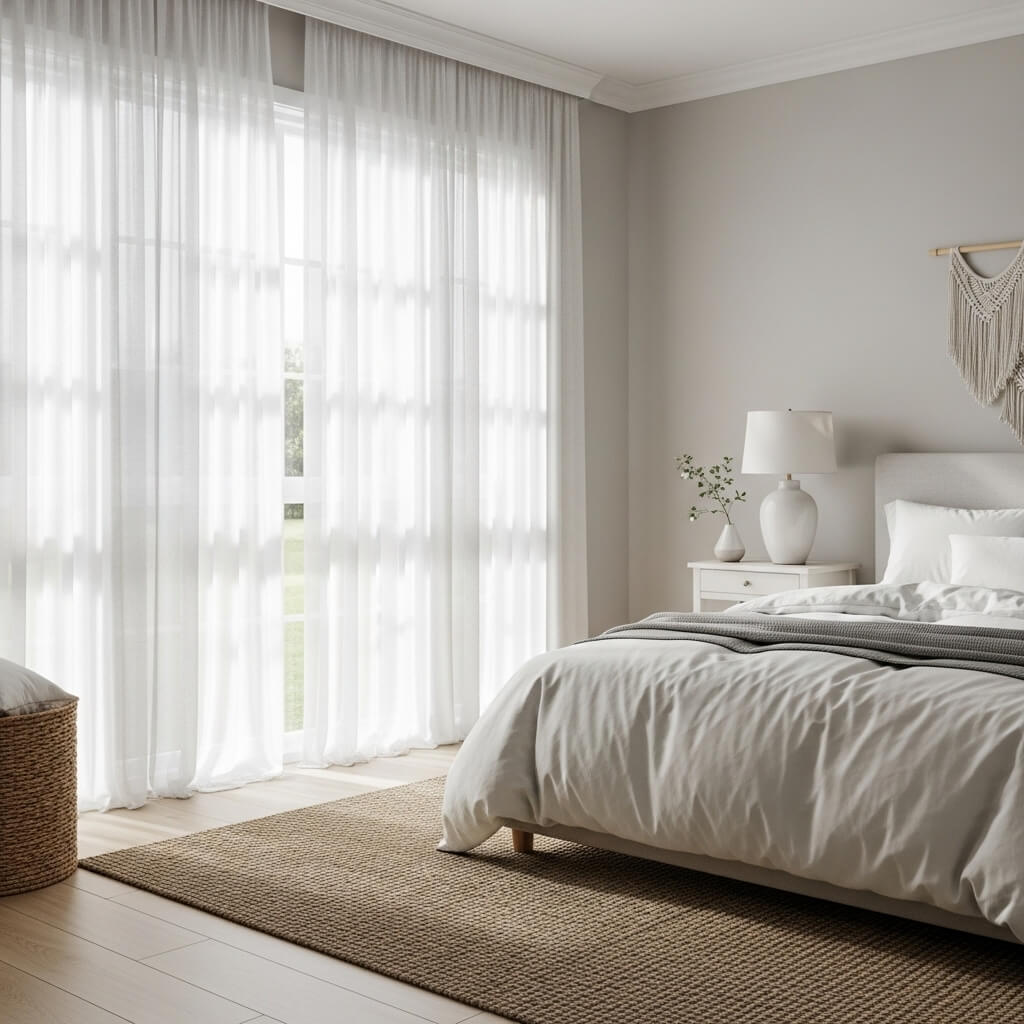
I always use sheer curtains because they soften daylight and make mornings feel calmer.
From my experience, natural light improves mood and energy levels, especially in the early hours of the day.
Layered Lighting for a Balanced Bedroom
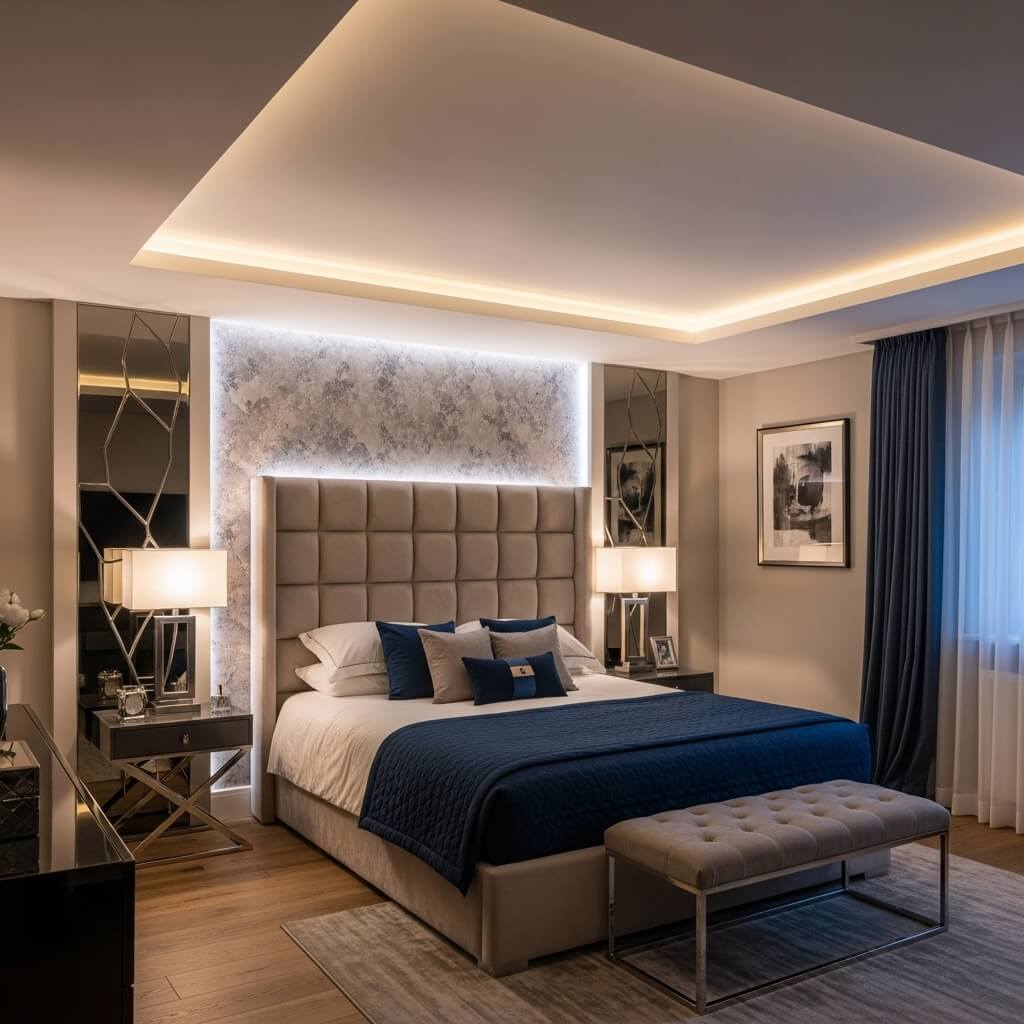
I combine ambient, task, and accent lighting in every bedroom setup. This creates balance and flexibility.
This is the core of Bedroom Lighting Ideas That Completely Change how a room feels because layering avoids flat lighting.
How to Layer Bedroom Lighting Like a Pro
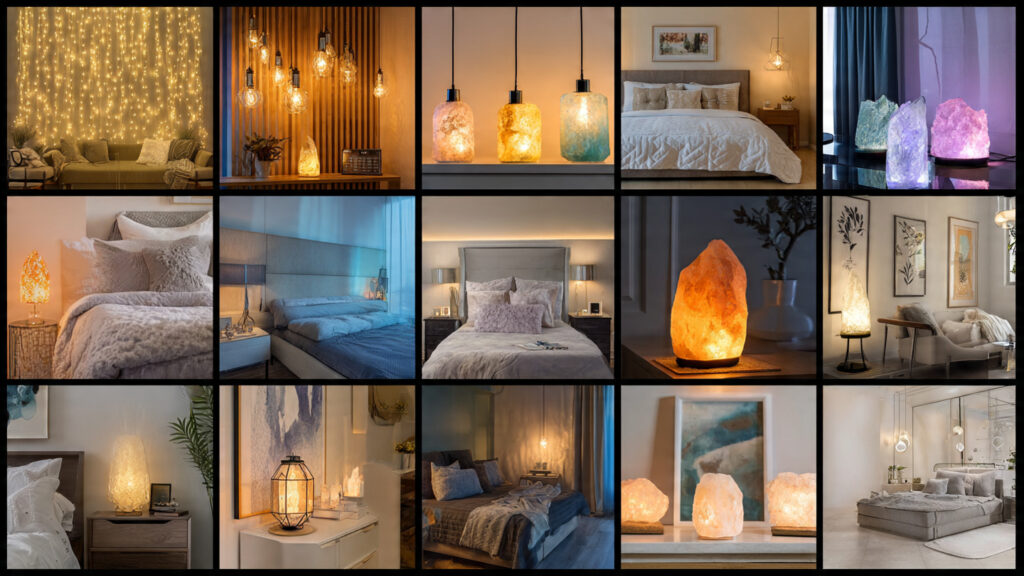
I start with ambient lighting, then add task lighting for reading, and finish with accent lighting for mood.
This layering method makes the room adaptable for sleep, relaxation, or work without changing fixtures.
Bedroom Lighting Mistakes to Avoid
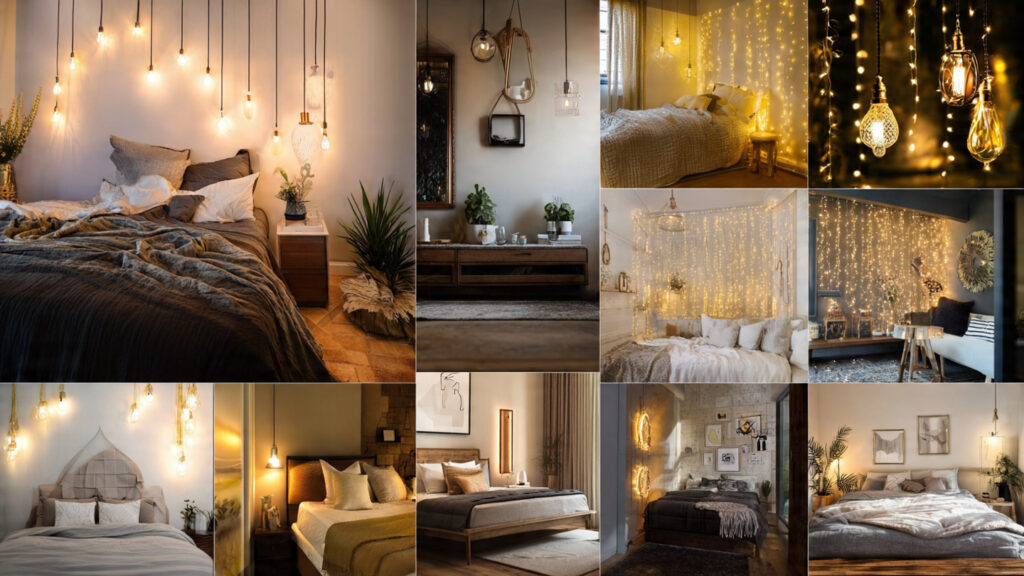
I avoid using only one overhead light because it creates harsh shadows. I also avoid cool white bulbs in sleeping areas.
Another mistake I’ve seen is skipping dimmers, which limits mood control in the room.
Final Thoughts
From my experience, lighting is the fastest way to change how a bedroom feels without spending much money. I focus on warm tones, layered setups, and soft placements to create comfort.
These Bedroom Lighting Ideas That Completely Change the mood of a room have helped me turn basic spaces into calm, relaxing environments. Even small upgrades like lamps or dimmers can make a noticeable difference in daily comfort and sleep quality.
Frequently Asked Questions (FAQs)
What are Bedroom Lighting Ideas That Completely Change a room instantly?
I find that layered lighting like bedside lamps, LED strips, and warm ambient lights can instantly shift the mood of a bedroom without any renovation.
Why is bedroom lighting so important for sleep?
From my experience, warm lighting helps the brain relax and supports melatonin production, which improves sleep quality compared to harsh white light.
What is the best color temperature for bedroom lighting?
I always prefer 2700K to 3000K warm white lighting because it feels soft, calming, and more natural for nighttime use.
Can one ceiling light be enough for a bedroom?
I don’t recommend it because a single ceiling light creates flat, harsh shadows and doesn’t support a cozy or relaxing atmosphere.
What type of lighting is best for a cozy bedroom?
I rely on a mix of warm ambient lighting, table lamps, and soft accent lights to create a layered and comfortable space.
Are LED strip lights good for bedrooms?
Yes, I use LED strips behind headboards or furniture because they add soft glow and depth without being too bright.
How do dimmers improve bedroom lighting?
In my setup, dimmers allow me to adjust brightness based on mood, making the room flexible for both relaxation and daily use.
What is ambient lighting in a bedroom?
Ambient lighting is the main soft light that fills the room evenly and sets the base mood without harsh brightness.
Should bedside lamps match on both sides?
I usually keep them matching because it creates balance, but mixing styles can work if the lighting tone stays consistent.
Are wall sconces better than bedside lamps?
From my experience, wall sconces save space and give a clean hotel-like feel, while bedside lamps are more flexible.
What bulb brightness is best for bedrooms?
I prefer lower wattage warm bulbs around 400–800 lumens for a soft and relaxing atmosphere.
How can I make my bedroom feel more luxurious with lighting?
I use cove lighting, warm sconces, and soft layered lighting to create a high-end hotel-style mood.
Do fairy lights really work in bedrooms?
Yes, I’ve used them to create soft, dreamy ambiance, especially when placed around headboards or shelves.
What lighting mistakes should I avoid in bedrooms?
I avoid cool white bulbs, single overhead lighting, and skipping dimmers because they make the room feel harsh and uncomfortable.
What is layered lighting in a bedroom?
Layered lighting means combining ambient, task, and accent lighting to create depth and flexibility in the room.
How do I light a small bedroom properly?
I focus on soft wall lighting, mirrors, and warm bulbs to make the space feel larger and more open.
Can lighting affect mood in a bedroom?
Yes, in my experience, lighting has a direct impact on mood, stress levels, and how quickly I relax at night.
What are the cheapest ways to improve bedroom lighting?
I usually start with warm LED bulbs, table lamps, and fairy lights because they are affordable and highly effective.
Is natural light important in bedroom design?
Absolutely, I use sheer curtains to soften daylight because natural light improves energy and mood during the day.
What is the best overall lighting setup for a bedroom?
I always recommend a mix of warm ambient lighting, bedside task lighting, and subtle accent lighting for a balanced and cozy feel.
Many of the ideas I share are inspired by real-life experimentation. I often test décor concepts in my own living spaces and explore practical ways they can be applied in everyday homes. I also gather insights from working with homeowners who want to improve the comfort, beauty, and functionality of their spaces.
I share practical ideas for improving living rooms, bedrooms, and overall home aesthetics using simple design principles.
I explore creative ways to upgrade outdoor spaces including patio décor, small backyard styling, and relaxing outdoor setups.
I provide ideas for kitchen organization, décor accents, and functional layouts that make kitchens more beautiful and practical.
The concepts shared here are based on ideas I have personally experimented with or studied through real home décor improvements.