20 Front Yard Landscaping Ideas
I believe the front yard is more than just the space in front of a house. It creates the first impression, adds character, and can even increase property value. I’ve found that even small landscaping updates can completely change how a home looks and feels.
In this guide, I’m sharing my favorite front yard landscaping ideas that combine beauty with practicality. From attractive walkways to layered garden beds and focal trees, these ideas work for different budgets and home styles while keeping maintenance manageable.
Key Takeaways
- A well-planned front yard creates a welcoming first impression.
- Mixing hardscape and plants adds balance and visual interest.
- Layering plants makes landscapes look fuller and more professional.
- Quality edging and mulch improve the overall appearance.
- Small upgrades often provide the biggest curb appeal improvements.
- Choosing the right plants reduces long-term maintenance.
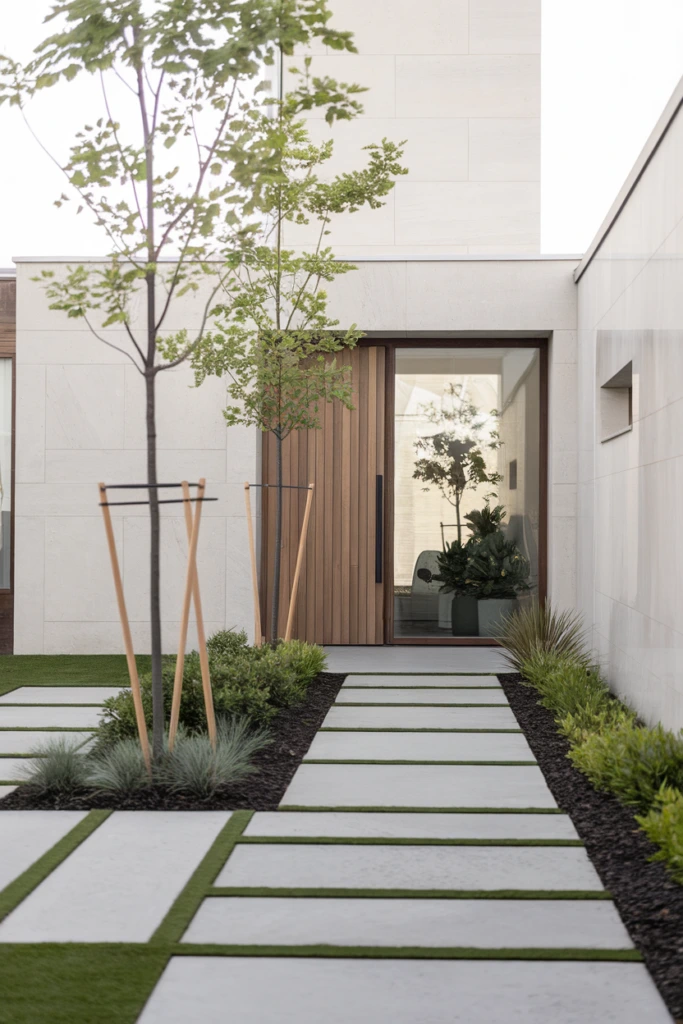
1. Paver Stone Walkway Design
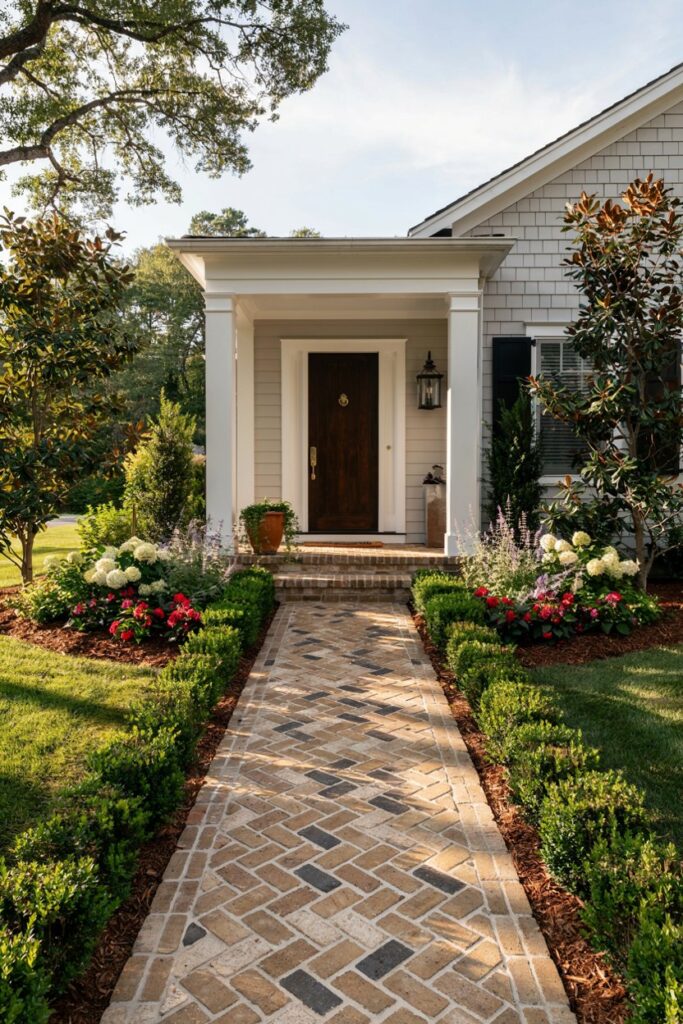
I always see the walkway as the backbone of a front yard because it naturally guides visitors toward the entrance. Replacing old concrete or worn paths with pavers instantly creates a cleaner and more welcoming appearance.
Insight: According to real estate experts, attractive entry paths are one of the first exterior features buyers notice during home visits.
I like choosing materials that match the home’s architecture, whether that’s natural flagstone, concrete pavers, or porcelain. In rainy climates, permeable pavers are worth considering because they improve drainage and reduce standing water.
Pro Tip: Leave small gaps between permeable pavers to improve water absorption and help reduce runoff.
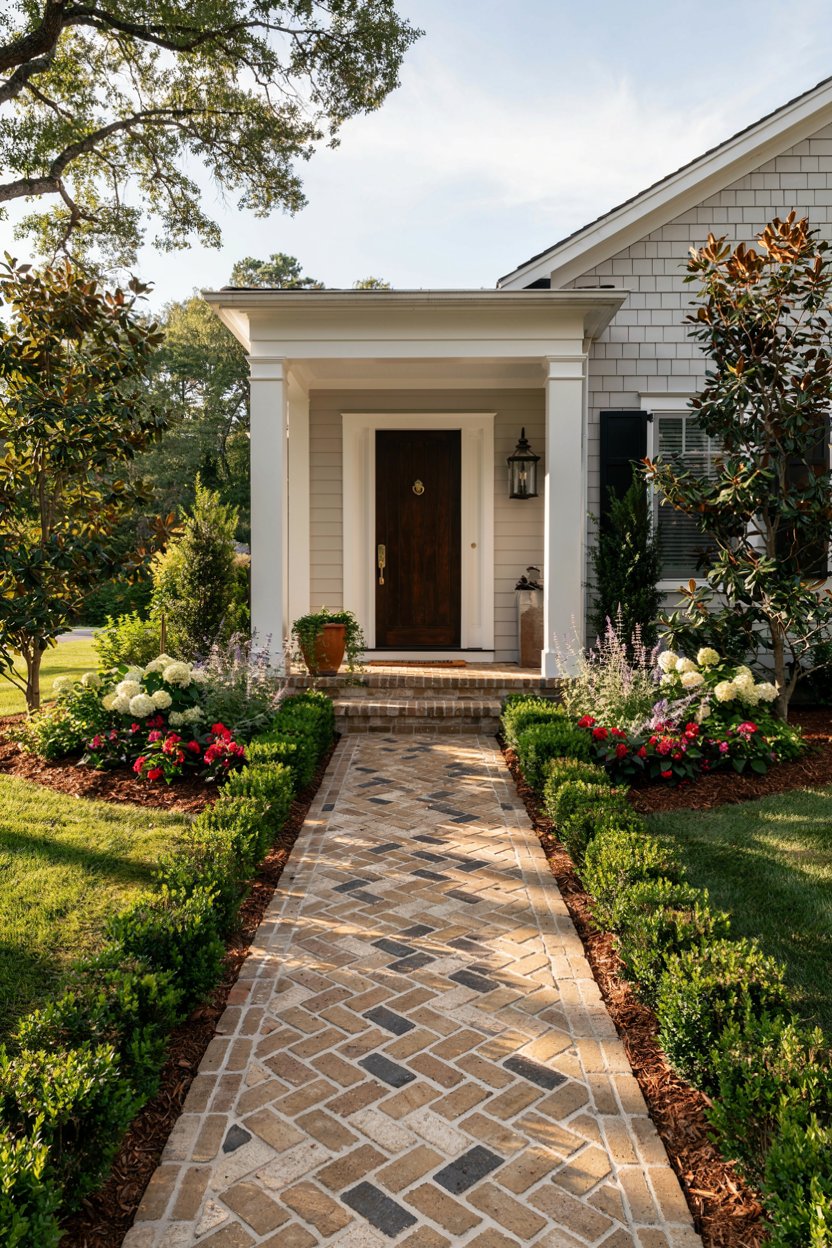
Instead of building a perfectly straight walkway, I often prefer a gentle curve that feels softer and more inviting. Decorative patterns like herringbone or running bond also give the entrance a custom, high-end finish.
Fact: Curved pathways naturally slow movement, allowing landscaping and architectural details to stand out more.
2. Formal Symmetrical Planting Layout
Whenever I want a timeless and elegant front yard, I use symmetry to create balance. Matching shrubs, planters, or flower beds on both sides of the entrance immediately make the home feel organized and polished.
Insight: Symmetrical landscaping has been used in classic garden design for centuries because it naturally creates visual harmony.
I begin by identifying the home’s focal point, usually the front door, and arrange plants evenly around it. Evergreen shrubs provide year-round structure while flowering plants soften the overall design.
Pro Tip: Stick with two or three plant varieties to keep the landscape neat instead of overcrowded.
I also keep the color palette simple with whites, greens, or soft purples. Clean lawn edges and defined mulch beds complete the look and make regular maintenance much easier.
Fact: Well-defined landscape borders can make garden beds appear larger and more professionally installed.
3. Layered Shrubs and Flower Beds
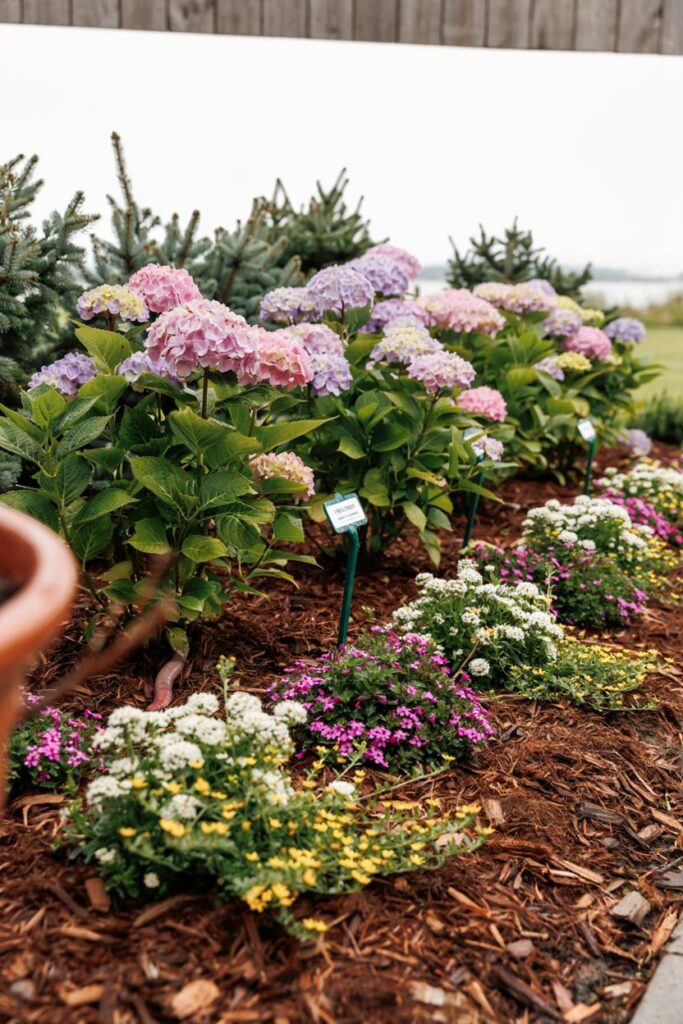
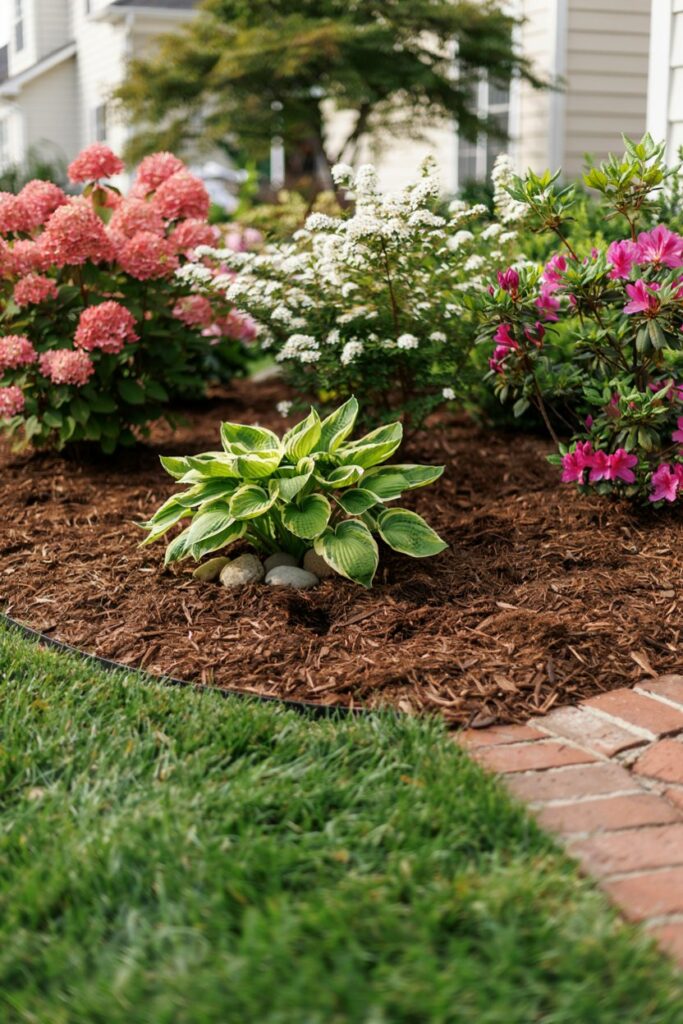
I always create depth by placing taller shrubs near the house, medium-sized flowering plants in the middle, and low-growing groundcovers along the front edge. This layered approach makes any garden bed look fuller.
Insight: Landscape designers often use three planting layers because they create natural depth without blocking windows.
I enjoy combining different leaf textures as much as flower colors. Broad leaves beside fine foliage create contrast that keeps the landscape visually interesting throughout the growing season.
Pro Tip: Leave enough spacing between mature plants so they have room to grow without becoming crowded.
Groundcovers help soften bed edges while reducing exposed mulch. The finished result looks balanced, colorful, and easier to maintain throughout the year.
Fact: Dense planting also helps reduce weed growth by limiting sunlight that reaches the soil.
4. Clean Edging with Metal Borders
One upgrade I never regret is installing metal landscape edging. It creates a sharp border that keeps grass from spreading into flower beds while giving the yard a clean, finished appearance.
Insight: Permanent edging reduces the amount of trimming and reshaping needed throughout the growing season.
Steel and aluminum edging last much longer than plastic alternatives because they resist weather damage and stay firmly in place. They also bend easily around curved planting beds without losing strength.
Pro Tip: Install edging flush with the soil so lawn mowers can pass over it without damage.
Once the borders are installed, mulch stays where it belongs and maintenance becomes much easier. It’s a simple weekend project that continues improving curb appeal for years.
Fact: Proper edging can reduce weekly lawn maintenance time by preventing grass from invading garden beds.
5. Small Ornamental Tree Focal Point
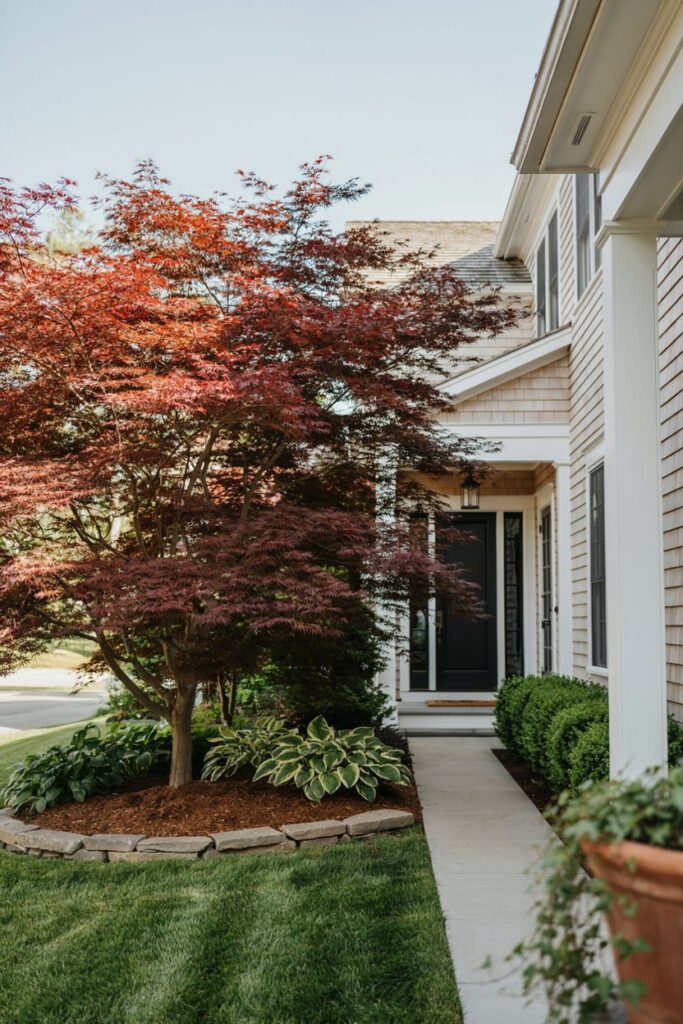
I like adding one ornamental tree because it gives the entire front yard a strong focal point without overwhelming the space. A carefully chosen tree brings interest during multiple seasons.
Insight: A single specimen tree often creates more visual impact than planting several smaller trees together.
I usually look for compact varieties that offer spring blooms, attractive foliage, or colorful fall leaves. Planting slightly off-center creates a more natural composition than placing it directly in the middle.
Pro Tip: Always check the mature size before planting to avoid future problems with sidewalks, roofs, or utility lines.
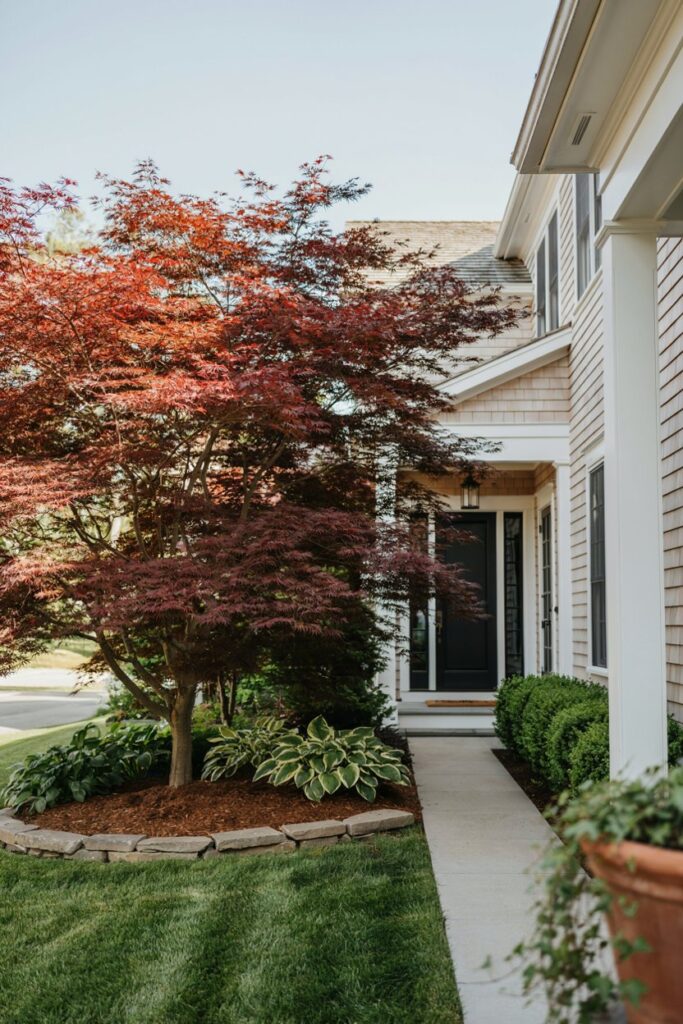
Adding mulch around the base protects the trunk while creating space for shade-loving perennials. This simple combination makes the tree look intentional and professionally landscaped.
Fact: Trees can help lower surface temperatures around a home by providing shade, which may improve outdoor comfort during summer.
6. High-Impact Seasonal Flower Colors
I like planning flower colors for every season instead of relying on one short bloom period. This keeps my front yard bright and welcoming from spring through fall without feeling repetitive.
Insight: Landscapes with year-round seasonal interest often leave a stronger first impression than gardens that bloom only once.
I combine bold shades like deep purple, bright yellow, rich burgundy, and vibrant pink to create eye-catching planting beds. Grouping similar colors together makes each section stand out from the street.
Pro Tip: Plant flowers in groups of at least three to create fuller displays and stronger visual impact.
I also repeat the same colors throughout different beds to create a consistent design. This simple approach helps the entire yard feel connected instead of random.
Fact: Color repetition is a common landscape design technique that creates visual balance across outdoor spaces.
7. Dark Mulch for Visual Contrast
One of the easiest upgrades I recommend is replacing faded mulch with a rich dark brown variety. It instantly makes flowers, shrubs, and greenery appear brighter and more vibrant.
Insight: Dark backgrounds naturally increase color contrast, making plants stand out more clearly.
I usually prefer natural dark brown hardwood mulch because it blends well with most homes and ages gracefully. It also helps retain soil moisture while keeping garden beds looking fresh.
Pro Tip: Apply 2 to 3 inches of mulch to help reduce weeds while allowing water to reach plant roots.
Fresh mulch also gives every landscape bed a clean finish without requiring expensive renovations. It’s one of the highest-value improvements for curb appeal.
Fact: Organic mulch helps regulate soil temperature and slows moisture evaporation during hot weather.
8. Planting Local Native Species
I always encourage planting native species because they naturally adapt to local weather and soil conditions. They usually require less watering and fewer chemicals than non-native plants.
Insight: Native plants support local wildlife by providing food and shelter for birds, bees, and butterflies.
I mix flowering perennials, native grasses, and small shrubs to create a landscape that looks attractive throughout the year. This combination stays healthy with much less maintenance.
Pro Tip: Visit a local nursery to find native plants that perform best in your specific growing zone.
Choosing native plants also helps lower maintenance costs over time while supporting a healthier outdoor environment.
Fact: Native gardens often require significantly less irrigation once established compared to traditional ornamental landscapes.
9. Low Water Xeriscape Rock Garden
If I want a yard that’s beautiful without constant watering, I choose a xeriscape design. Decorative gravel, natural stone, and drought-tolerant plants create texture while reducing maintenance.
Insight: Xeriscaping can significantly reduce outdoor water use, making it ideal for dry climates.
I combine ornamental rocks with succulents, agaves, ornamental grasses, and hardy perennials. Different shapes and textures keep the landscape interesting even without a traditional lawn.
Pro Tip: Install a quality weed barrier beneath decorative stone to reduce future maintenance.
Although the design is simple, it adds a modern appearance while helping lower water bills throughout the year.
Fact: Outdoor irrigation can account for nearly half of residential water use in many regions during summer.
10. Tiered Retaining Wall Garden Beds
I see sloped yards as an opportunity rather than a challenge. Building tiered retaining walls creates flat planting spaces that are easier to maintain while adding architectural interest.
Insight: Retaining walls not only improve appearance but also help reduce soil erosion on sloped properties.
I like using stone or concrete blocks that complement the home’s exterior. Planting cascading flowers along the edges softens the walls and creates a natural transition between levels.
Pro Tip: Always include proper drainage behind retaining walls to prevent water pressure from causing damage.
Each level can support different plants depending on sunlight and moisture conditions. This gives me more flexibility while creating a landscape that feels organized and professionally designed.
Fact: Properly built retaining walls can extend the usable space in a sloped front yard while improving long-term landscape stability.
11. Groundcover Instead of Traditional Lawn
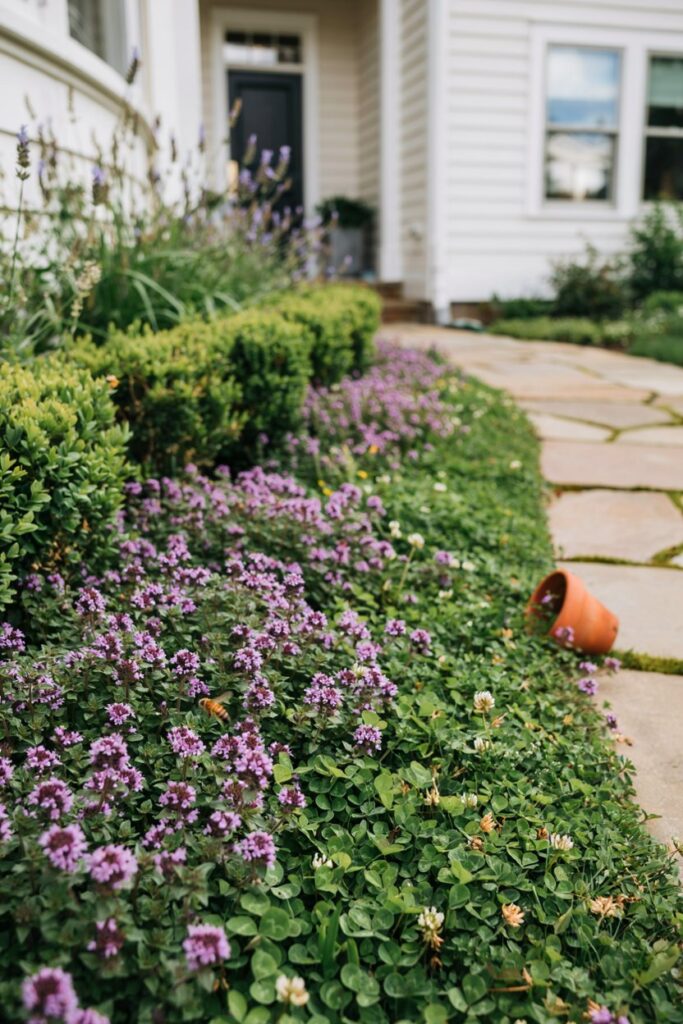
I sometimes replace sections of grass with groundcover to reduce mowing and watering. It keeps the yard green while creating a softer, more natural appearance that needs much less upkeep.
Insight: Groundcovers spread across the soil, helping reduce weeds and protect moisture around plant roots.
I like using creeping thyme, microclover, or other hardy varieties that suit the local climate. They fill empty spaces beautifully while adding texture that standard turf simply can’t provide.
Pro Tip: Prepare the soil well before planting groundcover to help it establish faster and spread evenly.
Over time, this approach saves maintenance while giving the front yard a unique look that stands out from traditional lawns.
Fact: Dense groundcovers help reduce soil erosion by protecting exposed soil from heavy rain.
12. Modern Geometric Concrete Planters
I use geometric concrete planters whenever I want the front entrance to feel more modern. Their clean shapes create structure while allowing plants to become the main feature.
Insight: Simple planter designs often complement both modern and traditional homes because they don’t compete with the architecture.
I group different planter heights together to add depth and visual interest near the front door. Mixing ornamental grasses, succulents, or evergreen plants keeps the display attractive throughout the year.
Pro Tip: Use large containers instead of several small ones to create a stronger visual impact.
Concrete planters are durable and develop character as they age, making them a worthwhile long-term investment.
Fact: Larger containers hold moisture longer than smaller pots, reducing how often plants need watering.
13. Large Decorative Boulders and Gravel
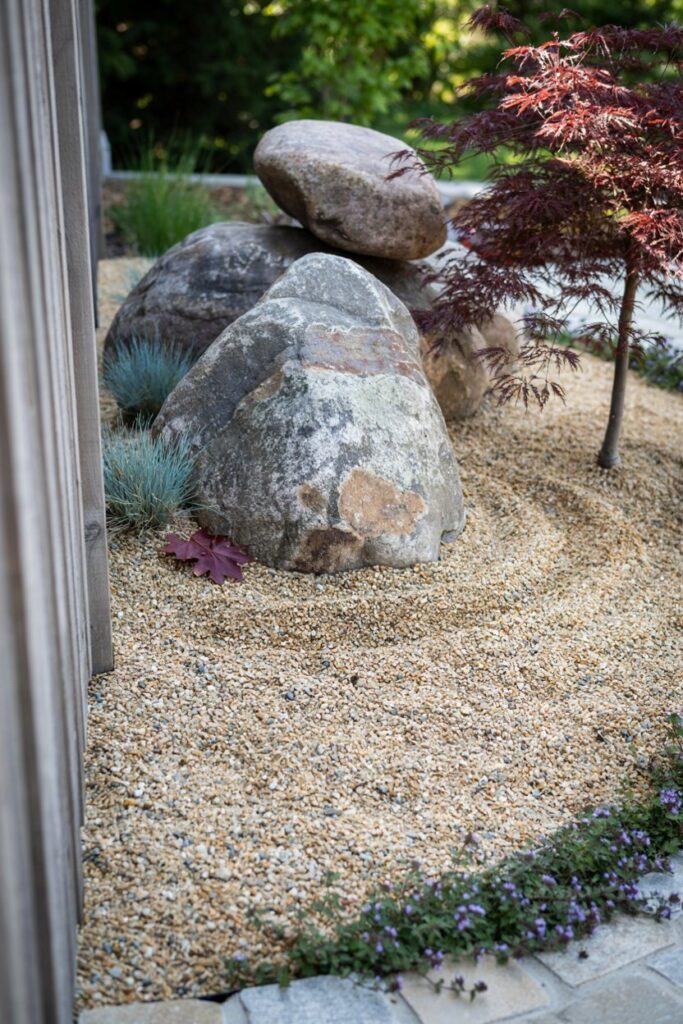
I like using decorative boulders to create natural focal points that require almost no maintenance. Combined with gravel, they add texture and balance without relying on flowers alone.
Insight: Odd-numbered groupings of landscape rocks usually appear more natural than perfectly symmetrical arrangements.
I partially bury larger stones so they look like part of the landscape instead of decorations placed on top of the soil. Mixing smooth and rough textures creates even more visual interest.
Pro Tip: Match the stone color with your home’s exterior for a more cohesive landscape design.
Adding rock features also helps fill large spaces where grass or plants may struggle to grow.
Fact: Decorative stone landscapes require very little watering compared to traditional planting beds.
14. Functional Rain Garden Installation
I appreciate rain gardens because they solve drainage problems while adding attractive planting areas. Instead of letting rainwater collect near the house, it can naturally soak into the landscape.
Insight: Rain gardens help filter stormwater before it reaches nearby drains and waterways.
I choose moisture-loving native plants that thrive after rainfall while still looking attractive during dry periods. Proper soil preparation is just as important as plant selection.
Pro Tip: Position a rain garden where water naturally flows, but keep it several feet away from your home’s foundation.
Besides improving drainage, this feature supports a healthier landscape with less standing water after storms.
Fact: A well-designed rain garden can absorb thousands of gallons of stormwater each year, depending on its size and local rainfall.
15. Trellis or Arbor Entryway Accent
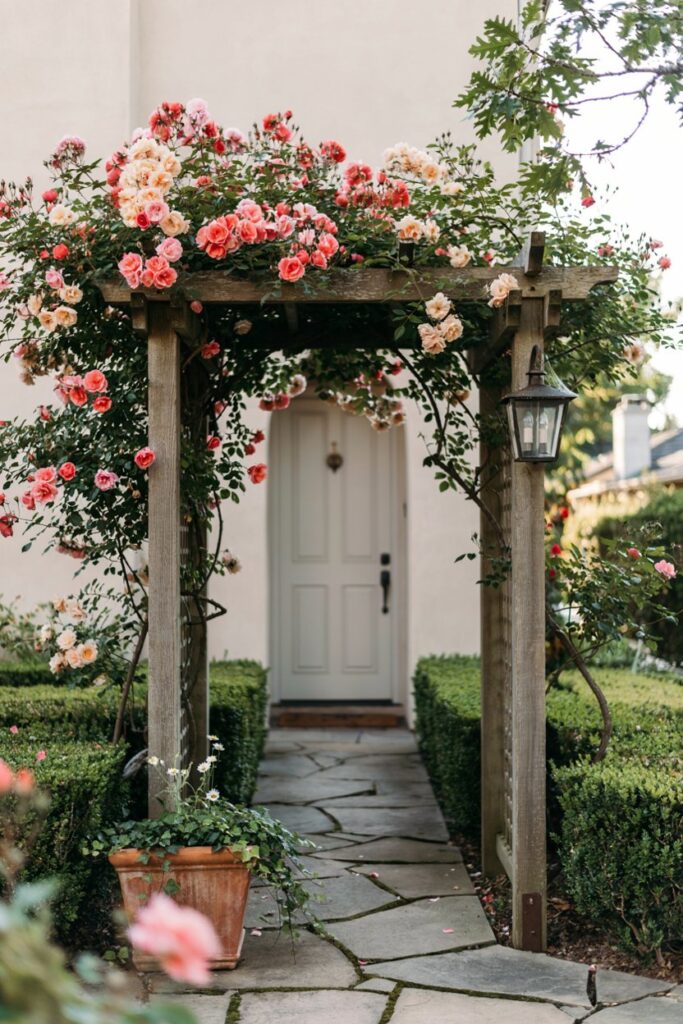
I love adding a trellis or arbor because it instantly gives the front entrance more character. It creates a welcoming transition while making the walkway feel more inviting.
Insight: Vertical features naturally draw attention upward, making smaller front yards feel larger.
I plant climbing roses, jasmine, or clematis to soften the structure over time. As the plants mature, they add color, fragrance, and seasonal beauty without taking up much ground space.
Pro Tip: Choose weather-resistant materials like cedar or powder-coated steel for longer-lasting performance.
Even a simple arbor creates a memorable entrance that makes the entire home feel thoughtfully designed.
Fact: Vertical gardening increases planting space without reducing usable yard area.
16. Dramatic Front Door Container Gardens
I like using oversized containers because they make the front entrance feel more welcoming without changing the entire landscape. A pair of matching planters instantly creates balance and draws attention to the doorway.
Insight: Large containers are easier to notice from the street and create stronger curb appeal than several small pots.
I follow the classic thriller, filler, and spiller planting method by combining a tall focal plant, colorful fillers, and trailing greenery. This gives each container a full, layered appearance.
Pro Tip: Choose containers that are at least one-third the height of your front door for better visual proportion.
Keeping the color palette simple allows the plants to stand out while maintaining a clean and polished entrance.
Fact: Large containers hold moisture longer than smaller ones, helping plants stay healthier during hot weather.
17. Fragrant Herbs and Scented Plants
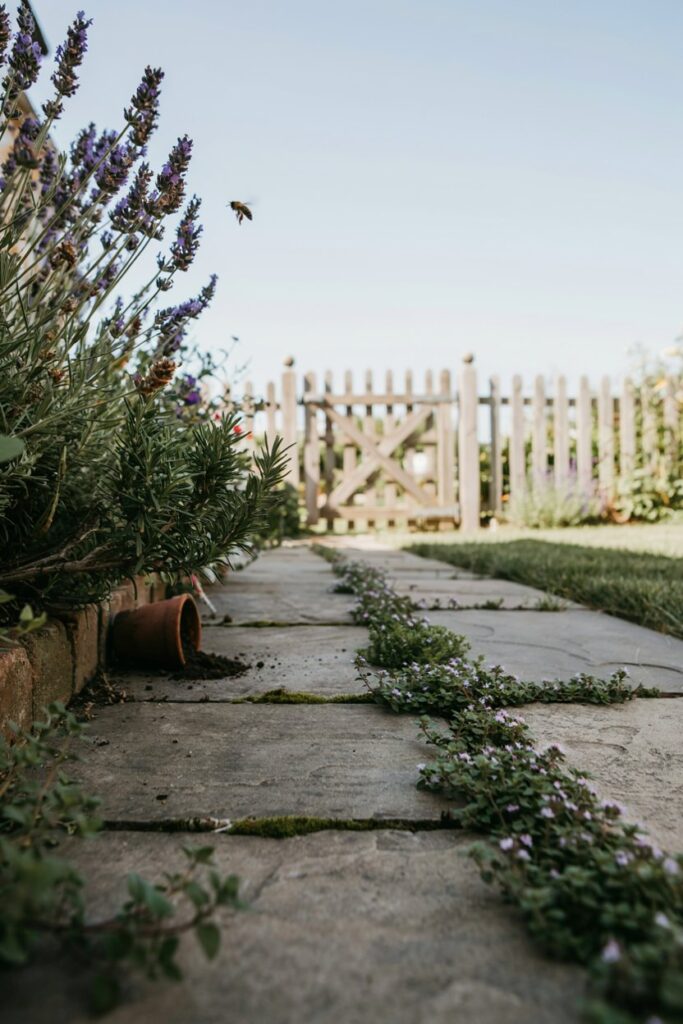
I believe a beautiful front yard should appeal to more than just the eyes. Adding fragrant plants creates a welcoming experience every time I walk toward the front door.
Insight: Fragrance is one of the easiest ways to make outdoor spaces feel more relaxing and memorable.
I like planting lavender, rosemary, thyme, and gardenias near walkways or seating areas where their scent can be enjoyed naturally. They also attract helpful pollinators during the growing season.
Pro Tip: Plant fragrant varieties where sunlight and airflow help spread their natural scent.
These plants add beauty throughout the seasons while making the entrance feel warm and inviting.
Fact: Many aromatic herbs naturally attract bees and butterflies while discouraging some common garden pests.
18. Welcoming Front Yard Seating Nook
I enjoy creating a small seating area because it turns the front yard into a space I actually use instead of simply looking at. Even a simple chair and table can make the entrance feel more inviting.
Insight: Functional outdoor spaces often increase how frequently homeowners enjoy their landscape.
I choose durable furniture that matches the home’s style and place it on a gravel, stone, or paved surface for stability. Adding nearby shrubs or flowers creates a comfortable sense of privacy.
Pro Tip: Include weather-resistant cushions and a small side table to make the seating area more comfortable.
A cozy seating nook encourages relaxing outdoors while giving the home a warm, lived-in appearance.
Fact: Outdoor living spaces continue to rank among the most desirable home improvement features for buyers.
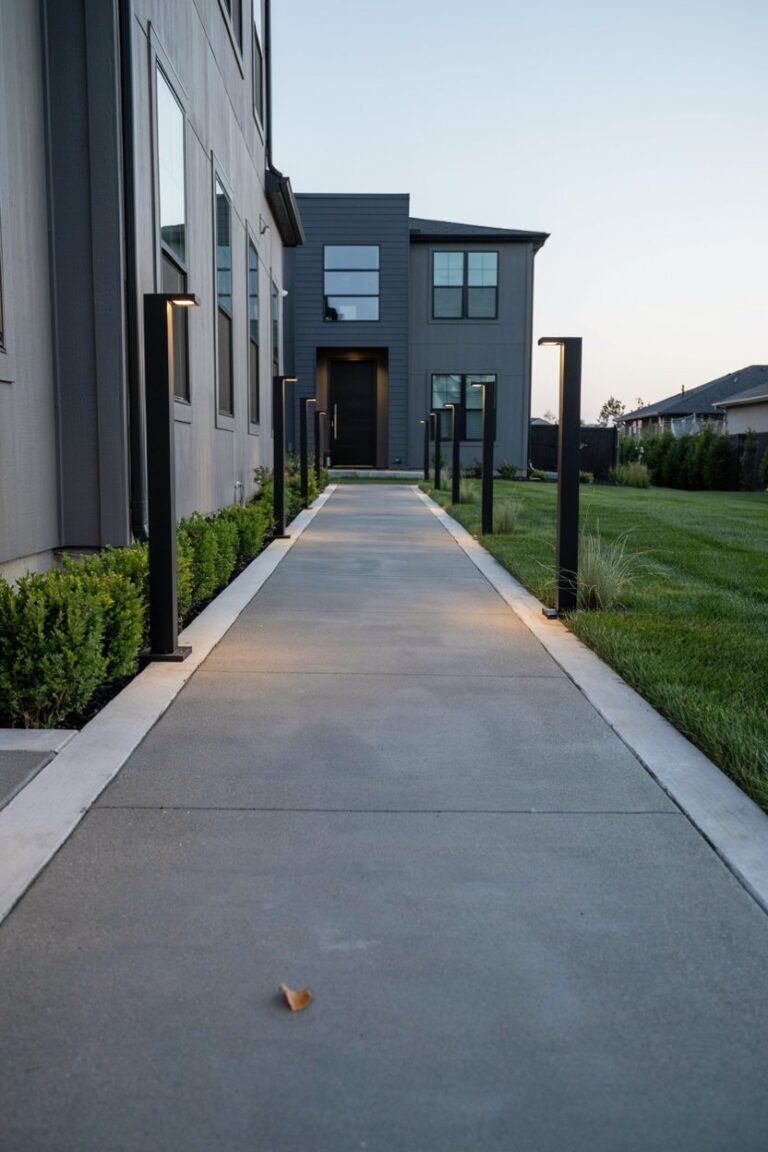
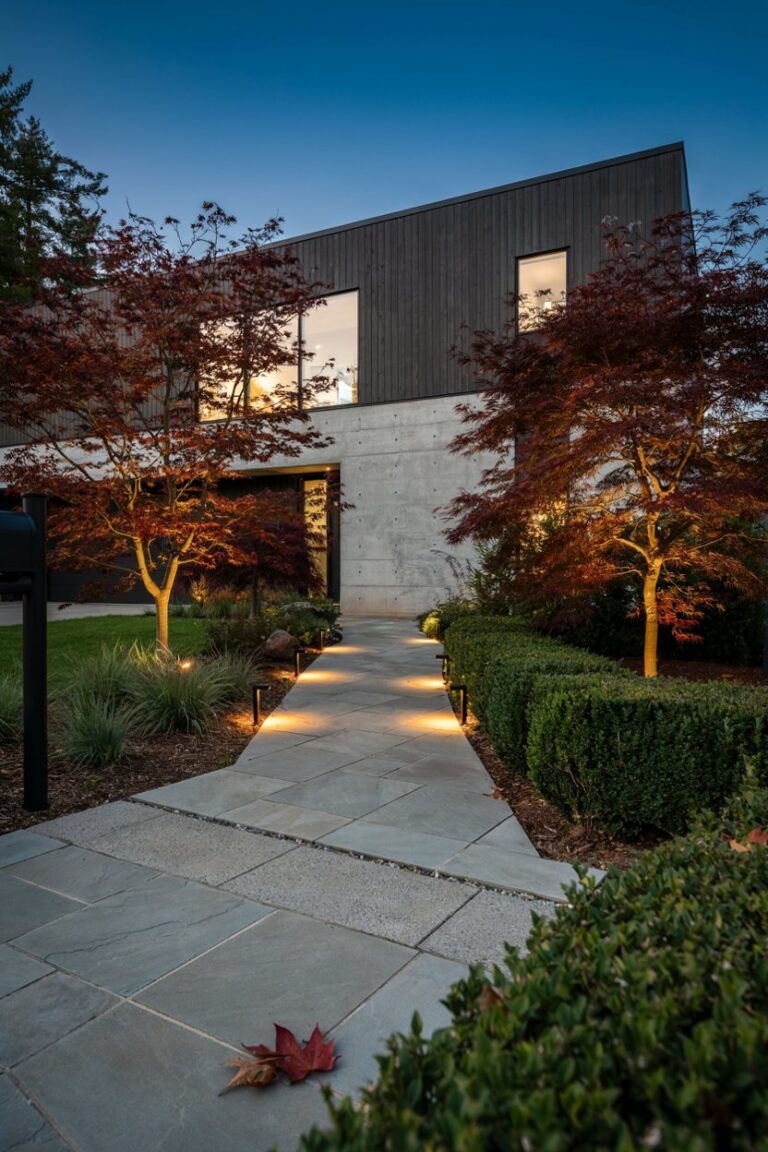
19. Pathway and Accent Spot Lighting
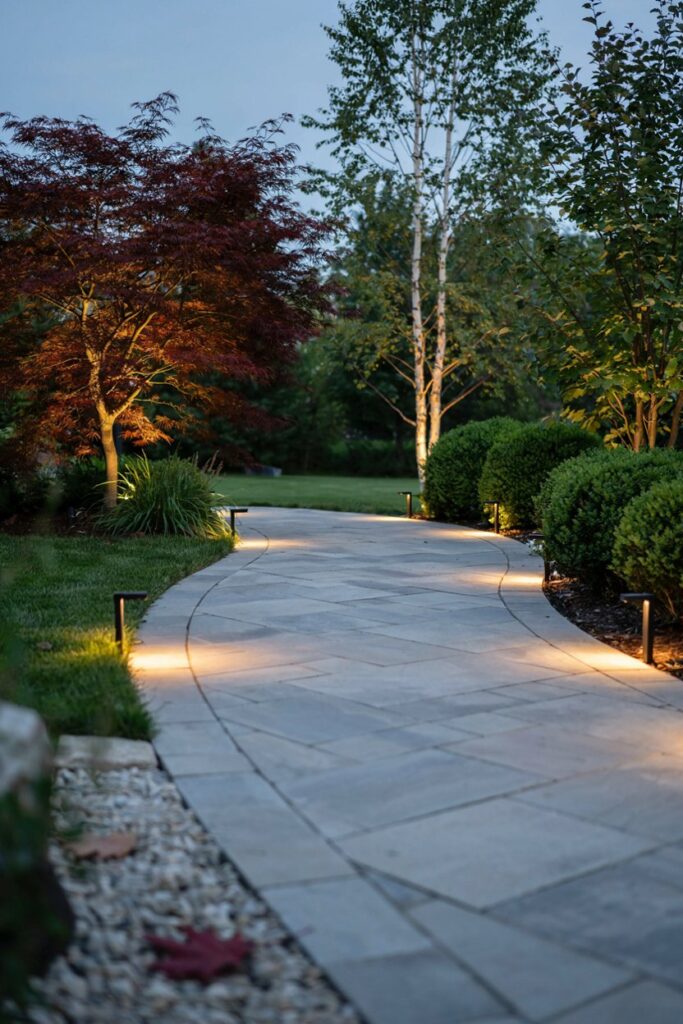
I never overlook landscape lighting because it improves both safety and curb appeal after sunset. A well-lit walkway also makes guests feel more comfortable approaching the house.
Insight: Layered outdoor lighting creates depth while highlighting architectural and landscape features.
I stagger low-voltage pathway lights along walkways and use spotlights to showcase trees, stonework, or decorative plants. The result feels natural rather than overly bright.
Pro Tip: Use warm white LED lights around 2700K–3000K for a soft and welcoming appearance.
Quality fixtures last much longer and continue adding value while requiring very little maintenance.
Fact: LED landscape lighting uses significantly less electricity than traditional outdoor bulbs while lasting much longer.
20. Illuminated House Number Display
I think illuminated house numbers are one of the simplest upgrades with practical benefits. They improve visibility while giving the front entrance a modern and finished appearance.
Insight: Clearly visible house numbers help emergency responders, delivery drivers, and guests locate your home more quickly.
I prefer warm white lighting with clean, easy-to-read numbers that match the home’s design. Solar-powered options also work well in locations that receive plenty of direct sunlight.
Pro Tip: Install illuminated numbers where they can easily be seen from the street without being blocked by plants.
This small detail completes the overall landscape while adding convenience every evening.
Fact: Good exterior lighting improves both home security and nighttime visibility around entryways.
Conclusion
I believe great front yard landscaping doesn’t require a complete makeover. Small improvements like adding attractive pathways, layering plants, upgrading lighting, or choosing low-maintenance landscaping can make a noticeable difference. I recommend starting with one or two projects that fit your budget, then building on them over time. With thoughtful planning, you can create a front yard that looks beautiful, feels welcoming, and adds lasting value to your home.
Many of the ideas I share are inspired by real-life experimentation. I often test décor concepts in my own living spaces and explore practical ways they can be applied in everyday homes. I also gather insights from working with homeowners who want to improve the comfort, beauty, and functionality of their spaces.
I share practical ideas for improving living rooms, bedrooms, and overall home aesthetics using simple design principles.
I explore creative ways to upgrade outdoor spaces including patio décor, small backyard styling, and relaxing outdoor setups.
I provide ideas for kitchen organization, décor accents, and functional layouts that make kitchens more beautiful and practical.
The concepts shared here are based on ideas I have personally experimented with or studied through real home décor improvements.