21 Simple Living Room Ideas
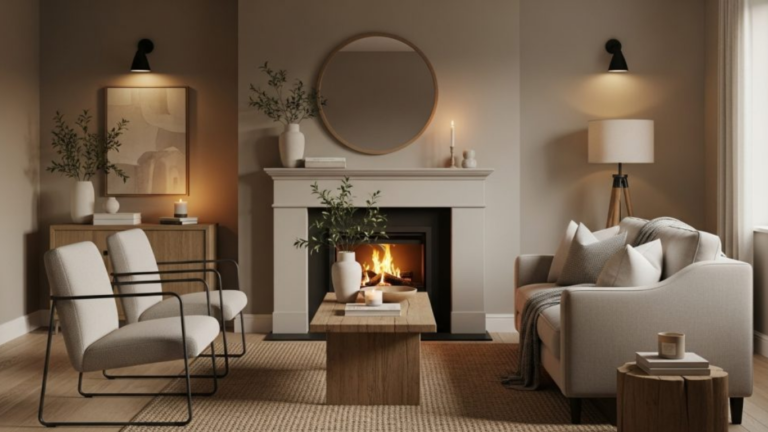
I like simple living room ideas because they can make a space feel more comfortable without requiring a complete makeover. In this guide, I’m sharing practical changes I would make first, from choosing lighter walls and comfortable furniture to improving lighting, storage, layout, and natural light.
The best part is that most of these ideas do not require buying lots of new decor. I focus on keeping the room useful, organized, comfortable, and personal while using a few well-chosen pieces to make the space feel finished.
Key Takeaways
- I would start with light walls, a comfortable sofa, and a properly sized rug.
- Decluttering and smart storage can make a living room feel much more organized.
- Plants, artwork, mirrors, pillows, and throws add personality without filling every surface.
- Layered lighting and natural light can make the room more comfortable throughout the day.
- I would choose furniture and decor that serve a purpose rather than adding pieces just to fill space.
- A simple color palette helps different furniture and accessories work together.
1Keep Walls Light and Bright
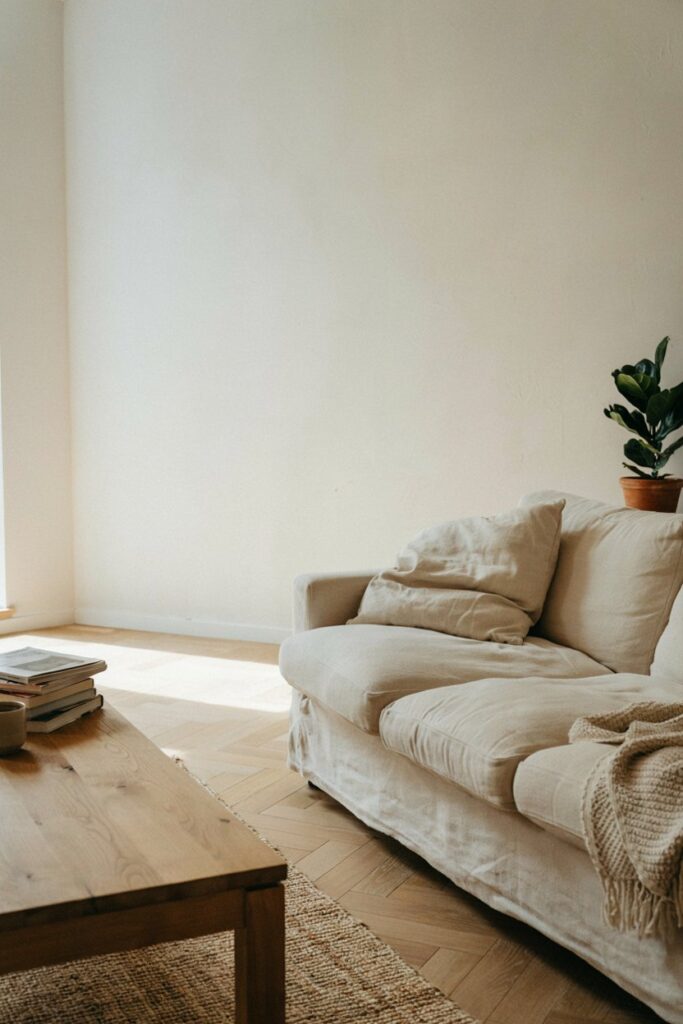
I prefer light wall colors when I want a living room to feel open and easy to style. White, warm cream, beige, and soft gray can create a brighter backdrop while allowing furniture, artwork, and textiles to stand out.
Pro Tip: If pure white feels too stark, I would choose a warm off-white or creamy shade for a softer appearance.
2Choose a Comfy Sofa
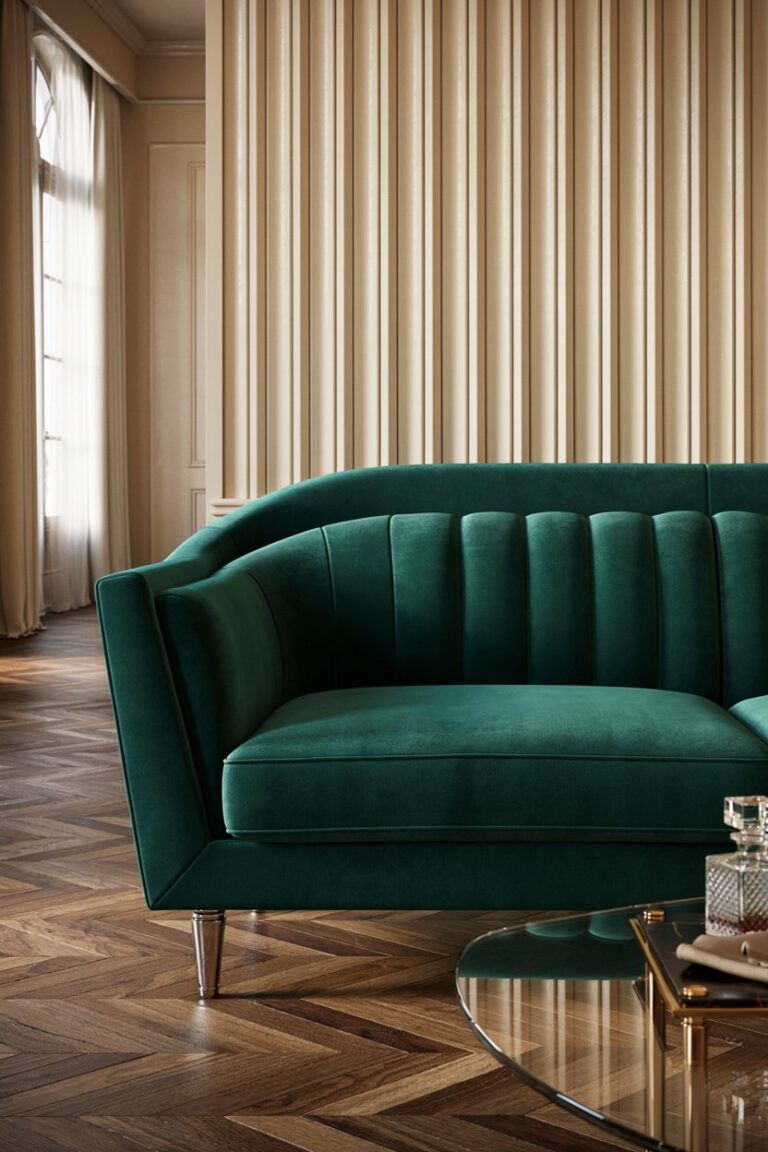
I always consider the sofa before buying smaller living room decorations because it usually becomes the main place for relaxing, watching TV, reading, or talking with guests. I would choose supportive cushions, a durable fabric, and a shape that fits the room without making movement difficult.
Pro Tip: Before buying a sofa, I would measure the doorway, room, and available wall space so the furniture actually fits once it arrives.
3Add Throw Pillows for Color
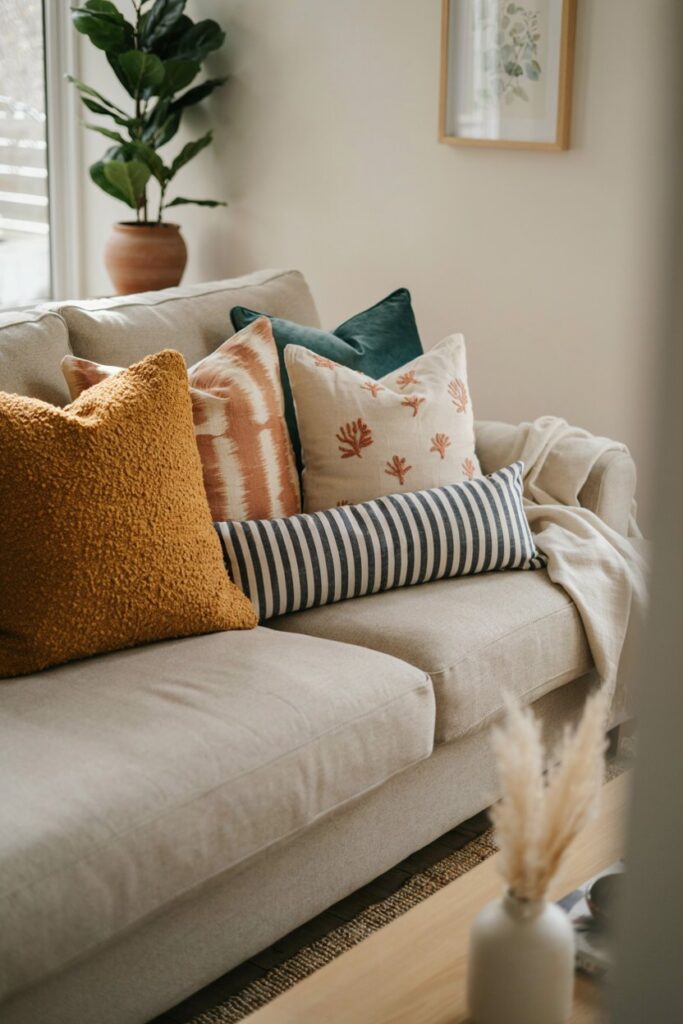
I use throw pillows when I want to add color or pattern without making a permanent change to the room. A neutral sofa gives me plenty of freedom to switch pillow covers as my style changes or when I want a seasonal update.
Pro Tip: I like mixing two or three pillow textures rather than using several patterns that compete for attention.
4Use a Simple Rug
I find that a living room rug helps connect the seating area and makes hard flooring feel warmer underfoot. I would choose a simple design that works with the sofa and other furniture instead of selecting a rug that becomes the only noticeable feature.
Pro Tip: I make sure the rug is large enough for at least the front legs of the main seating pieces to sit on it, which helps the arrangement look connected.
5Declutter Your Space
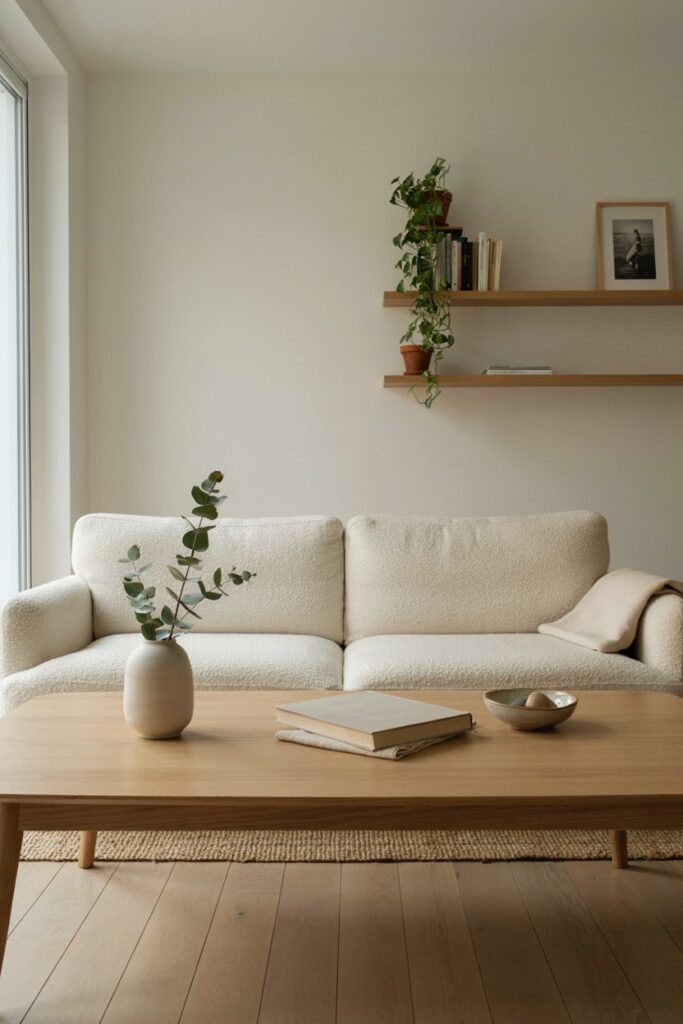
I would declutter before spending money on new decor because too many objects can make even a nicely decorated living room feel crowded. I start with coffee tables, shelves, side tables, and other surfaces where small items tend to collect.
Pro Tip: I remove anything I rarely use first, then decide which remaining pieces are useful, meaningful, or attractive enough to keep visible.
6Incorporate Plants
I like adding plants because greenery gives a living room a natural touch and can soften furniture with hard lines. For easier maintenance, I would choose plants that match the amount of natural light available rather than buying a plant simply because it looks good.
Pro Tip: Snake plants and pothos are commonly chosen for indoor spaces because they are generally forgiving compared with many high-maintenance houseplants.
7Hang Simple Artwork
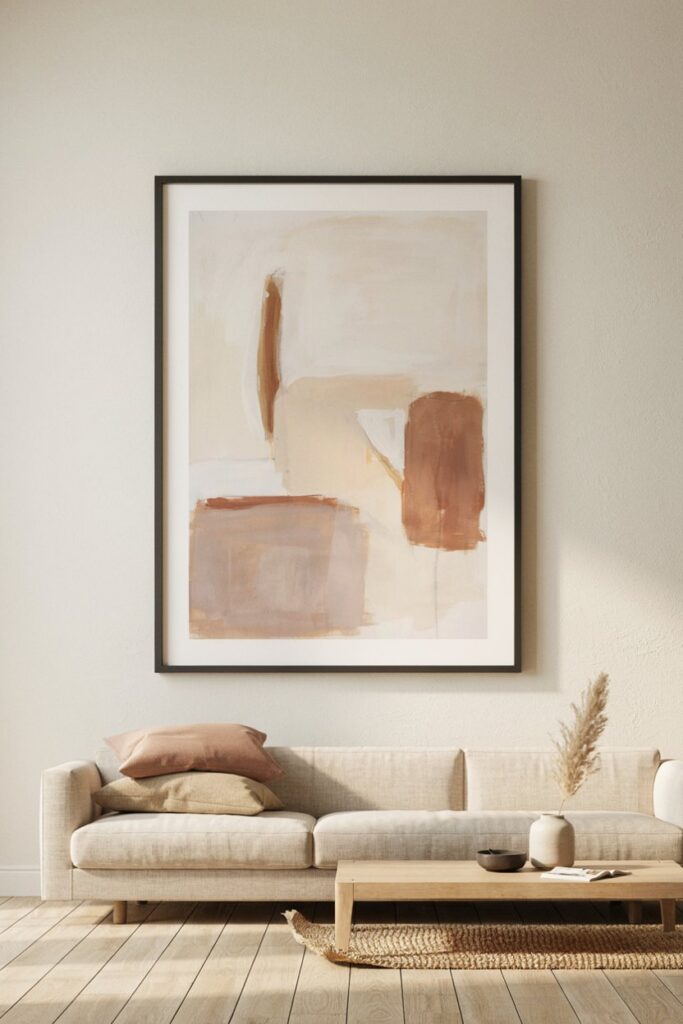
I think one carefully selected artwork can have more impact than covering every wall with decorations. I would choose artwork that works with the room’s existing colors and reflects my personal taste rather than following a trend that may quickly feel dated.
Pro Tip: For a larger empty wall, I would either use one substantial piece or create a small gallery arrangement with consistent spacing and frames.
8Use Mirrors to Open Space
I use mirrors strategically when a living room feels small or lacks enough visual brightness. Placing one where it can reflect a window, light source, or attractive part of the room can make the space feel more open.
Pro Tip: I check what the mirror will reflect before hanging it because a mirror can also emphasize an area that I would rather keep less noticeable.
9Choose Multifunctional Furniture
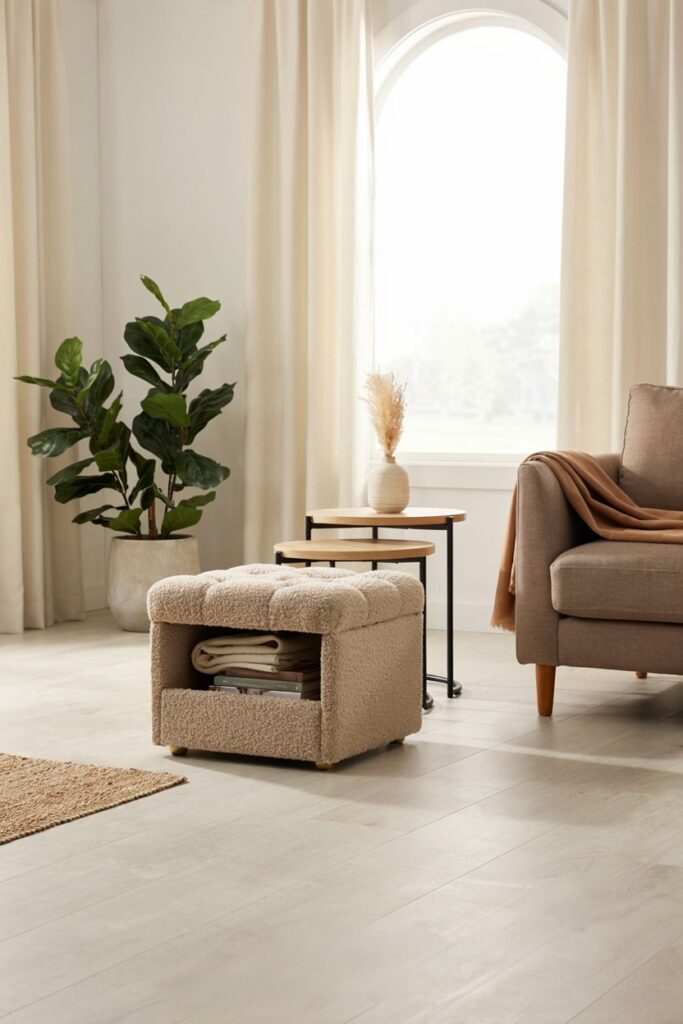
I prefer furniture that can perform more than one job, especially when floor space is limited. A storage ottoman can work as seating, a footrest, and hidden storage, while nesting tables can provide extra surfaces only when I need them.
Pro Tip: I look for pieces that solve an actual problem in the room instead of buying multifunctional furniture simply because it sounds practical.
10Layer Your Lighting
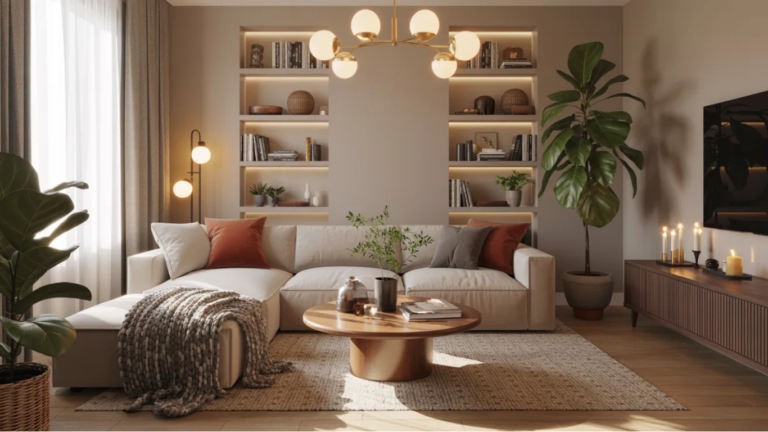
I avoid relying on one ceiling fixture because different activities need different levels of light. I like combining overhead lighting with floor lamps, table lamps, or accent lighting so the room can feel useful during the day and comfortable at night.
Pro Tip: A dimmer can give you more control over brightness, particularly when the same living room is used for reading, entertaining, and relaxing.
11Stick to a Color Scheme
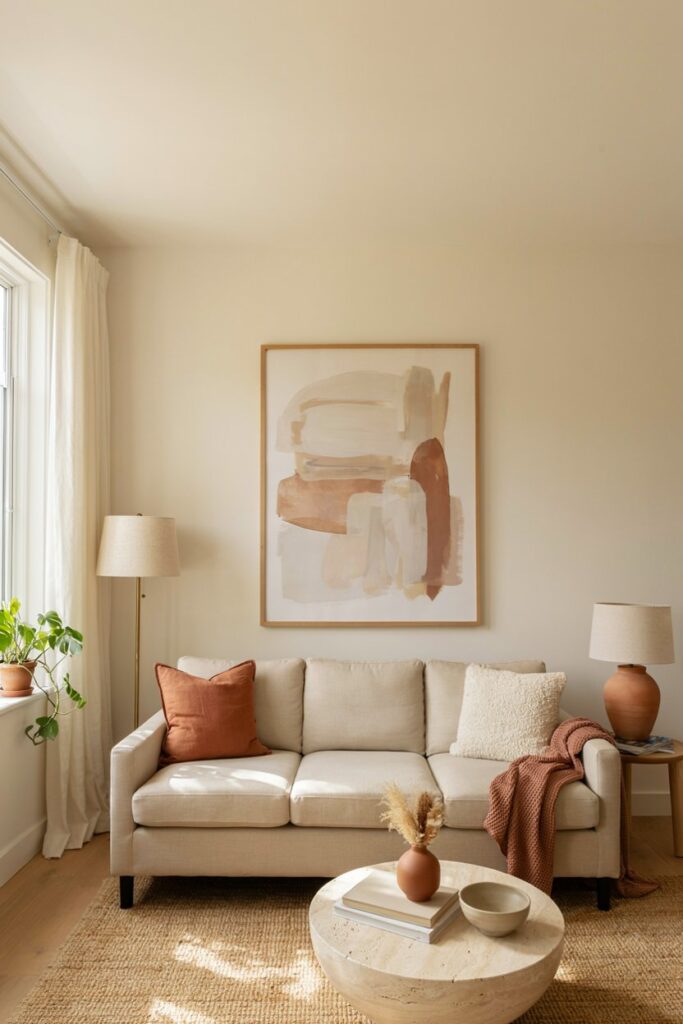
I usually keep a living room to a small group of main colors so the furniture and accessories feel connected. A neutral base with one or two stronger accent colors is an easy approach when I want the room to look simple without becoming boring.
Pro Tip: I repeat an accent color in at least two or three areas, such as pillows, artwork, and a small accessory, so it feels intentional.
12Use Shelves for Storage
I like shelves because they give me useful storage without taking up as much floor area as some larger storage furniture. Floating shelves can hold books, framed photos, plants, and small decorative pieces while keeping the room visually organized.
Pro Tip: I leave some open space between shelf items instead of filling every inch because empty space helps displays look cleaner.
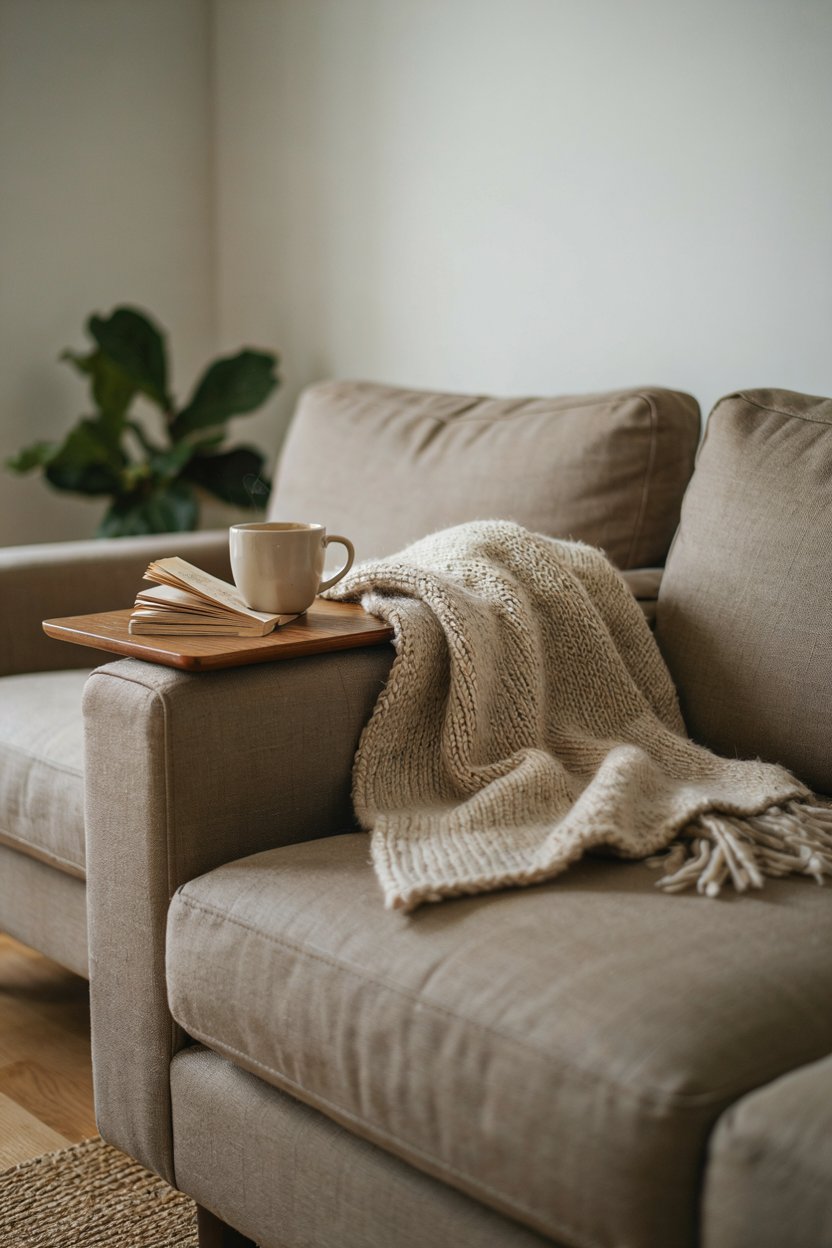
13Add a Cozy Throw Blanket
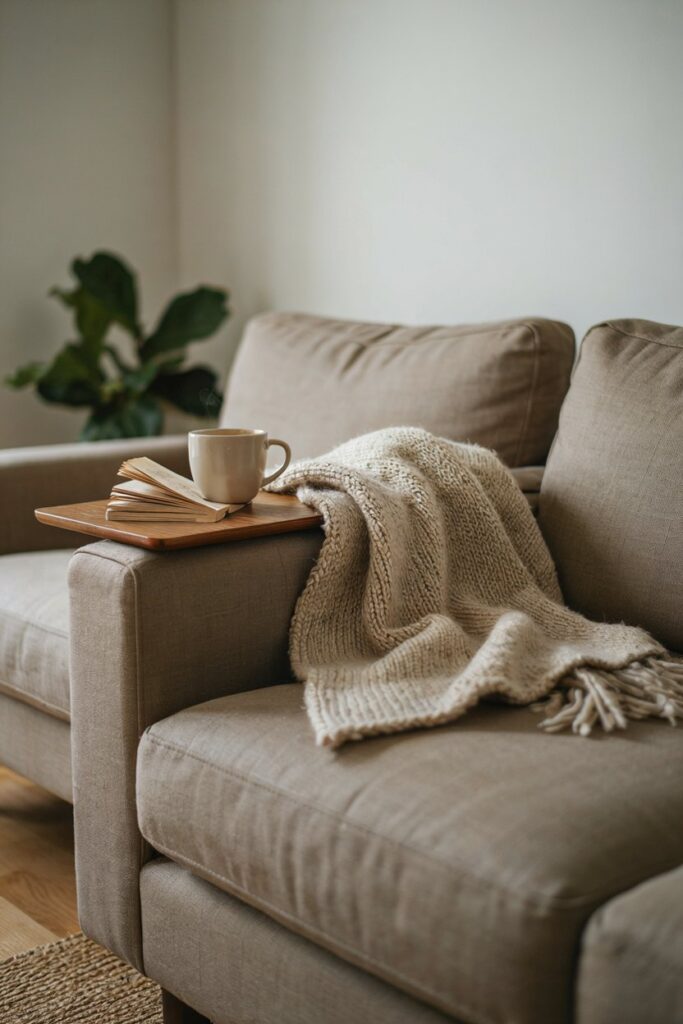
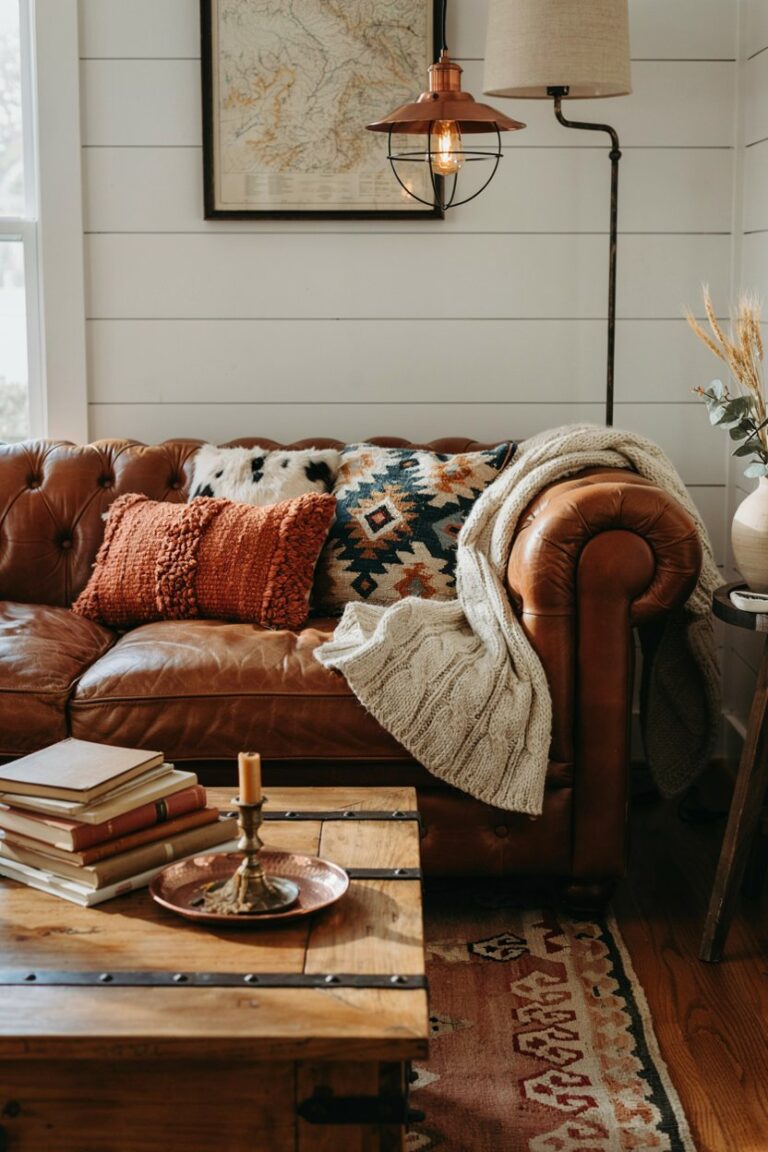
I keep a throw blanket close to the sofa because it adds comfort while also giving the seating area another layer of texture. Wool, cotton, fleece, and other soft materials can work depending on the season and how the room is used.
Pro Tip: I usually drape one throw over an arm or corner of the sofa rather than spreading it across the entire piece, which keeps the arrangement looking relaxed.
14Keep Window Treatments Simple
I prefer simple curtains or blinds when I want natural light to remain one of the main features of the living room. Light fabrics can soften windows without making them look heavy, while the right window covering can still provide privacy when needed.
Pro Tip: Hanging curtain hardware higher and wider than the window frame can help the window treatment look more intentional and allow more light into the room when the curtains are open.
15Use Baskets for Organization
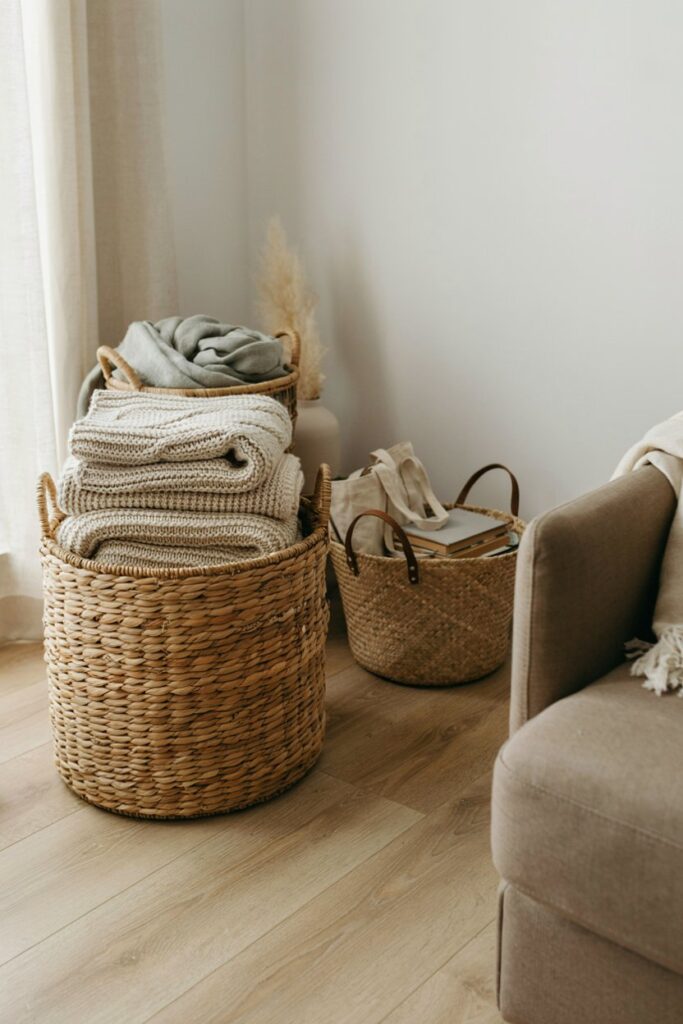
I find baskets especially useful for everyday items that need to be nearby but do not need to remain on display. I can use them for blankets, magazines, toys, remotes, or other small living room items that otherwise create visual clutter.
Pro Tip: I choose baskets that match the room’s colors and materials so storage becomes part of the decor instead of looking like an afterthought.
16Group Candles Together
I prefer grouping candles on a tray or another defined surface rather than placing them randomly around the room. A small arrangement can create a warm focal point while keeping the display contained and easier to manage.
Pro Tip: I keep candles away from curtains, paper, plants, and other flammable materials, and I never leave a burning candle unattended.
17Create a Reading Nook
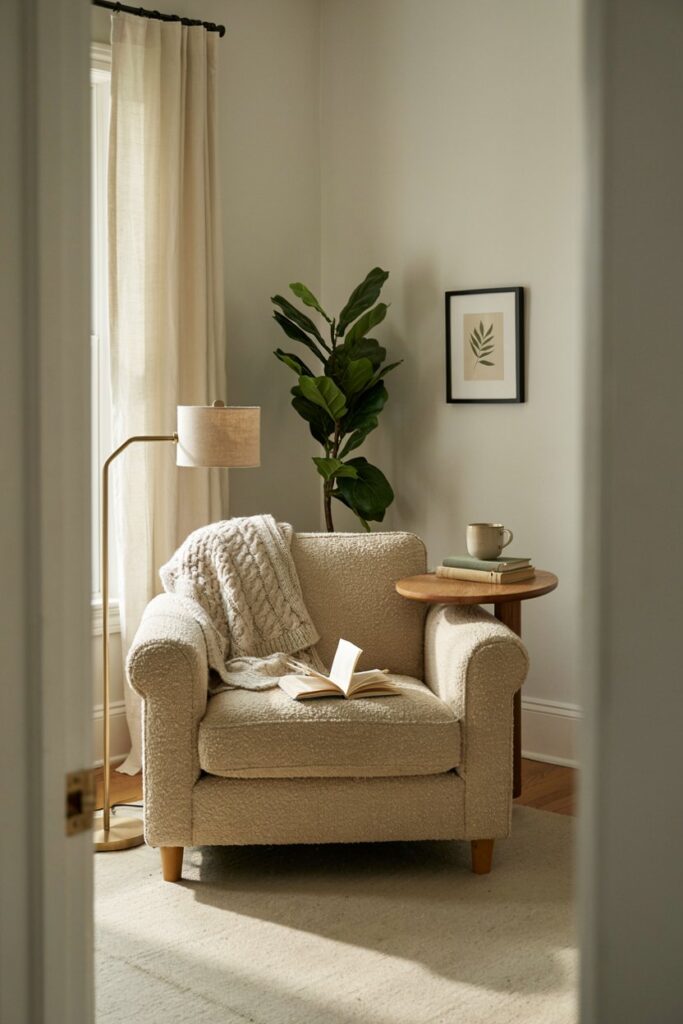
I like turning an unused corner into a small reading nook because it gives the living room another purpose. A comfortable chair, compact side table, and suitable lamp are usually enough to create a dedicated spot without needing a large furniture arrangement.
Pro Tip: I place the reading light close to the chair and make sure there is enough room to sit down and get up without blocking the main walkway.
18Float Your Furniture
I do not automatically push every sofa and chair against the walls because that can sometimes leave the center of a large room feeling disconnected. Pulling seating slightly away from the walls can create a defined conversation area and improve the flow around the furniture.
Pro Tip: I leave clear walking paths between major furniture pieces so the room remains comfortable to use rather than arranging everything only for appearance.
19Choose a Simple Coffee Table
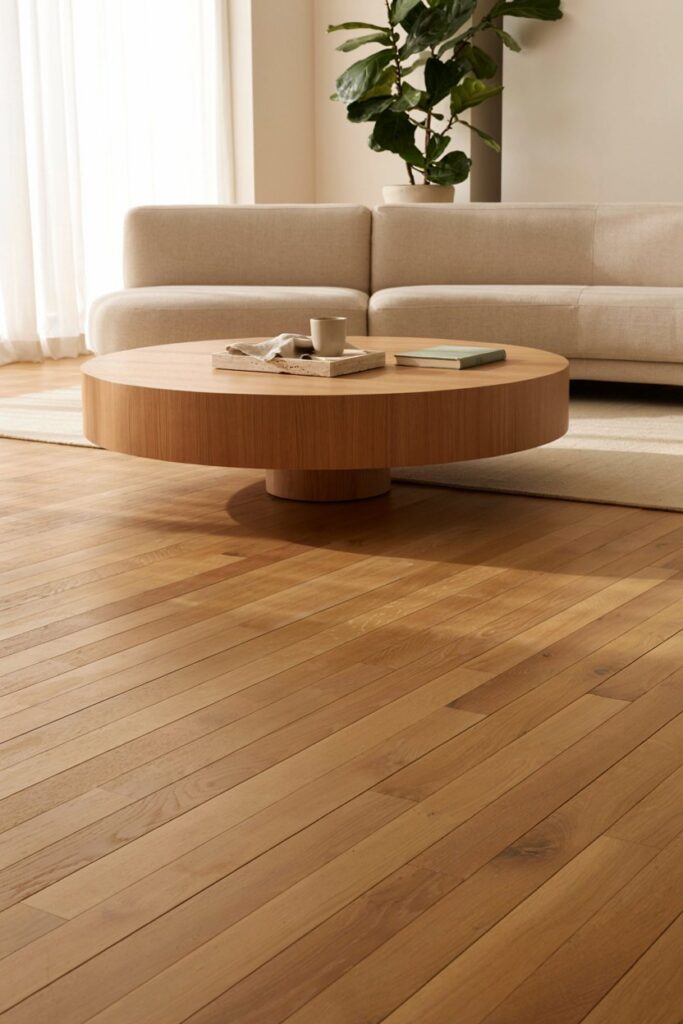
I prefer a coffee table with a clean shape because it gives the living room a useful center without adding unnecessary visual weight. Round, rectangular, wood, glass, and metal tables can all work when their size and proportions suit the surrounding furniture.
Pro Tip: I check the distance between the sofa and coffee table before buying because a table that is too large can make movement around the seating area awkward.
20Display Meaningful Objects
I think a living room feels more personal when some of the displayed items actually mean something to the people who live there. Family photos, travel souvenirs, inherited pieces, books, or handmade objects can give the space character without requiring expensive accessories.
Pro Tip: I display my favorite pieces selectively rather than putting everything out at once, which makes meaningful objects easier to notice.
21Let Natural Light In
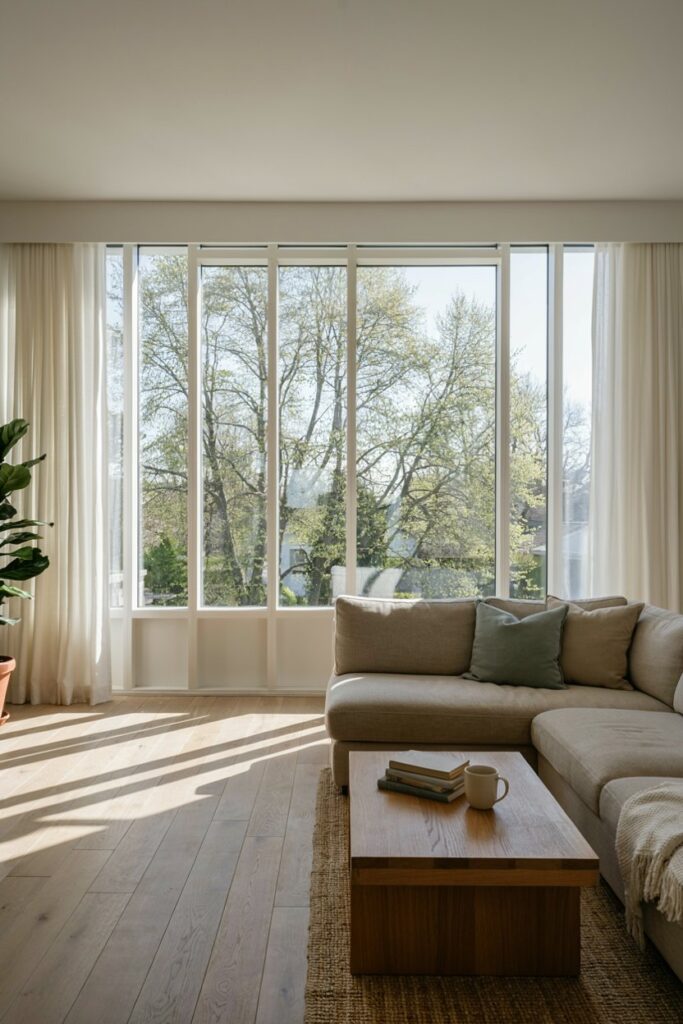
I make the most of natural light by keeping windows as clear as possible during the day. Sheer curtains can provide some privacy while still allowing daylight through, and moving bulky furniture away from windows can also help keep the room feeling brighter.
Pro Tip: I check the room at different times of day before changing window treatments because the direction and amount of sunlight can vary significantly from morning to evening.
Conclusion
I find that the best simple living room ideas are usually the ones that improve how the room actually works. A comfortable sofa, clear layout, useful storage, good lighting, natural elements, and a few personal decorations can make a bigger difference than filling the room with new accessories.
I would start with the changes that solve your biggest problem first. Once the room feels comfortable and functional, I would add smaller touches such as pillows, artwork, plants, throws, and meaningful objects to give it a personal finish.
Many of the ideas I share are inspired by real-life experimentation. I often test décor concepts in my own living spaces and explore practical ways they can be applied in everyday homes. I also gather insights from working with homeowners who want to improve the comfort, beauty, and functionality of their spaces.
I share practical ideas for improving living rooms, bedrooms, and overall home aesthetics using simple design principles.
I explore creative ways to upgrade outdoor spaces including patio décor, small backyard styling, and relaxing outdoor setups.
I provide ideas for kitchen organization, décor accents, and functional layouts that make kitchens more beautiful and practical.
The concepts shared here are based on ideas I have personally experimented with or studied through real home décor improvements.