Small Bedroom Inspirations to make a tiny room feel bigger brighter and organized
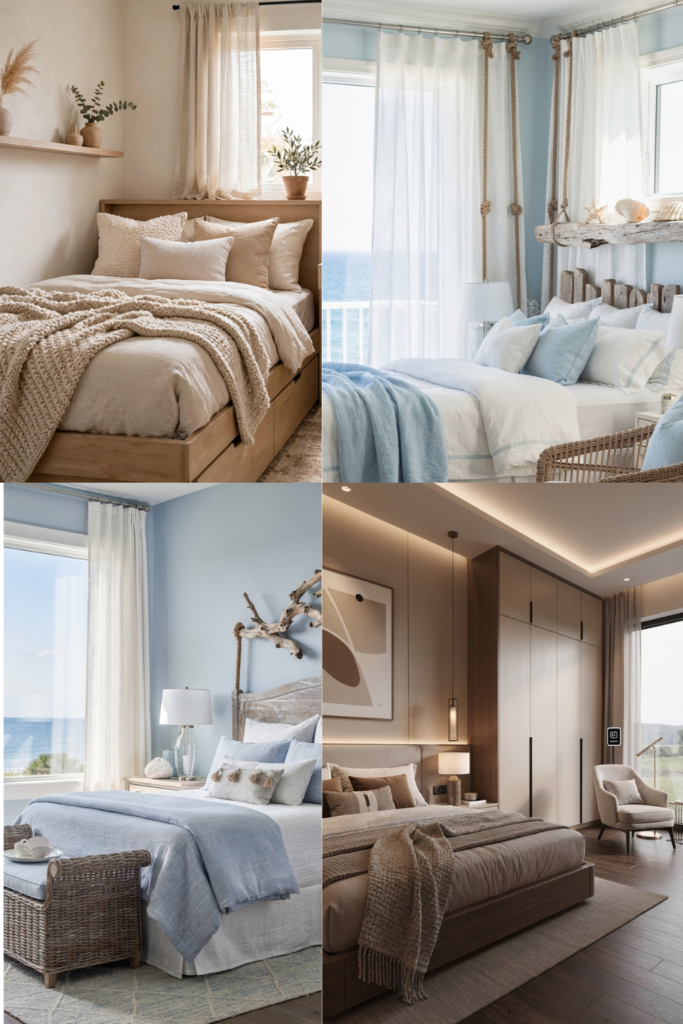
When I redesigned my own small bedroom, I realized that a tiny space does not have to feel cramped. The right layout, lighting, storage, and furniture choices can completely change how a room looks and functions. These Small Bedroom Inspirations focus on practical solutions that make everyday living easier while helping the room feel more open and comfortable.
21 Small Bedroom Inspirations
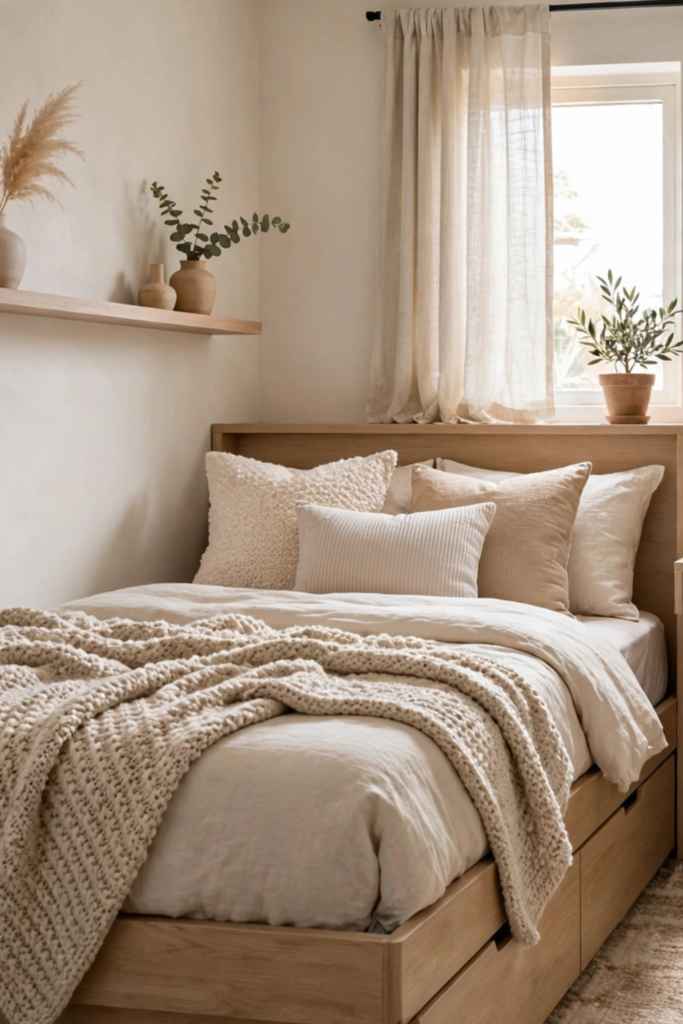
In this guide, I cover everything from light paint colors and mirrors to under-bed storage, floating shelves, and multi-functional furniture. I also share simple design tricks that create the illusion of more space without requiring a major renovation. Whether your bedroom is in an apartment, a guest room, or a small home, these ideas can help you maximize every square foot.
Key Takeaways
Choose Light Colors
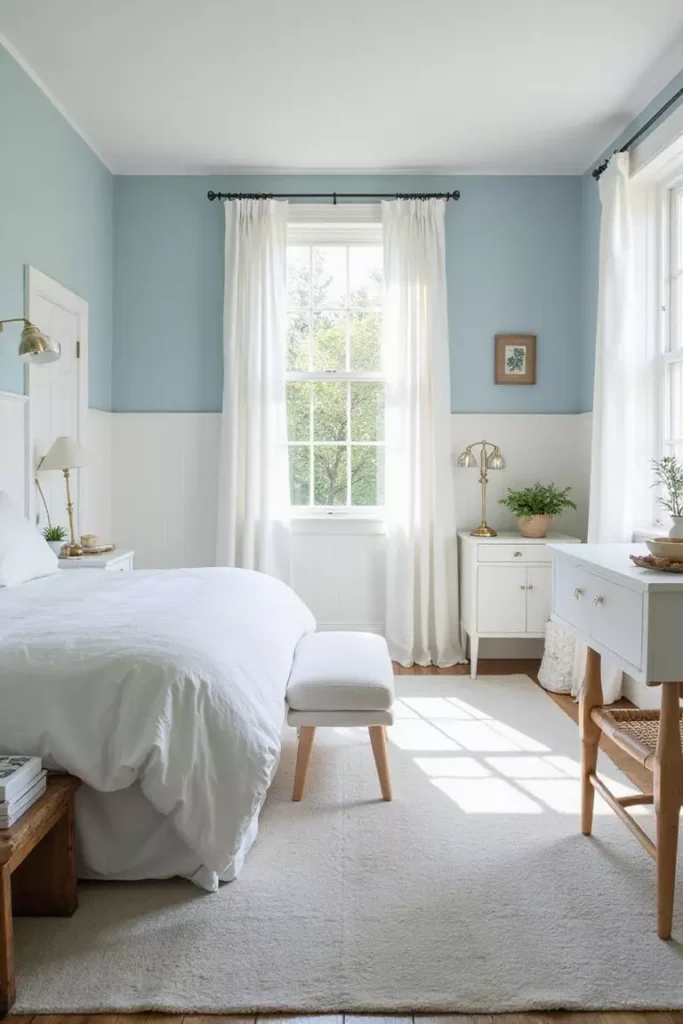
One of the first changes I made in my small bedroom was switching to lighter wall colors. Soft white, beige, pale gray, and light blue reflect natural and artificial light better than dark shades. This simple update made the room feel noticeably brighter during the day.
Interior design studies often show that lighter surfaces can reflect significantly more light than darker ones, which helps a compact room feel more open. I like adding color through pillows, artwork, or a throw blanket instead of painting the entire room a bold shade.
Maximize Vertical Space
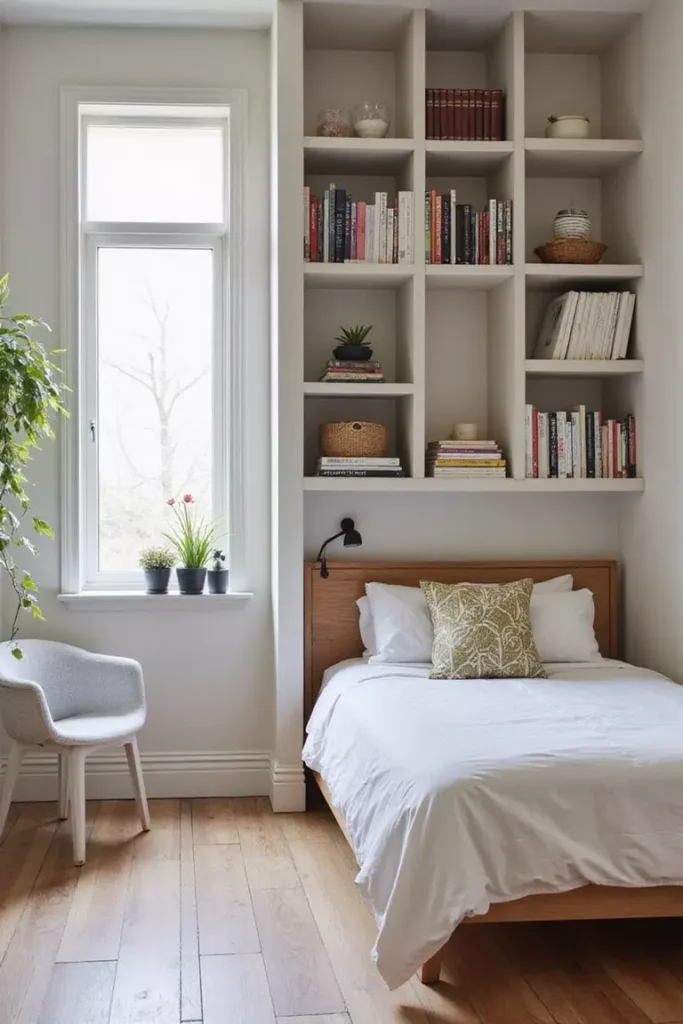
When floor space is limited, I always look upward. Tall shelving units and wall-mounted storage make use of the vertical area that often goes unused. This keeps books, baskets, and decorative items organized without crowding the room.
Using vertical storage also draws the eye upward, which creates the impression of higher ceilings. Even a narrow shelf that reaches close to the ceiling can make a small bedroom feel more spacious.
Install Floating Shelves
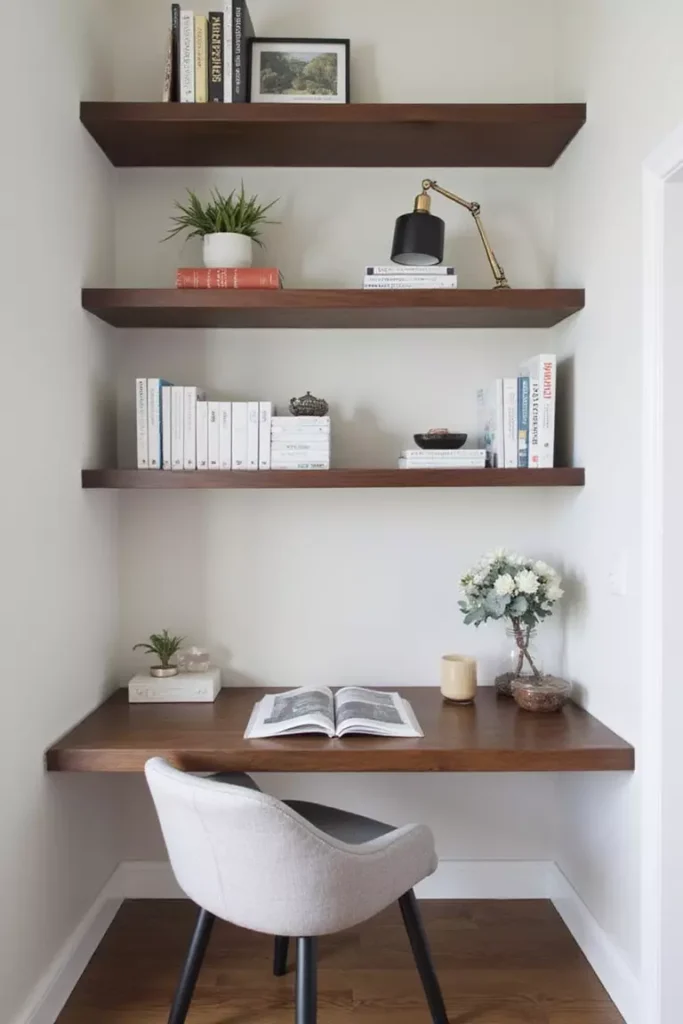
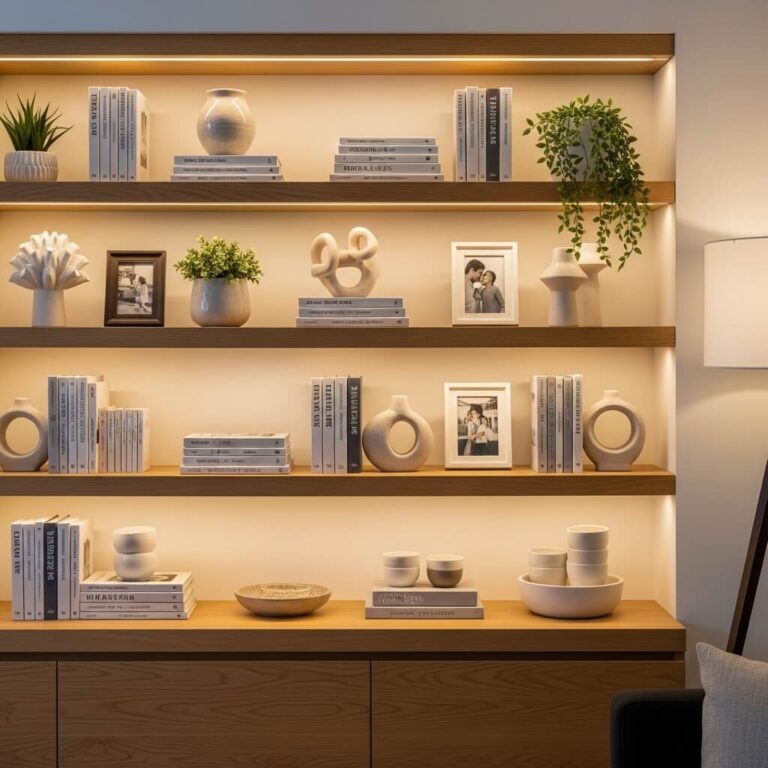
Floating shelves have become one of my favorite small-space solutions. They provide storage while keeping the floor clear, which helps maintain an open layout. I often install them above a desk or beside the bed for books and everyday essentials.
Because floating shelves do not have bulky side panels, they appear lighter than traditional bookcases. This cleaner visual profile works especially well in compact bedrooms where every inch matters.
Use Mirrors Wisely
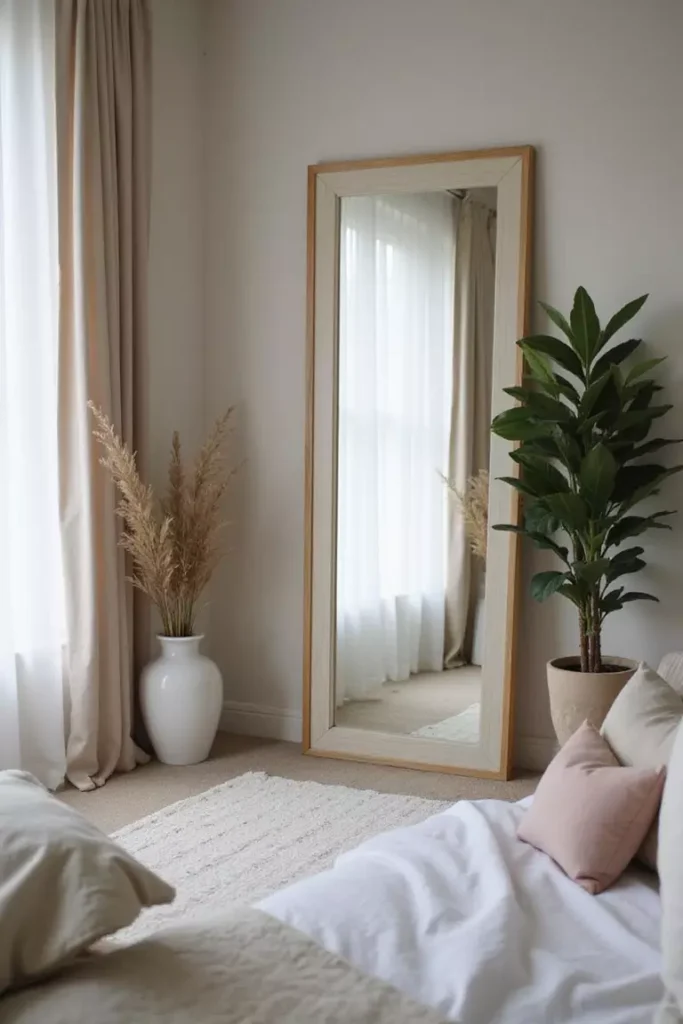
Mirrors are one of the most effective ways to make a small bedroom feel larger. I usually place a large mirror opposite a window so it reflects natural light back into the room. The reflection creates extra depth and makes the space feel less confined.
Even a medium-sized mirror can brighten a dark corner. If wall space is limited, a full-length mirror on a closet door can provide the same benefit without taking up additional room.
Opt For A Murphy Bed
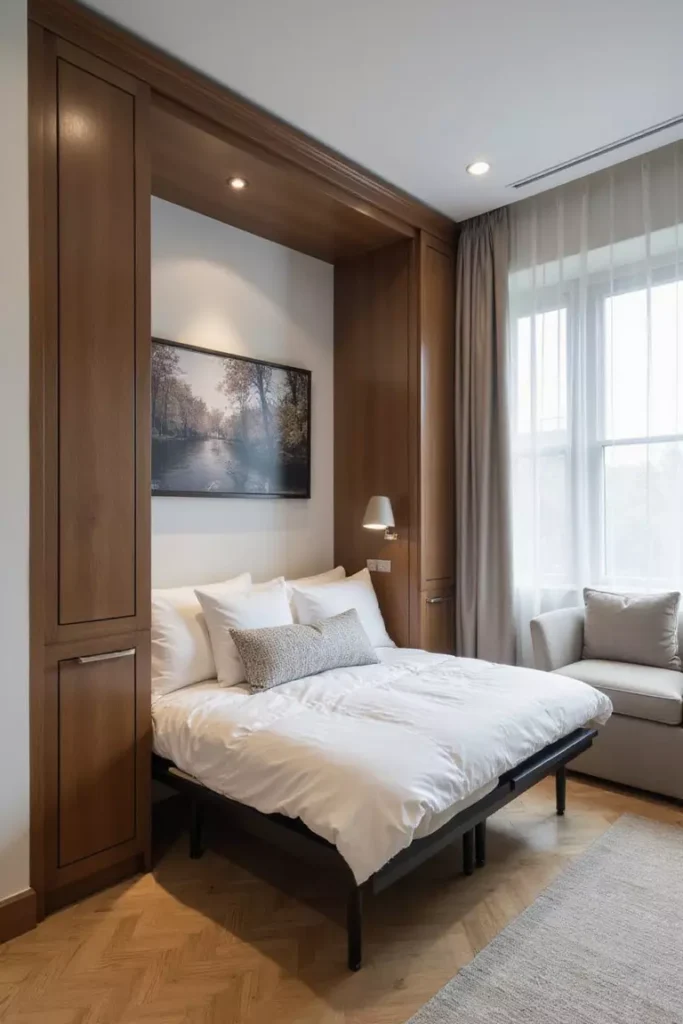
A Murphy bed can completely change how a small room functions. When folded up, it frees a large portion of the floor that can be used for a desk, workout area, or simply more walking space.
I find this option especially useful in studio apartments and guest rooms that need to serve multiple purposes. The room feels much more flexible because the bed is not occupying the space all day.
Select Multi-Functional Furniture
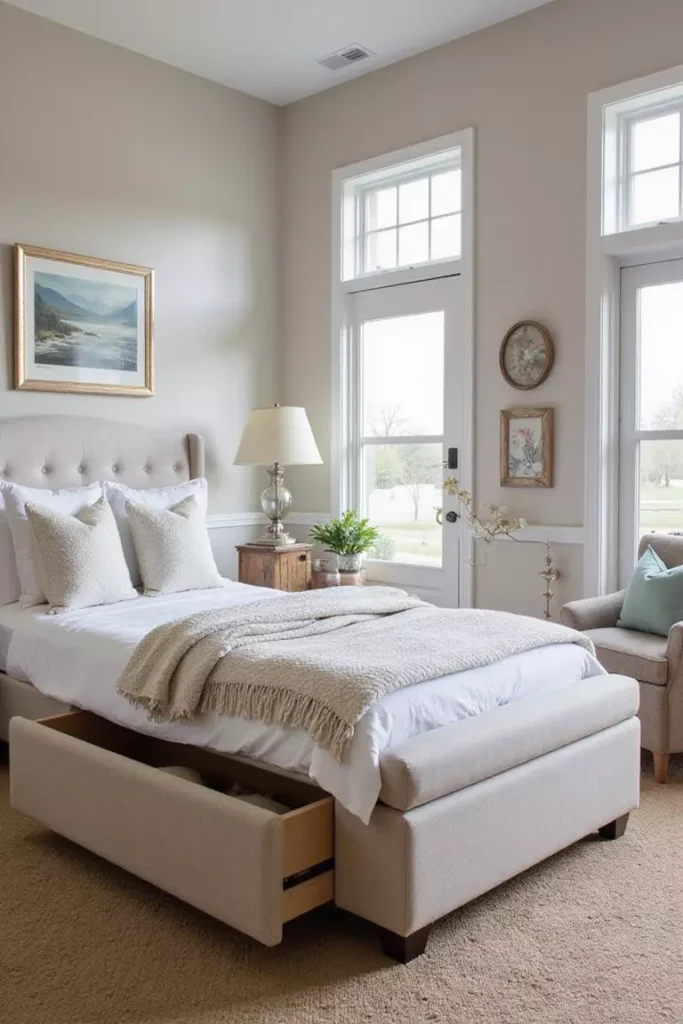
In a small bedroom, every piece of furniture should work hard. I look for storage ottomans, beds with built-in drawers, and fold-down desks that provide more than one function.
This approach reduces the number of separate furniture pieces needed in the room. Fewer items generally mean less visual clutter, which helps the space feel larger and more organized.
Keep Furniture Low Profile
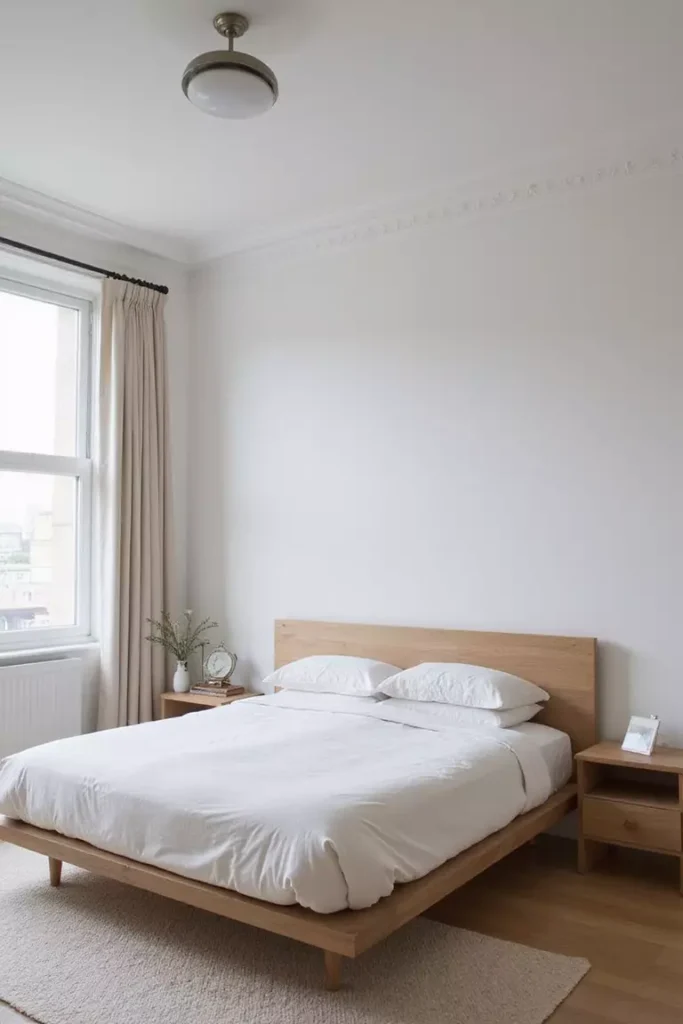
Low-profile furniture can create the illusion of higher ceilings. A platform bed or shorter nightstands leave more visible wall space above them, which makes the room feel less crowded.
I noticed that lowering the visual weight of the furniture helped the entire bedroom feel more balanced. The open space above the furniture becomes more noticeable, which adds to the sense of height.
Let Natural Light In
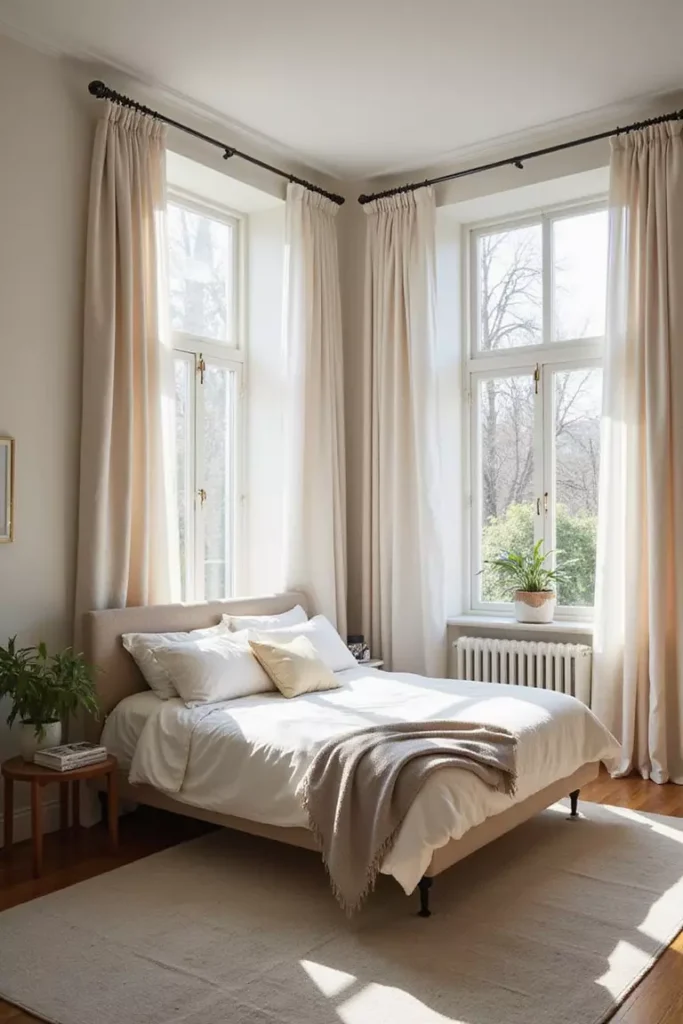
Natural light is one of the most powerful tools in small bedroom design. I keep window treatments light and easy to open so that as much daylight as possible enters the room.
Heavy curtains can make a small bedroom feel enclosed. Sheer curtains or simple blinds allow sunlight to brighten the space while still providing privacy when needed.
Mount Your Lighting
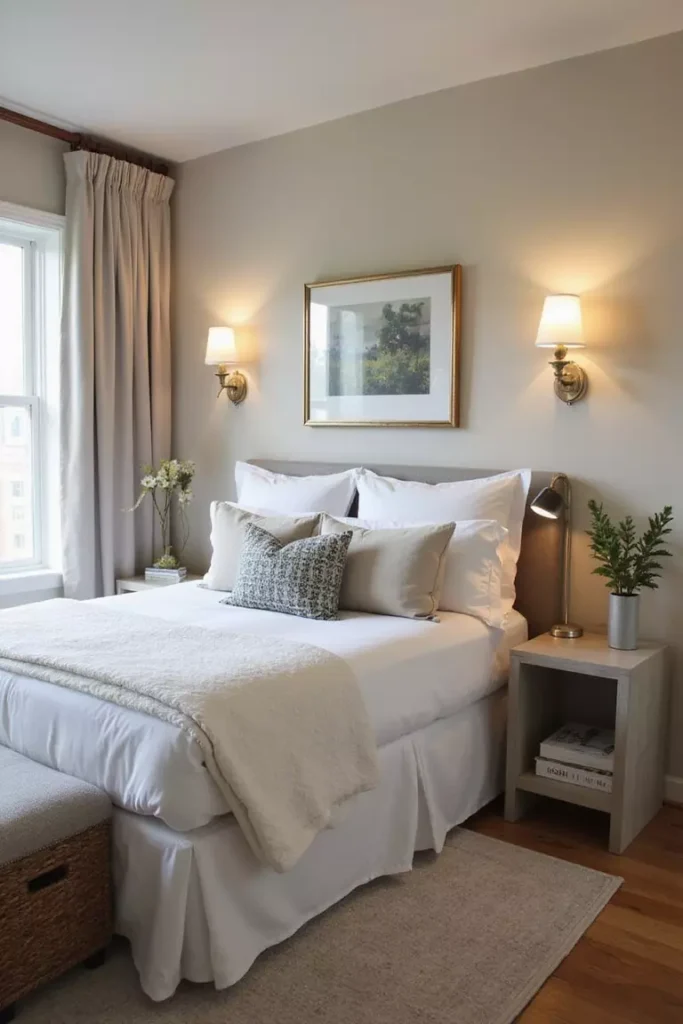
Wall-mounted lighting frees up valuable surface space. I often recommend sconces or hanging pendant lights instead of bulky table lamps, especially when the nightstands are small.
Good lighting is essential in a compact room, and mounted fixtures help keep the floor and furniture surfaces clear. This creates a cleaner and more functional layout.
Declutter Regularly
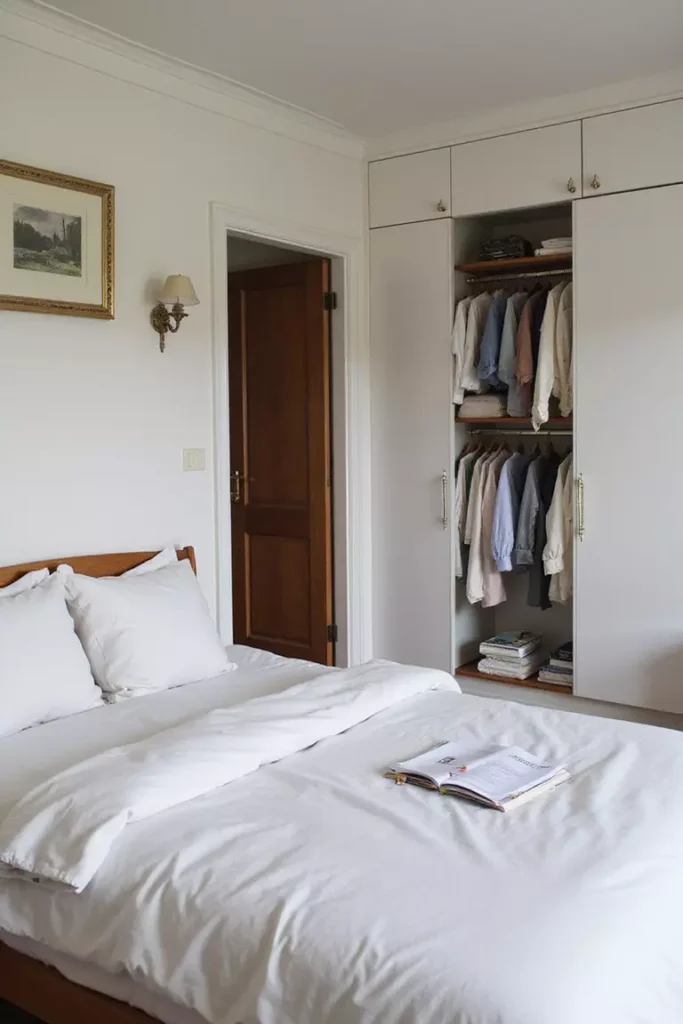
Regular decluttering has the biggest impact on how spacious a bedroom feels. I make a habit of removing items I no longer use and keeping surfaces as clear as possible.
Research on home organization consistently shows that clutter can increase feelings of stress and make a room feel smaller. A tidy bedroom is usually easier to maintain and more relaxing to spend time in.
Use A Headboard With Storage
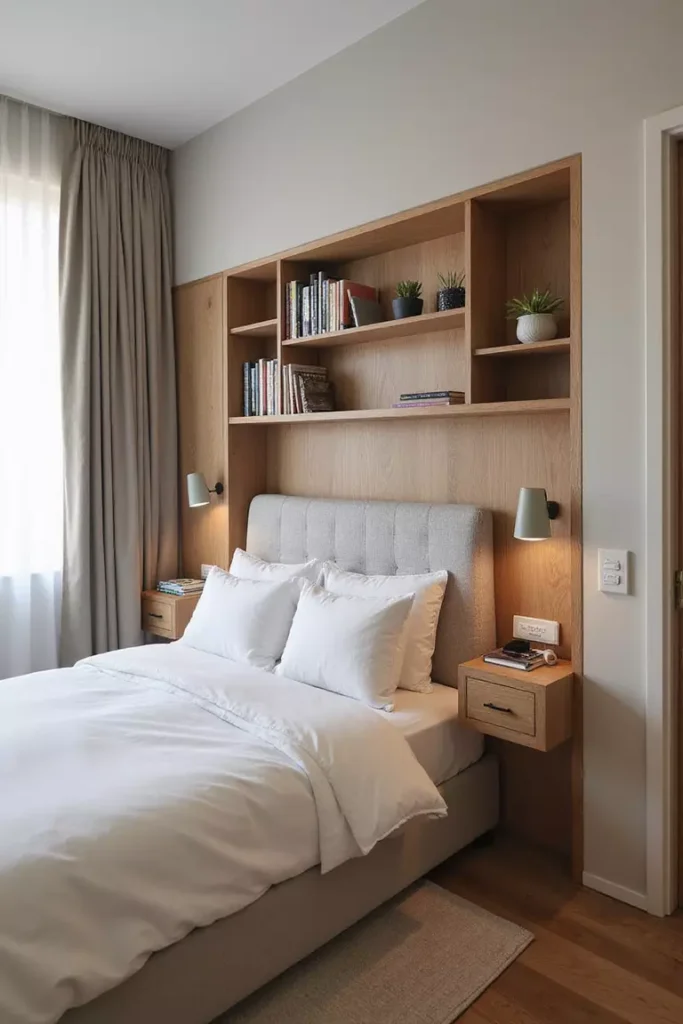
A storage headboard adds useful organization without taking up extra floor space. I like designs with shelves or compartments for books, glasses, and charging cables.
This setup can reduce the need for large nightstands and keeps frequently used items within easy reach. It is a practical solution for bedrooms where space beside the bed is limited.
Hang Curtains High And Wide
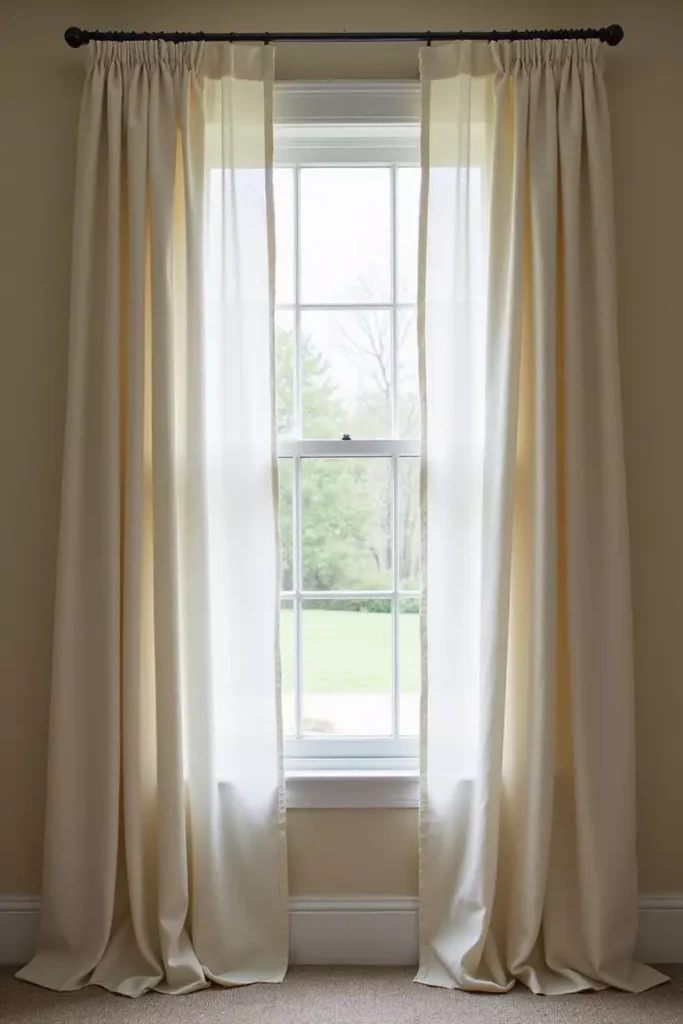
One trick I use often is mounting curtain rods closer to the ceiling instead of directly above the window. Extending the rod wider than the window frame also helps.
This creates the illusion of a taller ceiling and a larger window. The eye follows the curtains upward and outward, making the entire room feel more expansive.
Incorporate Stripes
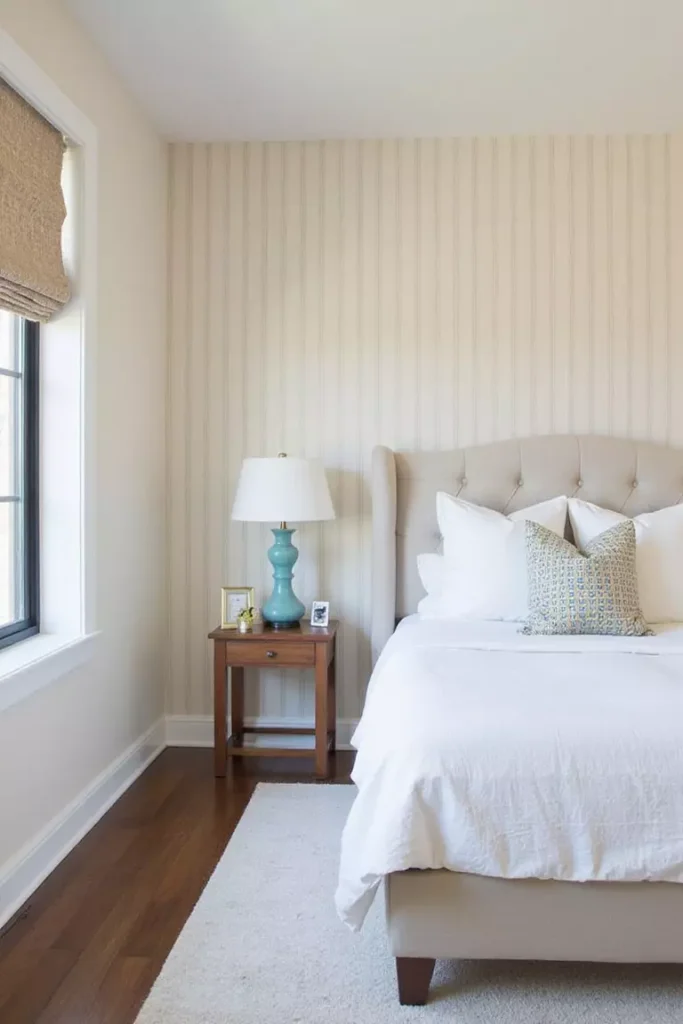
Stripes can subtly change how a room is perceived. Vertical stripes draw the eye upward, while horizontal stripes can make a narrow room appear wider.
I prefer using stripes on an accent wall, rug, or bedding rather than covering every surface. Keeping the pattern subtle prevents the room from feeling busy.
Build Storage Around The Bed
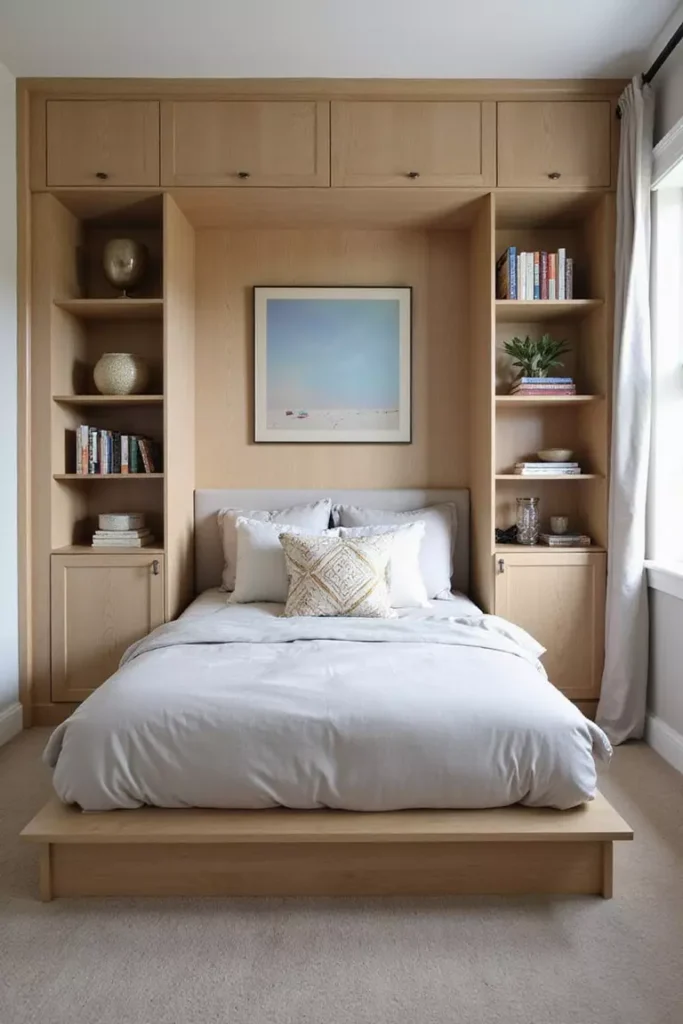
Built-in storage around the bed is one of the most efficient layouts for a small bedroom. Shelves, cabinets, or wardrobes framing the bed can provide a large amount of storage without requiring additional furniture elsewhere.
I like this approach because it creates a cozy sleeping area while keeping clothing, books, and other essentials neatly organized in one zone.
Use Under-Bed Storage Creatively
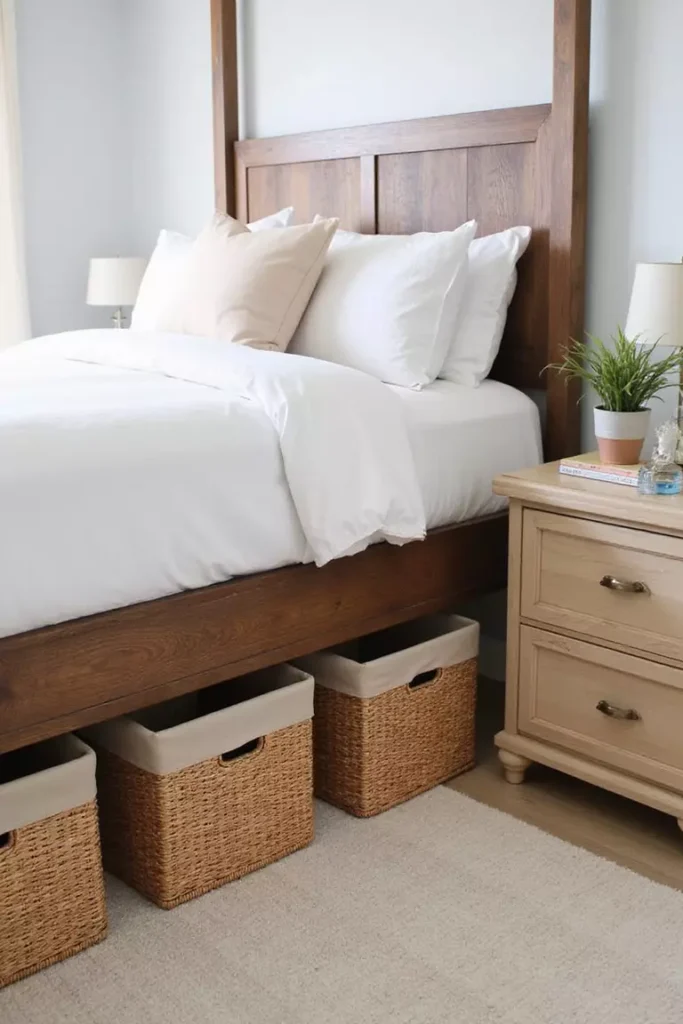
The space under the bed is often overlooked. I use rolling drawers, storage bins, or labeled baskets to store seasonal clothing, extra bedding, and shoes.
Hidden storage helps maintain a cleaner appearance throughout the room. When fewer items are visible, the bedroom generally feels larger and easier to navigate.
Add Greenery Strategically
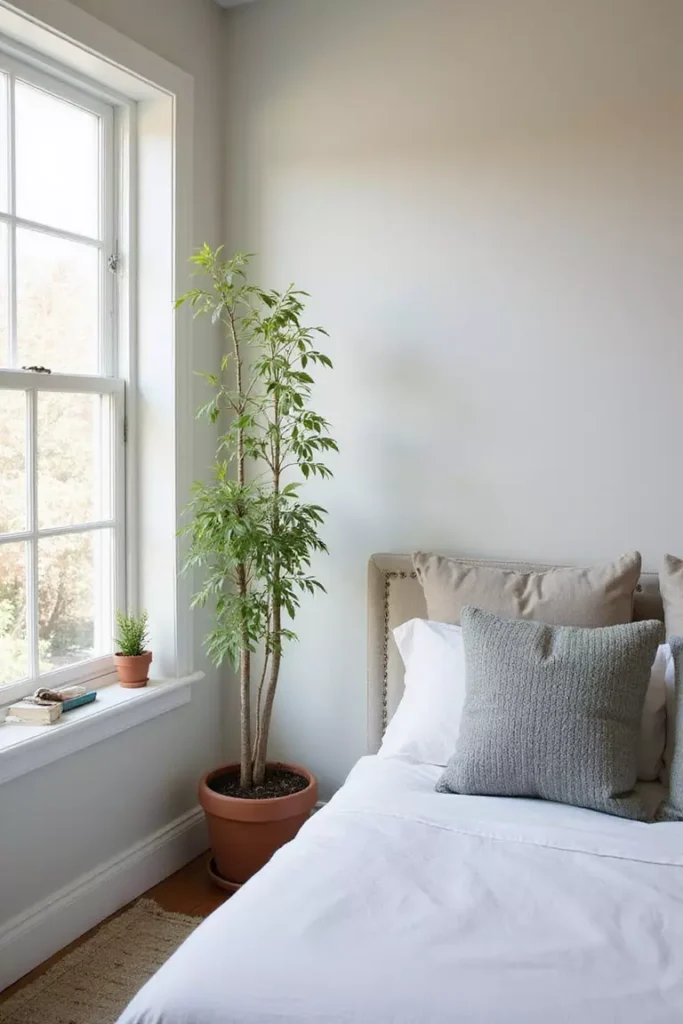
Plants can make a small bedroom feel fresher and more inviting. I usually choose a tall, narrow plant or a small hanging planter that does not occupy much floor space.
Placing greenery near a window draws attention toward the natural light source. It adds color and texture without creating unnecessary clutter.
Choose Scaled Furniture
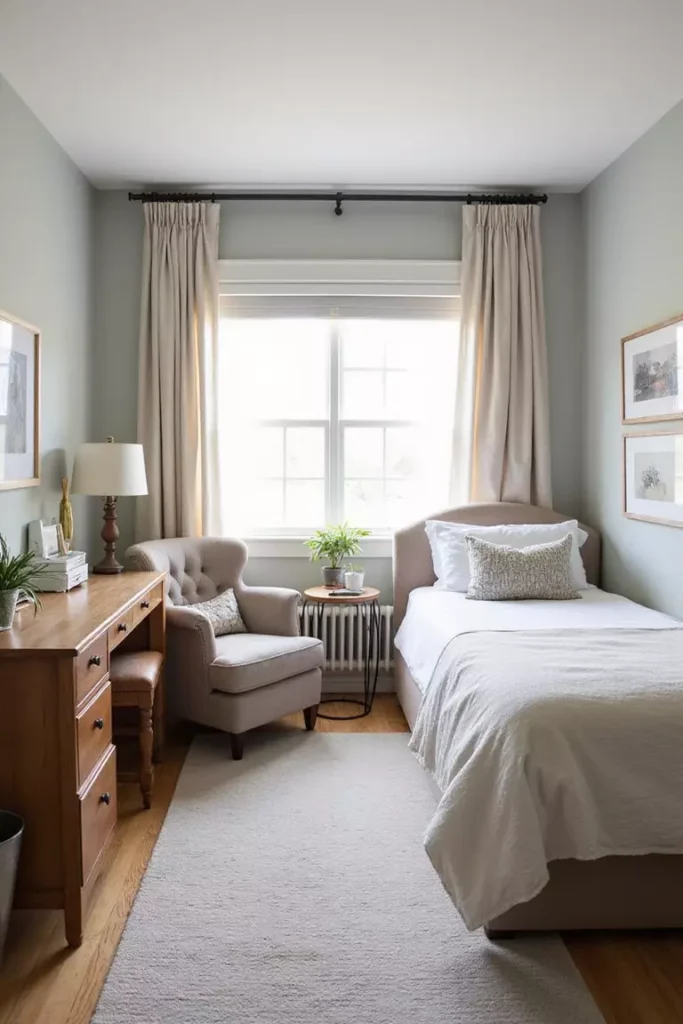
Furniture should match the size of the room. Oversized pieces can dominate a small bedroom and make movement difficult.
I prefer narrower desks, compact chairs, and appropriately sized beds that leave enough open floor area. The room feels more balanced when the furniture is scaled to the available space.
Keep Pathways Clear
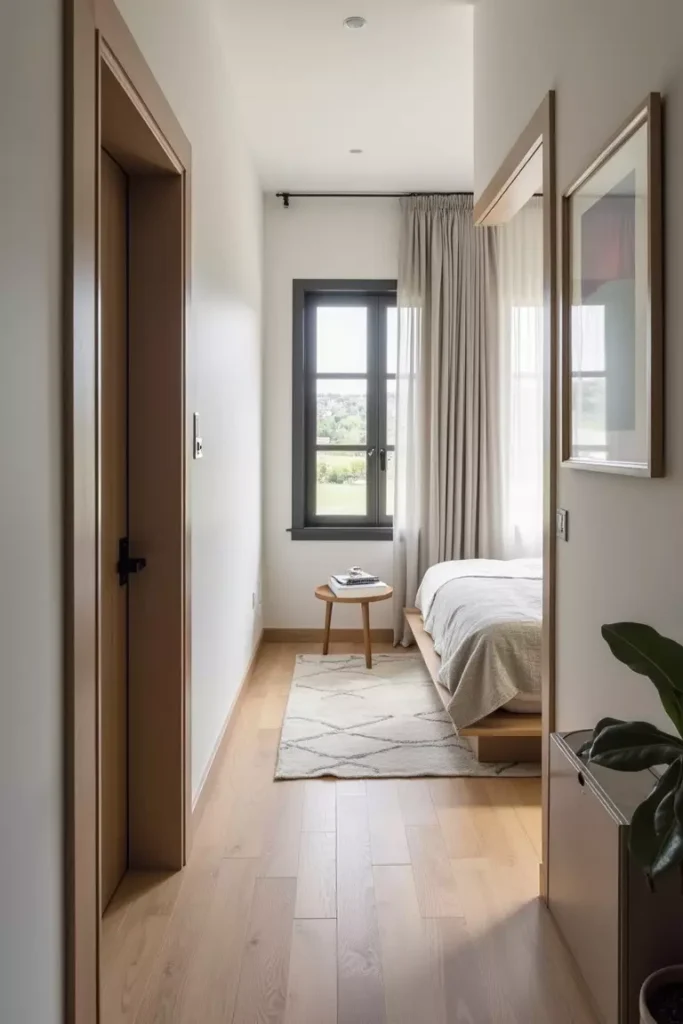
Clear walking paths make a small bedroom feel more functional. I arrange furniture so that I can move easily from the door to the bed, closet, and window without obstacles.
Good traffic flow reduces the feeling of crowding. Even a small room can feel comfortable when movement through the space is smooth and unobstructed.
Use A Daybed
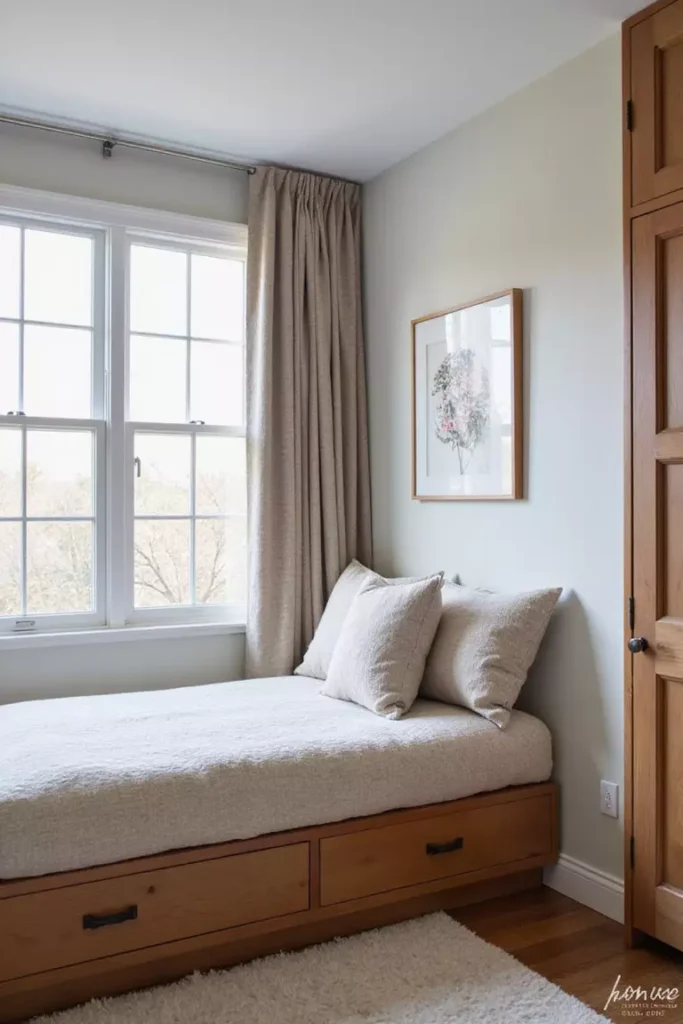
A daybed works well in rooms that serve more than one purpose. During the day it functions as seating, and at night it becomes a bed.
I find this especially useful in guest rooms, home offices, and studio apartments. It eliminates the need for both a sofa and a separate bed, which saves valuable space.
Stick To A Limited Color Palette
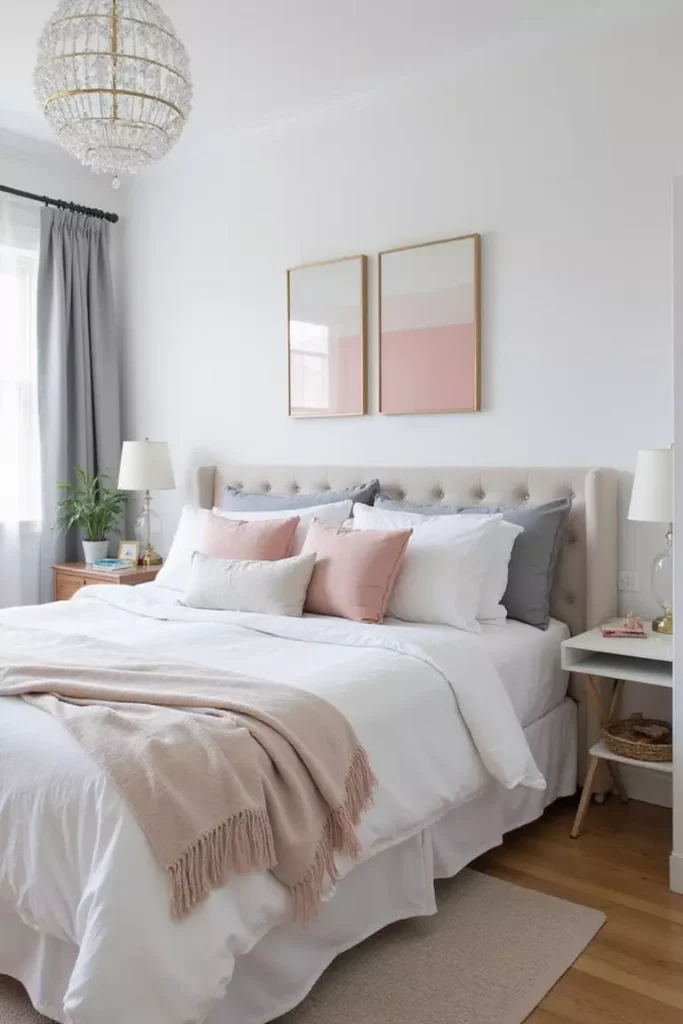
Using only two or three main colors creates a more cohesive look. Too many competing colors can make a small room feel visually crowded.
My favorite combinations are white with gray, beige with soft green, or pale blue with warm wood tones. A consistent palette helps the space feel calm and organized.
Install A Sliding Barn Door
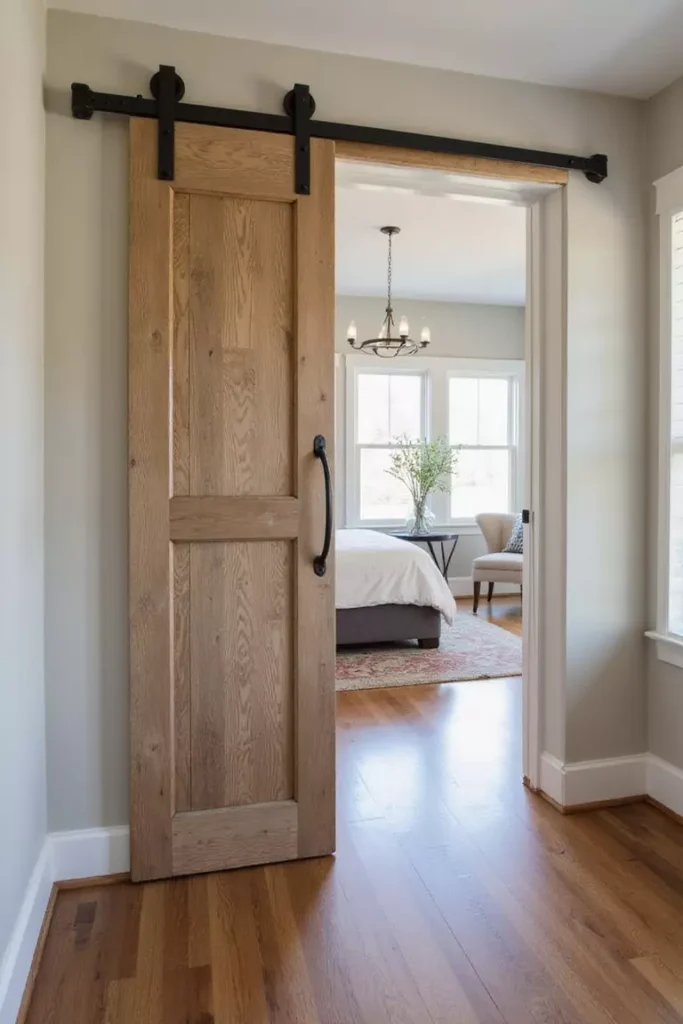
A traditional door requires swing space, which can be difficult in a compact bedroom. A sliding barn door moves parallel to the wall, freeing up the area that would normally be needed for the door to open.
Besides saving space, it can add character to the room. I have seen this work particularly well for closets and small bedroom entrances where every square foot counts.
Final Thoughts
After trying many of these ideas in my own home, I found that small bedroom design is less about the size of the room and more about how the space is used. Light colors, smart storage, and carefully chosen furniture can make a dramatic difference without requiring a complete renovation.
These Small Bedroom Inspirations are practical enough for most homes and apartments. By combining a few of these strategies—such as vertical storage, mirrors, under-bed organization, and a simple color palette—you can create a bedroom that feels larger, brighter, and much more comfortable to live in every day.
Many of the ideas I share are inspired by real-life experimentation. I often test décor concepts in my own living spaces and explore practical ways they can be applied in everyday homes. I also gather insights from working with homeowners who want to improve the comfort, beauty, and functionality of their spaces.
I share practical ideas for improving living rooms, bedrooms, and overall home aesthetics using simple design principles.
I explore creative ways to upgrade outdoor spaces including patio décor, small backyard styling, and relaxing outdoor setups.
I provide ideas for kitchen organization, décor accents, and functional layouts that make kitchens more beautiful and practical.
The concepts shared here are based on ideas I have personally experimented with or studied through real home décor improvements.