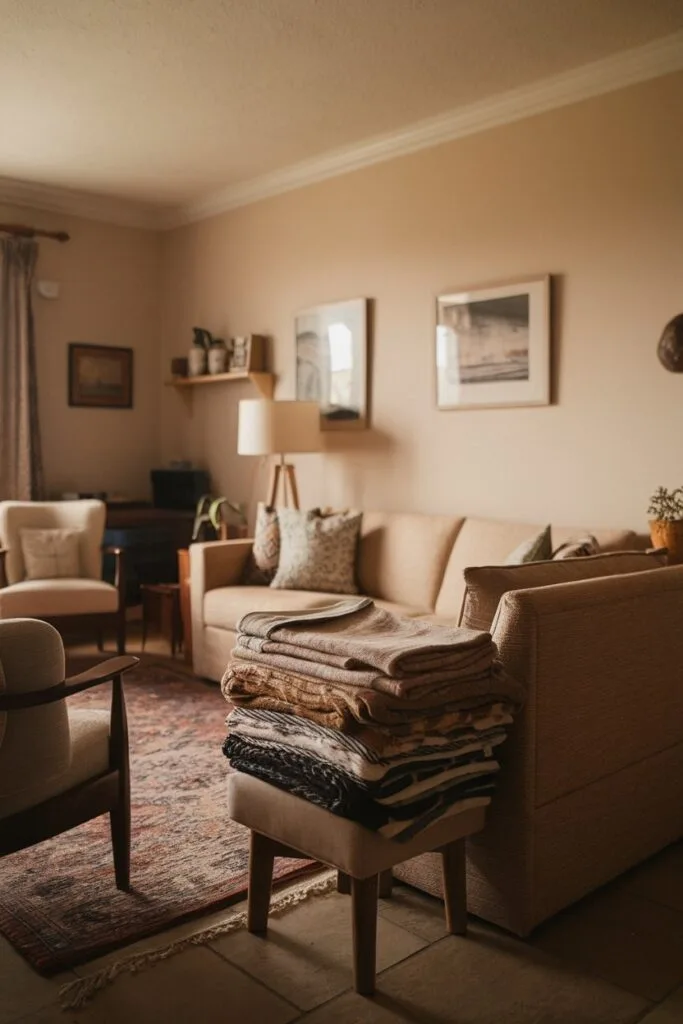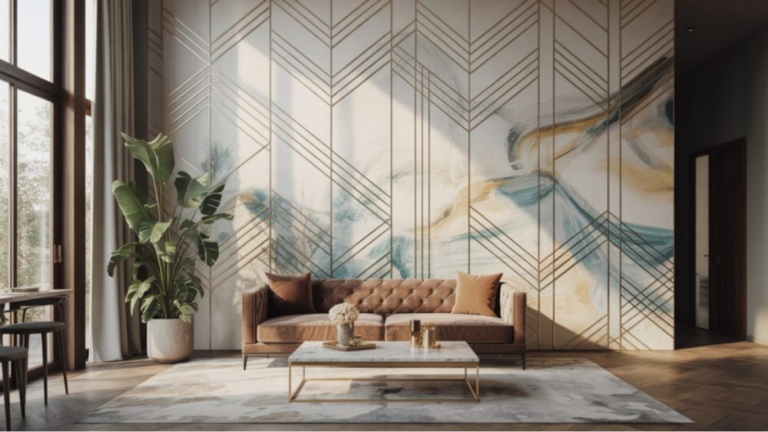
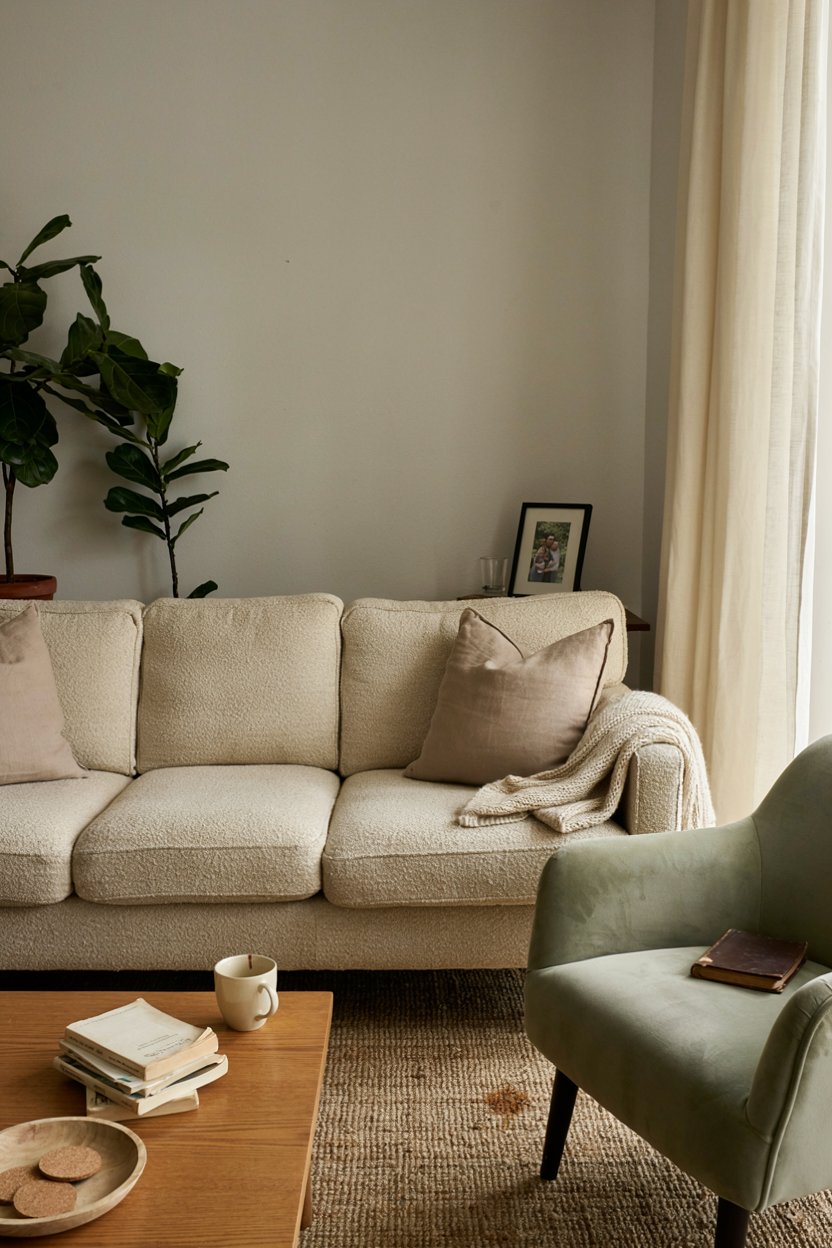
19 Timeless Living Room Ideas
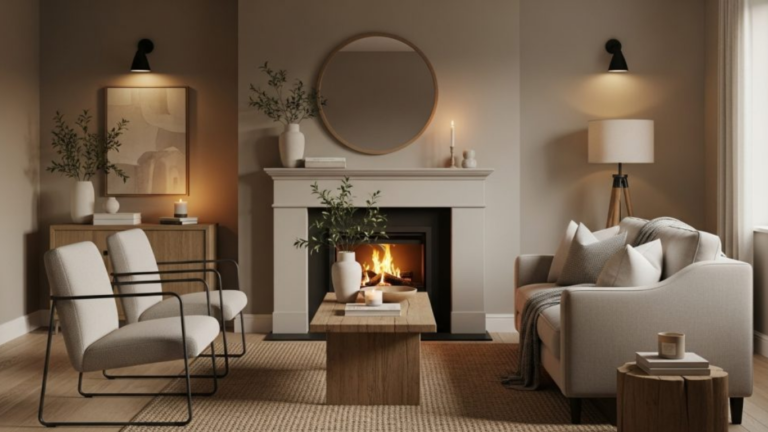
I’ve found that the best living rooms are not always the ones filled with the newest trends. A timeless living room usually comes down to comfortable furniture, useful storage, balanced colors, good lighting, and a few personal details that still feel right years later. These 19 timeless living room ideas can help you create a space that feels comfortable today without needing a complete makeover every few years.
Whether I’m working with a small room or a large open space, I like starting with pieces that are easy to live with and then adding personality through rugs, pillows, artwork, plants, and accessories. The goal is not to make everything match, but to create a room that feels connected, practical, and comfortable.
Key Takeaways
- Neutral colors create a dependable base that can work with many decorating styles.
- Classic furniture shapes are usually easier to update than highly trendy pieces.
- Rugs, curtains, lighting, and mirrors can make a noticeable difference without major construction.
- Mixing wood, fabric, metal, plants, and other textures keeps the room from feeling flat.
- Storage and flexible furniture help a living room stay useful as your needs change.
- Personal artwork and collections give a timeless room character instead of making it feel generic.
1Neutral Color Palette
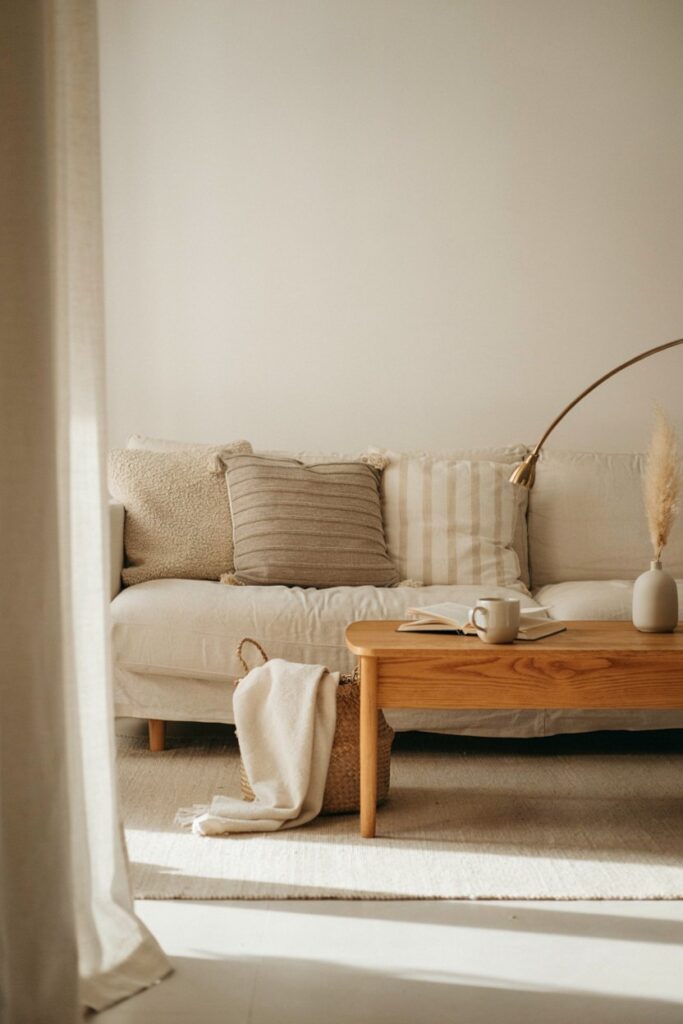
I often start a timeless living room with colors such as warm white, beige, taupe, soft gray, or cream. These shades create a quiet background that lets furniture, artwork, and accessories become the focus without making the room feel visually busy.
A neutral palette also gives me more freedom to change smaller decorations later. I can switch pillows, throws, artwork, or seasonal accents without having to repaint the entire room.
Pro Tip: If a neutral room feels too plain, combine several shades of the same color instead of adding lots of new colors.
2Classic Blue and White
Blue and white is one of those combinations I can use in both traditional and modern living rooms. Deep navy can add contrast, while pale blue gives the room a softer appearance when paired with cream, ivory, or light wood.
I like using this combination in smaller doses when I want flexibility. A blue accent chair, patterned rug, ceramic vase, or a few cushions can introduce the color without making it permanent.
Fact: Blue is commonly associated with calm and relaxation, which makes it a natural choice for a room designed for resting and conversation.
3Natural Wood Elements
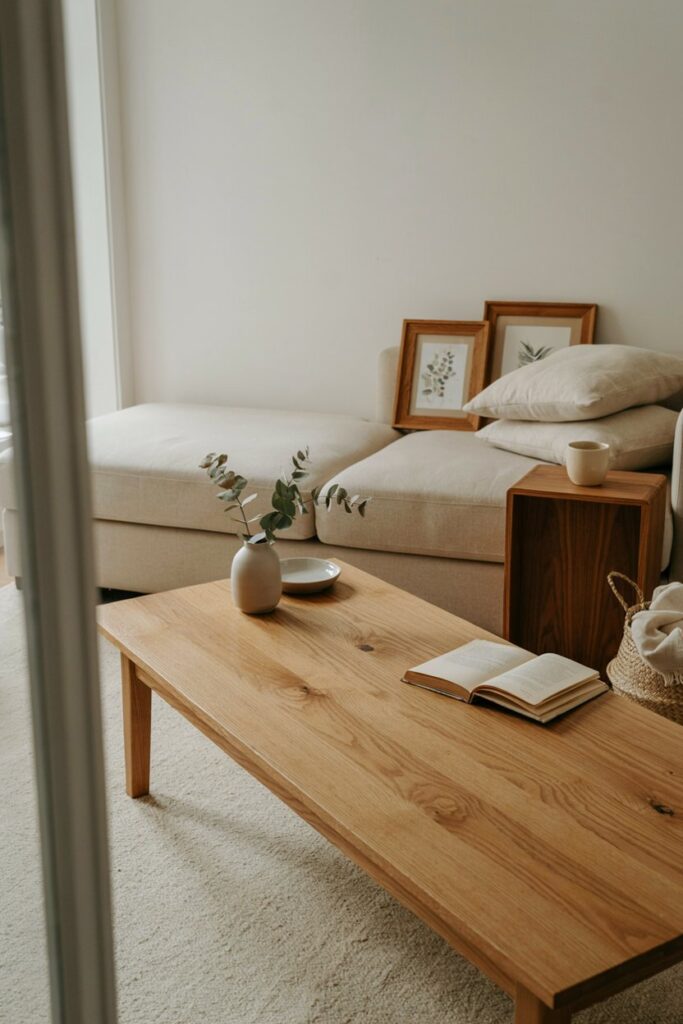
I like adding natural wood because it brings warmth to rooms that might otherwise feel too cool or polished. A wood coffee table, console, side table, shelving, or picture frame can make a noticeable difference.
I don’t think every wood piece needs to have the exact same finish. Combining lighter oak with medium or darker wood can give the room more depth as long as the finishes feel intentional together.
Insight: Repeating one wood tone at least two or three times around the room usually makes mixed finishes feel more connected.
4Symmetrical Furniture Arrangement
When I want a living room to feel orderly, I often use symmetry as a starting point. Matching lamps, similar chairs, or two tables positioned on either side of a sofa can create an easy sense of balance.
Symmetry does not mean everything has to be identical. I can keep the main arrangement balanced while using different accessories, artwork, or cushions to give the room a more relaxed personality.
Pro Tip: Start by balancing the largest furniture pieces first, then use lamps and accessories to fine-tune the arrangement.
5Comfortable Seating
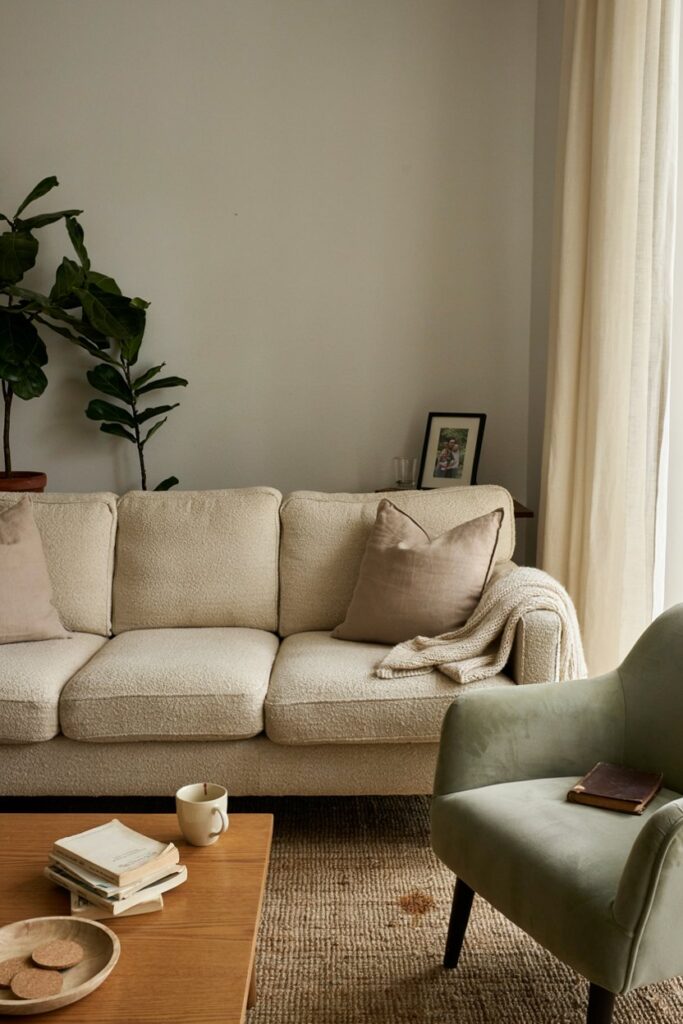
For me, comfortable seating is one of the most important parts of a living room. A beautiful sofa is not very useful if I don’t actually want to sit on it, so I pay attention to cushion firmness, seat depth, fabric, and the way the furniture supports everyday use.
I also like having more than one type of seating when space allows. A sofa paired with an armchair, accent chair, or small bench gives family members and guests more choices.
Pro Tip: Before buying a sofa, check its seat depth and overall dimensions against the room rather than choosing based only on its appearance.
6Area Rugs
I use area rugs to visually connect furniture and make a seating arrangement feel more complete. A rug can also add softness underfoot and help separate a living area from other zones in an open floor plan.
One common mistake is choosing a rug that is too small. I prefer a size that allows at least the front legs of the main seating pieces to sit on the rug whenever the room allows it.
Fact: A properly sized rug helps define the conversation area, which can make an open living room feel more organized.
7Statement Lighting
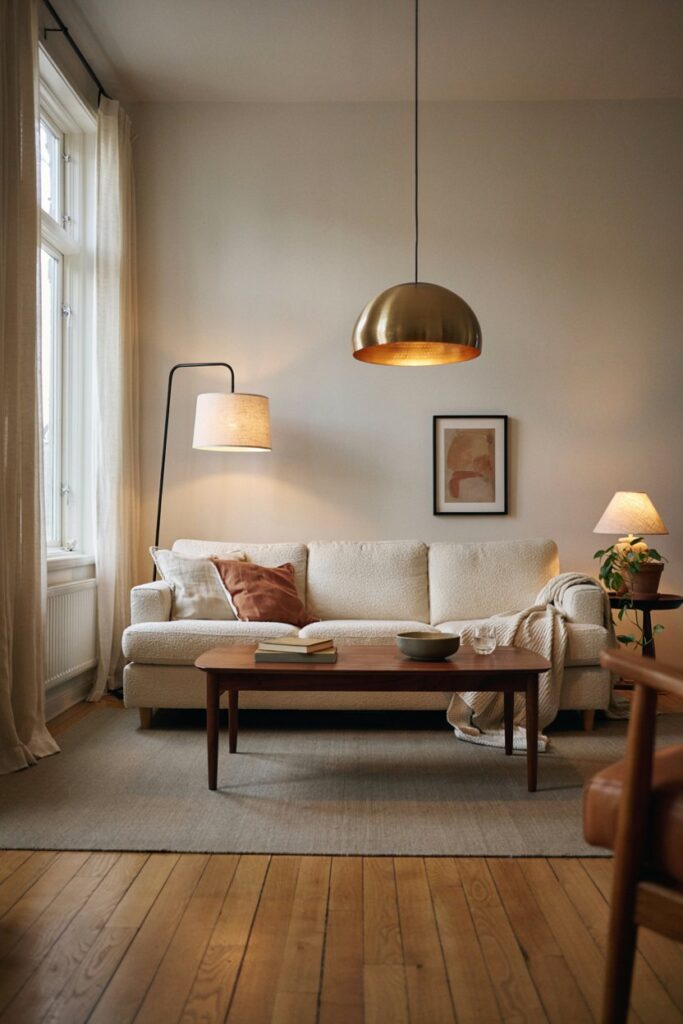
I see lighting as both a practical feature and part of the room’s decoration. Instead of depending on one ceiling fixture, I like combining overhead lighting with floor lamps, table lamps, and accent lighting.
A distinctive chandelier or pendant can act as a focal point, while smaller lamps provide softer light for reading or relaxing. Using different light sources also gives me more control over the mood at different times of day.
Pro Tip: Warm-white bulbs generally create a more relaxed atmosphere, while brighter, cooler light can be more useful for focused tasks.
8Floor-to-Ceiling Curtains
I prefer hanging curtains closer to the ceiling rather than placing the rod directly above the window. This can draw the eye upward and make the windows and walls feel taller.
I also like extending the rod beyond the window frame so the curtains can sit mostly outside the glass when open. This lets more natural light enter and keeps the window from looking visually crowded.
Pro Tip: Measure from the curtain rod to the floor before buying panels so you can avoid curtains that end noticeably too short.
9Built-In Bookshelves
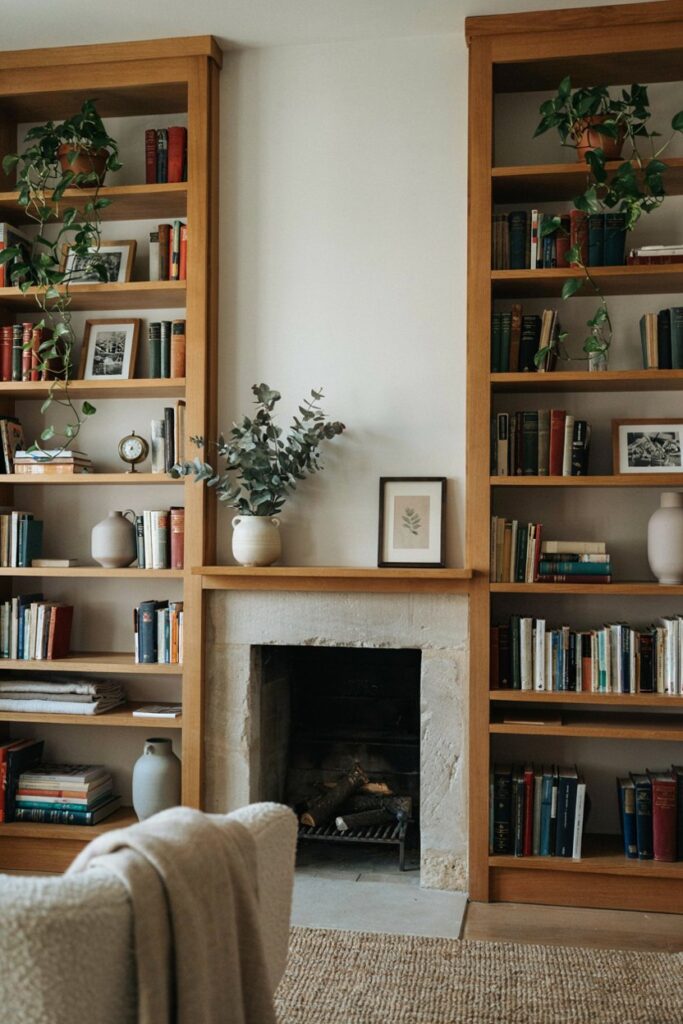
Built-in shelves can give a living room architectural character while providing useful storage. I especially like them around fireplaces, beside entertainment areas, or across an otherwise empty wall.
I avoid filling every shelf because a little empty space makes the display easier to read. Books, framed photographs, plants, baskets, and decorative objects can be arranged in different heights for a more natural result.
Insight: Leaving some shelf space empty often makes the items you do display look more intentional instead of creating a crowded appearance.
10Classic Patterns
I like using patterns that have remained popular for years, such as stripes, simple checks, traditional florals, and herringbone. These patterns can add personality without tying the entire room to a short-lived decorating trend.
If I’m unsure about using patterns, I start with something small. A patterned cushion, throw, or rug is easier to replace than a large upholstered piece.
Pro Tip: Keep one pattern dominant and use smaller patterns in supporting pieces so the room does not become visually overwhelming.
11Multipurpose Furniture
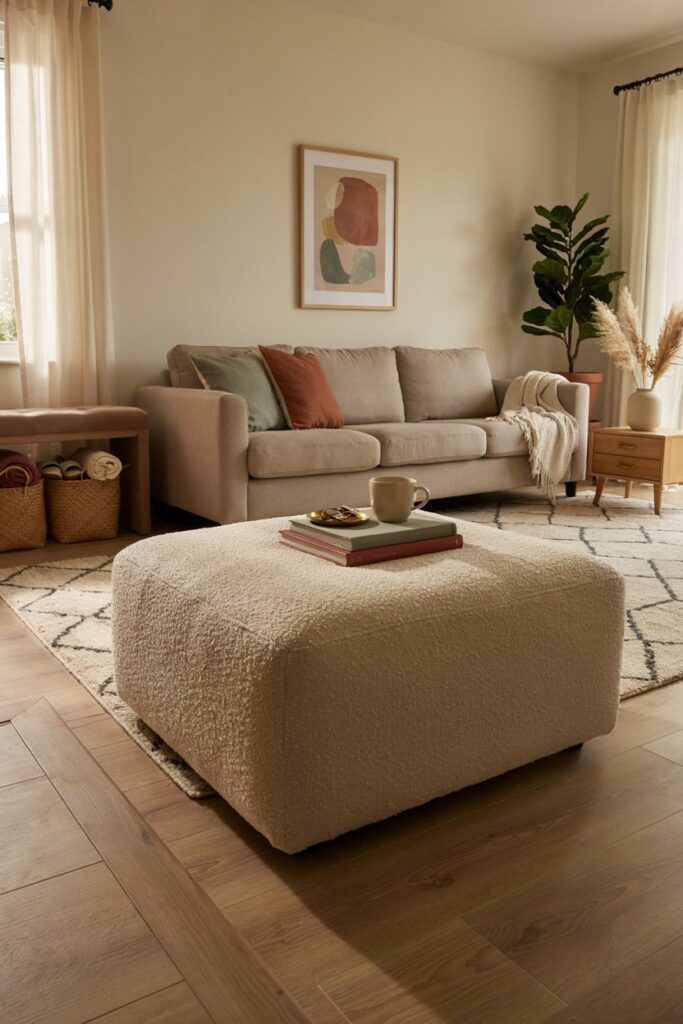
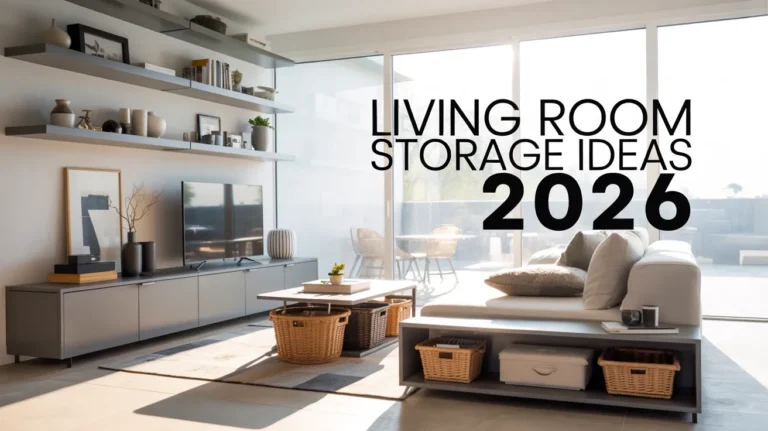
I find multipurpose furniture especially useful when a living room needs to do several jobs. An ottoman can provide seating and act as a footrest, while a storage bench can hold blankets and provide another place to sit.
Side tables with drawers, nesting tables, and storage consoles can also help keep everyday items organized. These pieces allow me to make better use of limited floor space without adding unnecessary furniture.
Fact: Furniture with built-in storage can reduce visible clutter by giving frequently used items a dedicated place to go.
12Indoor Plants
Plants are an easy way for me to add natural color and life to a living room. A larger plant can fill an empty corner, while smaller varieties can sit on shelves, side tables, or a console.
I always consider the amount of natural light before choosing a plant. Low-maintenance options can be a better choice for darker rooms or for anyone who does not want a demanding care routine.
Pro Tip: Check the light requirements of a plant before buying it; placing a plant in the wrong light is one of the easiest ways to make indoor care harder.
13Mix of Textures
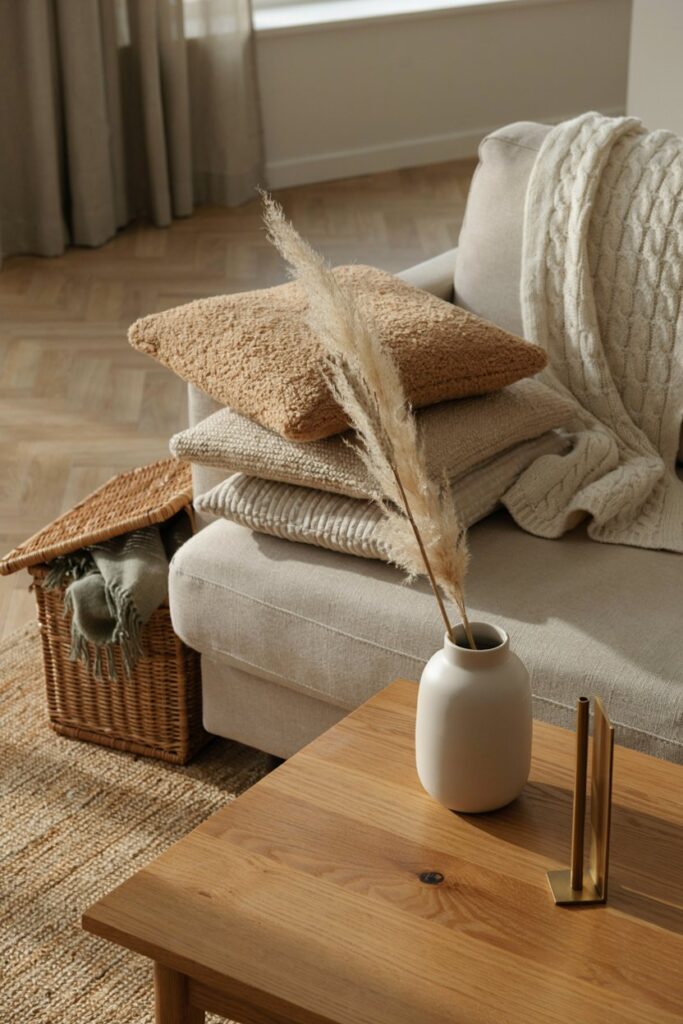
A room can use a simple color palette and still feel interesting when I mix different textures. Soft upholstery, woven baskets, wood, glass, metal, linen, leather, and textured throws can all add variation without requiring more colors.
I like spreading these textures throughout the room instead of putting similar materials in one corner. This creates a more balanced look and gives the space depth.
Insight: Texture becomes especially important in neutral rooms because it adds visual interest without relying heavily on color.
14Timeless Furniture Shapes
When I’m investing in larger furniture, I prefer classic silhouettes that can work with different decorating styles. Rolled-arm sofas, simple upholstered chairs, clean-lined tables, and other familiar shapes tend to be easier to style as my preferences change.
I’m more cautious about buying very unusual furniture shapes simply because they are trending. A distinctive accessory can be replaced fairly easily, but replacing a large sofa or table can be much more expensive.
Pro Tip: For expensive furniture, choose a shape you can imagine using with at least two or three different decorating styles.
15Mirrors to Expand Space
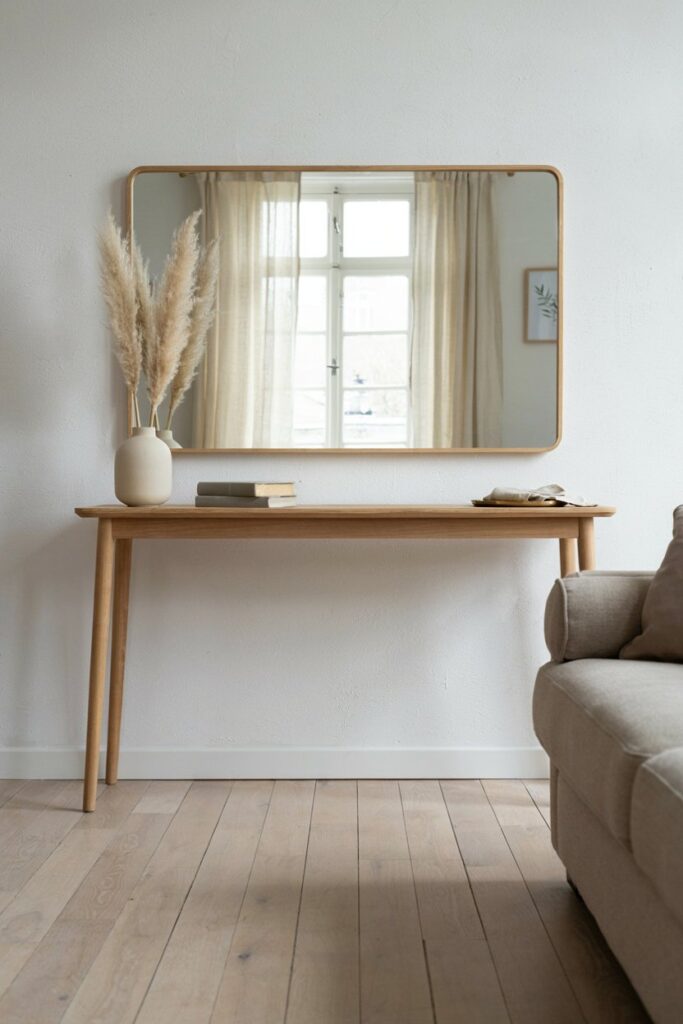
I like using mirrors when a living room needs more reflected light or feels visually tight. Placing a mirror where it can reflect a window, light fixture, or attractive part of the room can make it more useful than simply hanging it on any empty wall.
A large mirror above a console or fireplace can create a strong focal point, while several smaller mirrors can make an interesting wall arrangement.
Fact: Mirrors do not physically increase the size of a room, but their reflection can create the visual impression of more depth and light.
16Hidden Technology
Modern living rooms often need televisions, speakers, chargers, and other electronics, but I prefer keeping as many wires and devices visually controlled as possible. A media cabinet, cable management system, or built-in storage can help.
I also like choosing furniture that provides practical places for chargers, remotes, and other small electronics. Keeping these items organized helps the room maintain a cleaner appearance.
Pro Tip: Plan cable management at the same time as your TV or media furniture instead of trying to hide wires after everything has been installed.
17Window Seat
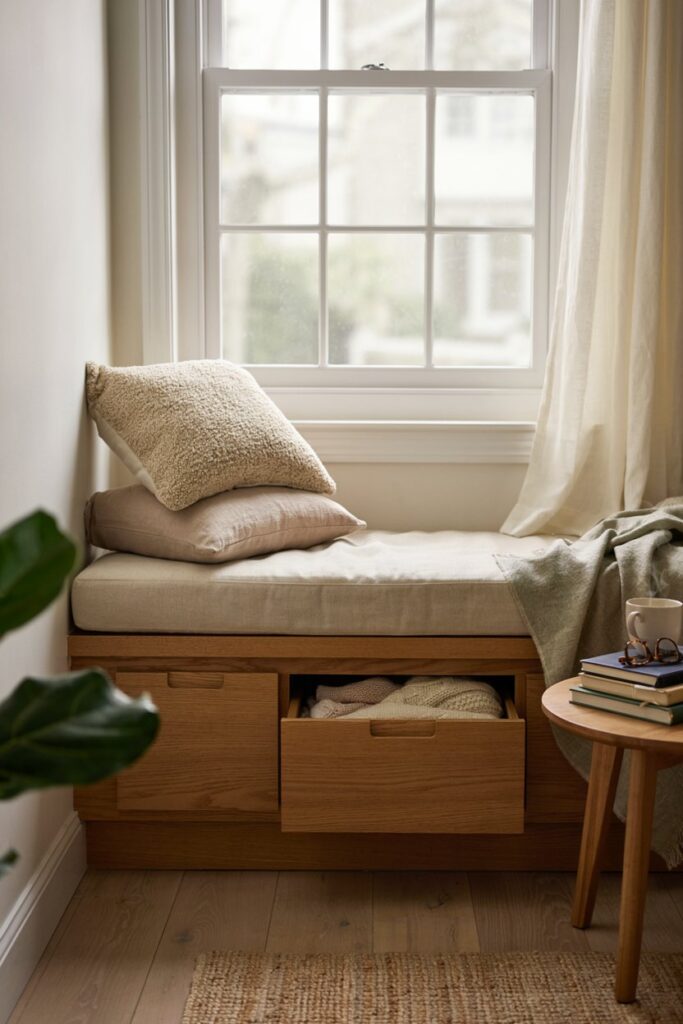
A window seat can turn an unused area into one of my favorite parts of a living room. With a comfortable cushion and a few pillows, it can become a quiet place for reading, relaxing, or enjoying natural light.
If the design includes storage underneath, the space becomes even more useful. I can use it for blankets, books, toys, or other items that I want nearby but out of sight.
Insight: A window seat works best when the cushion depth and height are comfortable enough for actual sitting rather than being treated only as decoration.
18Personal Collections
I believe a timeless living room should still feel personal. Favorite books, ceramics, artwork, family photographs, travel pieces, or vintage finds can make the room feel connected to the people who live there.
Instead of scattering every item around the room, I prefer grouping related pieces together. A small collection usually has more impact when each item has enough surrounding space to be noticed.
Pro Tip: Rotate decorative collections occasionally rather than displaying everything at once; this keeps the room fresh without requiring new purchases.
19Flexible Layout
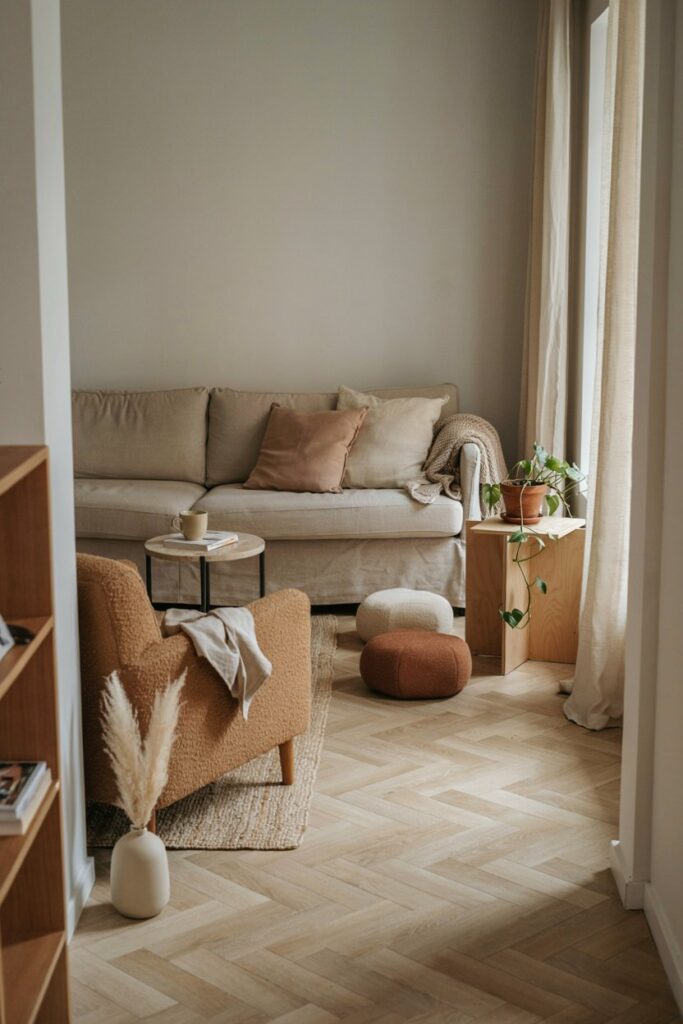
I like keeping a living room flexible enough to handle everyday life as well as guests. Lightweight side tables, movable poufs, nesting tables, and smaller chairs can be rearranged when the room needs to serve a different purpose.
I also pay attention to walking paths before adding more furniture. A beautiful arrangement becomes frustrating when people have to squeeze between the sofa, coffee table, and doorway.
Fact: Keeping clear circulation paths is one of the simplest ways to make a living room feel more comfortable and functional.
Conclusion
A timeless living room does not need to look expensive or perfectly styled. I get the best results when I start with practical furniture, a comfortable layout, dependable colors, and good lighting, then add personality through textures, artwork, plants, rugs, and pieces I genuinely enjoy.
The biggest advantage of this approach is flexibility. When my taste changes, I can update smaller details instead of replacing the entire room. That makes timeless decorating a practical choice as well as a beautiful one.
Many of the ideas I share are inspired by real-life experimentation. I often test décor concepts in my own living spaces and explore practical ways they can be applied in everyday homes. I also gather insights from working with homeowners who want to improve the comfort, beauty, and functionality of their spaces.
I share practical ideas for improving living rooms, bedrooms, and overall home aesthetics using simple design principles.
I explore creative ways to upgrade outdoor spaces including patio décor, small backyard styling, and relaxing outdoor setups.
I provide ideas for kitchen organization, décor accents, and functional layouts that make kitchens more beautiful and practical.
The concepts shared here are based on ideas I have personally experimented with or studied through real home décor improvements.